Color, 1996, 119 mins. 44 secs.
Directed by Dario Argento
Starring Asia Argento, Thomas Kretschmann, Marco Leonardi, Luigi Diberti, Paolo Bonacelli, Julien Lambroschini
Vinegar Syndrome (UHD & Blu-ray) (US R0 4K/HD) / WS (1.85:1) (16:9), Blue Underground (Blu-ray & DVD) (US R0 HD/NTSC) / WS (1.85:1 / 1.66:1) (16:9), Arrow Video (DVD) (UK 40 PAL), Medusa (DVD) (Italy R2 PAL) / WS (1.78:1) (16:9), Troma (DVD) (US R1 NTSC) / WS (1.66:1), Dutch Filmworks (DVD) (Holland R2 PAL) / WS (1.66:1) (16:9), Pioneer (DVD) (France R2 PAL) / WS (1.85:1) (16:9), Marquee (DVD) (UK R0 PAL) / WS (1.66:1)
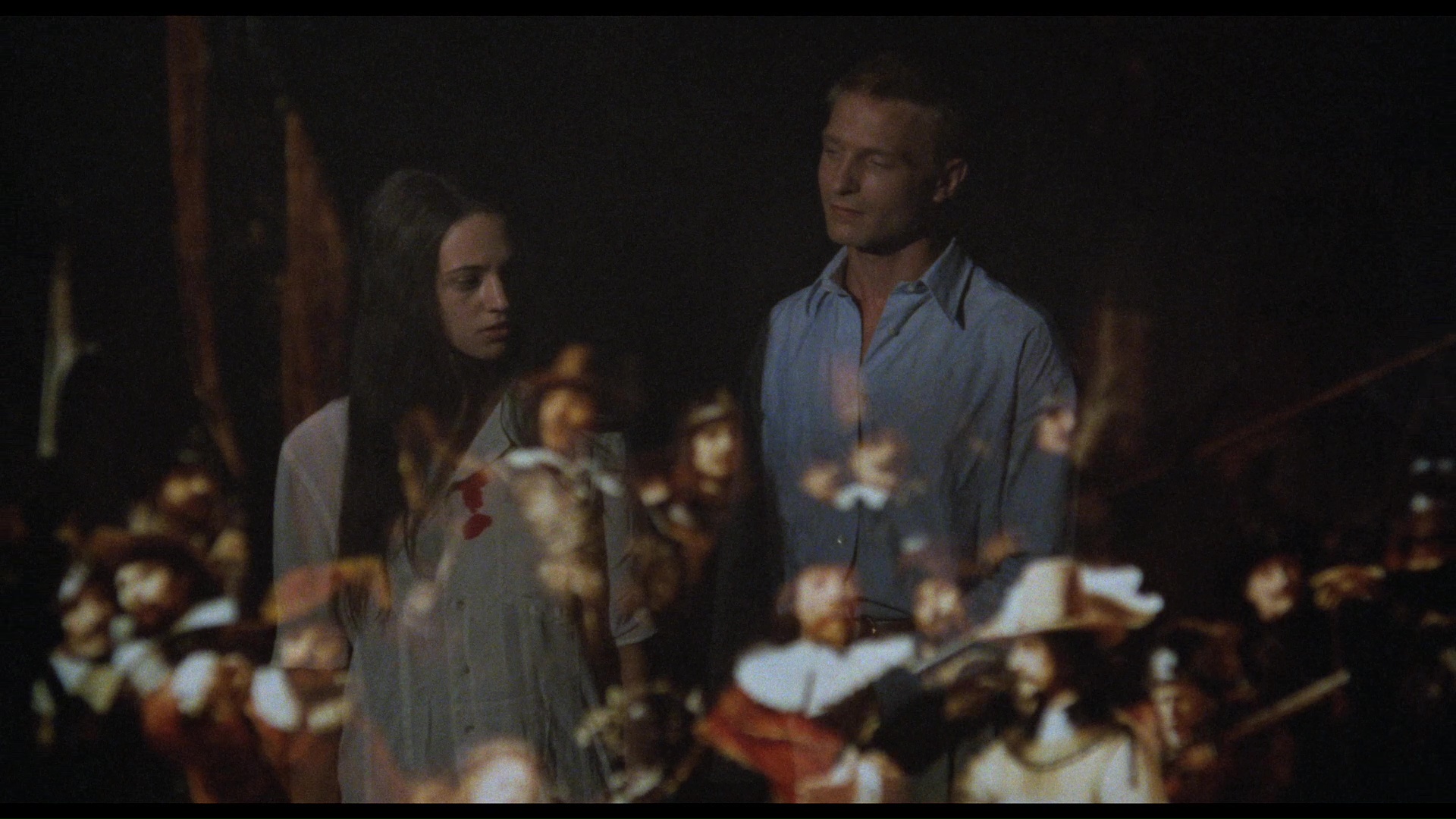 After a
  bumpy two-film stint in America, Dario Argento shocked fans by delivering one of his most grueling, difficult films with this jittery study of psychosis hinging on the familiar Hitchcockian theme of transmission of guilt. Here the idea is filtered through disturbing psychosexual imagery that contrasts harshly with his previous dreamy, asexual nightmares.
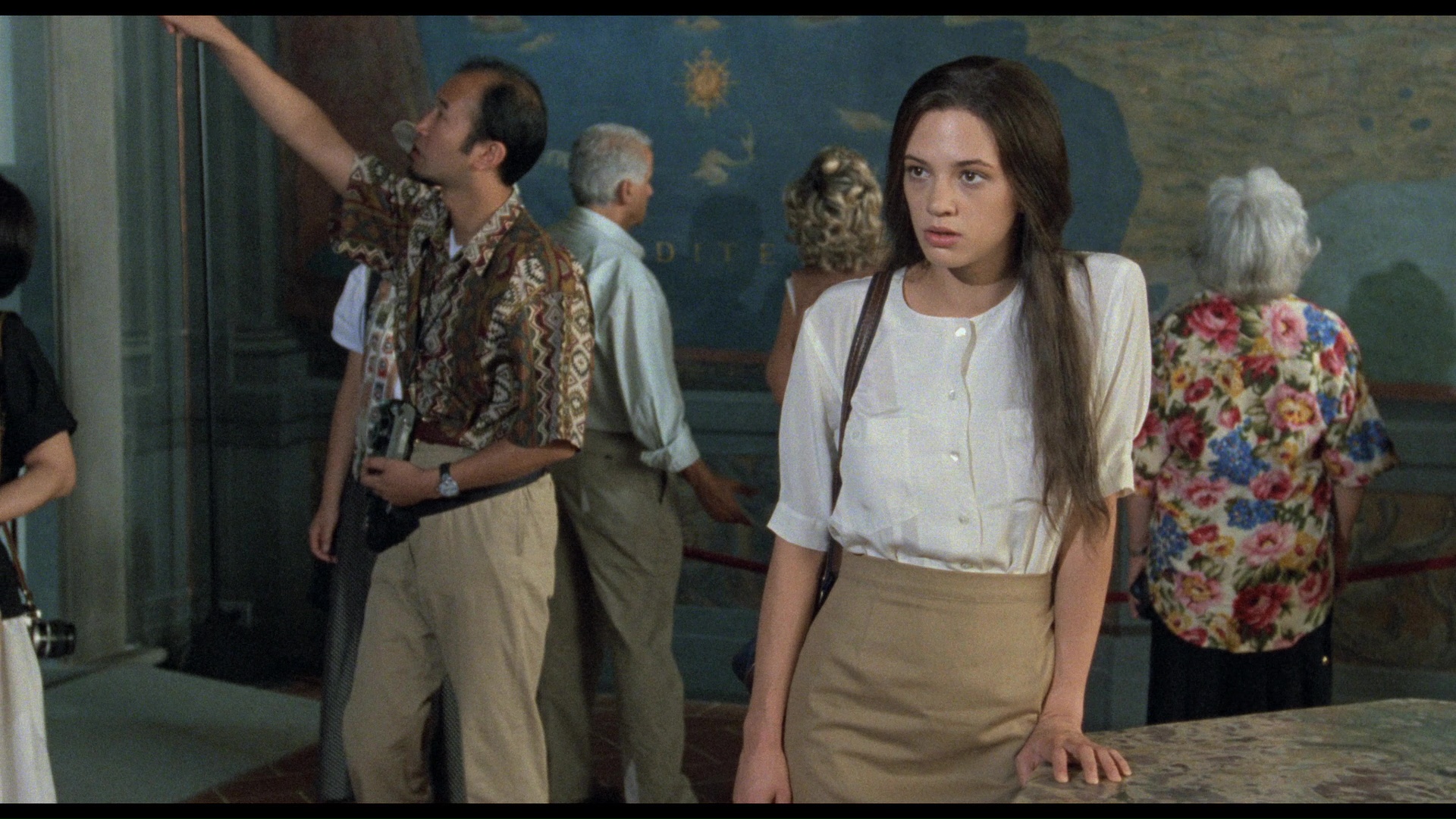
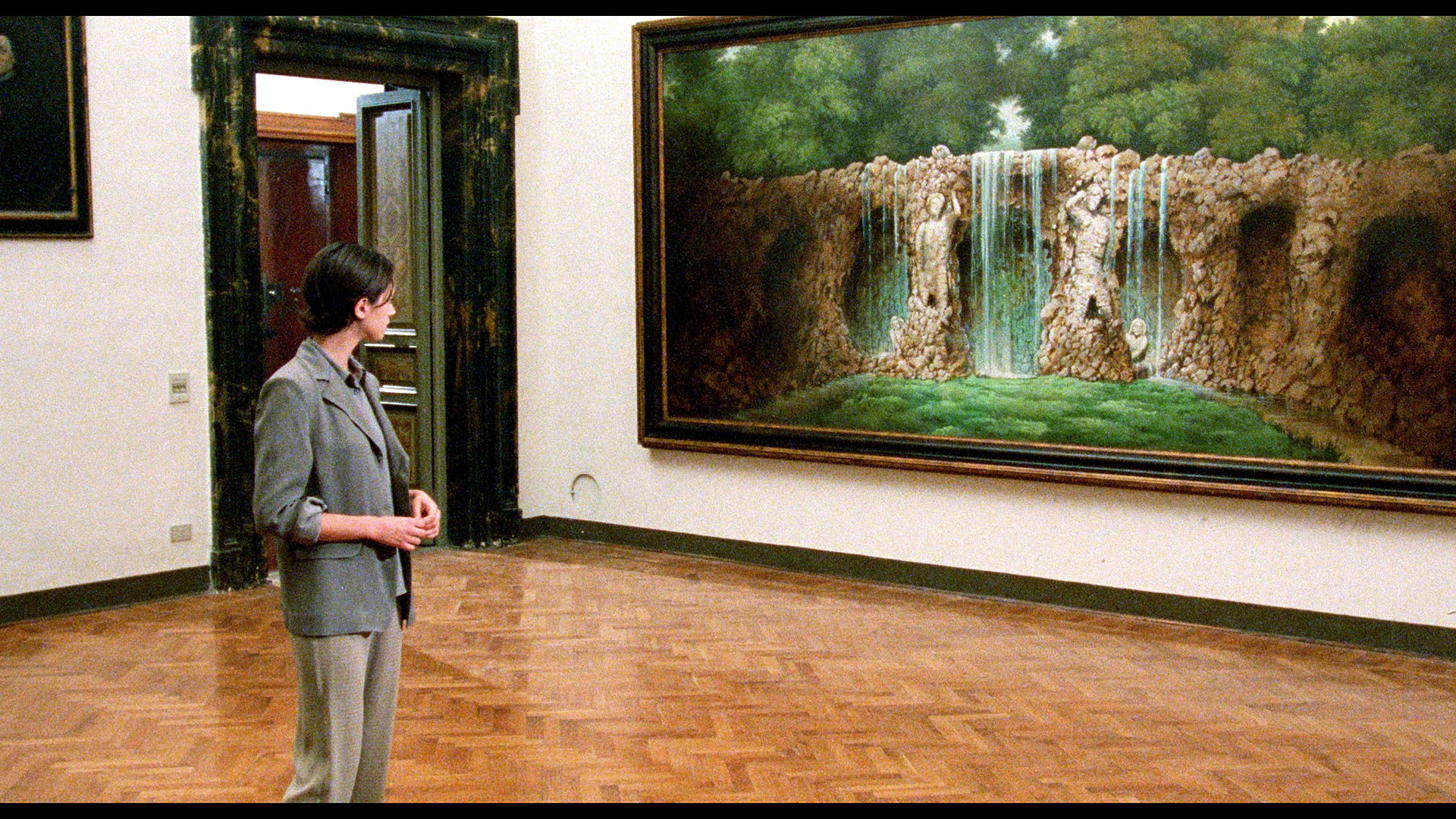
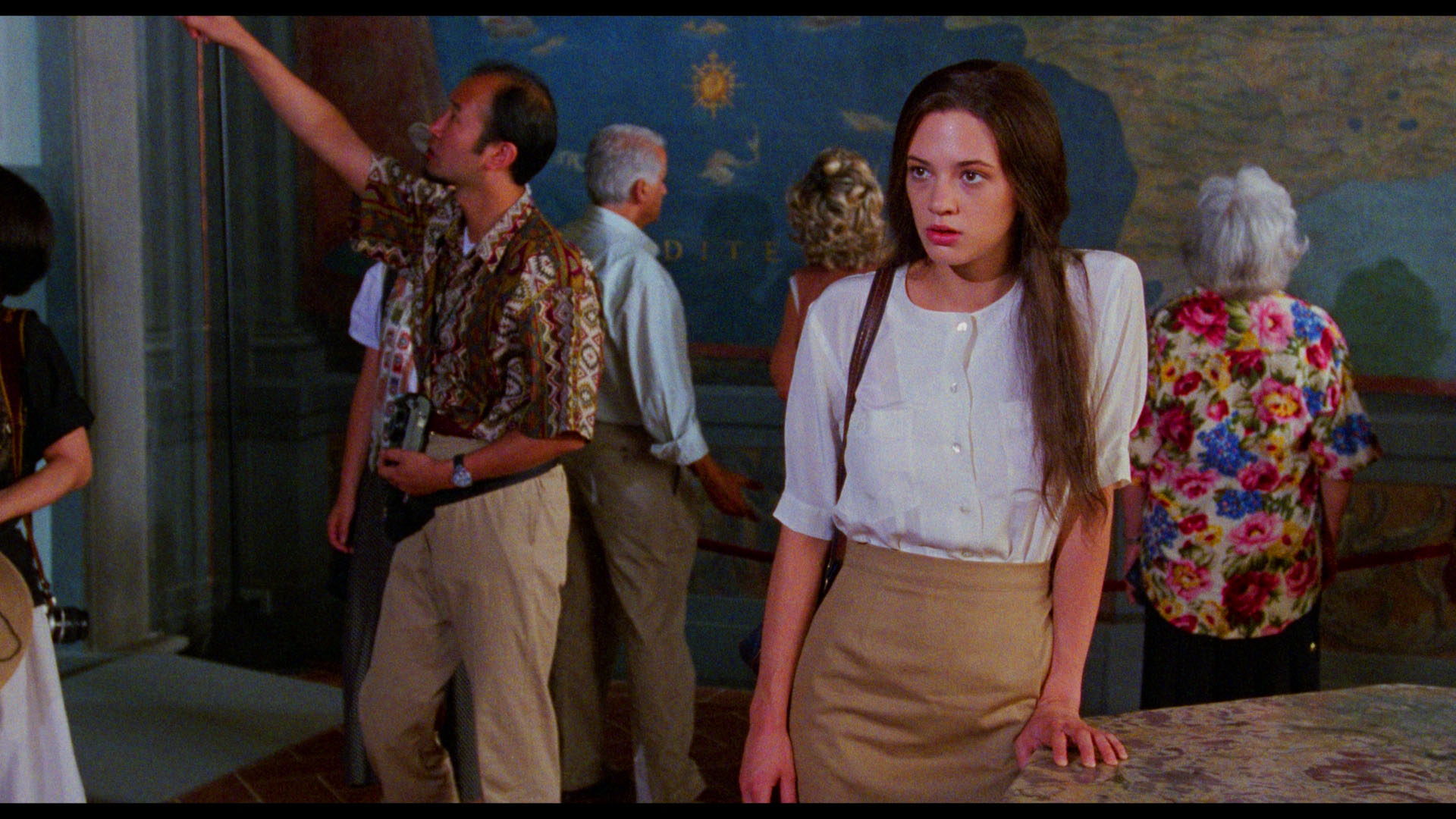
Argento's daughter, Asia, takes the lead once again as Anna Manni, a police detective whose pursuit of a serial killer leads her to the Uffizi Gallery in Florence. While gazing at the paintings among the stifling crowd, Anna is overcome, collapses to the floor, and experiences a bizarre underwater vision. The psychopath, Alfredo (Dracula 3D's Kretschmann), makes contact with Anna and continues to observe her, even dragging the young woman into the middle of a horrific gunshot killing. Gradually Alfredo closes in and plays sadistic mind games with Anna and tries to distort her psyche... but that's just the beginning.
A rare Argento work to actually receive a theatrical run in America after the '80s, The Stendhal Syndrome is definitely not a film for Italian horror beginners. Unprepared midnight movie audiences greeted the film with giggles and confusion, a problem exacerbated by its weird pacing. The film seems to reach its violent climax halfway into the story, only to abruptly switch gears and become a rather different type of narrative for the following hour. On top of that the dialogue was spoken phonetically in English but dubbed in English by different and wholly inappropriate actors. As a result, some lines come off as unforgivably clunky ("I can give you a ride on my French scooter") and detract from what is  otherwise a somber, brutal, and nightmarish film that begs to be
  considered as a serious work of art. Asia's performance improves with repeated viewings as she is subjected to a variety of physical and psychological tortures, delivering a far more committed job here than some of her later work with her father. Along the way Dario also indulges in skewed references to both his own films (Phenomena in particular) and some unexpected riffs on other horror titles like When a Stranger Calls. Of historical note, the film also marked the reteaming of Argento with composer Ennio Morricone, who had scored Argento's first three landmark thrillers in the early '70s and would return again for Phantom of the Opera.
The first English-friendly release of this film appeared on Japanese laserdisc, with mild letterboxing (a hair under 1.66:1) that was later approximated for its American DVD debut from Troma in 1999. That release was originally announced with a commentary track by Argento that ultimately had to be pulled due to the director's discomfort with speaking English for long periods of time (as evidenced by his tracks for Anchor Bay's Tenebrae and Phenomena, which have now been out of circulation for a long time). The flat letterboxed transfer was watchable but not all that impressive given the film's intended sumptuous visuals courtesy of Giuseppe Rotunno's impressive cinematography, though by Troma standards it was well above average. The usual bizarre, unrelated Troma extras round out the package, including a rotten U.S. theatrical trailer, "coming distractions" for titles like Killer Condom and Cannibal: The Musical, a video interview with Argento and Lloyd Kaufman (also included on other Troma DVDs), some comments from FX maestro Sergio Stivaletti about the mixture of latex gore and CGI manipulation, a bizarre video interview with director Ruggero Deodato, some camcorder footage of Argento at a horror convention in Sweden, and the usual "Tromabilia." The Dutch and (overmatted) French DVDs offer anamorphically enhanced transfers which are superior to Troma's but still a bit lacking, though the surround tracks are weaker. Both have optional subtitles and the usual Argento bio-related extras. The Dutch version also tacks on Dario Argento's World of Horror as a generous extra. The UK actually saw two different DVD editions from Marquee; the first (sporting a black and  white sticker) accidentally slipped through uncut, while the second pressing (with a color sticker) complied with BBFC requirements by censoring some of the sexual violence.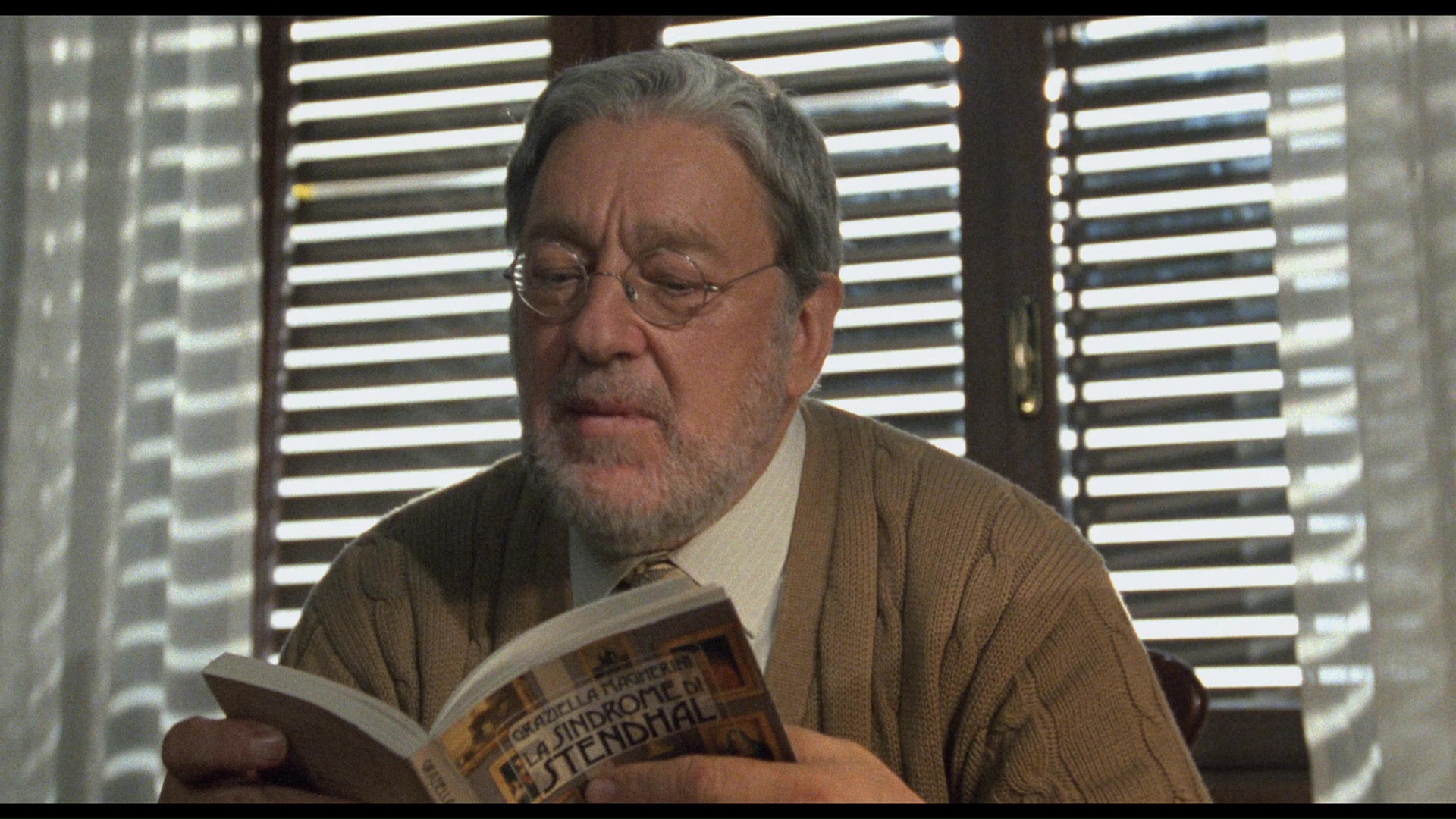
Late in the game but better was the 2001 Italian disc from Medusa, which divided its bounty onto two discs. The first contains the slightly longer Italian cut of the film (which finally makes sense of Veronica Lazar's presence in the end credits and adds another brief extra phone call scene), with booming Italian 5.1 and 2.0 tracks with optional English or Italian subtitles. The colors were the most vibrant to that point but the excessive application of noise reduction resulted in an overly smooth, waxy surface to actors' faces and some noticeable loss of detail in many of the paintings. This was the first time the Italian track could be viewed with English subtitles, and it's a far better option with Asia's real voice, even if it's not really in sync with her dialogue. This disc also includes the usual filmographies, all in Italian. Disc two contains the standard English language cut of the film, anamorphic and with 5.1 audio. The disc also includes brief video interviews with Dario and Asia Argento on the set of the film, as well as a more worthwhile half-hour featurette containing behind-the-scenes footage from various sequences throughout the shoot. None of the extras are English friendly, of course, but the documentary is still a worthy addition. As a special mention, the menu design is quite clever and in keeping with the nature of the film.
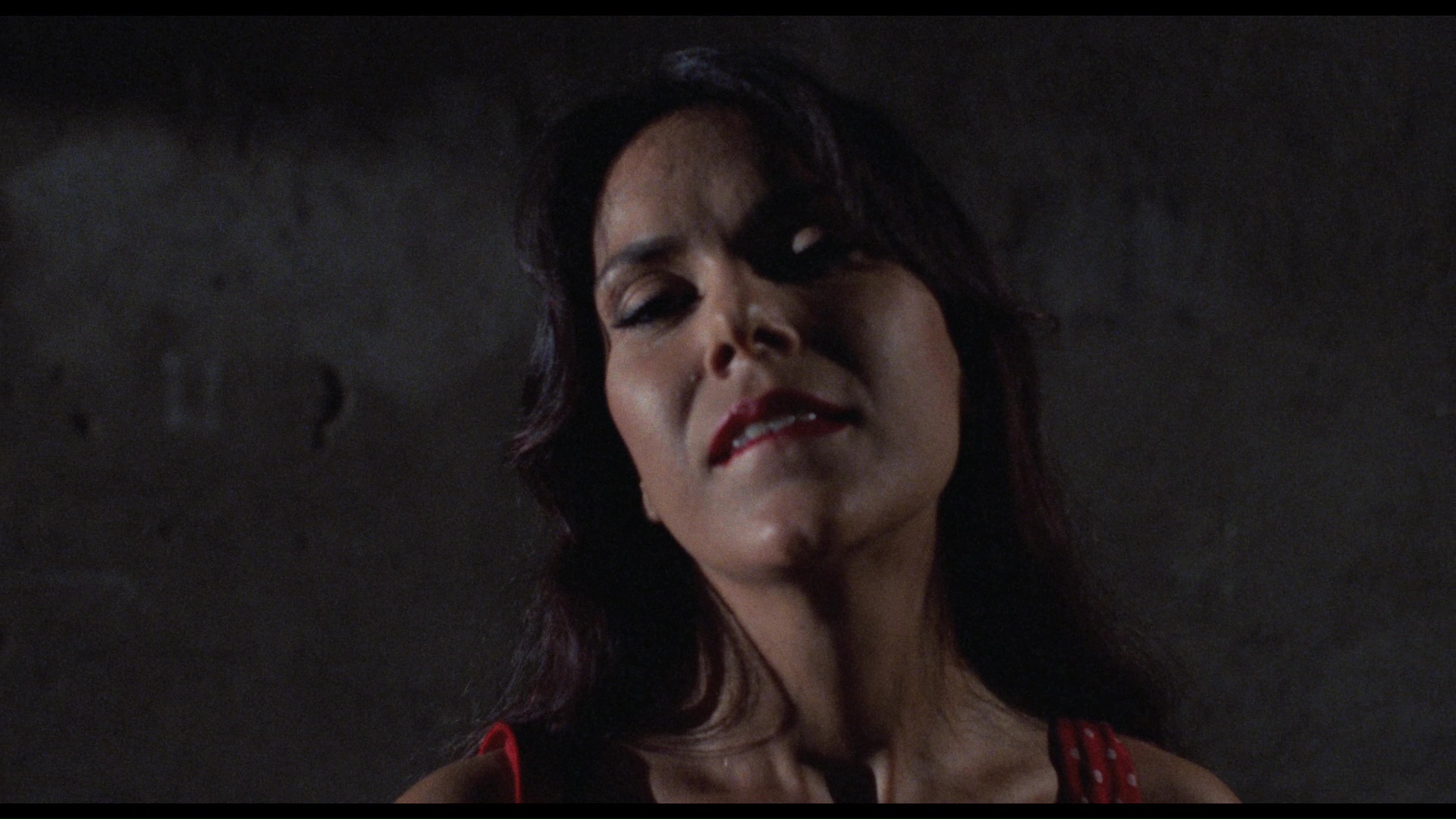 That brings us to the film's transition in America to Blue Underground, who made it available as both a two-disc DVD edition in 2007 and a single-disc Blu-ray in 2008 with the
 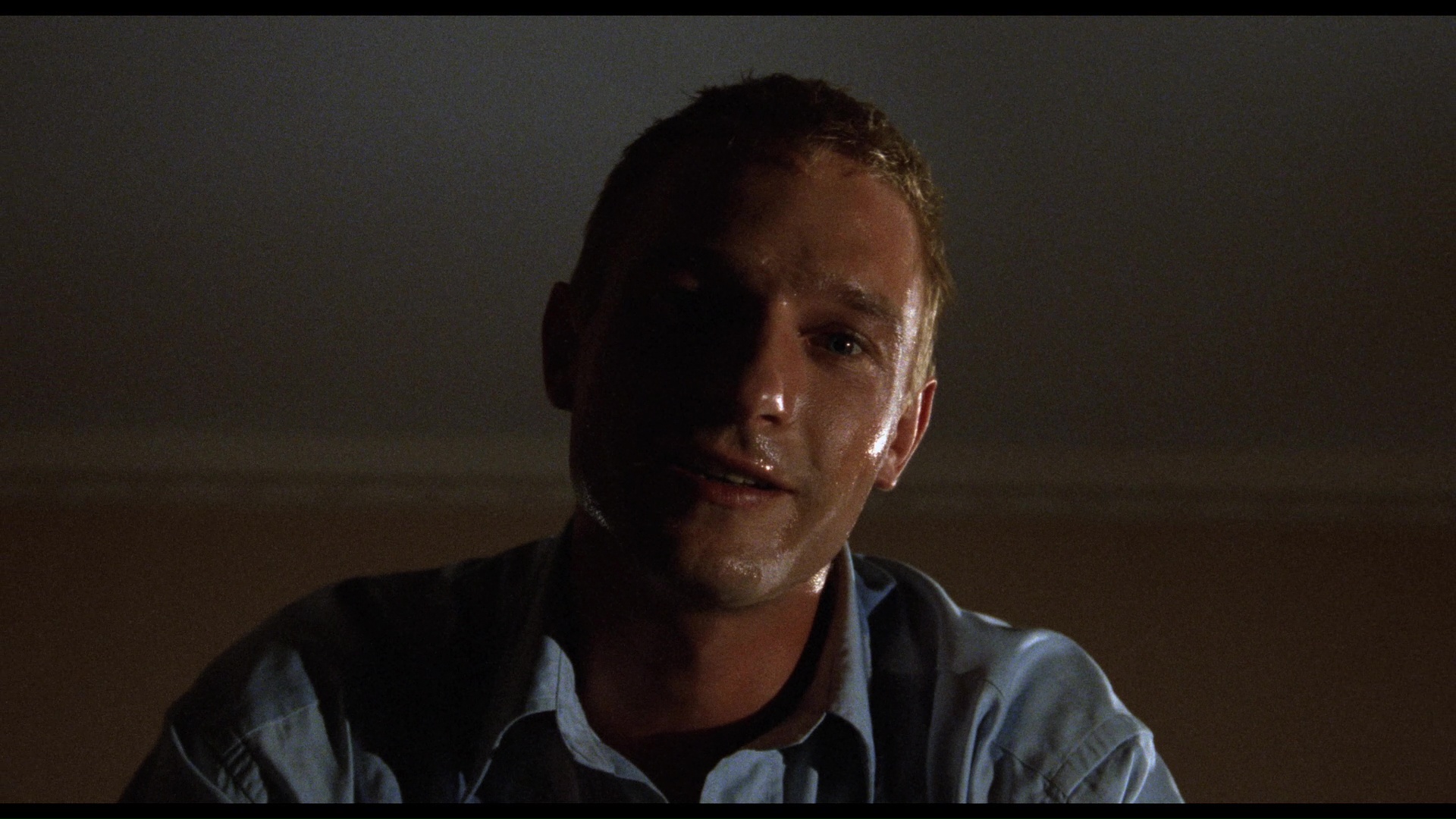 same contents contained on both. The 1.66:1 transfer swerved far from the Italian release by restoring all of the film grain, sometimes far too much for the encoding to handle at the time; this was one of the company's earliest Blu-rays along with Django, and they both have a fair amount of digital noise that becomes distracting during darker scenes. Daylight scenes look clean, clear and vivid, and in the Blu-ray particularly, colors are rich and superior to those seen in the poor Troma theatrical prints. Those dark scenes are a problem though; Anna's scenes in her hotel rooms, for example, had then-recent Blu-ray converts gasping in horror as she appears to be under attack by swarms of mosquitoes. Both the DVD and BD feature the expanded cut of the film (with the extra Italian footage presented with optional English subtitles), while the bulk of the film can be played either in Italian or English. The Blu-ray sounds good in English thanks to the DTS-HD and Dolby TruHD 7.1 audio mixes, which are powerful and easily fill the room (though the surrounds only get an occasional workout). The Italian track only gets a standard Dolby Digital 5.1 mix, which sounds fine in and of itself but comes off as downright timid compared to its English counterparts.
All of the extras on that edition are in Italian with English subtitles, and while the interesting making-of featurette from the Medusa disc is absent, what's here easily picks up the slack. Argento appears for another worthwhile video interview, "The Director," which spends 20m1s covering the genesis of the film, Argento's psychological fascination with the titular syndrome and its integration into his gallery of murderers, putting his daughter through such a traumatic leading role, and how he 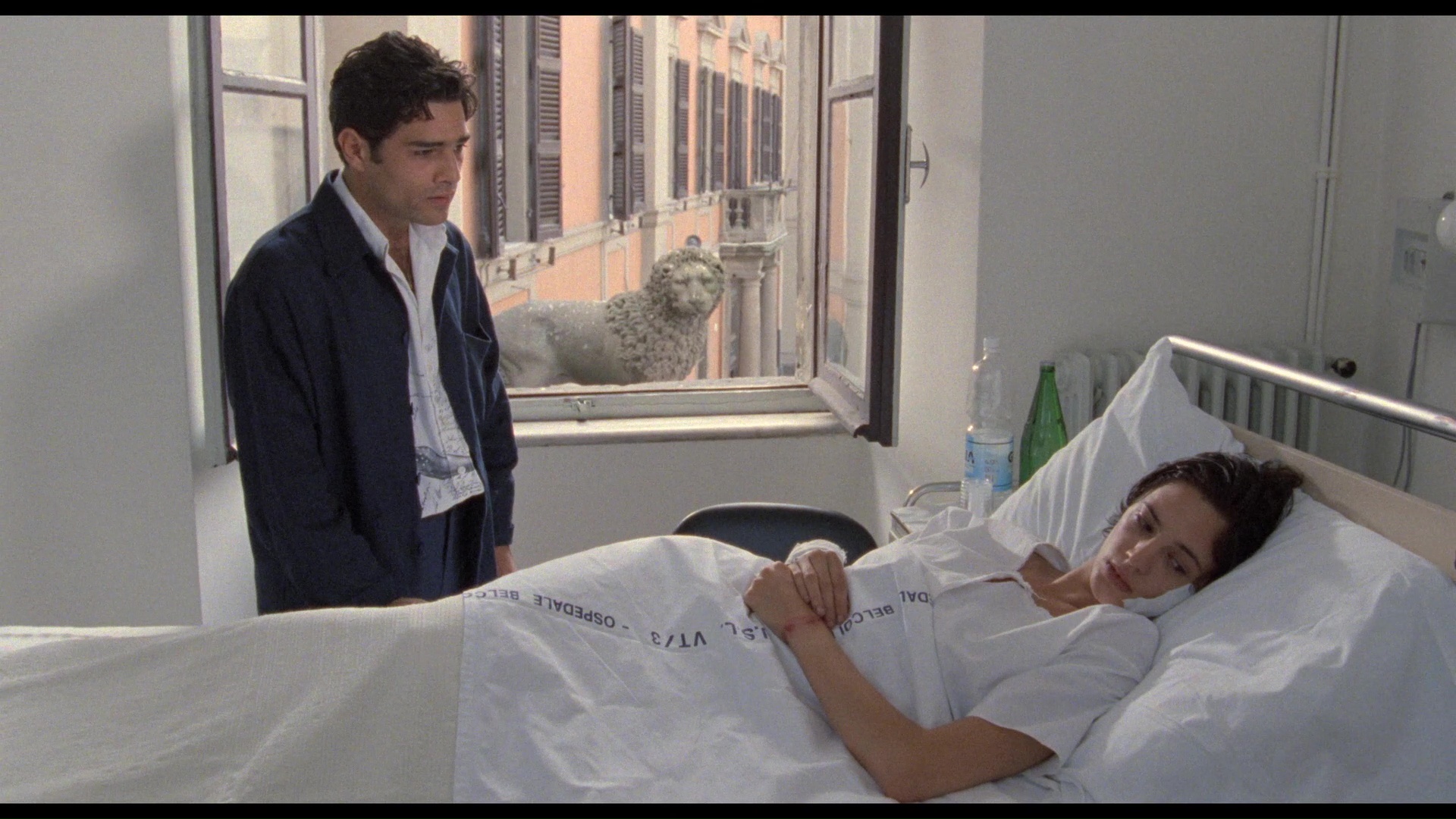 felt going back to Italy after the tepid reception to his films made in America. Graziella Magherini, the psychologist who introduced the syndrome into the popular vernacular, appears for "The Inspiration" (20m39s), a solid piece that actually sheds quite a bit of light on the main feature's storyline and goes into depth on some real-life cases which thankfully weren't as extreme as the one depicted by Argento. "Special Effects" (15m46s) spends time with the great Sergio Stivaletti, whose show-stopping
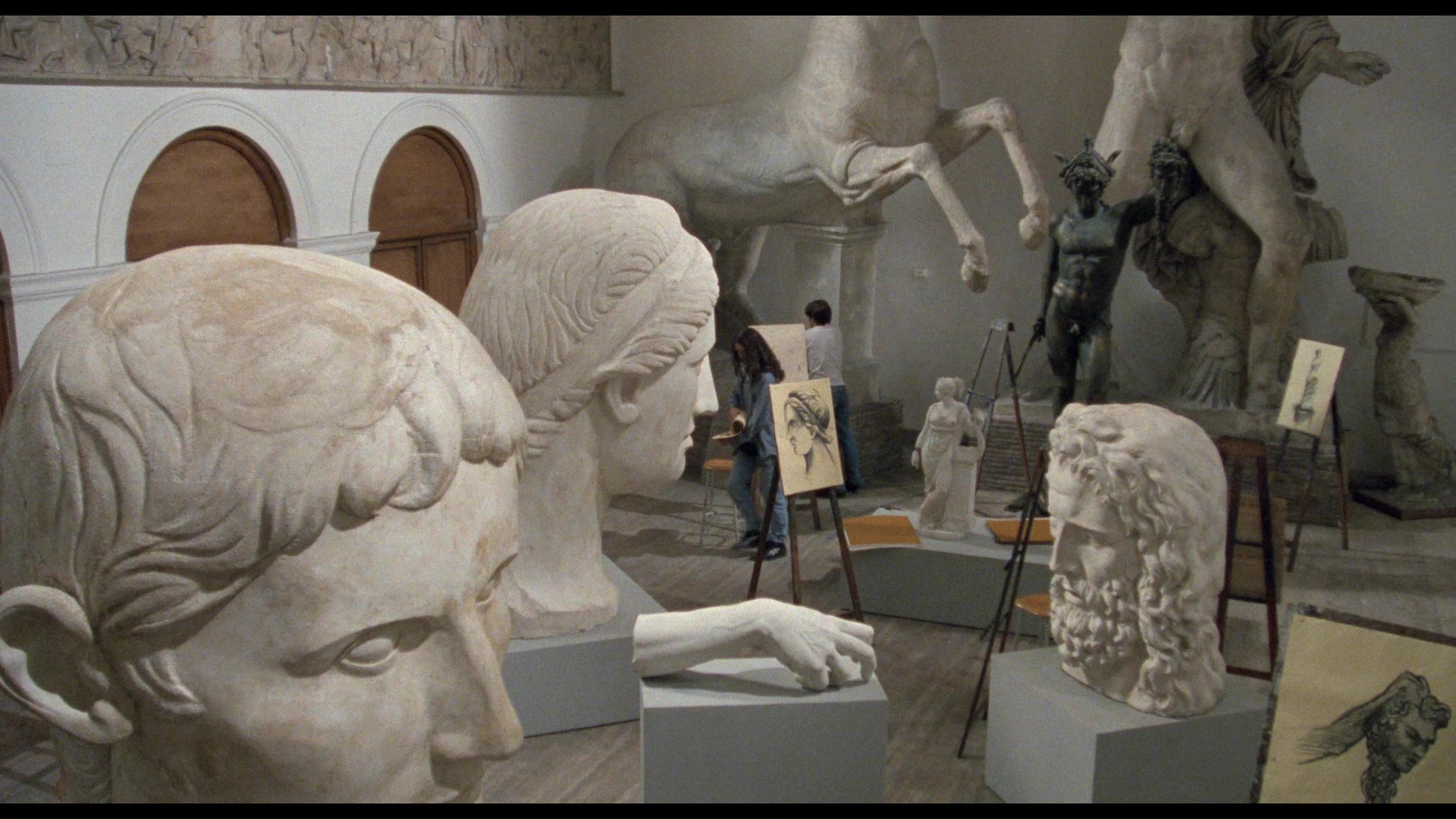
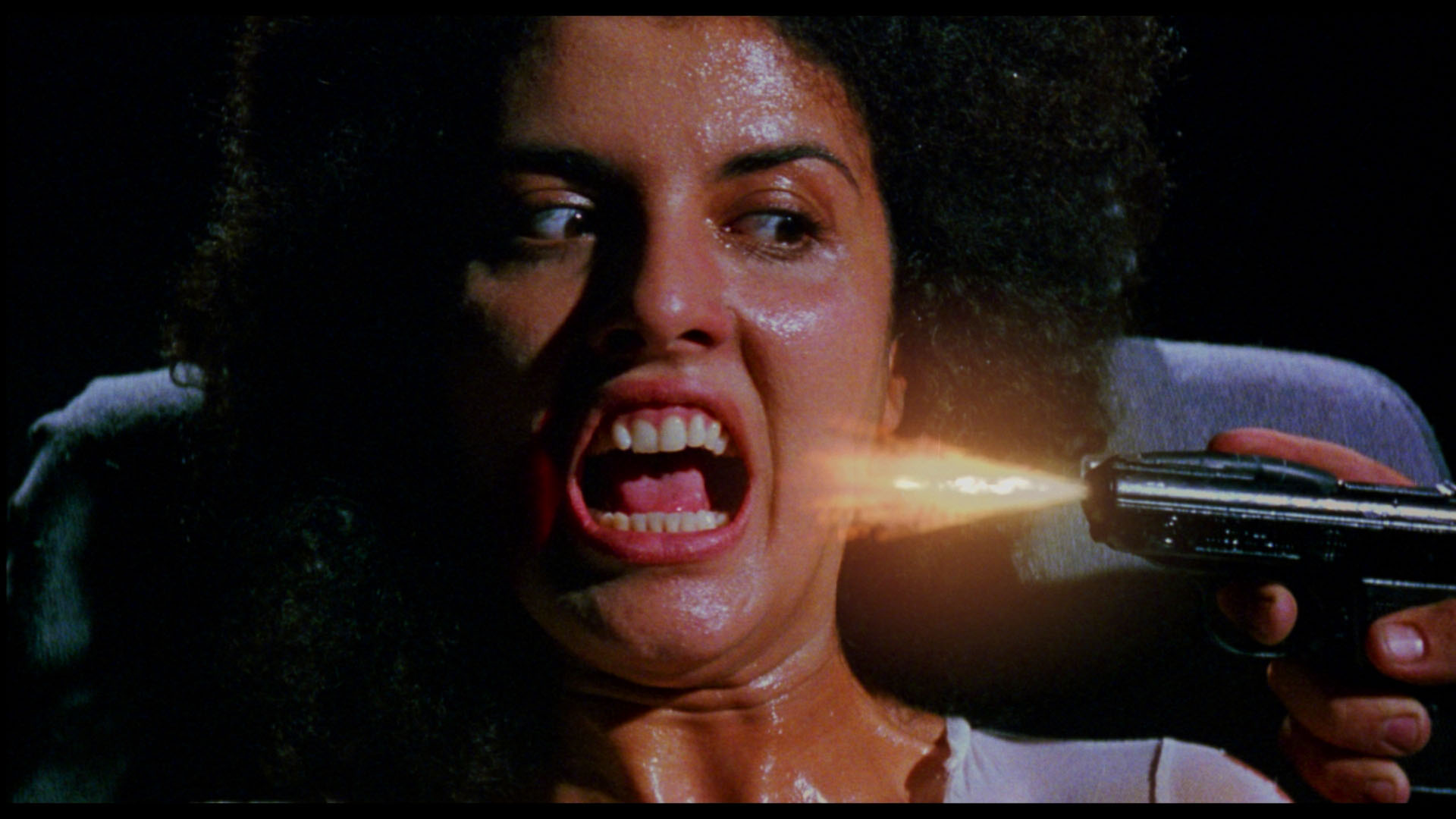
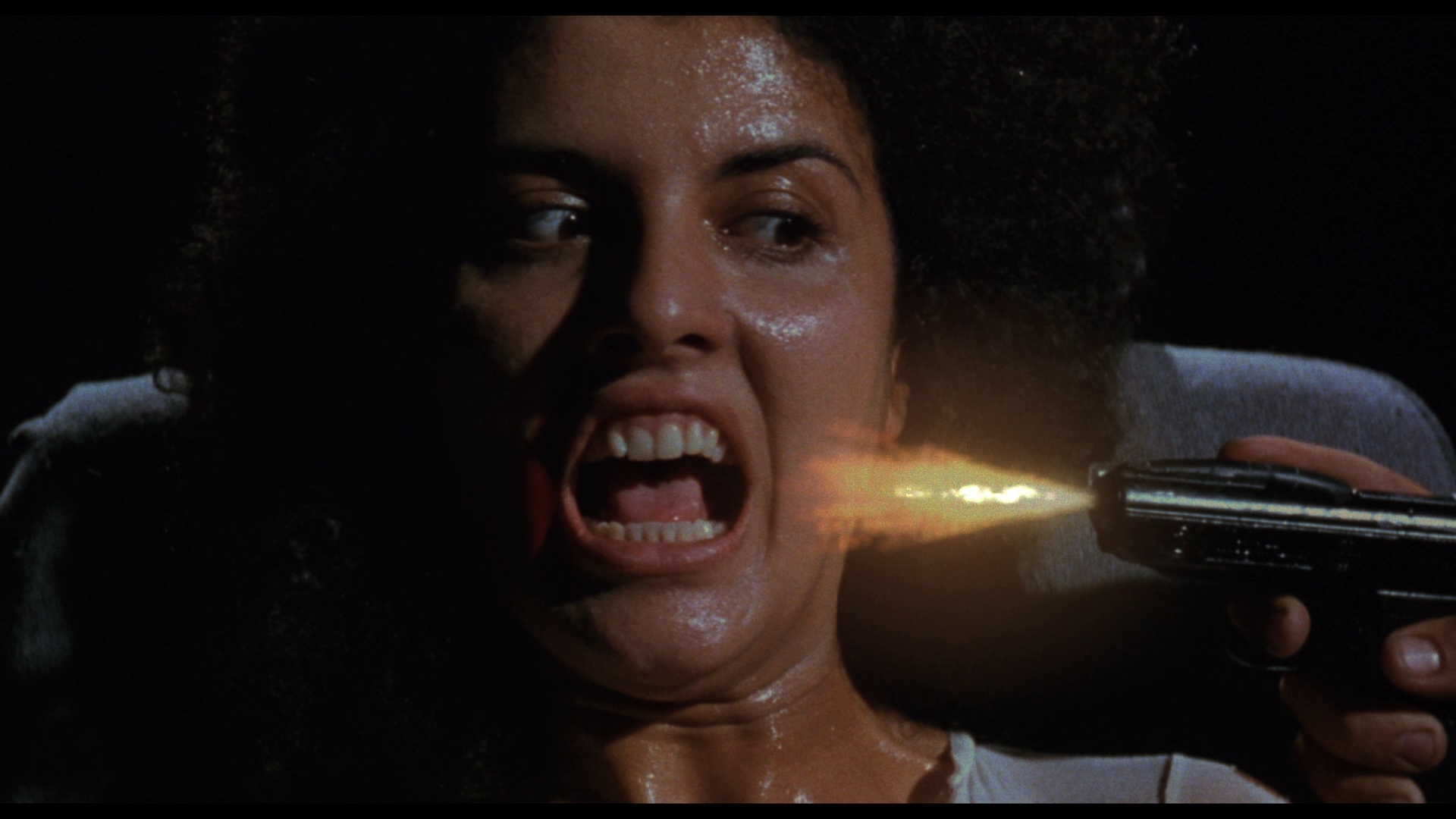
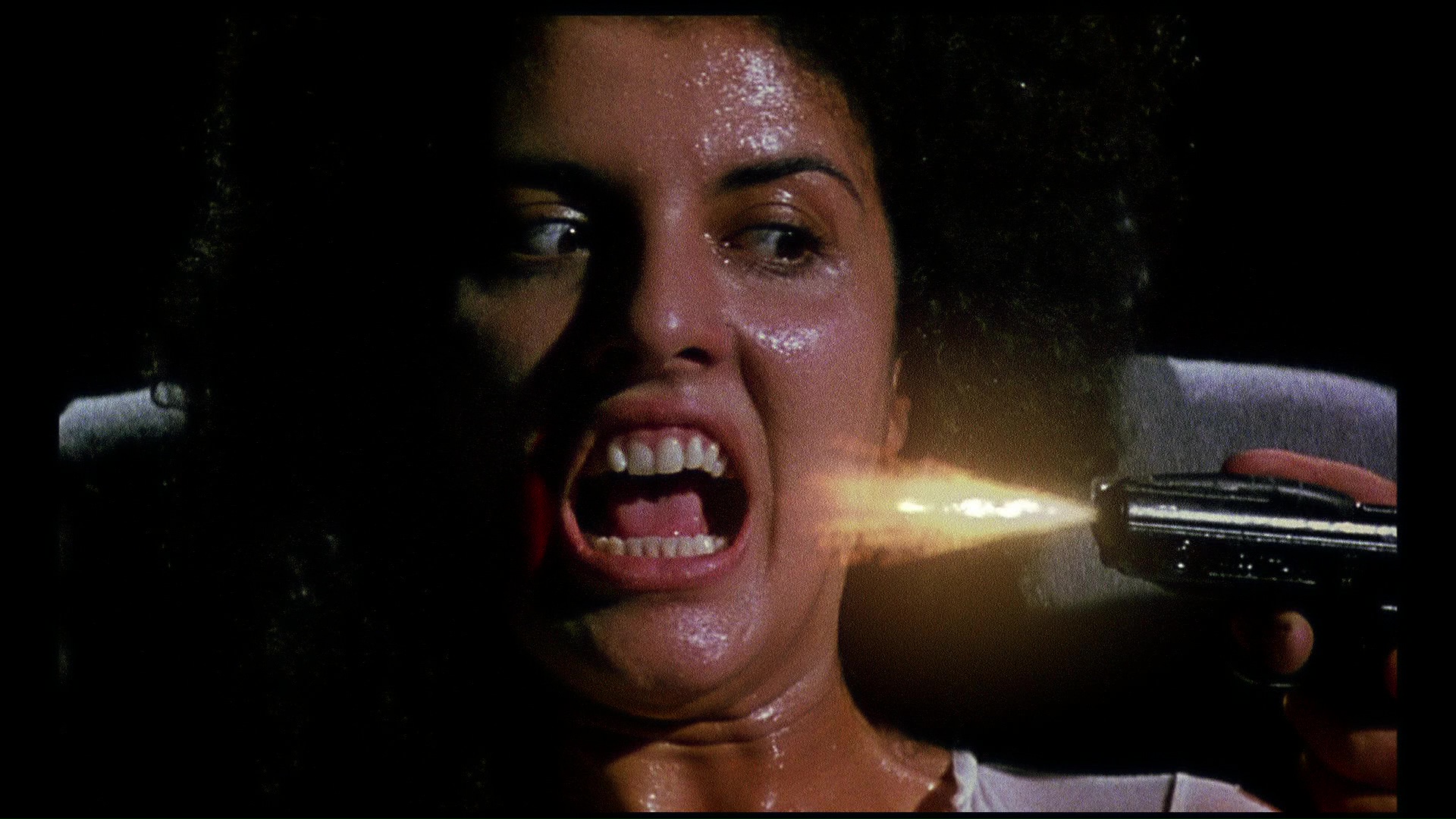
  concoctions were augmented with CGI here for the first time, most memorably in the outrageous bullet-cheek scene (which brought down the house back in '96 but looks awkward now). As always, Stiveletti is interesting and passionate about his work, which still stands up well except when it's horrendously misused (i.e., the wretched The Last House in the Woods). Frequent Argento collaborator and Profondo Rosso store manager Luigi Cozzi pops up for "Assistant Director" (21m50s) in which he spends most of his time covering his decades-long relationship with the director and the experience of working with him again in a very different era (or lack thereof) for Italian horror on this film. Finally, "Production Designer" (the longest of the bunch at 22m39s) features Massimo Antonello Geleng discussing the visual style of the film, which came as a shock to many fans with its dark, dank color scheme inspired by the chiaroscuro established by painters like Caravaggio (seen in the Uffizi opening) as well as the violent sexuality of both the story and the visual schemes, particularly the obscene and unsettling cave paintings during the harrowing middle sequence. The set is rounded out with a very brutal theatrical trailer, which was mostly likely prepared for international English sales as it's much more extreme than the one Americans eventually saw.
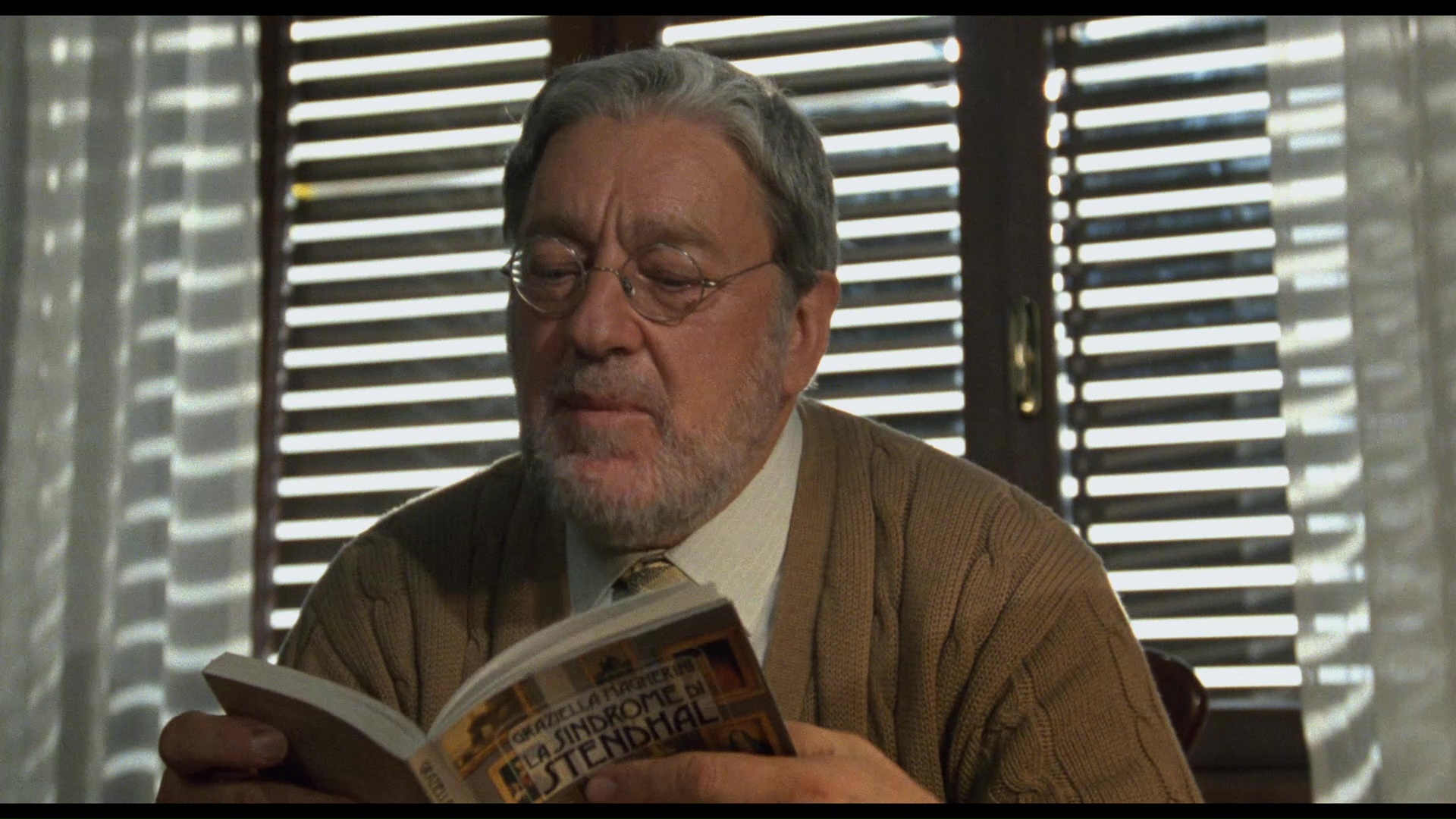
A decade later, Blue Underground revisited the film for an upgrade with a fresh 2K scan from the original negative. Significantly, the 1.66:1 aspect ratio presumed to be correct based on their prior release (and some European home video releases and theatrical screenings) turns out to be very cropped compared to the original negative, which reveals a significant amount of horizontal information 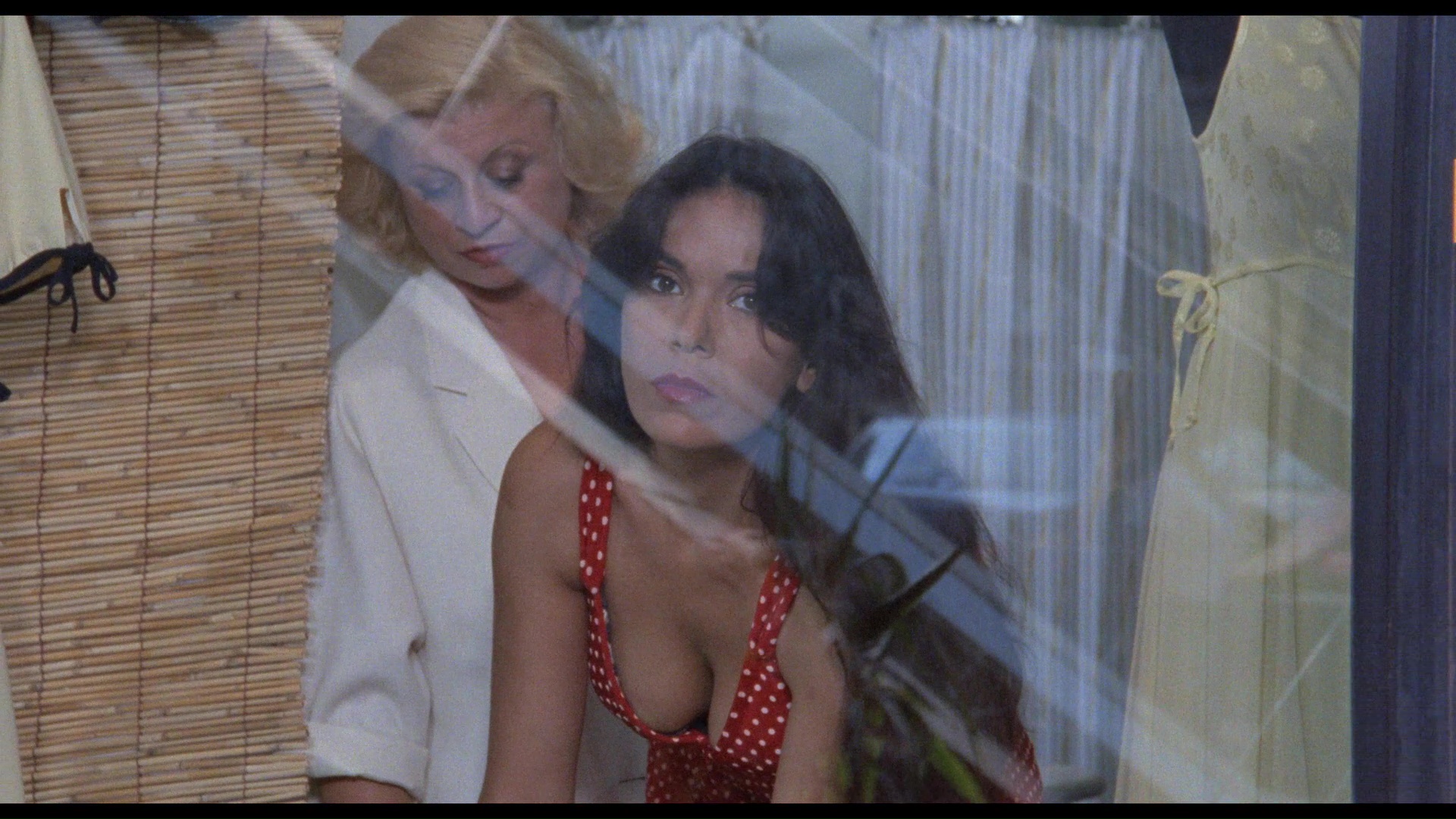 here with its 1.85:1 framing (which also loses a sliver of vertical info in the process). The difference is an appealing one here as the compositions feel a bit more spacious and elegantly composed, particularly the psychiatrist office scenes whose expansive venetian blind shadows now look more eerie and oppressive. Film grain is fine and natural
  here without any waxiness or edge enhancement mucking things up; the color timing is a bit cooler in several scenes but not drastically so, with the whites (which bordered on blowing out entirely on the older transfer) now looking more natural and under control. On the more controversial side, in the first pressing, dusky indoor shots with heavy grain and low light were insufficiently handled by the encoding and raised the ire of several consumers; a revised pressing was made available with a beefier, more careful encoding (which, interestingly, is also a couple of ticks brighter). The superior Italian track is treated for more respectfully here as well; it's the default option when you play the film, in DTS-HD MA 7.1, Dolby Digital 5.1 (the old DVD mix), and DTS-HD MA 2.0 stereo options with optional yellow English subtitles. You can pretty much skip the 5.1 version unless you have receiver issues; the 7.1 is fun enough and sounds nice if you want the surround effects, but wow, the Italian two-channel stereo mix here is a killer with Morricone's score faring the best in this option with a beautiful amount of depth and presence. That goes for the English track as well (same three configurations); it's still a pretty obnoxious mix from a dubbing standpoint, but otherwise the 7.1 is an amusing room filler and the 2.0 sounds the most robust. The English version can also be played with optional English SDH subtitles, which of course are quite different from the subs for the Italian version (which are an authentic translation and not dubtitles). Optional French or Spanish subtitles are also included.
Accompanying the feature is a new audio commentary by Troy Howarth, who puts another notch in his belt of accomplished giallo chat tracks with a thorough and sometimes amusing overview of the history and significance of this entry in the Argento canon, which only partially qualifies as an actual giallo as it also dabbles in full-blown psychological horror. He covers the film's intended origins as an American production (with prospective stars including Bridget Fonda), the ongoing professional relationship between Dario and Asia, the backgrounds of all the pertinent actors and crew members, and the leading lady's acting choices to convey some fairly tricky concepts going on within her character. If that sounds heavy, it really isn't (as the early crack about Edward G. Robinson should tip off), and he justifiably takes the film's lousy English dub and the baffling decision to go with Troma to task, too.  His dark reading of the final moments is interesting but up for debate (this is a film about transformation, perception, scars, and
  disorientation, after all), confirming this is a film best viewed with other people willing to talk about it afterwards.
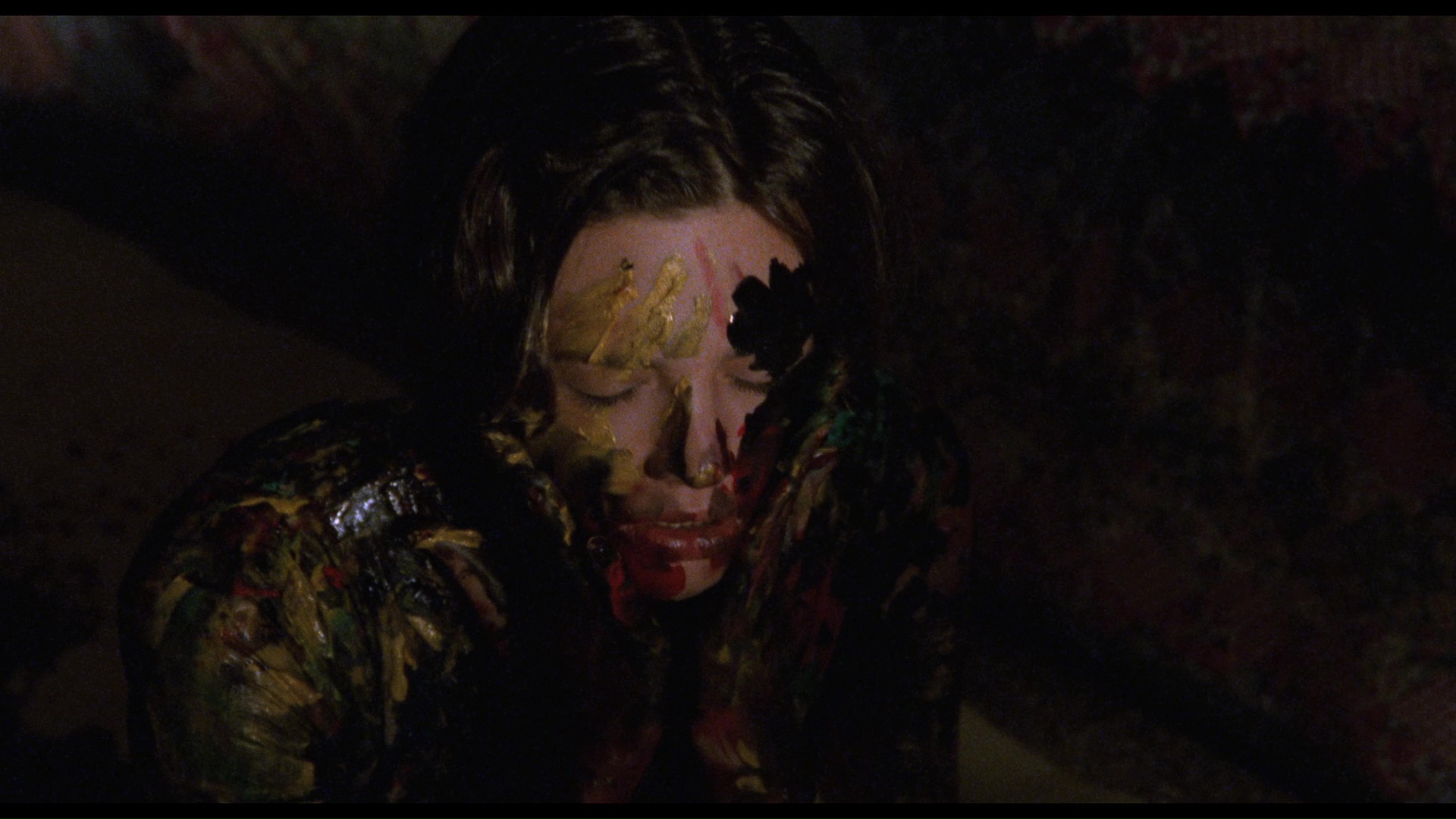
"Three Shades of Asia" (20m1s) features the actress in very articulate form as she recalls the shoot in vivid detail, charting the Florence shoot, the experience of shooting in the legendary Uffizi, the flickerings of the titular syndrome she experienced herself, the visual trickery behind some of the physical abuse she had to enact (the fish kissing sounds like the worst of it), the brilliant of Rotunno's ability to create "black nights" on film, and confirms a body double had to perform some of the "naked and violent scenes" at the halfway point. (She and her dad both hate her voice in the English track, too.) Regular Argento co-writer Franco Ferrini appears for "Prisoner of Art" (13m36s) to discuss adapting the Magherini book-length essay into the current story (with Ferrini turning the female lead into a cop instead of Argento's lawyer idea) with some pivotal advice from Sergio Leone informing Argento's method of leaning on show-stopping openers, which works better in some cases than in others. In "Sharp as a Razor" (10m3s), special makeup artist Franco Casagni speaks fondly of working with Rotunno (who retired after making this film) before going into detail about bloodying up actors, gouging out eyeballs, and creating prosthetic heads. The trailer and a gallery of promotional stills and international poster art close out the Blu-ray, which also comes with two DVDs. The first DVD also has the film and the new featurettes, while the second DVD is reserved for all four of the 2007 featurettes in their original SD glory. The release also comes with an insert booklet containing liner notes by Michael Gingold, who offers a thorough account of the film's creation, production, and release (albeit with some spoilers, so watch the film first!), all the way from its Americanized genesis through the aborted plans for a sequel with the Anna character that morphed into The Card Player.
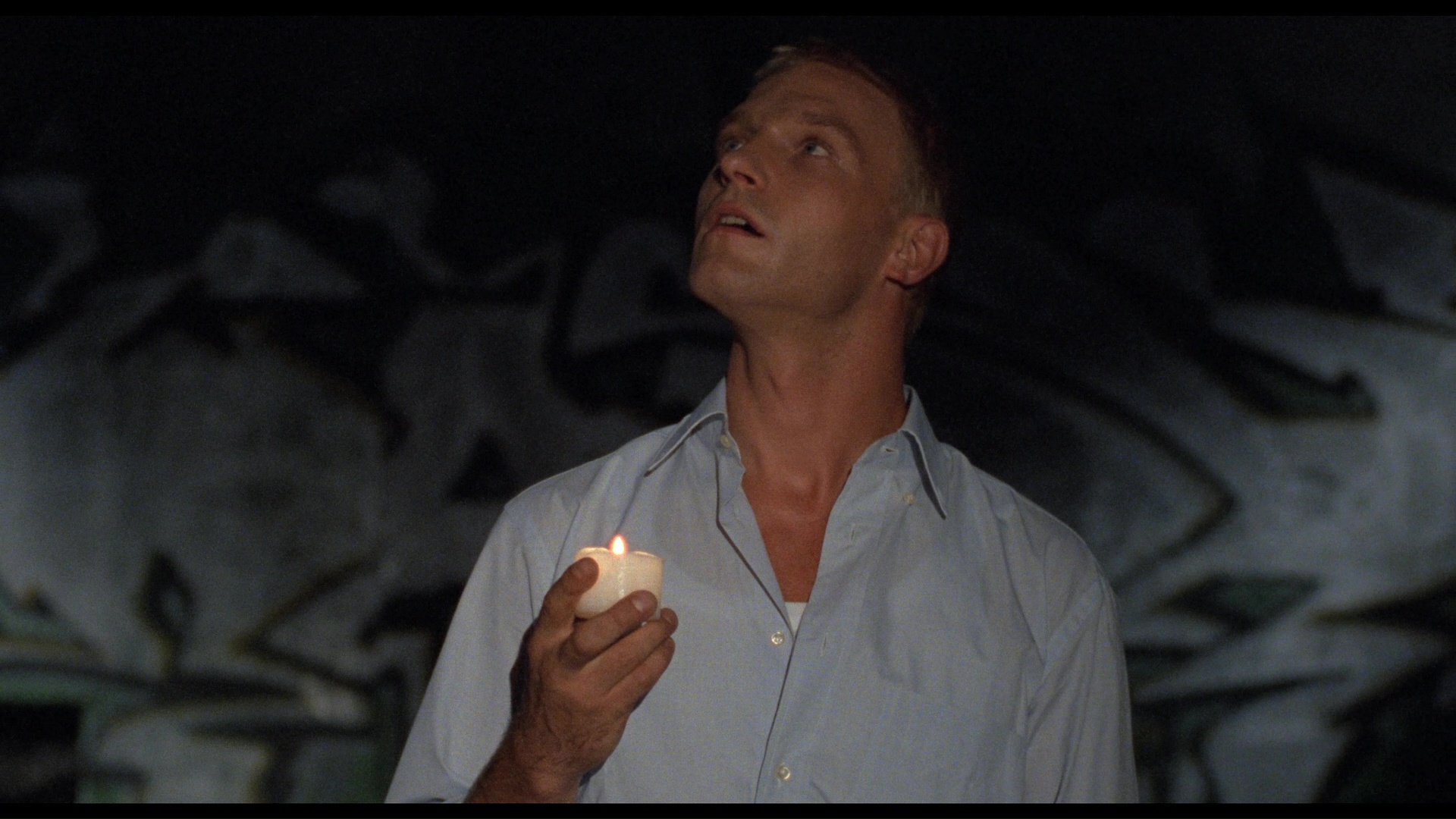
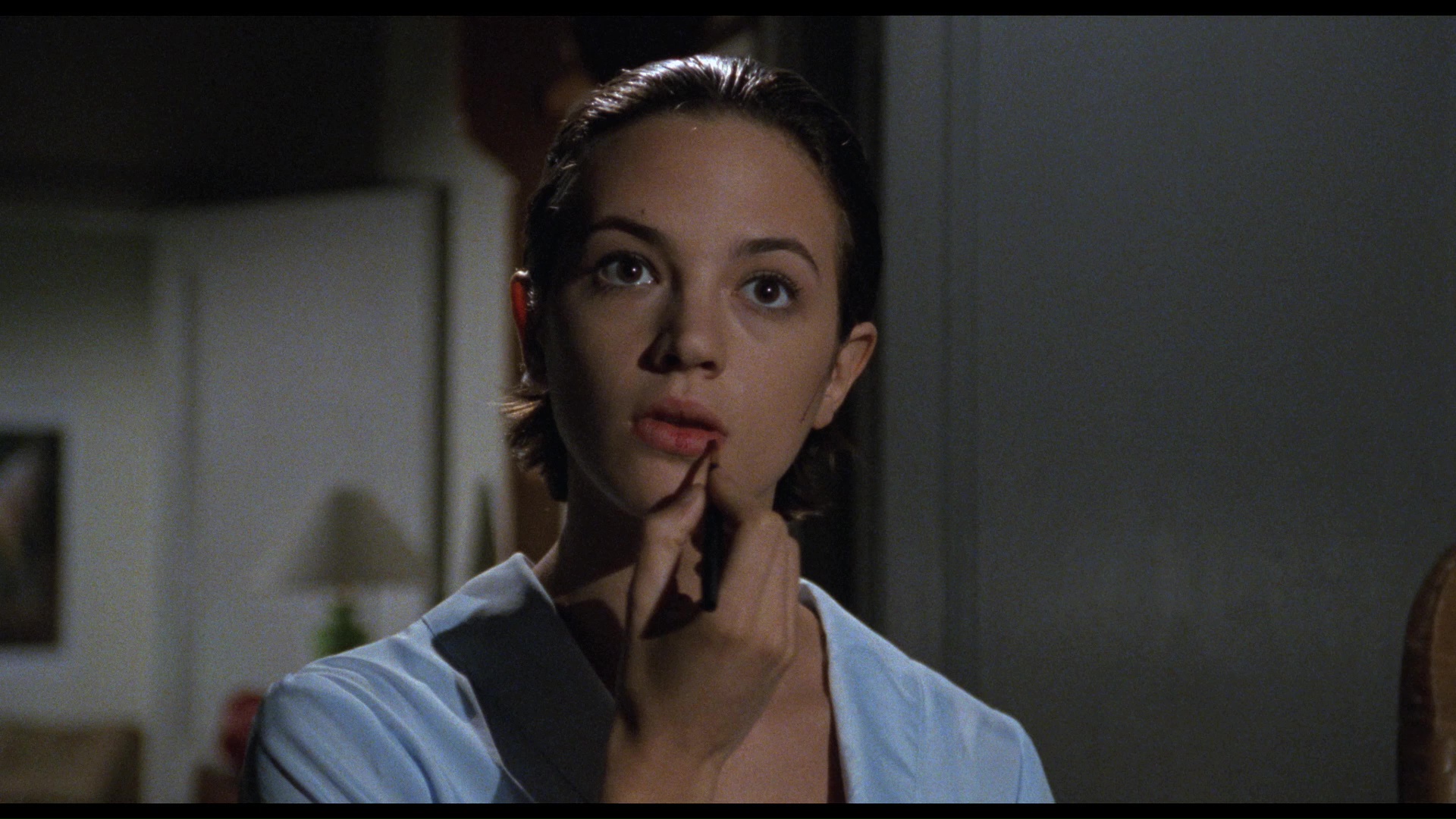
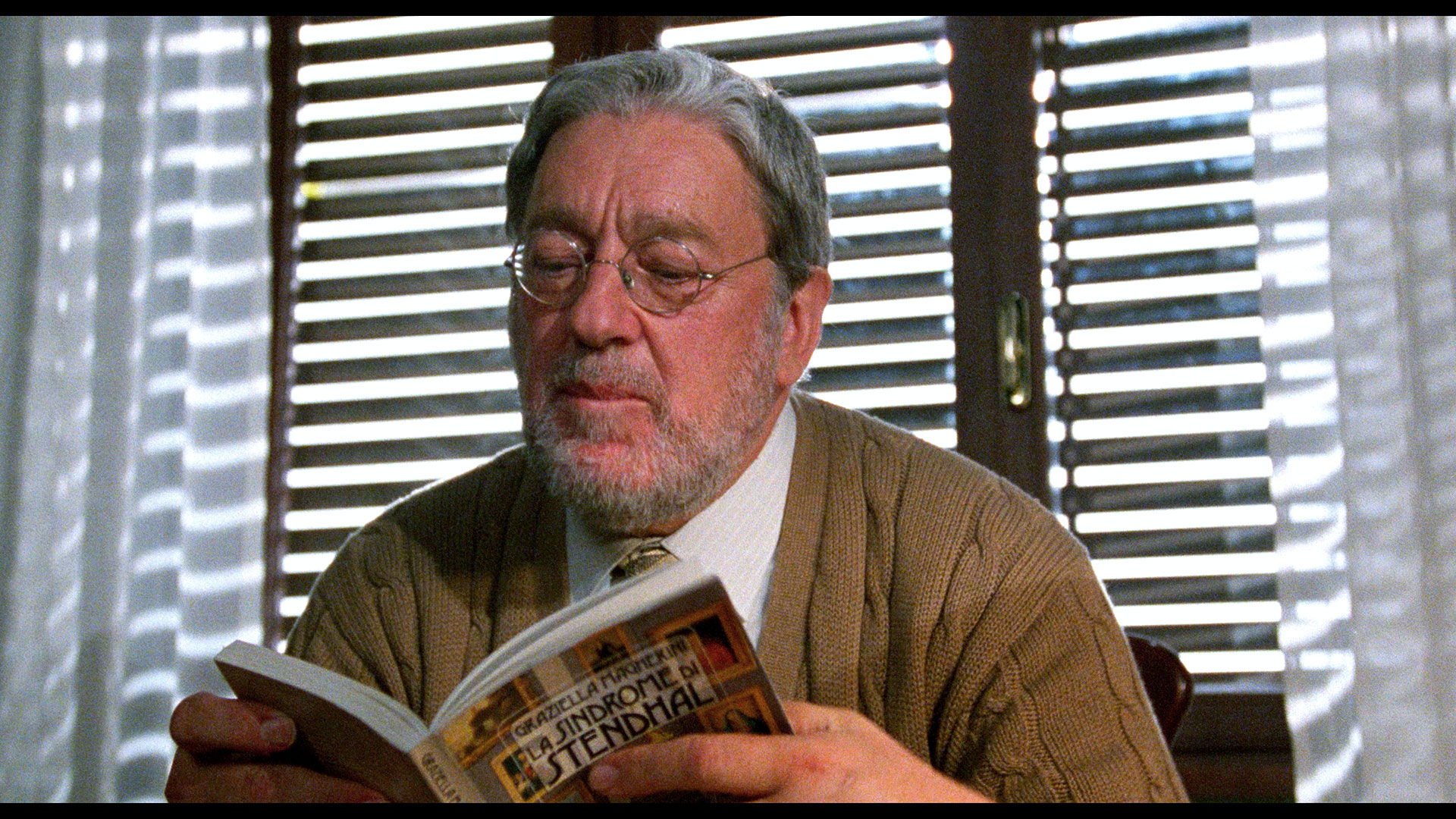
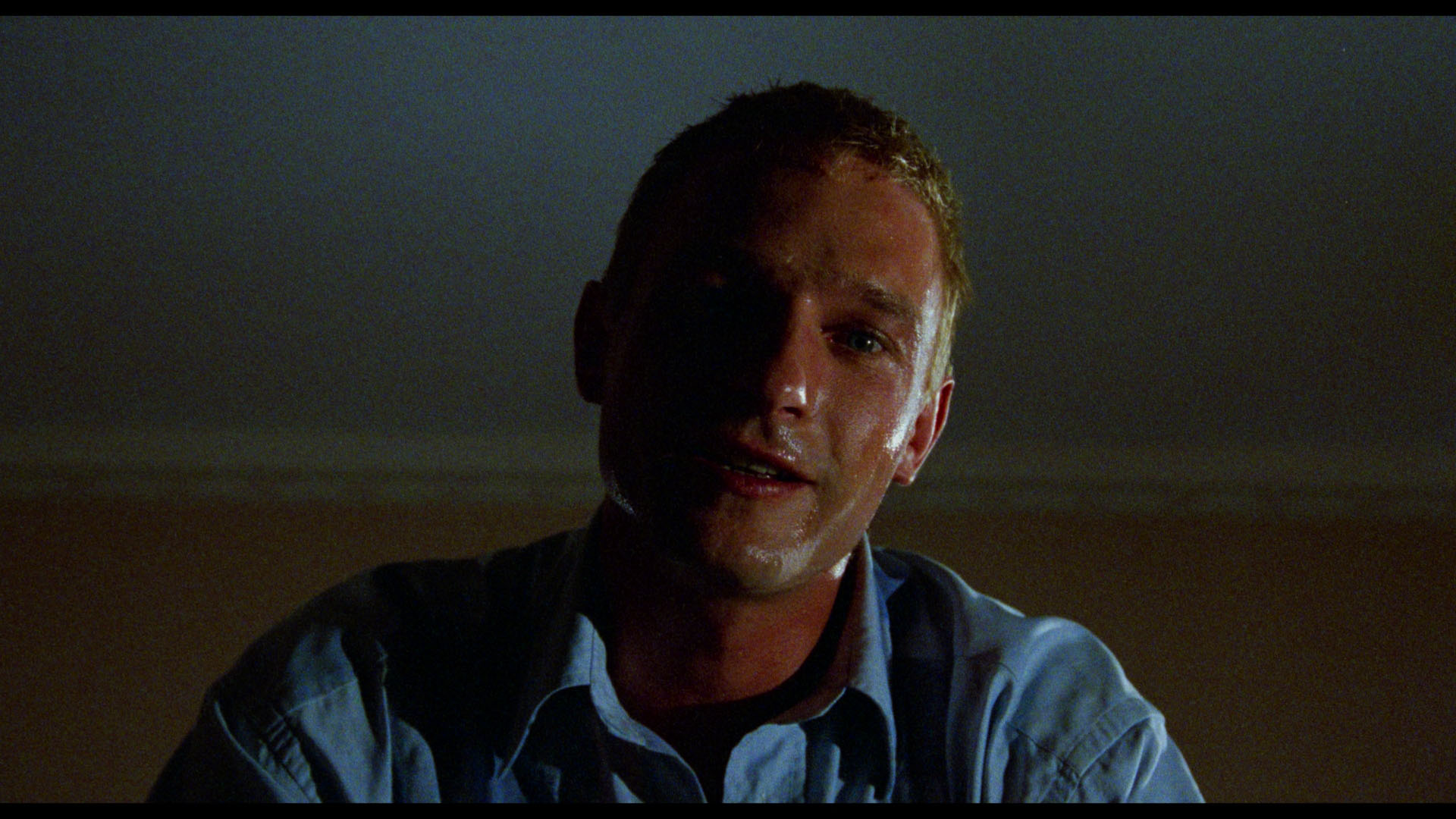
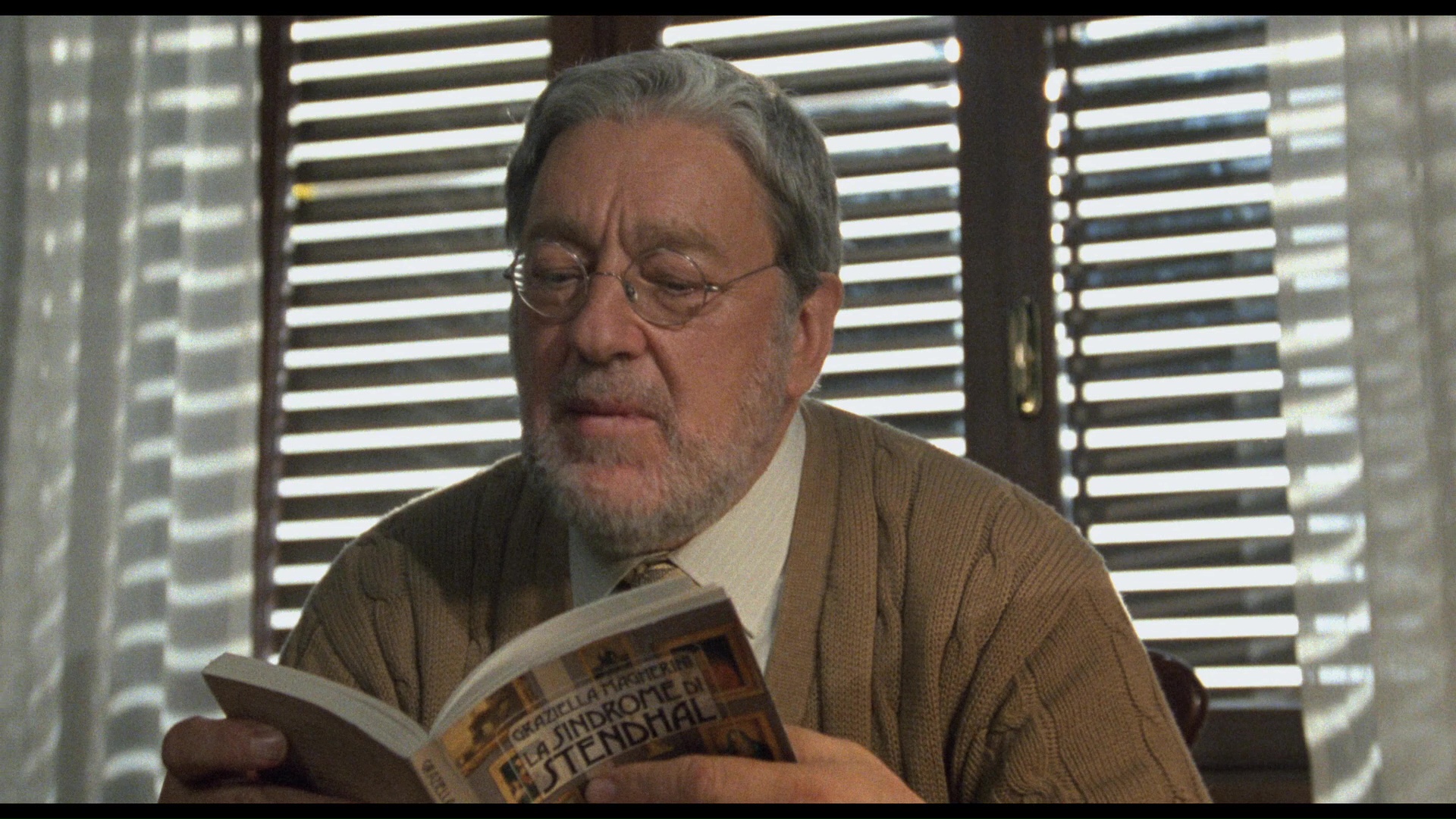
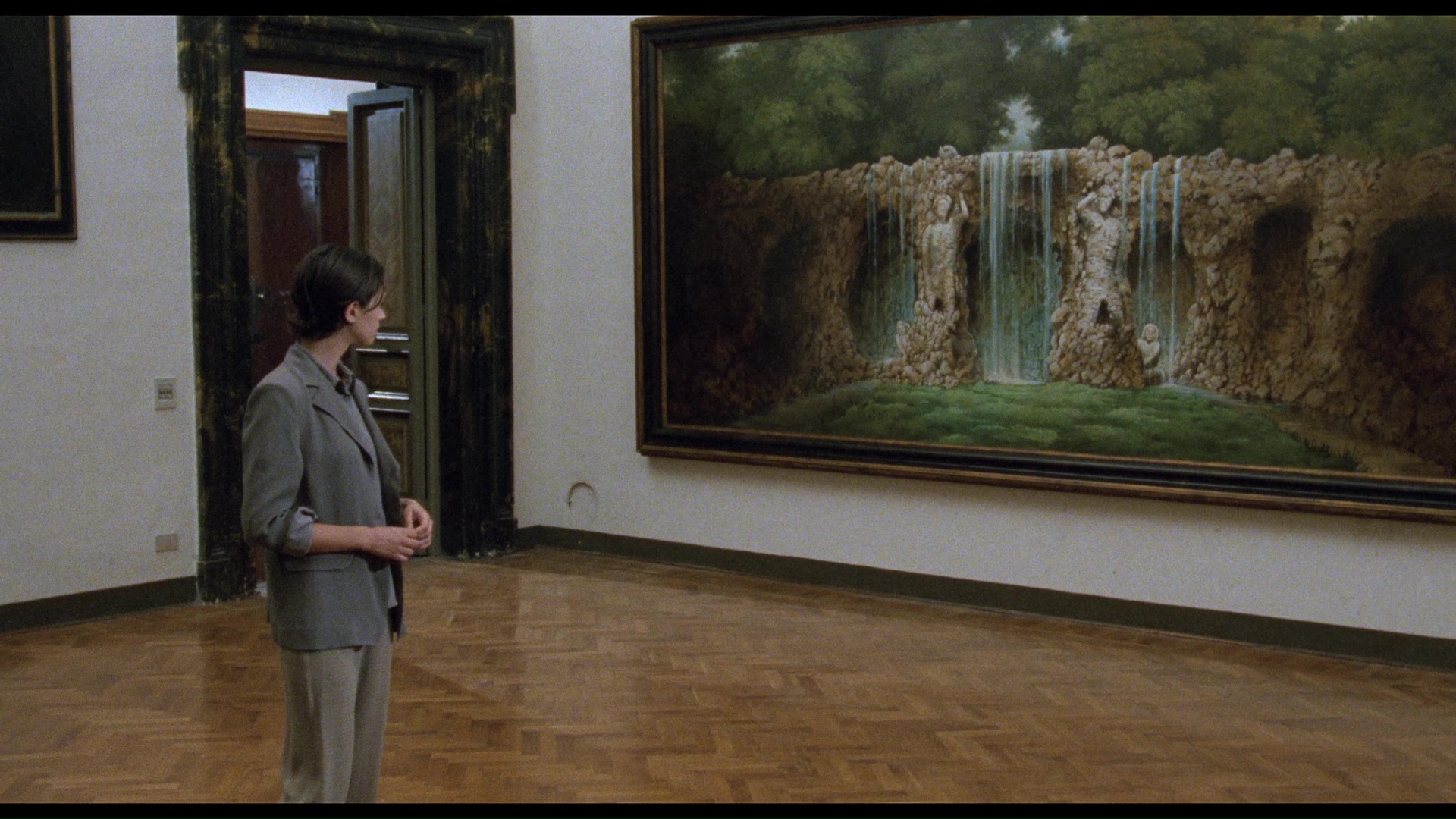
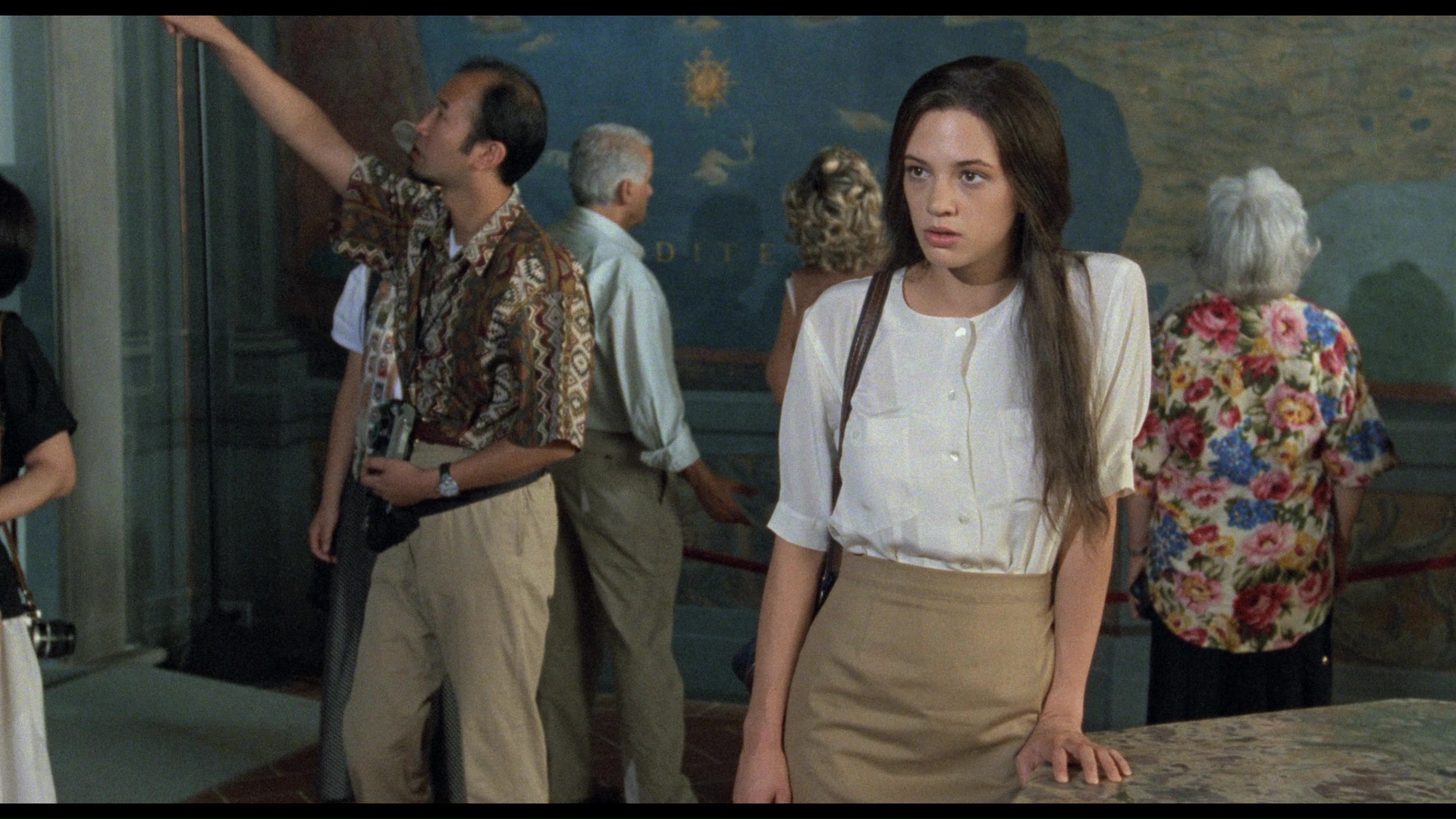
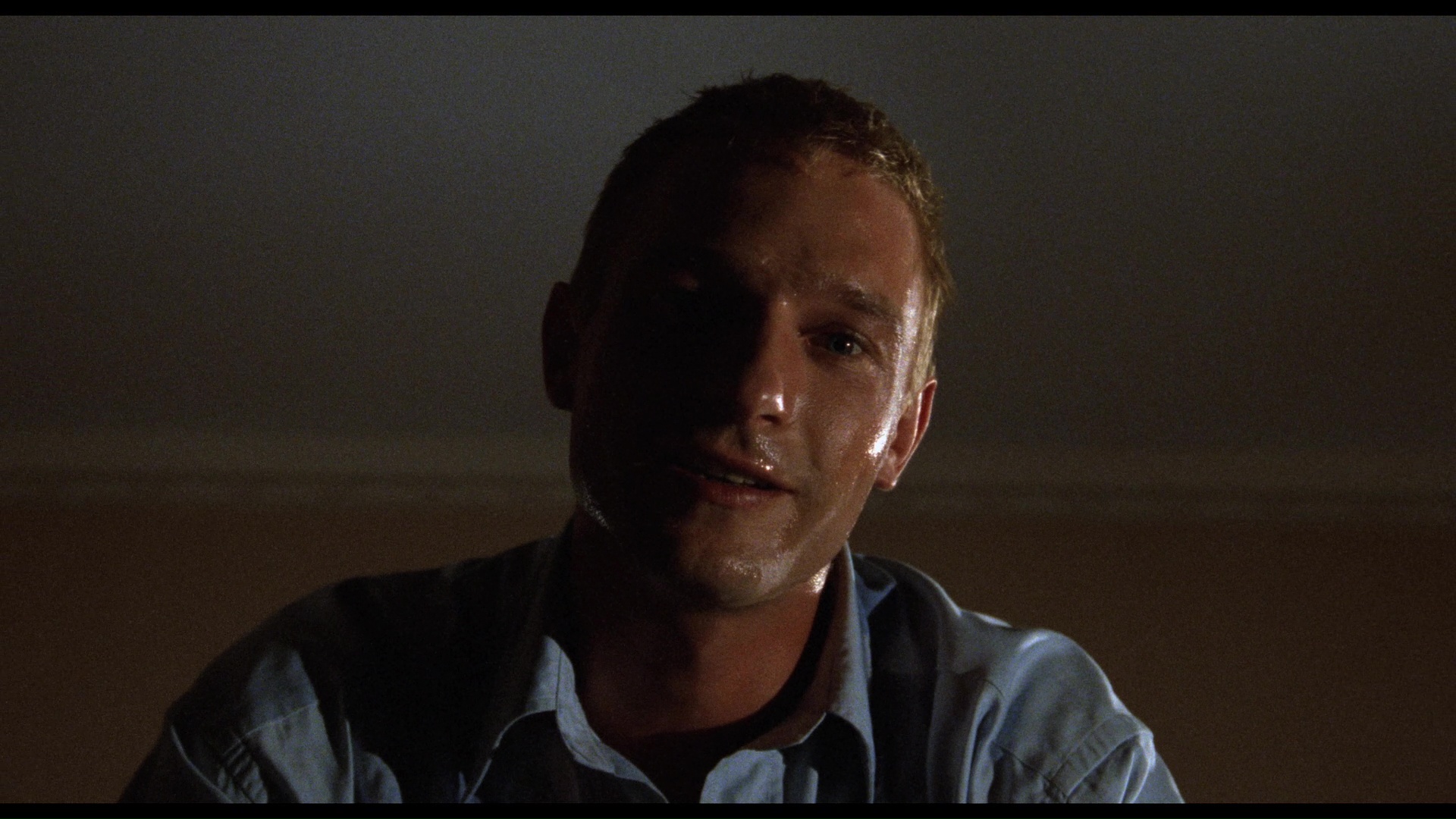
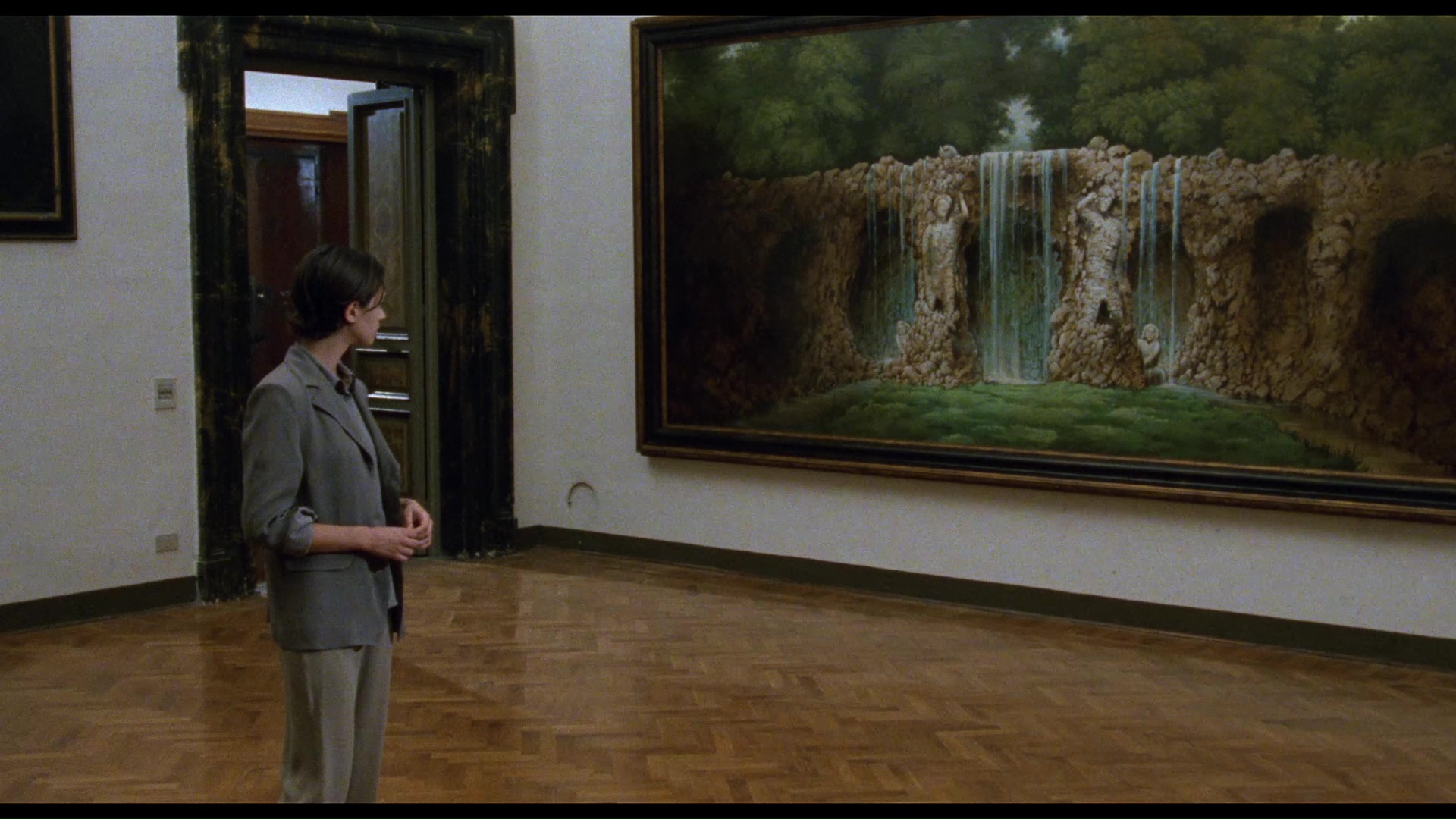
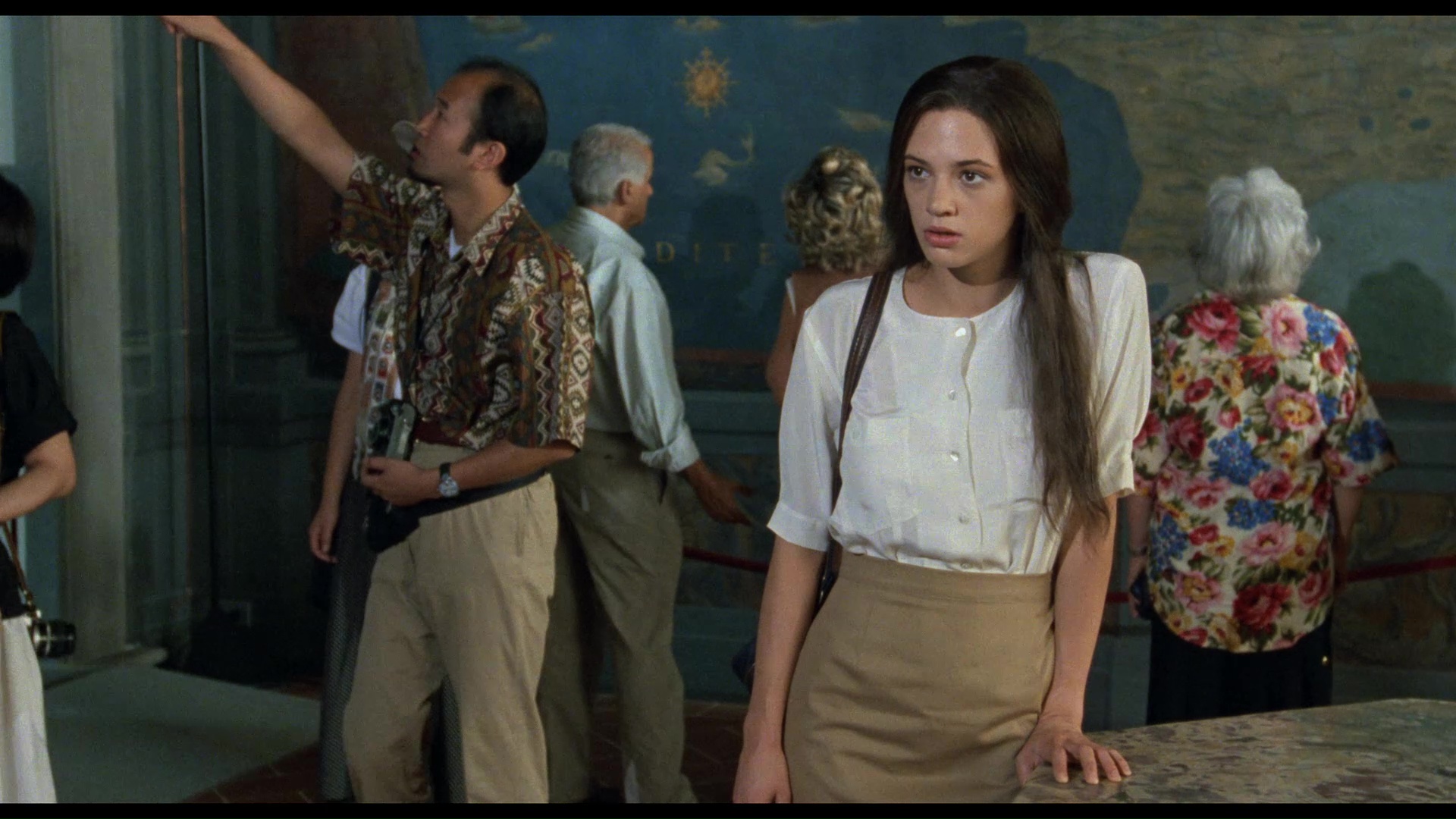
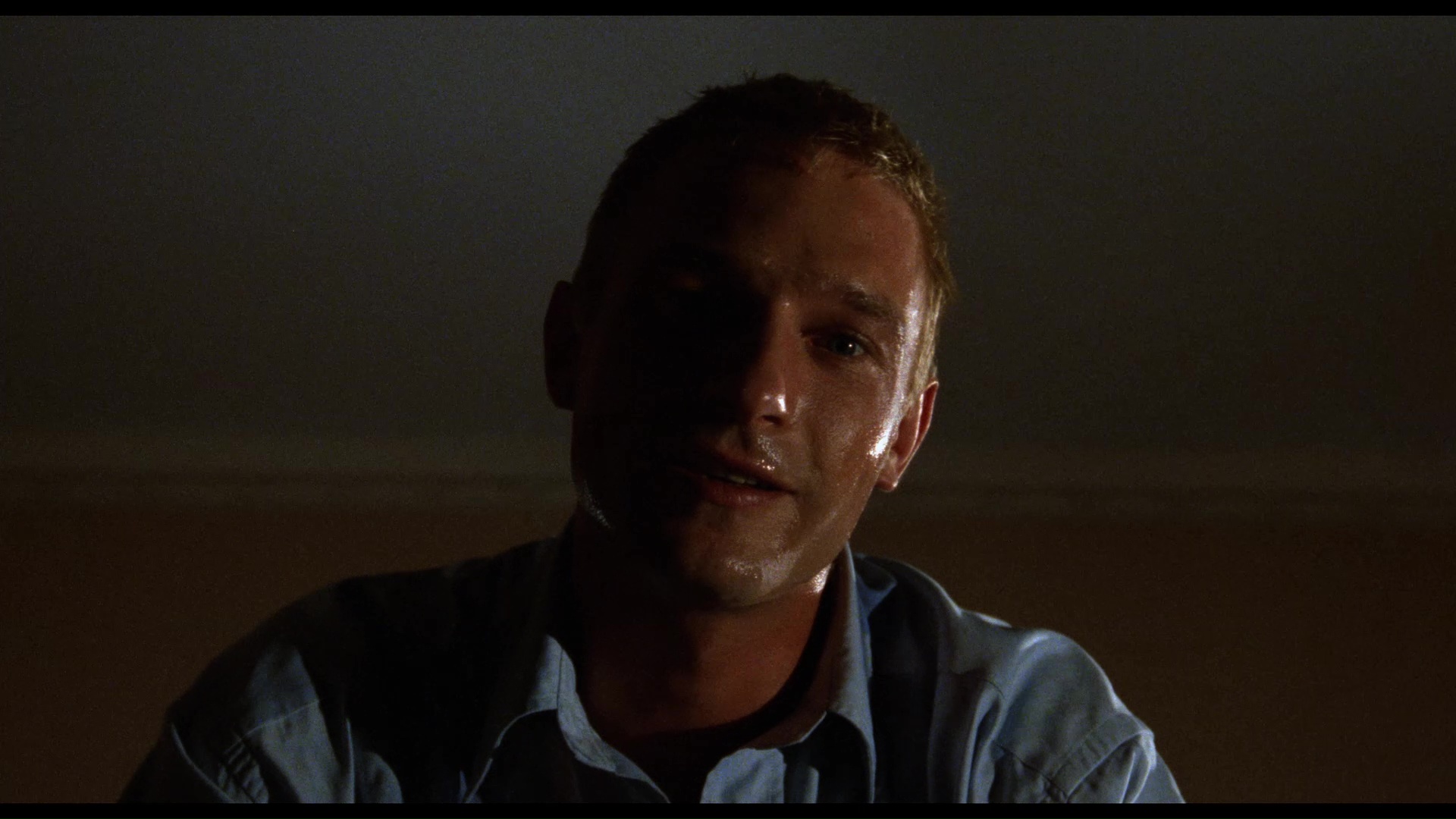
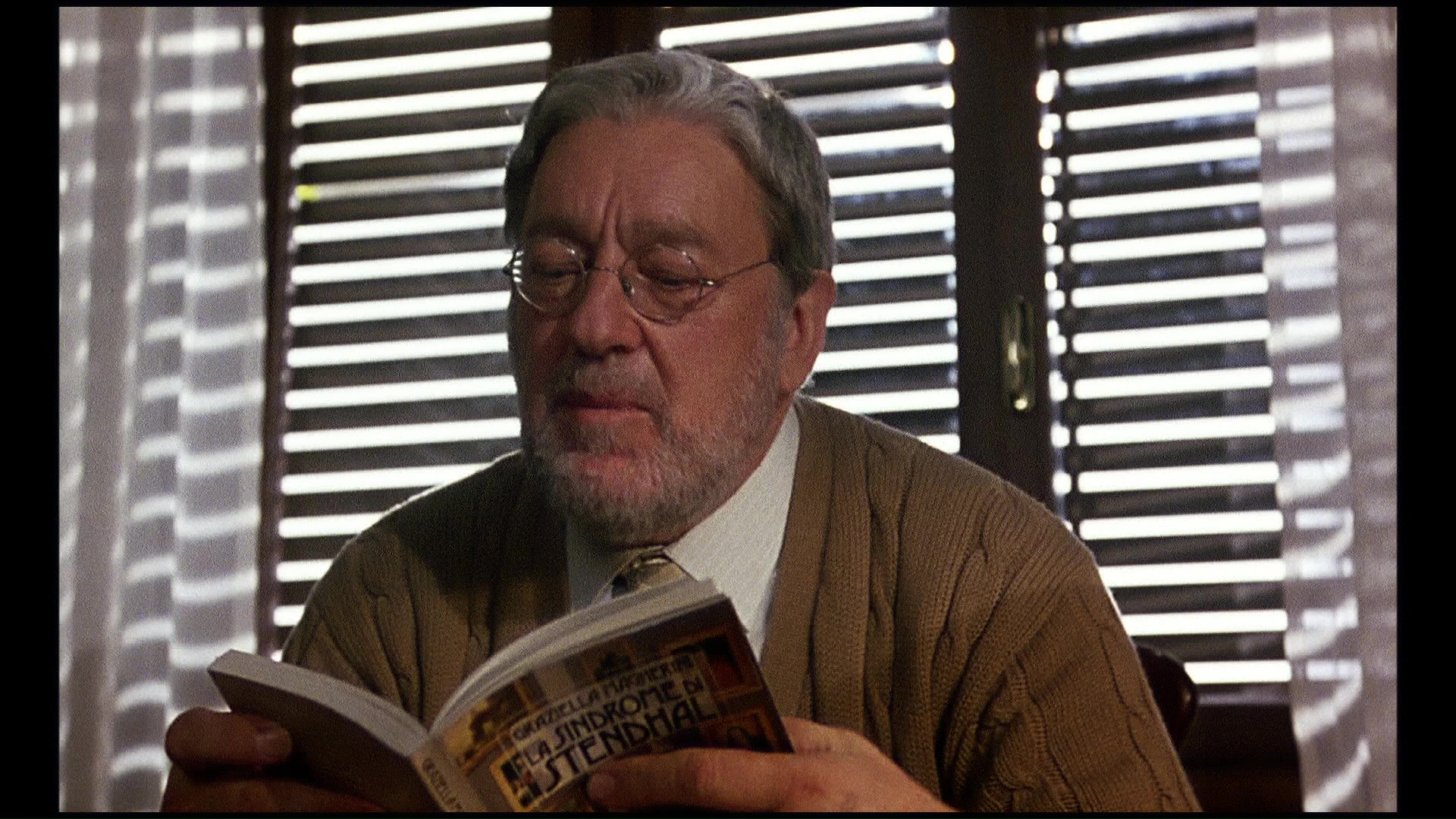
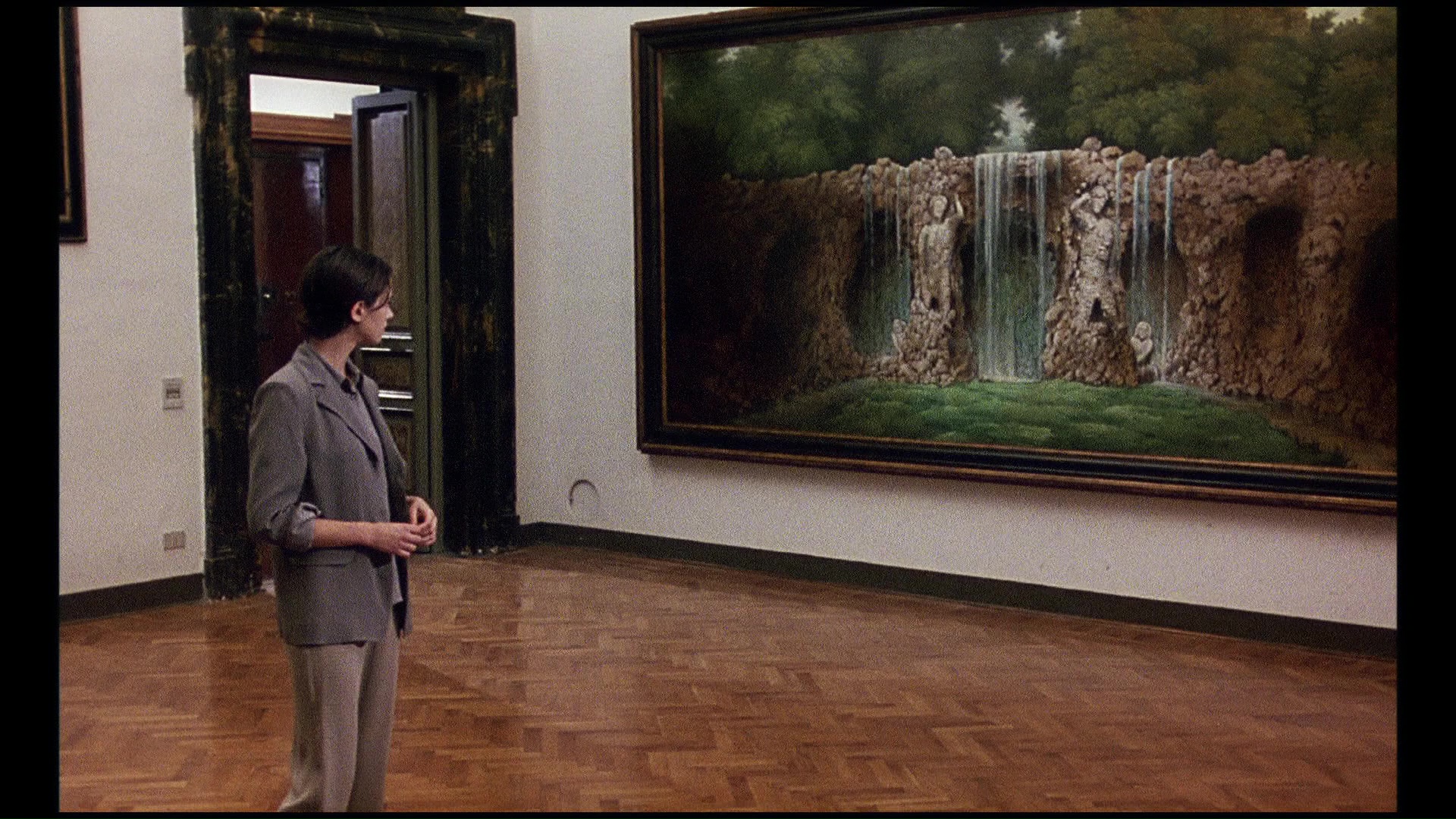
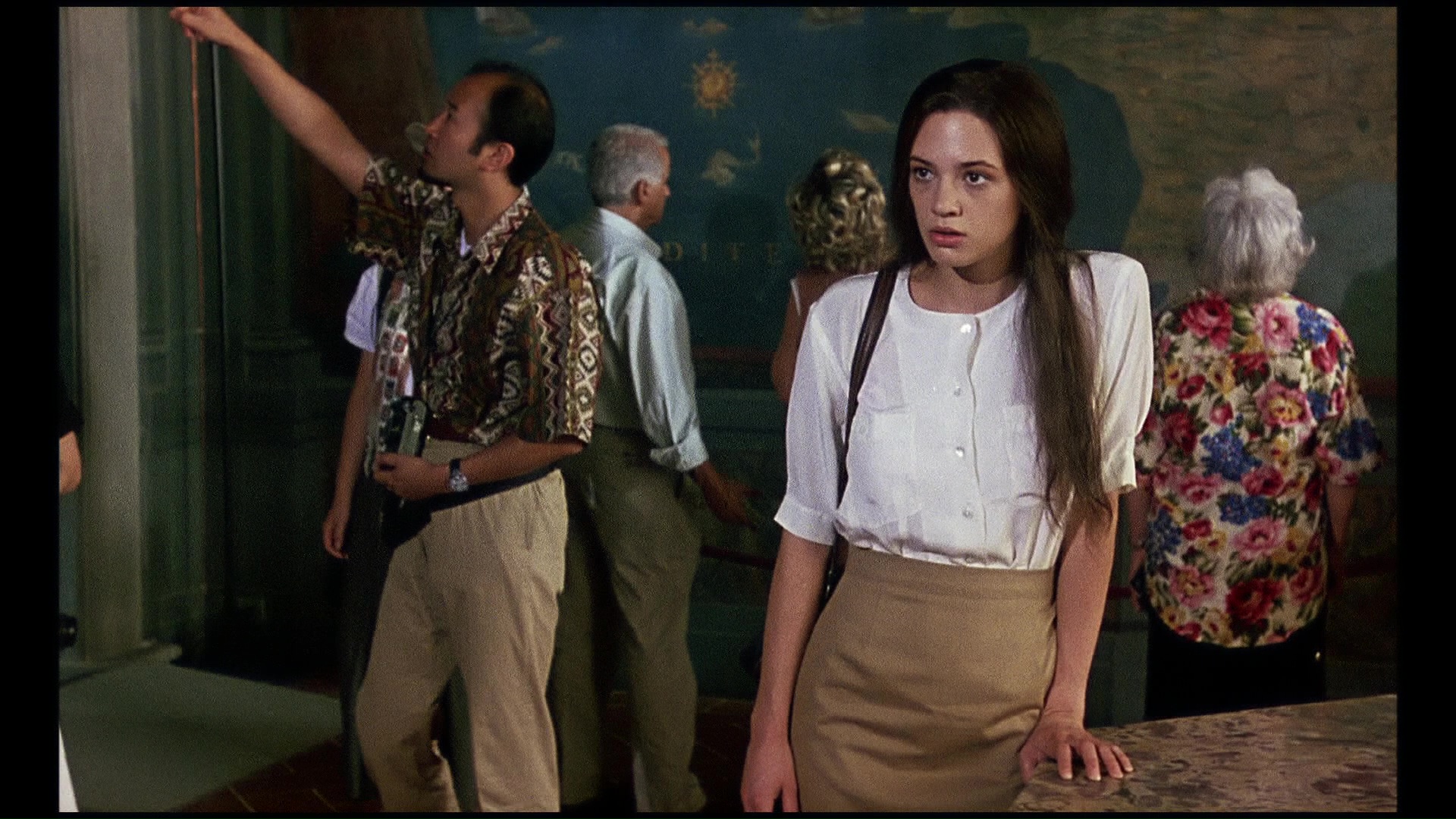
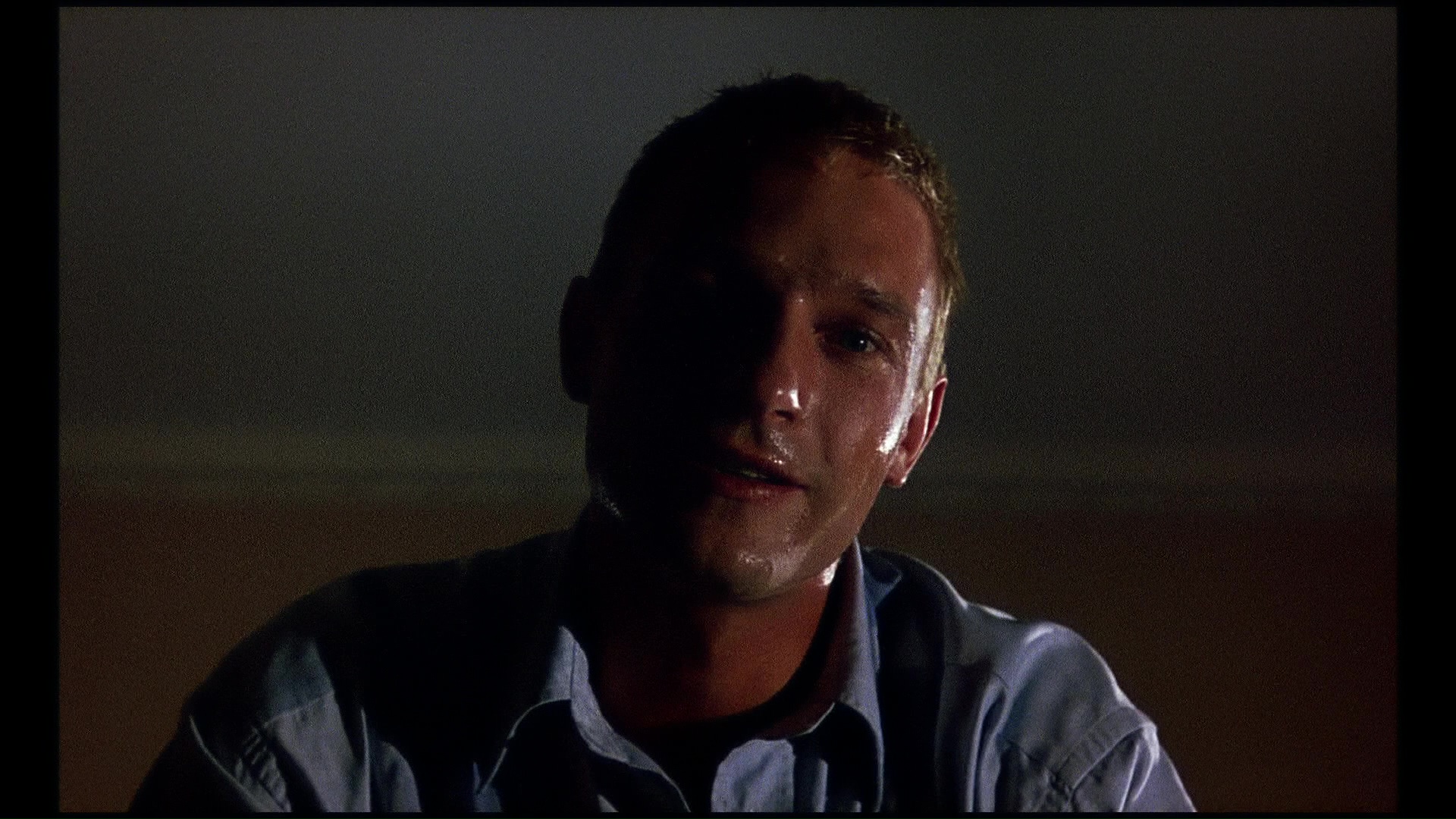
In 2025, Vinegar Syndrome upgraded the film to UHD and Blu-ray featuring a new 4K scan from the camera negative, offering a substantial upgrade with a much healthier color palette than any prior release. Flesh tones in particular get a nice boost while the greens, reds, and blues in the paintings and production design are rich without being oversaturated. This has always been a very grainy film, and that's kept intact here without any scrubbing. It also features more image info especially on the top and bottom, too. The  UHD in particular is quite a visual feast with the HDR10-compatible Dolby Vision grade looking way better than this did theatrically. (Frame grabs in the body of this review are
 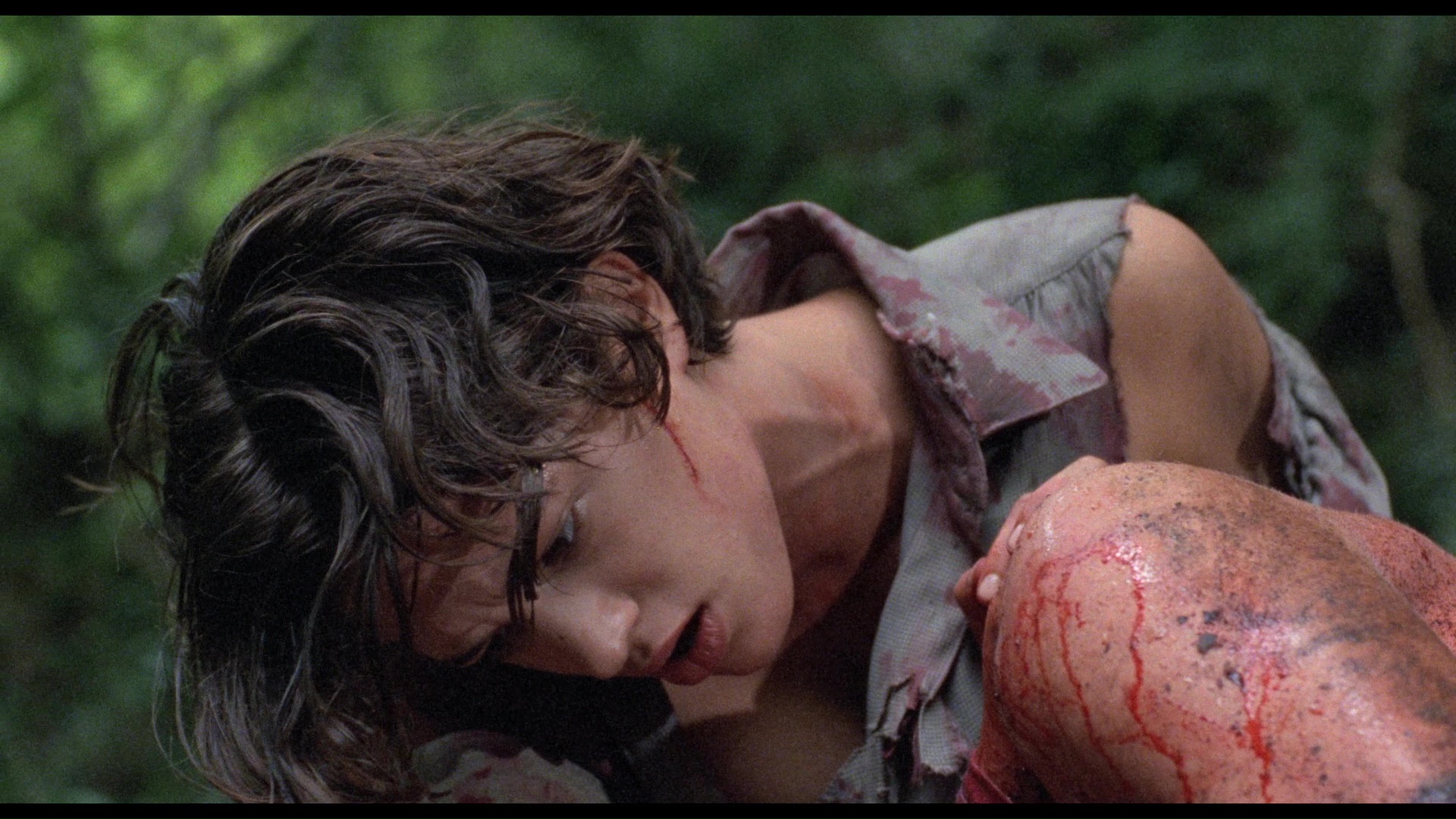 from the UHD, with comparisons below.) The Italian and English tracks both sound great (DTS-HD MA 5.1) with optional English translated or SDH subtitles, and a new audio commentary with Howarth, Eugenio Ercolani, and this writer replaces the earlier one and will hopefully be enjoyable.
The Blu-ray contains all of the new video bonus material starting with In "Lost in Art" (27m38s) in which Dario Argento goes into the genesis of the film, his research into Stendhal's writings, getting Giuseppe Rotunno on board, reuniting with Morricone for his "palindromic" score, and the collaborative process of working with Asia on the film. In "Behind the Canvas" (33m16s), Stivaletti chats about the art theme's effect on his effects work here, the transition from practical to digital, advice he got from Tom Savini, and the self-education he underwent to make this film. In "Architect of Illusion" (34m11s), Geleng recalls his observations of tourists that influenced him, the incorporation of the syndrome into his aesthetic choices, advances from some of his earlier work in the '80s, and his working process with Argento trying to satisfy the demands of the material. In "Shadow Unit" (44m24s), Cozzi covers the project's genesis in 1994 and its road from American to Italy, the importance accorded to the production, the challenge of using more locations than usual (including the coup of getting the Uffizi), and the film's release and legacy. In "Scripted Visions" (15m38s), Ferrini explains the process of adapting the book about the condition into a thriller format, the ten-minute sequence he's especially proud of, his memories from being on the set, and the original, more positive ending he had in mind. In "The Price of Vision" (17m48s), producer Giuseppe Colombo discusses meeting Argento while working at Cannon's Italian branch, navigating the use of the Uffizi for the opener, his enthusiastic response to reading the script for the first time, the trickiness of some seemingly simple scenes like the body painting, and his thoughts on the final product. Asia Argento appears in "Through Her Gaze" (25m23s), a thoughtful and candid look back at the film including her hesitations about the role and featuring some archival interview snippets as well, while "Inside the Wounds" (13m8s) has special makeup effects artist Franco Casagni explaining how he made two of the pivotal head casts for the film and prepping effects like dead bodies and wounds on site in sometimes daunting conditions. The English trailer and main titles are also included (the main feature has the Italian credits), and the limited edition packaging comes with a booklet featuring the essays "Art Attacks: Voyeurism and Violation in The Stendhal Syndrome" by Michael Blyth and "The Perils of Perception" by Alexandra Heller-Nicholas.
VINEGAR SYNDROME: UHD
BLUE UNDERGROUND: 2017 Blu-ray (Second Pressing)
BLUE UNDERGROUND: 2017 Blu-ray (First Pressing)

BLUE UNDERGROUND: 2008 Blu-ray
Updated review on December 20, 2025
