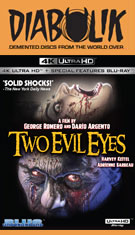
Color, 1990, 120 mins.
Directed by George A. Romero and Dario Argento
Starring Harvey Keitel, Adrienne Barbeau, Remy Zada, E.G. Marshall, Madeleine Potter, Sally Kirkland, Martin Balsam, Bingo O'Malley, John Amos, Tom Atkins
Blue Underground (UHD, Blu-ray & DVD) (US R0 4K/HD/NTSC), 88 Films (Blu-ray & DVD) (UK RB/R2 HD/PAL), Anchor Bay (UK R2 PAL), Arrow Video (DVD) (UK R0 PAL), Medusa (DVD) (Italy R2 PAL)/ WS (1.78:1) (16:9), Creative Axa (Japan R2 NTSC), Laser Paradise (Germany R2 PAL), GCTHV (France R2 PAL) / WS (1.78:1)
Horror anthologies based on Edgar Allan Poe stories had already been around for decades by the time Dario 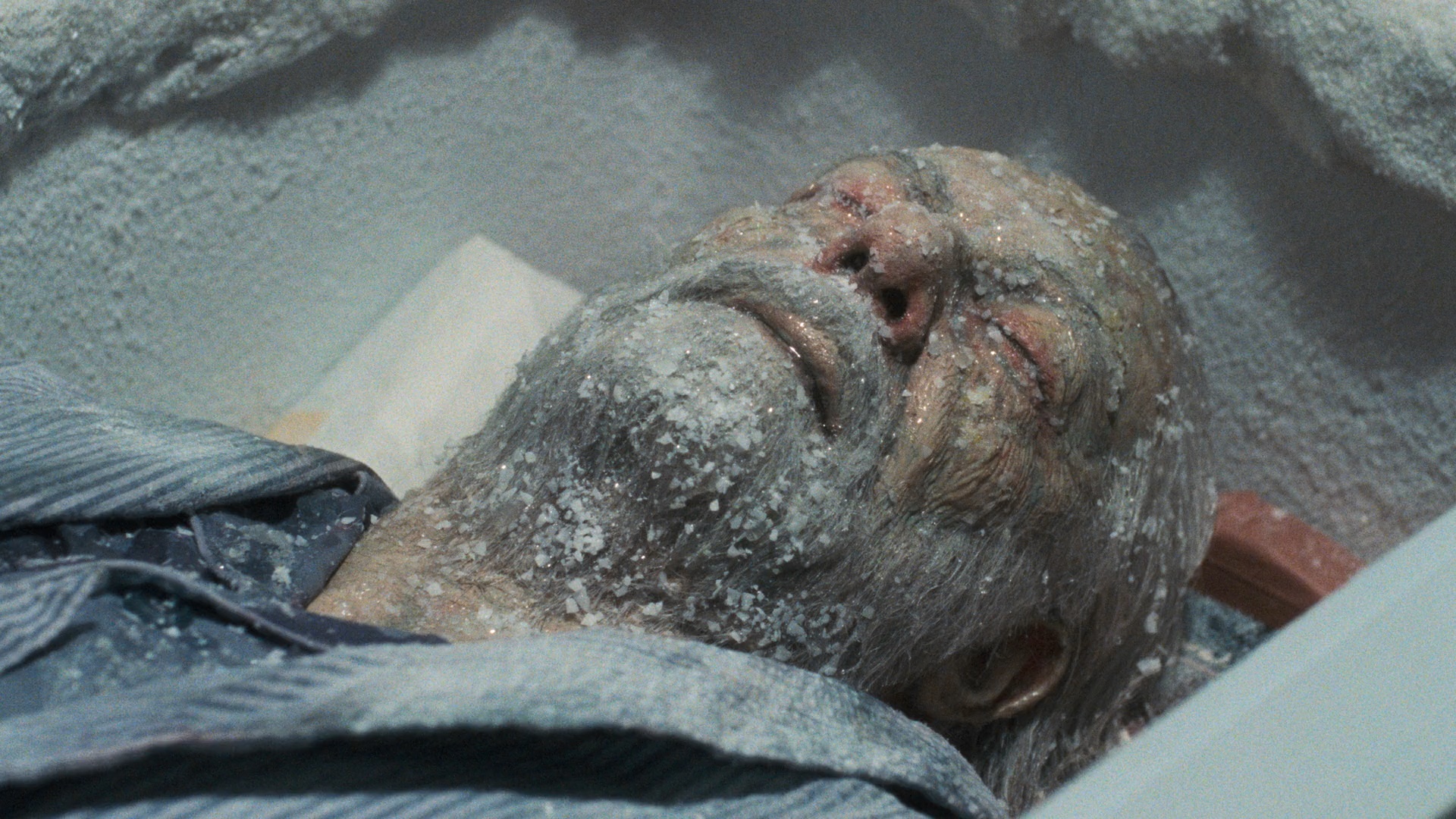 Argento decided to embark on an ambitious project in which noted directors would each
  tackle one of the Baltimore scribe’s most famous stories. After John Carpenter and Wes Craven proved unavailable for a proposed quartet of tales, Argento teamed up with George Romero, his onetime Dawn of the Dead compatriot, for two hour-long adaptations.
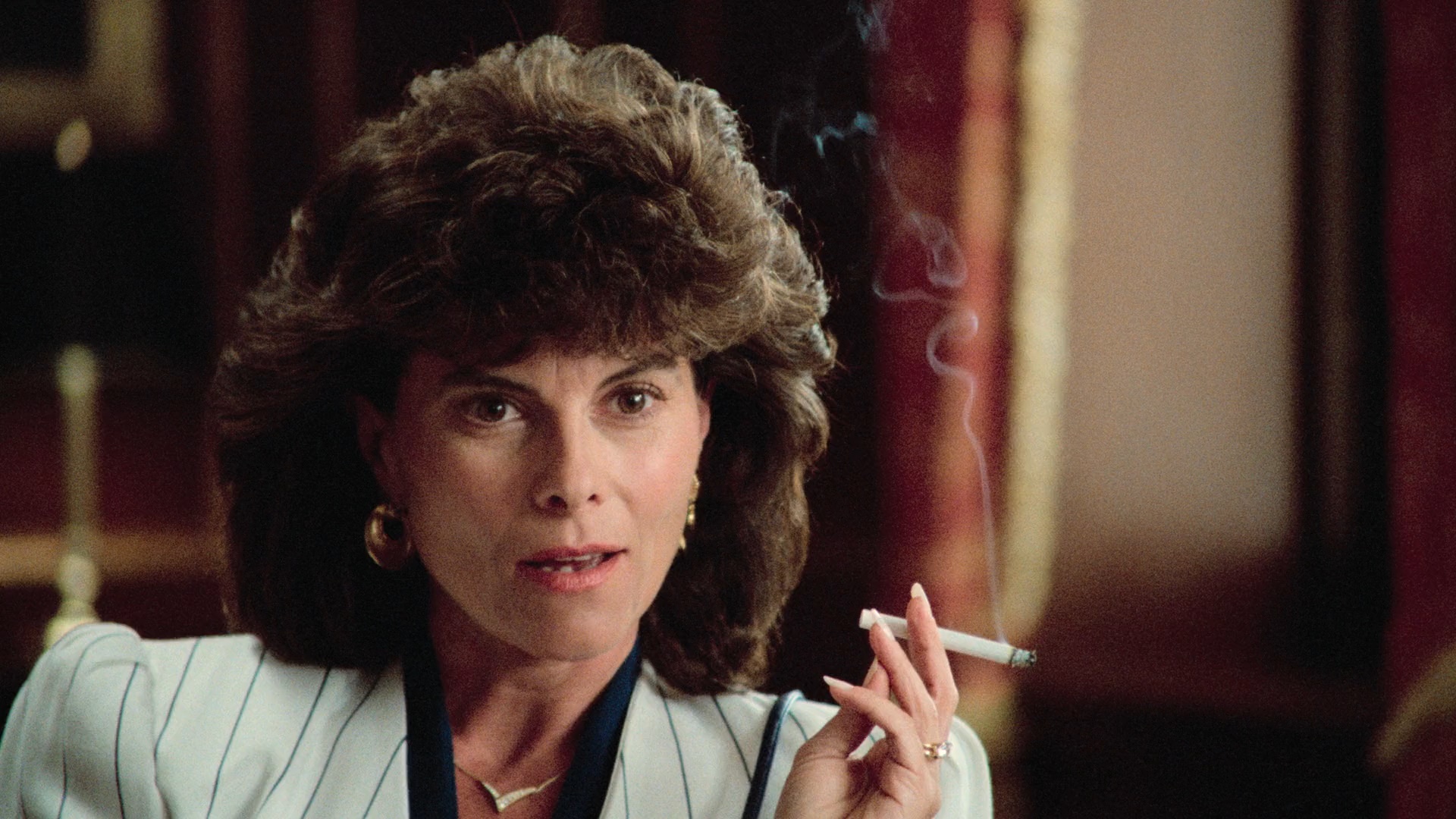
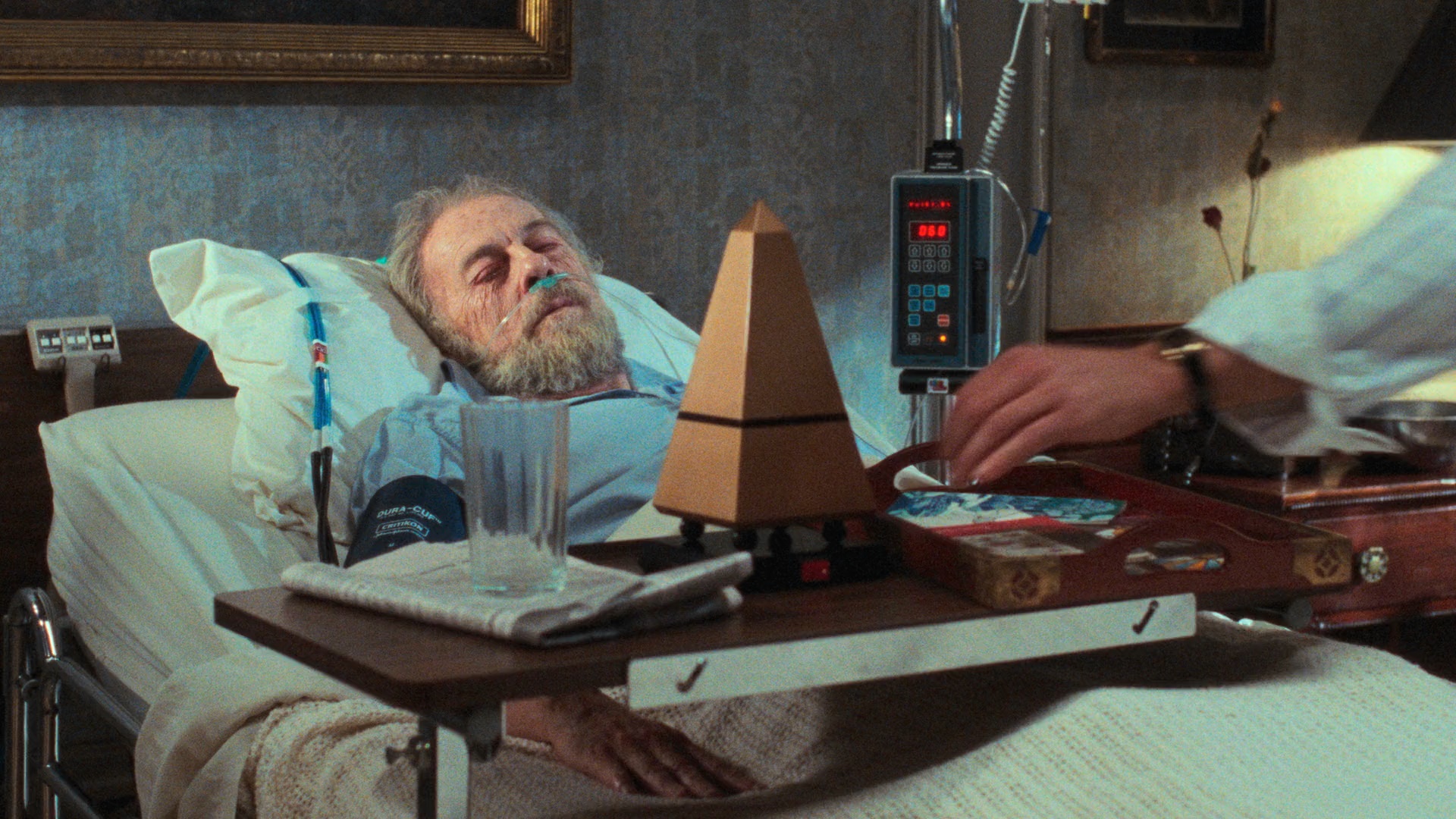
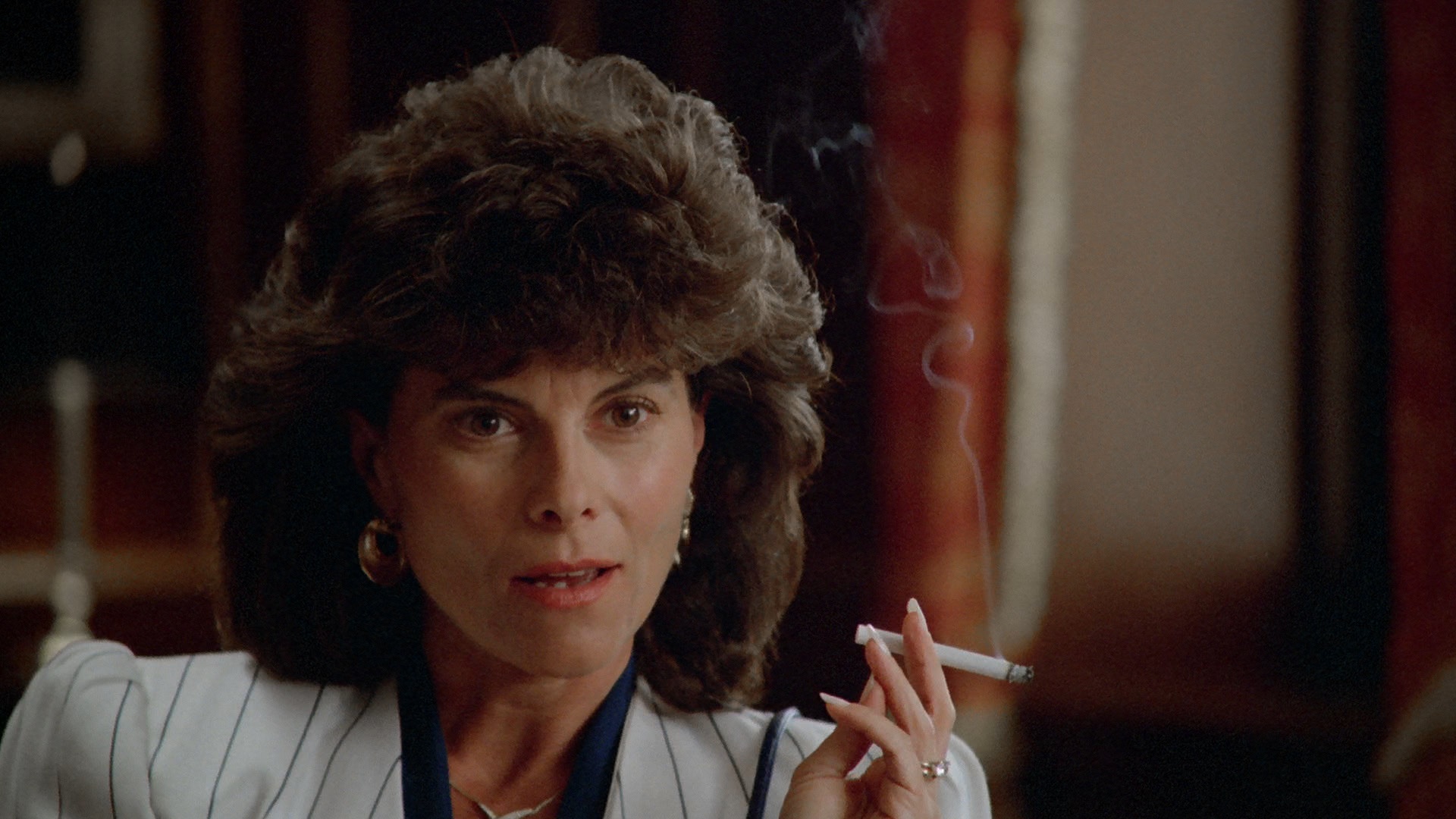
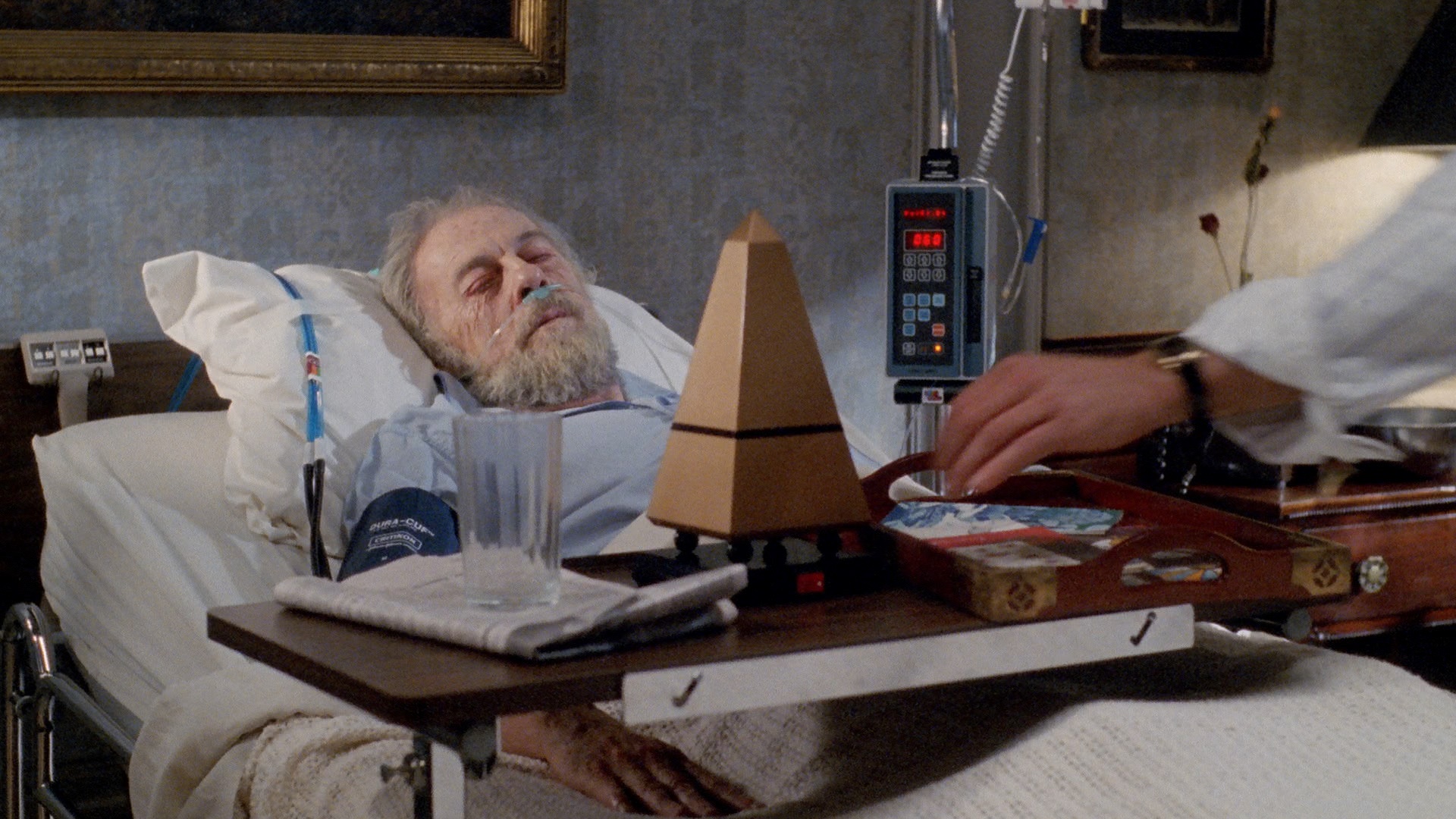
Originally interested in “The Masque of the Red Death,” Romero changed gears for the more reasonably scaled “The Facts in the Case of M. Valdemar,” filmed before in Roger Corman’s Tales of Terror. Reuniting with Romero after her iconic uber-shrew in Creepshow, Adrienne Barbeau plays another scheming wife, this time married to the much older, much richer, and very comatose Ernest Valdemar (O'Malley). He’s being treated by Dr. Hoffman (Zada), who happens to be Jessica’s lover and is using hypnosis to prolong his patient’s life. However, together they come up with a plan to induce his premature death without being caught, though of course the scheme winds up failing with quite horrific consequences.
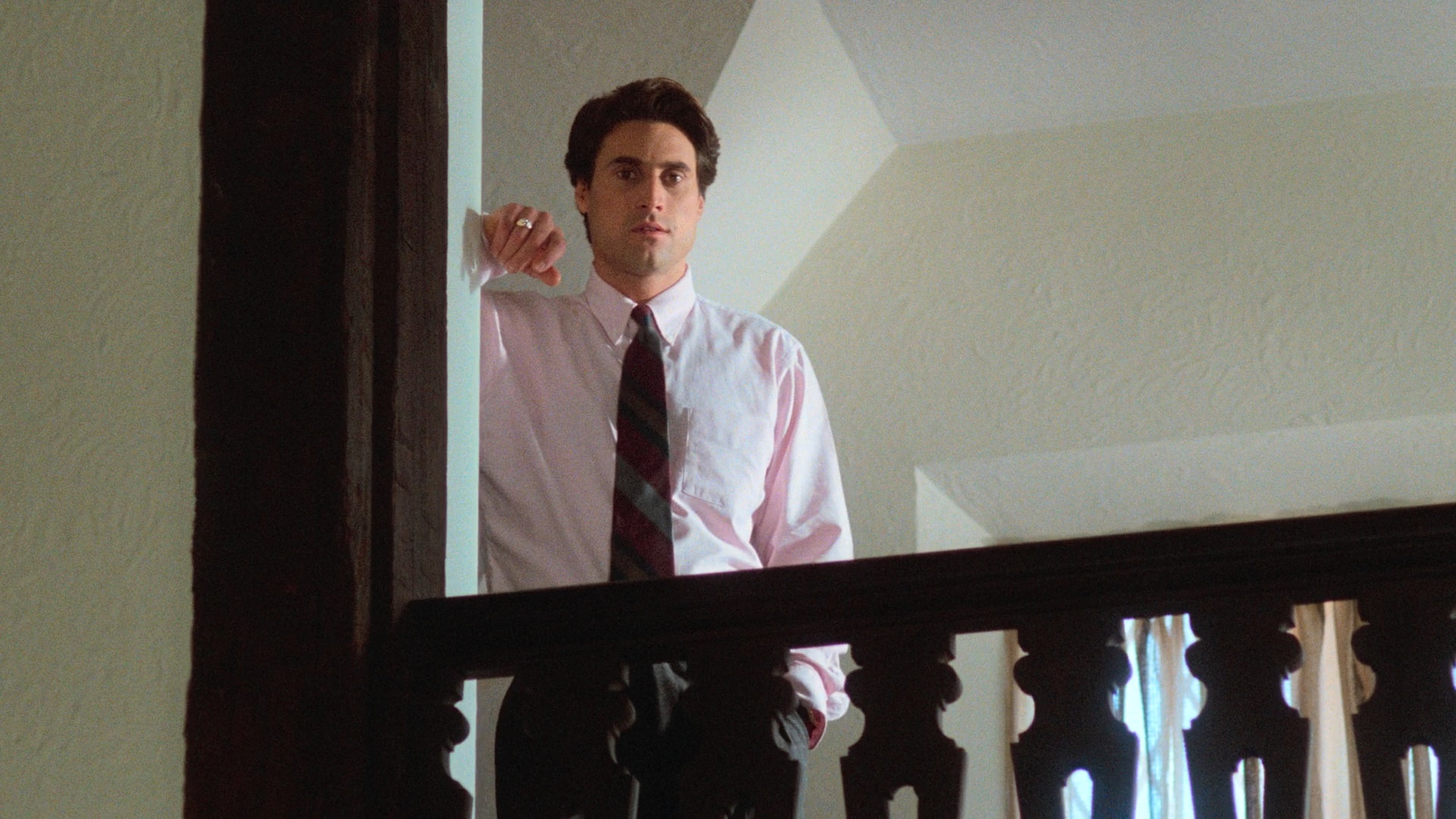
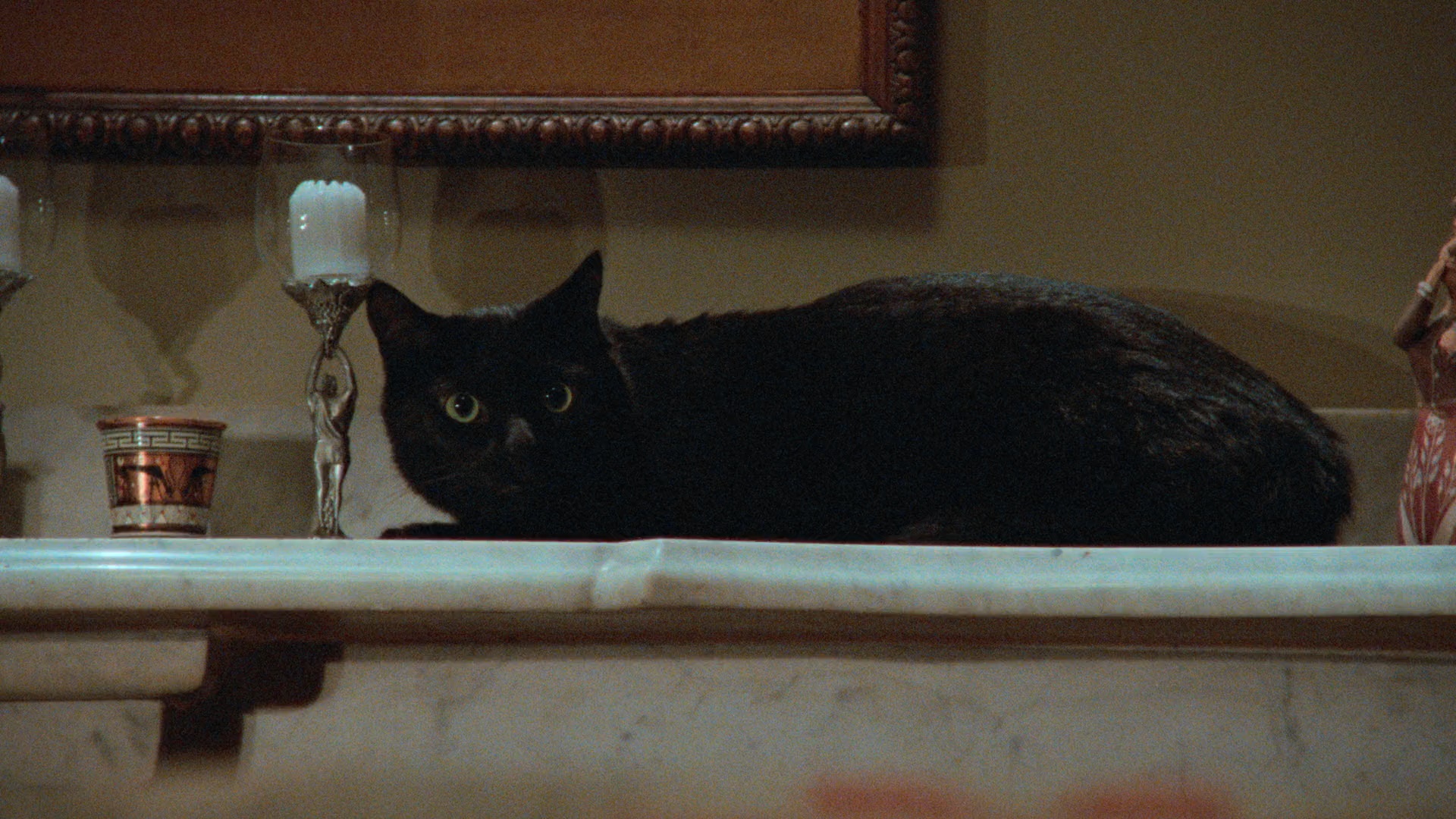
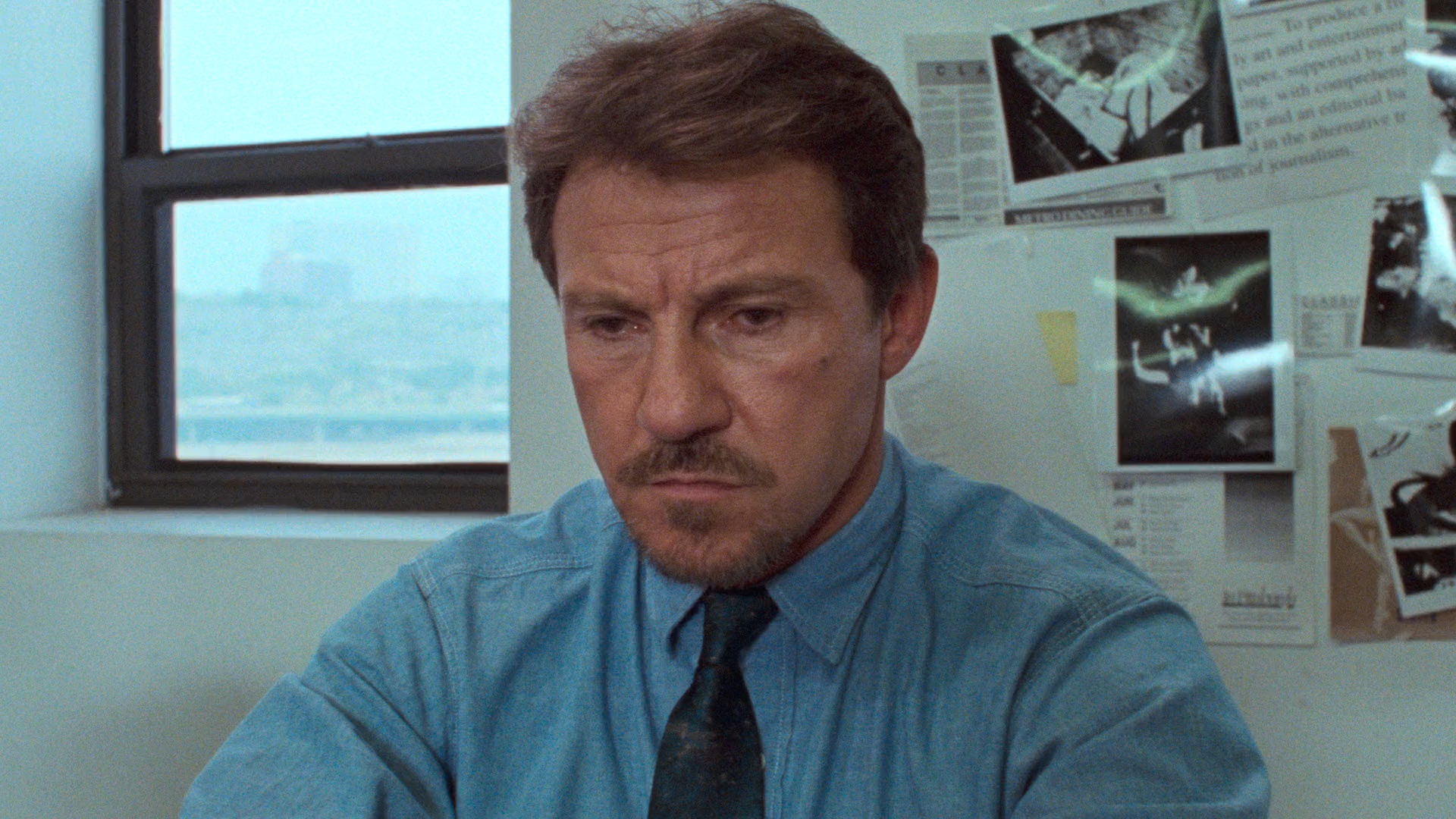
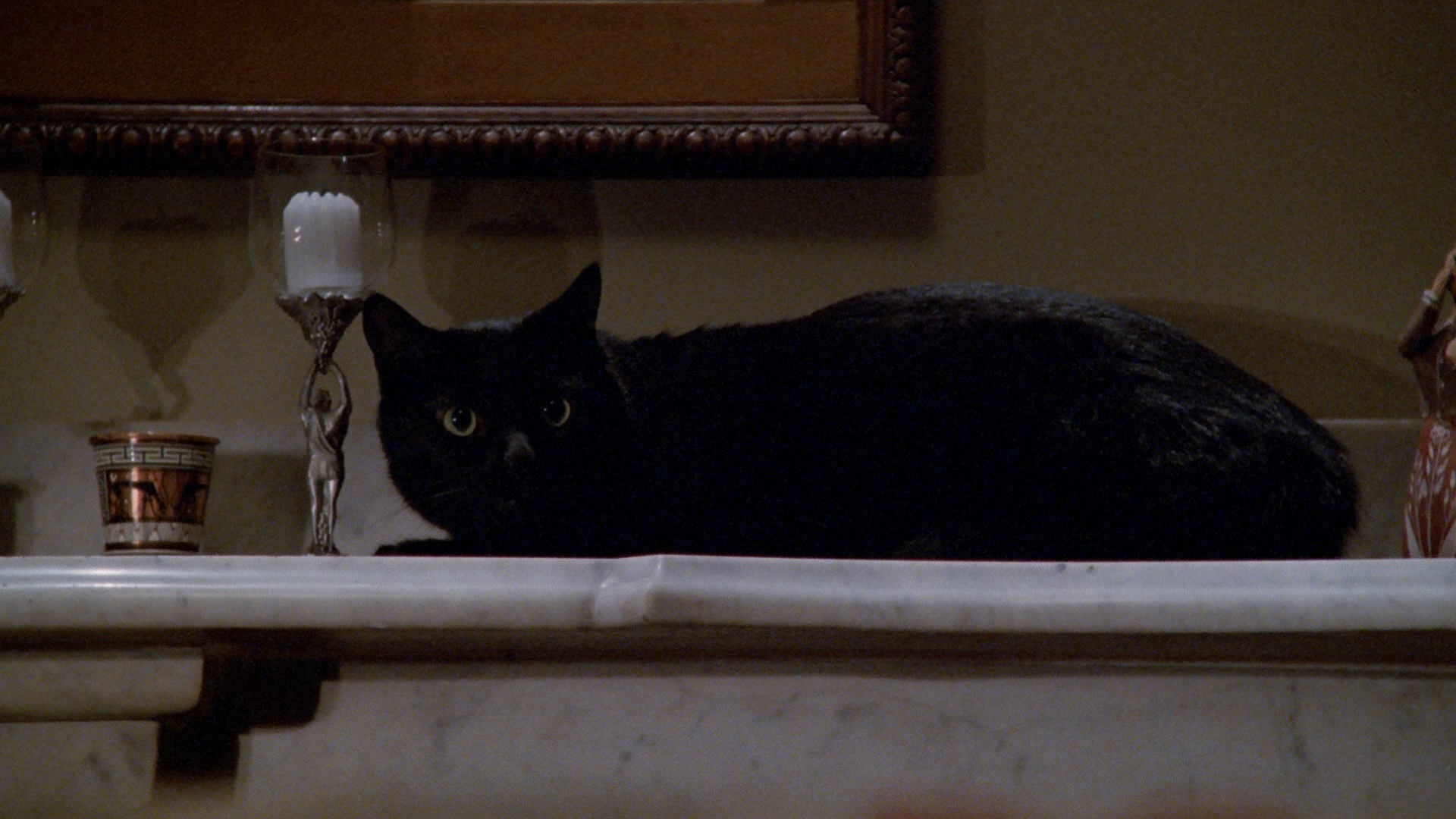
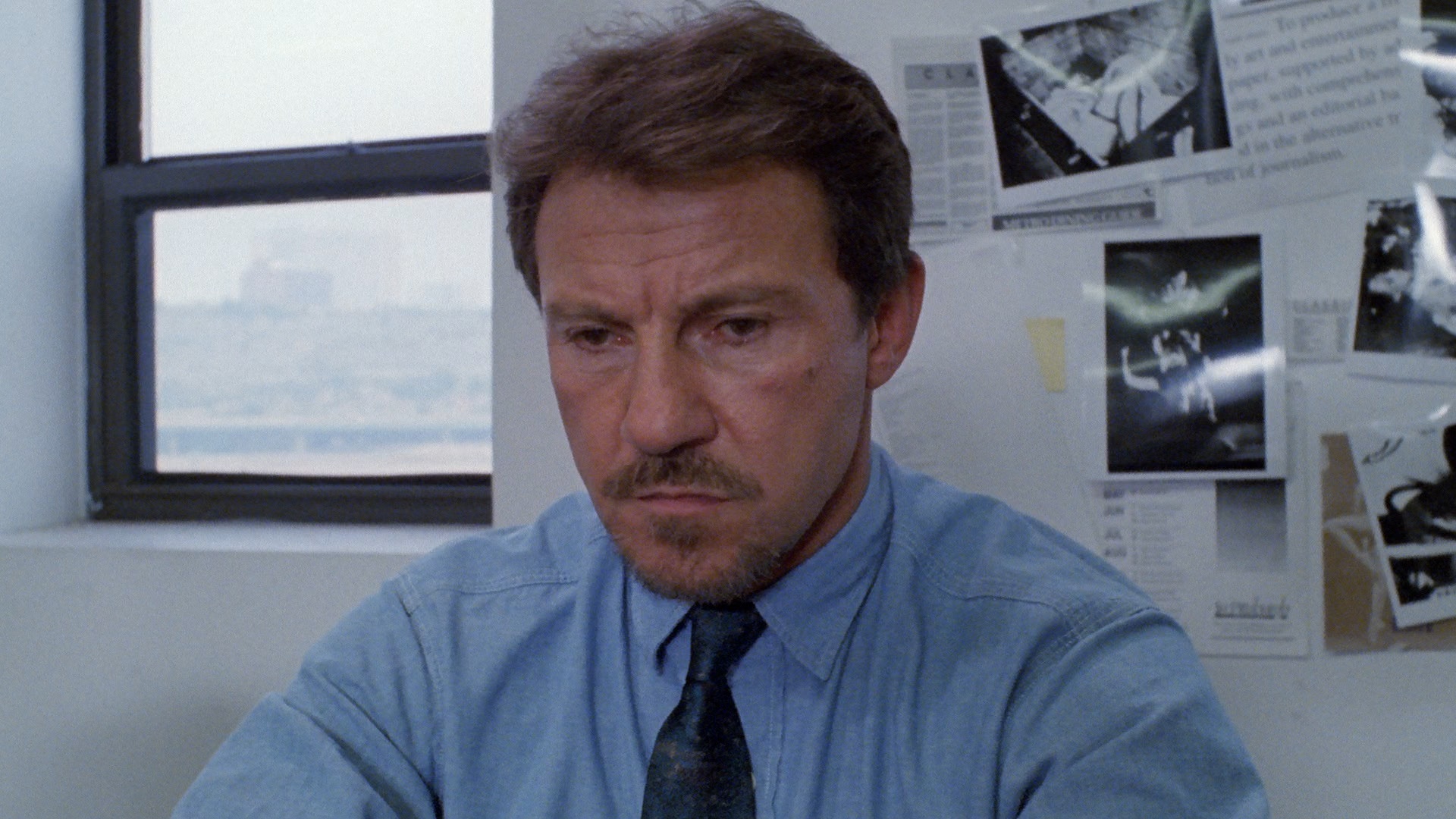
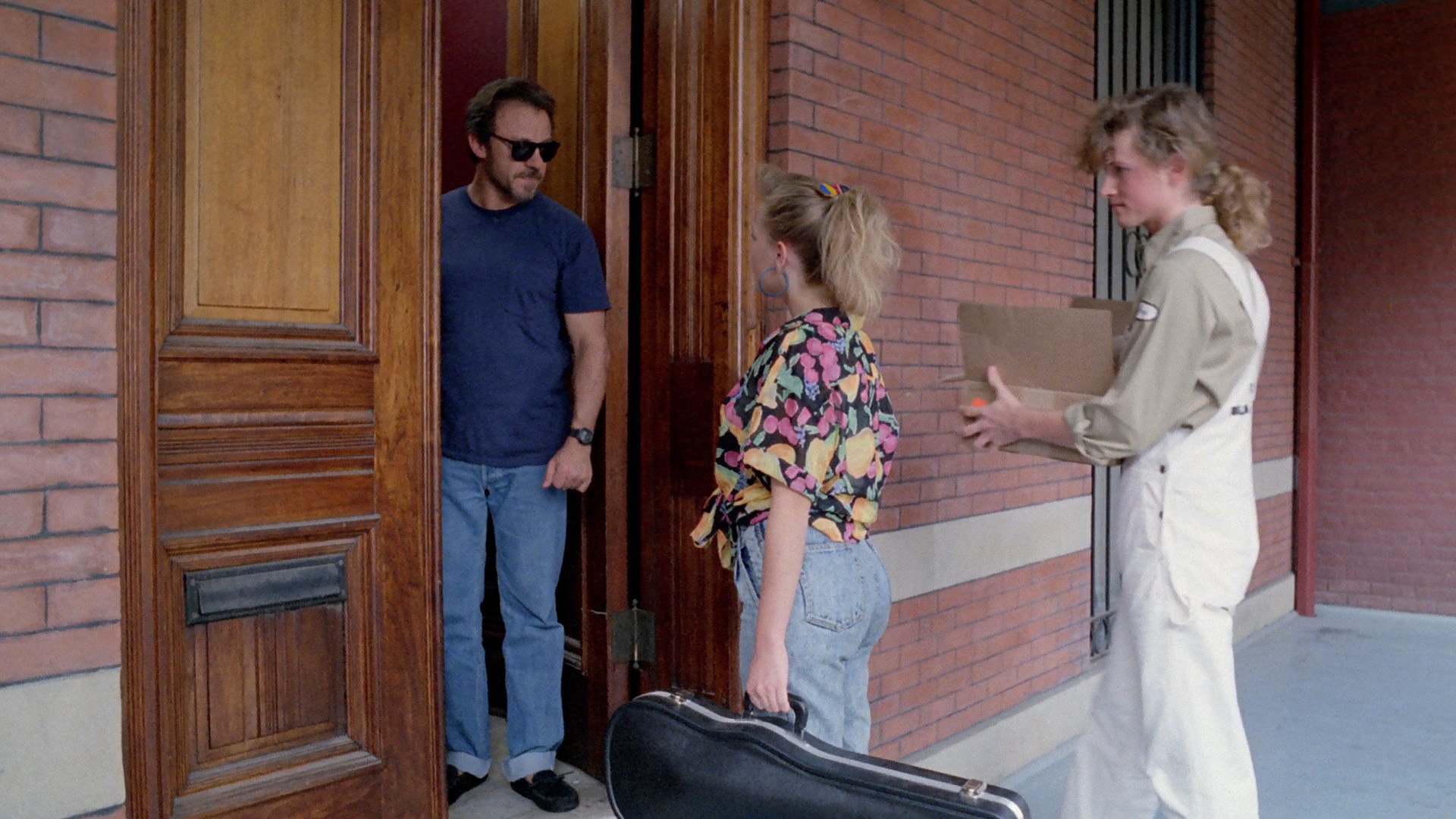
Argento then takes the reins for hour two with a loose adaptation of “The Black Cat” (filmed even more loosely in the aforementioned Corman film, not to mention Luigi Cozzi's loony tunes sci-fi version), with bad-tempered crime photographer Rod Usher (Keitel) not taking too kindly to the arrival of a new cat in his home. His girlfriend, Annabel (Potter), decides to keep the feline, which Rod secretly kills for a series of snuff kitty photos in his next book. However, the cat soon returns again… or does it?
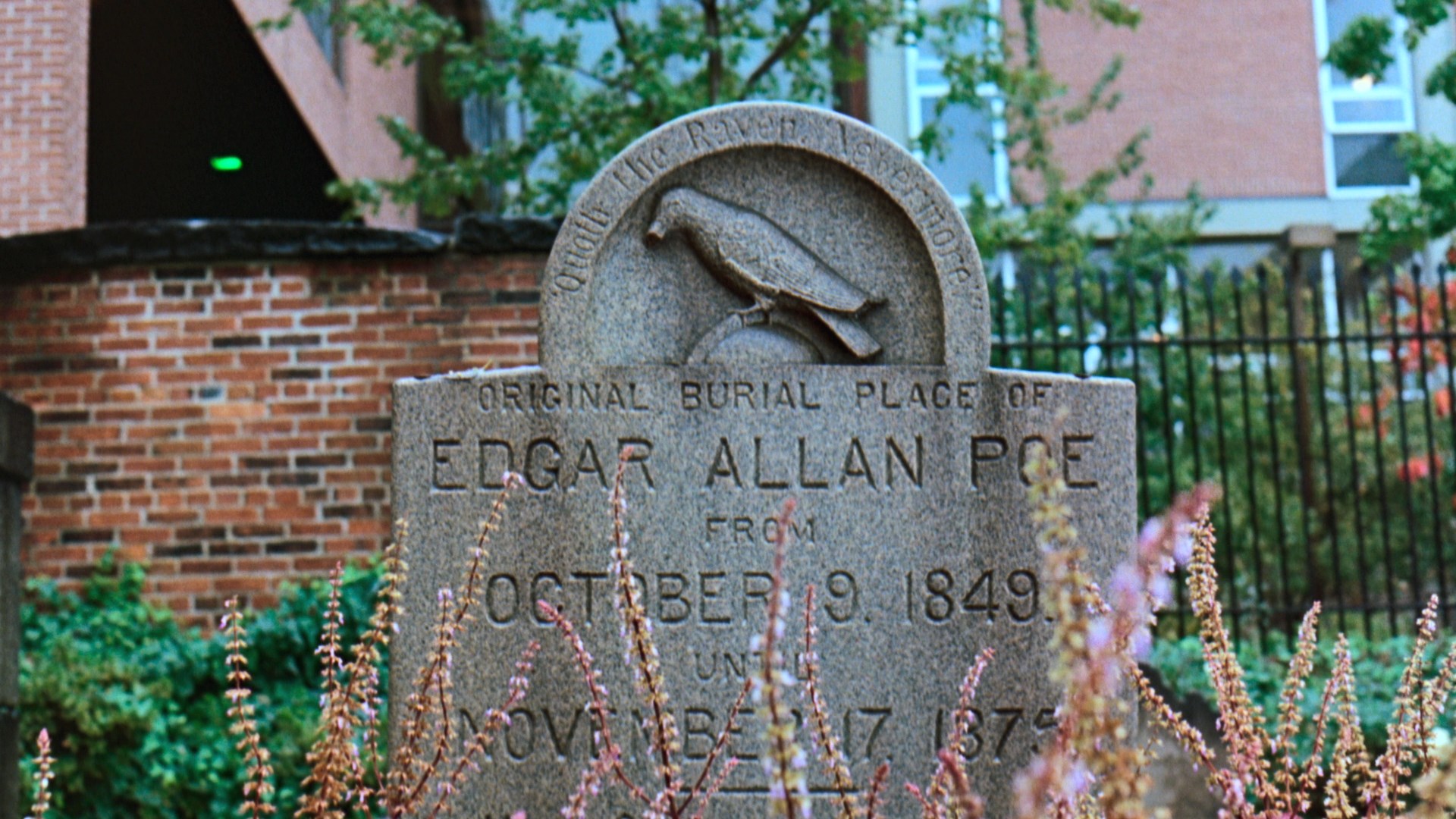
The Romero segment has often been criticized as sluggish and half-hearted, not unreasonably; even at an hour it feels very padded and only fully pays off with a brief, zombified ending that plays more like an episode of his earlier TV show, Tales from the Darkside. The actors try their best but an air of lethargy hangs over the proceedings. Fortunately Argento’s segment fires on all thrusters right from the beginning, packing in references to a jaw-dropping number of Poe works (“Berenice,” “Annabel Lee,” “The Fall of the House of Usher,” and “The Pit and the Pendulum,” among many others) while integrating 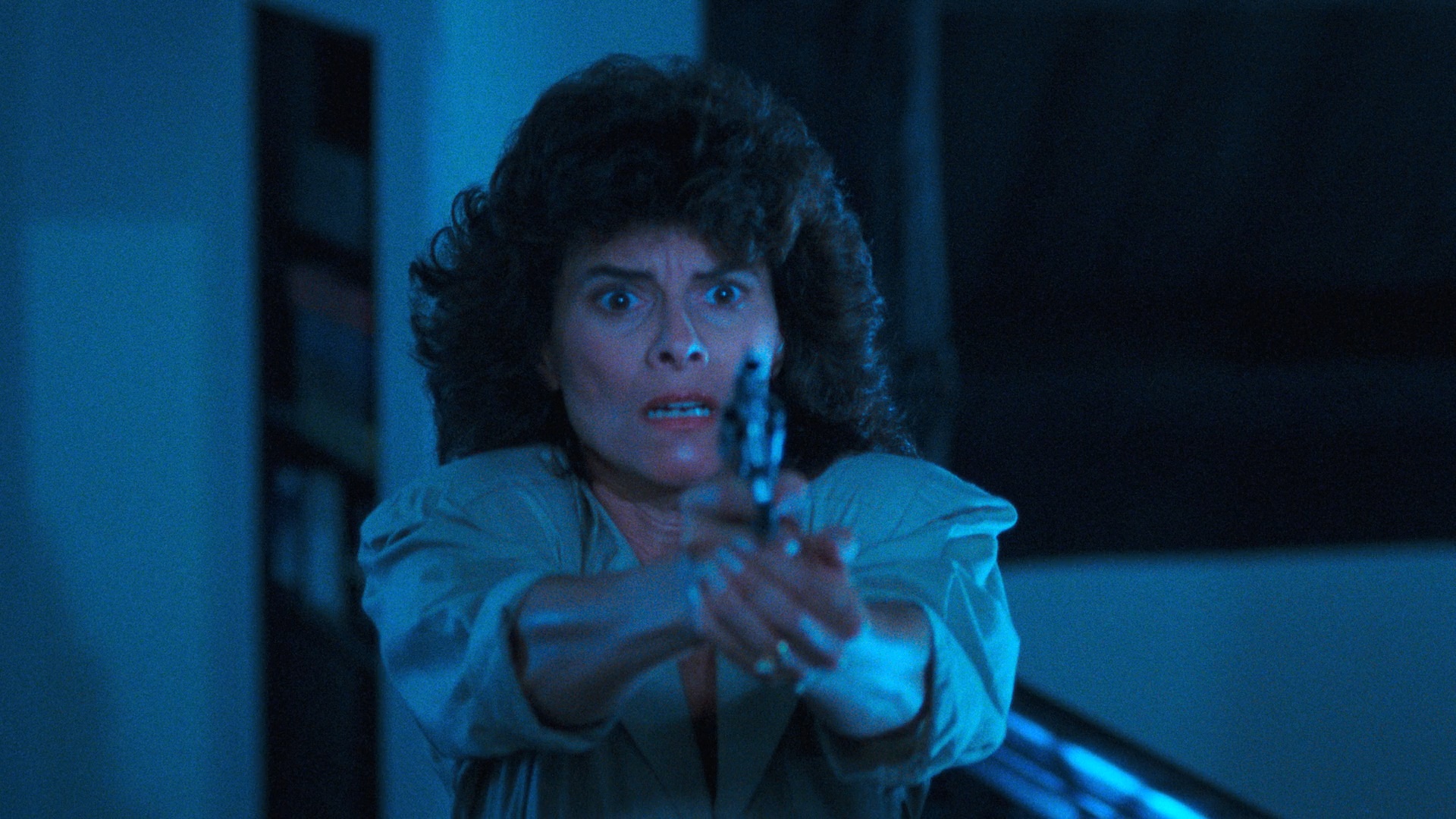 several bravura set pieces, violent and otherwise. Fresh off his hyperactive
 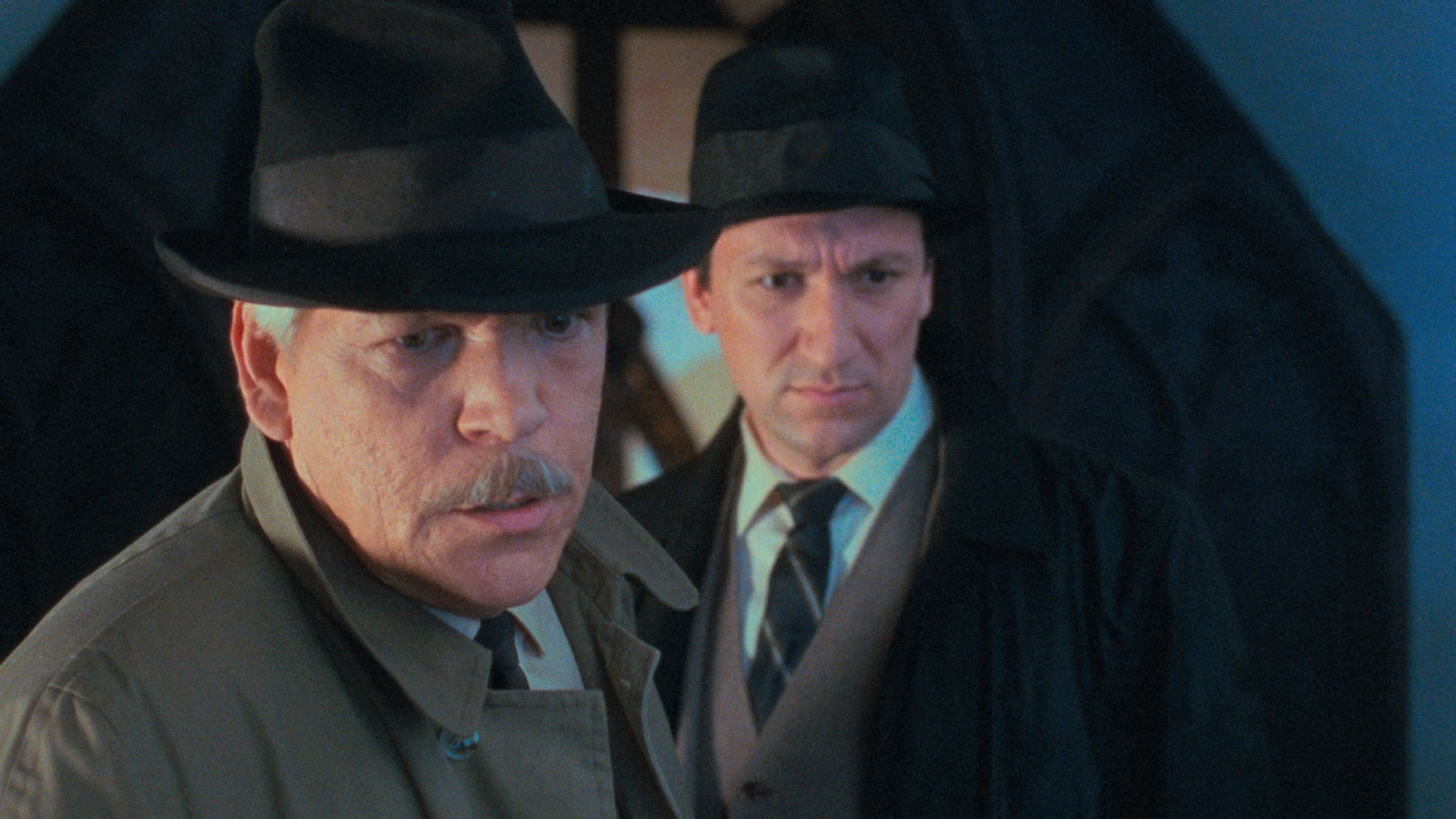 camera experimentation in Opera, Argento continues his sweeping POV shots here; the camera dives around apartment buildings, leaps from a cat’s perspective, and swings on a pendulum through a bisected corpse; in short, it’s one of his most compact and tightly-plotted works. The Pino Donaggio score also perks to life here from the haunting main “Dreaming Dreams” theme to some rousing suspense cues. Interestingly, the more subdued and American-shot "The Black Cat" also unofficially marks the highly controversial swerve in Argento's career from super-saturated gialli towards more psychologically dense and visually austere works which continued well through Trauma and The Stendhal Syndrome.
Several DVDs of Two Evil Eyes have circulated through different countries containing the standard two-hour cut which played theatrically and was released on laserdisc by Media. The first no-frills U.K. DVD from Arrow has a solid 5.1 mix from the original Dolby Stereo stems, while the U.S. double-disc set goes one better with six channel DTS-ES and 5.1 EX mixes to boot. The difference isn’t that radical as the film doesn’t have a terribly aggressive mix, but audiophiles will want to take note. More significantly, the U.S. disc contains a few extra frames during the pendulum sequence, lingering longer on the split torso. It doesn’t add up to much more than an eyeblink's worth, but technically the extra footage is there. However, the first U.S. disc is mysteriously missing a line of dialogue at the end of the film, in which the gagging police officer reels back from the opened wall and, beginning to wretch, gasps out, “They’re eating her!” (You’ll have to see the film to understand what that means.) On the Blue Underground disc, the cop simply turns away and a quick “—er!” is heard on the soundtrack, in each audio mix. Disc one contains the main feature along with an international theatrical trailer (not present on the other discs); apparently the US trailer has disappeared for good, though it’s not much of a loss.
Also included are the usual well-written talent bios and a poster and still gallery, which contains two shots from the “Murders in the Rue Morgue” sequence which was written and filmed for the Argento segment but ultimately excised. In this scene, Usher arrives to take photos at a crime scene where two sisters lie on the floor of their home with their necks slashed open. Upon further inspection he discovers animal feces in the fireplace, indicating the culprit was actually a gorilla. While many sources claim this bit was never actually shot, this DVD proves otherwise (though none of the supplements address its existence). The photos can actually be seen, partially and briefly, in the film itself during a quick flip through one of Usher's photography books. In the limited two-disc edition, disc two opens up with “Two Masters’ Eyes” (29m31s) including interviews with Romero, Argento, FX supervisor Tom Savini (who seemed to have a lot of fun on this film), executive producer Claudio Argento, and the omnipresent Asia Argento. Most interesting is the inclusion of behind the scenes highlights from footage shot during filming by Robert Marcucci, including 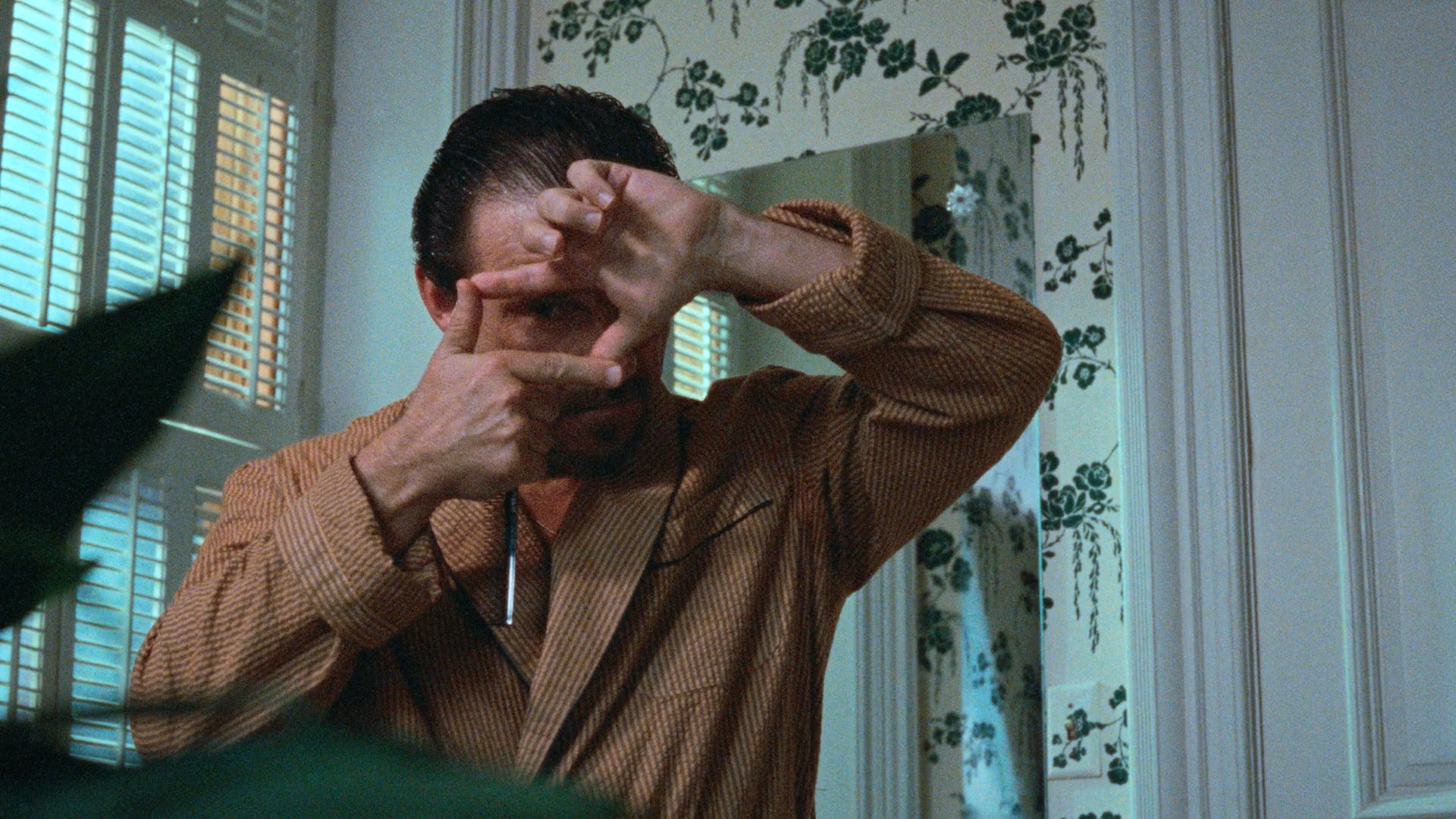 some amusing coverage of Argento in sports-playing mode. Then Savini steps into the spotlight for "Savini’s EFX" (12m8s) showing him at work on the pendulum
  corpse and those memorable kittens, as well as explaining how hard it is to show a frozen head getting shot and a chest getting impaled with a miniature obelisk. "At Home with Tom Savini" (15m42s) covers many of the props he’s kept over the years from his films, a veritable checklist of major gore groundbreakers since the late ‘70s. Last up are a Barbeau interview segment (4m35s) jettisoned from the original cut of Roy Frumkes’ Document of the Dead (though she is visible in his later revised video cut) and an Easter Egg containing brief comments from Christine Forrest/Romero about her small role as a nurse.
Most if not all of the extras were carried over for Blue Underground's 2009 Blu-ray release, which marked their third trip to the Argento well at the time. The presentation here is quite admirable with the edge enhancement which was somewhat visible in their DVD edition subdued into oblivion here. Daylight scenes are very crisp and clean-looking, and while Romero's segment has almost no outstanding visual style to speak of, even the darker scenes in Argento's fare well (note the blood-red lighting in Keitel's darkroom, which is far easier to watch here). The uncompressed audio presented in both Dolby Digital and DTS variants (specifically, Dolby TrueHD 7.1, DTS-HD 7.1 Master Audio, and Dolby Digital 5.1-EX Surround, with optional English, French and Spanish subs) is reflective of the surround mix the film has had in most venues with sound effects getting amped and frequently exaggerated for maximum effect. (The "eating her" line is still absent on all the tracks, by the way, which really makes one wonder at what point in post-production it was added in.) All of the extras are carried over except the still gallery (a shame in this case, for obvious reasons) and talent bios; presumably the Easter Egg is absent, too, but it'll take a far more savvy Blu-ray hunter than I to verify that for sure. A subsequent U.K. Blu-ray and DVD reissue from 88 Films comes from the same master and features different extras: the Italian opening and closing credits, the Italian audio track with English subtitles (interesting for comparison but not a great representation of the film itself), a "Double Vision" interview with Kim Newman, and a combo interview with Luigi Cozzi and Caroline Munro.
In 2019, Blue Underground went back to the well (or perhaps the bathtub) with this title for a tremendously expanded two-disc Blu-ray edition featuring a wealth of new extras as well as a brand new 4K-sourced scan of the original camera negative. The previous release was no slouch but there are visible improvements here, particularly the treatment of film grain and fine textures which look more detailed and natural here. The framing also shifts a bit with more visible on the bottom in particular. Here the audio is presented in DTS-HD 7.1 MA and 2.0 English, as dramatic and loud as always but this time thankfully reinstating the missing "eating her" line of dialogue at the end. Optional 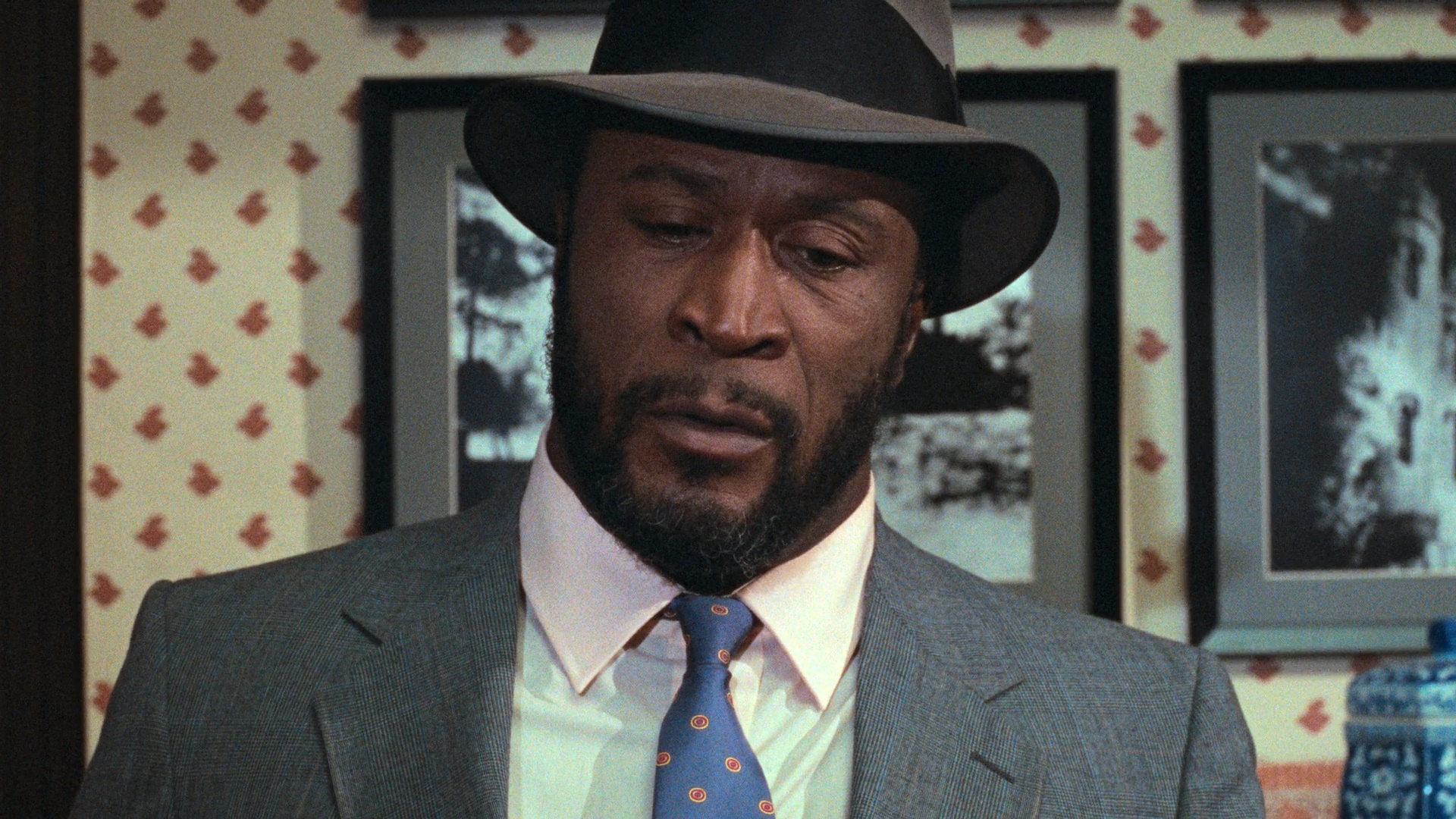 subtitles are
 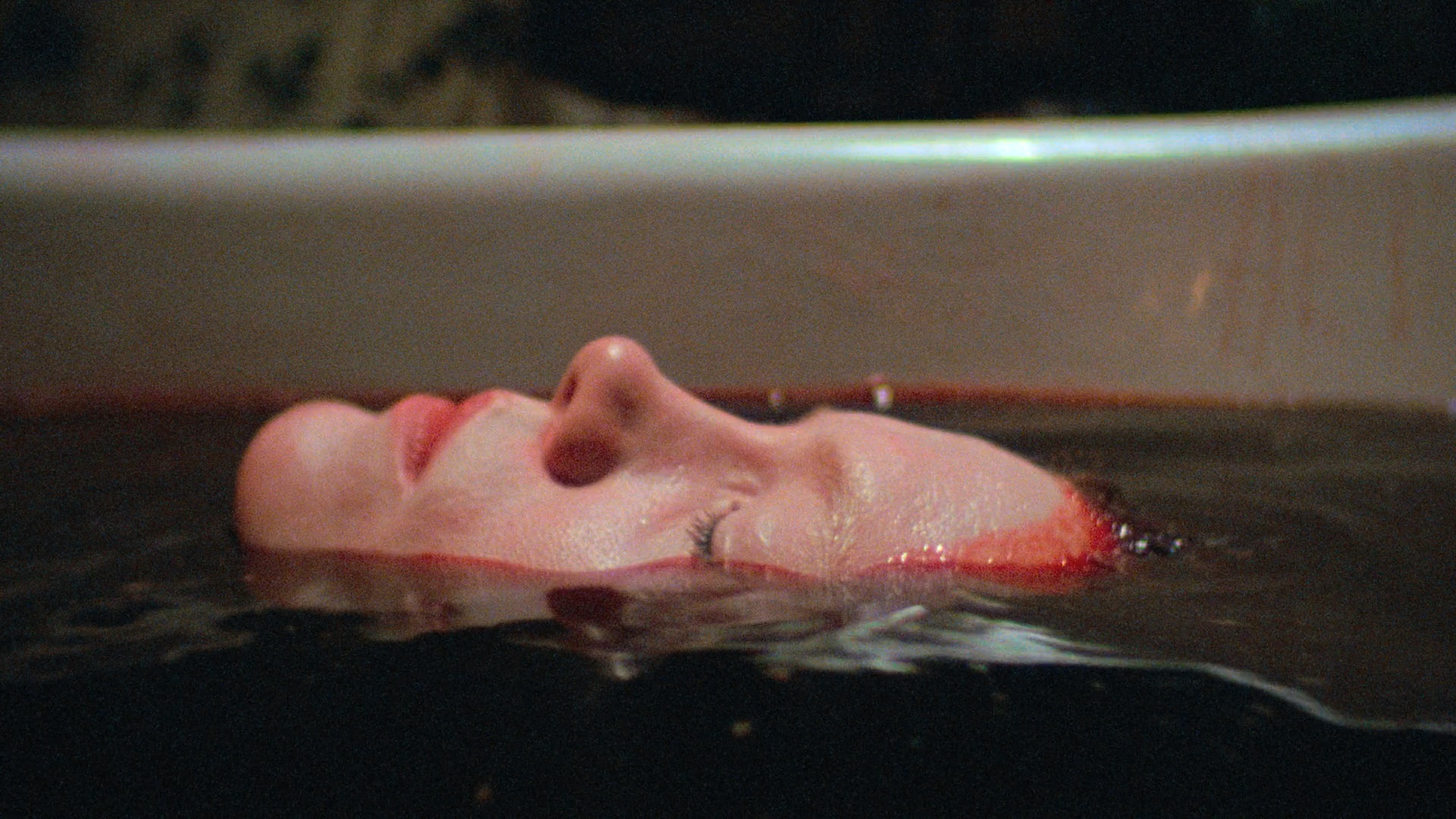 provided in English SDH, French, and Spanish, with a French Dolby Digital Mono track also tossed in if you're curious to hear it dubbed. The first disc includes the theatrical trailer and a new, different image gallery featuring some great preliminary poster design drawings and tons of lobby cards and international poster and video sleeve scans. (No "Rue Morgue" images here though, for those still keeping track.) A new extra here for the film itself is an audio commentary by Troy Howarth, whose book Murder by Design: The Unsane Cinema of Dario Argento makes him ably qualified to tackle this often overlooked entry as a conjunction of two major genre talents. He doesn't shy away from noting some of the compromises and quirks of the final product but approaches in appreciably with a fine appreciation for "The Black Cat" as a key and often misunderstood transitional entry in his body of work.
Disc two ports over the previous featurettes -- "Two Masters' Eyes," "Savini's EFX," "At Home with Savini," and the Barbeau interview -- and then kicks off the new material with "Before I Wake" (14m3s) with a friendly Zada explaining how he got into acting and felt honored to be a part of Romero's film after auditioning for several of his prior productions. He also has very high praise for Barbeau's enthusiasm for rehearsal and trying new approaches to their scenes. Then Potter appears in "Behind The Wall" (16m9s)
for a very eloquent and perceptive account of how she took the role after initially refusing and feeling apprehensive about some for the more extreme imagery, with her appreciation for Argento as an artist growing exponentially during the process. She also goes into getting to buy her 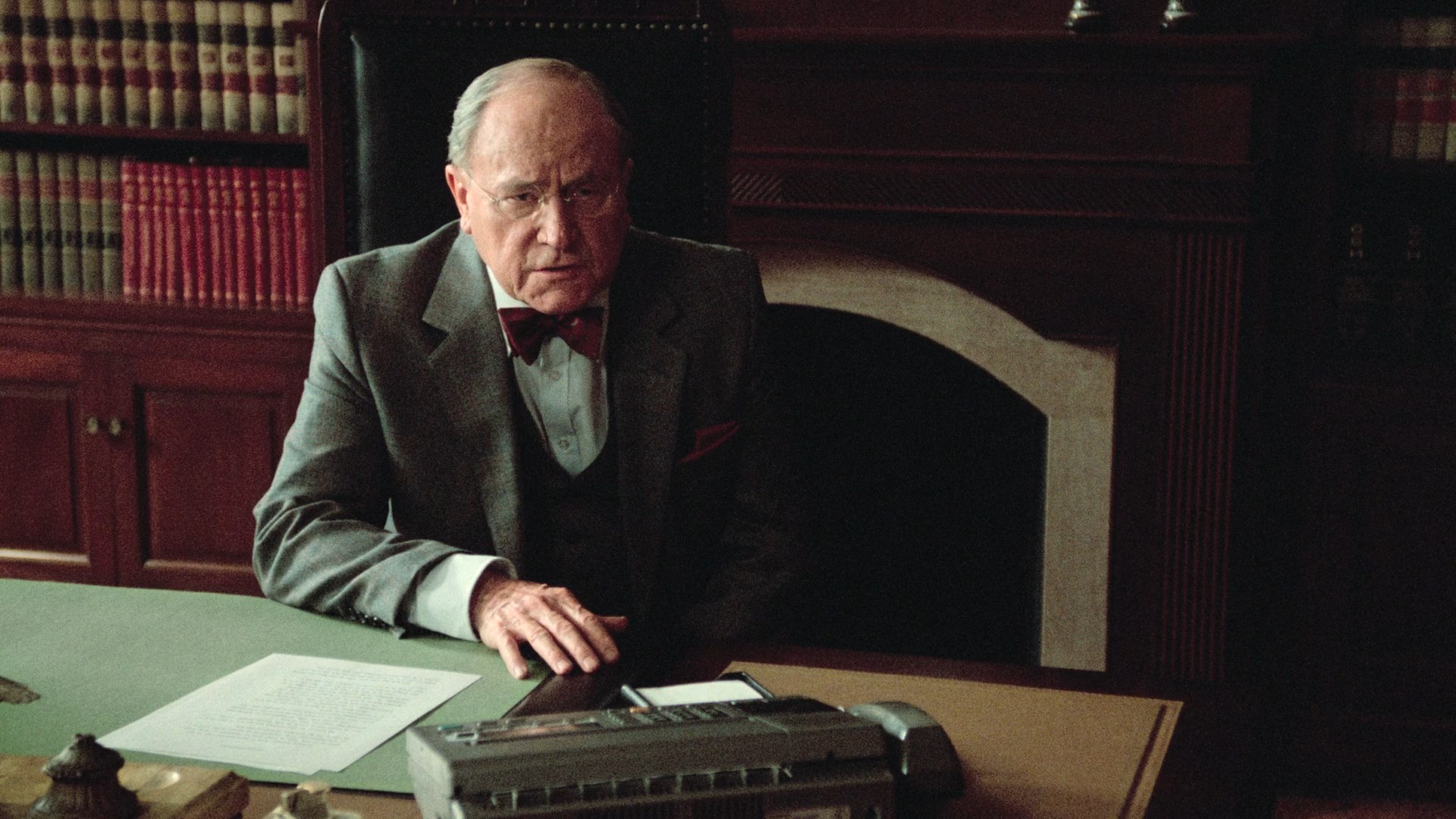 own costumes (a key factor in her character) and reveals the hardest aspect of
 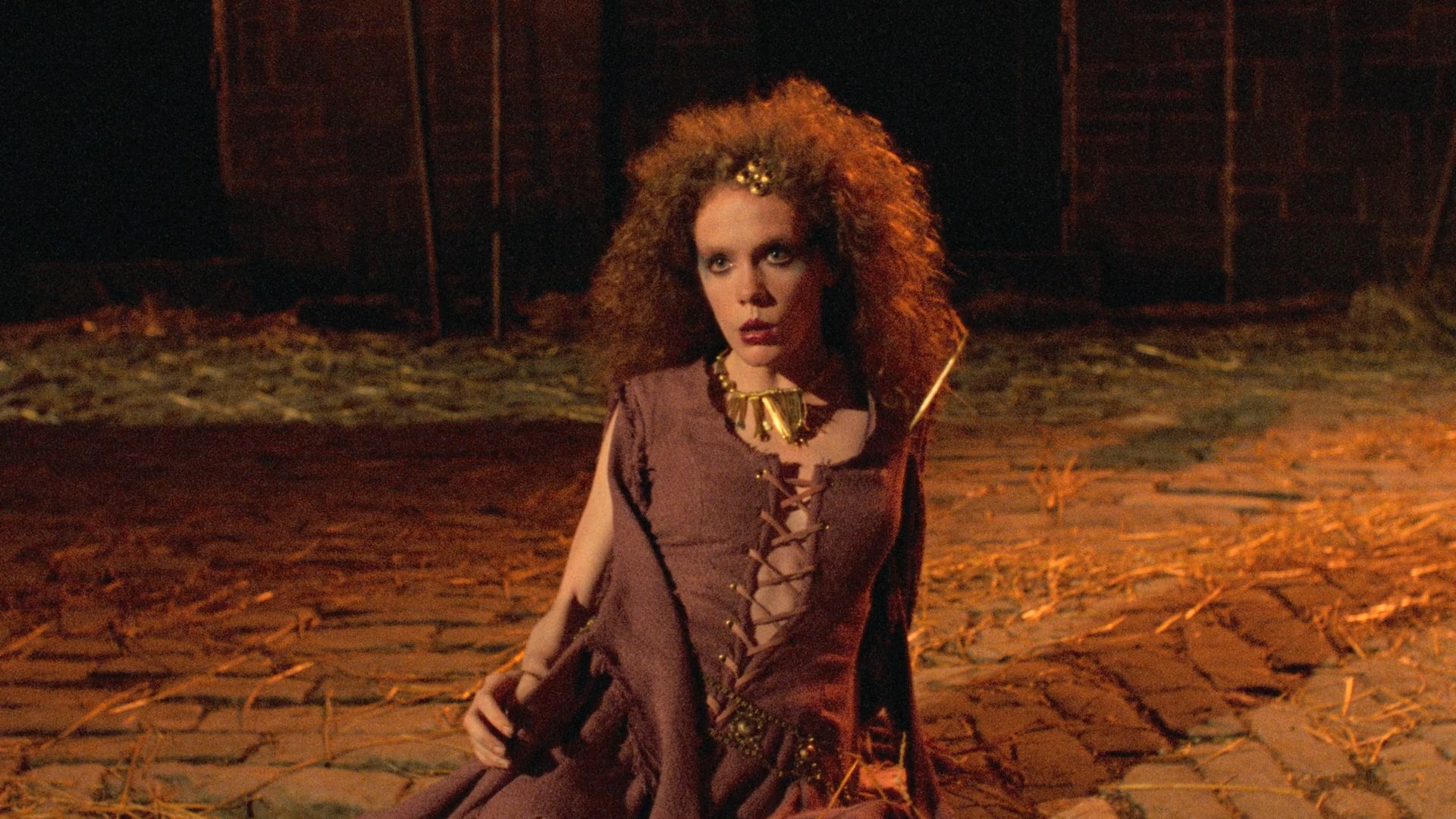 the role, which might come as a bit of a surprise. It's also worth noting that both Potter and Zada look shockingly well preserved 29 years later; whatever supernatural methods they're using, it's clearly working. Then "One Maestro And Two Masters" (15m12s) is a great archival but apparently unreleased Donaggio interview with the wonderful composer chatting about his start with Brian De Palma and his connection to Argento over an admiration for his Body Double score, which ended up in Argento's infamous Trussardi fashion show. Then he goes into the differences between Argento and Romero's working styles but mostly focuses on his work with the former including Trauma and Do You Like Hitchcock? as well as the contrast between American and Italian music budgets. Frequent Argento screenwriter Franco Ferrini is covered in "Rewriting Poe" (13m37s) focusing on his exposure to the horror writer in school and the process of bringing his tales to life in one compact narrative with a very specific biographical inspiration, with a bit about the Romero segment as well including the potential AIDS metaphor with the "Masque" concept. In "The Cat Who Wouldn't Die" (26m33s), assistant director Luigi Cozzi appears in his beloved Profondo Rosso shop for a recollection about the availability of Poe in Italy and his working relationship with Argento on this film, an extension of many previous projects together. He talks quite a bit about this film including the left-field casting of Potter, his "dreamy eyes" admiration for Martin Balsam on the set, and the mounting of the memorable pagan dream sequence just outside of Pittsburgh. In "Two Evil Brothers" (13m52s), special make-up assistant Everett Burrell
 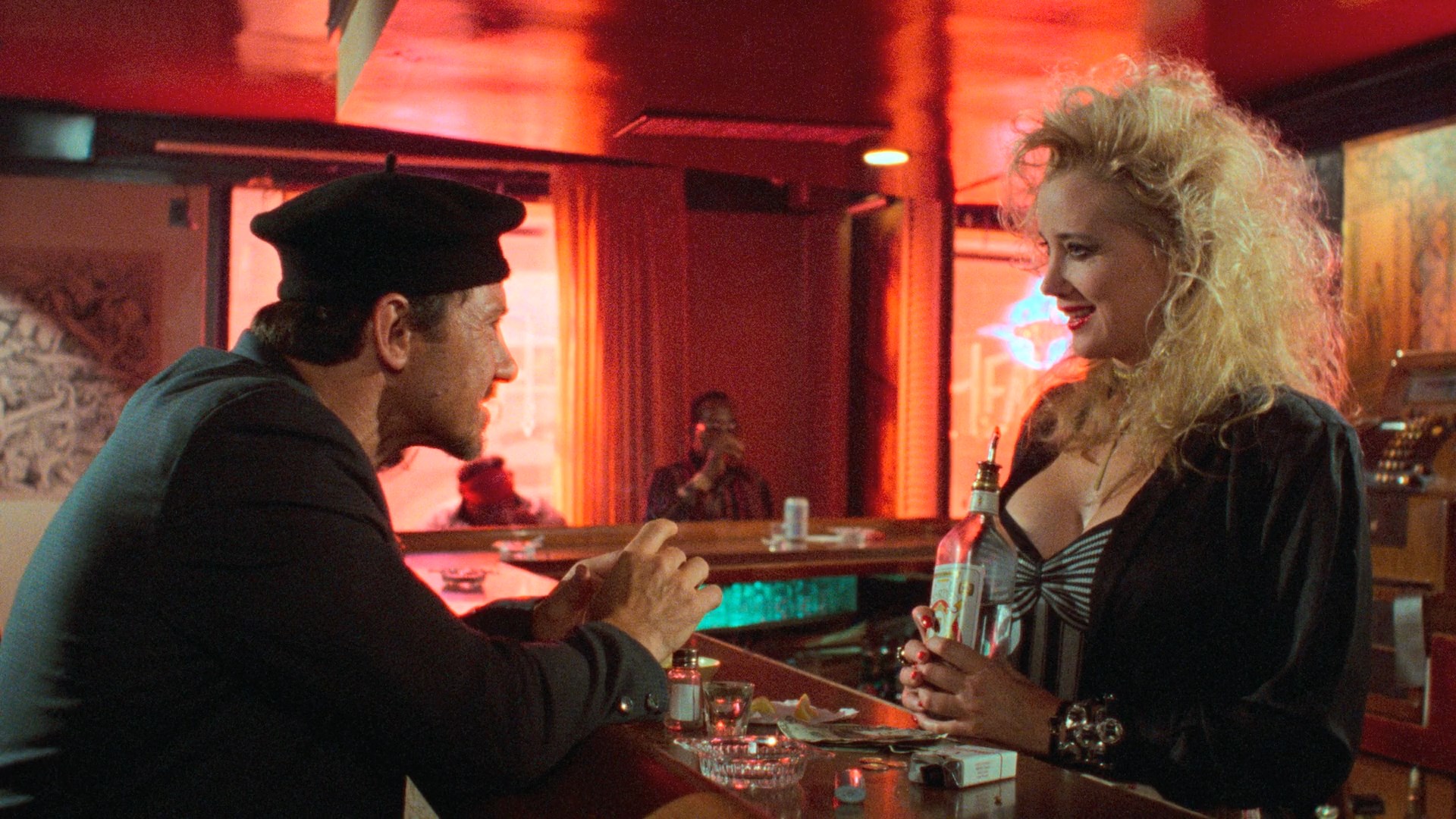 chats about his early experience on Day of the Dead in Pittsburgh and his time with "rock star" Savini on this film with lots of flexibility to come up with wild macabre visual gags including his own amusing version of the stripper anecdote for
 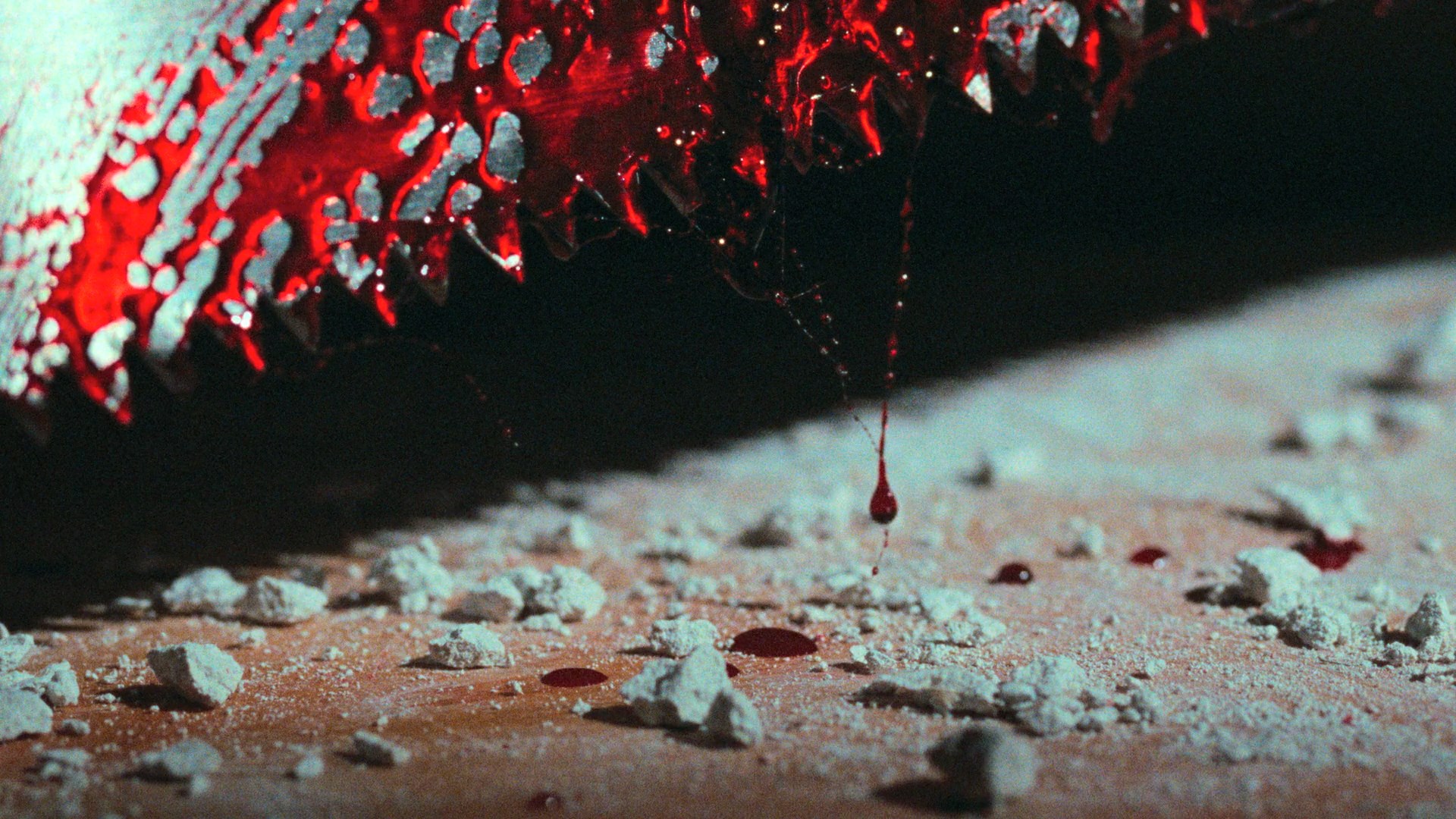 the pendulum crime scene and memories of the "Berenice" homage in the graveyard. Finally, "Working with George" (9m15s) has costume designer Barbara Anderson going over her start with Romero on Knightriders and the family-style atmosphere on his sets including Creepshow and The Dark Half (confirming Romero's account of Timothy Hutton's difficulty on set). Worth the price tag of the new edition by itself for soundtrack collectors is the third disc, a CD soundtrack that represents the first release of Donaggio's score in any form since the initial, problematic Italian vinyl release back in 1990. A huge thank you to Blue Underground for that one! The set also comes with an insert booklet featuring liner notes by Michael Gingold, who places the film in context with the history of Poe adaptations and covers all of the major details about the production, cast, and wildly underwhelming U.S. theatrical release.
In 2021, Blue Underground added this film to its roster of impressive 4K UHD releases with the already excellent scan looking even better, with the significant increase in resolution and the addition of Dolby Vision HDR giving it an even more rich and vibrant appearance than ever. The Argento segment fares particularly well with the darker scenes sporting more subtle gradations and more intense browns that make it a real treat for the eyes; the film is still naturally grainy as always, and its inherent visual oddities are still in place (such as the early shot of a bright yellow 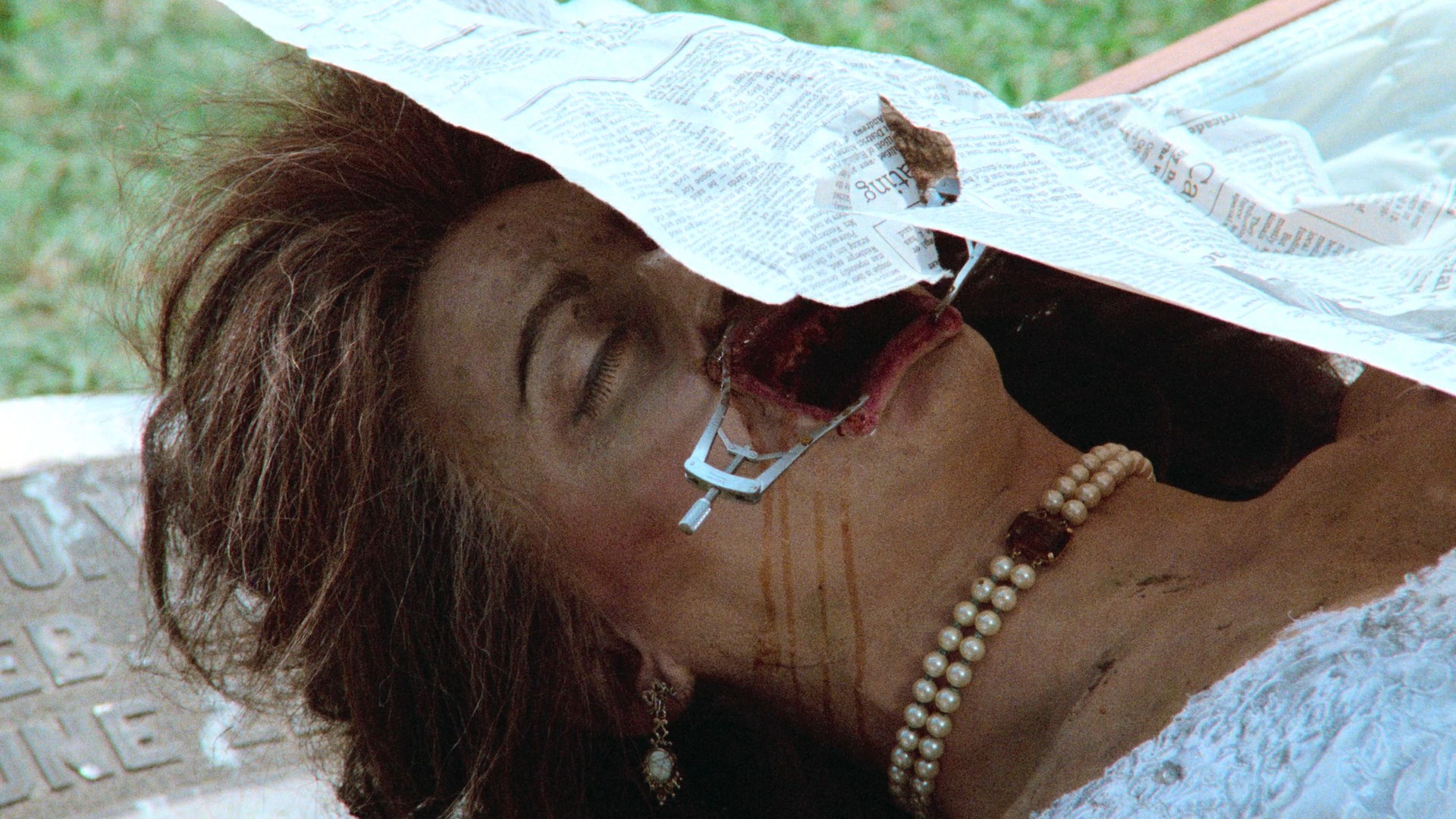 cab, which has always been kind of noisy and funky-looking). For what it's worth, the extra clarity
 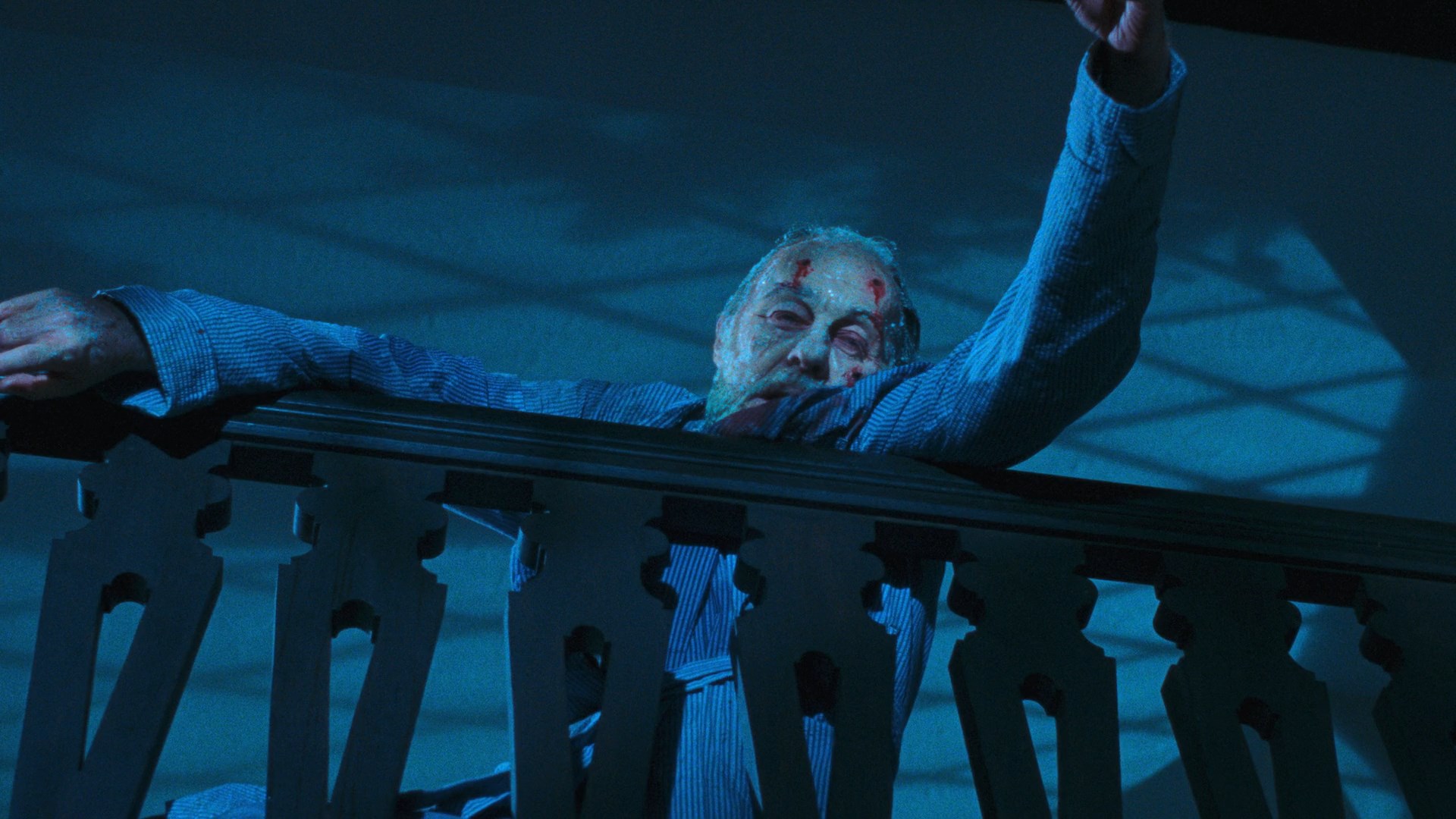 also exposes some amusing quirks such as the very obvious fact that the two people in the film's closing shot are most definitely not the same actors, including a glaring bald prosthetic. Things shift a bit audio-wise here as you get the usual DTS-HD MA 2.0 theatrical English mix and the mono French track, with optional English SDH, Spanish, and French subtitles. The prior 7.1 mix is replaced here with a new Dolby Atmos mix, which is easily the most aggressive mix to date with a nonstop flurry of sonic activity; as you'd expect the pendulum scene makes some entertaining swooping use of overhead sound, and the music gets some nice extra spread as well. If you're familiar with the film there are a few marked differences here with some sound effects playing out quite differently, such as the door slam when Barbeau first gets home after visiting E.G. Marshall. Once subdued and limited to the front speakers, it now reverberates around the room far more strongly. In short, it's basically the mix you've heard before on steroids! Extras-wise the configuration here is the same with the commentary, trailer, and gallery retained on the UHD and a bonus Blu-ray that's identical to what was in the prior release.
BLUE UNDERGROUND (BLU-RAY) (2019)
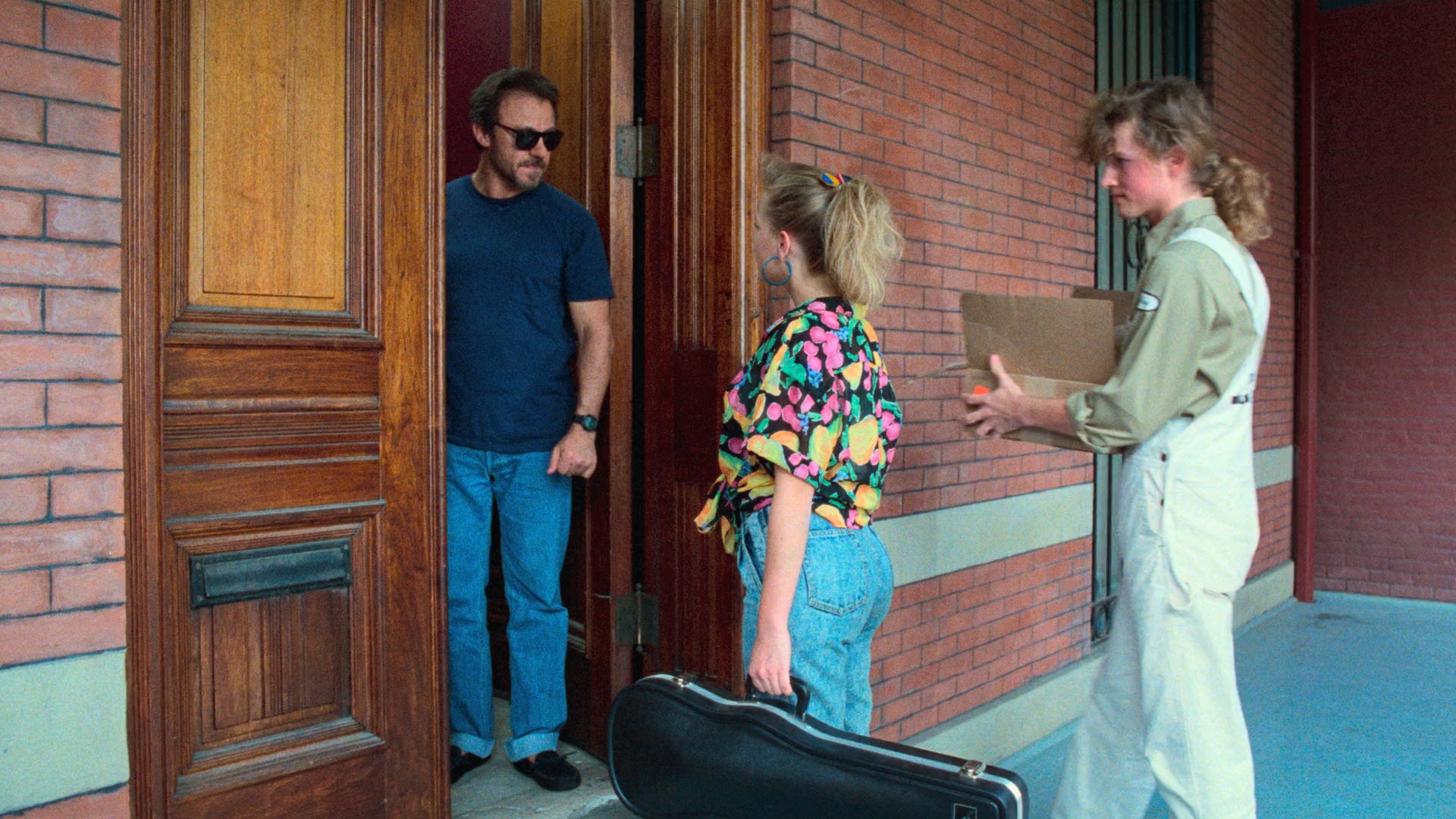
BLUE UNDERGROUND (BLU-RAY) (2009)
Updated review on August 6, 2021.
