Color, 1974, 92 mins. 57 secs.
Directed by Jorge Grau
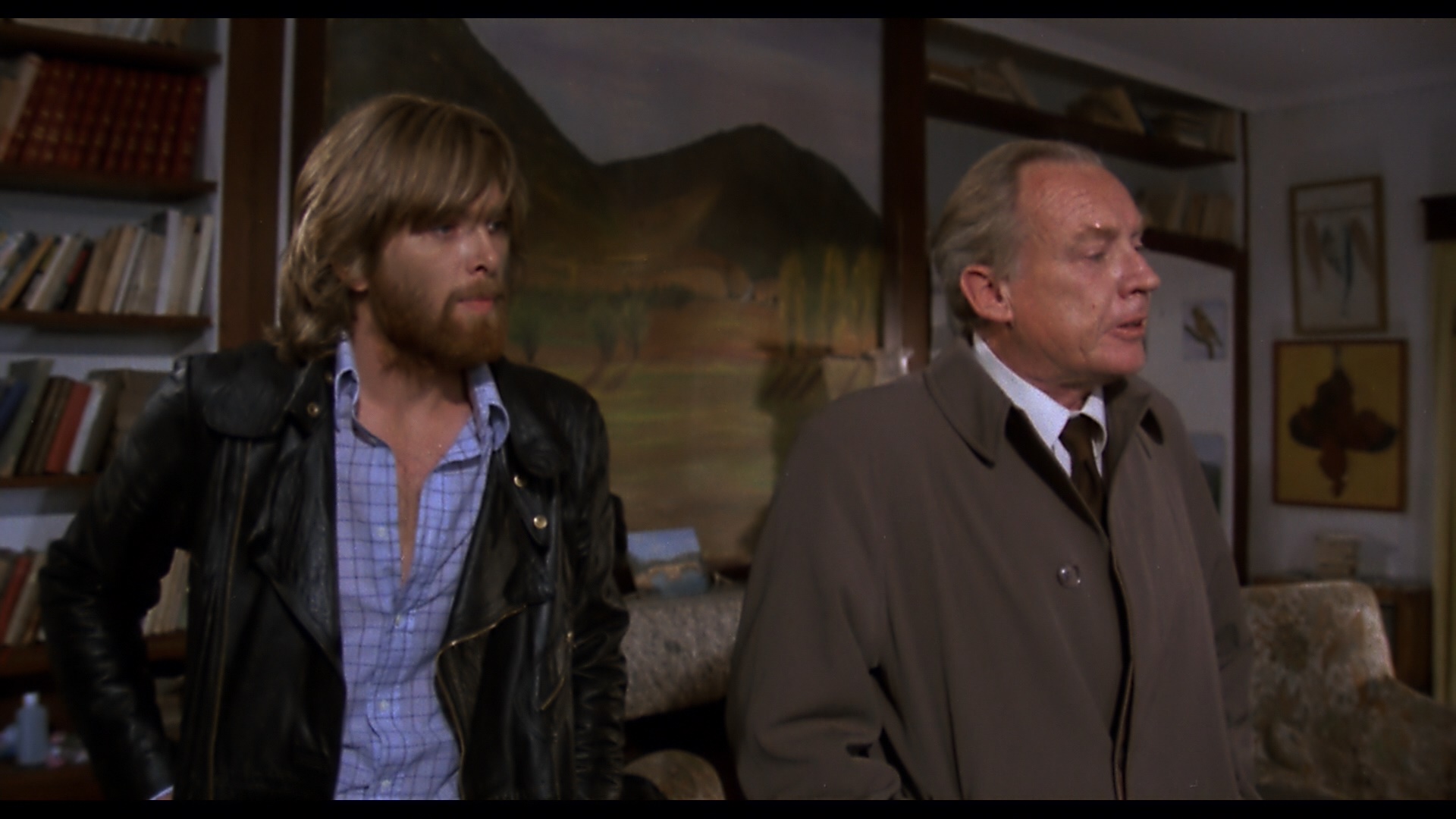
Starring Ray Lovelock, Cristina Galbo, Arthur Kennedy
Synapse Films (Blu-ray & DVD) (US R0 HD/NTSC), Blue Underground (Blu-Ray & DVD) (US R0 HD/NTSC), Anchor Bay (US R0 NTSC, UK R2 PAL), X-Rated Kult (Blu-ray) (Germany R0 HD) / WS (1.85:1) (16:9)
 English countryside isn't
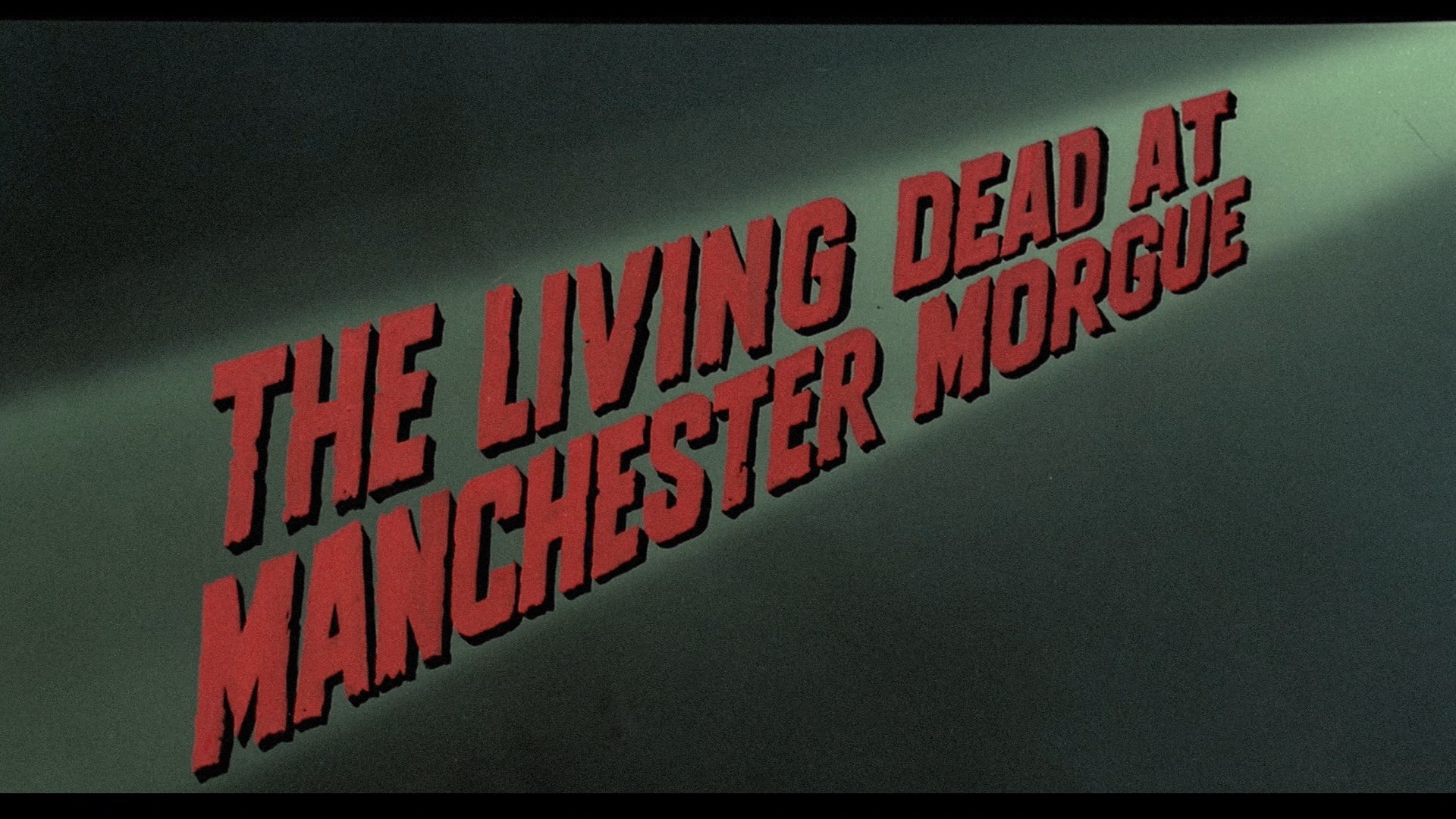
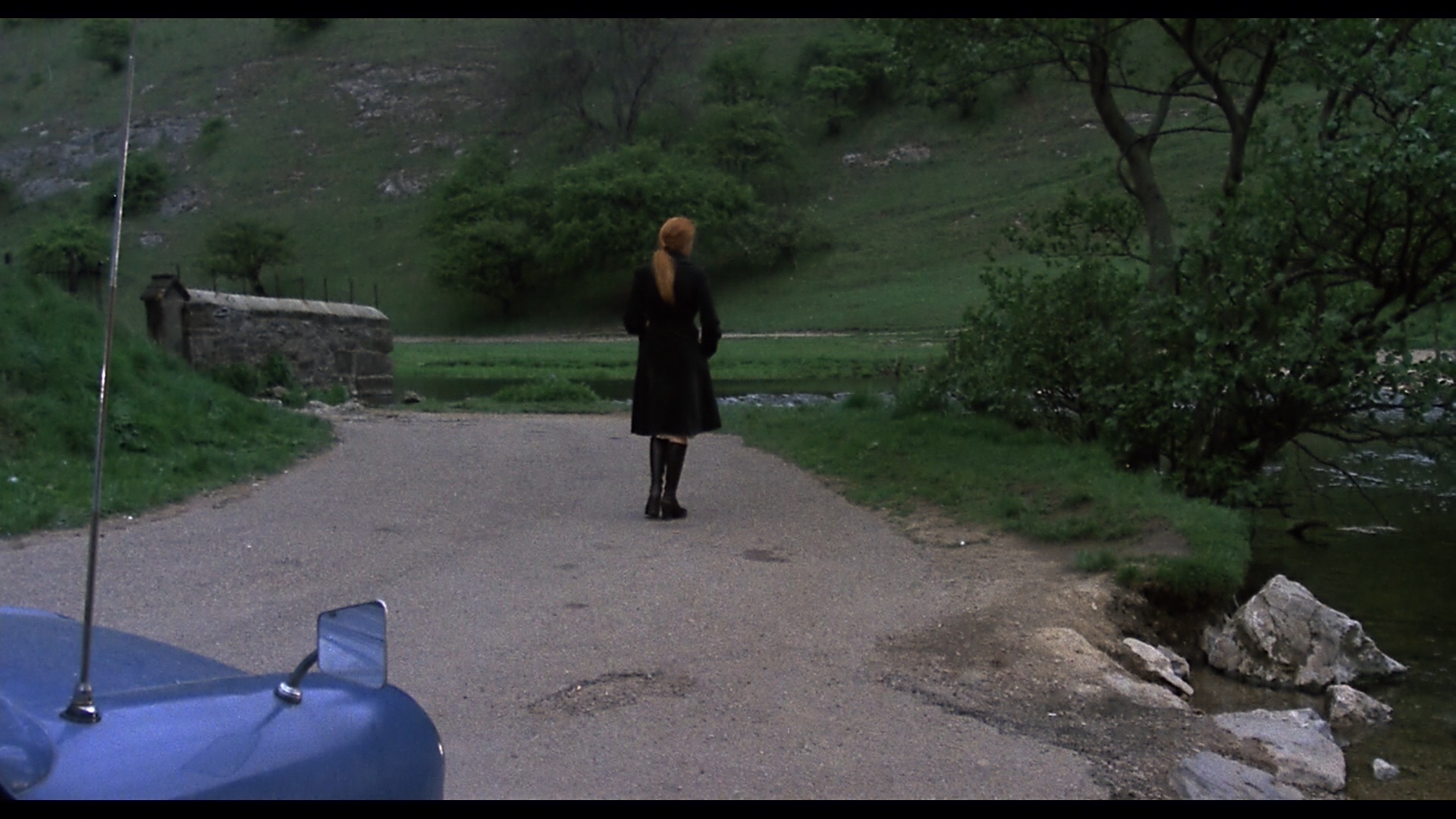
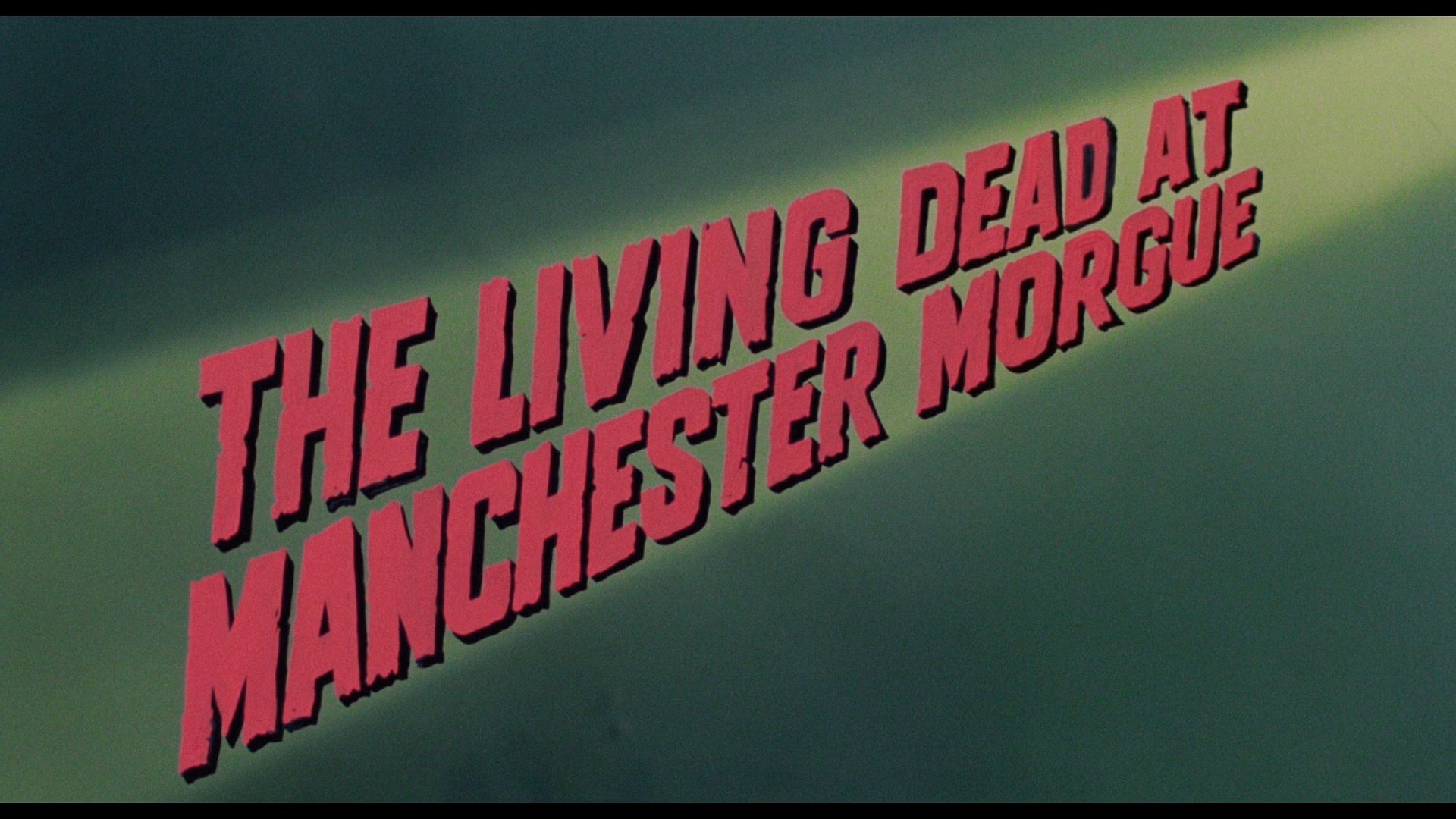
  usually regarded as a hotbed of terror, but the early '70s tried to change all that. Sam Peckinpah exposed the gruesome underbelly of the British provinces in Straw Dogs, and then the Continental neighbors had their turn with No profanar el sueño de los muertos, a.k.a. The Living Dead at Manchester Morgue or Let Sleeping Corpses Lie, the first European imitation of Night of the Living Dead. Sort of like an Agatha Christie whodunit gone horribly wrong, this moody, haunting little gem in turn influenced an entire decade of undead gut munchers from the likes of Lucio Fulci and Umberto Lenzi, but thanks to clever plotting and a creepy, blood-soaked atmosphere, time has done little to dilute its impact.
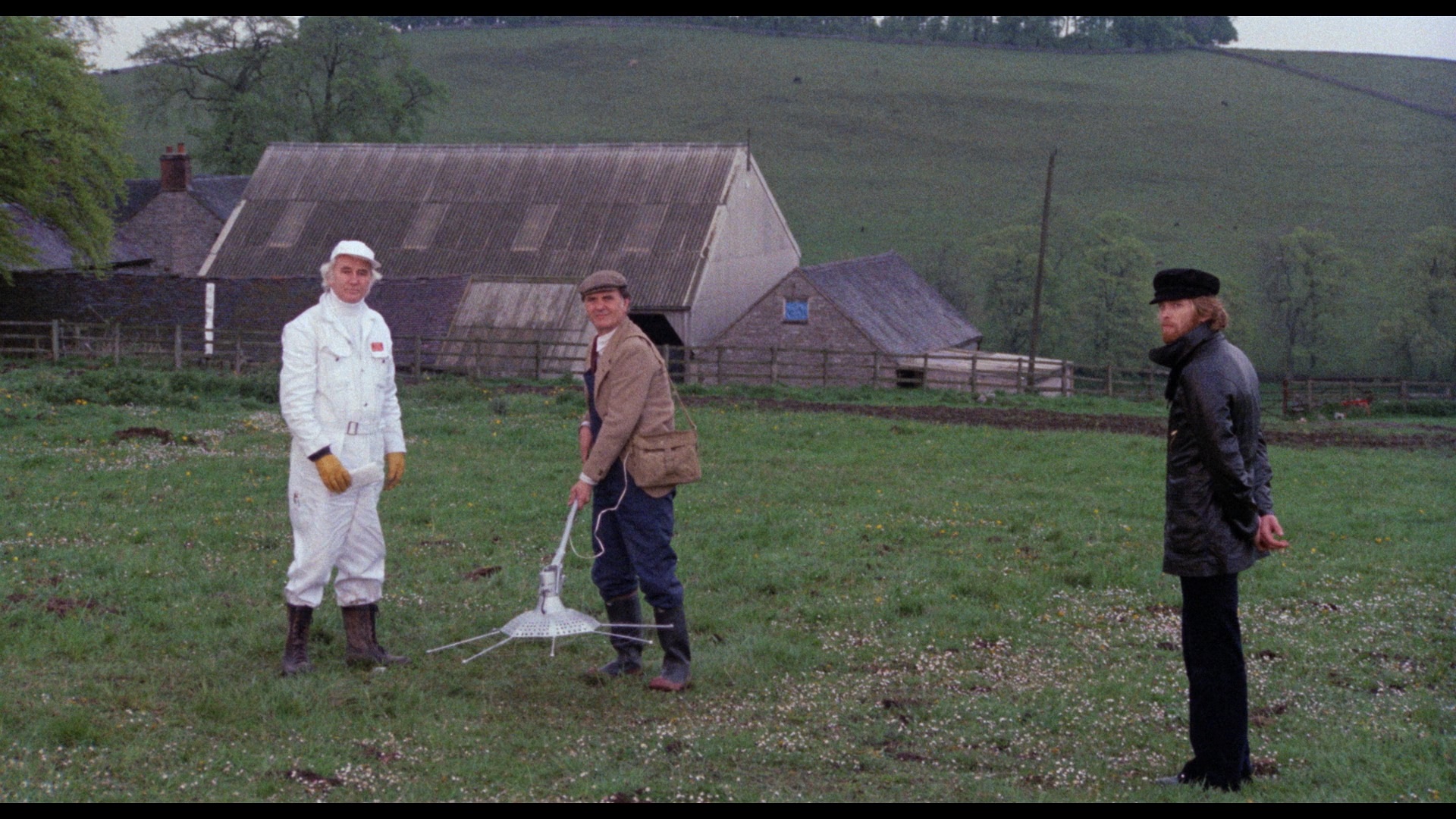
  roll of film and a jaunt through the countryside, George discovers a group of scientists and agricultural workers testing out a new device using sonic
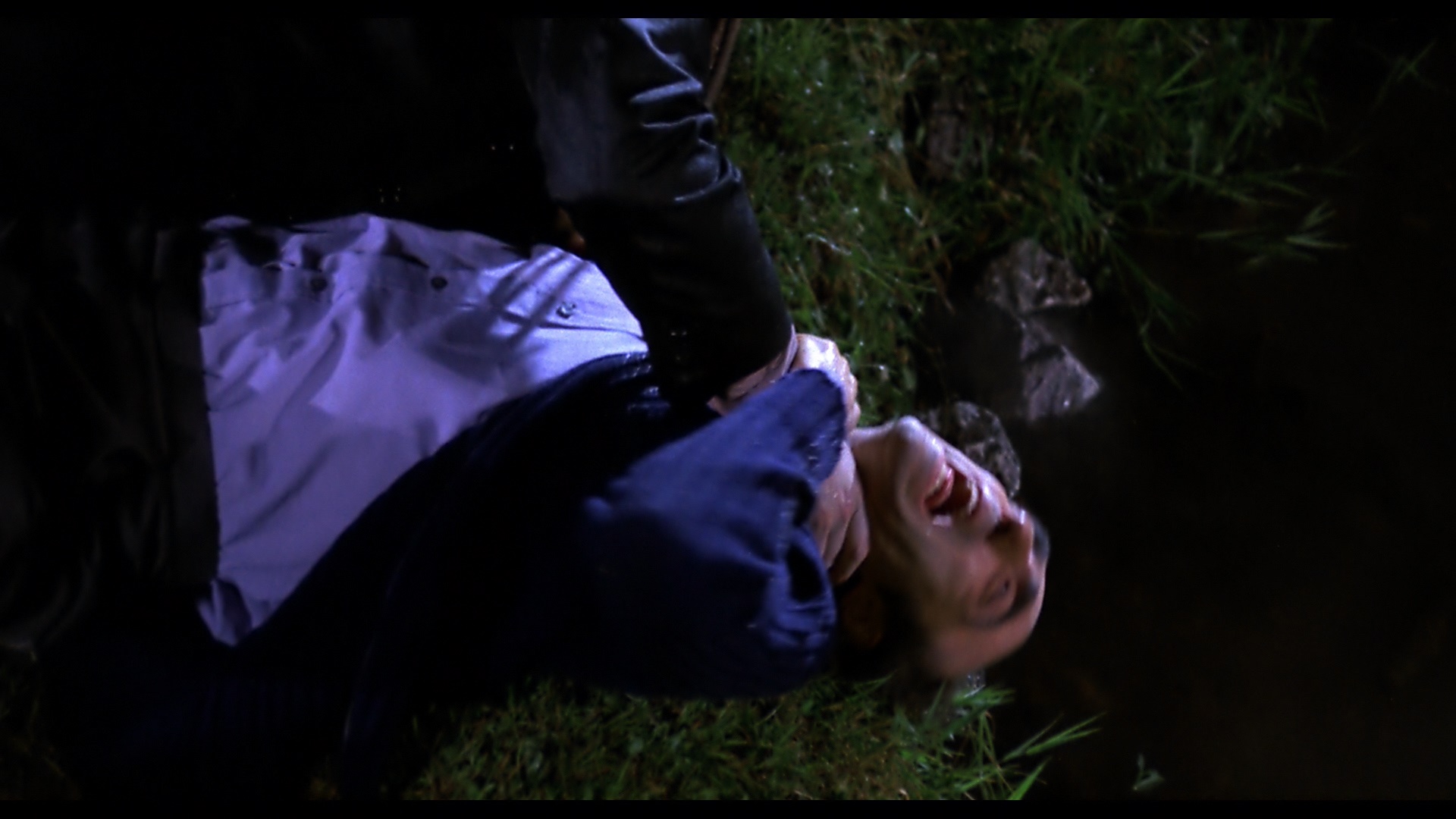
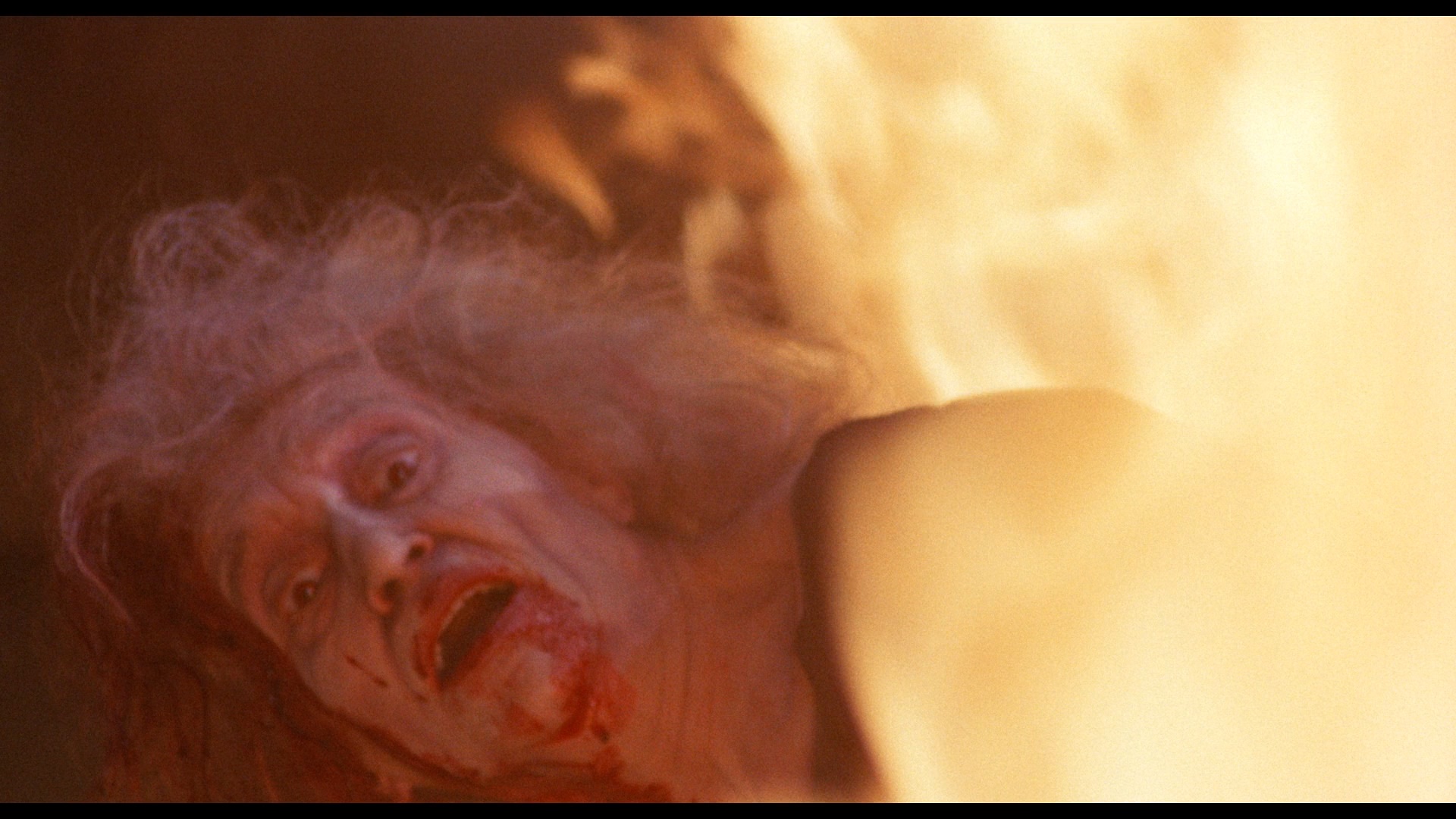
 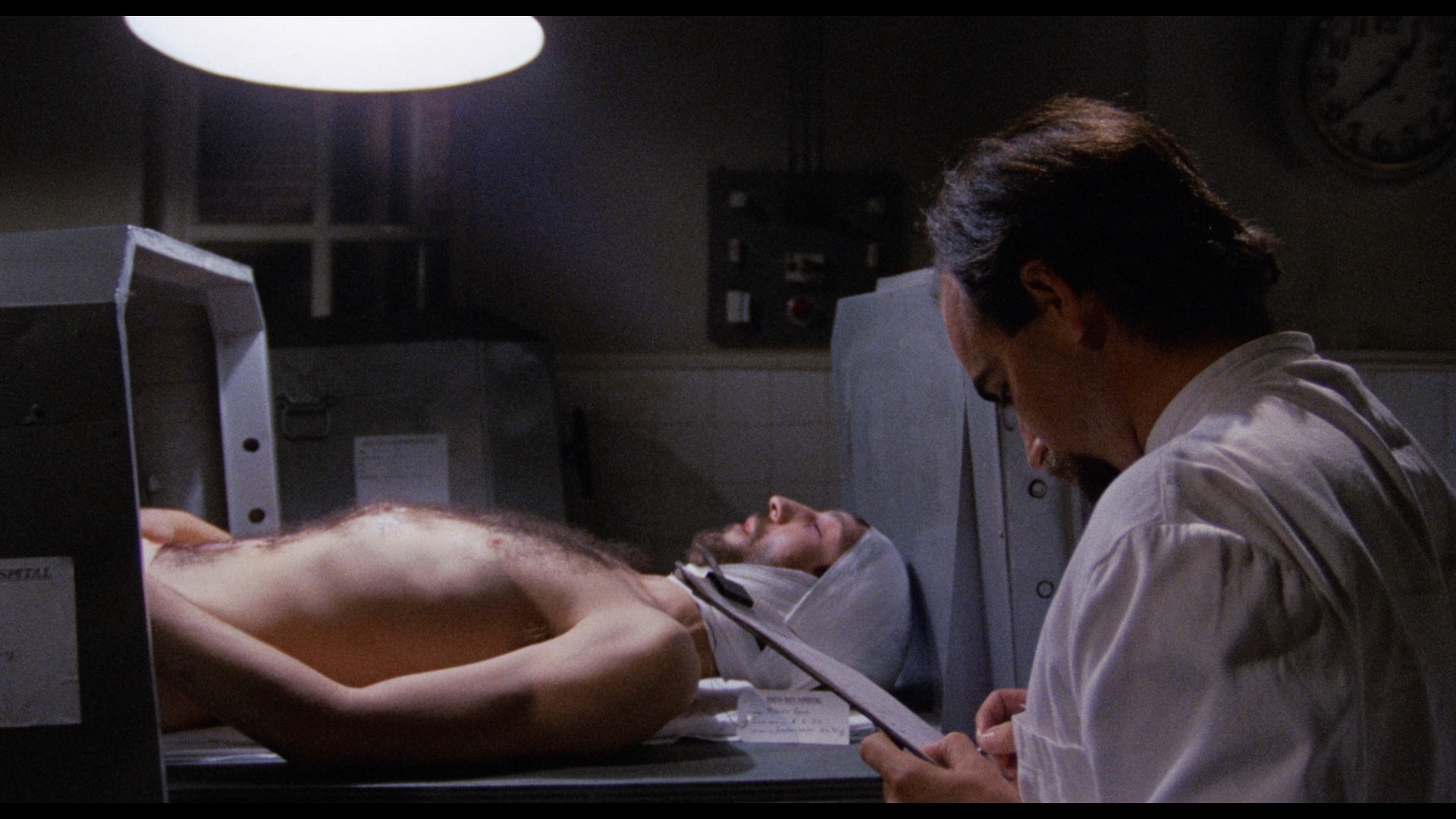 waves as a kind of pesticide. Unfortunately, this process has the nasty habit of overstimulating the nervous systems of newborn babies and, more devastatingly, the corpses of the recently deceased. Soon the countryside runs red with blood, as George and Edna are forced to elude both the police and the shambling corpses emerging from the earth...
 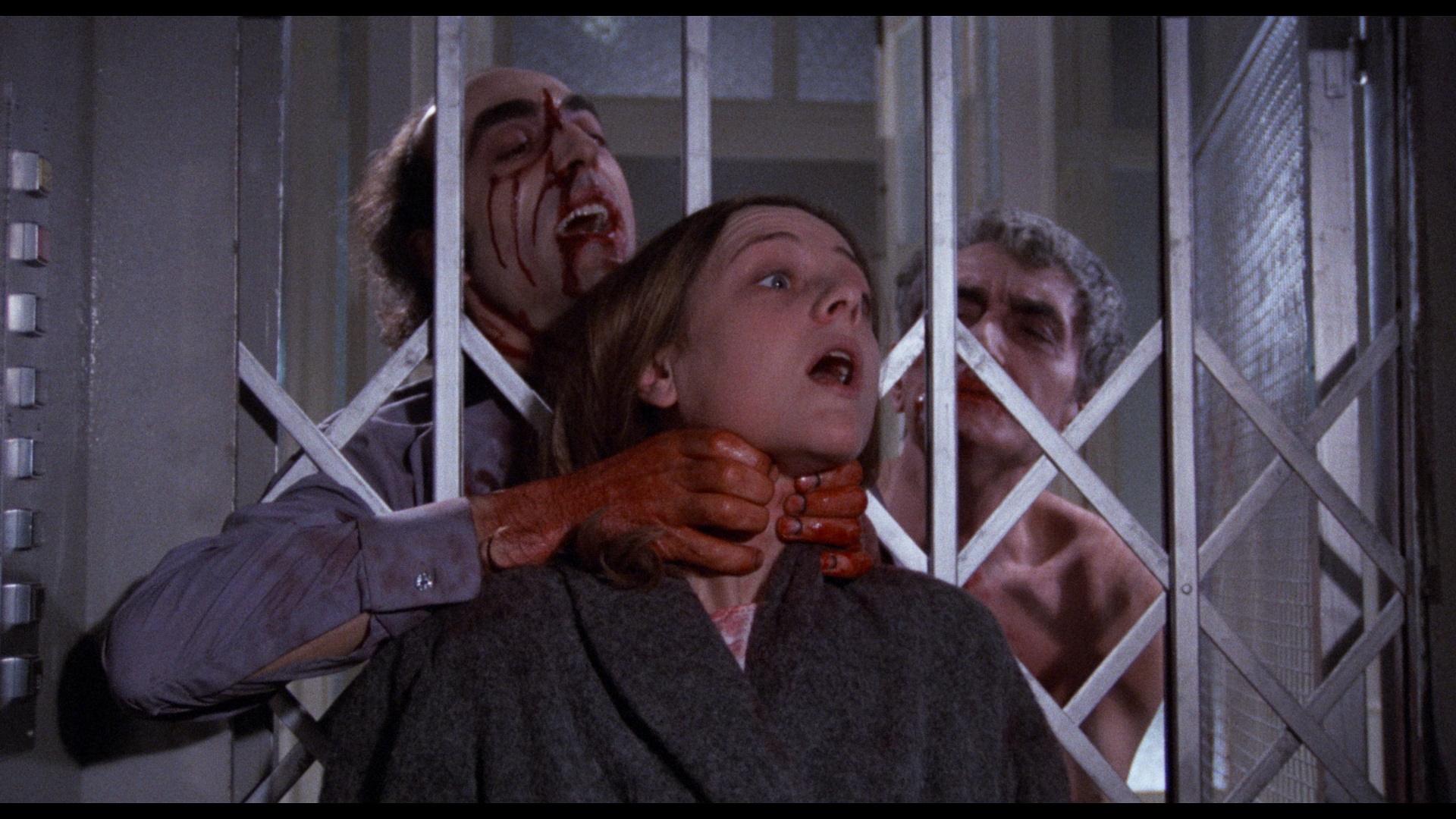 keep an eye on the glass doors of the "Old Owl Inn," which seems to change spelling from scene to scene.
 Window, a fairly useless slasher-type moniker, while overseas it played as The Living Dead at Manchester Morgue, Breakfast at Manchester Morgue, and even Zombi 3 during a later Italian reissue. The U.S. prints were obviously cut, removing two brief but moist scenes of gut-pulling and a few other snippets. Most horror fans from the '80s and '90s have seen the Japanese laserdisc edition (as Let Sleeping Corpses Lie), the Venezuelan video release, or the uncut PAL release in the UK which was banned as a video nasty! The complete print bowed on DVD and VHS from Anchor Bay in 2000 differed significantly from the Japanese disc, which featured swirling opticals and a superimposed Guthrie face over the opening credits, dropped a significant amount of footage from the opening urban blight montage (and optically censored the female streaker), and removed the ambient music from the closing credits. Though colorful, the print was also in rough shape and, though letterboxed, featured open matte inserts for the pesticide scenes. Therefore the Anchor Bay DVD was truly the first complete, and correctly letterboxed edition ever available. The quality looks nice, though the night scenes suffer from some compression anomalies. The 5.1 audio mix tweaks the original stereo tracks a little bit, with some minor separation effects in the rear speakers; it sounds fine and faithfully captures the ambiance of the film's subdued, intricately mixed soundtrack. The disc also includes a brief intro and a an interview with director Jorge Grau (20m27s) who filmed this as a follow up to his fascinating, underrated Ceremonia sangrienta (The Female Butcher), which deserves a DVD release as well. Grau is likable
  and candid throughout, offering an amusing anecdote about the film's producer which openly acknowledges this film's debt to Romero's classic.
  He also discusses most of the actors, with the bit on Kennedy obviously containing the juiciest details. The disc also includes the US TV spot, a familiar staple from public domain horror trailer tapes, and similar radio spots, along with a reproduction of the German theatrical poster. Anchor Bay’s UK disc (as The Living Dead at the Manchester Morgue) adds on the aforementioned alternate opening and features a thick insert booklet comparable to the material in the US limited tin edition.
 cut to that great opening "John Dalton Street" opening theme with plenty of those wild,
  colorful graphic transitions familiar from many Italian giallo trailers. (Interestingly, it also features some slightly different line readings from Arthur Kennedy.) You also get the original 2000 Grau interview, the gallery and radio and TV spots (DVD only), and a huge heap of brand new extras. "Back to the Morgue" (44m51s) feature Grau covering the Derbyshire locations from the film, including the site of the first car attack. "Zombie Fighter" (15m41s) features the Italian-speaking Lovelock talking about his career in Italian cinema and his role in this film, including the fact that he and his onscreen nemesis, Arthur Kennedy, were quite chummy and wined and dined together every night. He also covers which interiors were shot back at Cinecitta in Rome, such as the mausoleum sequence. In "Zombie Maker" (16m5s), gore FX maestro Giannetto De Rossi takes center stage and talks about his family's notable history, his Rome studio days, and of course, his legendary work on Lucio Fulci films like Zombie ("People are still trying to copy my zombies!"), though of course this was really his first zombie film. The same transfer was also reused in Germany as a companion feature on X-Rated Kult's excellent Blu-ray release of Zeder.
  quite the eye opener
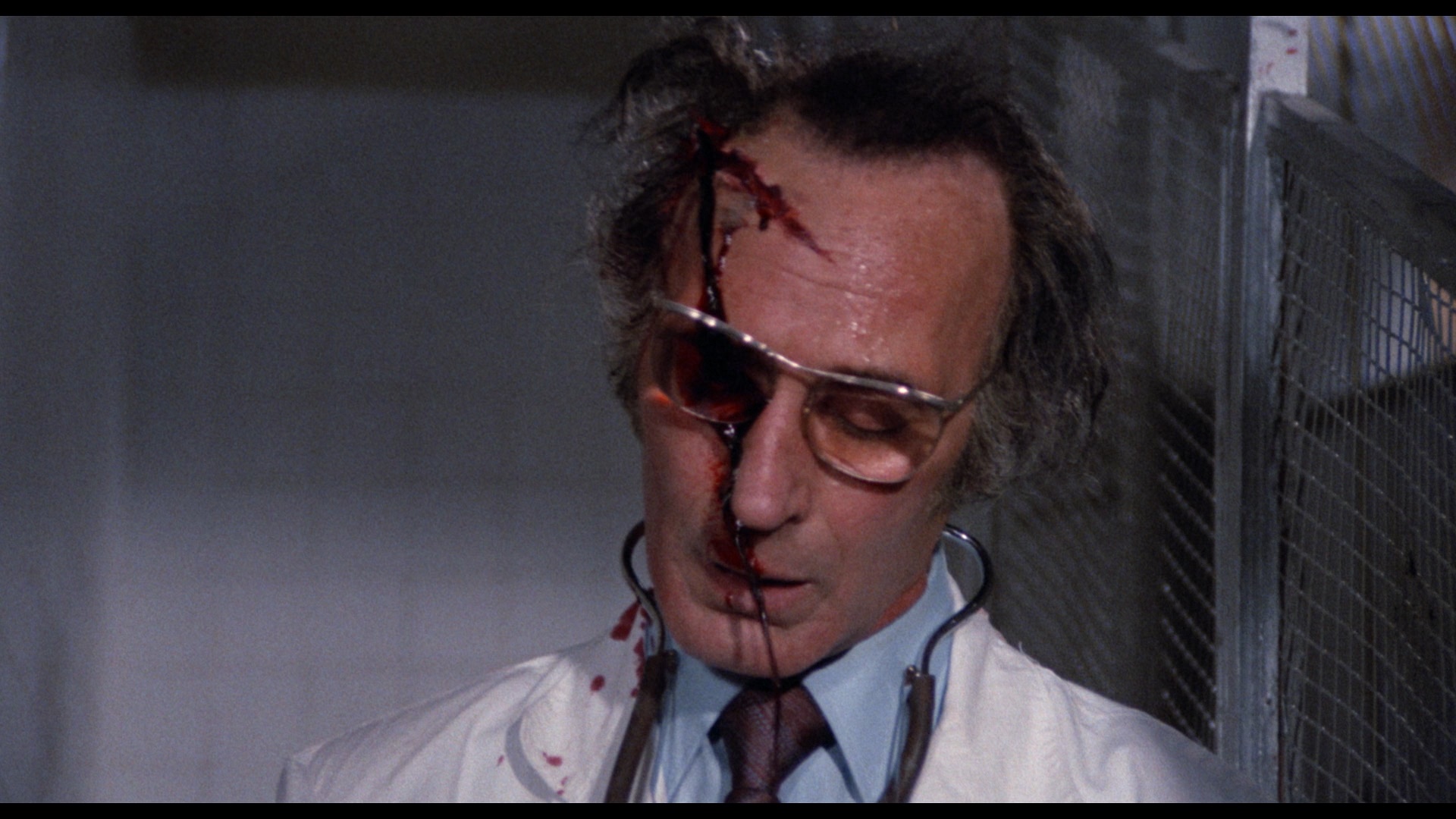
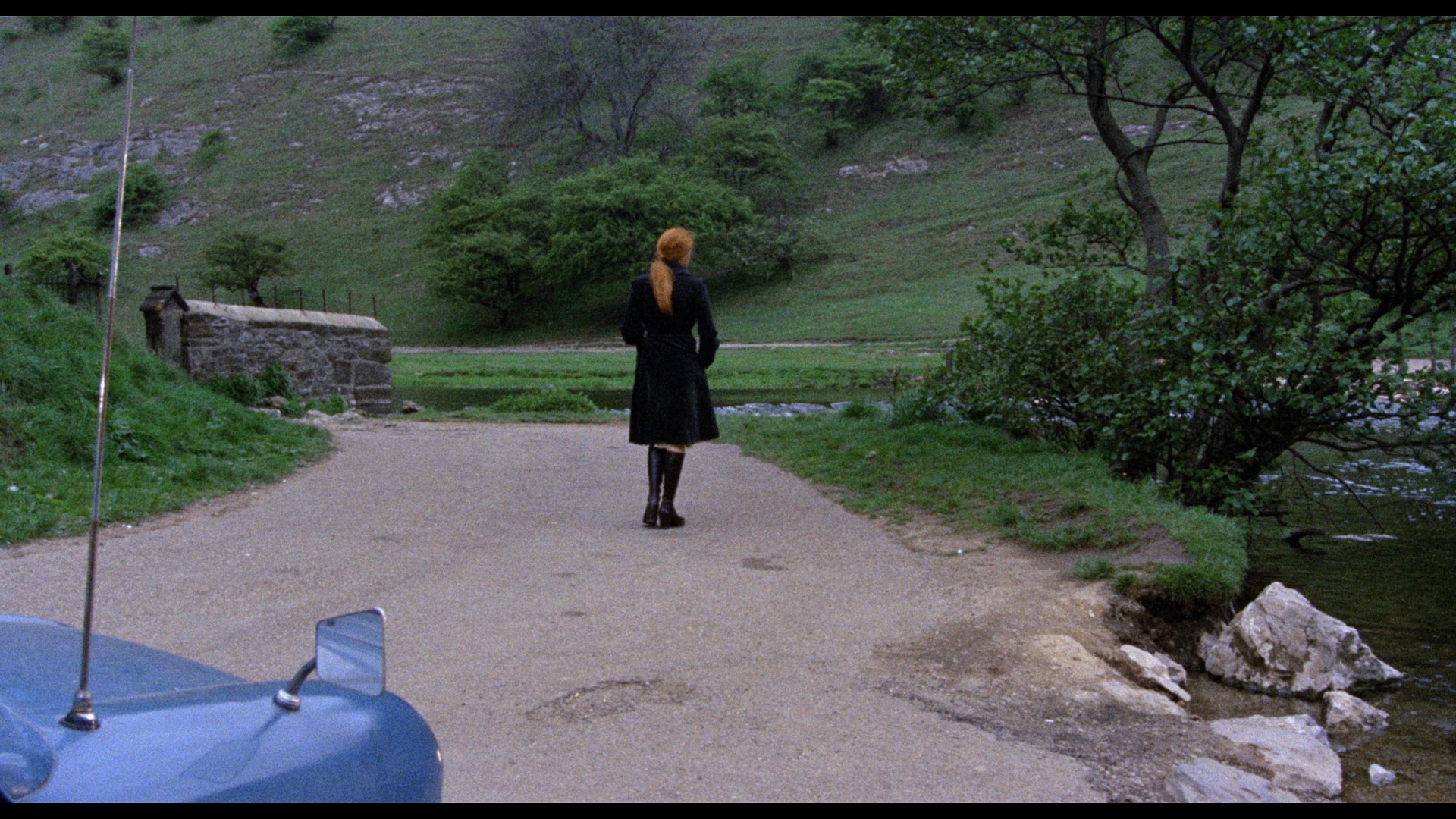
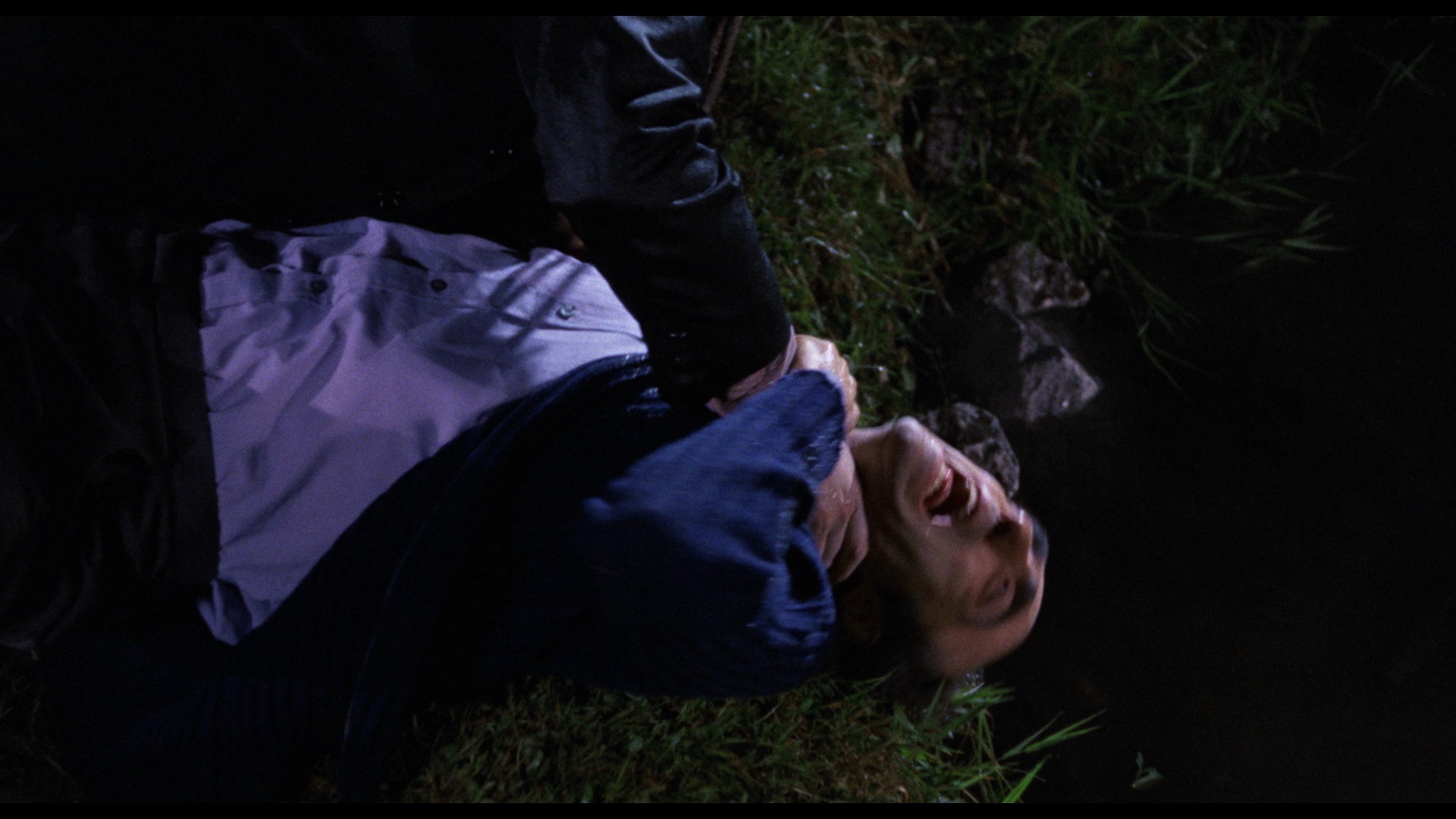
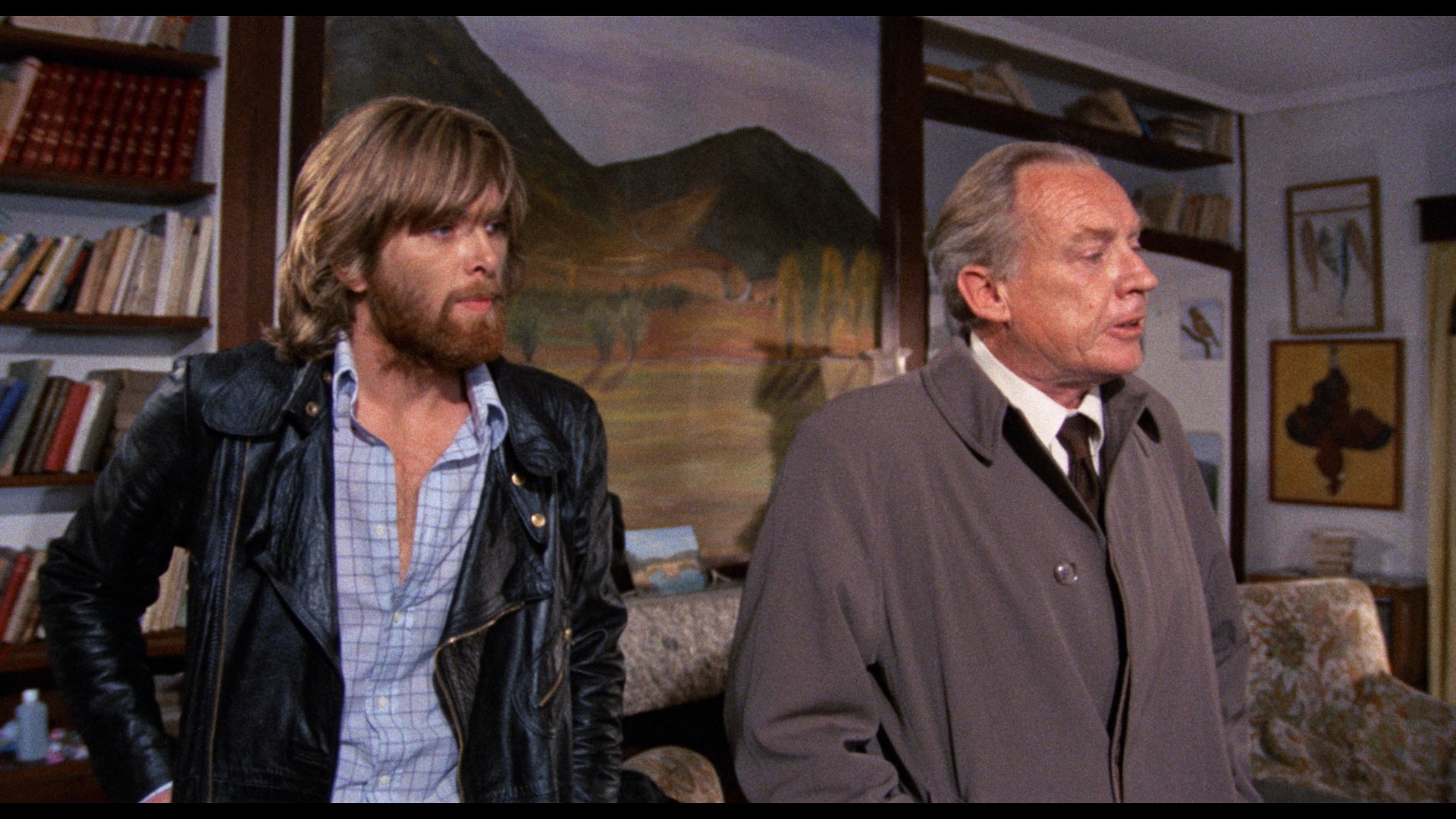
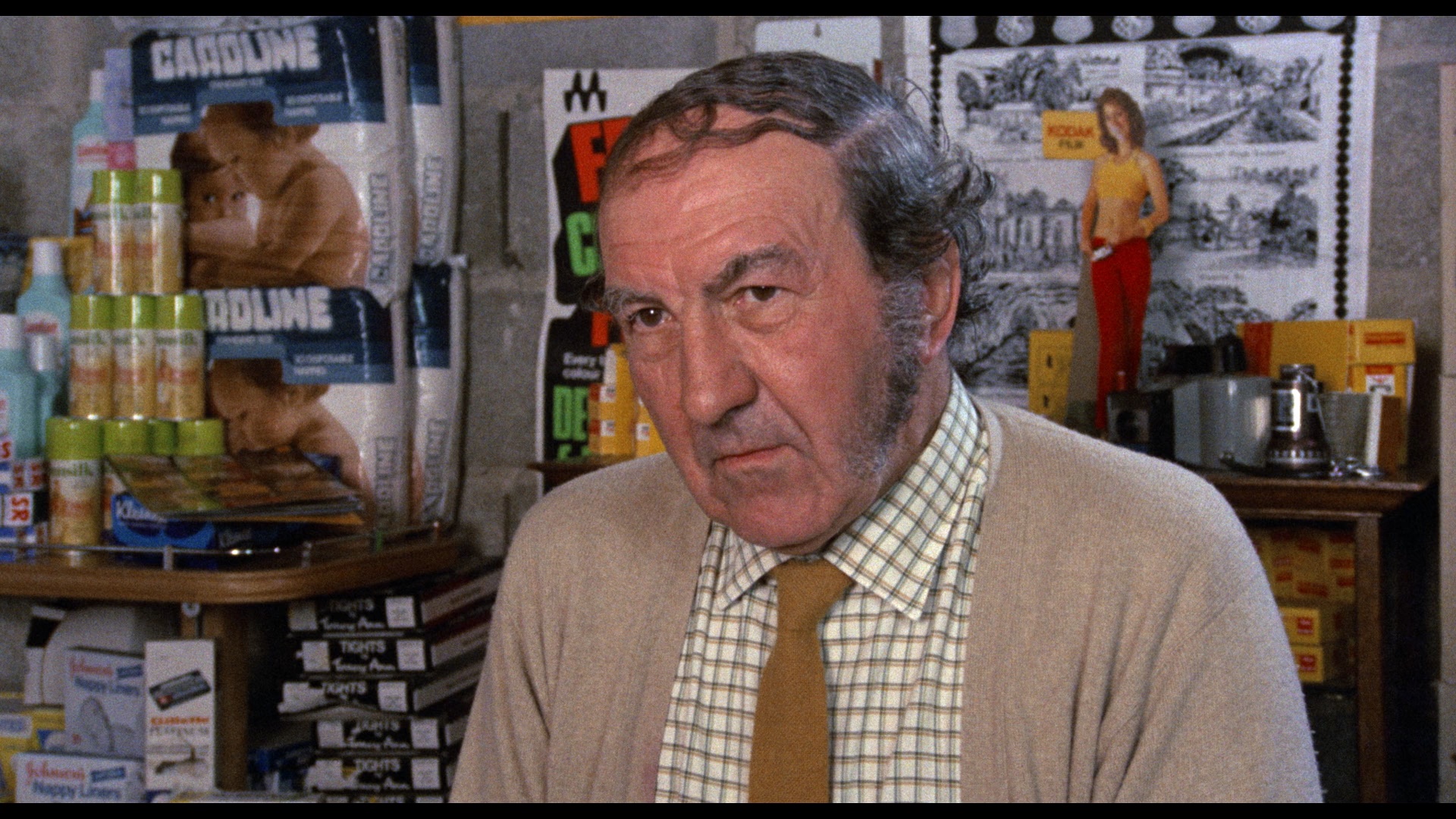
 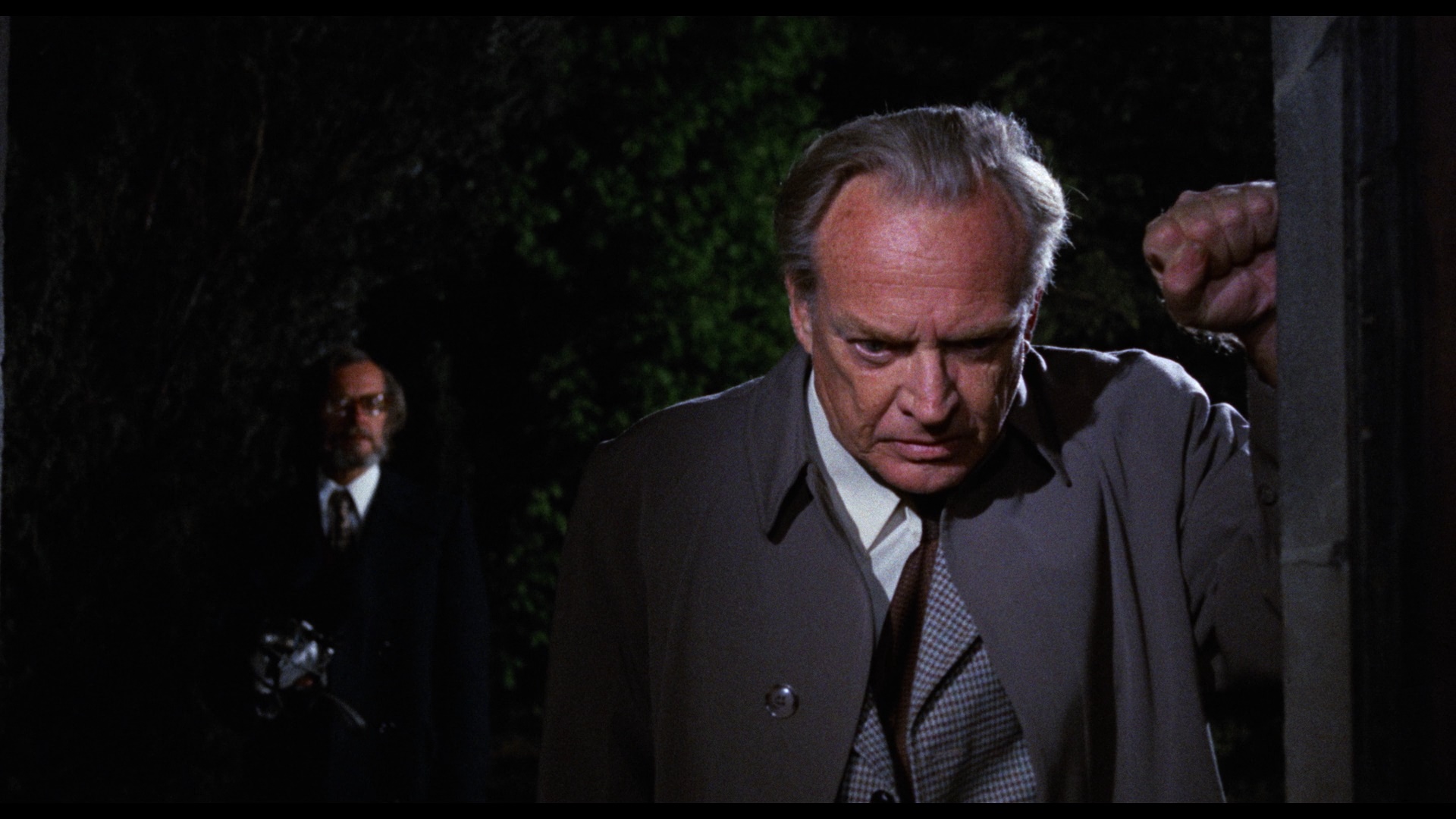 compared to the earlier Blu-rays and other transfers, with a gargantuan increase in detail throughout with everything from blades of grass to clothing texture now looking pin sharp (and showing off just how much noise reduction was employed in the past). As far as upgrades go, this is one of the most extreme in recent memory; the colors also look fresher and have more pop even if the overall scheme is mostly similar to how it's looked in the past. The restored original English audio is presented here along with a fresh 5.1 mix with some nicely immersive surround activity, both DTS-HD MA (with optional English subtitles). Two commentaries are included but can't be evaluated here since one involves this writer and Bruce Holecheck, while the other features Troy Howarth; hopefully you will find value in both as they tend to cover differing material. Featured only on the Blu-ray are three featurettes starting with "Jorge Grau - Catalonia’s Cult Film King" (88m58s) with the filmmaker covering pretty much his entire career including his aversion to jump scares, his take on zombie lore, and some of the production difficulties with some of his earlier films, interspersed with comments by other participants like Kim Newman, Calum Waddell, Giuliano Sorgini, Rachael Nisbet, and John Martin also turning up. Giannetto De Rosi's appearance at the Festival of Fantastic Films in Manchester is covered here with two different extras, both in conversation with Eugenio Ercolani: "The Scene of the Crime" (15m24s) about the challenge of mounting ambitious effects on a minimal budget with results he remains proud of to this day, and a full Q&A (42m29s) featuring a more all-encompassing career chat including plentiful discussion about Fulci, this film, and getting to unleash outrageous gore effects on the the audience with whatever means he had available. Also included are the Euro trailer and a little batch of TV and radio spots.
 SYNAPSE FILMS (Blu-ray)
BLUE UNDERGROUND (Blu-ray)