Color, 1983, 99m.
Directed by Pupi Avati
Starring Gabriele Lavia, Anne Canovas, Paola Tanziani, Cesare Barbetti, Bob Tonelli
Code Red (Blu-ray) (US R0 HD) / WS (1.78:1) (16:9), Fox (DVD) (Italy R2 PAL) / WS (1.85:1) (16:9), Image Entertainment (DVD) (US R1 NTSC)

 When Pupi Avati's psychological horror film Zeder first hit U.S. shores under the title Revenge of the Dead, more than a few Fulci and Romero fans were enraged after being suckered in by the misleading poster and video art. Hilariously, it also followed the lead of other Italian zombie films of the period by forbidding anyone under 17 from admission, despite the fact that there's no graphic violence here at all. While the film does tangentially feature a few reanimated members of the undead, visceral thrills really aren't the name of the game here. Avati, who has since become legendary in Euro horror circles for his chilling The House with the Laughing Windows and occasionally dabbled again in the horror genre with The Arcane Enchanter and The Bitter Chamber, focuses on atmosphere and concepts, with the gradual accumulation of dread and helplessness driving the film rather than a succession of shocks.
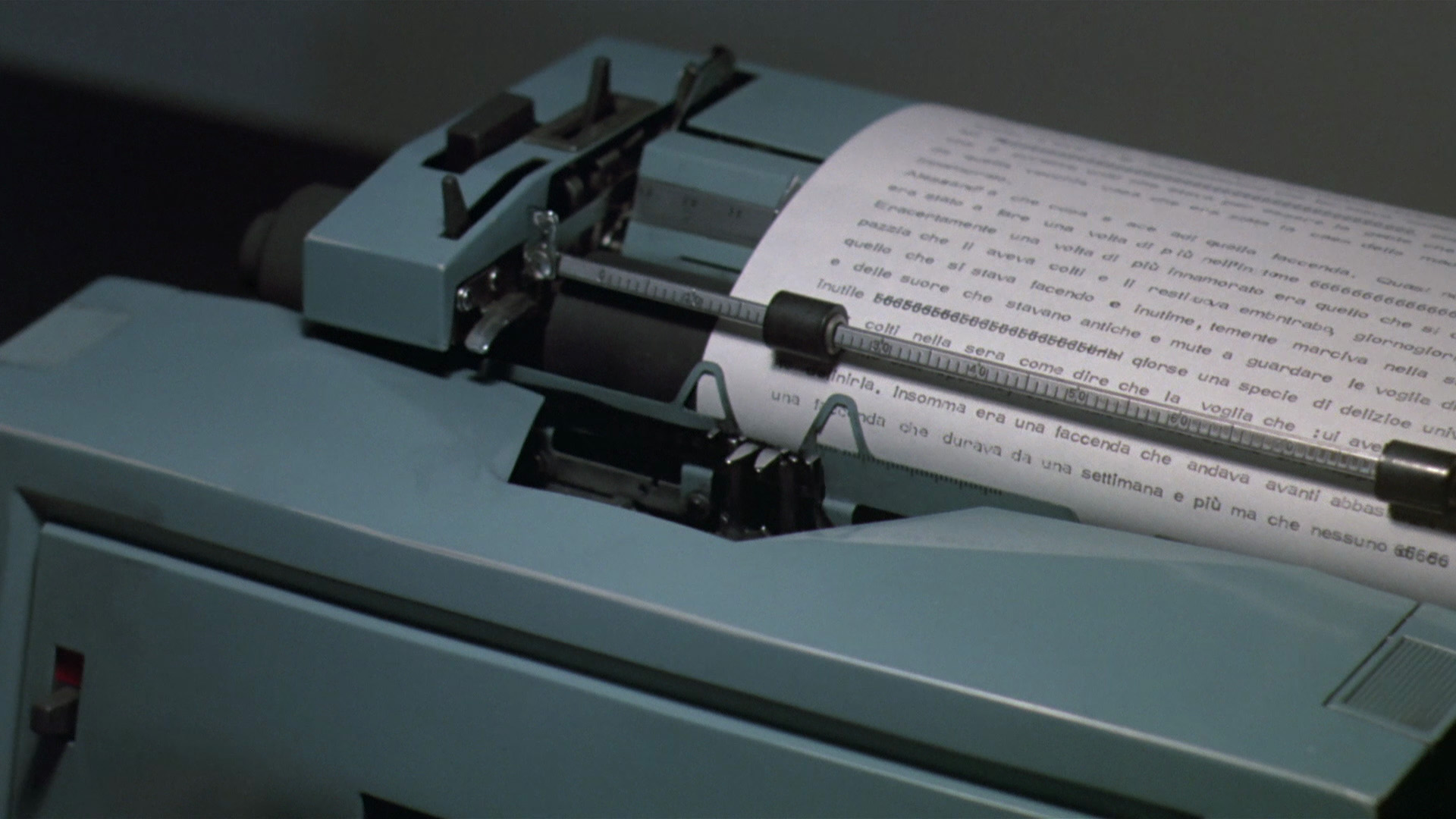
A young journalist, Stefano (Deep Red's Lavia), receives a used typewriter from his girlfriend, Alessandra (Canovas). Out of curiosity (or boredom), he looks at the old ribbon inside and reconstructs the sentences last typed by its previous owner. After much mental string he deduces that Paolo Zeder, a scientist prominent in the 1950s, discovered that certain areas of the world are actually "K Zones" -- supernatural landmarks where dead bodies may be brought back to life after being buried in the soil. Stefano digs further into the history of Zeder, and by tracing a number of strange unsolved deaths, he learns that a small group of followers holed out in an abandoned camp are determined to continue Zeder's studies by reviving a dead 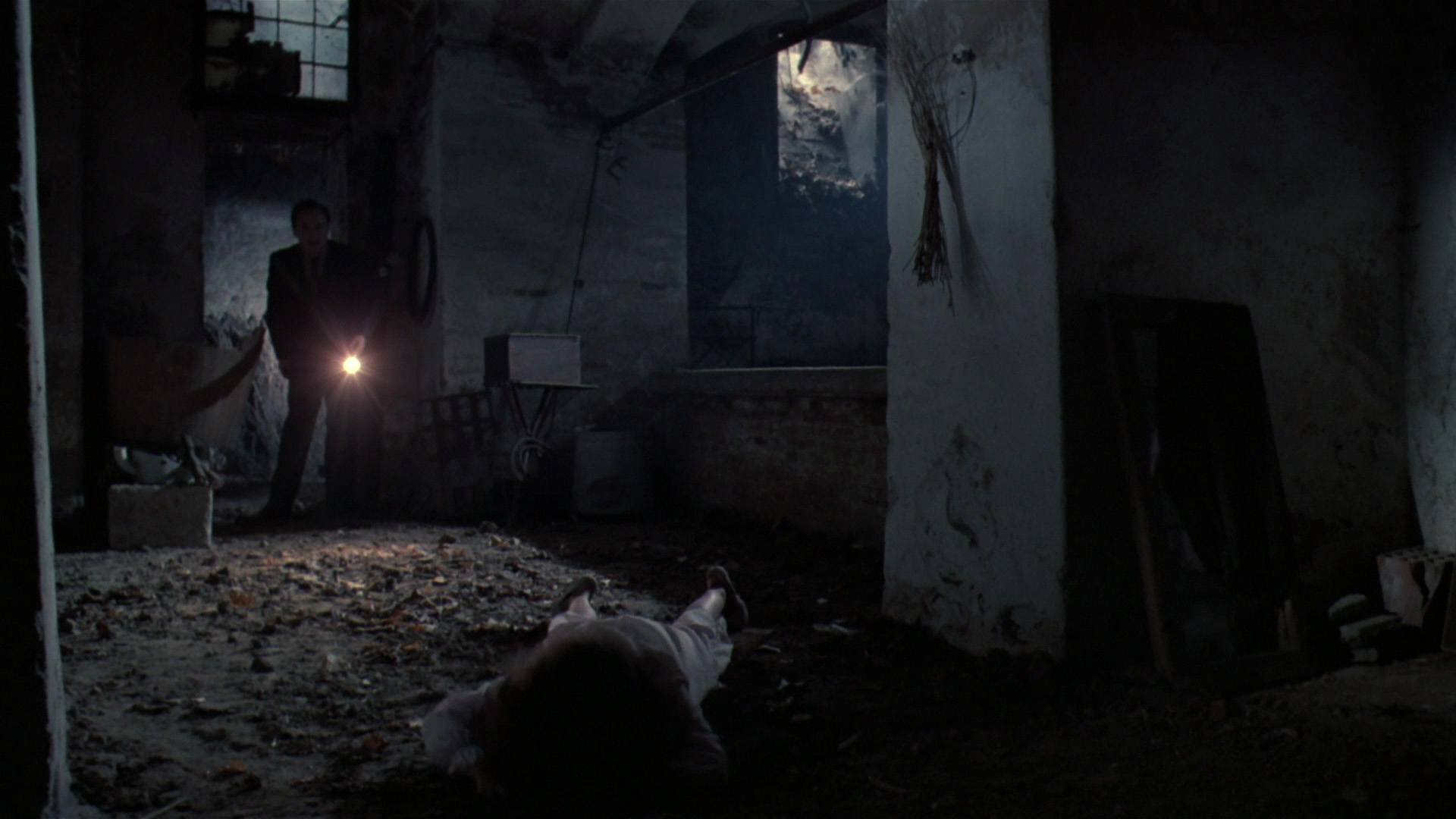 priest.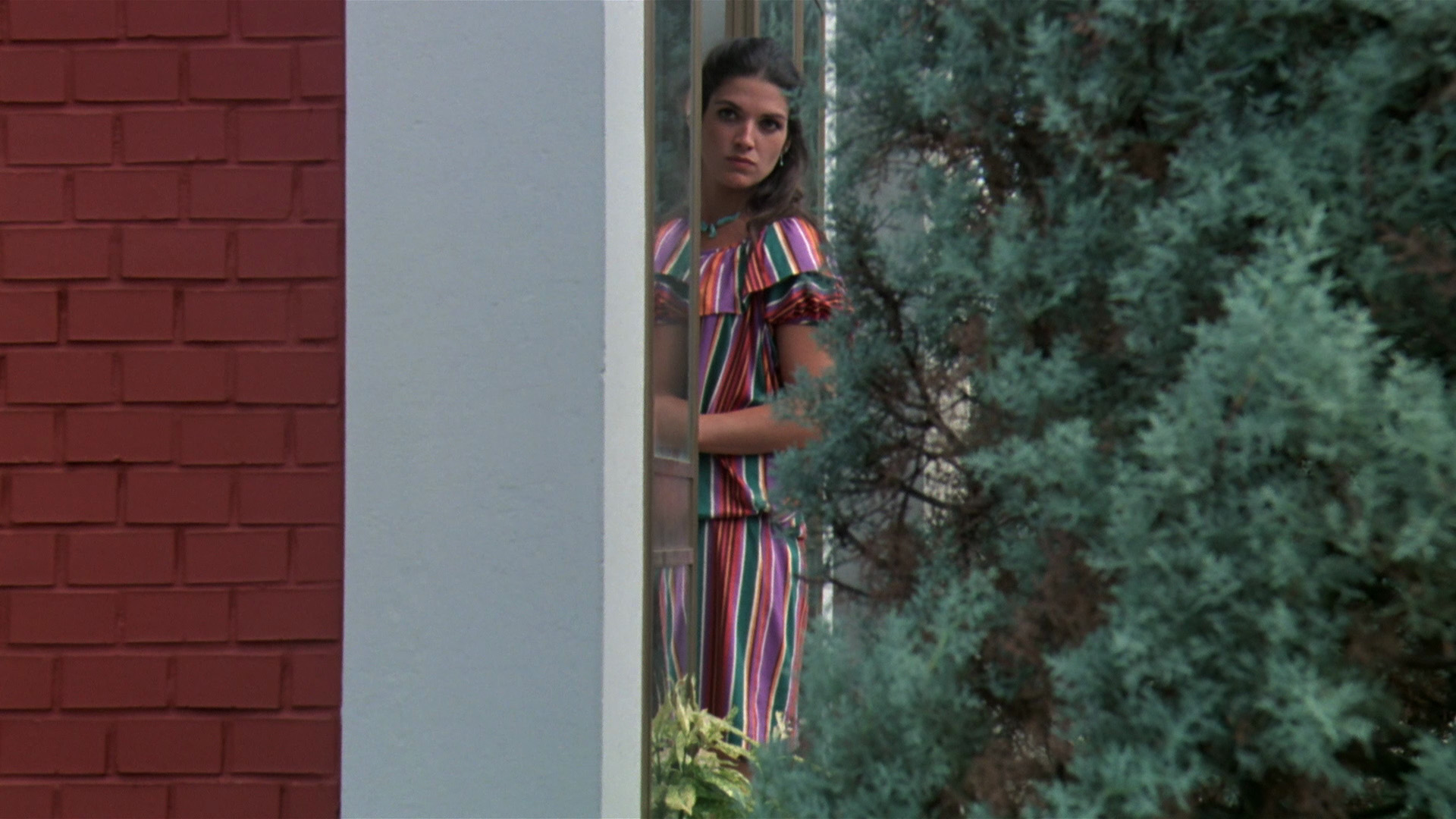
Methodically paced and extremely grim, Zeder was largely ignored by horror fans until Phil Hardy's horror edition of The Overlook Encyclopedia began raving about Avati as an unsung genius. Though it doesn't rank as a peerless masterpiece, Avati's impressive grip of cinematic vocabulary is quite evident in Zeder, and he manages to produce some genuinely unnerving sequences particularly the finale in which a camera hidden inside a buried coffin produces some horrific results. The filmmaker's use of light and shadow is especially effective here, with sunlit exteriors suddenly being swallowed up by eerie dark spaces that physically convey the same feeling of entrapment and diminishing hope within the story itself. Lavia's somber demeanor from his first moment on screen is perhaps a bit much as his subsequent descent doesn't quite build up the necessary unrelenting momentum, but his ability to hold the camera's attention and deliver the gravitas necessary for the horror to pay off later on is never in question. Perhaps the most divisive aspect of the film is Riz Ortolani's loud, aggressive score, which has a tendency to squash subtle moments with its sheer bombast. (You have to give it credit for coming up with a track called "Reggae Thrilling" though.) These quibbles aside, Zeder remains a highly rewarding film on its own terms for those willing to sit back and soak in its macabre, understated mood.
Following a very murky release on 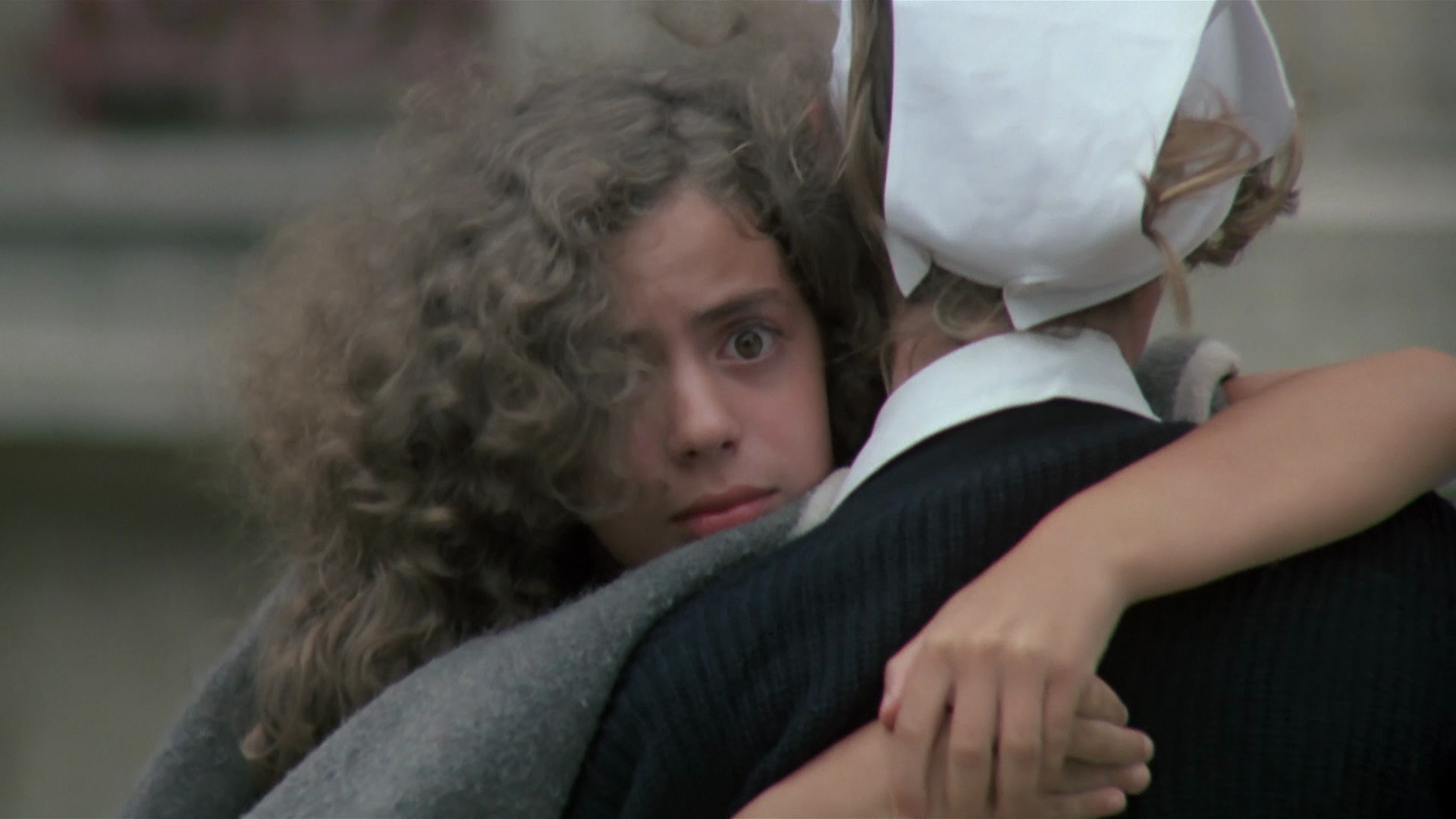 VHS from Lightning Video in 1985, Zeder made its first appearance on DVD from Image Entertainment very early in the format's history in 1999. The source print suffered from quite a bit of visible damage and looked
  pretty drab, but at least it was watchable and easier to sit through than the tape. Significantly better was the 2002 Italian DVD from 20th Century Fox, which featured the Italian theatrical trailers for this and Laughing Windows, plus an "I pericorsi della paura" featurette (14 mins.) with Avati, Lavia, Ortolani, and producer-screenwriter Antonio Avati chatting in Italian (no subs) about making the film. The film can be played with Italian 5.1 or 2.0 options or English 1.0, with optional Italian or English subtitles. Note that the English subs are dubtitles and not translated from the Italian track, which has off screen dialogue placed very differently and appears at completely different times in some scenes. The film was clearly shot with most (but not all) of the actors speaking English, albeit with what were likely very heavy accents based on some rudimentary lip reading, so the dubbed English track fits the lip movements far more closely than the Italian version. The slightly windowboxed 1.78:1 transfer marked a big step up, restoring the film's widescreen framing and featuring better detail, albeit with a significant heavy teal tint that wiped out any true whites in the film and tamped down considerably on warmer hues like red. (Here's a sample frame grab for comparison.)
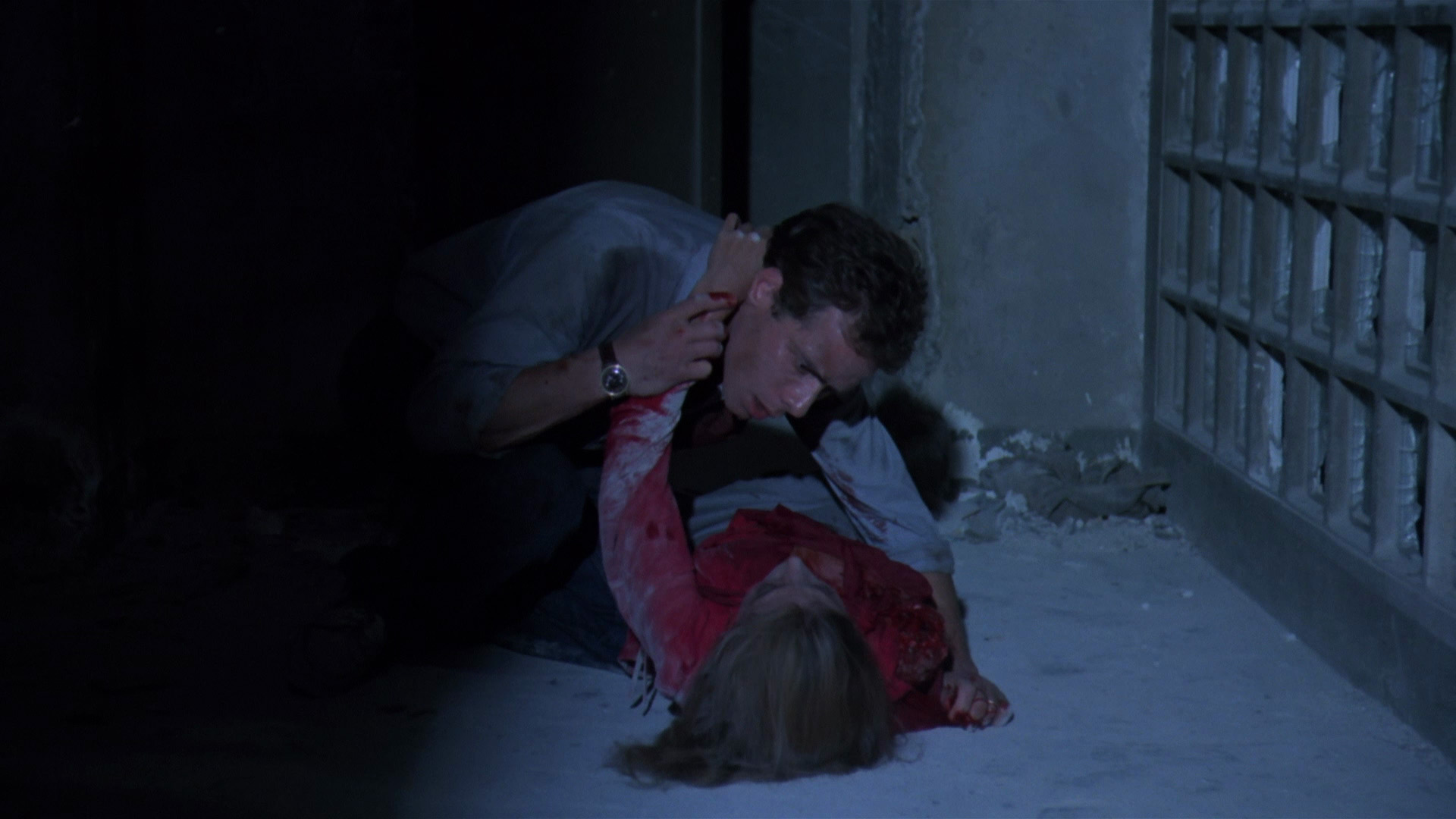
In 2017, Code Red revisited the film for a Blu-ray release that marks the most impressive presentation of the film to date with extremely vibrant but natural colors that produce a much more intense viewing experience. Detail levels boost up considerably as well 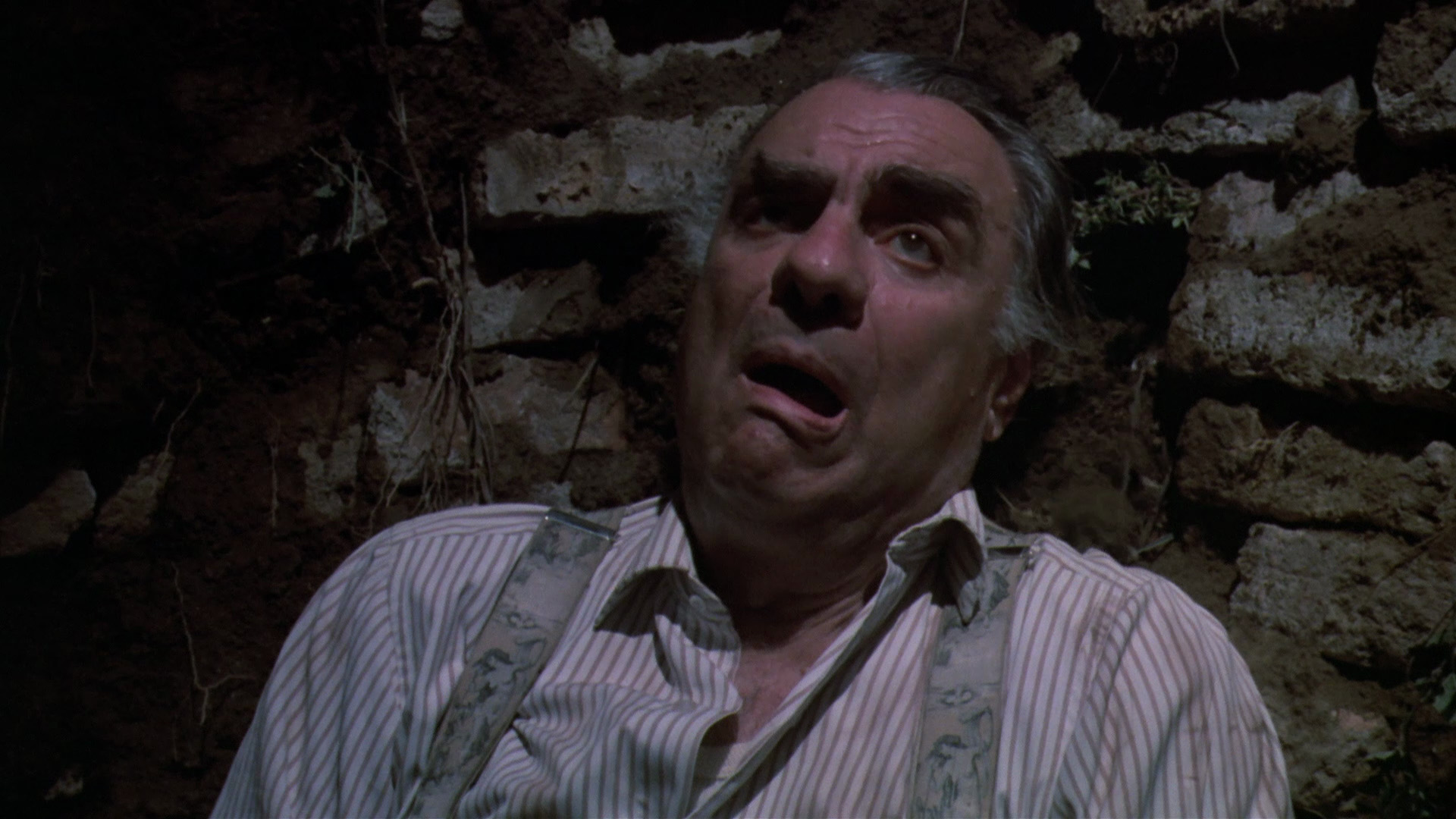
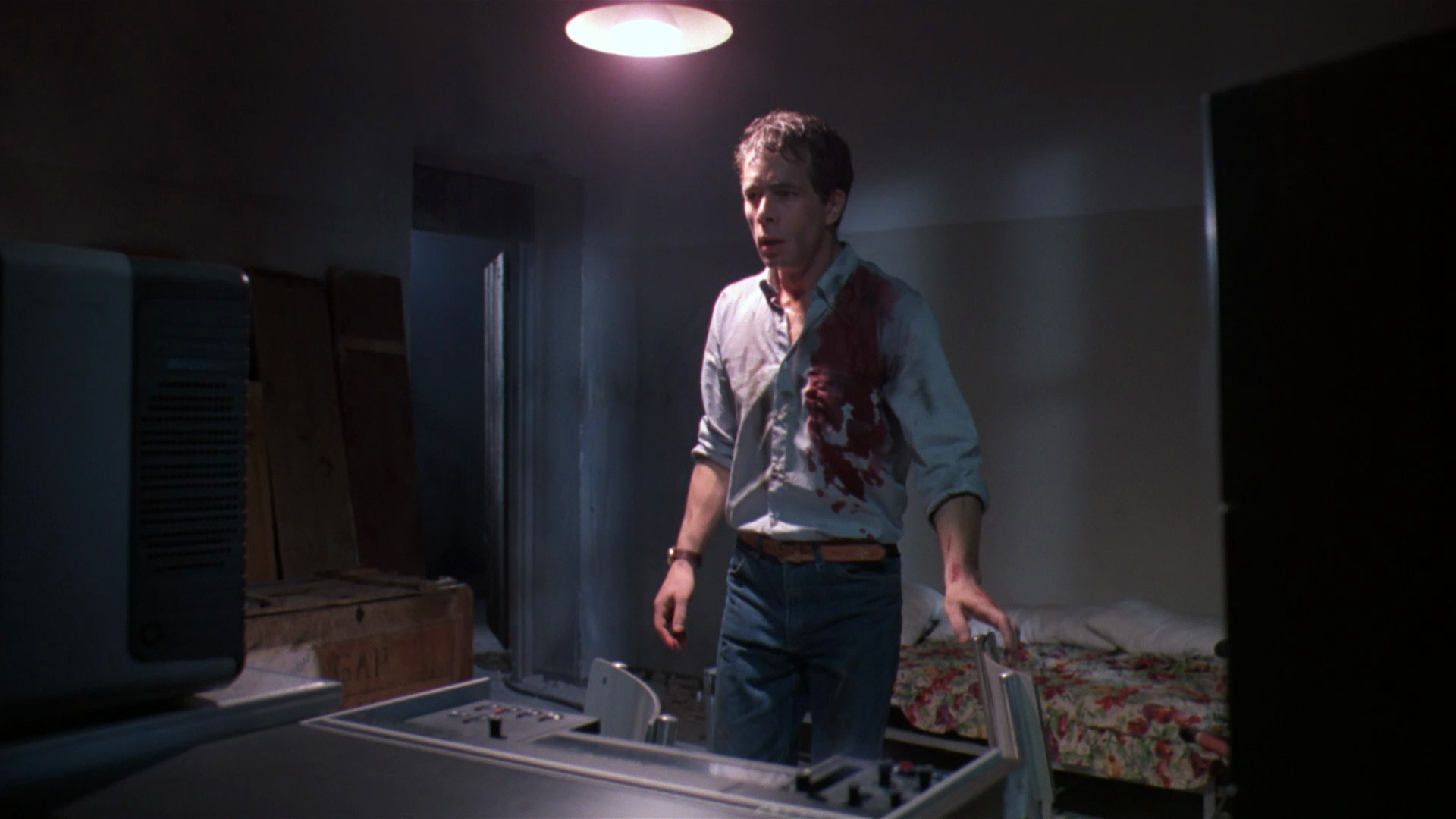 with textures in dirt, skin pores, and hair registering much more strongly, which comes in especially handy during the final act where every bit of background detail helps. The framing has been shifted a bit to 1.78:1 versus the Italian DVD's 1.85:1, with an identical amount of vertical information but a bit less on the right side. Audio can be played in DTS-HD MA English or Italian mono with optional English subtitles pulled from the English dub track. However, these are really only recommended for the hearing impaired as they're yellow SDH subtitles (so you get added designations for music, sound effects, etc.) with black bars behind them for some reason, which hopefully won't be an ongoing practice. A new interview with Avati (watchable either with burned-in English subtitles or ridiculous English overdubbing) is quite fascinating as it covers the true story behind the typewriter (seen in the film) that inspired the story courtesy of composer Amadeo Tomassi, the influence of Gothic literature, the low budget, its stylistic kinship with Laughing Windows, and the film's coincidental but extremely strong similarities to Stephen King's Pet Sematary, especially the last few minutes. In the 6-minute "Voices of Darkness," Lavia covers the internal tensions on the production, his background in theater that led to his casting in this role, and the personal upheaval in his life at the time that he ended up channeling into his performance.
Updated review on April 2, 2017.
