B&W, 1970, 107m.
Directed by Leonard Kastle
Starring Shirley Stoler, Tony Lo Bianco, Mary Jane Higby
Criterion (Blu-ray & DVD) (US RA/R1 HD/NTSC), Metrodome (UK R2 PAL) / WS (1.85:1) (16:9)
B&W, 1970, 107m.
Directed by Leonard Kastle
Starring Shirley Stoler, Tony Lo Bianco, Mary Jane Higby
Criterion (Blu-ray & DVD) (US RA/R1 HD/NTSC), Metrodome (UK R2 PAL) / WS (1.85:1) (16:9)
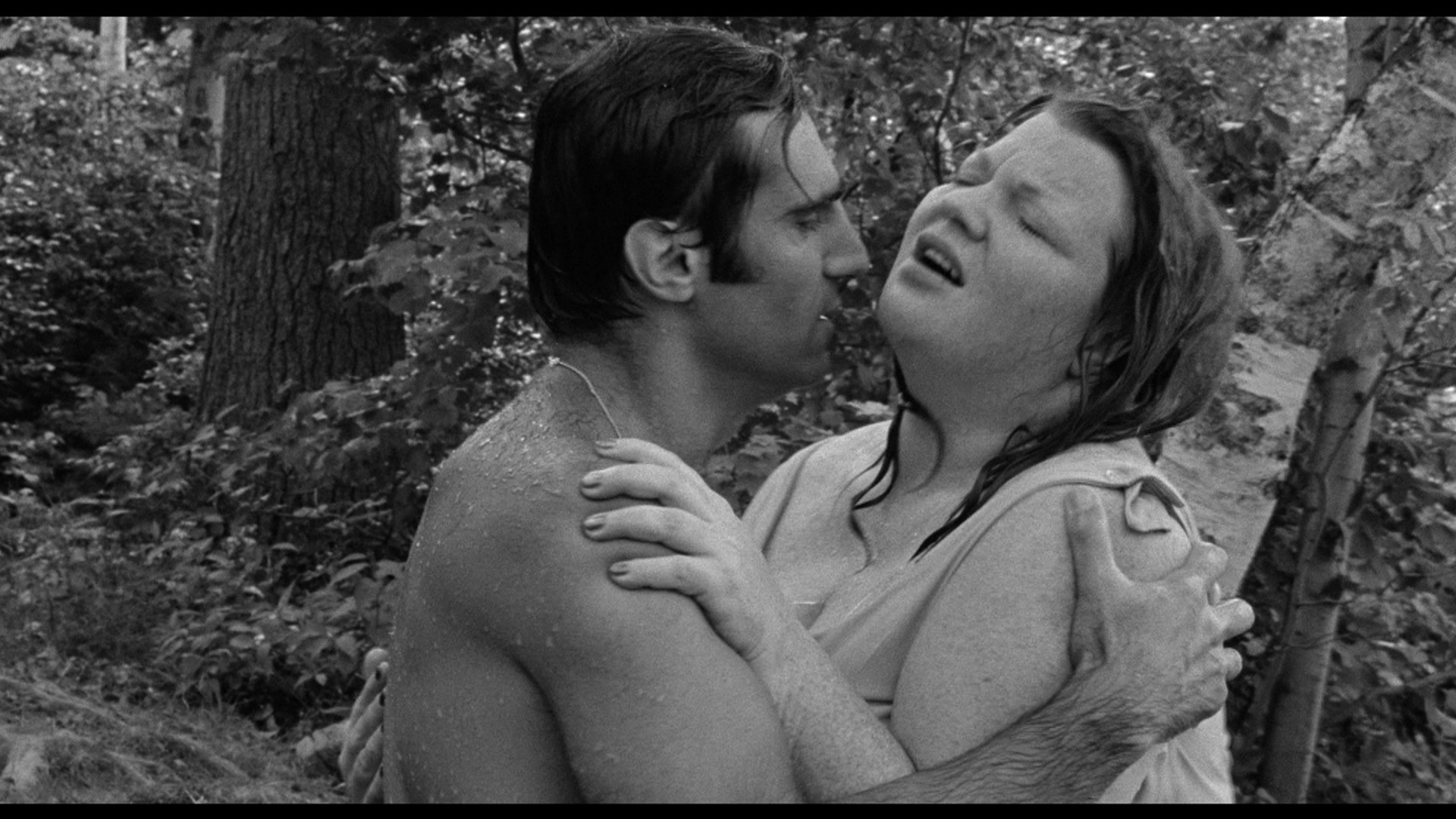
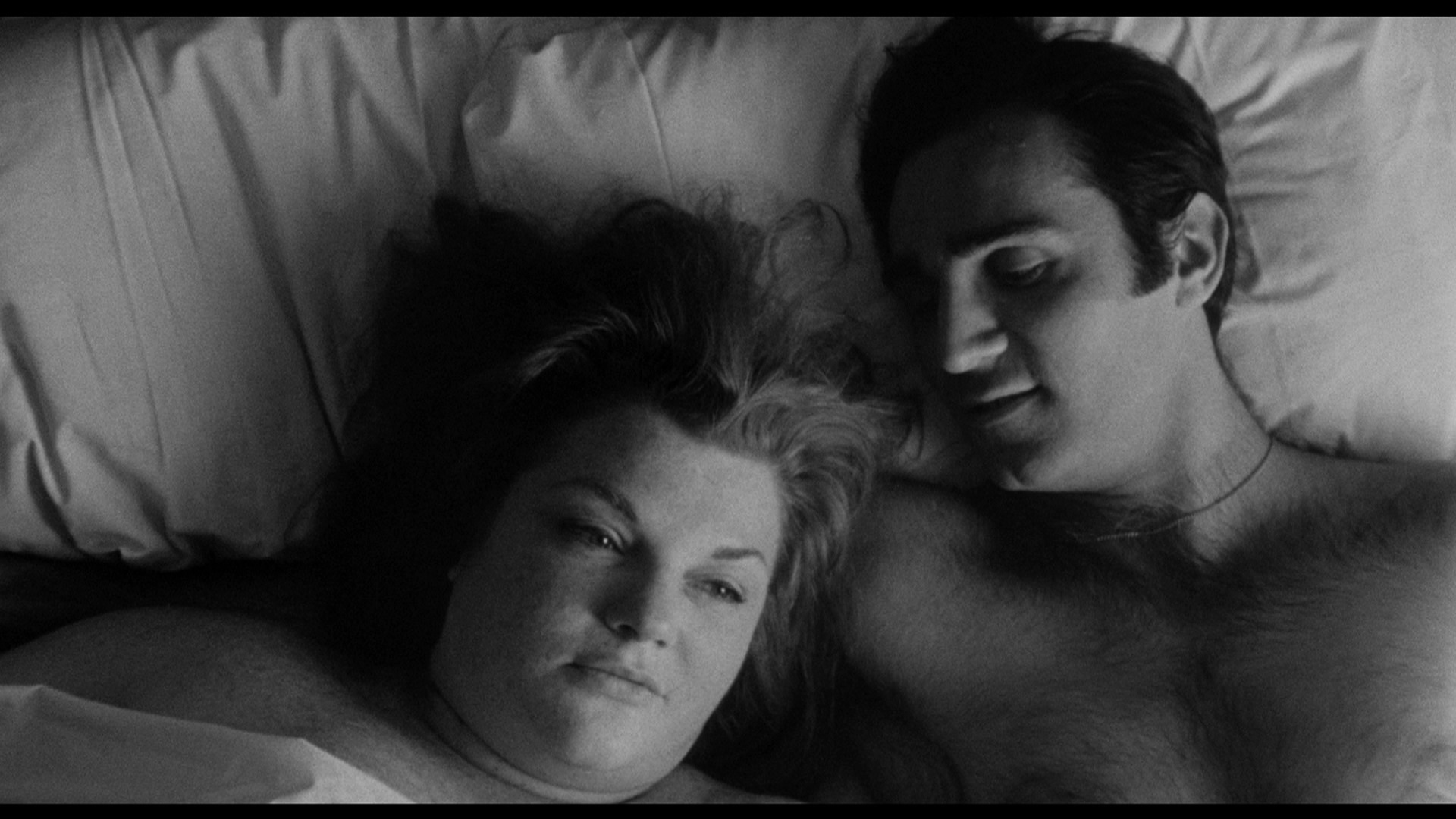
 The perfect antidote for anyone numbed by decades of romantic comedies, The Honeymoon Killers offers the opposite of a "meet cute" relationship. Our leading lady, Martha Beck (Stoler), is an overweight nurse stuck at home with her overbearing mother. Raymond Fernandez (Lo Bianco) is a Spanish huckster who bilks lonely, innocent women out of their savings.
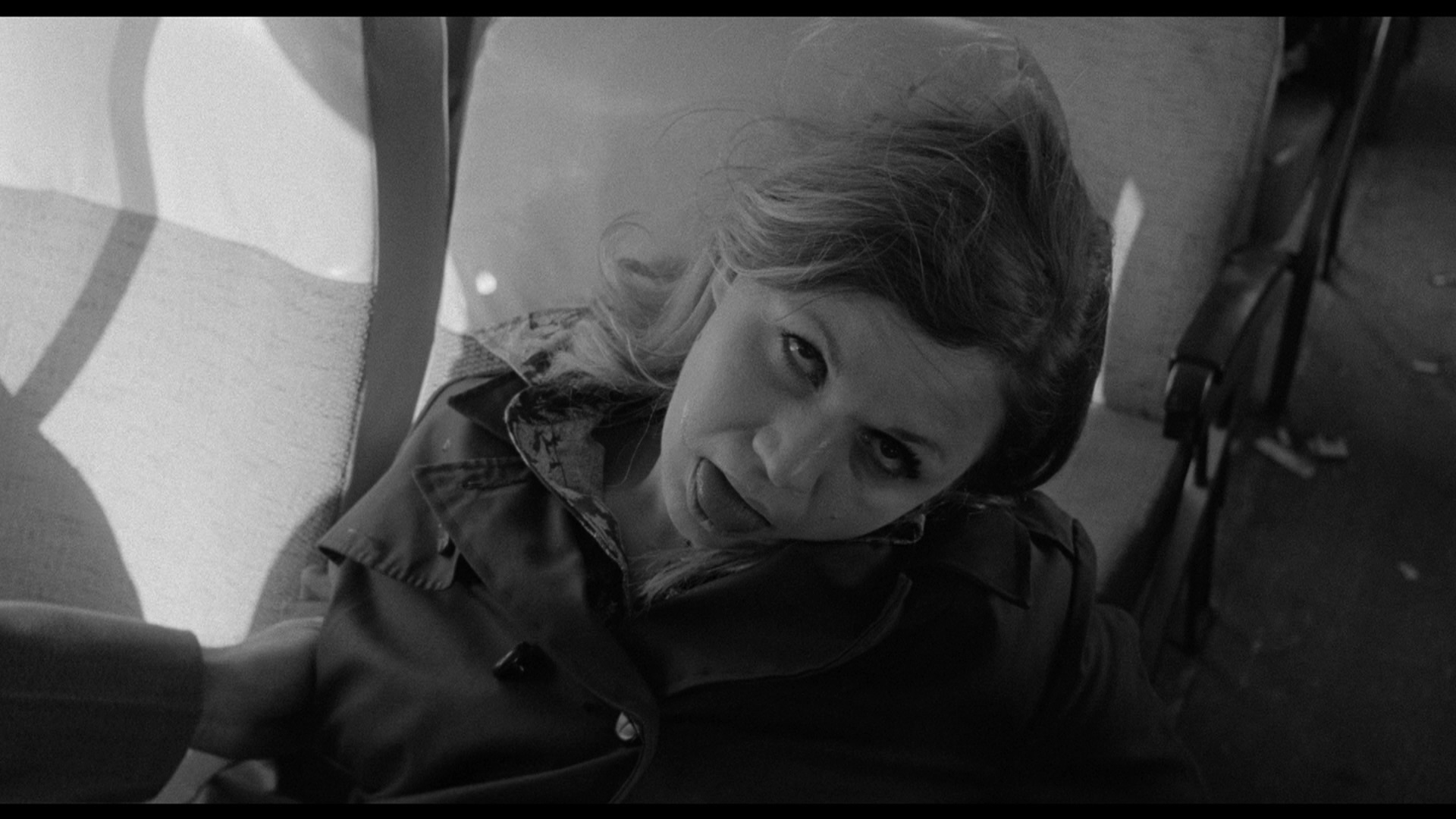
The two collide when Martha decides to write in to a Lonely Hearts club at the suggestion of her friend Bunny (Doris Roberts, star of - what else? - Everybody Loves Raymond), only to have the dreamy Ray love her and leave her after a quick one nighter. Problem is, they're crazy about each other; Martha doesn't even care about her paramour's true occupation. So it's off to the nursing home for mom as the two hit the road, hitting up middle-aged women for cash with Martha improbably posing as Ray's sister. Ray promises to never sleep with any of their victims, and for a while things go well enough (apart from one unlucky lass who gets nosy and, dying from an overdose of sleeping pills, gets dumped onto a bus out of town). The first signs of trouble appear when they start a long-term scam to rip off Janet Fay (Higby), a sixtysomething Catholic widow with an aversion to pills and a penchant for asking far too many questions in the middle of the night.
Based with extreme fidelity on a true story, this sole directorial effort for 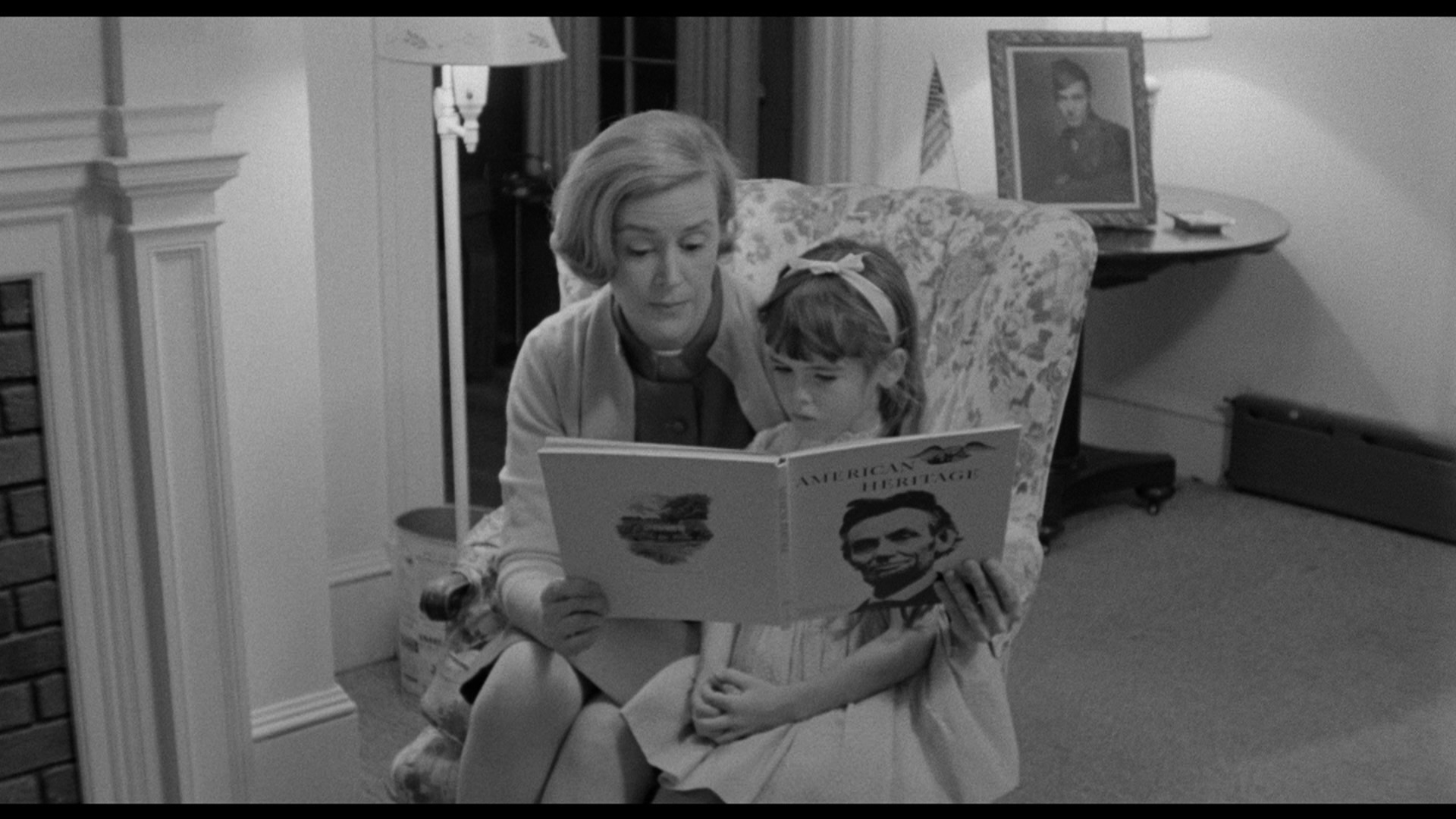 opera composer Leonard Kastle ranks up there with Charles Laughton's The Night of the Hunter in the one-shot wonder horror hall of fame.
 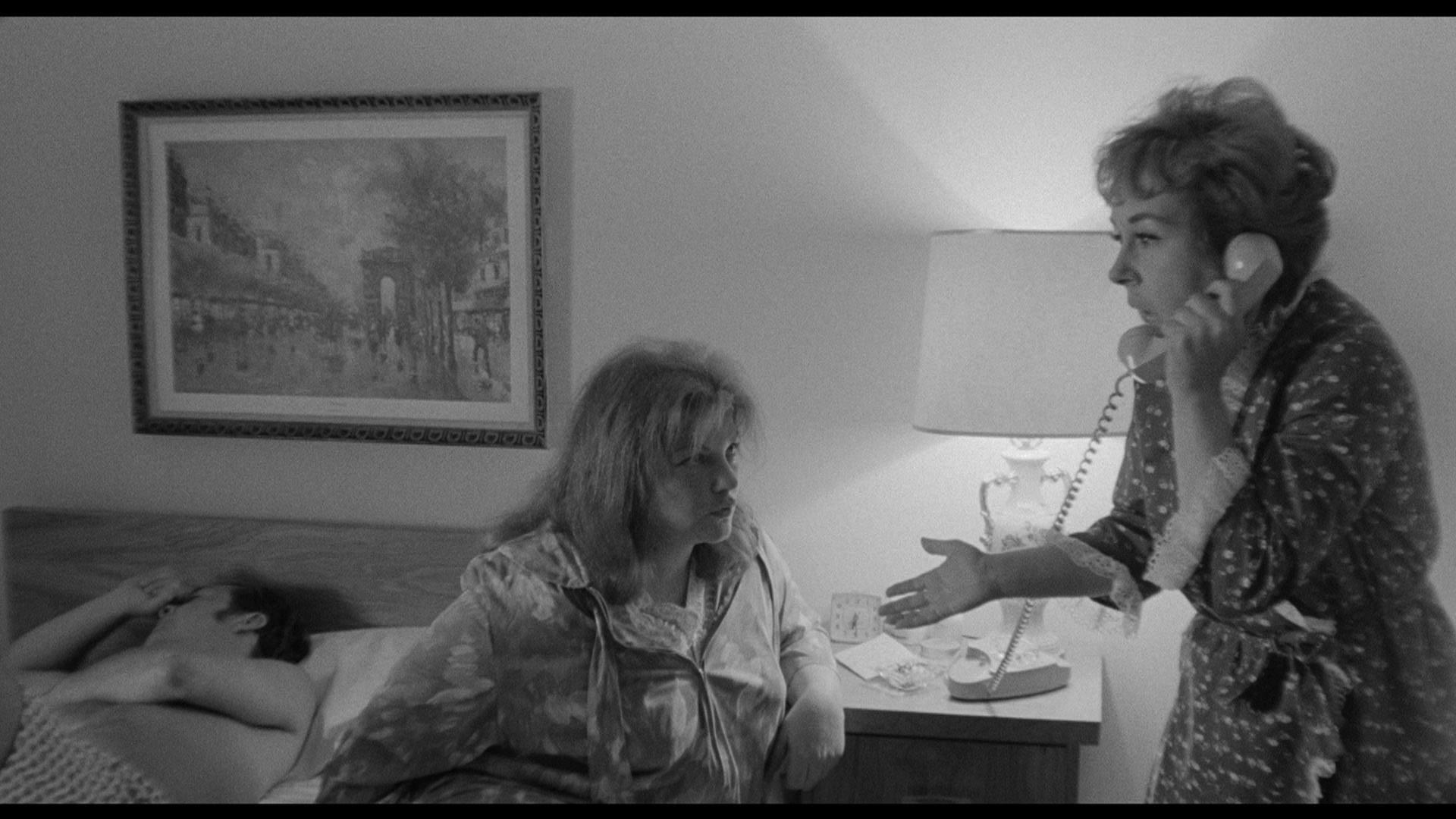 The moody monochrome photography, stark use of Gustav Mahler music, and pitch-perfect performances make this a powerful, harrowing experience even decades later; in her first role, Stoler simply couldn't be better as the vicious but pitiable Martha and, despite an over-reliance on future roles as jail wardens, went on to a worthy career in films like The Deer Hunter and, most memorably, Seven Beauties. Lo Bianco (God Told Me To) matches her every step of the way in a tricky part, often cajoling Martha into doing his murderous dirty work without coming off as a completely unsympathetic jerk. While the violence is still shocking (including two harrowing murders that rival Henry: Portrait of a Serial Killer), Kastle wisely focuses instead on the humor and pathos of Martha and Ray's relationship; their utter lack of resemblance to each other becomes a great source of comedy, and their claustrophobic encounters with their victims-to-be contain some priceless moments of witty dialogue and staging. Though the film became something of a critical favorite (even earning oft-quoted kudos from Francois Truffaut), it still hasn't quite earned the fame it deserves; however, one need only look at the early films of John Waters, Brian De Palma, and Martin Scorsese to see how much of an impact it had on the following decade.
Given that it was shot for peanuts with woefully inadequate sound recording, The Honeymoon Killers has fared quite well on home video. The first out of the gate was the Metrodome release in 2002, with a reasonable but sometimes muddy anamorphic transfer and a small gallery of poster and tie-in art. Much more lavish is the 2003 Criterion DVD, which contains sharper detail and much clearer dark scenes. While the audio is still muffled on both (this film makes Pink Flamingos sound like state of the art THX), the Criterion disc thankfully contains optional English subtitles which come in handy throughout the film. The Criterion extras are all rewarding, kicking off with a 26-minute video interview with Kastle in which he discusses 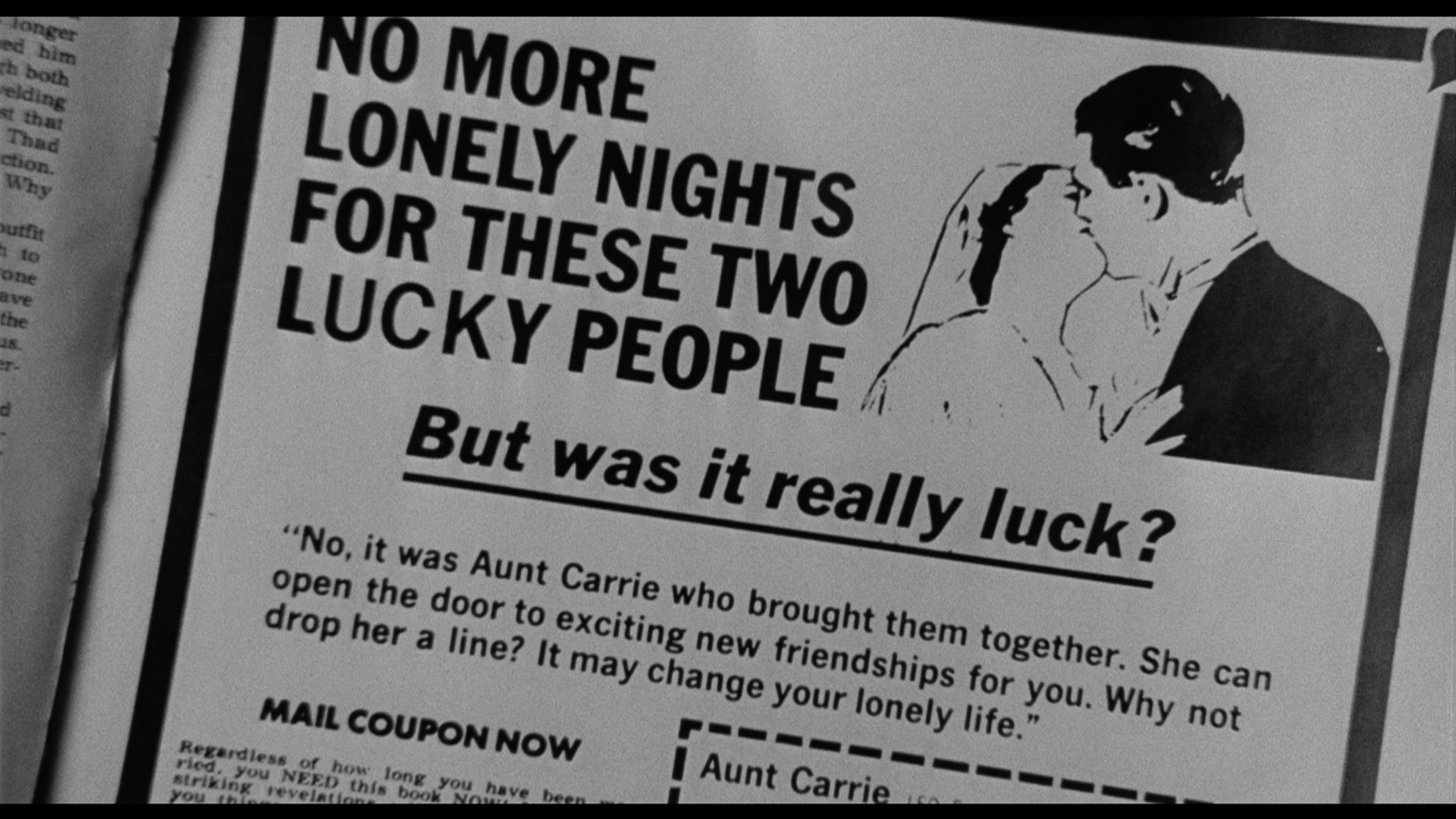 his musical background and the circumstances
  under which the project was created. Most interestingly, he mentions its genesis as a response to the glamorized, antiseptic crime spree of Bonnie and Clyde, itself intended of course as a more realistic response to Hollywood gangster films. "Dear Martha" (the film's original shooting title), an extensive illustrated essay by Scott Christianson, covers the actual Beck/Ferndandez murder spree in surprising detail, illustrating how closely the actors matched their real life counterparts (right down to Lo Bianco's temple scar and hairpiece). Apart from one significant change (Beck actually walked out on her children, not her mother), the history and film go hand in hand until the prison finale; that's where the essay really gets interesting, detailing Ray and Martha's final months and capping off with a horrific account of Martha's bizarre fate in the electric chair. Also included are the original theatrical trailer and a booklet essay by Gary Giddins.
Twelve years later, Criterion revisited the title with a Blu-ray sourced from a brand new 4K transfer, and it looks absolutely remarkable given the film's history. Detail is often astonishing and a quantum leap over past video editions (not to mention frequently murky 35mm prints), looking for the most part as healthy and vivid as any monochrome studio title. The sound is also improved considerably, though it still has that rugged lo-fi charm with those optional English subs still coming in handy at times. All of the extras have been ported over, but new to the Blu-ray is the 25-minute "Love Letters," which features Lo Lo Bianco, Marilyn Chris, and editor Stan Warnow talking about the creation of their characters, the casting process with Kastle, their love of the script, and the appeal of doing gritty indie films at the time.
