FEMALE PRISONER #701: SCORPION
Color, 1972, 87m.
Directed by Shunya Itô
Starring Meiko Kaji, Rie Yokoyama, Yayoi Watanabe, Natsuyahi Isao
Arrow Video (Blu-ray & DVD) (US/UK RA/RB HD/NTSC), Media Blasters (US R1 NTSC), Toei (Japan R2 NTSC), Eureka (UK R2 PAL) / WS (2.35:1) (16:9)
FEMALE PRISONER SCORPION: JAILHOUSE 41
Color, 1972, 90m.
Directed by Shunya Itô
Starring Meiko Kaji,
Arrow Video (Blu-ray & DVD) (US/UK RA/RB HD/NTSC), Image, Discotek (US R1 NTSC), Toei (Japan R2 NTSC), Eureka (UK R2 PAL) / WS (2.35:1) (16:9)
FEMALE PRISONER SCORPION: BEAST STABLE
Color, 1973, 87m.
Directed by Shunya Itô
Starring Meiko Kaji, Yayoi Watanabe, Reisen Lee, Takashi Fujiki, Mikio Narita
Arrow Video (Blu-ray & DVD) (US/UK RA/RB HD/NTSC), Media Blasters (US R1 NTSC), Toei (Japan R2 NTSC) / WS (2.35:1) (16:9)
FEMALE PRISONER SCORPION: GRUDGE SONG
Color, 1973, 88m.
Directed by Yasuharu Hasebe
Starring Meiko Kaji, Masakazu Tamura, Yumi Kanei, Hiroshi Tsukata
Arrow Video (Blu-ray & DVD) (US/UK RA/RB HD/NTSC), Media Blasters (US R1 NTSC), Toei (Japan R2 NTSC) / WS (2.35:1) (16:9)
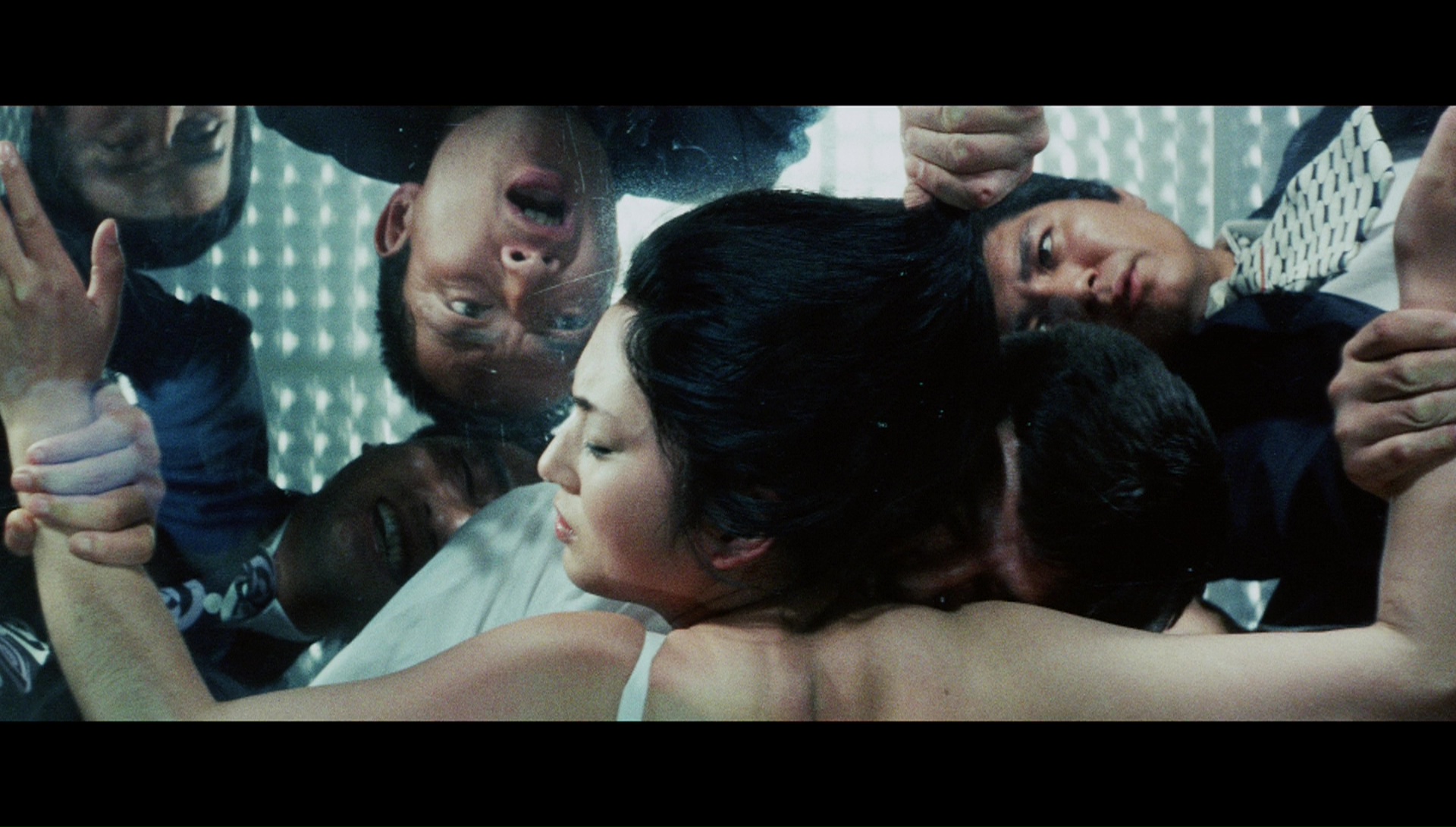 A pinky violence series that transcended the label to become a key chapter in classic Japanese cinema, the four-film chronicle of Female Prisoner Scorpion is the ultimate showcase for the great Meiko Kaji, an indelible presence from her pair of Lady Snowblood films, the Stray Cat Rock series, and other titles like Blind Woman's Curse. A stoic and imposing figure, she combines unexpected bursts of violence, defiant resilience, and killer fashion into one of film's great female action characters. The concept of her moving in and out of prison and often confronting female villains never becomes formulaic, even avoiding the conventions of women-in-prison films popular at the time; there's really nothing else quite like them. Each film has been released separately on DVD over the years, but all are collected together for the first time for English-speaking viewers in a 2016 dual-format Blu-ray and DVD set from Arrow Video in both the U.S. and U.K.
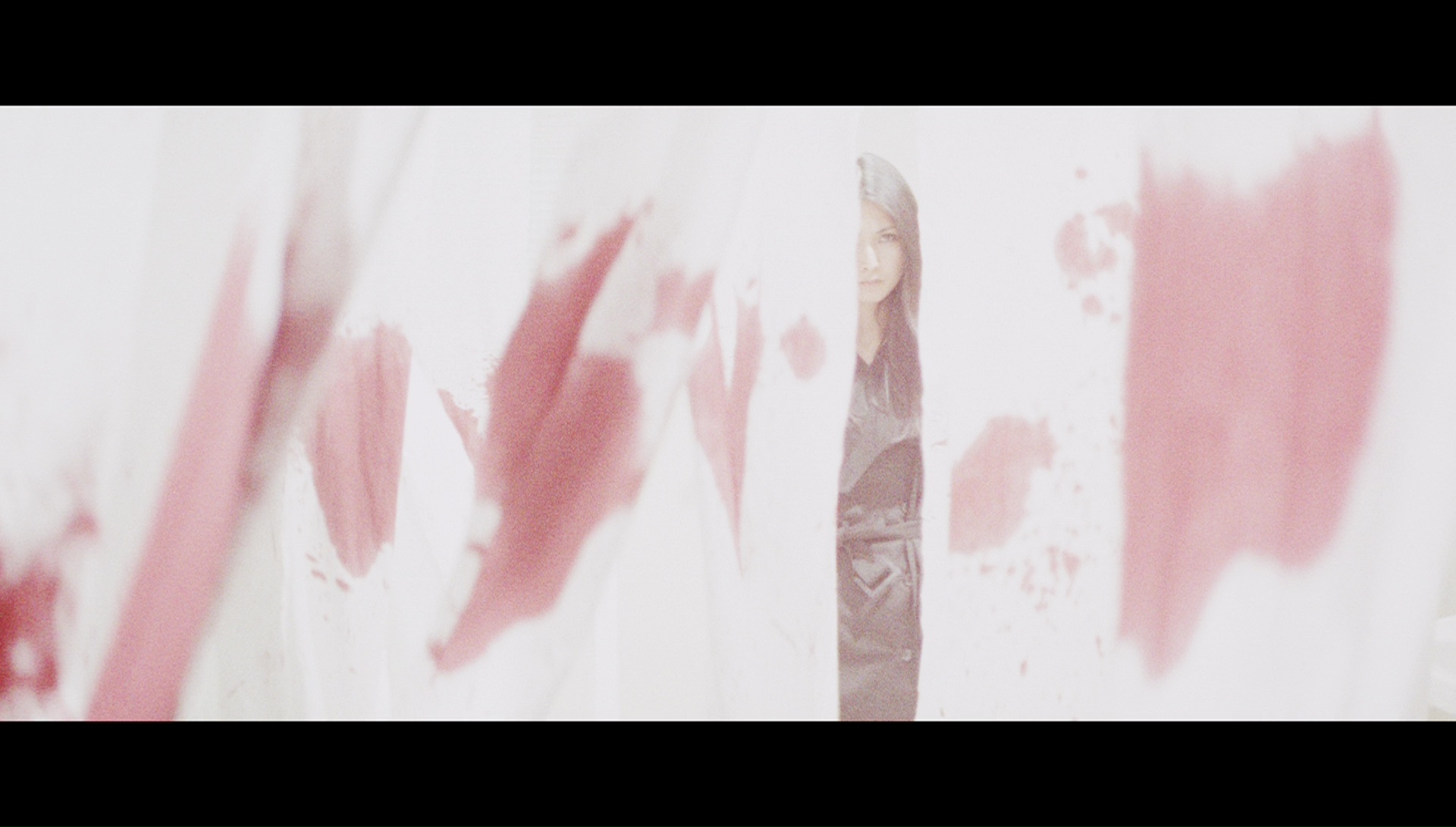
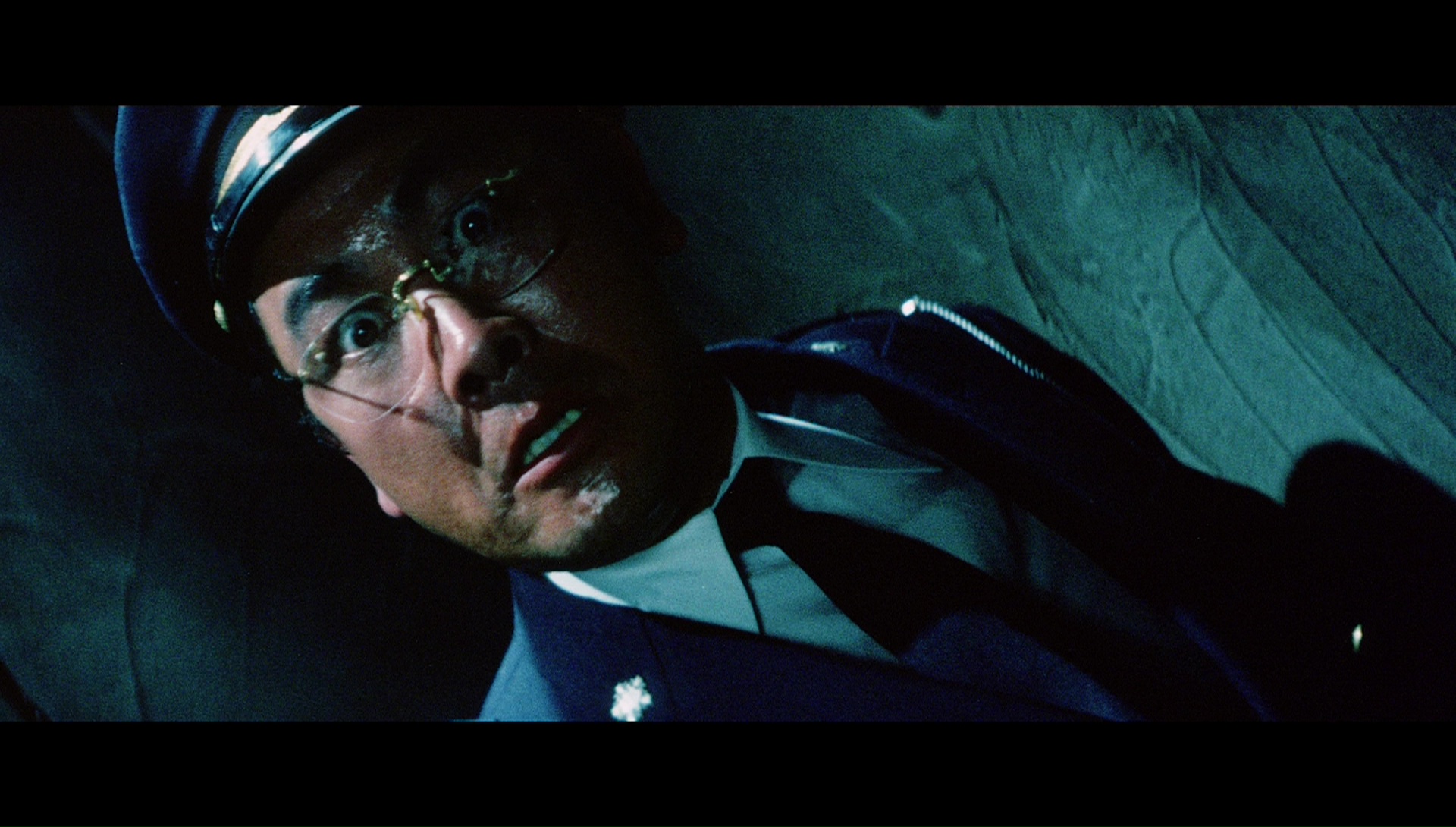 framing flashback device, she must work with fellow inmate Yuki (Watanabe) to plot an escape and get back at the man who did her wrong once and for all. A perfect fusion of art and sleaze, this is a wild, attention-grabbing calling card for Kaji and first-time director
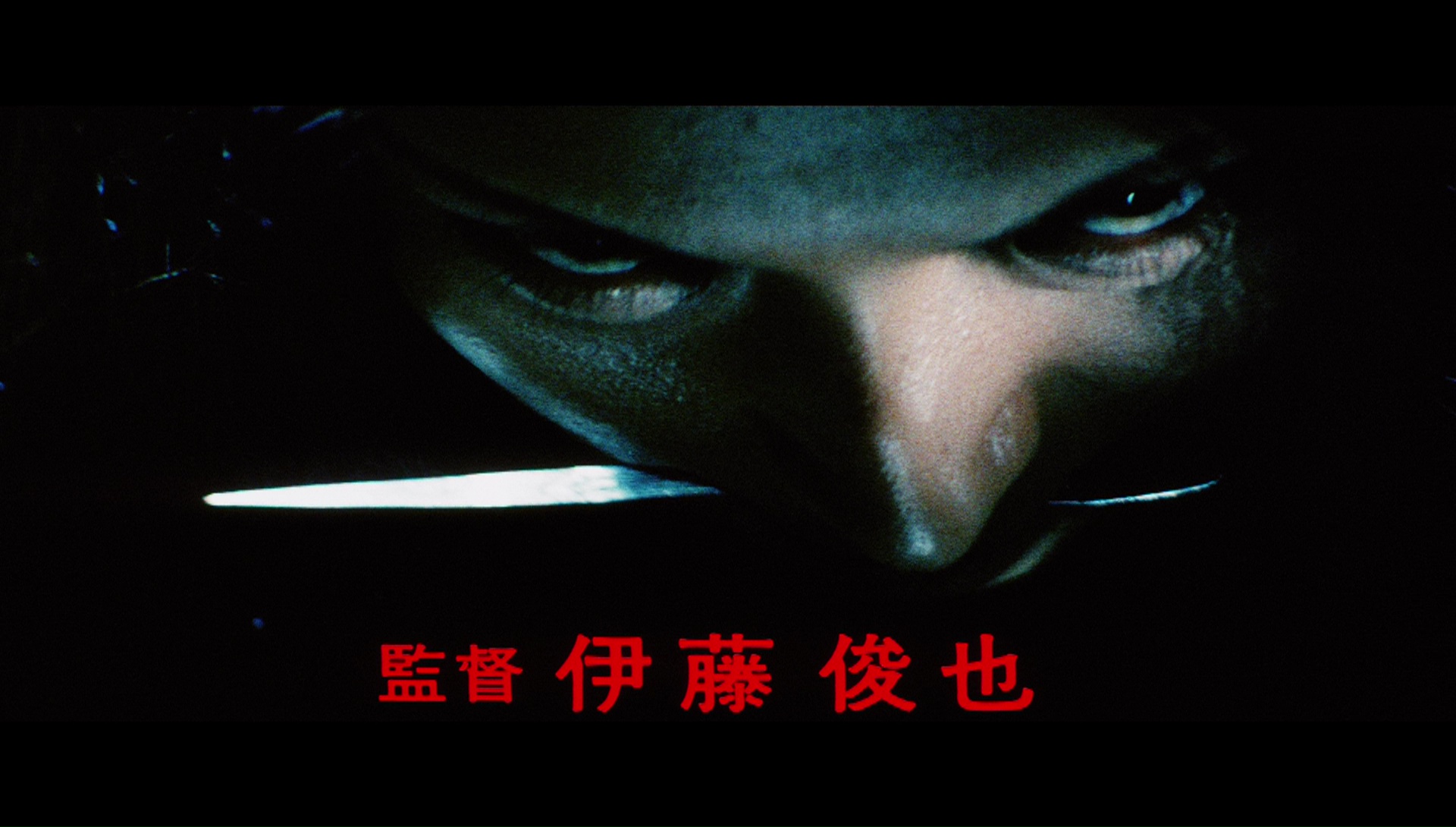
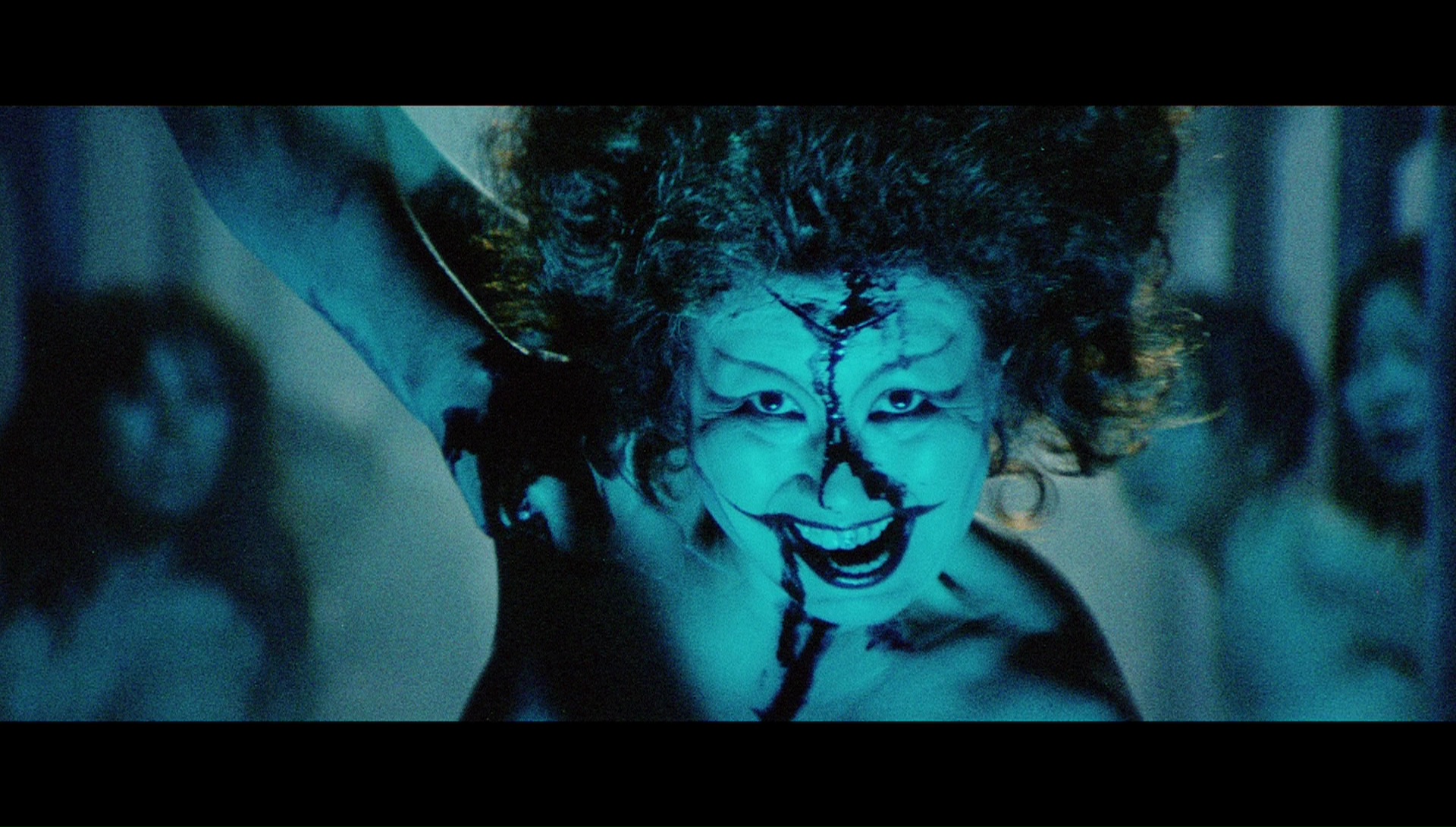 Shunya Itô, featuring wildly stylized lighting and backdrops including a very impressive sequence depicting how the Scorpion came to be. It also introduces the striking music score approach (combining elements of fuzz guitar and evocative strings) and a memorable theme song "Urami Bushi," sung by Kaji, which would appear in later entries and turn up in Kill Bill Vol. 1.
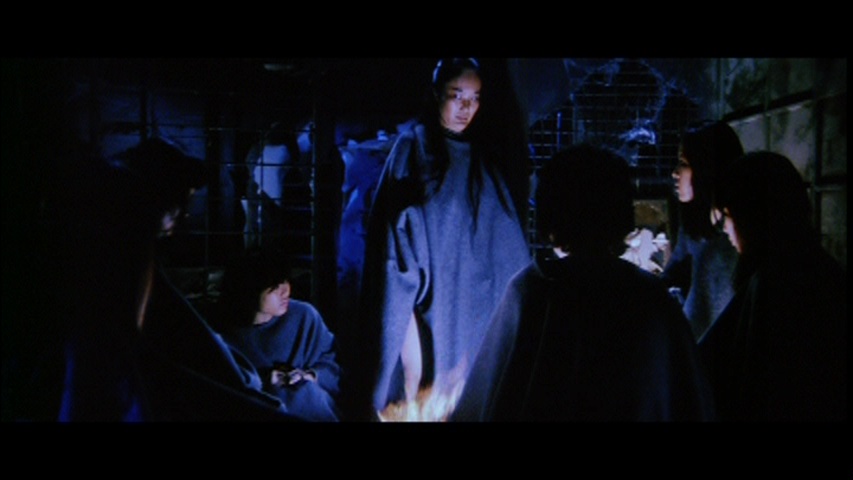
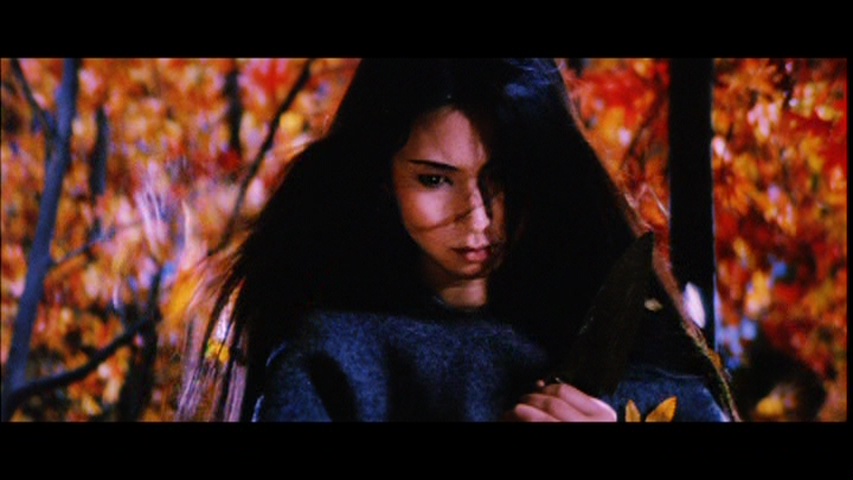
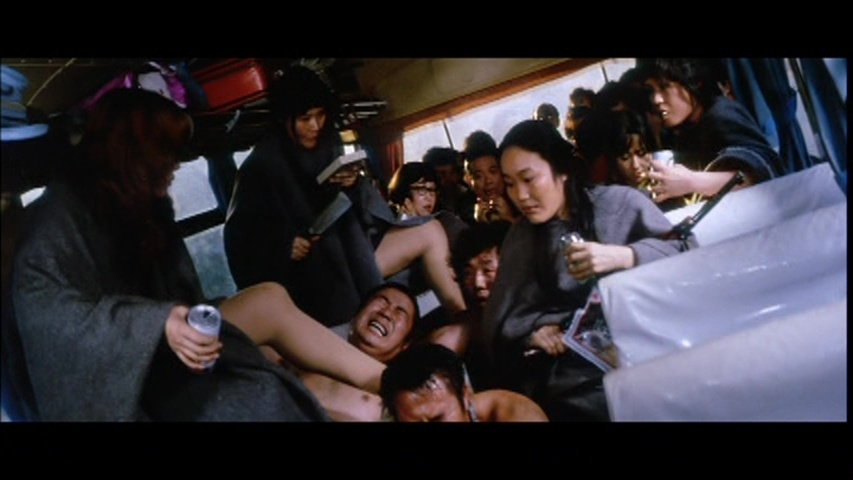
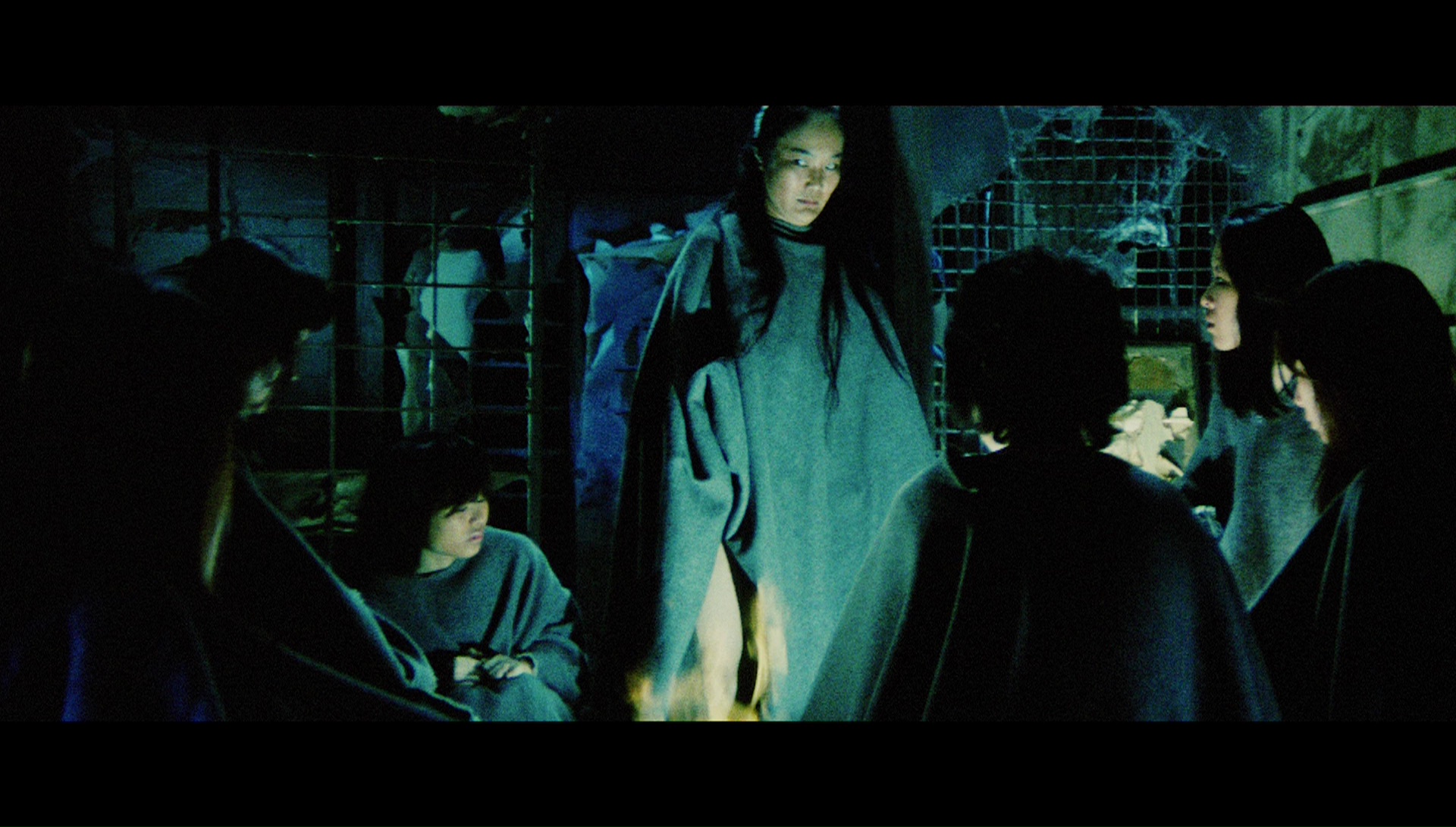 Things get really wild with the second film, Female Prisoner Scorpion: Jailhouse 41, which goes straight for the jugular right from the beginning and never lets up. While trapped in solitary confinement with only a sharpened spoon to whittle away the hours, Sasori is interrupted and dragged out into the prison courtyard by the brutal warden (whose left eye she has already claimed in a previous skirmish). The visiting officials are appalled when the female prisoners revolt thanks to another Sasori attack, and the woman are all punished by going on work detail. The fellow prisoners don't take very kindly to Sasori's efforts, but they all band together to stage a rousing escape which sends them fleeing into the wilderness. They seek refuge for the night near a dilapidated shack where an old woman relates each woman's tragic criminal history, followed by a surreal morning in which the fugitives hijack a bus and embark on a final, outrageous attempt to flee the warden's clutches.
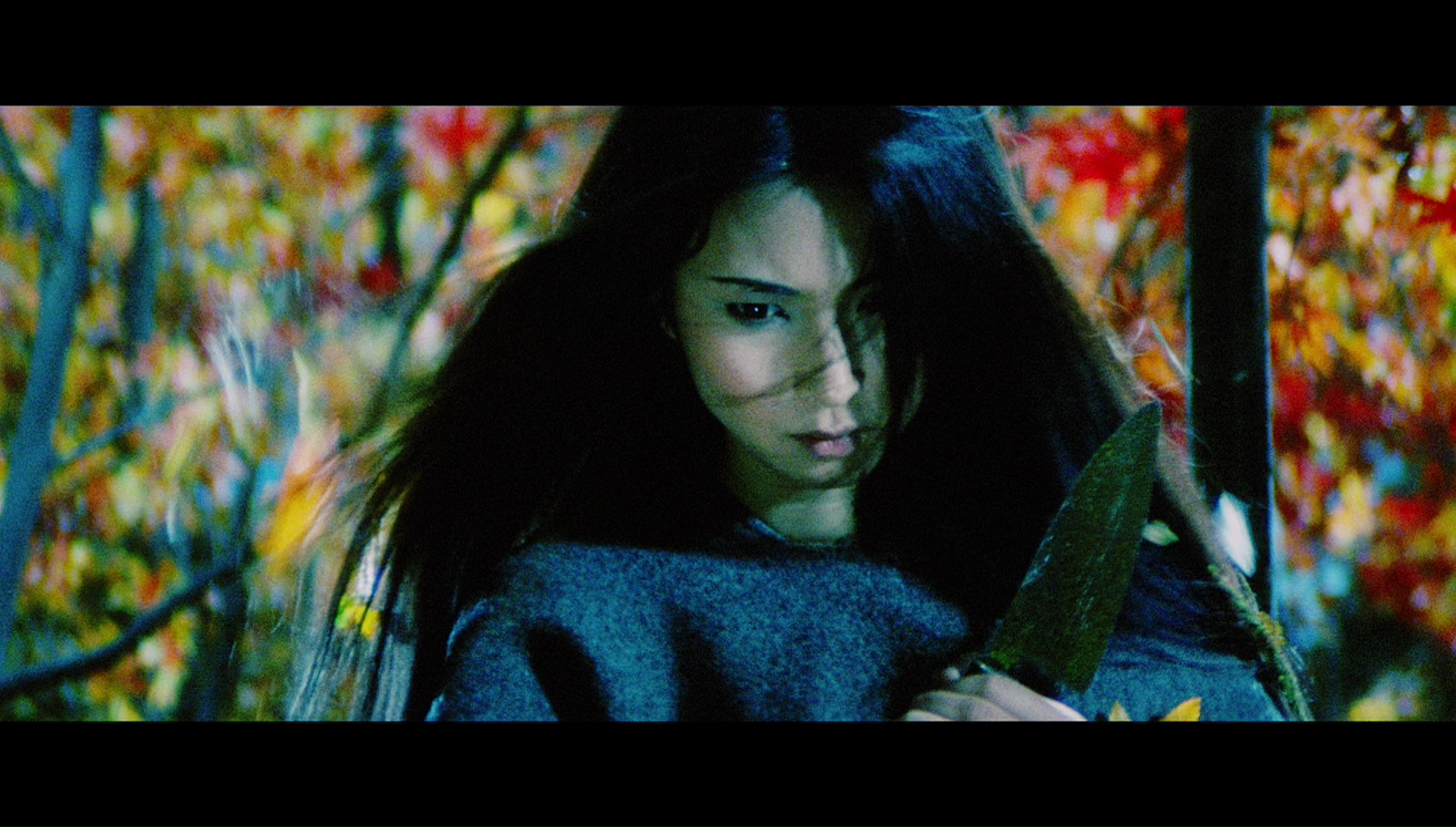 captures the balance between gritty tragedy and over the top, hilarious excess. Many characters exhibit a surprisingly black sense of humor, with each female
 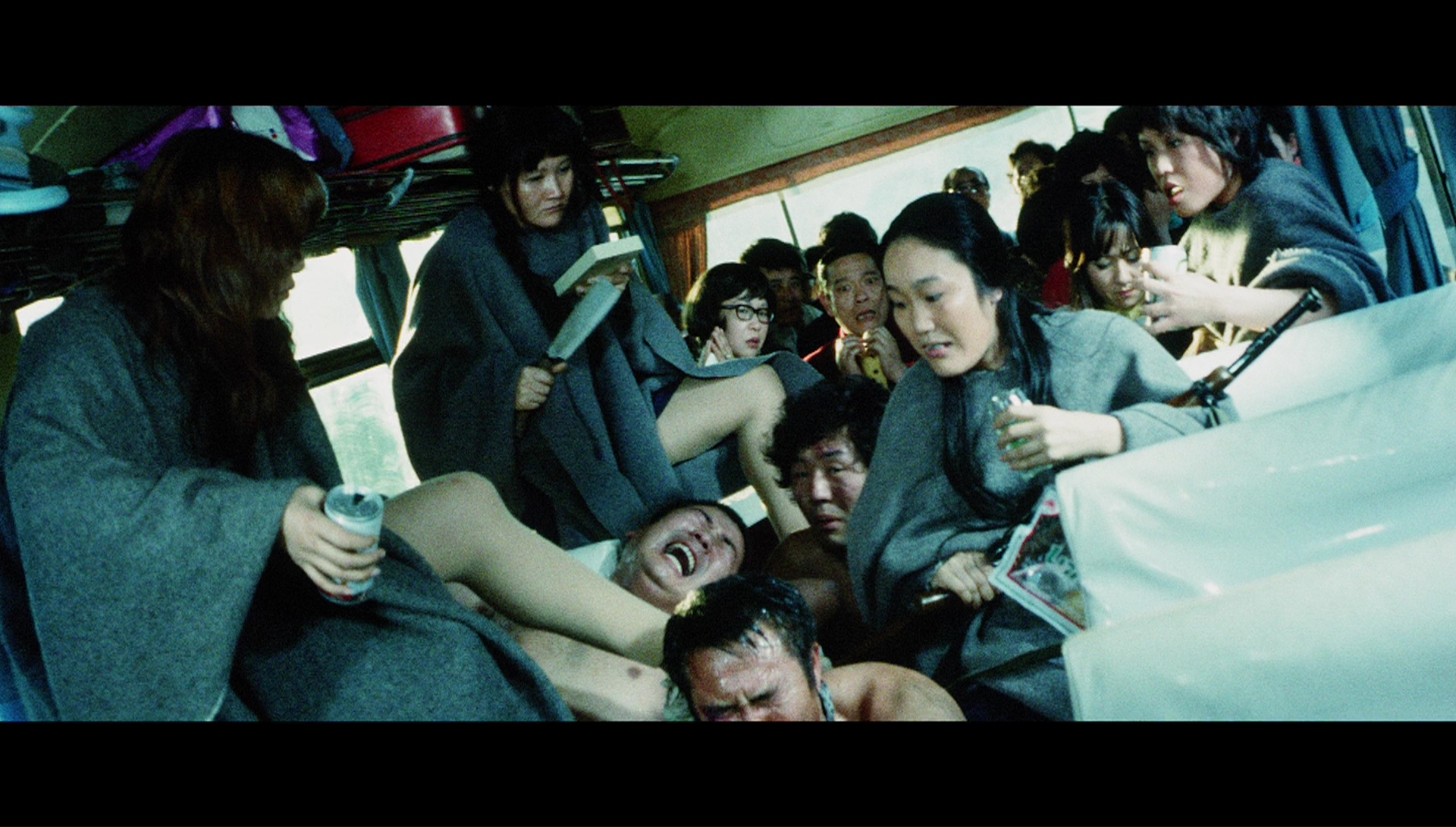 prisoner firmly establishing her own identity in a society which could not possibly care less about her fate; it's one of the purest, most delirious cinematic comic books you'll ever see. The Image DVD from 2002 featured burned-in subtitles but was a fine intro for American viewers who couldn't see it on the big screen, while a reissue from Discotek helped in find another generation of fans in 2010. The Arrow version is much more robust on the extras front, adding on a newly filmed 28-min. appreciation by the great Kier-La Janisse (House of Psychotic Women), who recalls being smitten with this film at Fantasia in 2000 and notes how this series works within the international tradition of female revenge and women-in-prison films and doesn't really adhere to the conventions of rape/revenge exploitation. Articulate Japanese film critic Jasper Sharp (a name familiar to any collector of Japanese video releases) gives a handy 10-minute rundown of Ito's career (ranging from thrillers to anime), and very humble production designer Tadayuki Kuwana chats about his work on the first three films in the 16-min. "Designing Scorpion," explaining how he and his director swapped ideas and came up with some audacious visual concepts as well as the prison look that would become a memorable recurring presence.
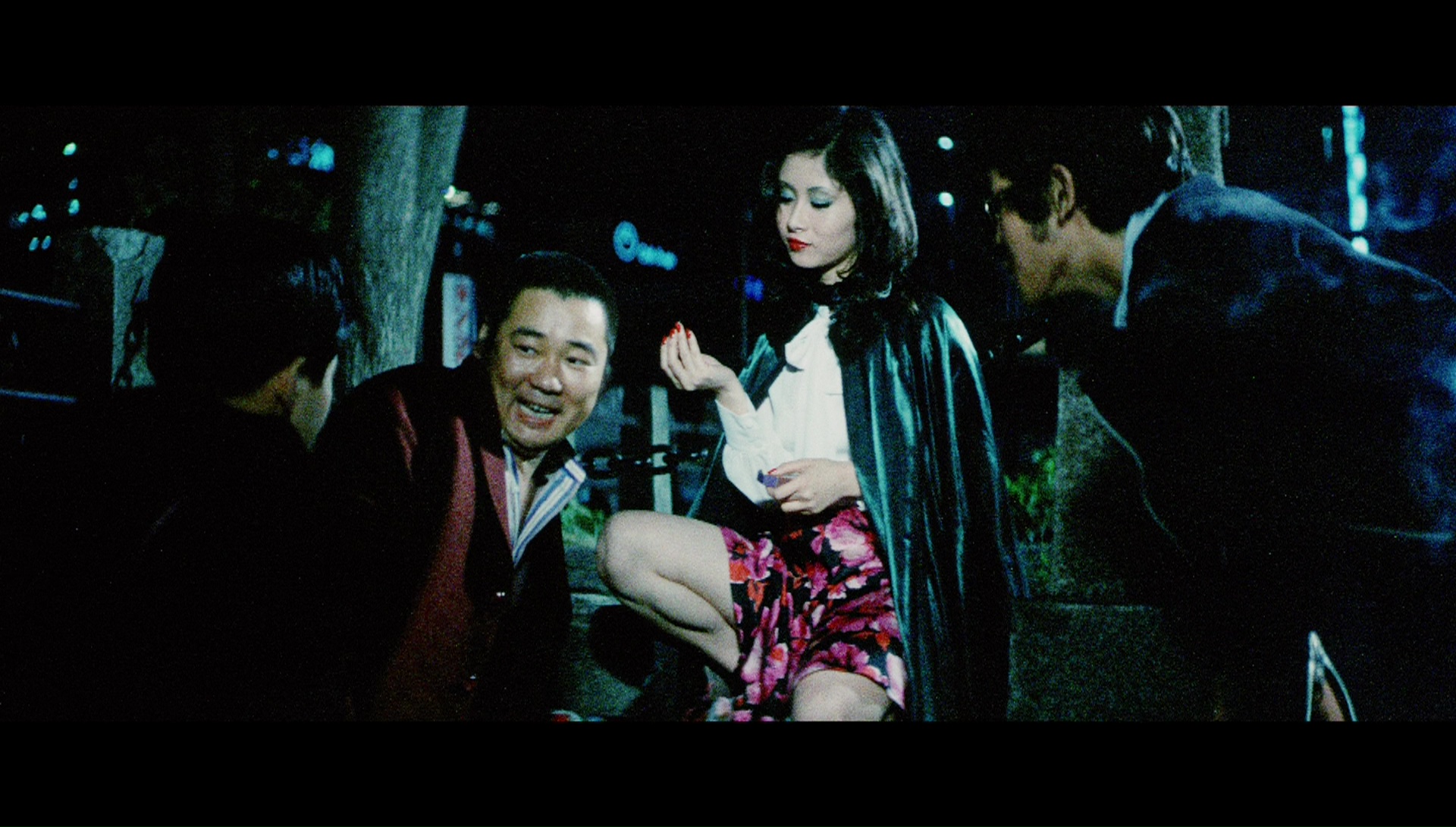 Following a gory breakout, Matsu finds herself hunted through the streets and must eventually hide in the sewers, where the police (led by a pissed-off Kondo) and mobsters collide in the final act as Matsu is cornered into carrying out a final plan for revenge.
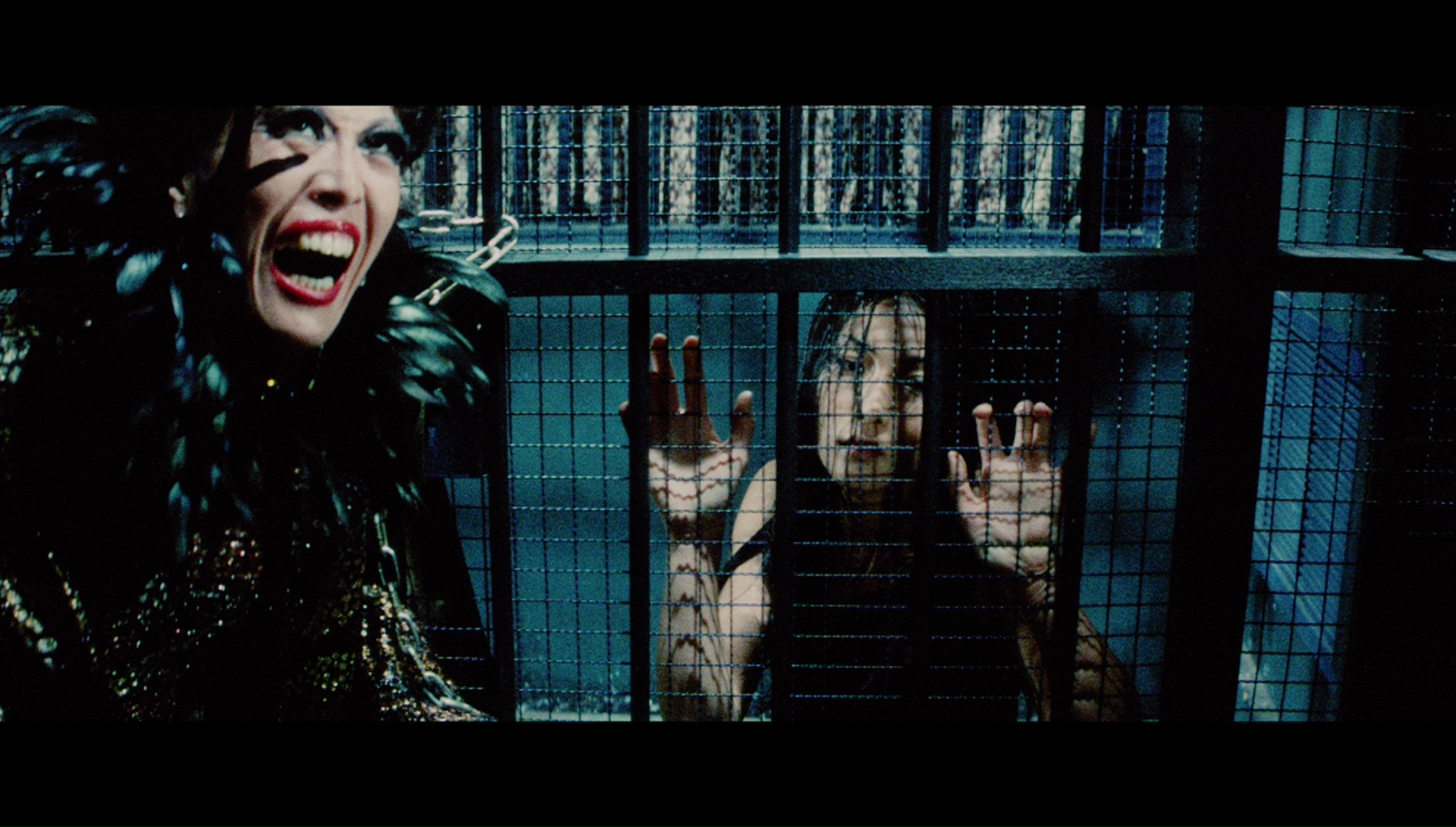
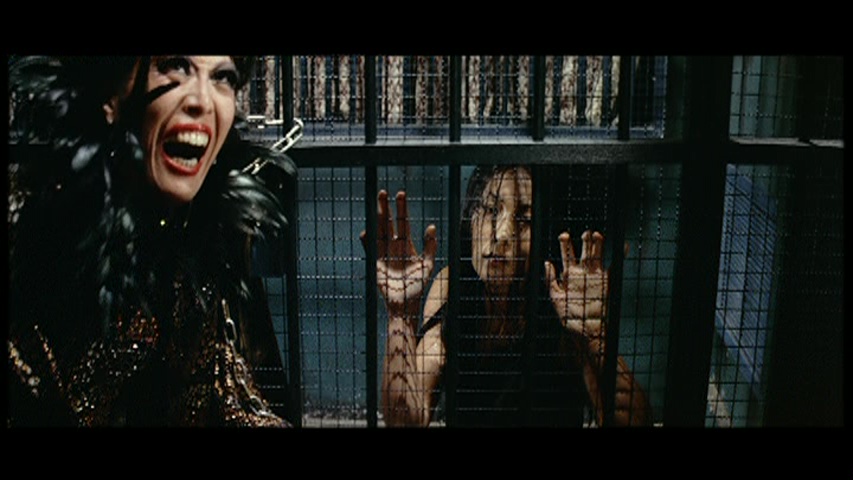
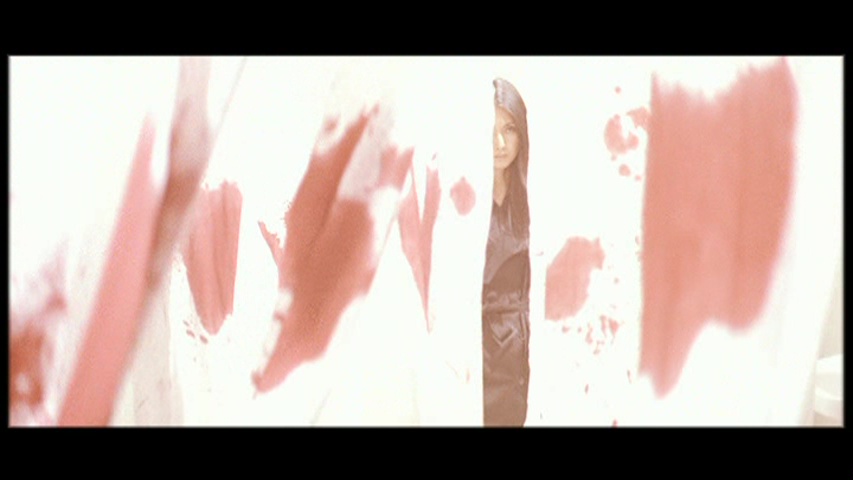
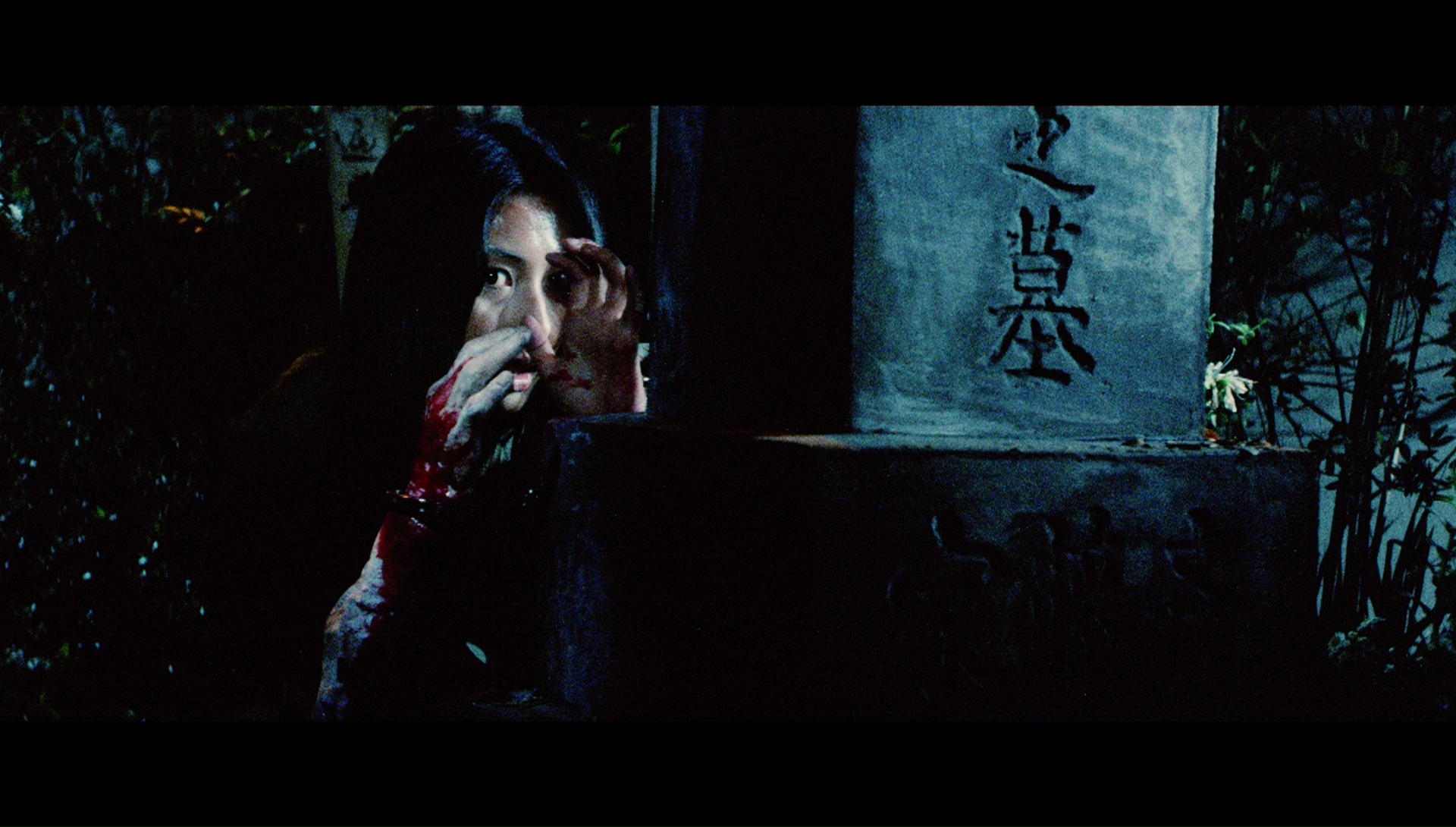 The last film from regular series director Shunya Itô, Beast Stable veers away a bit from the colorful, hyper-stylized nature of the second installment; here the visual scheme is dark and chilling, with black-themed compositions involving ravens, subterranean tunnels, and the villainess' inky ensembles creating wild scope tapestries built on the interplay of black and white. The mood here is more akin to a mid-'70s Roger Corman title like Caged Heat, though the extremely sleazy content is far more than most drive-ins would have tolerated. Packed with incest, torture, and a horrific set piece at a grimy abortionist's den (with a memorable crimson-sprayed finale), this is not for the faint of heart but still easily classifiable as artistic filmmaking of the highest order. Poetic touches are also plentiful: dropped matches through a sewer grating turning into an incandescent rain of fire in the darkness, a sea of fire erupting through the sewer canals, the trapped Matsu lying in a birdcage seen overhead as a bleeding prostitute sprawls beside her. Once again Kaji is a marvel in the lead, offering few words but conveying a sea of torment and violence in her expressive eyes. Even if you haven't seen the previous two films, this is a wild, dizzying experience not to be missed.
 Thirteen, Deathtrance and the first Female Prisoner #701 Scorpion film. The Arrow version adds a worthwhile 25-minute video
  appreciation by critic Kat Ellinger (who ties in its kinship to the horror genre and points out its most audacious moments of stylized lighting), "Shunya Itô: Directing Meiko Kaji" (a refined 17-minute edit of his German interview session, covering everything from his negative first encounter with his leading lady through the fierce bond they formed over their three films together), and "Unchained Melody: A Visual Essay by Tom Mes" (21 mins.), an arresting study of how her image transformed over the course of her career (which also included TV and pop albums).
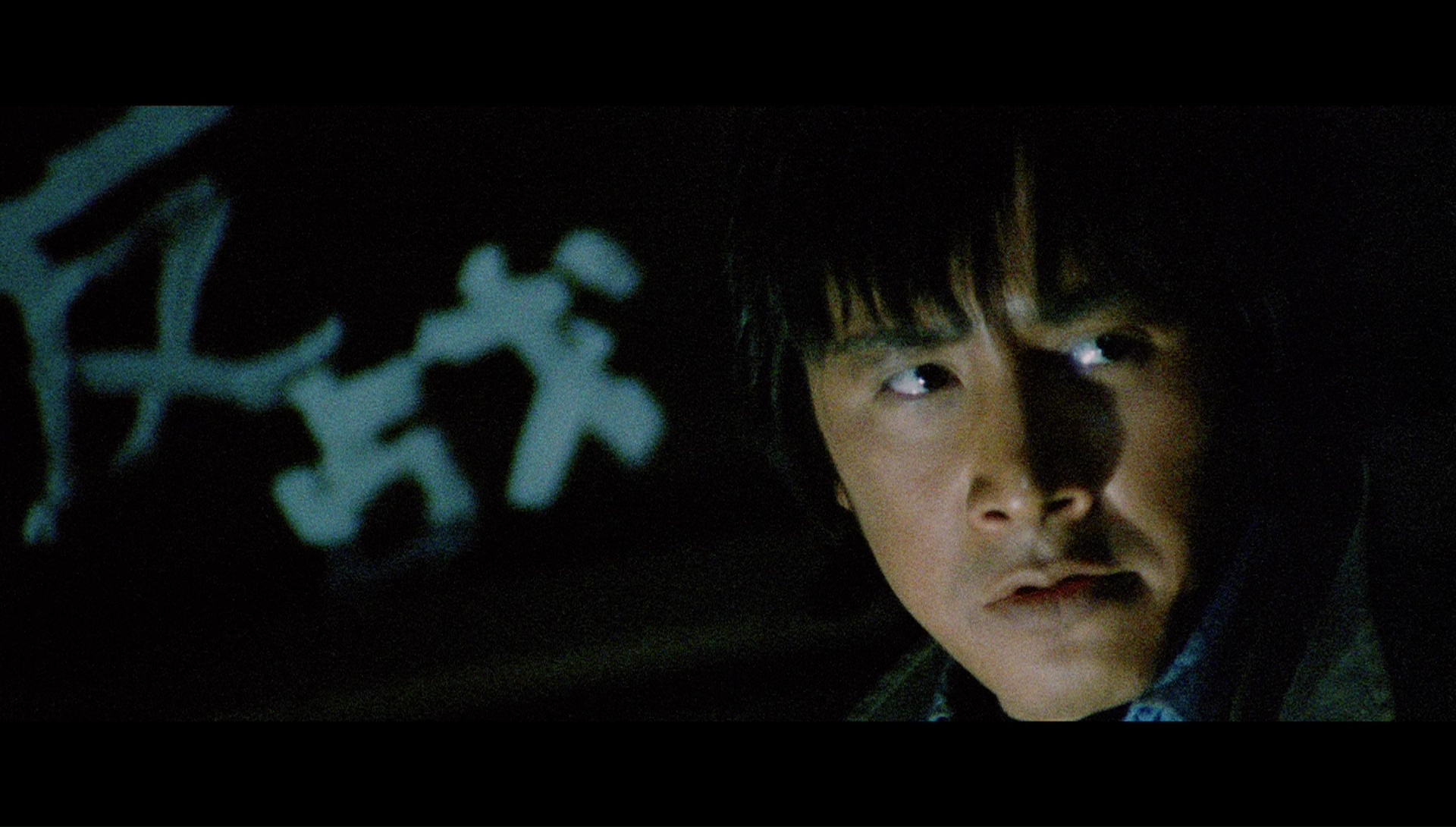 result is something like a really perverse Douglas Sirk film, as they emotionally dance around each other in front of glorious splashes of Technicolor. Though the cops are the usual nefarious bunch, the film also makes the odd choice of not establishing another formidable female villain for the story; here it's just a bunch of nasty, macho officers,
 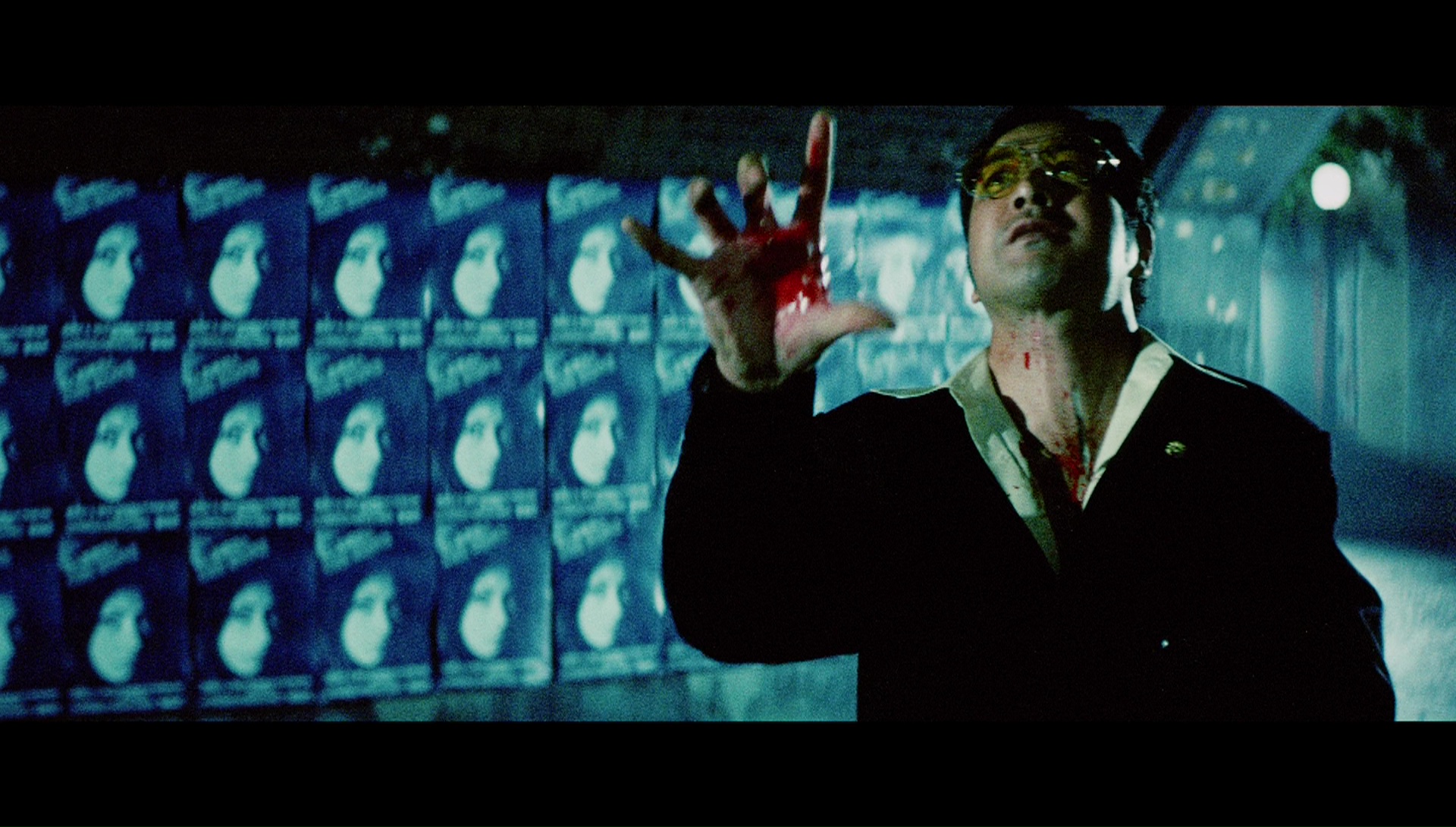 which is certainly intimidating but not quite as interesting as the over-the-top nemeses Sasori faced in the last two films. Fans of prime '70s Japanese exploitation will still have a blast, and as far as swan songs go it's certainly worthy; just make sure you watch the other three films first.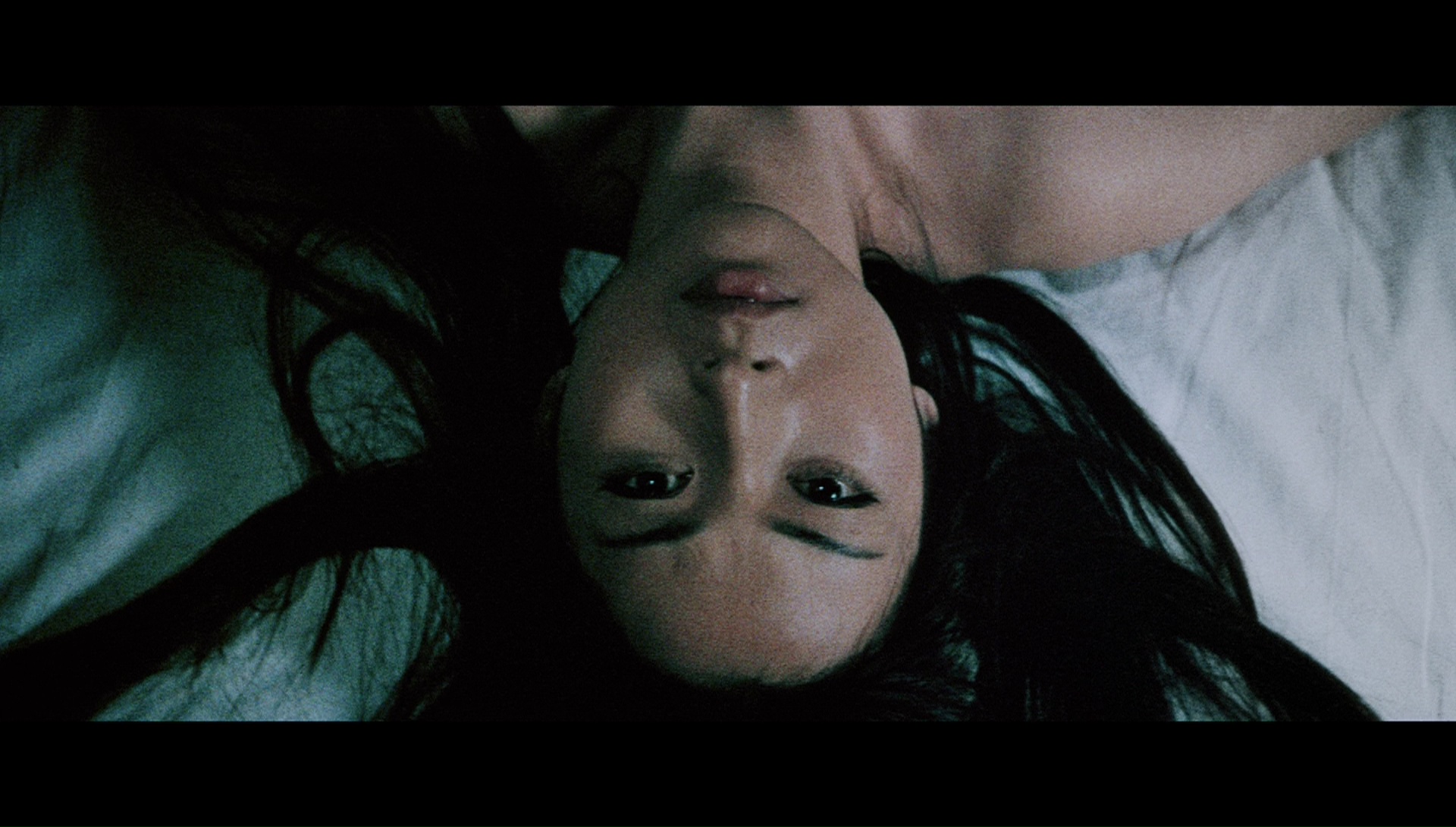
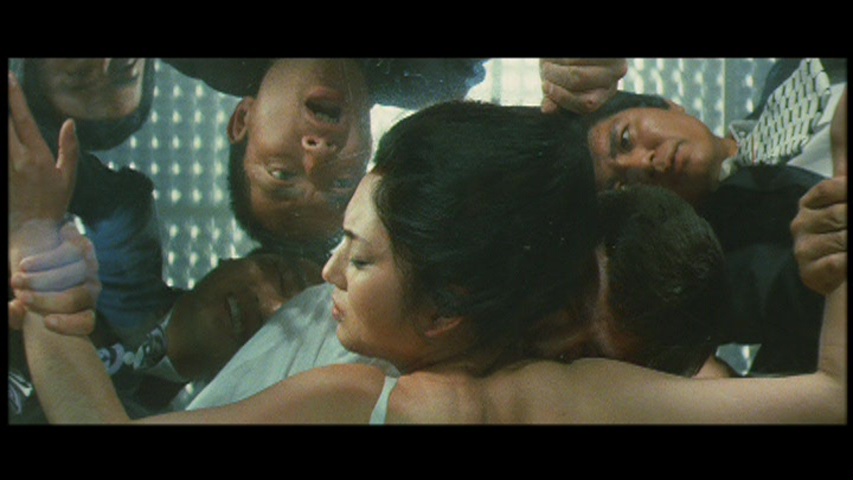
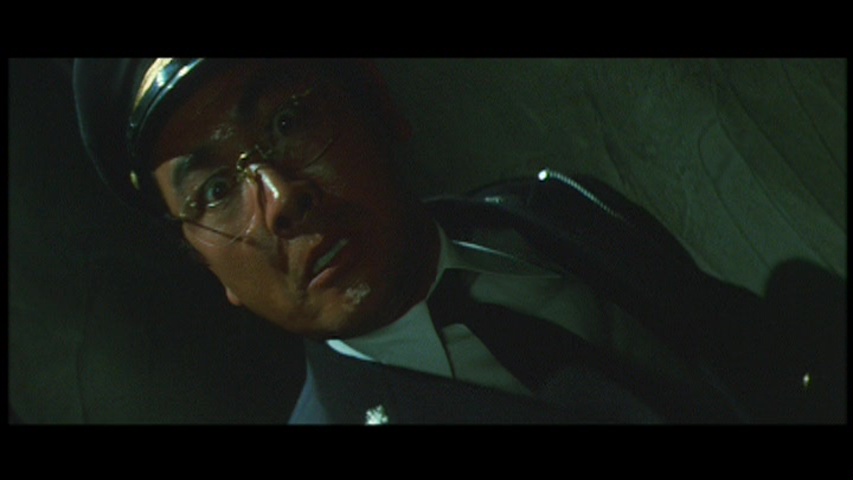
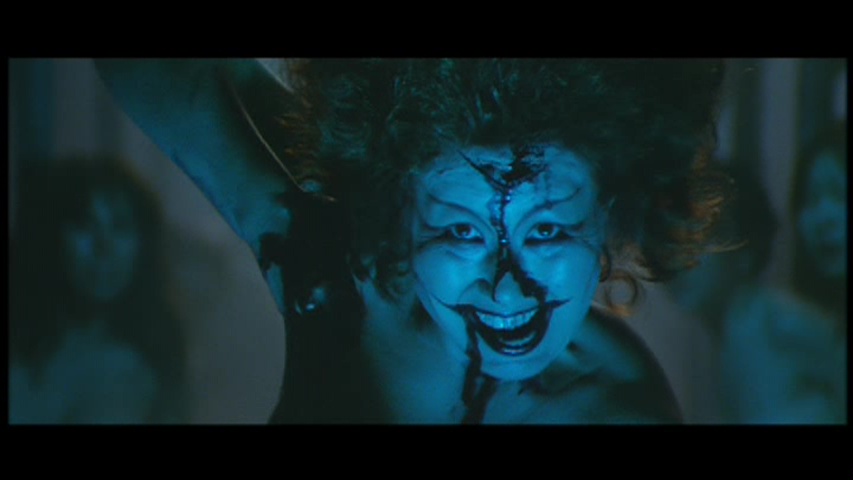
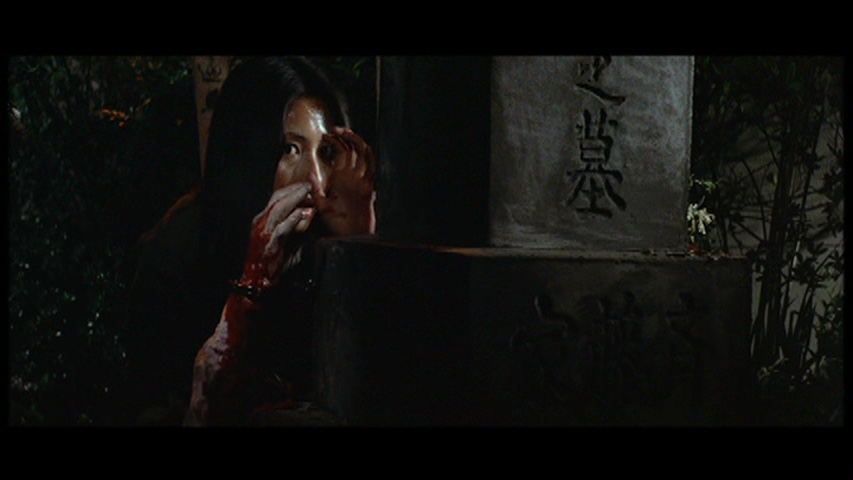
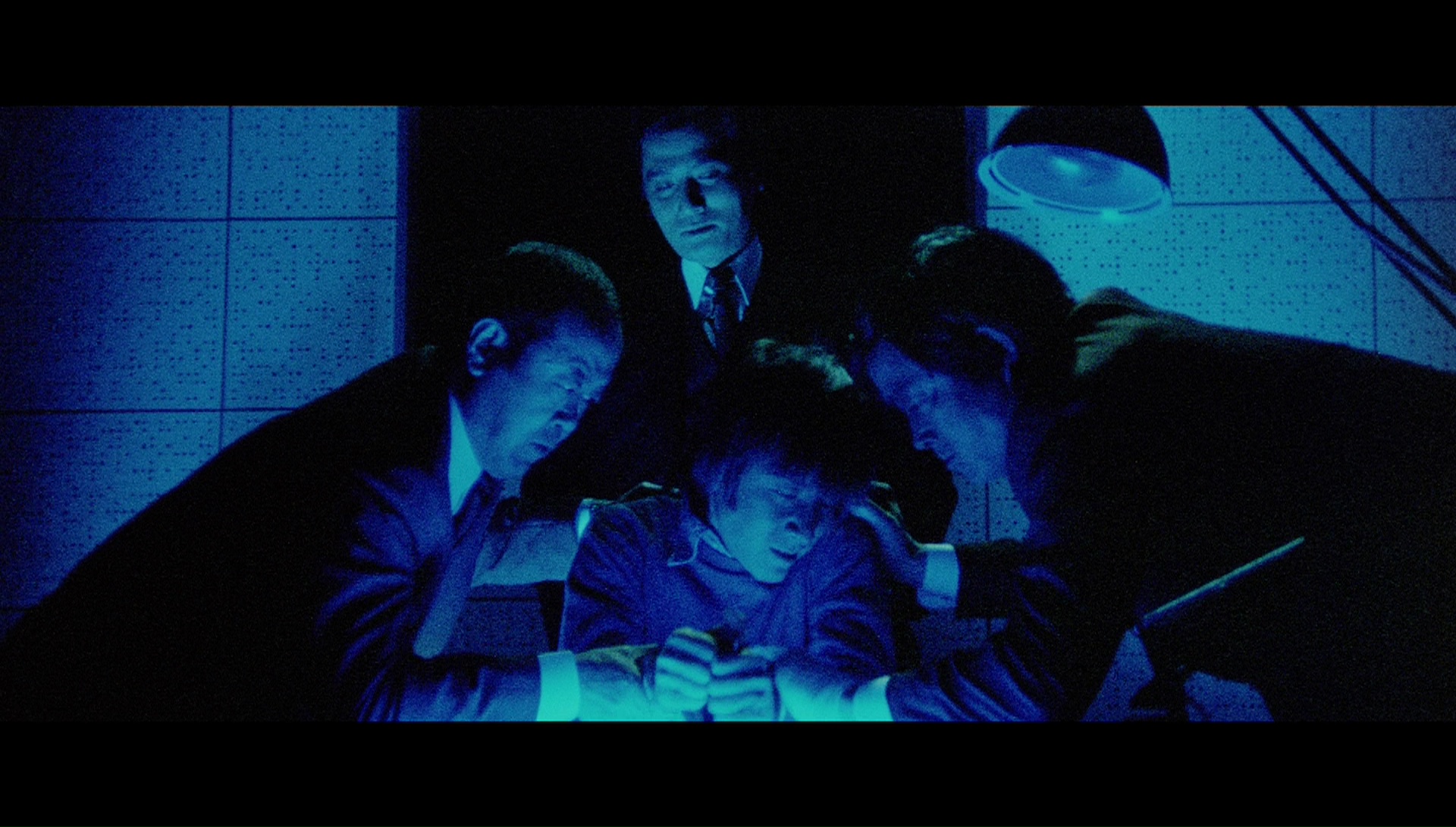 That just leaves us to address the quality of the video presentations, which are bound to be controversial given the films' histories. All have turned up in 35mm and have past video incarnations with color timing more or less in line with other Toei titles, meaning a wide array of vibrant reds, blues, and greens, with natural flesh tones. What's obvious in this set is that all of the films have tipped very heavily to the blue and green side, with Arrow noting before the set's release that the cyan appearance is inherent to the low-contrast 35mm prints transferred by Toei and can also be attributed to fading over time. It's definitely a dramatic shift from how the films have looked in the past, with Jailhouse 41 in particular looking completely different. Oddly, the torture flashbacks in Grudge Song that have been tinted rose in prior releases are now standard black and white; which version is correct is one for the experts to suss out. Image detail is dramatically improved over past releases, and the framing has been corrected with a significant vertical squeeze on the first, third, and fourth films now adjusted back to the original proportions. (Check out the frame grabs from the DVDs below to get an idea.) The major bump in detail also results in significantly heightened film grain, some of its heavily washing over the screen in waves that look like crosstalk at times, while whites are now pushed higher and tend to look much harsher in contrast. The pale black levels of some of the past editions have been adjusted, resulting in much deeper blacks. Definitely expect these transfers to generate a lot of debate for quite a while. The Japanese LPCM mono audio tracks sound fine and faithful to the original source, with optional English subtitles.
DVD FRAME GRABS
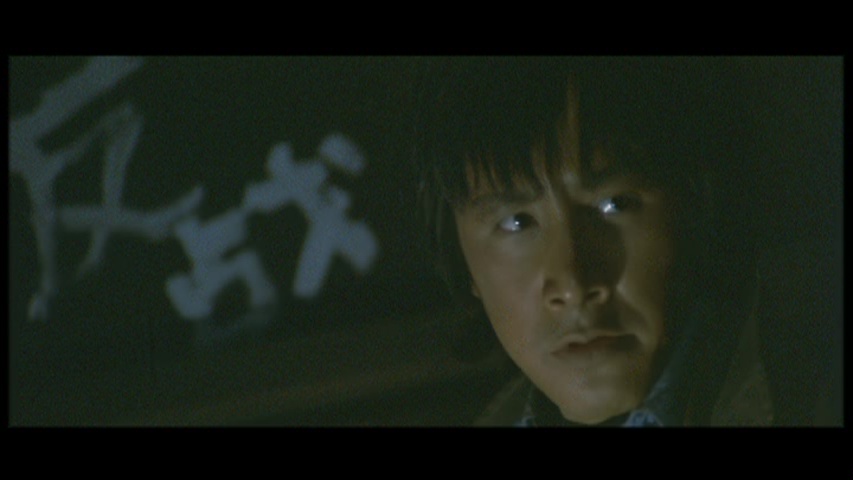
FEMALE PRISONER #701: SCORPION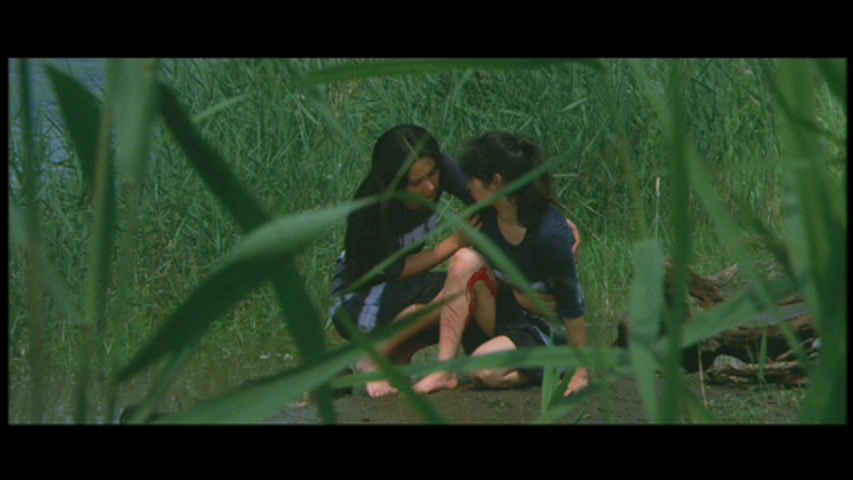
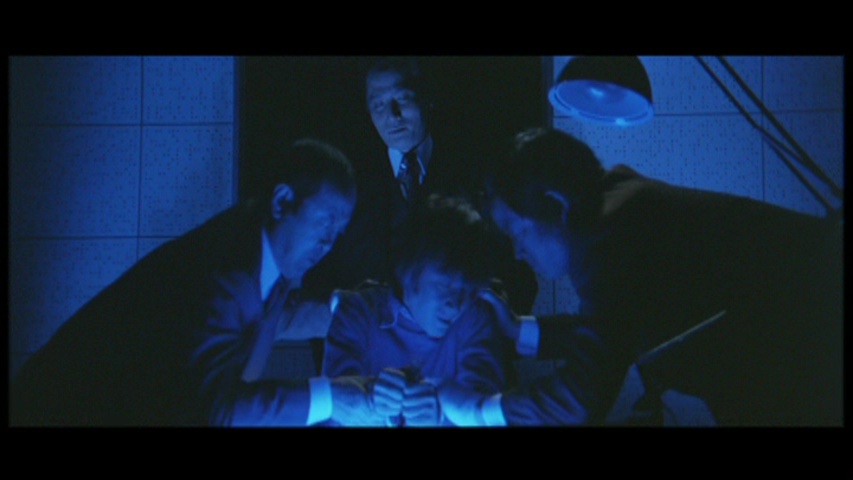
FEMALE PRISONER SCORPION: JAILHOUSE 41
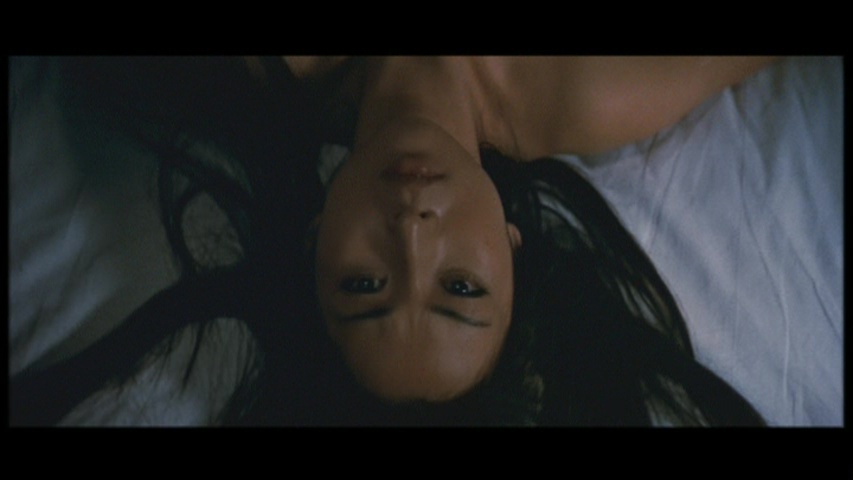
FEMALE PRISONER SCORPION: BEAST STABLE
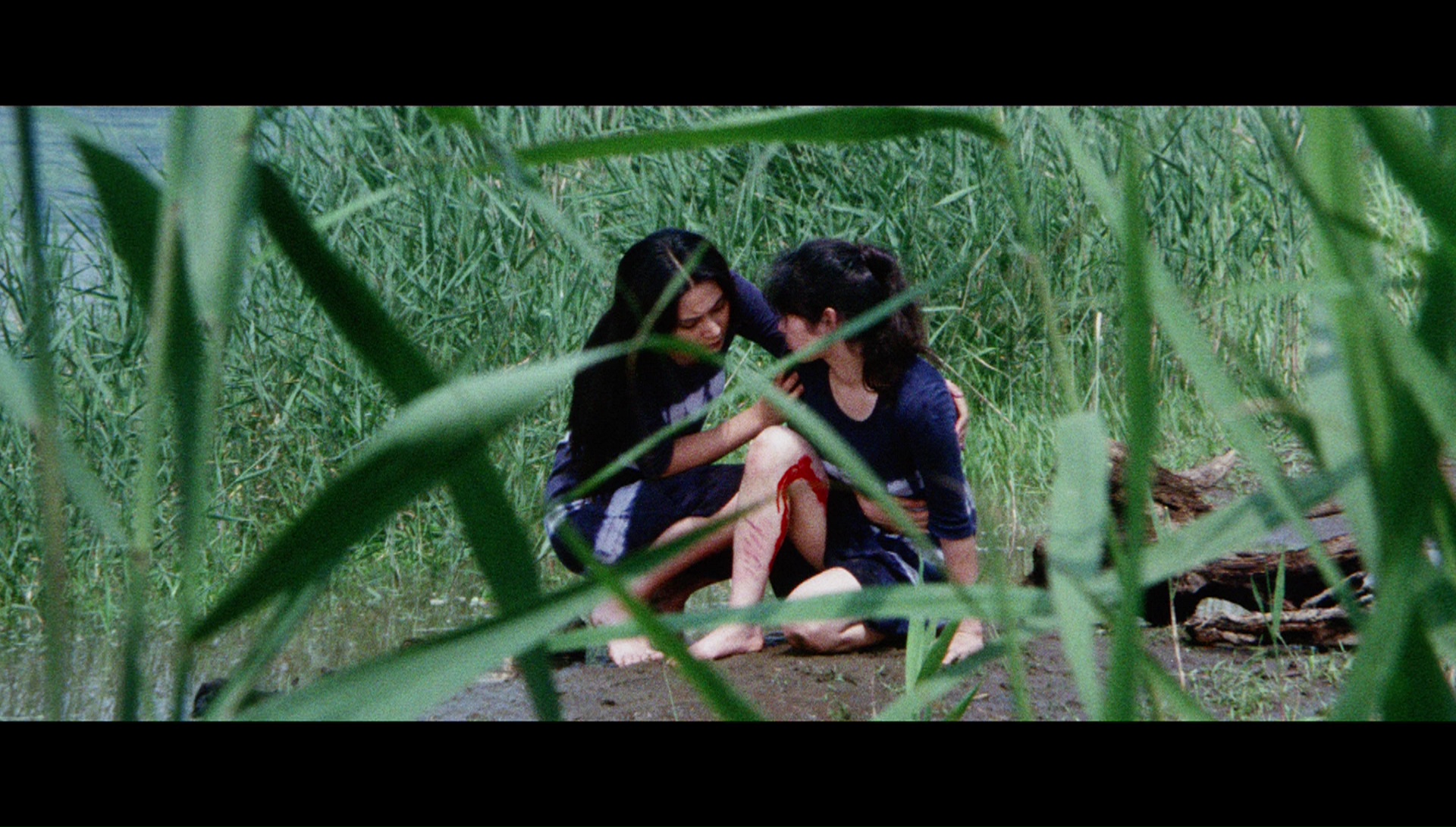
FEMALE PRISONER SCORPION: GRUDGE SONG