 The first
  of two Italian thrillers directed by jack of all trades Armando Crispino, The Dead Are Alive is also known to giallo fans under the more evocative Italian title of L'etrusco uccide ancora (or The Etruscan Kills Again). Sporting the usual international cast, a few gory murders, and a labyrinthine plot which frequently rises to the level of pure hysteria, this is '70s shocker filmmaking at its most typical, though newcomers to Euro sleaze may be left scratching their heads half an hour into the story wondering where all the living dead went.
 musical show to celebrate the ancient Festival dei Due Mondi, whose timing coincides with another violent turn of events.
 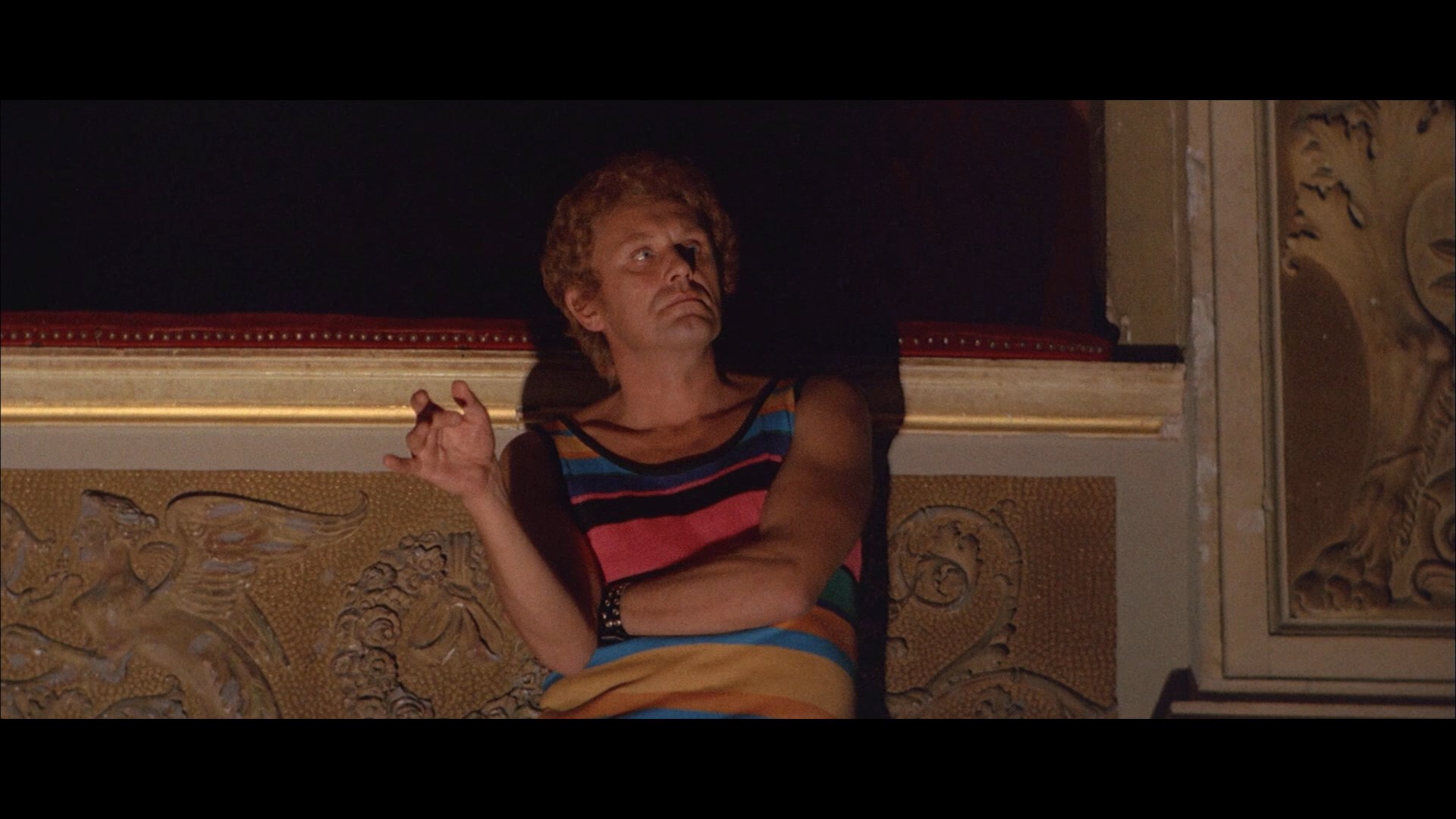 Though less explicit and outrageous than Autopsy, Crispino's second horror outing, this film shares with its successor a batch of dysfunctional and often unlikable characters, a gimmicky supernatural conceit designed to divert suspicion from an all too human murderer, and a melancholy, poetic finale. Though hardly an outstanding entry in the giallo sweepstakes, the proceedings are enlivened by the unusual settings, some earnest performances (with Marley in particular leaving the scenery torn to shreds), and a beautiful score by Mondo Cane's Riz Ortolani that's quite a gem all by itself. The murders are appropriately brutal for the time without resorting to explicit knifings, and for once in this subgenre, the male victims outdistance the female ones.
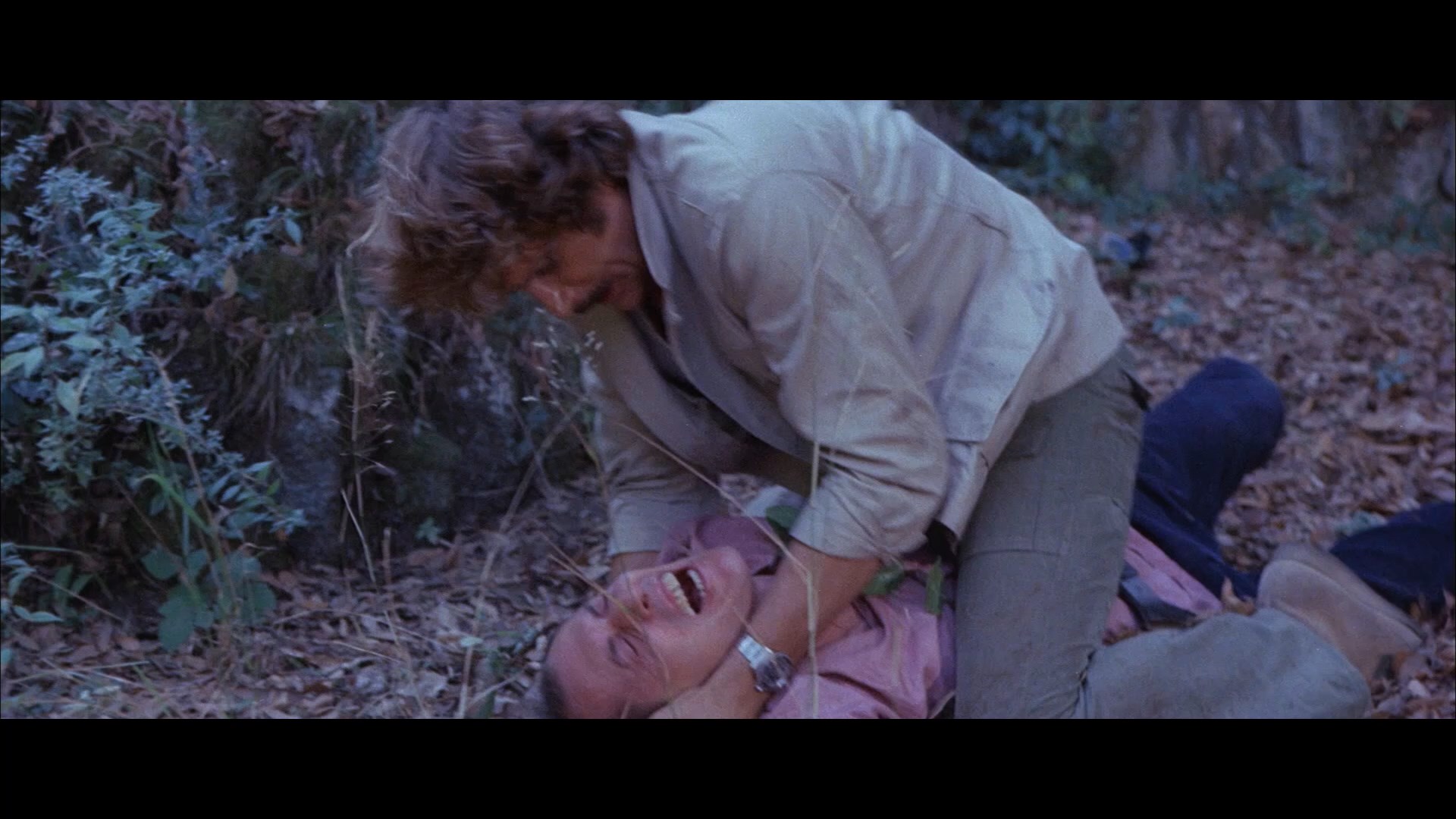 destroying the original scope compositions.
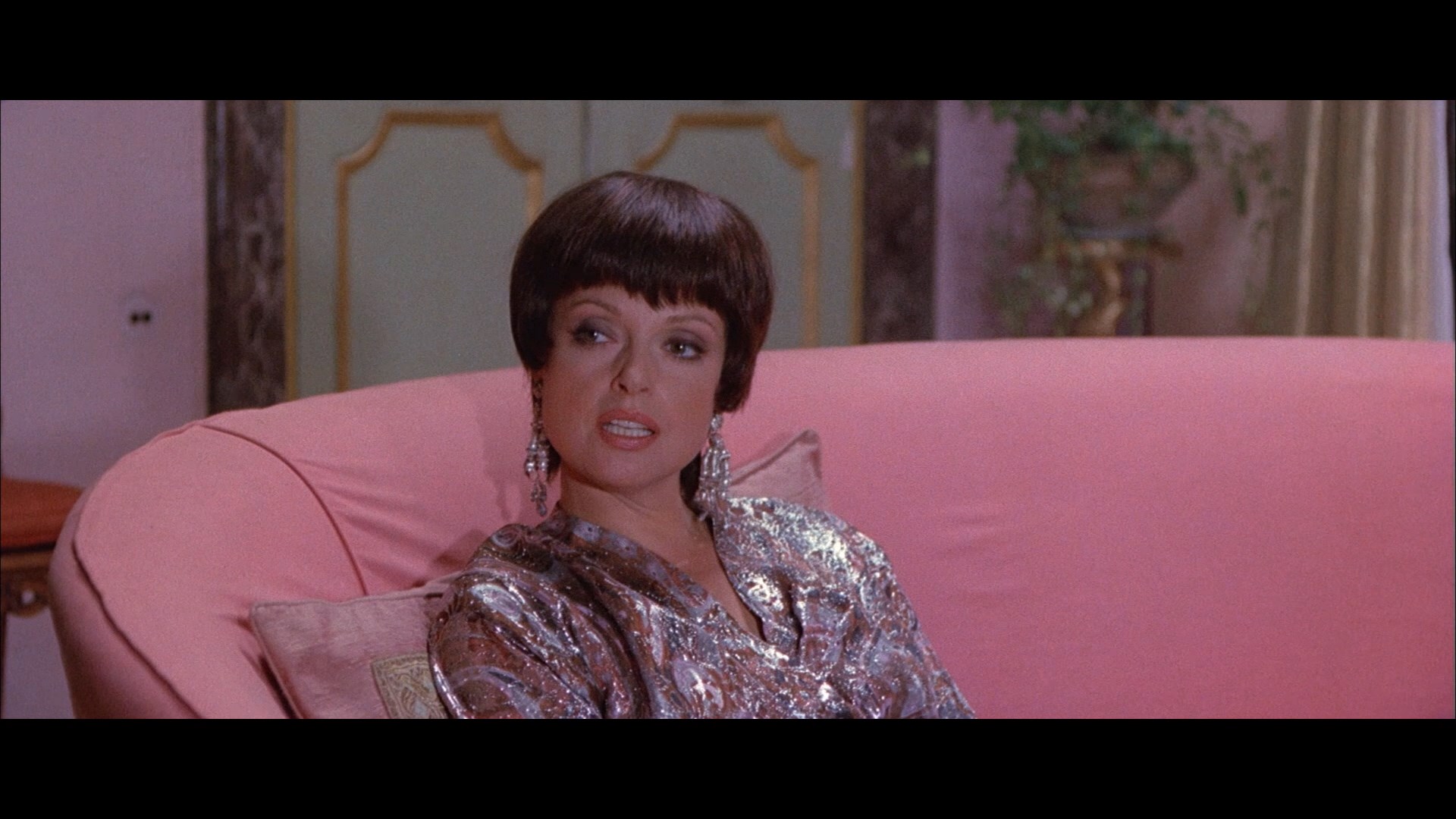 misframed, likely a flaw from the original source, with the top matte coming in far too low at times and covering up the upper half of people's heads. The picture is also squeezed out horizontally a bit too much, with the framing actually measuring out closer to 2.45:1. More inexplicably, the first few seconds of the opening shot are missing, and while trying this disc out on four different players, the film abruptly freezes and returns to the main menu just before the end credits kick in. To watch the credits, you must either fast forward for a moment past the final shot of the film or access them directly from the scene selection menu. Extras include a black and white "Terror Times" booklet reproducing the original U.S. press kit, a gallery of international lobby cards and video art, and some sketchy talent bios.
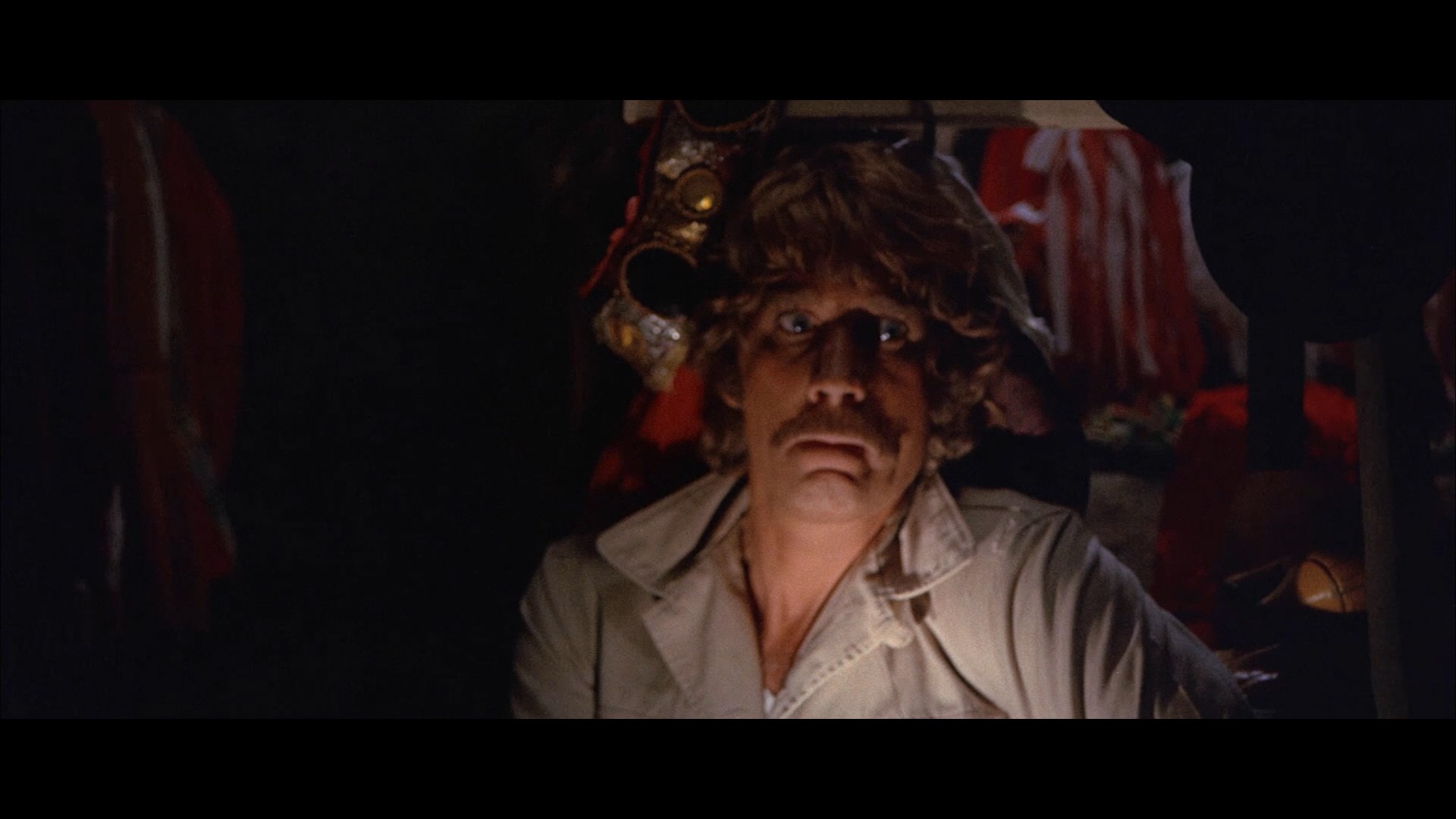 The climactic reel shot mostly in the dark still looks a bit muddy compared to the rest of the film, but for 90% of the running time, it's an impressive presentation with only fleeting, minor debris visible. The sound is also far better, with more intelligible dialogue and distortion-free music. Apart from the obligatory trailer for Family Honor (of course), there are no extras-- hilariously, not even a menu.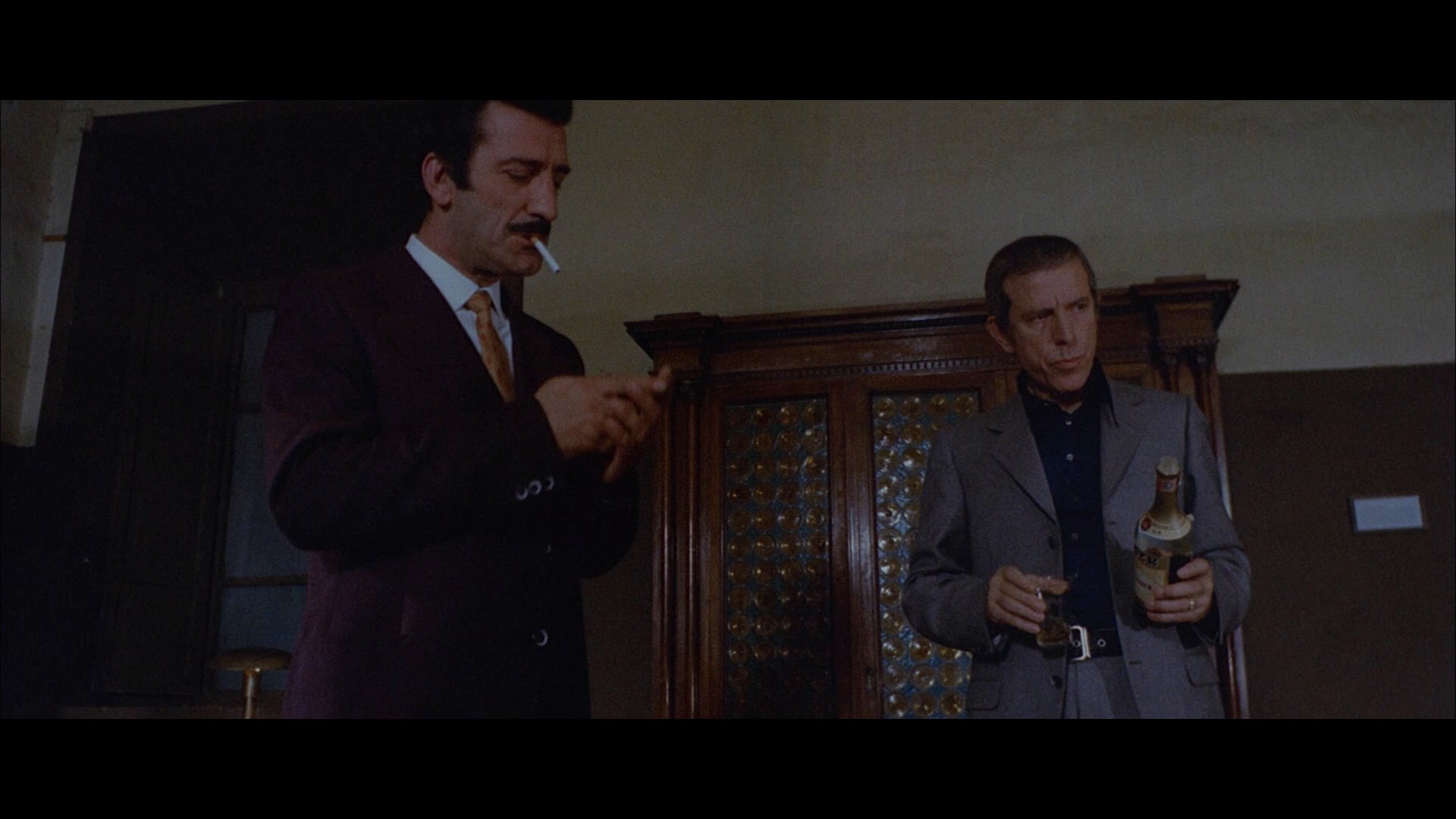
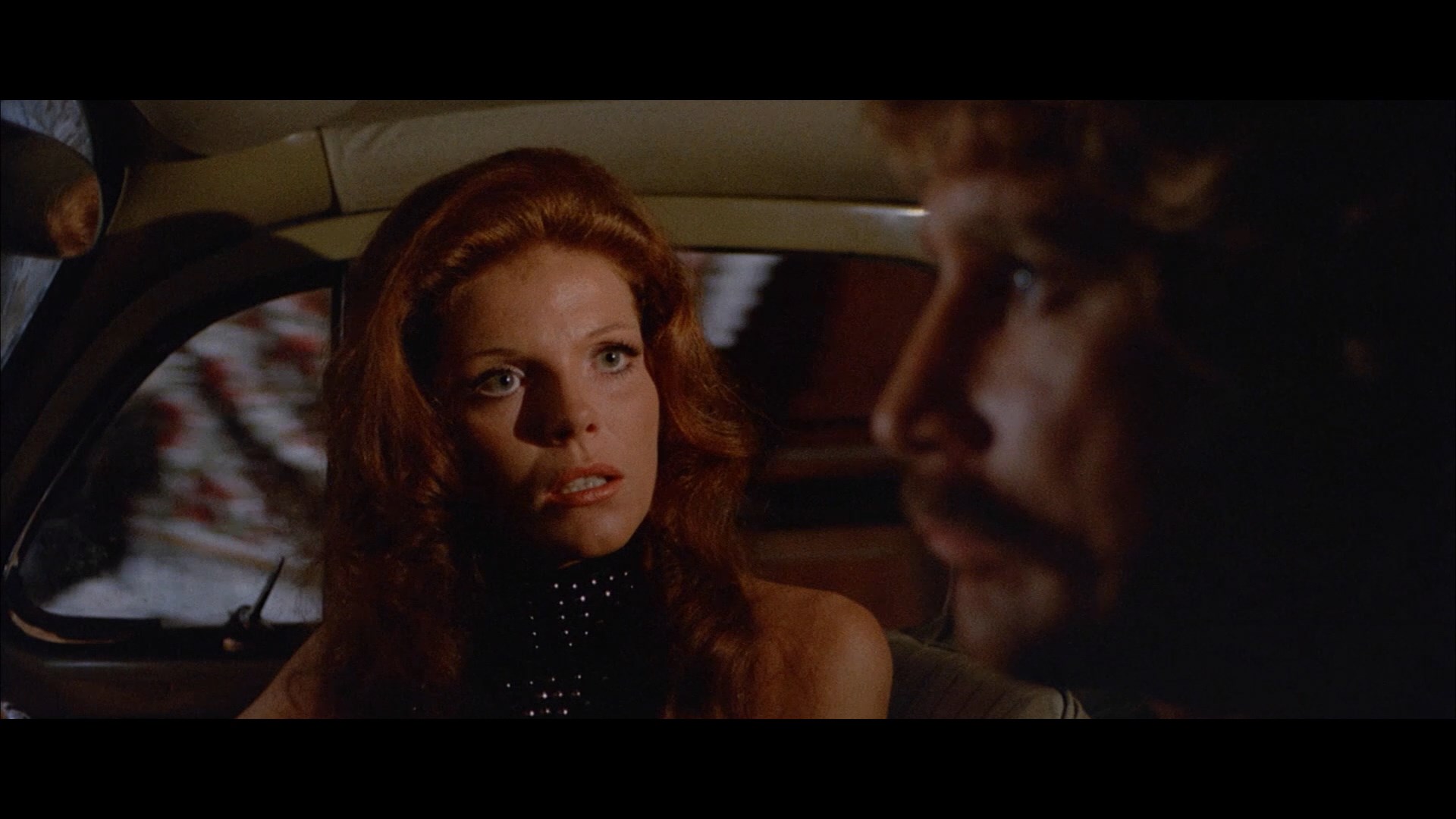 at the beginning and U.S. credits), but in a nice touch, it also reinstates the additional German sex scene footage at the 76-minute mark to add another 30 seconds to the running time. Extras include "Linee d'Ombra" (11m1s), a 2006 mini-documentary (in Italian with German subs) by
 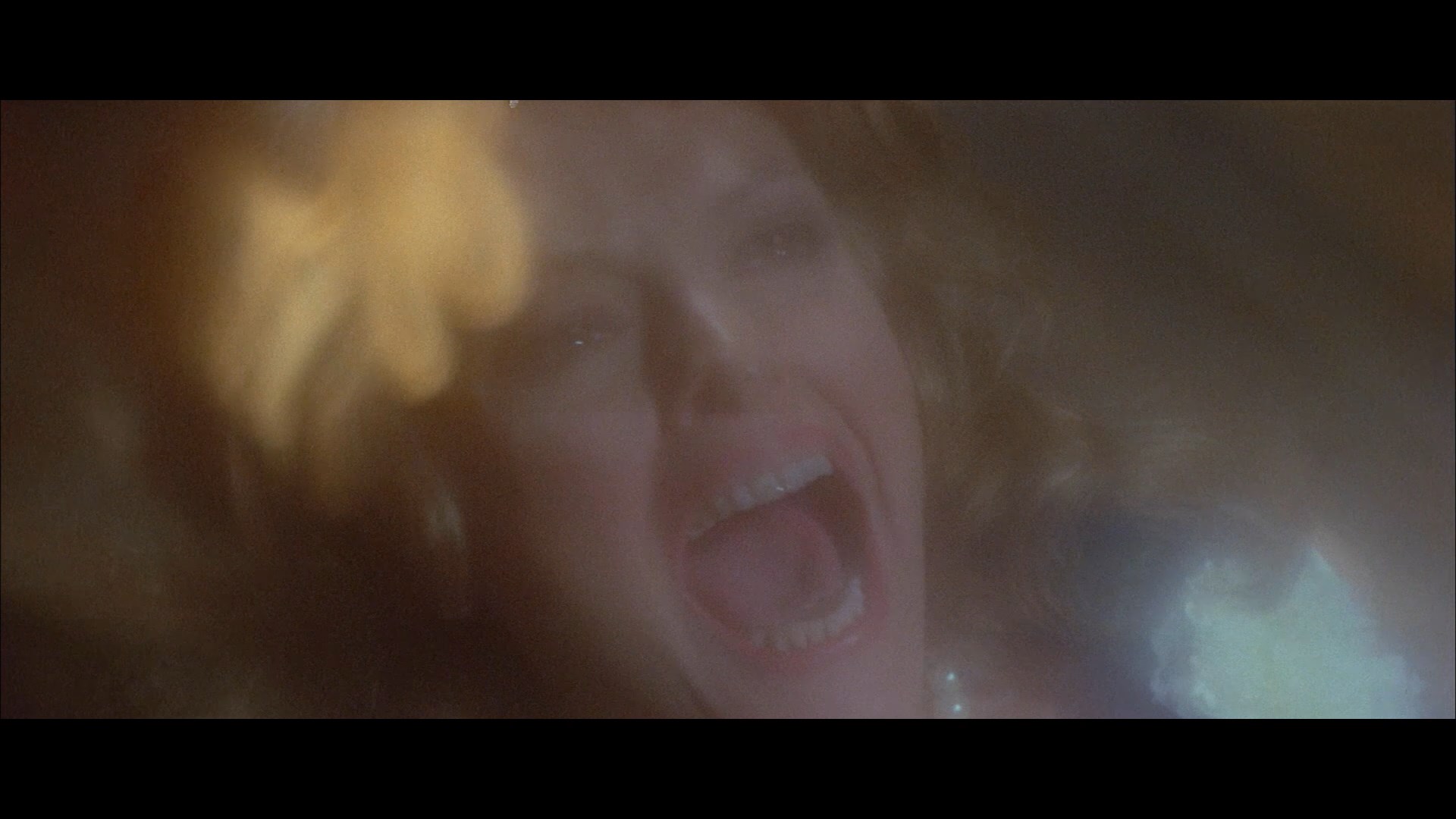 Francesco Crispino about his father including interview subjects like Ortolani. Also included are a 1997 interview with Crispino (7m46s), a 2006 interview with cameraman Erico Menczer (7m30s), a 2004 interview with writer Lucio Battistrada (9m53s), a 2009 one with actor Carlo de Mejo (4m23s), and a 2020 interview with Francesco Crispino (47m12s) via Zoom. Also included are the German and Italian credit sequences (in SD quality), German and English trailers, a 1m31s gallery of German lobby cards, and promos for the label's Seven Golden Men double feature, Der Maulwurf, and Bicycle Thieves. However, an even more lavish option is the 2022 "VHS-Retro-Edition" from German film magazine Deadline, which features the same Pidax disc outfitted in one of their great oversized VHS sleeves and pseudo-VHS snapper boxes a la The Bird with the Crystal Plumage. Limited to 500 units, it also comes with four lobby cards, two foldout posters, and a nice illustrated booklet featuring a German essay by Nando Rohner parsing out the film's giallo and krimi lineage. However, there's also one great additional bonus for krimi buffs: a DVD of German Grusel (58m8s), a 2011 documentary by Oliver Schwehm about the creation and evolution of the Edgar Wallace series in Germany with interview subjects including Joachim Fuchsberger, Karin Dor, Karin Baal, Umberto Lenzi, writer Tim Bergfelder, and Der Wixxer's Oliver Kalkofe chatting fondly about the beloved string of thrillers that dominated the box office from the late '50s to the early '70s. It's in German only but fairly easy to follow if you know the major films, as well as a real treat to see what were the surviving stars at the time looking back at their experiences. Also included on the DVD are a bunch of bonus trailers and a fun 10m1s with legendary composer Peter Thomas chatting about his work while out strolling his little dog.