Color, 1963, 95 mins. 26 secs.
Directed by Riccardo Freda
Starring Barbara Steele, Peter Baldwin, Harriet White Medin, Elio Jotta, Umberto Raho
Severin Films (UHD & Blu-ray) (US R0 4K/HD) / WS (1.85:1) (16:9), Artus (DVD) (France R2 PAL) / WS (1.66:1) (16:9), Retromedia (DVD) (US R1 NTSC) / WS (1.66:1)
Right after finishing 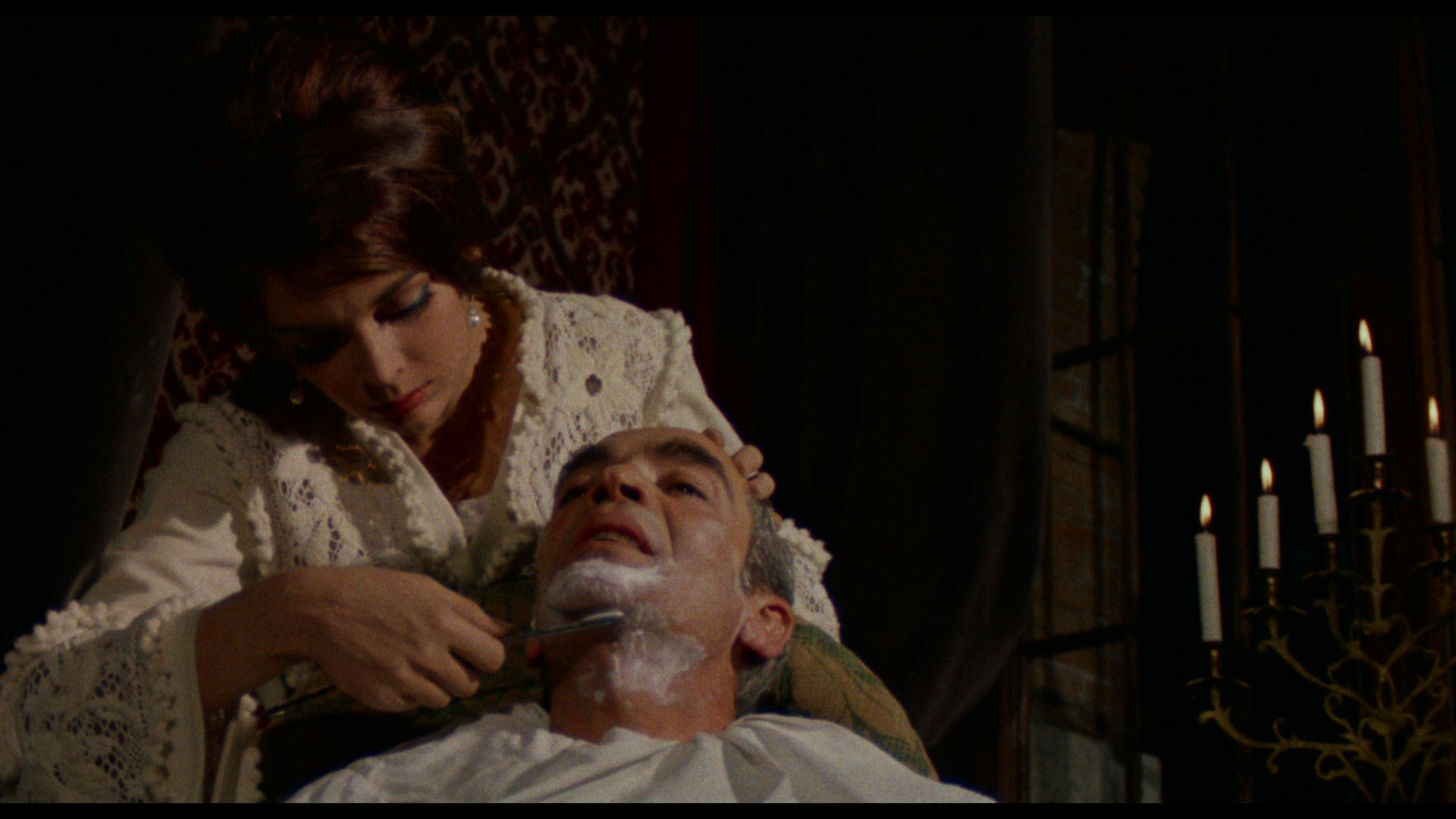 the delirious The Horrible Dr. Hichcock, star Barbara Steele and director
 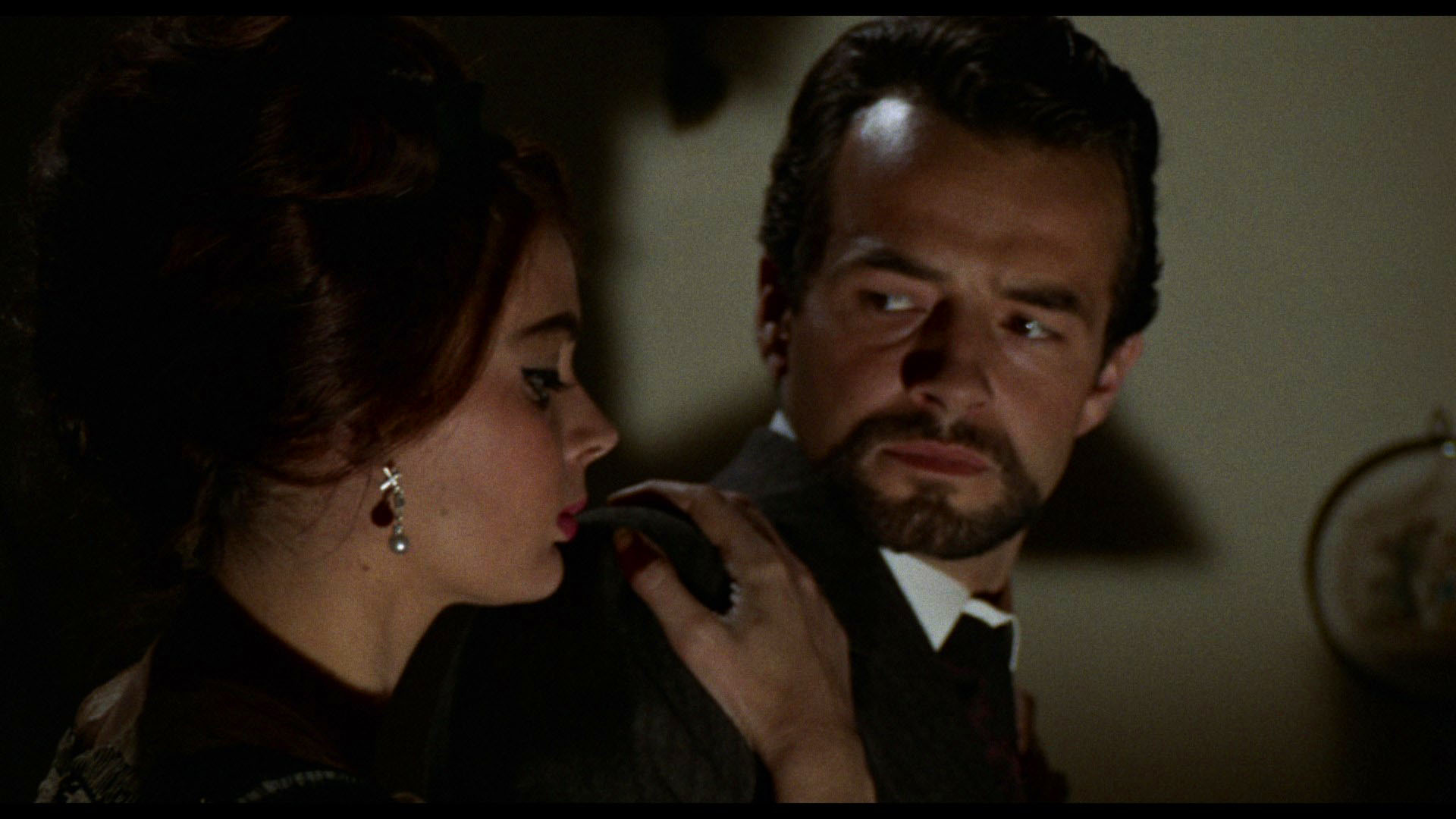 Riccardo Freda teamed up again for a follow-up Gothic chiller often regarded as a sequel due to the repetition of one character's name. Discarding the more perverse overtones of the prior film, The Ghost (Lo spettro) is a tale of infidelity, murder, and possibly supernatural vengeance, all soaked in an intense atmosphere that equals its predecessor.
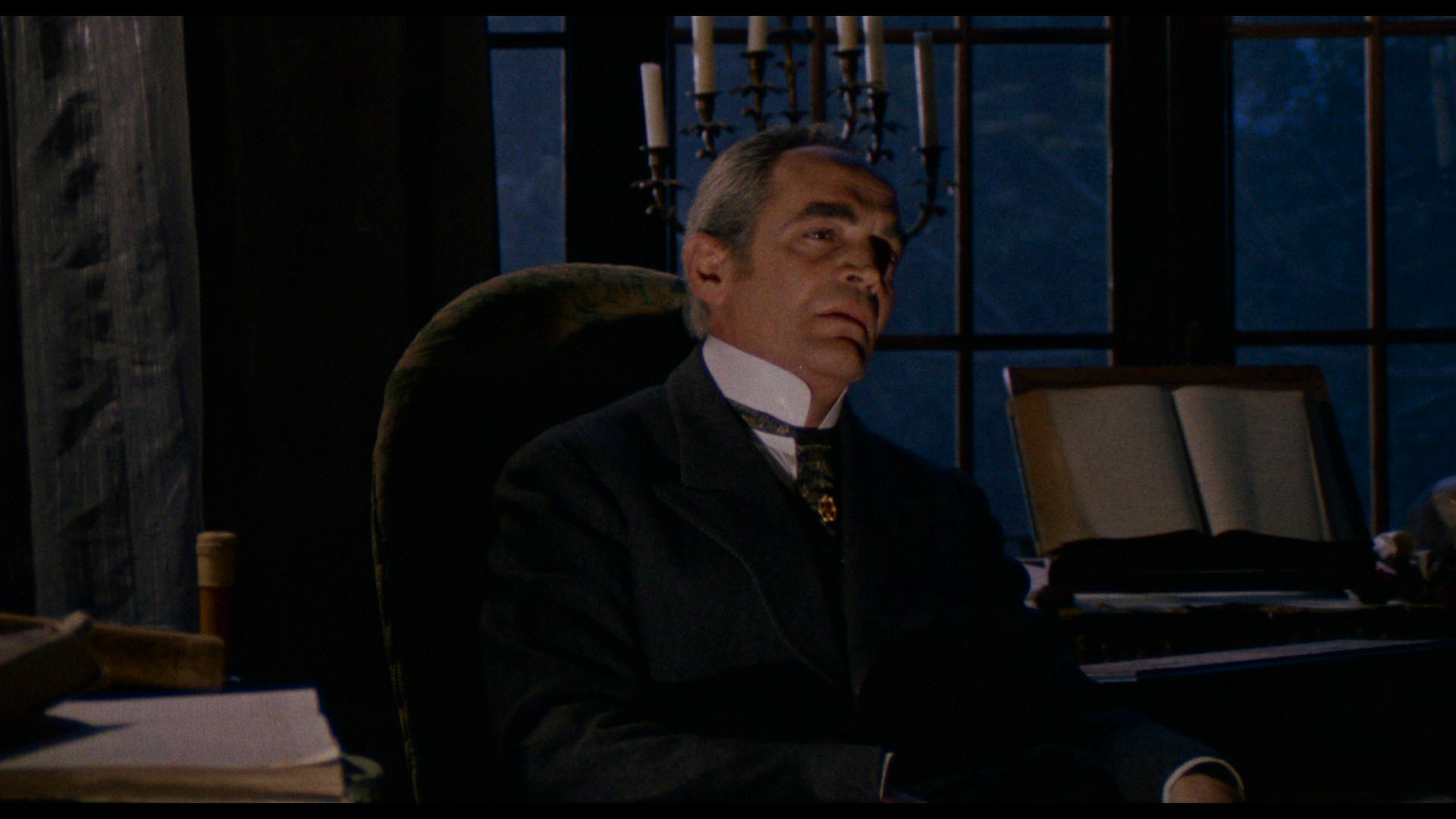
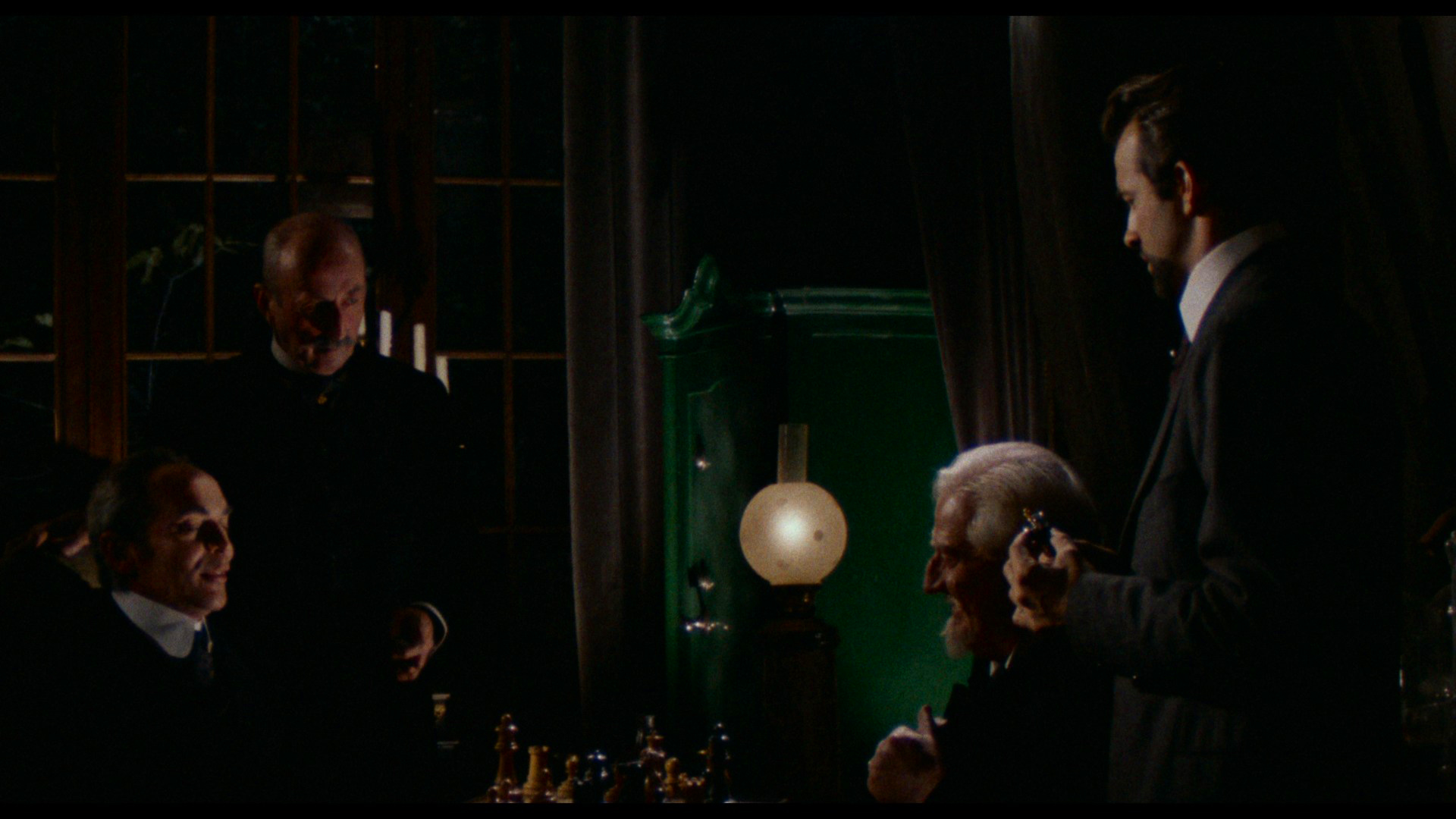
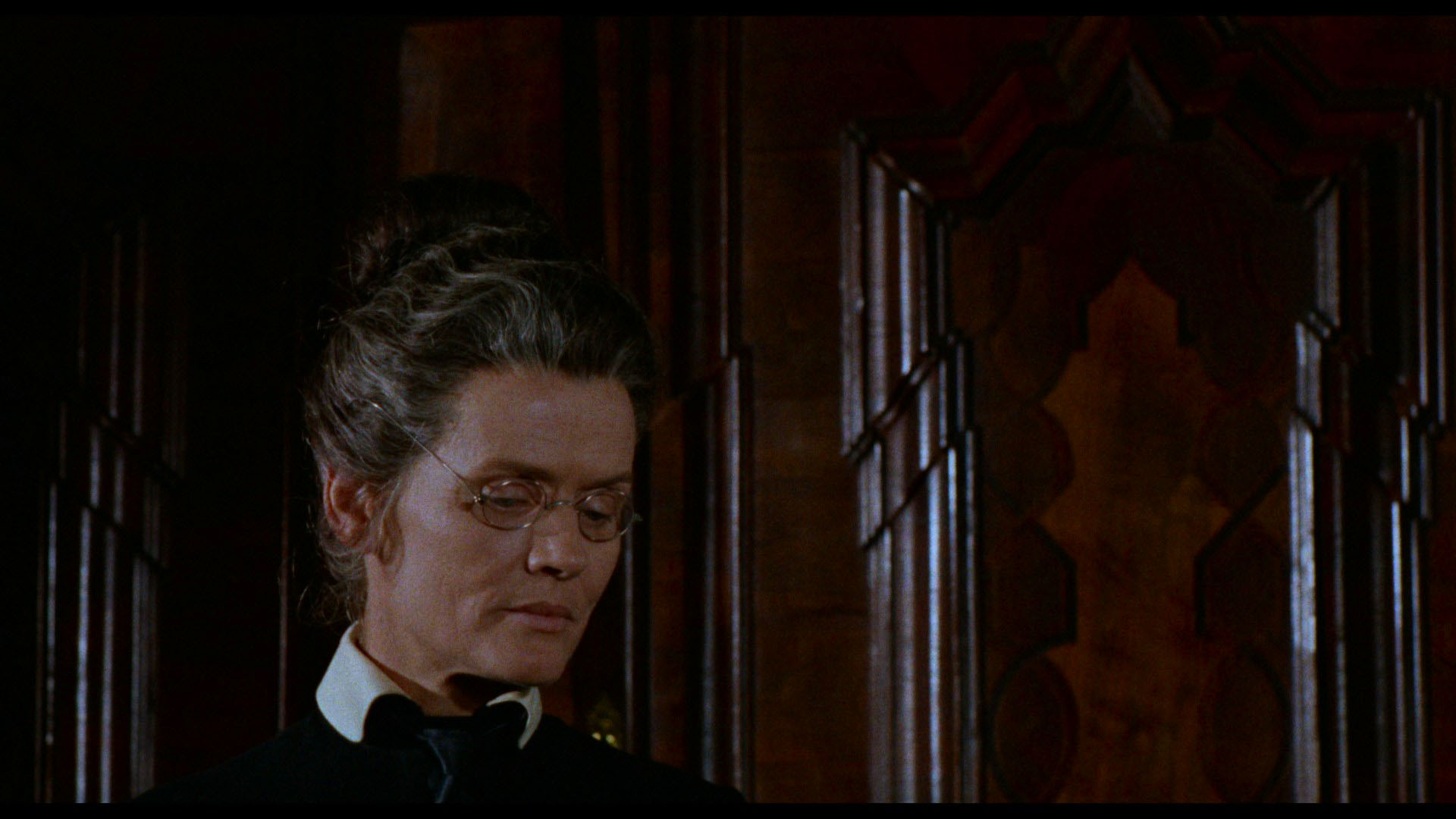
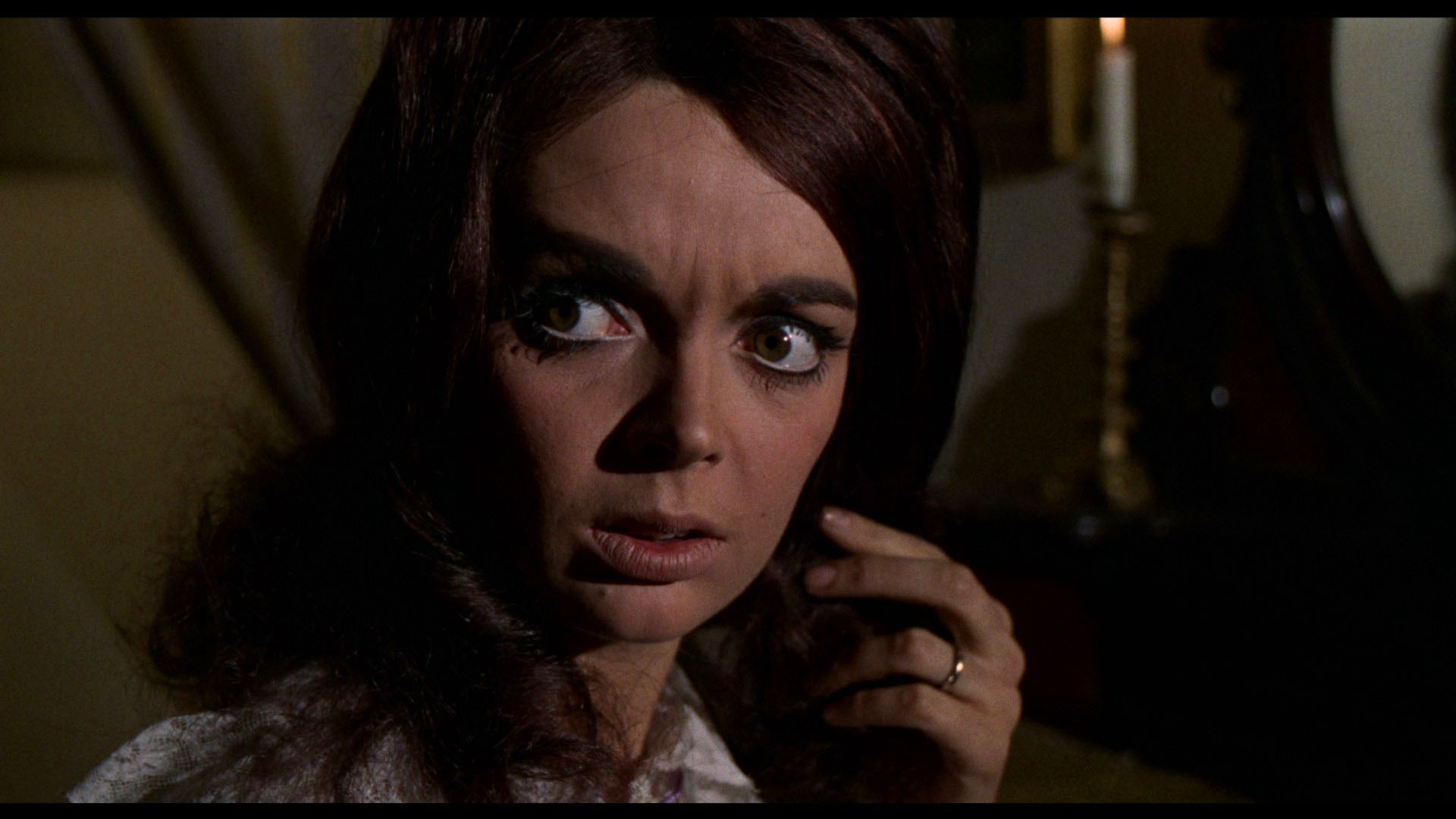
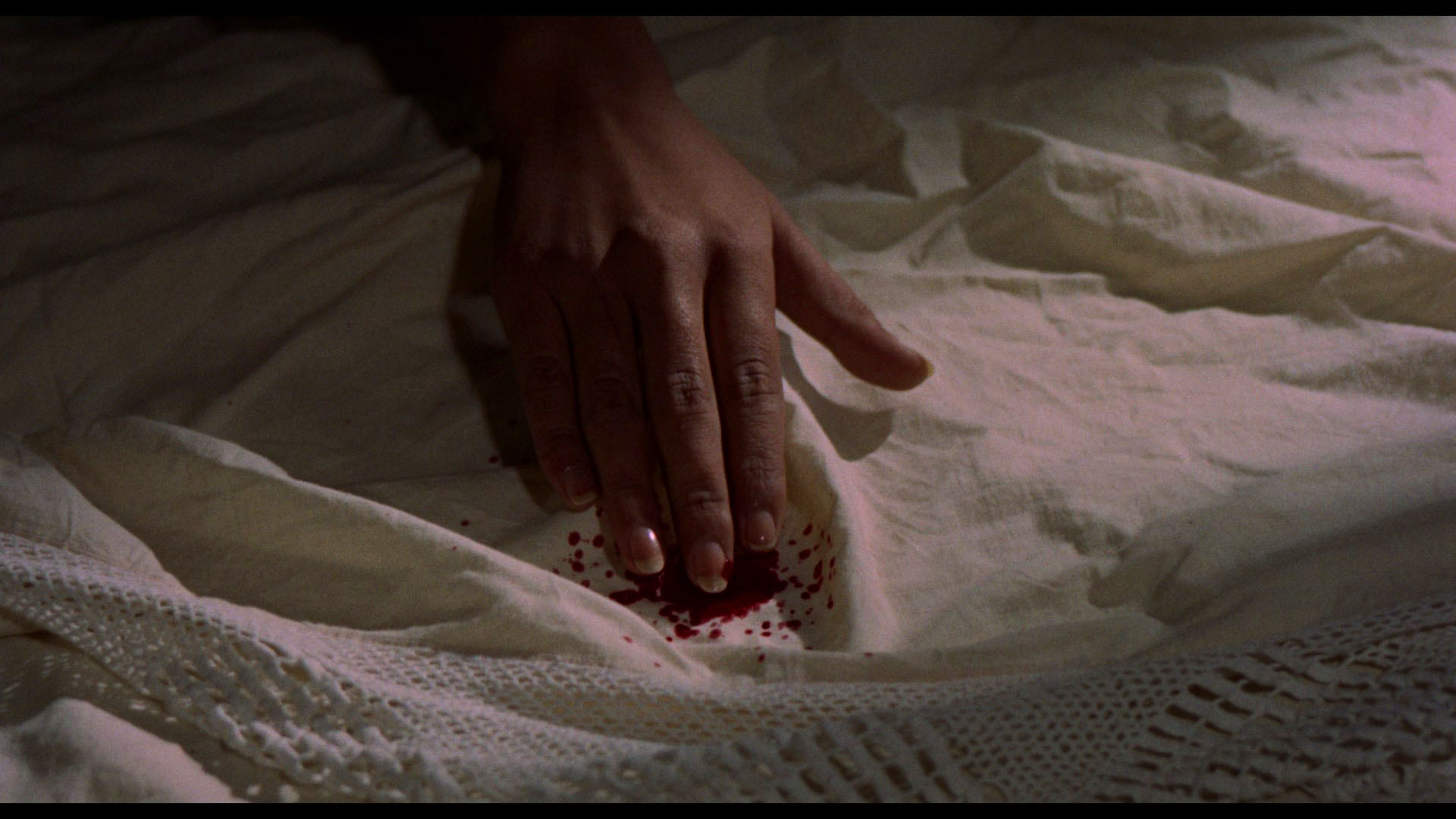
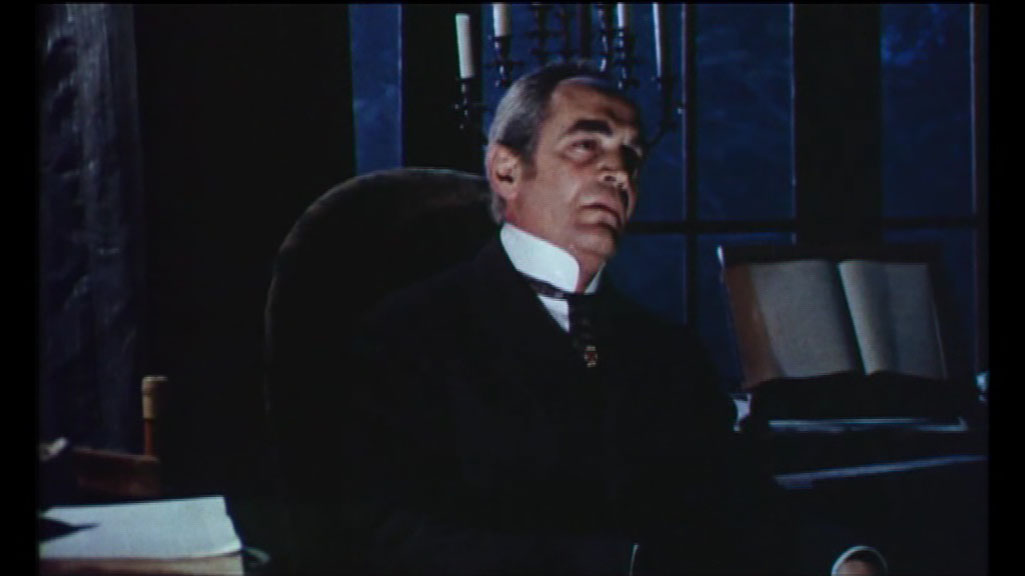
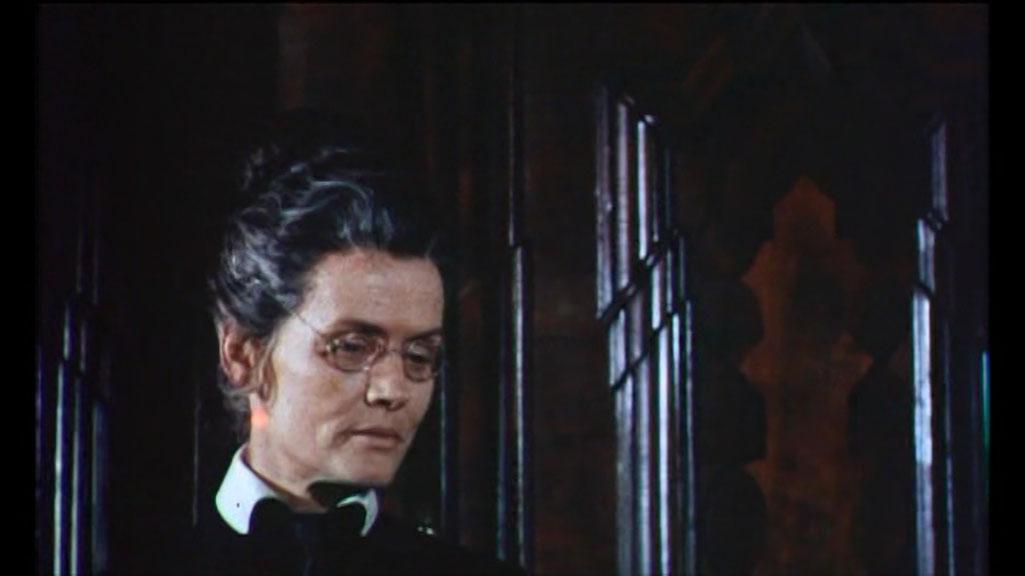
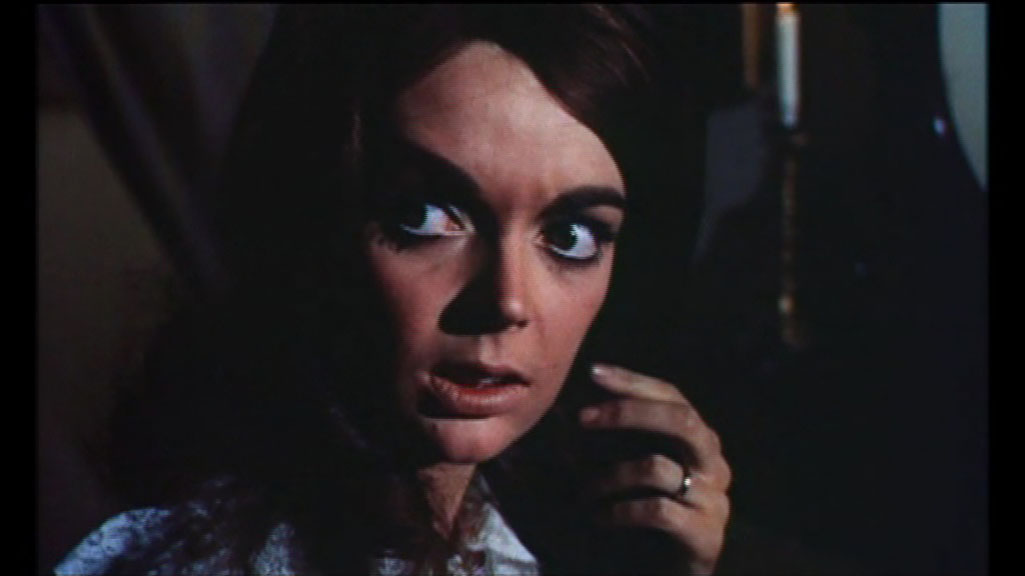
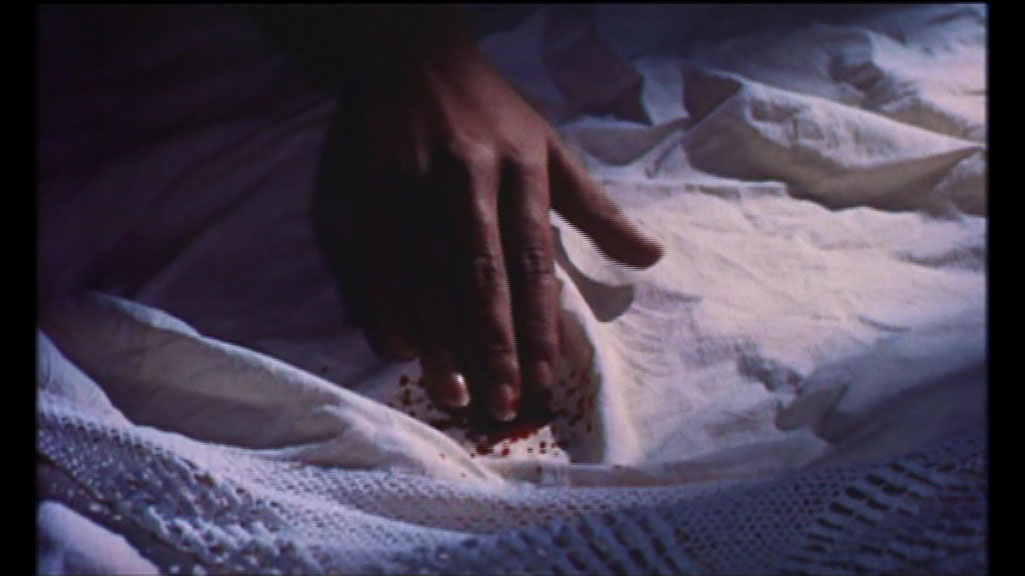
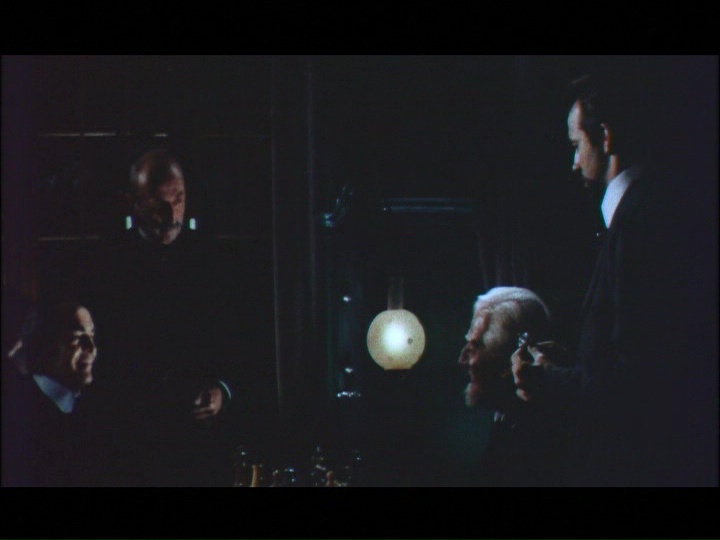
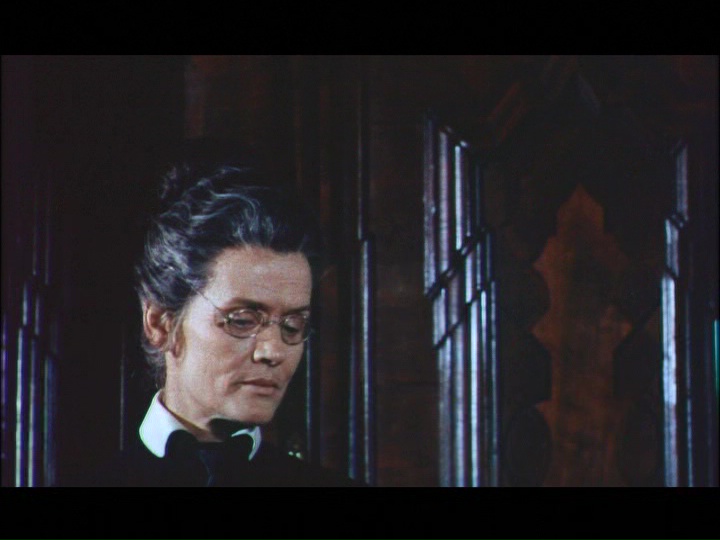
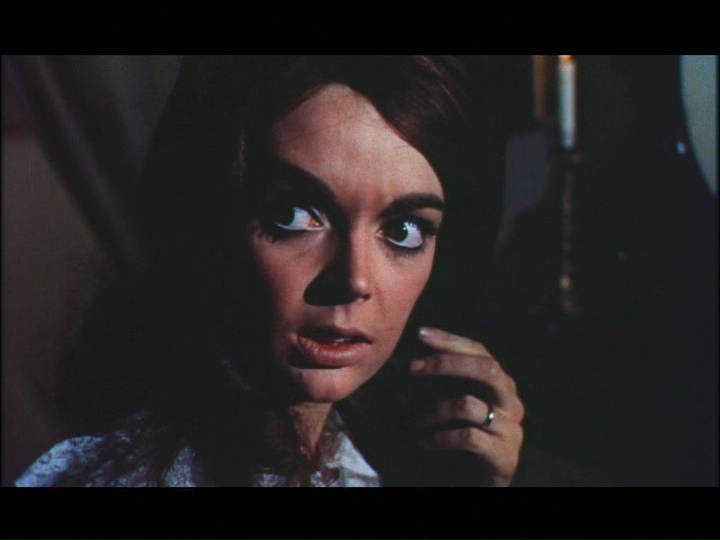
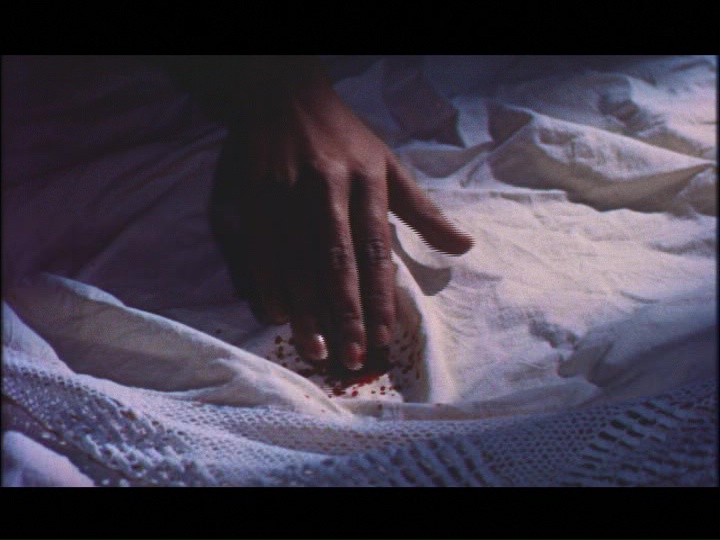
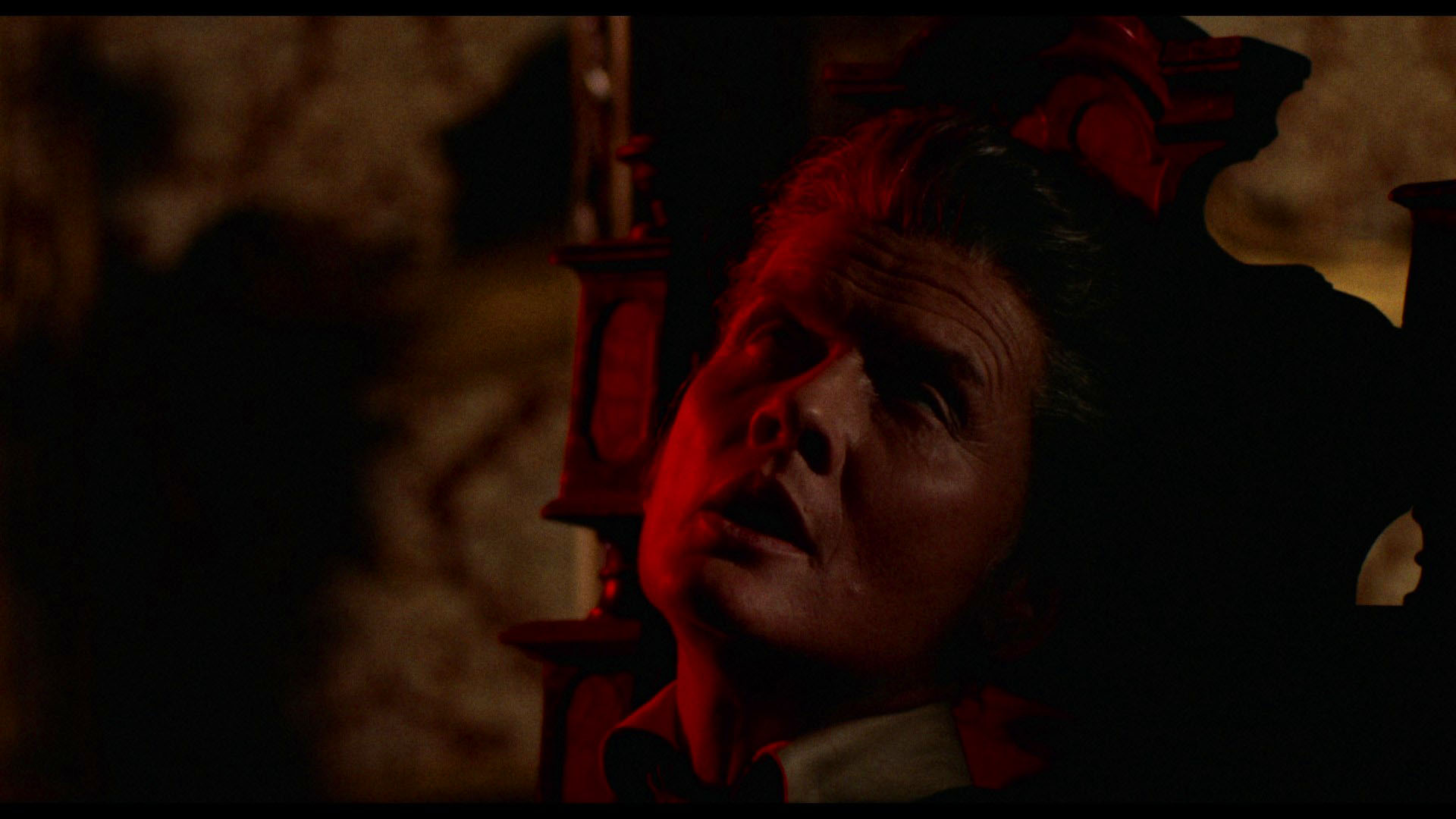
Prone to holding seances on spooky nights, wheelchair-bound Dr. John Hichcock (Killer Cop's Jotta) lives a very tempestuous existence inside his Scottish country estate with his wife, Margaret (Steele), administering to his every need when he isn't being administered to by his private physician, Dr. Charles Livingstone (The Weekend Murders' Baldwin, just before becoming a prolific TV director). Also on hand is his devoted lifelong servant, Catherine (Black Sabbath's Medin), and his priest Canon Owens (The Bird with the Crystal Plumage's Raho) frequently pays visits including those paranormal sessions taking advantage of Catherine's psychic gifts. However, Margaret and Charles are secretly having a torrid affair and are cooking up a plan to get rid of John permanently using his current treatment involving shocking his system with poison and antidote injections. When Charles goes through with the plan and the John seemingly dies, the aftermath proves to be a nightmare for the scheming couple when the valuables from his will are missing from his safe and the dead man's ghost tormenting them at night. Is there really a malicious haunting in the house, or is there more going on than meets the eye?
Twisty and beautifully shot, The Ghost is easily one of the finest achievements by Freda and Steele with the latter really getting a meaty evil role probably inspired by her classic turn in 1961's The Pit and the Pendulum. Adding to the fun is a gorgeous score by a young (and uncredited at the time) Francesco De Masi, which was luckily sold off for library music use which meant the stereo 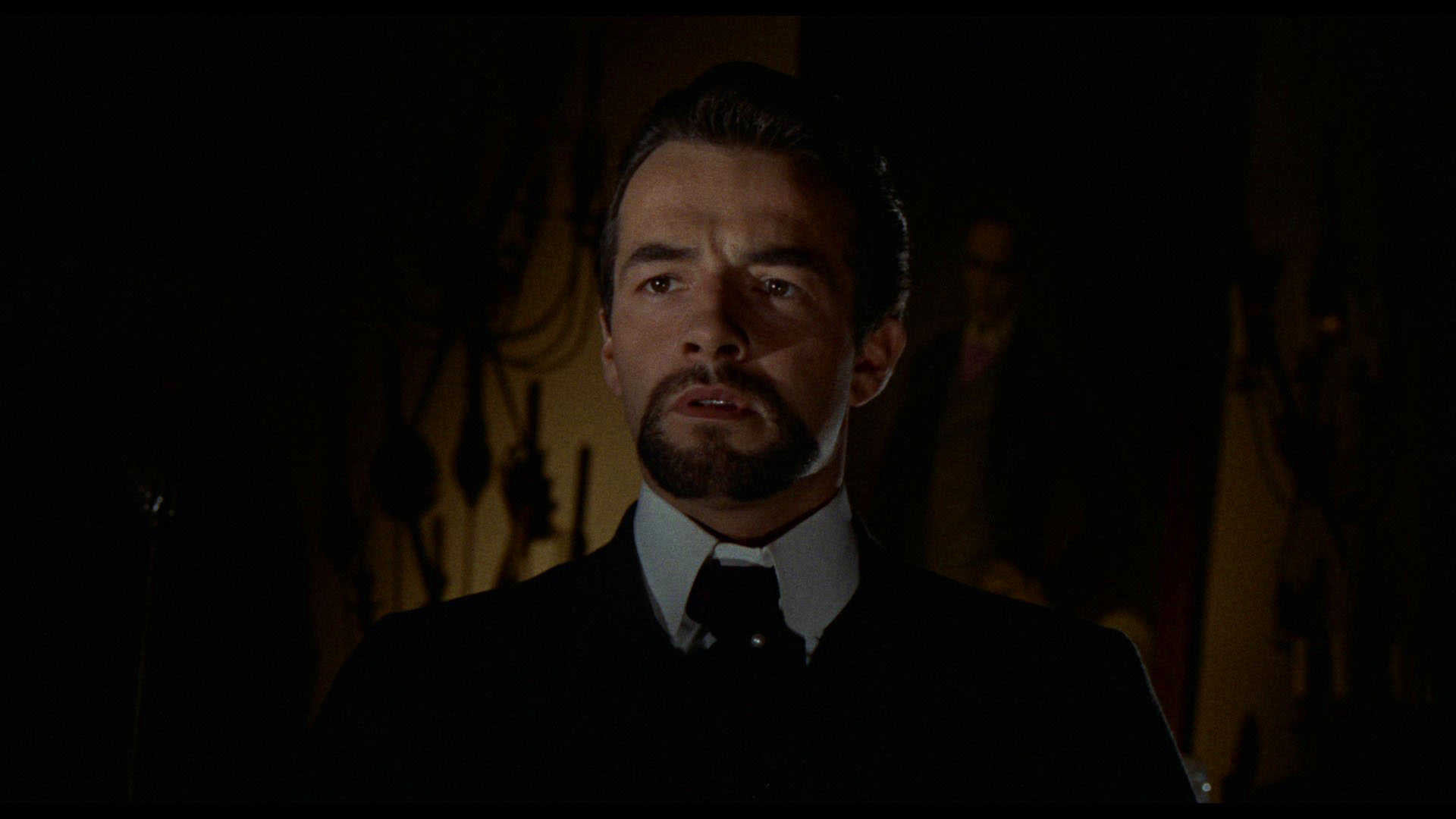 masters for most of it were kept in good condition. A lot of the suspense
  music got reused in later films, so don't be surprised if you feel sonic deja vu more than once if this is a first-time viewing. The seven-track score representing most of the music was released in 2008 on CD paired up with the composer's work for The Murder Clinic, but more on that below.
Released theatrically in the U.S. in 1965 by Manga Pictures, The Ghost was shot primarily in English with its principals dubbed in post-production; as usual for this run of films, Steele's real voice is nowhere to be found. The film was uncut, but annoyingly the American distributor moved the pre-credit seance scene after the main titles which, as with a similar move on Plague of the Zombies, destroyed continuity and made the opening incomprehensible. The film was largely ignored after that until genre publications rediscovered the Italian Gothic film wave in the 1980s, with a VHS from Sinister Cinema from a nice 35mm print earning it a new generation of fans. The first retail DVD of the film came in 2004 from Retromedia (who presumed the film was public domain, which it isn't), flat letterboxed at 1.66:1 and running 94m57s paired up with the English dub of another Magna import, Dead Eyes of London. The transfer looked extremely weak, but at least this version moved the pre-credit sequence back where it belonged. Other bargain PD DVDs popped up on occasion including a really awful one from Alpha Video. Clocking in at PAL speed at 90m49s, the 2010 French DVD from Artus (as Le spectre du Professeur 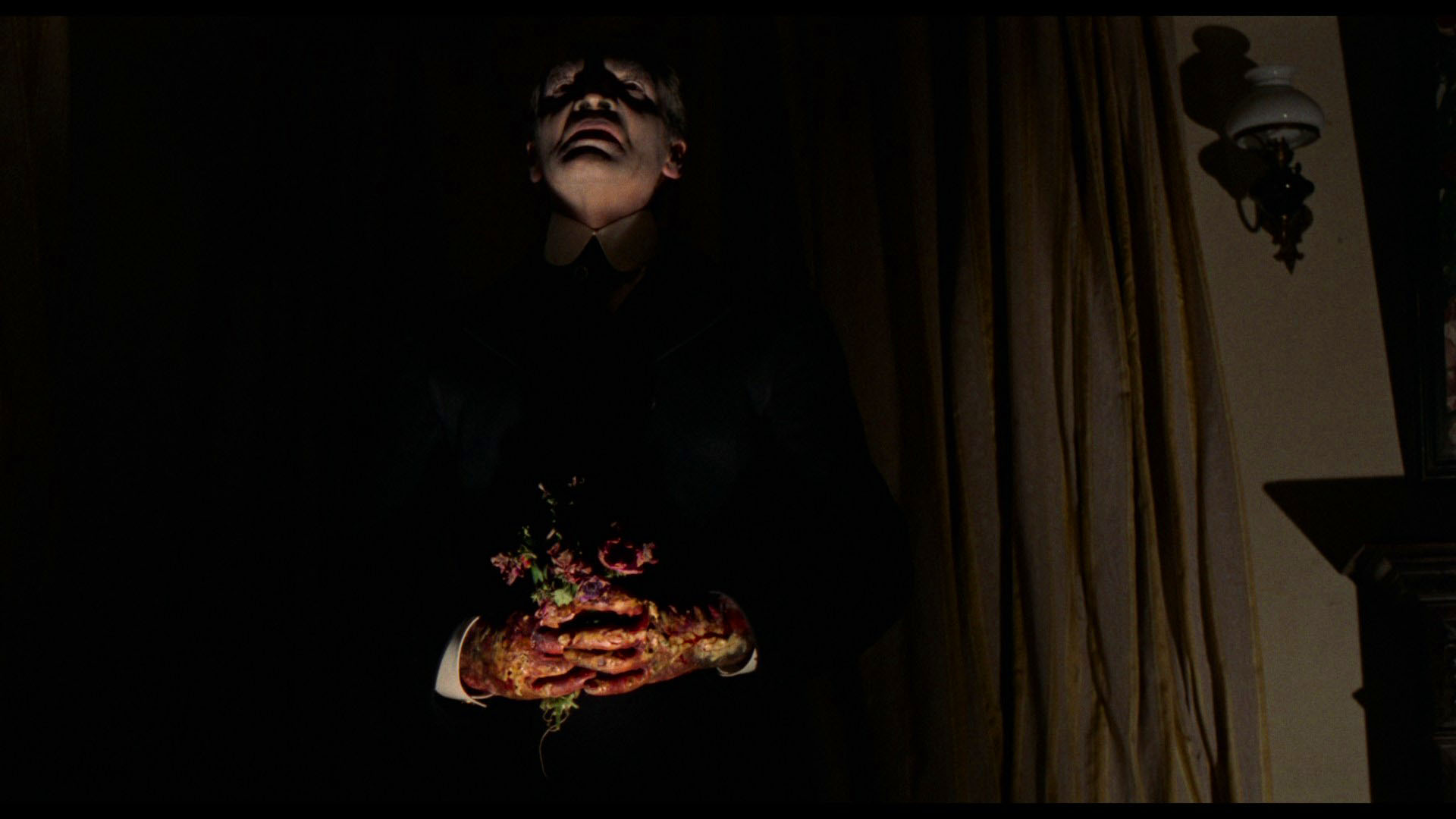 Hichcock) is a rarity from that label in that it features the English track for once (with or without French subtitles) plus the French track. Anamorphic and framed at 1.66:1, it was obviously a blow-up from the Retromedia source and no better in terms of quality apart from darkening
 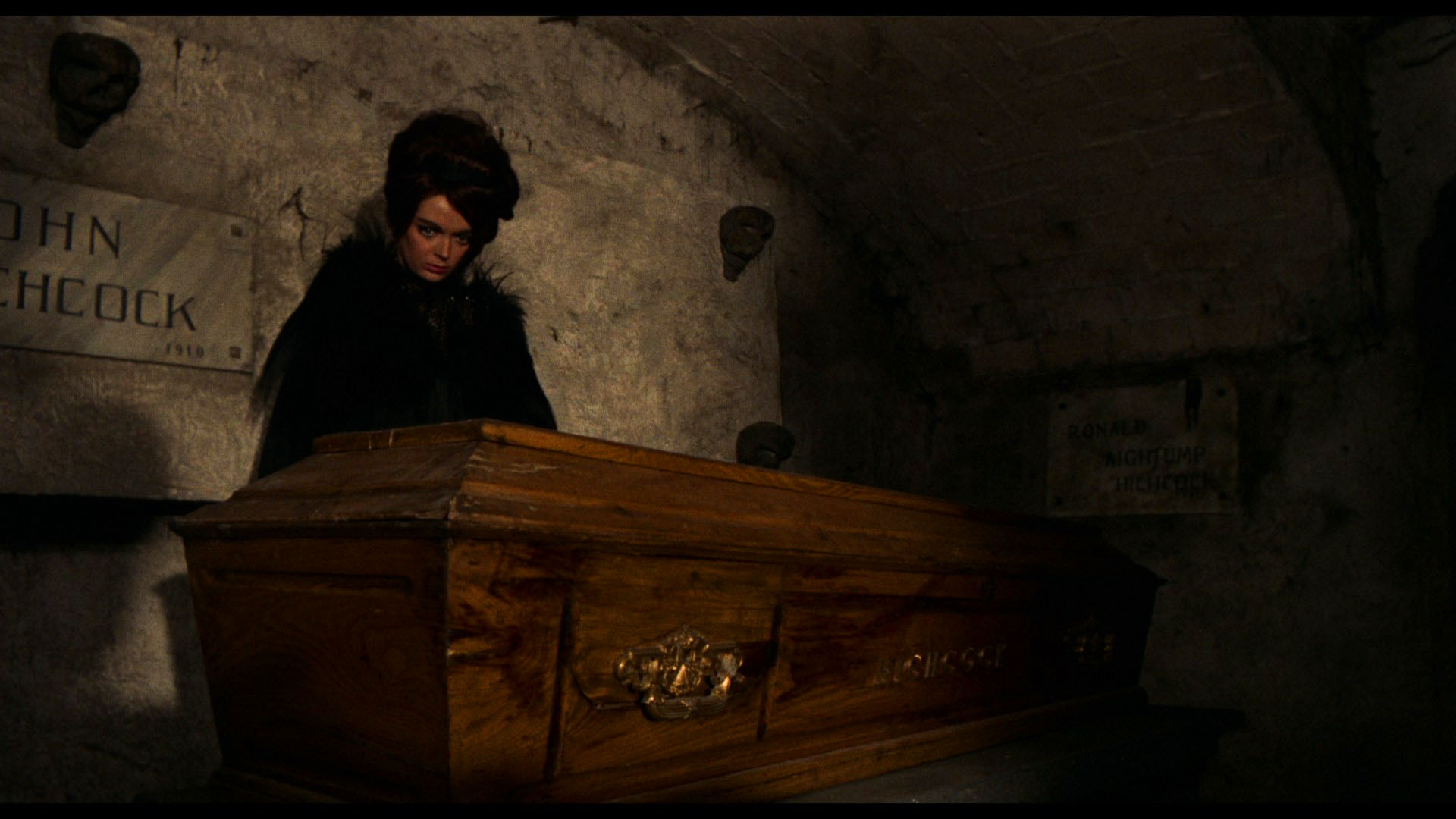 down the blacks a bit.
After that it was a long, long wait for a decent version of the film to finally materialize, but all of that paid off in 2025 when a full-scale 4K restoration was undertaken by Severin Films from the rediscovered camera negative working with August Color and Minerva Pictures with a few damaged shots pulled from a 35mm print from the Academy Film Archives' Jon Davison Collection. (That print has also screened in L.A. a handful of times and looks great, so the matching here is extremely good.) That transfer debuted as a Black Friday 2025 release with a general retail option in February of 2026 (as a UHD and Blu-ray combo or a standalone Blu-ray), while the limited edition direct order option is a four-disc set including a Musica de Masi CD featuring all seven extant tracks from this film plus seven tracks each from Rapina al quartiere Ovest, Crime Boss, and The Big Game. Needless to say this completely annihilates any version of the film out there before, properly framed at 1.85:1 with far more vertical information than any past transfer. Detail increases tremendously, the intense bursts of colorful lighting (including some wild red and blue highlights) are startling here, and the dark scenes now have a sense of depth and texture. The English and Italian DTS-HD MA 2.0 mono tracks both sound excellent and make for fascinating comparisons, with English SDH or English-translated subtitles provided. The English one matches the lip movements more closely, but as usual the Italian mix is more layered with an attentive focus on sound effects and vocal delivery that feels classier. Take your pick. A new audio commentary by Kat Ellinger (recorded at a very low volume so be careful with your volume control) covers the merits of the Italian Gothic, its impact on the home video market, her work with Severin's Danza Macabra line, her defense of Italian genre films, Gothic cinema in general including Hammer, Catholicism in British versus Italian Gothic, Gaslight, and how the giallo serves as a different successor 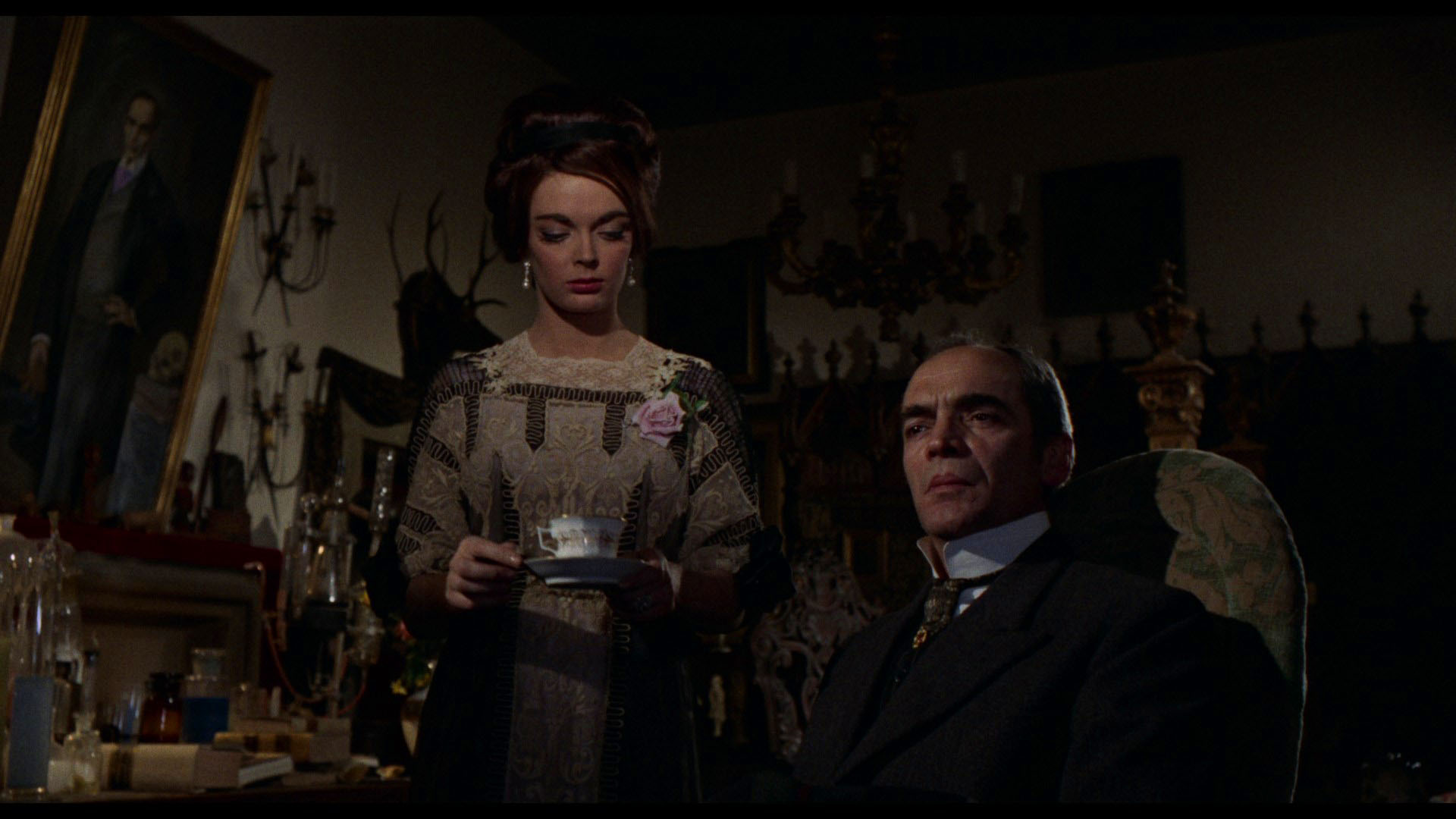 of sorts. A fourth audio option is an audio interview with Steele in conversation with an uncredited Parisian interviewer about her experiences in Europe, her career during the '60s, and her other genre work with filmmakers like Joe Dante. Finally a fifth audio track is the full 1986 two-part interview with
 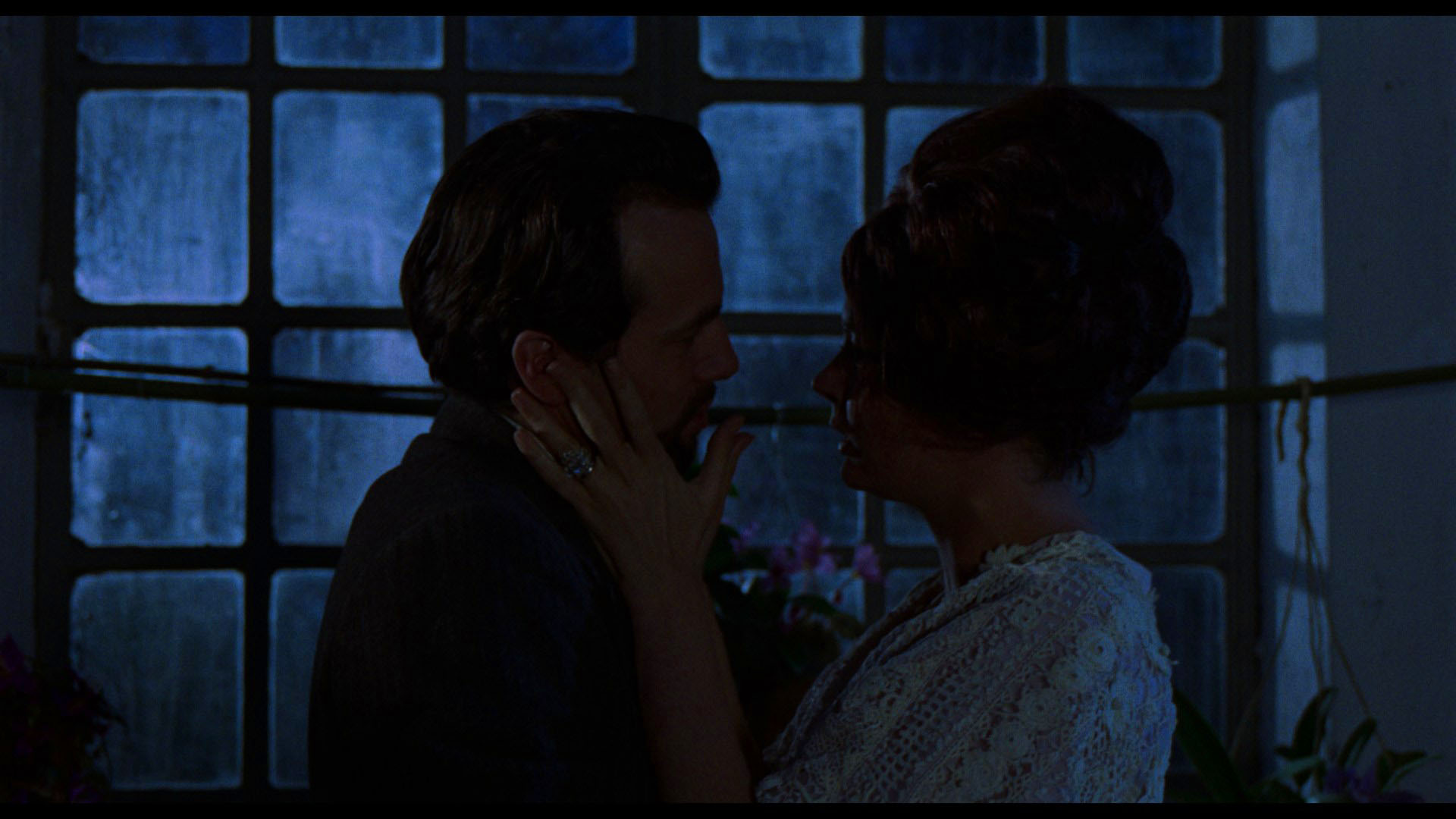 Medin conducted by Tim Lucas which became the basis for a landmark work in his Video Watchdog and research material for his Mario Bava book, starting with memories of Bava and going through her entire remarkable career in Italy and America.
The video extras kick off with Steele's presentation of the film at the Venice Film Festival and Paris' L'Étrange Festival in 2025 (16m58s) with Severin's David Gregory discussing her Italian horror heyday. In "Till Death Returns" (22m27s), Roberto Curti delivers a thorough overview of how the film originated as a bona fide sequel, Oreste Biancoli's role in the creation of the script, the twelve-day production at the end of 1962, the positive effect the two Steele films had on Freda's very up-and-down career, a narrative tie to Jean-Paul Sartre, the significance of those recurring skulls, and differences from the original script including a tweaked ending and a shift in location from Switzerland to Scotland. In "Wounds of Deceit" (11m22s), Alexandra Heller-Nicholas presents a video essay about the Gothic tradition, spiritualism, class, and gender. In "Give Up the Ghost" (28m41s), Tim Lucas studies the visual language of the film including literary Gothic inspirations, the relationship to the preceding Hichcock film and its fraught marriage, the kinship with Ernesto Gastaldi and Diabolique, and spiritualist connections to Arthur Conan Doyle. Also included are the U.S. trailer (in a nice new film scan) and the Italian trailer with subtitles. The limited edition also comes with a third Blu-ray featuring Executioners, Masks, Secrets: Italian Horror of the 1960s, Steve Della Casa's 80m36s documentary from 2019 looking at this remarkably rich and influential period in European horror history with interviewees including Dario Argento, Pupi Avati, Steele, and Bertrand Tavernier among others exploring how the genre was nourished by a number of influences and distribution opportunities. Plenty of clips are included as well including Blood and Black Lace (which gets a ton of coverage), Bloody Pit of Horror, Terror in the Crypt, Death Laid an Egg, Hichcock, Web of the Spider, and An Angel for Satan.
Reviewed on January 24, 2026