 notorious arthouse outrage isn't for everyone would be an understatement, and even over half a century later, this bodily
  fluid-drenched satire of politics and sexuality is truly like nothing else out there. Yugoslav filmmaker Dušan Makavejev had exploded on the international scene with his button-pushing 1971 festival hit W.R.: Mysteries of the Organism (which got him banned from his home country), but he was just getting started when he made Sweet Movie, a film so shocking he couldn't make another one for years. Even after that he had to behave a bit with more palatable but worthwhile titles like The Coca-Cola Kid, but after being consigned to oblivion for a few years, Sweet Movie eventually built up word of mouth on the bootleg video scene, earned an official VHS release from Facets at the end of the '80s, and went on to become one of the most extreme releases from The Criterion Collection next to titles like Pink Flamingos and Salò, or the 120 Days of Sodom.
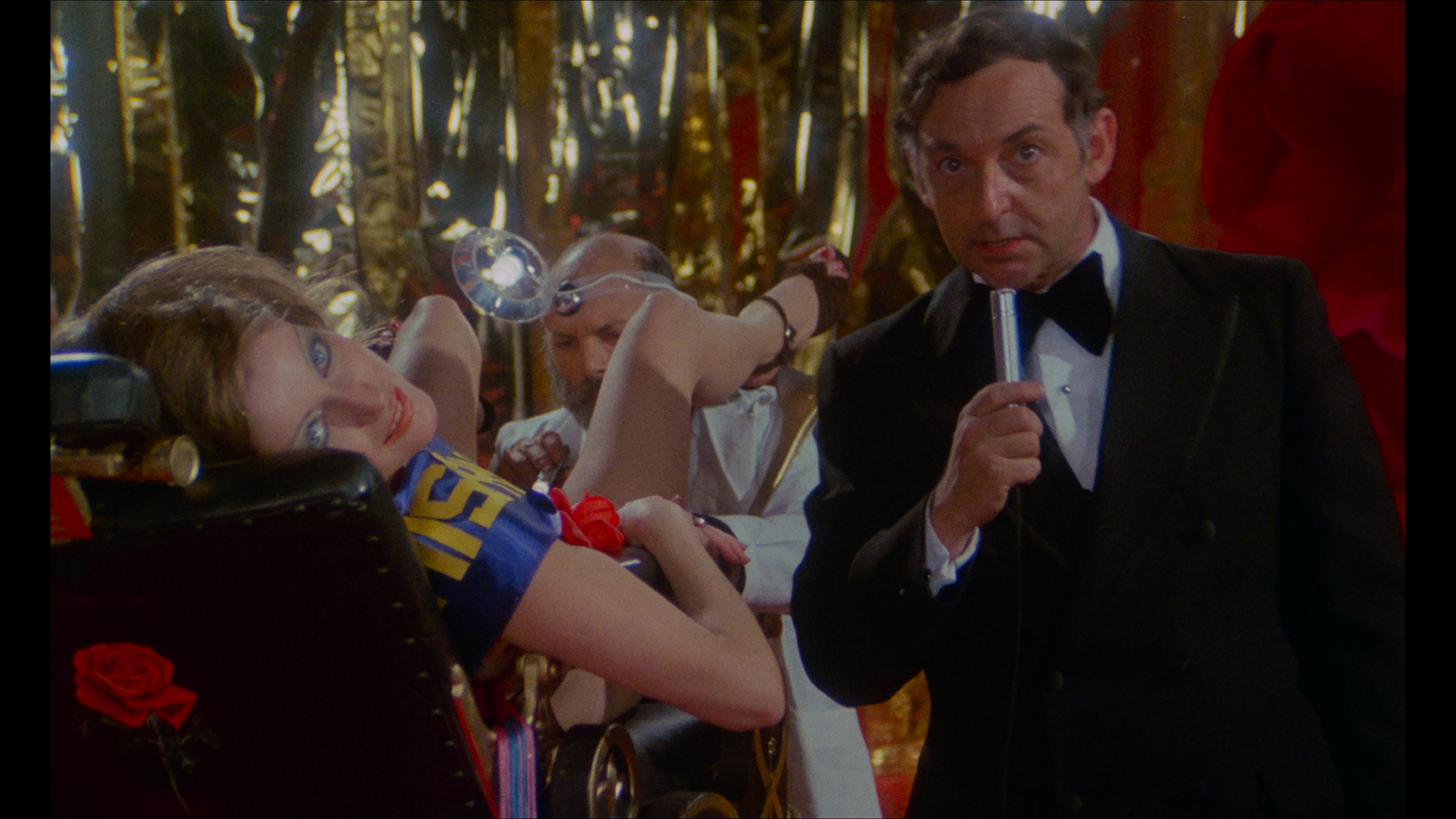
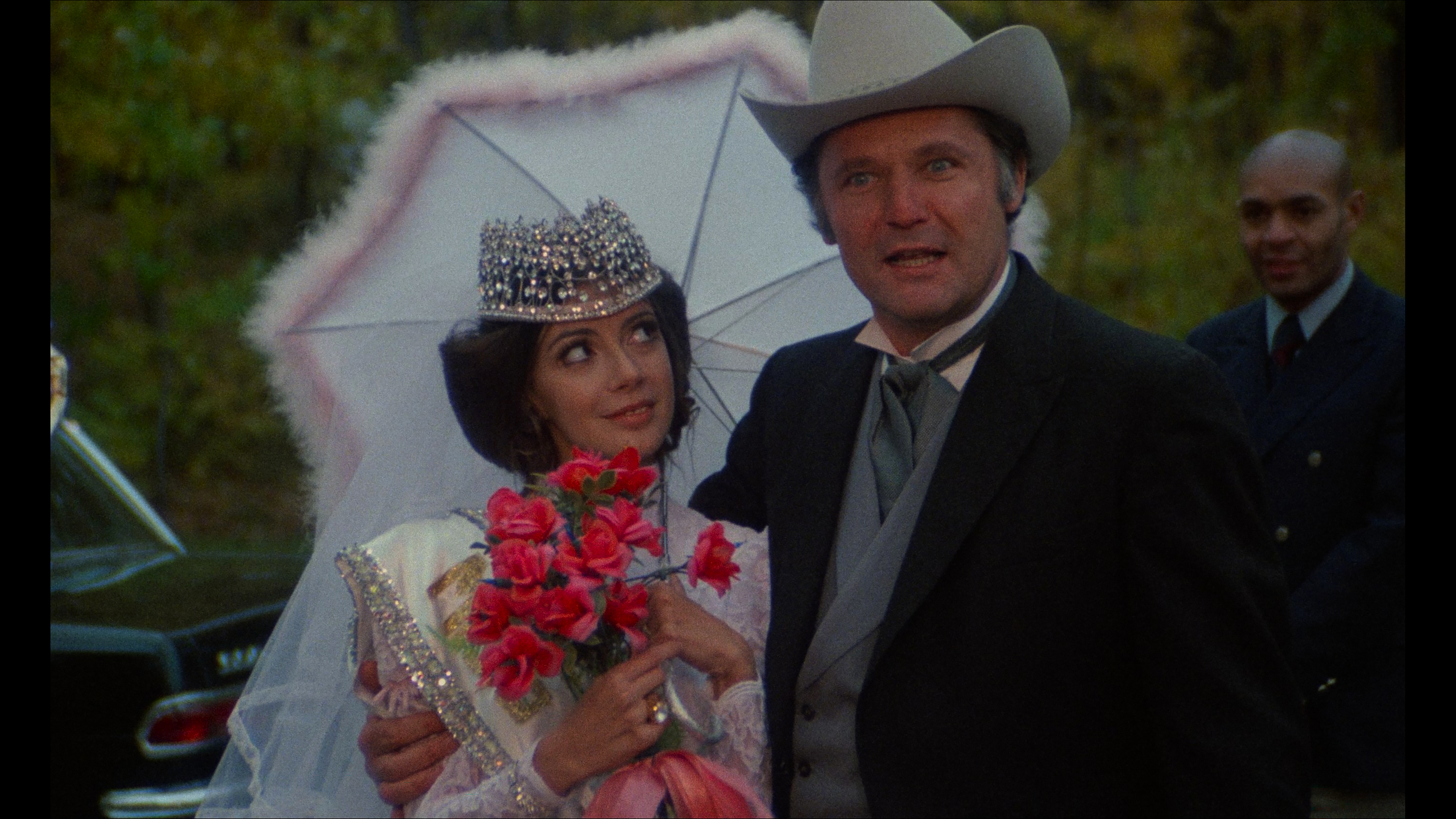
  The winner is Miss Canada (Laure), whose prize is becoming the bride of Aristotlese and his vast
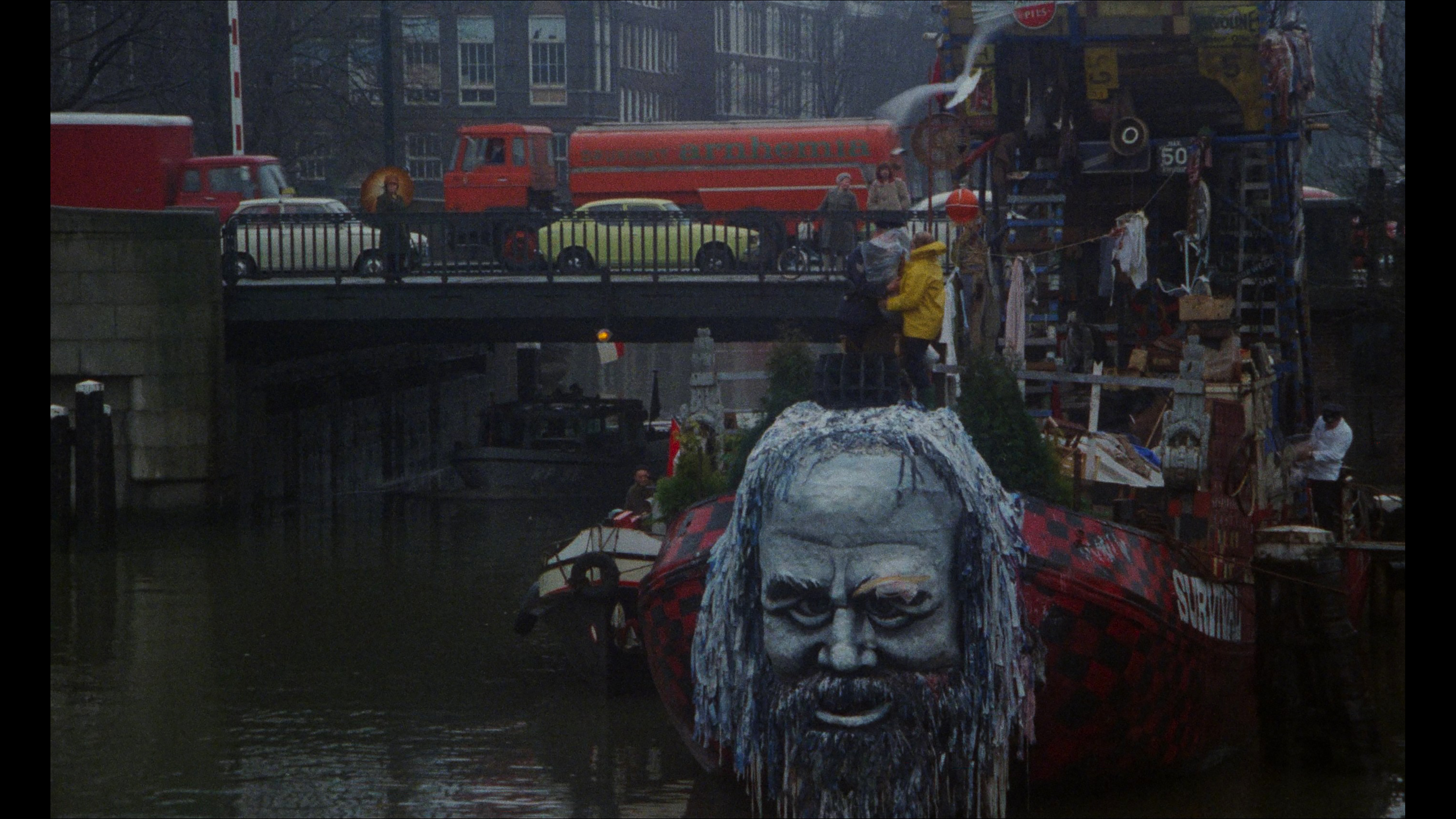
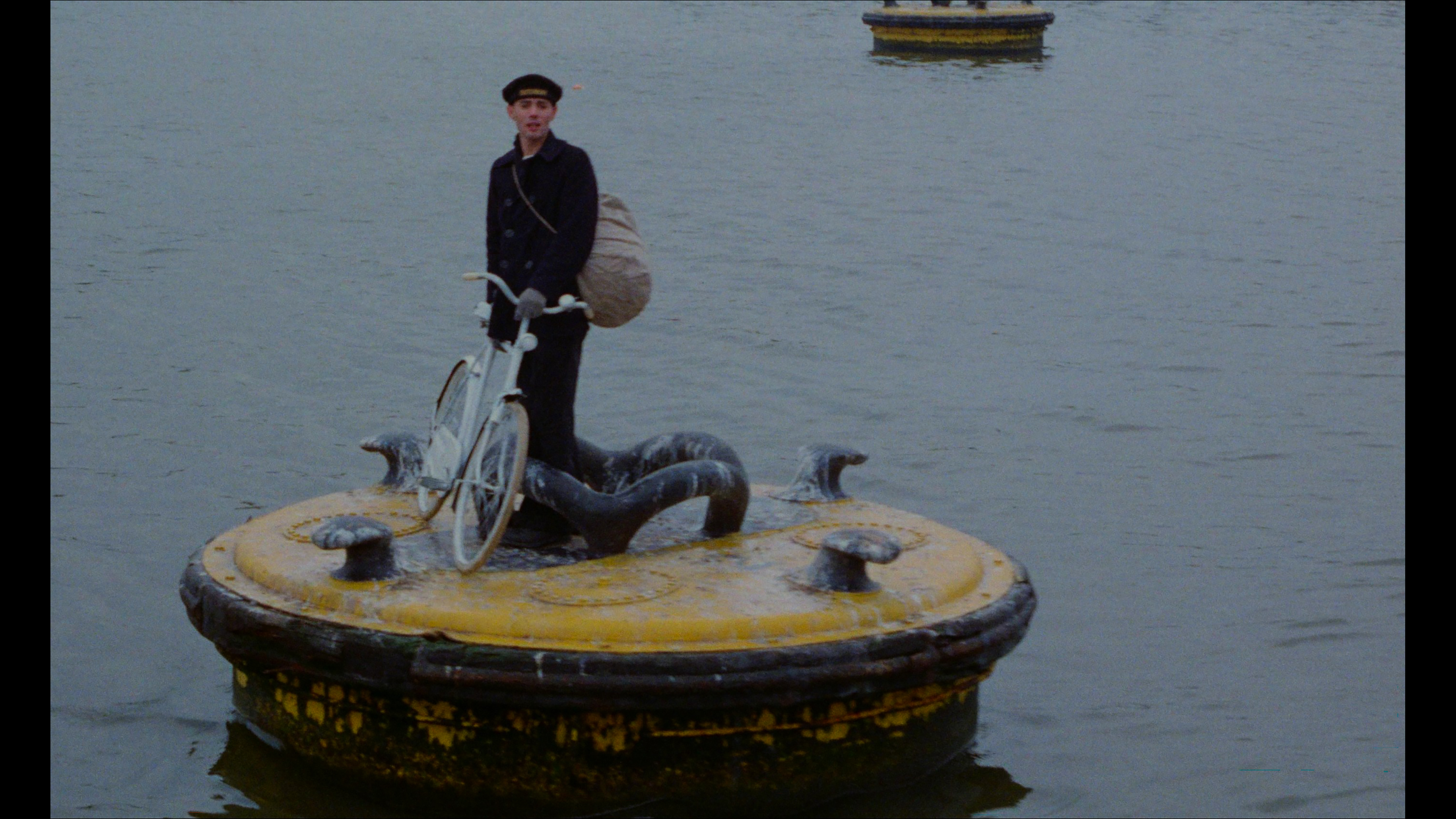
 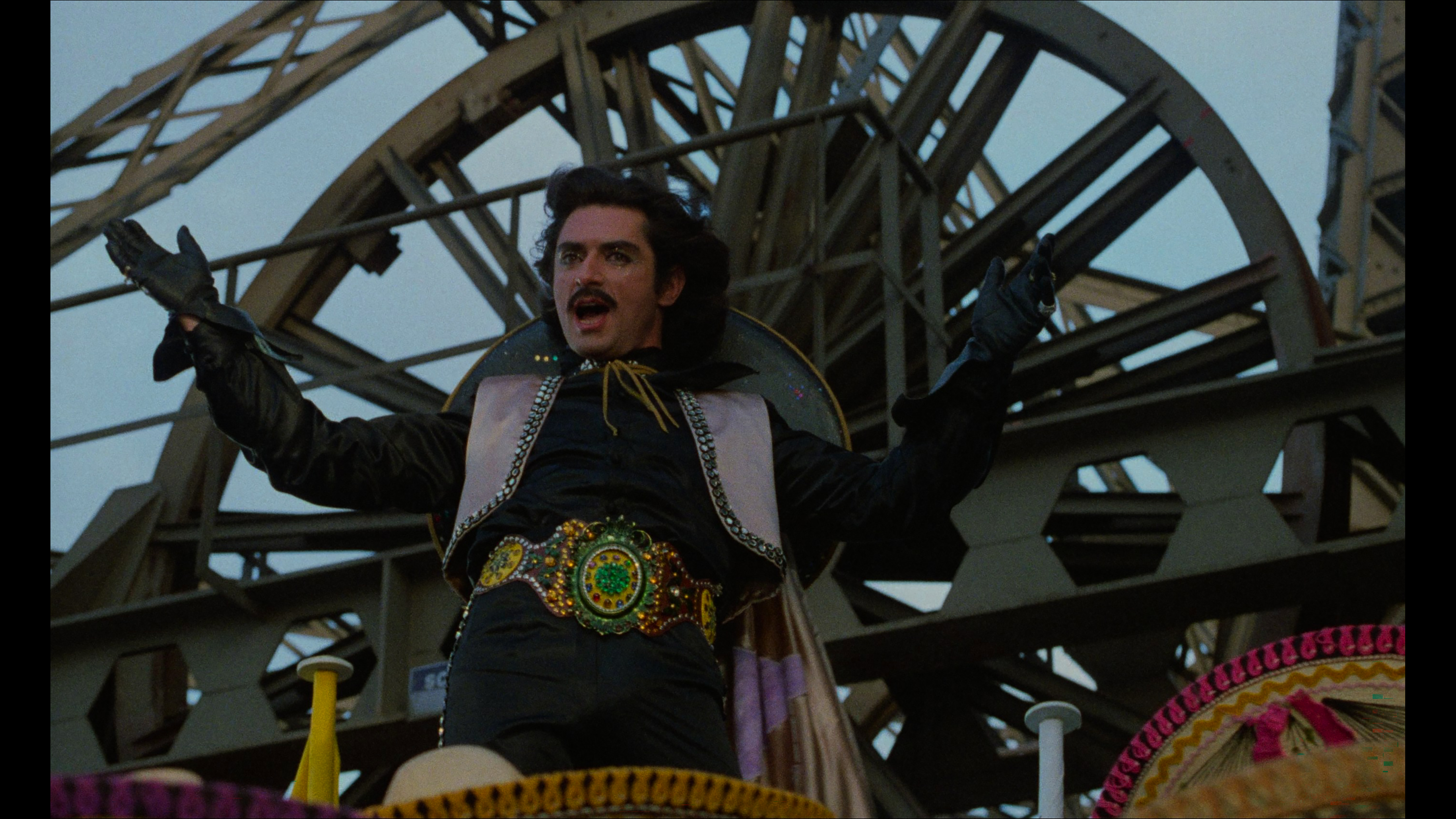 fortune. However, the wedding night takes a traumatic gold-painted turn that sends our new Miss World fleeing to Paris packed in a suitcase thanks to the Aplanalp's bodyguard (Canadian bodybuilder Callender); there she has a physically challenging sexual encounter with flamboyant singer El Macho (Frey), spends time in the wildly indulgent commune of the notorious Otto Muehl, and participates in the world's raunchiest chocolate commercial. Meanwhile in a parallel storyline added when Laure bolted from the production, serial killer Anna Planeta (Prucnal) pilots a sugar-loaded boat with a giant Karl Marx masthead around Holland and picks up a mouse-loving sailor (Clémenti) with whom she begins an ultimately violent affair.
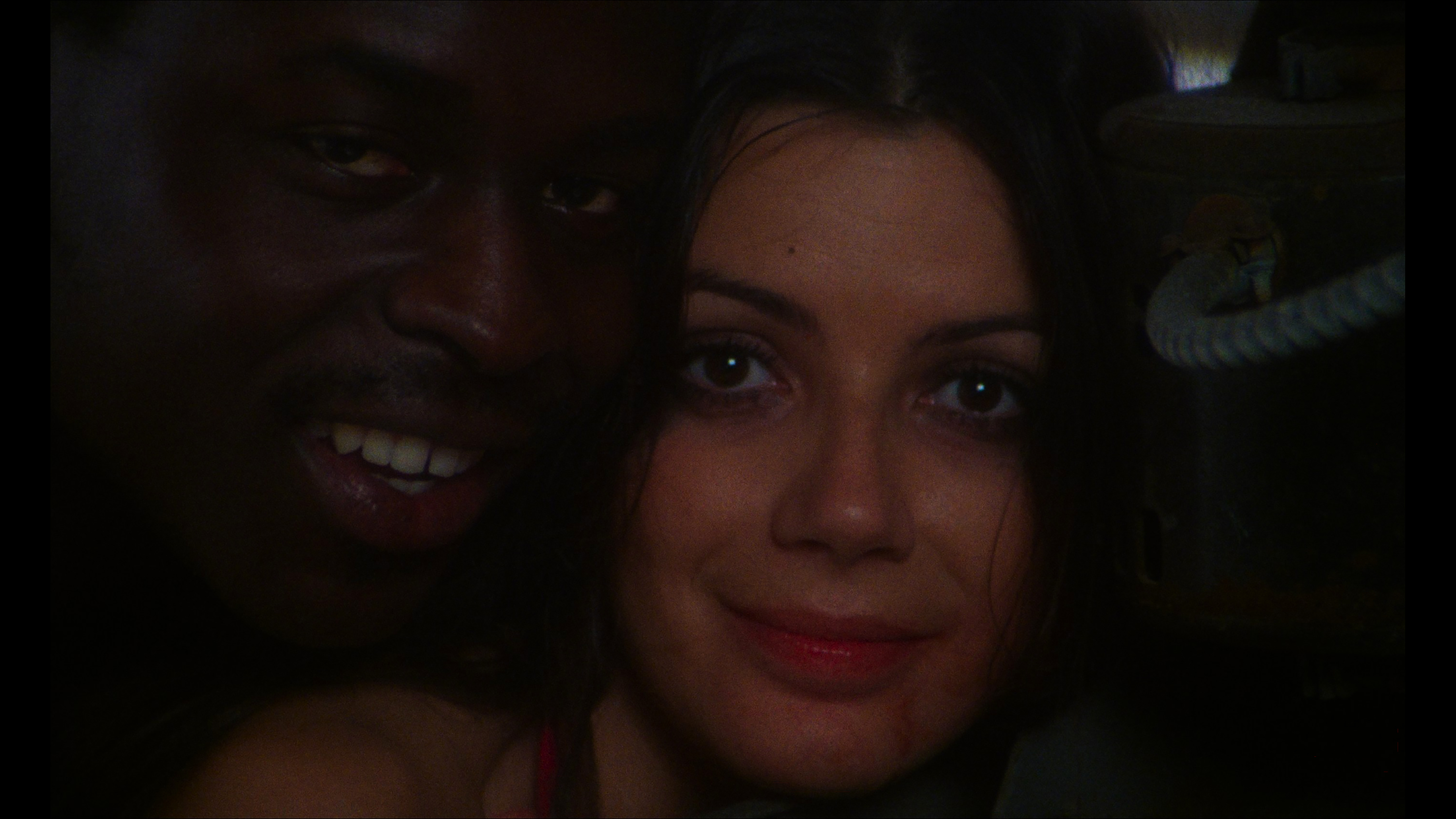 Poland where Prucnal was essentially banned for
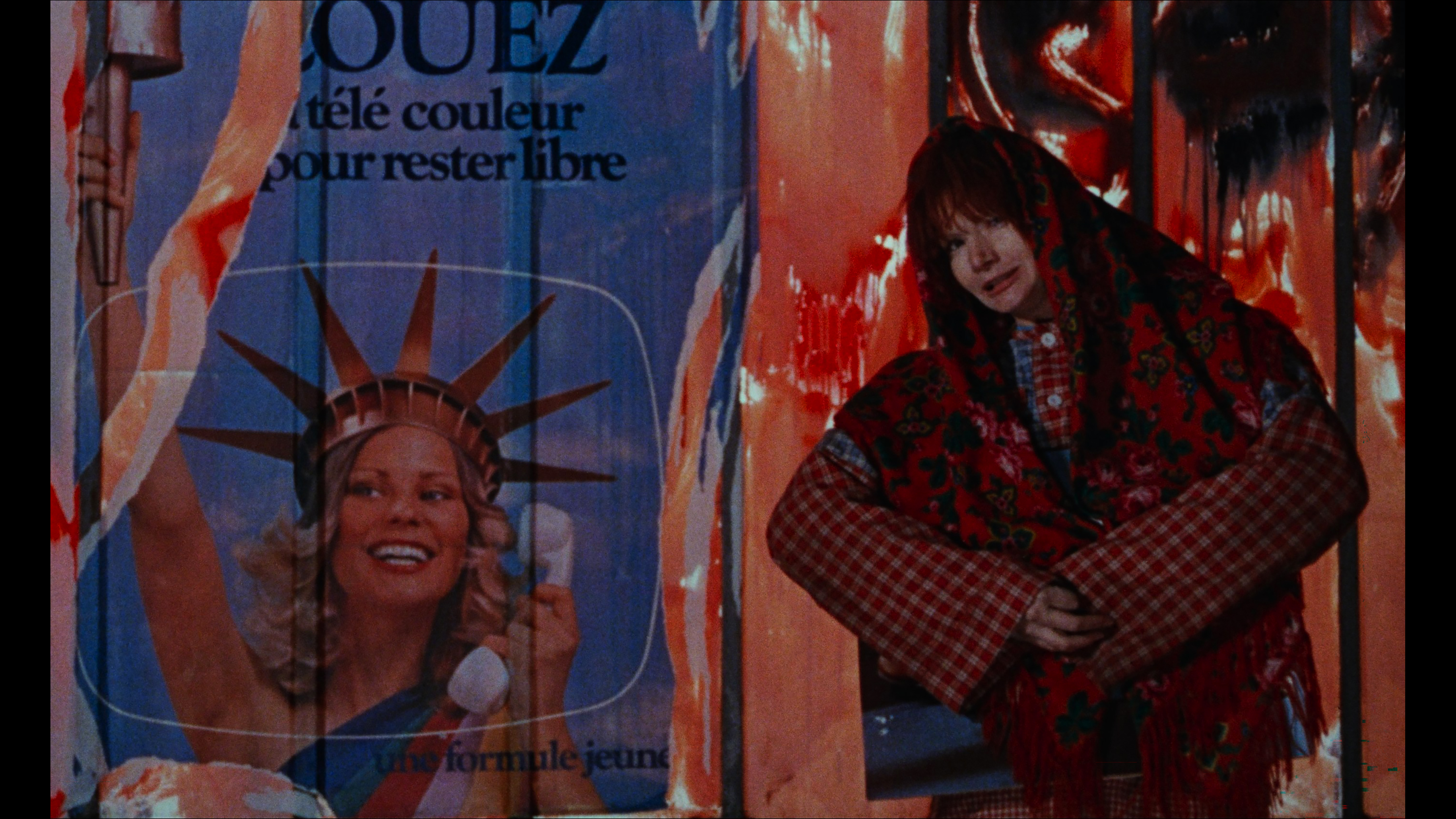
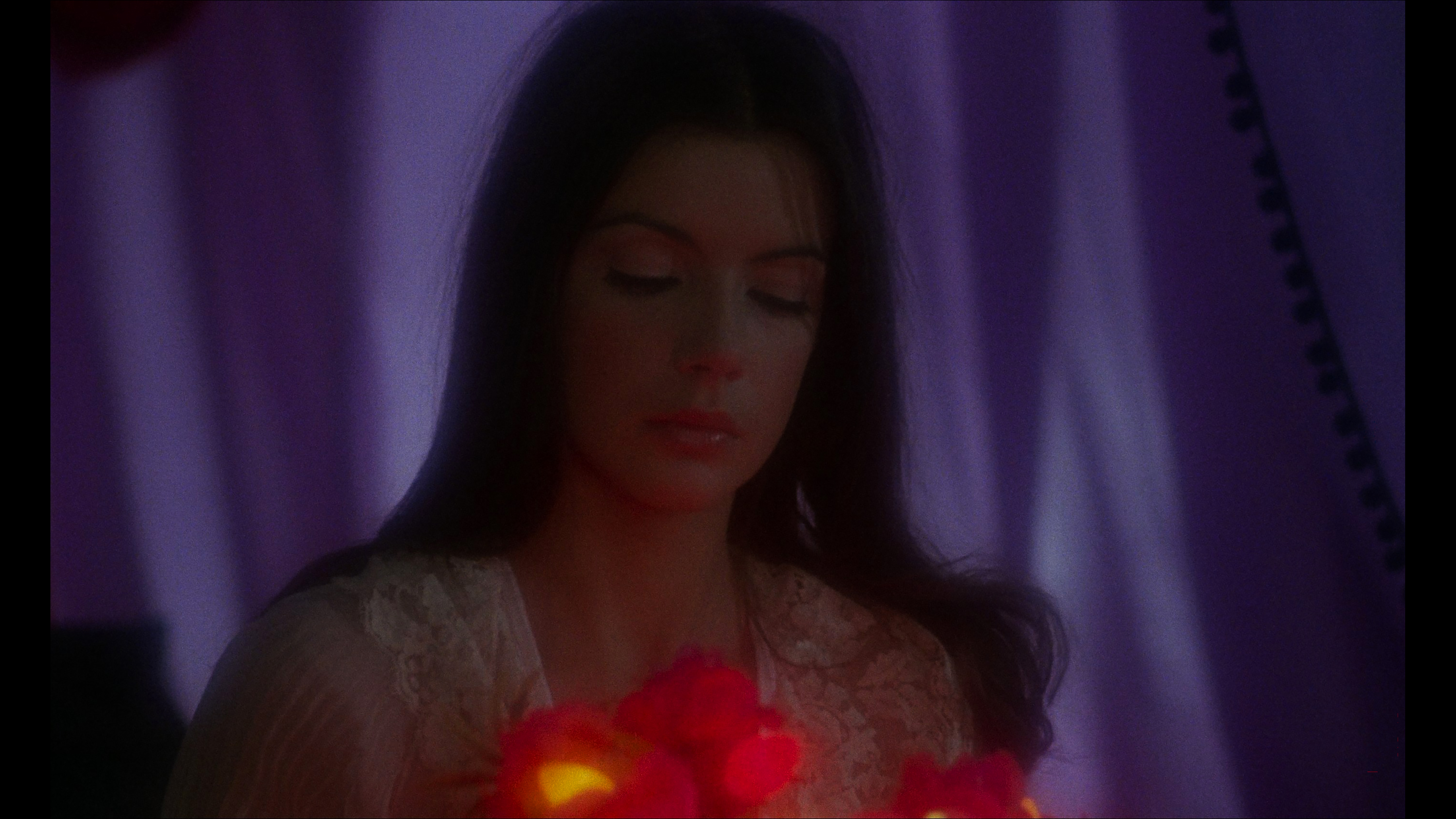
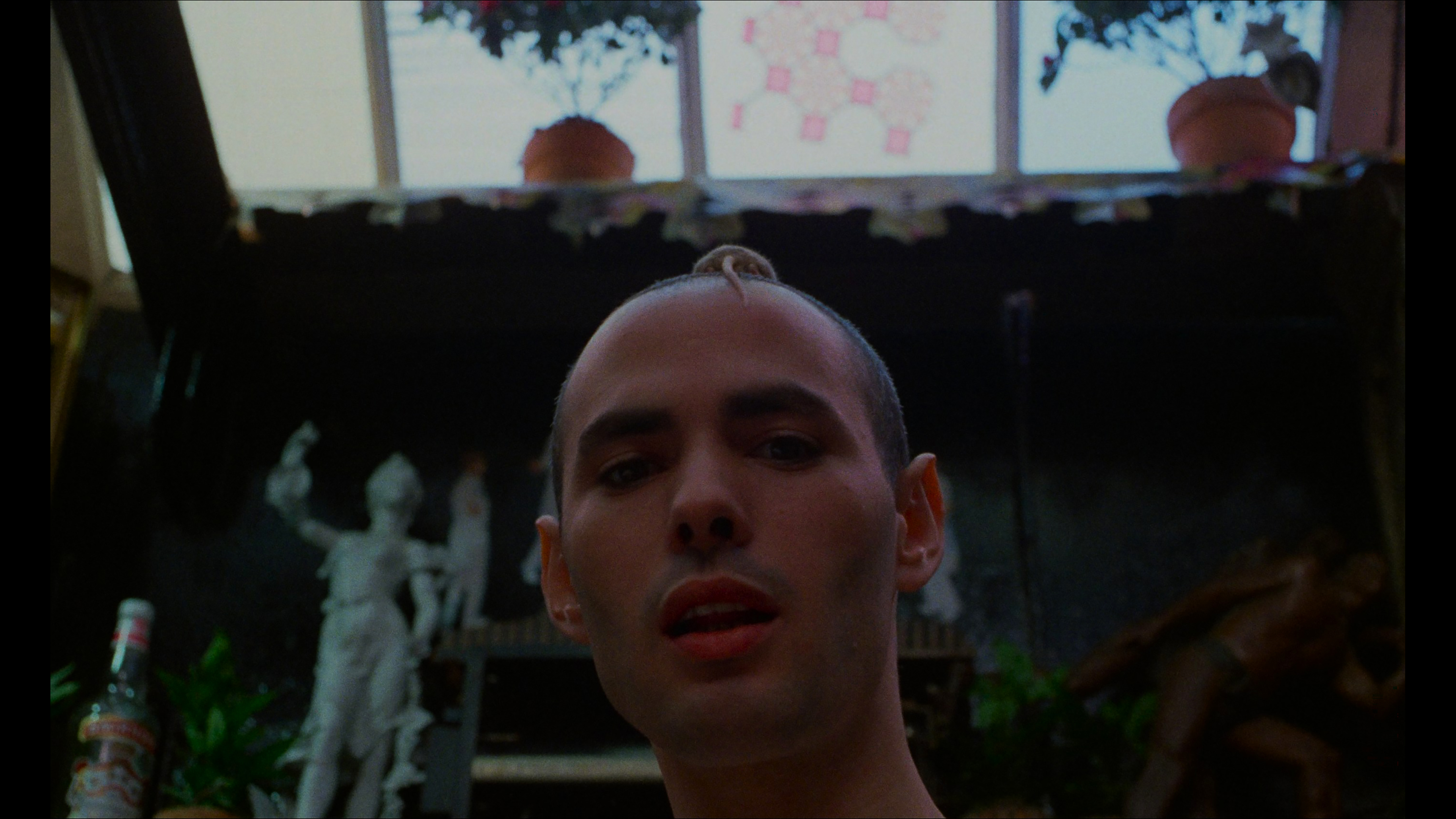
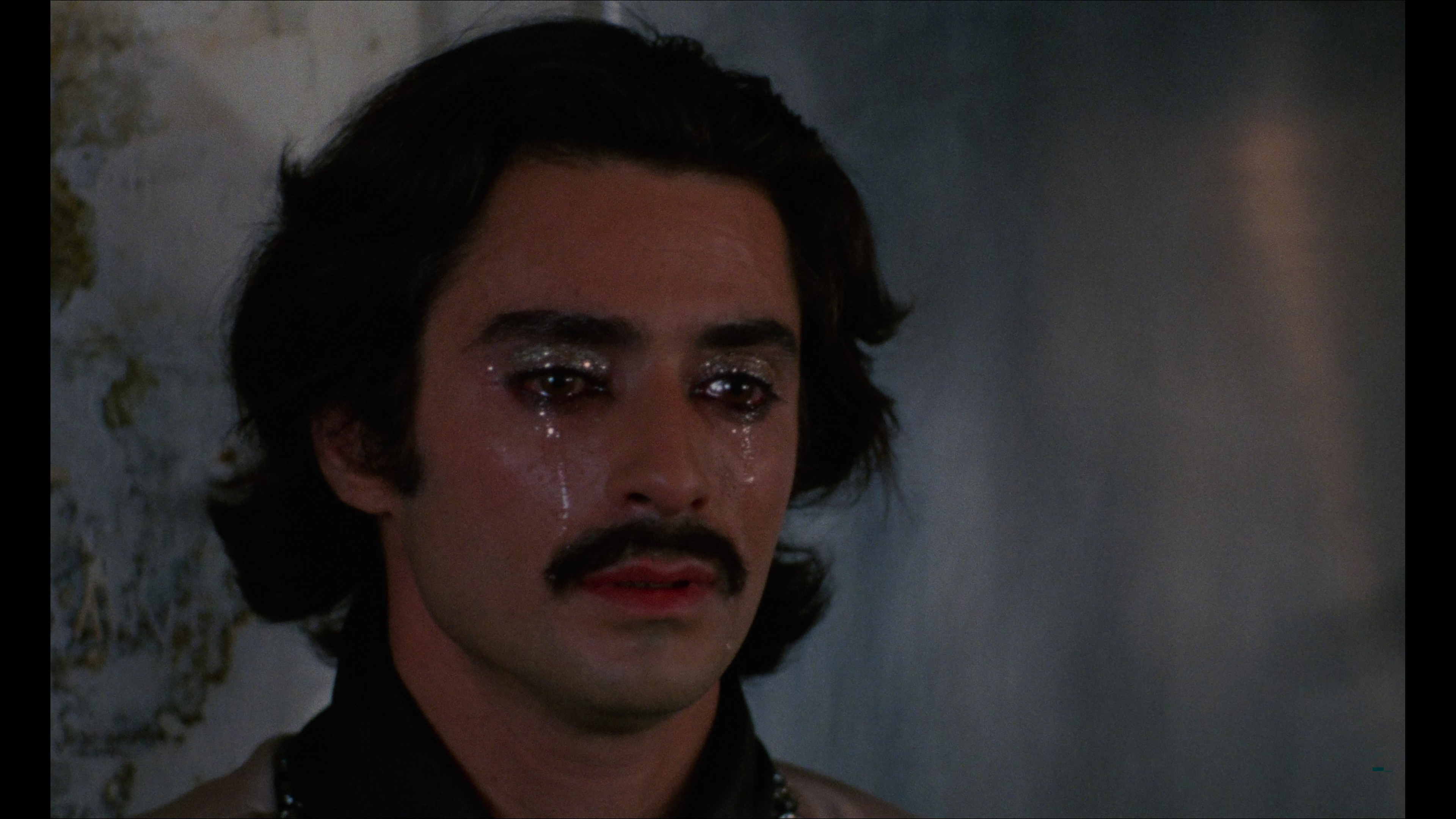
  several years. There was definitely something in the air around the mid-'70s with filmmakers like Pasolini and Bertolucci pushing things as far as world cinema could handle, and this one is no exception with its frequently colorful, potent visuals and globe-hopping locations (thanks to Canadian, French, and West German financing).
 more impressive presentation that fixes the brightness levels (especially the wedding night scene) while yielding much more detail and richer color delineation.
  The LPCM 2.0 audio options include the original audio track which is mostly in English as usual (with optional English subtitles for the rest) as well as a German dub, plus full German and English subtitles as well. Almost all of the extras are English friendly starting with a new visual essay by Daniel Bird (25m6s) entitled "Excremental Visions" on the menu but "Dear Dušan..." (25m6s) on screen, with him directly addressing the filmmaker describing his impact and noting the many cultural and political grace notes that could easily fly by the average viewer including overt connections to Sergei Eisenstein and Luis Buñuel. In the 1991 Channel Four U.K. interview "Nicely Offensive" (34m50s), Makavejev mainly talks about W.R. but addresses concerns running throughout his work including the recurring idea of freedom and sex being punished by the powers that be. Then an interview with editor Yann Dedet (25m46s) covers his entry into the field under Monique Kirsanoff, his first big job for Truffaut, and the process of assembling this film to provoke physical reactions including the use of Katyn massacre footage. Makavejev also appears for an 18m23s audio interview which sounds pretty rough, with a more comprehensive overview of his upbringing and early filmmaking days. The crazy theatrical trailer is also included along with, for pure curiosity value, the radically diluted and heavily reedited 69m43s German TV version (the only element here that doesn't have an English option) in letterboxed standard def.