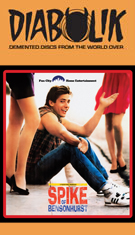
 distributed part of a trilogy from filmmaker Paul Morrissey along with Mixed Blood and Forty Deuce upon
 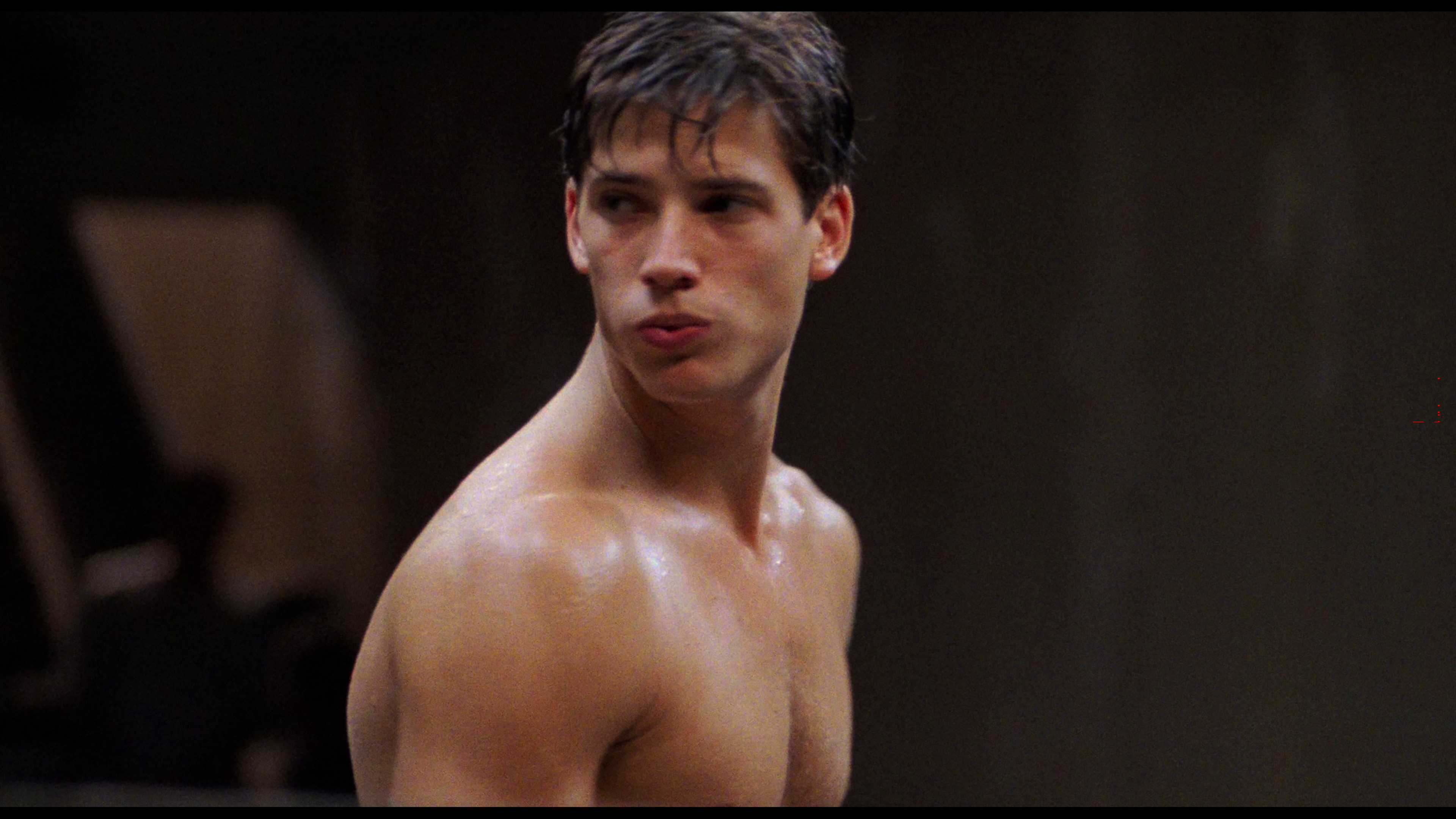 his return to shooting around New York in the 1980s, Spike of Bensonhurst is also the most atypical. A giddy and ultimately optimistic mixture of coming-of-age story and mob comedy, it also proved to be a launching pad as the first starring vehicle for familiar Bruce Weber model Sasha Mitchell who was quickly cast in three back-to-back entries in the Kickboxer series while also enjoyed small screen success on the ABC sitcom Step by Step. The film only received a nominal theatrical release from the very short-lived FilmDallas Pictures, which had scored Oscar-winning indie hits with Kiss of the Spider Woman and The Trip to Bountiful but closed shop soon after Spike hit theaters. On the other hand, its VHS from Virgin Vision was everywhere around the end of the decade with its trailer frequently blasting from overhead TV monitors in video stores. Between that and frequent cable play, it made an impression on receptive viewers (albeit with others dismissing its typical Morrissey rhythms and stylized dramatics); however, it did little for Morrissey himself at the time with a very long gap ensuing before he would shoot anything again.
 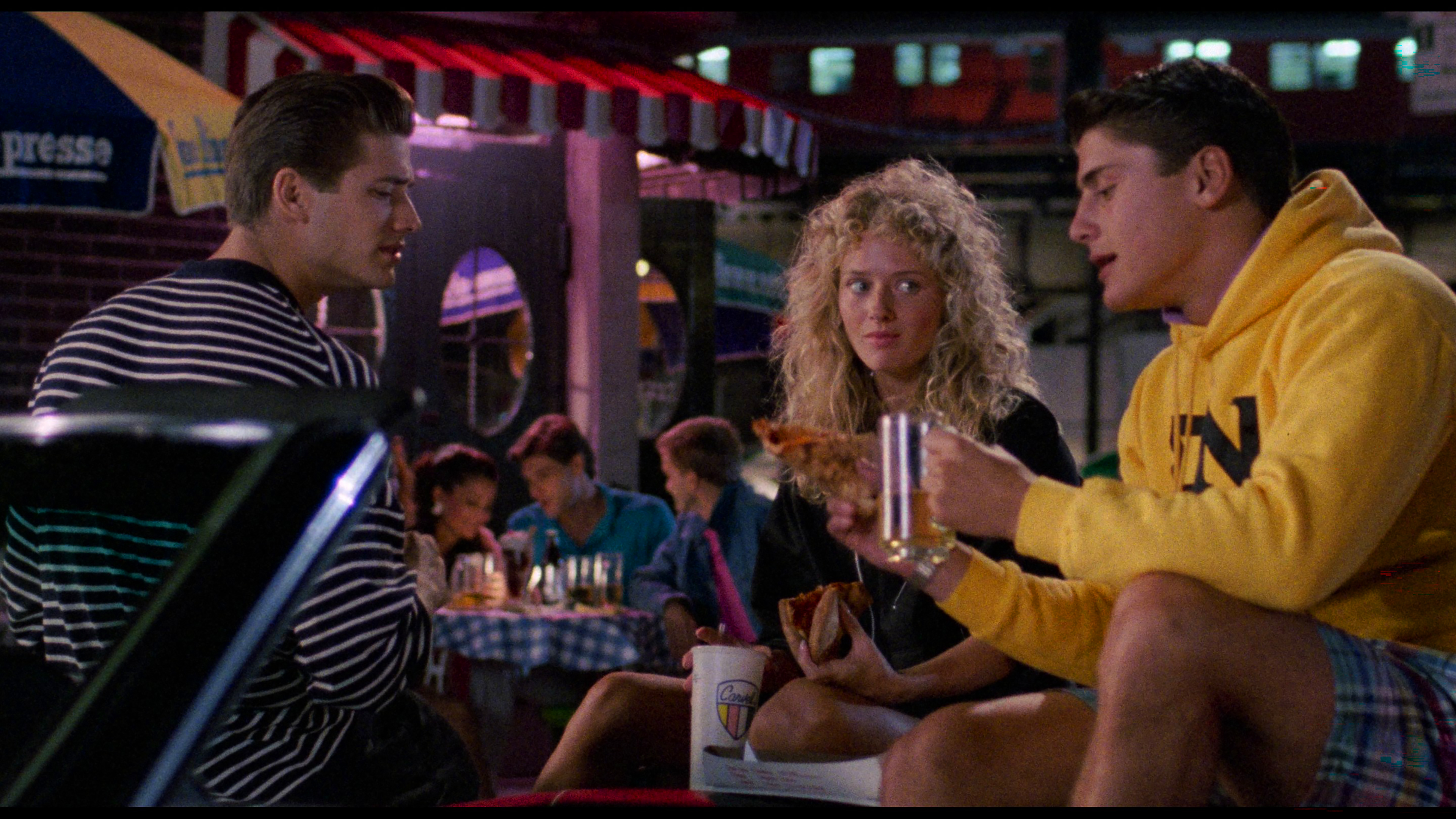 fights he's frequently pressured to throw. He tries to get the much-loved neighborhood mob kingpin, Baldo Cacetti
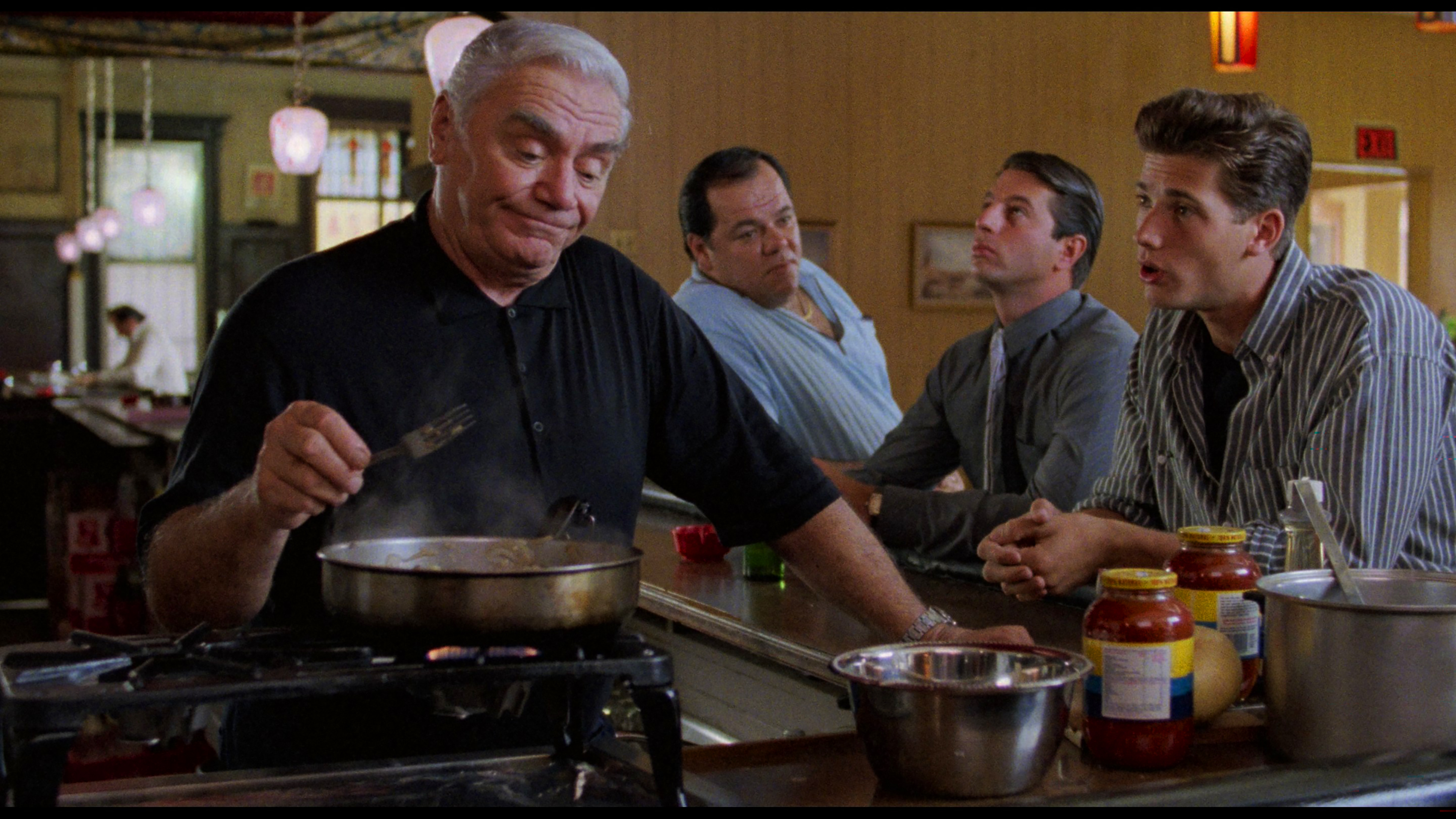
 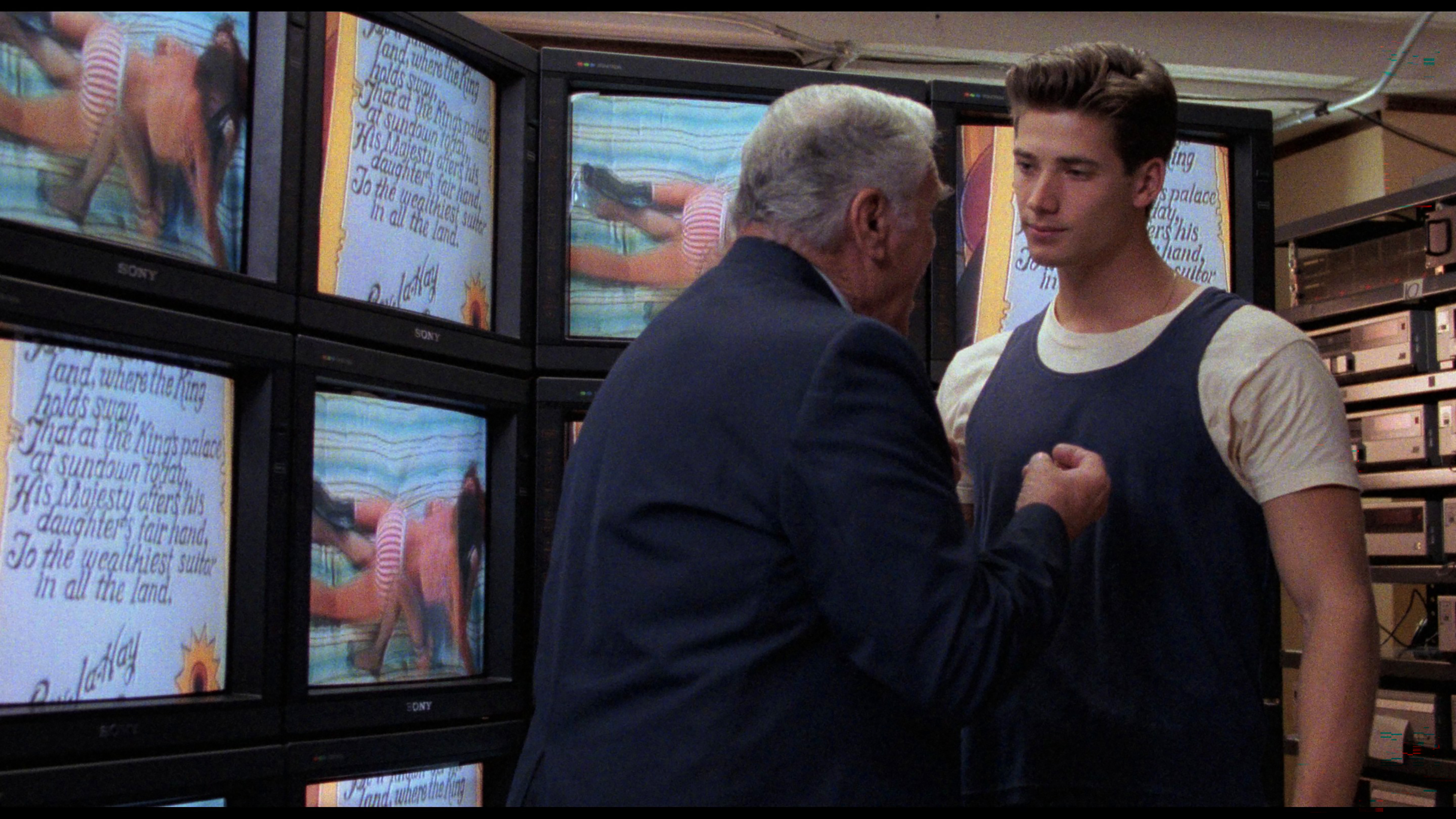 (Borgnine, clearly having a blast), to take him on but instead gets a gig as a collector. When Spike catches the eye of Cacetti's daughter, Angelo (True Romance's Pitillo), who's going out with the more reputable Justin (Species II's Lazard), Cacetti exiles the boy to a Puerto Rican neighborhood in Red Hook where Spike flourishes and becomes romantically involved with India (Licence to Kill's Soto)-- but several life-changing surprises are still in store.
 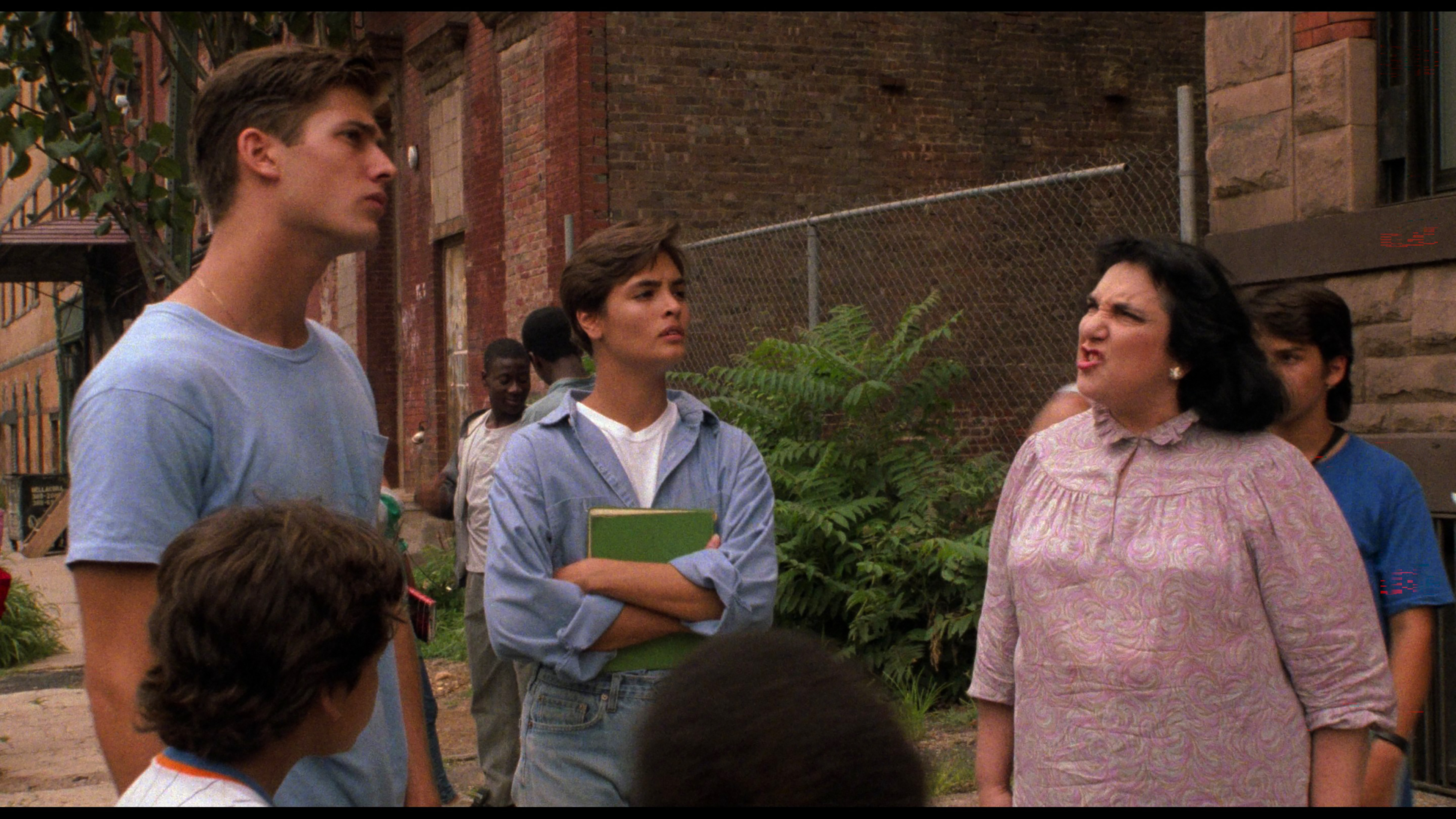 camera absolutely
 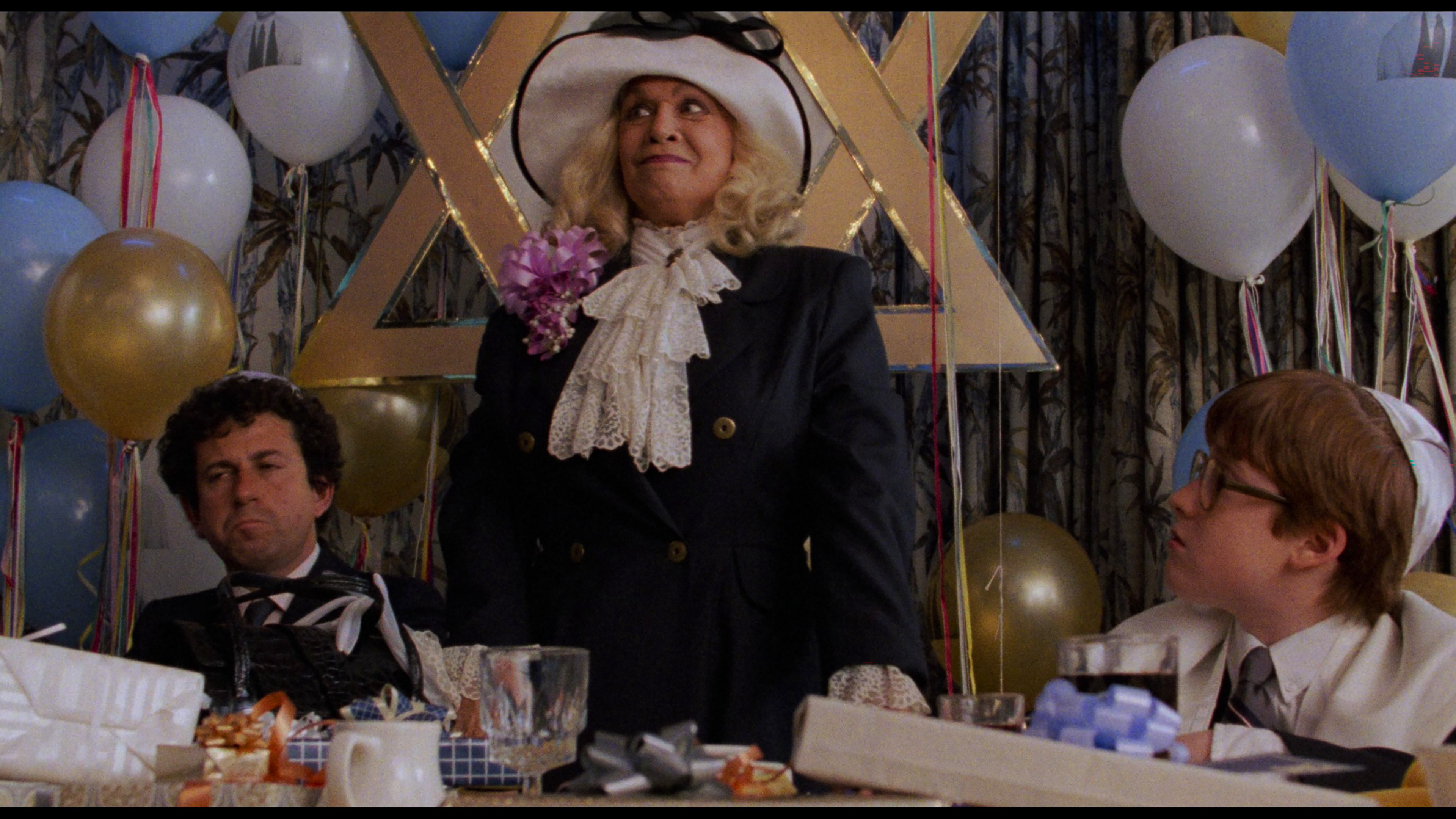 worships Soto in what should have been a star-making role here, and Morrissey fans will also get a kick out of a juicy cameo by Sylvia Miles (Heat) here stealing every second of footage as a politician at a bar mitzvah.
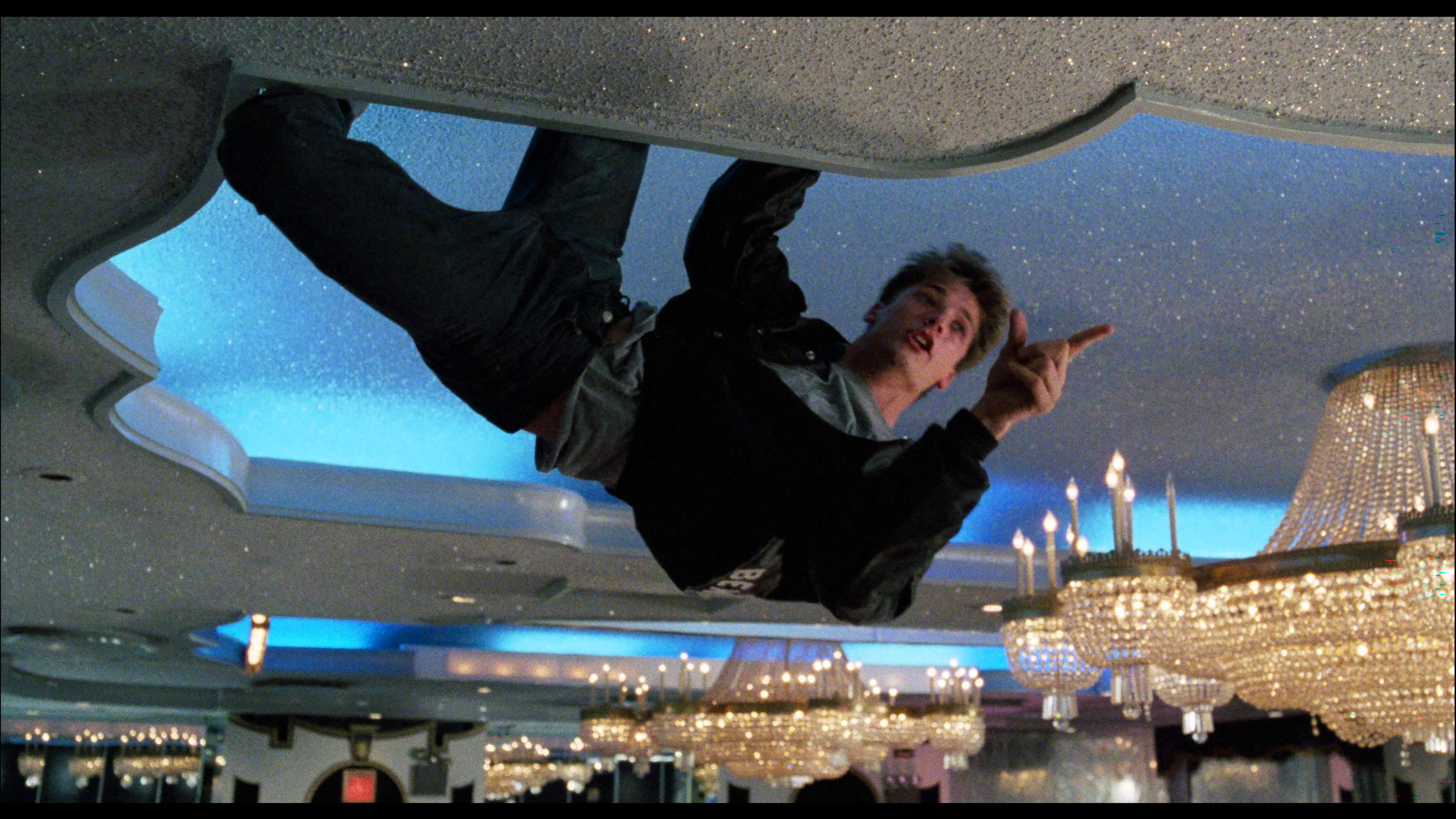 Night Fever,
 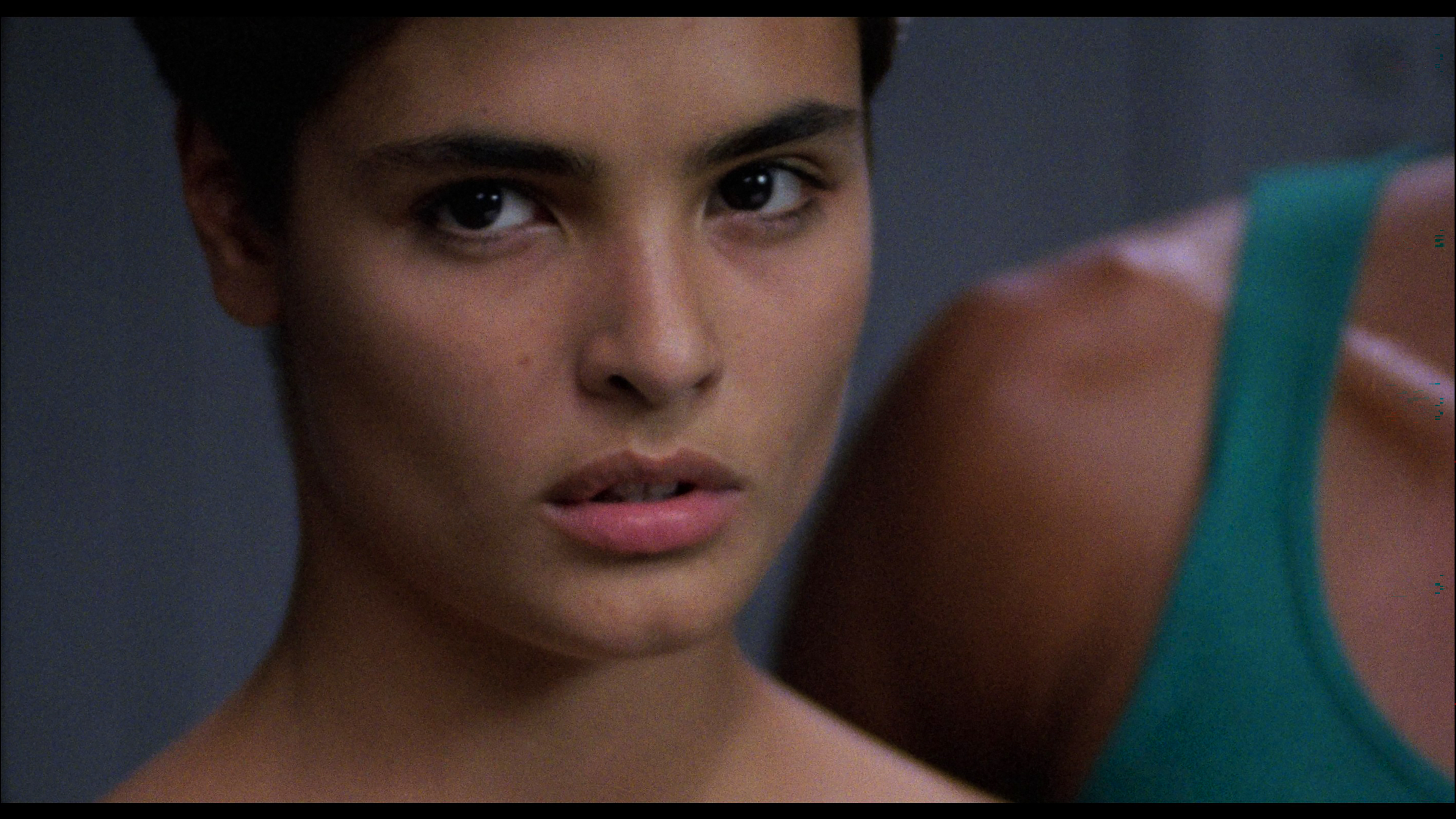 Mitchell's casting and contributions to his character, the film's outlook on the importance of caring for one's community, and much more. An isolated music track is also included, a nice tough since this didn't have a soundtrack release.
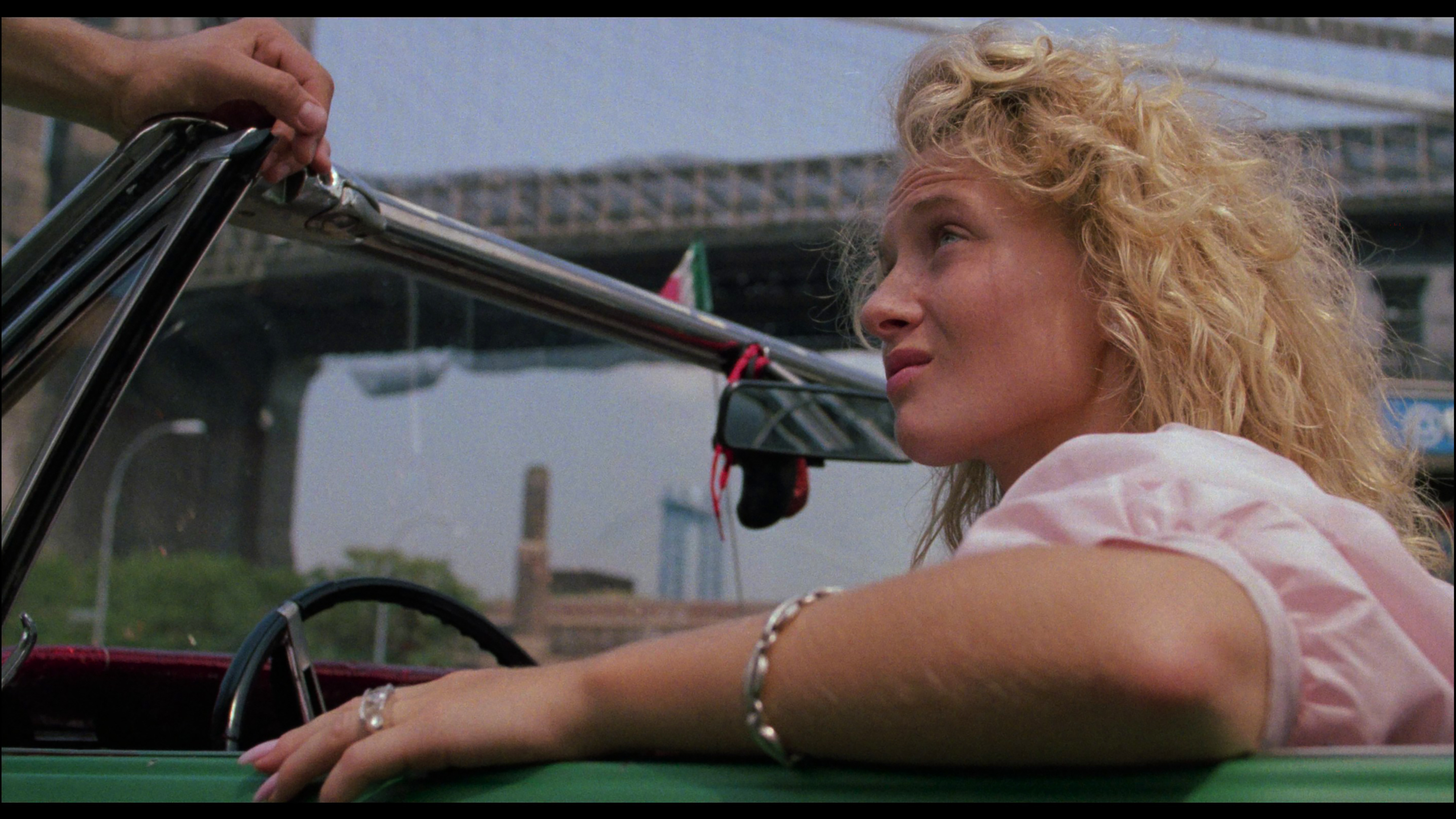 shown in some
 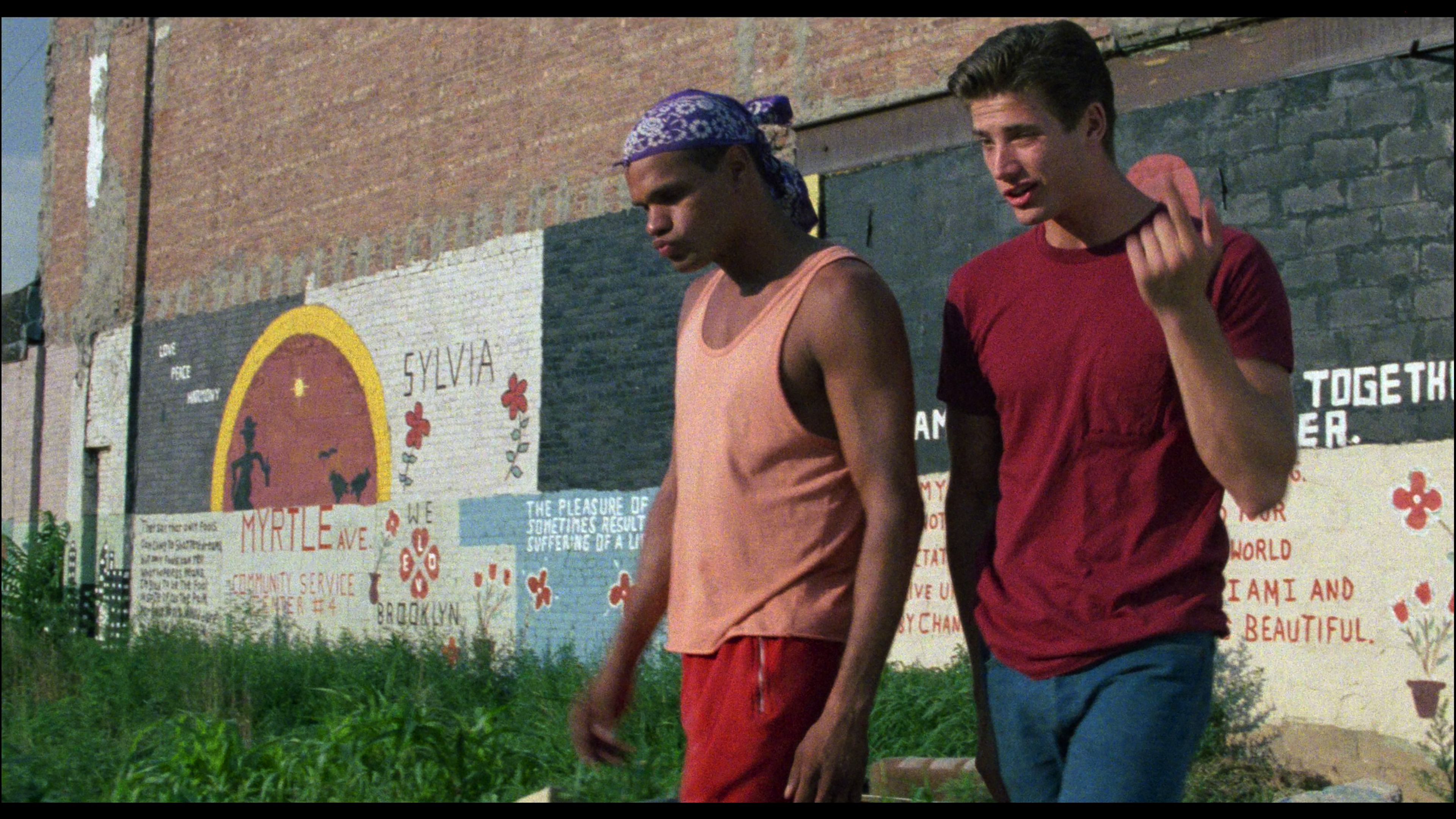 territories), and the much more gruesome fate Spike faced in the original script. A 1989 interview with Morrissey (24m28s) focuses on his love of New York, the topics of some of his standout films, his daily routine and tastes in media, and his views on comedy and American versus Japanese culture. Also included are an image gallery (5m49s) with some great production photos, the theatrical trailer, and bonus trailers for Trash and Mixed Blood. Tucked away near the end of the extras is a fascinating bonus, a VHS-sourced workprint version of the film (106m57s) with a number of extended and alternate scenes. The final cut is definitely superior, but it's fascinating to see the film in its looser, in-progress incarnation here. The limited edition first pressing (which features a slipcase when ordered directly from the label) also comes with a booklet featuring the essay "All in the Family: Paul Morrissey Takes on the Mob in Spike of Bensonhurst" by Margaret Barton-Fumo covering the narrative inspiration of John Gotti, the Morrissey trademarks in the characters, and the virtues of the soundtrack.