Among the various 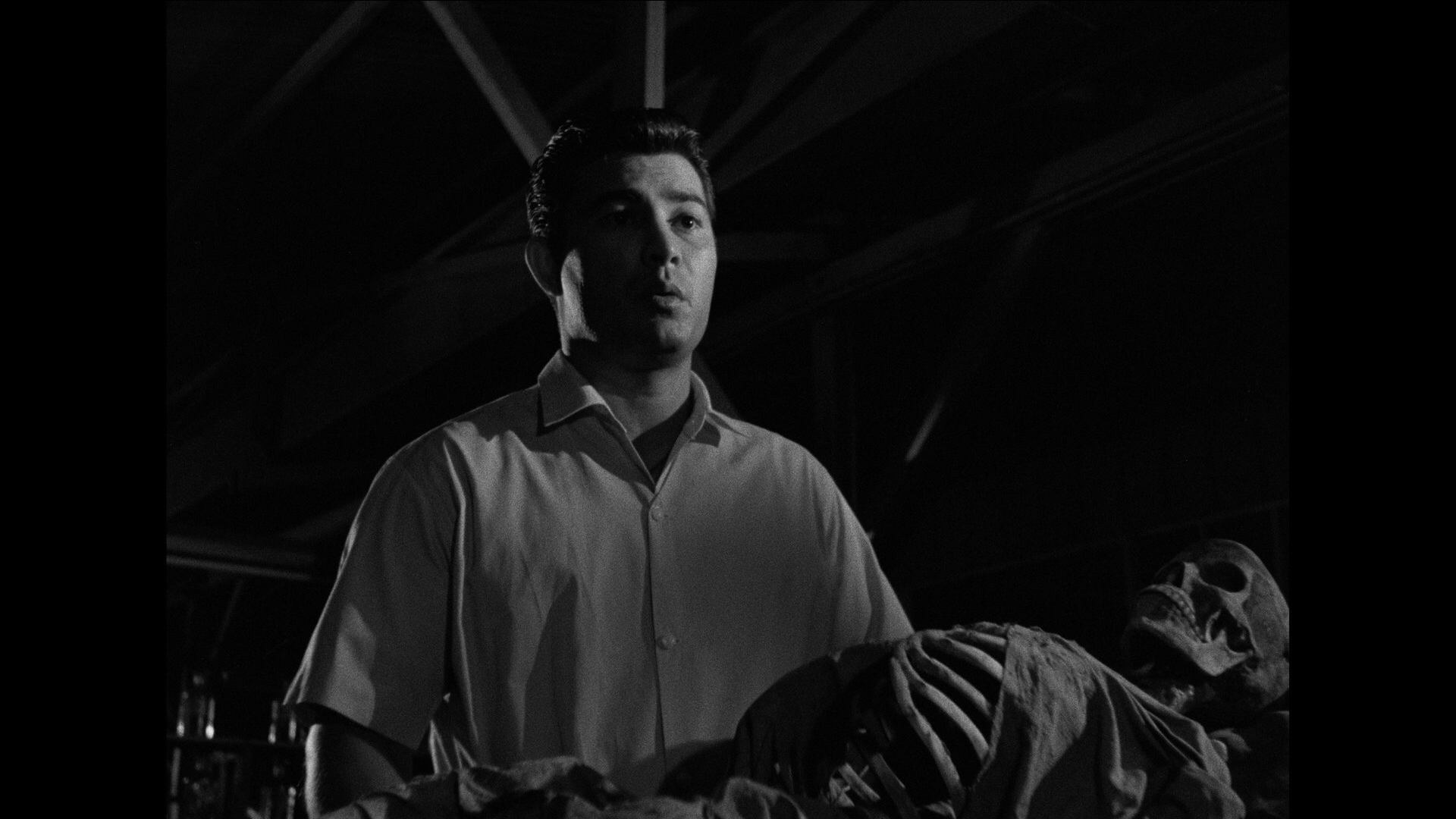 sublabels offered by Vinegar Syndrome (officially ten as of this writing), the most intriguing has to be Reviver, a
  deliberately mysterious line of releases devoted to lost or missing films with the contents left as a surprise even after you pop in the disc. With the credits intentionally redacted on the website and any synopses left vague at best, it's a fun grab bag of features and shorts traversing genres that recalls the thrill of hunting for treasure out in the wilds of video stores in the '80s and '90s. With that spirit in mind, it's probably ideal if you just know that the second volume (the first has never been provided for review) is focused on a pair of previously unreleased black-and-white horror films, and the third one consists of an avalanche of short films ranging from the kid-friendly to the obscene. Anything beyond this point is a total spoiler, so proceed on at your own risk.
Though many American-financed films shot in the Philippines flooded theaters in the '60s and '70s (and even the '80s a bit), some managed to sink into oblivion without ever seeing the light of a projector. Case in point: both black-and-white films on Reviver 2 starting with The Horror from Beyond (75m37s), a production shot and completed in 1965 and nearly rendered extinct due to water damage that particularly affected a ten-minute portion at 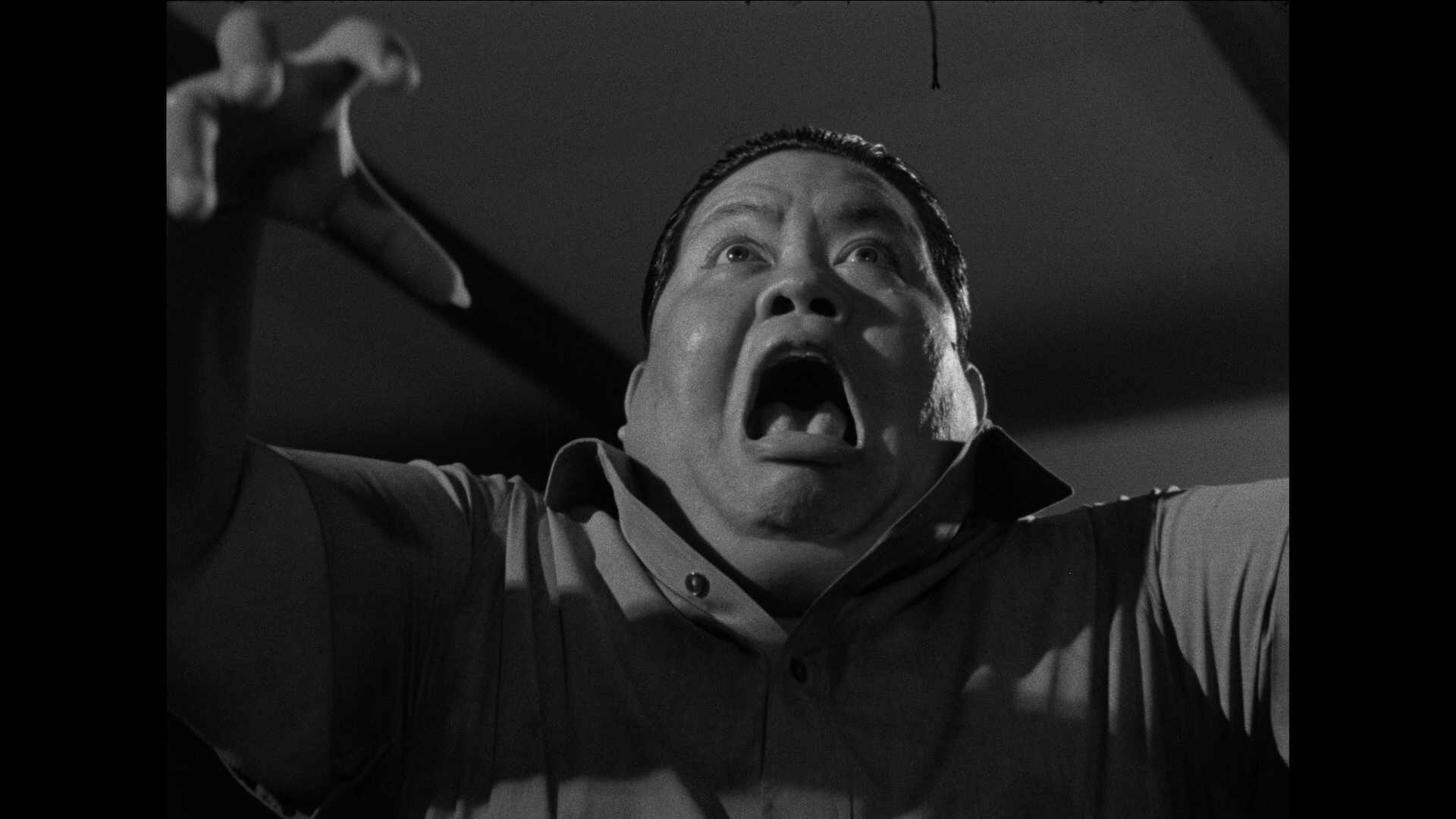 the half-hour mark. (If you've seen some of the rougher silent film scans out there, you'll know it when you see it.)
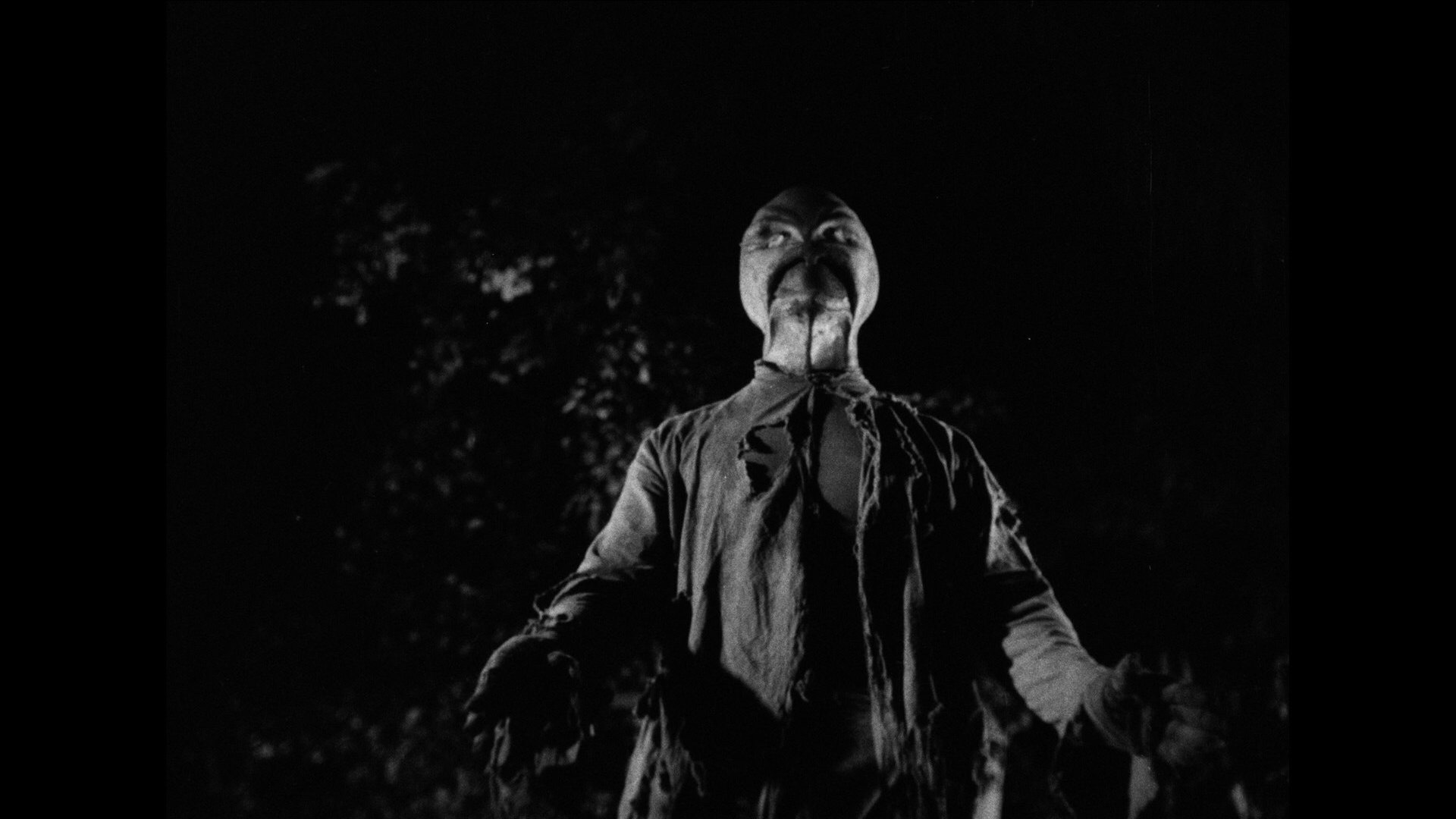
 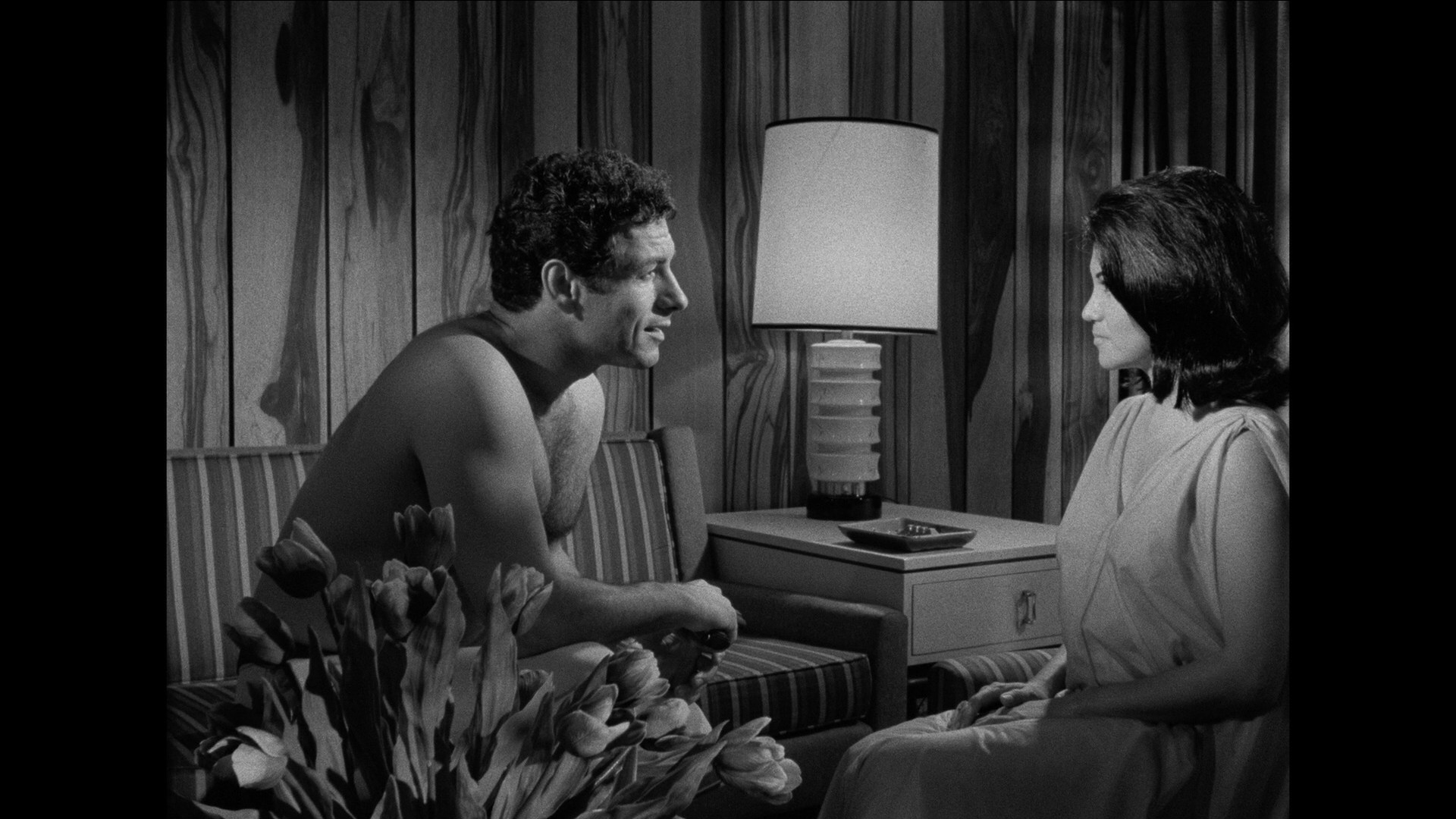 Why this was left on the shelf seems inexplicable given that it features a very striking monster, atmospheric cinematography, and fairly crisp direction from Newt Arnold who, no kidding, went on to direct Bloodsport and a previous Vinegar Syndrome Filipino film, 1971's Blood Thirst. Late at night, a lantern-swinging fisherman comes across a decrepit coffin with a skeleton inside-- only to turn up dead from strangulation hours later with the bony hand on his throat. Some anomalies with the skeleton during a forensic appraisal reveal that it's at least a hundred years old but perfectly preserved-- and irradiated. Dr. Alcade (Willie Sotelo) ropes in a couple of doctors including American Dr. Redding (Robert Winston), who keeps a crazy pants-dropping Frankenstein figure on his desk, to consult on the mystery of a skeleton that seems to be generating from the bone marrow outward. Soon the rash police and the medical heroes are dealing with what turns out to be an unearthly being capable of blasting energy-slurping radioactive beams. With its goofy comedy relief, sleazy score, and sweaty atmosphere, this one is lots of fun with that certain charm you can only find in U.S.-Filipino films of the era.
On a similar note, the same 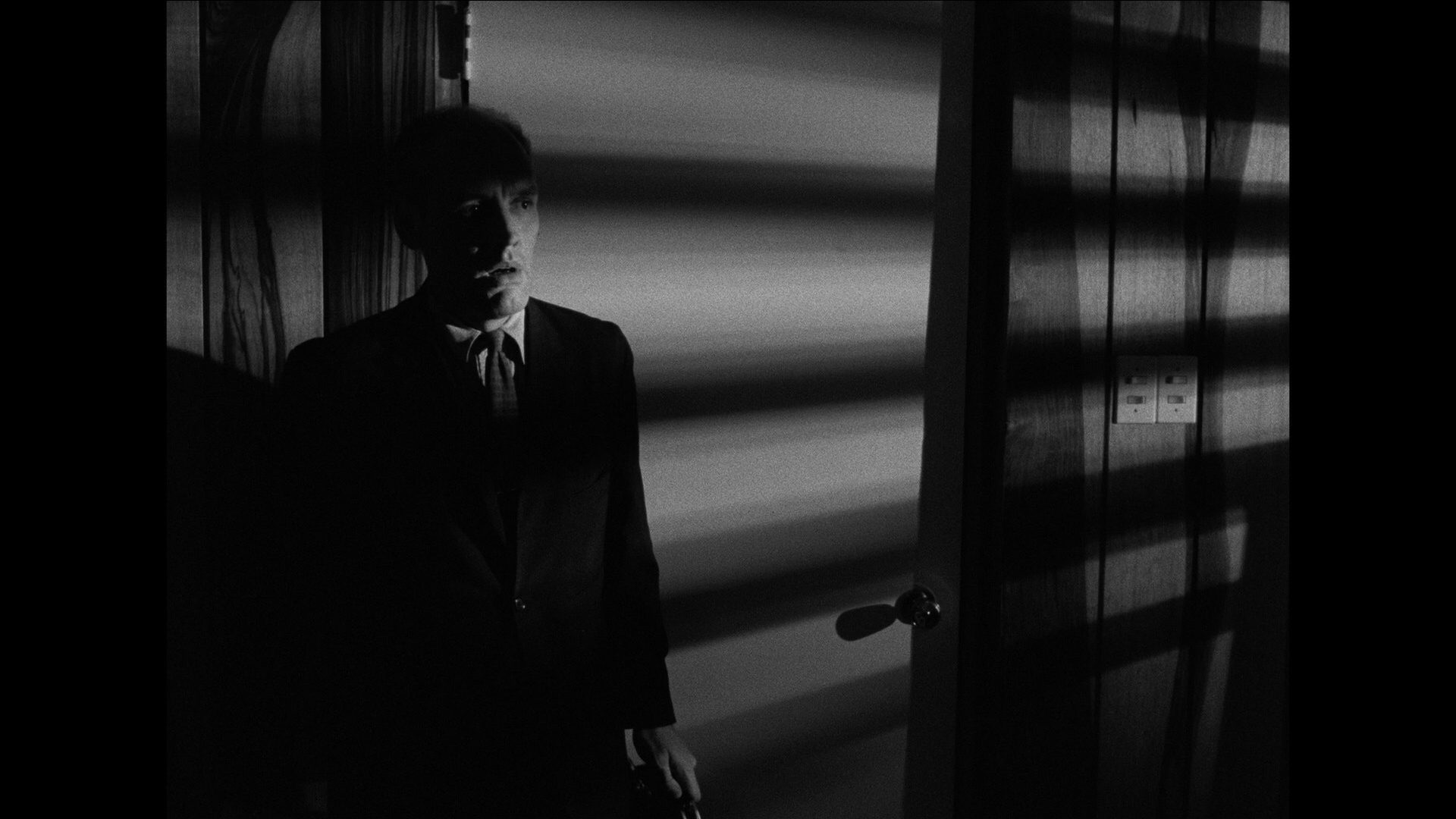 year's Paradise
 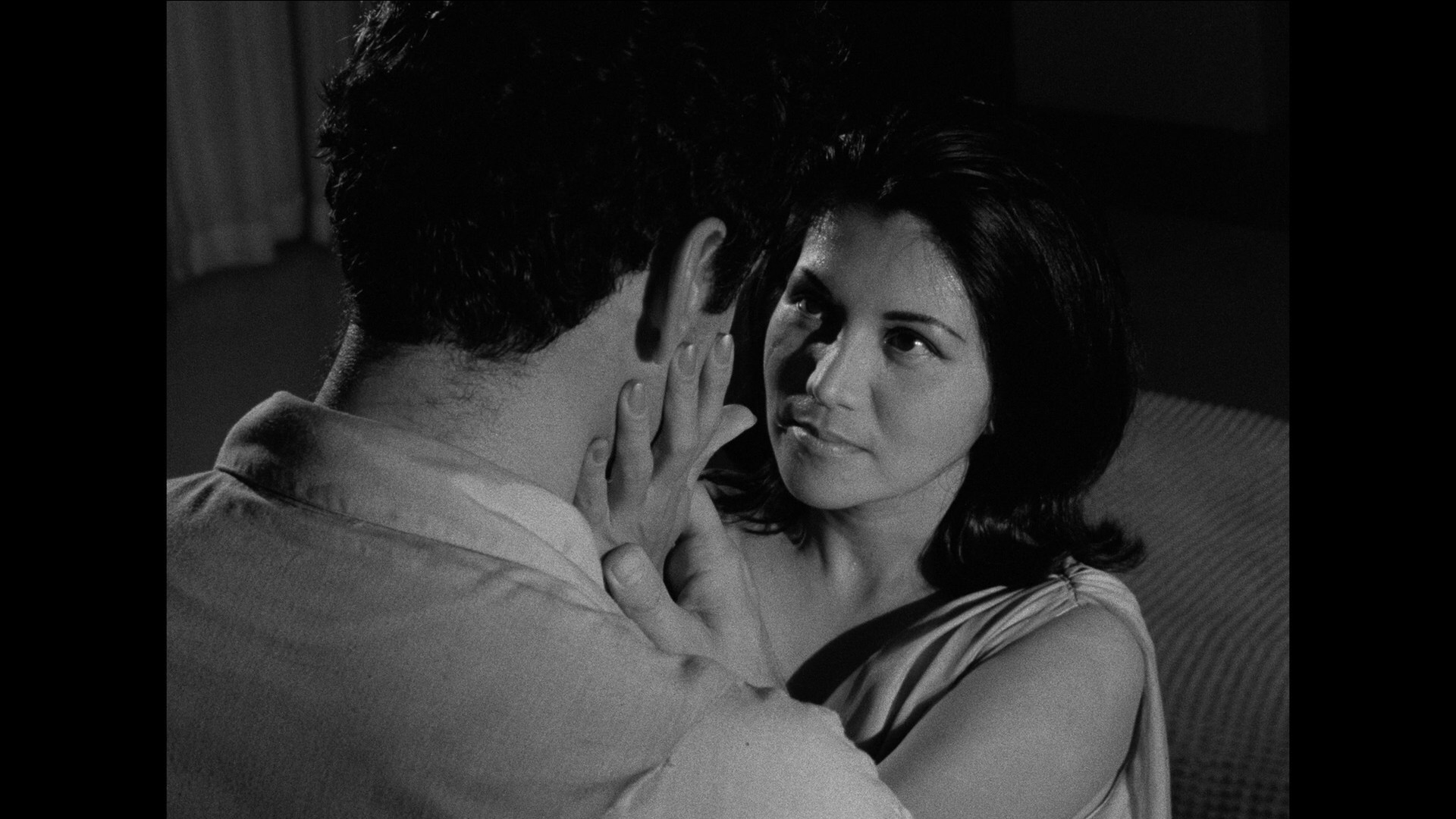 of Terror (84m11s), whose negative also survived and was never used to make any prints. This one doesn't have any water damage and is in pretty good shape considering its many decades of anonymity, this time with directorial chores handled by one of the producers of both films, Michael Du Pont. This is more of an uncanny story a la One Step Beyond or The Twilight Zone as a planeload of passengers (including the prior film's Winston and Eddie Infante) getting shot down over "rebel territory." The passengers evacuate via parachute and, after extricating themselves from some pesky trees, make their way through the jungle (and land mines and snakes) to an empty, sprawling, and definitely abnormal house where their worst instincts come to the surface as their food seems to magically appear and sinister women show up to keep them company as some of the new arrivals disappear leaving only clothes behind. Nicely spooky and offbeat, this one has even cooler monochrome photography and builds nicely to an effective finale with a bit of gore for good measure. Both films feature English DTS-HD MA 2.0 mono tracks that sound as good as the materials will allow, with optional English SDH subtitles. Also included are three bonus features: "Keep the Art Going" (7m41s) with musician-film distributor Marco Joachim showing the L.A. family storage unit where both these films had been tucked away and chatting about how elements like this made their way into his father Larry's hands; "Pictures from Beyond" (11m58s) with film historian-researcher Christopher Koenig contextualizing who was involved in these films (including a Re-Animator connection), other movie connections, and the vagaries of distribution that led to films like these being orphaned (including Lisa, Lusya - What's Your Name?, teased as an upcoming release); and "Winding Through" (13m9s) with Vinegar Syndrome's Oscar Becher (or at first, two of him) showing the extensive process involved in salvaging these films and the method of evaluating the negatives with details about the film stock and
  techniques
  involved.
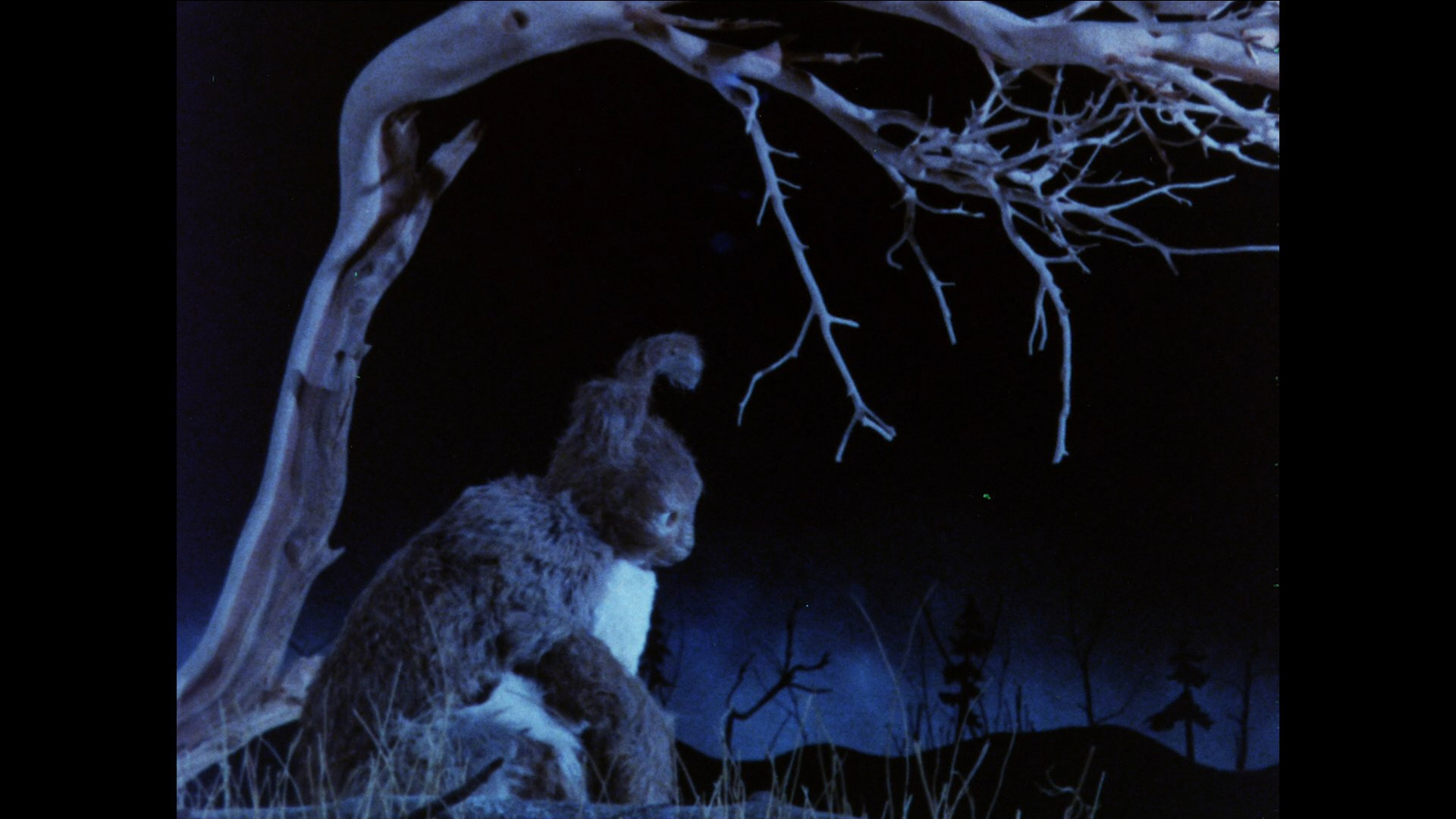
On a very different note, Reviver 3 is devoted entirely to short films in all their wondrous and bizarre possibilities, divided here into a pair of two-hour programs (divided in the middle by a 90-image gallery you have to step through to get to the second half. Why? Who knows?). We start off on a jaw-dropping note with the 5-minute "Titles Available: a film of Bill by Laird" (5m19s) for "the multi-media resource center in cooperation with the national sex forum" unleashing a torrent of sexually explicit profane imaginary porn titles from the lips of Bill Chamberlain. Then you get a playful 1971 urban collage of animated and live street footage (5m43s) that's silent here but intended to be accompanied by The Beatles' "A Day in the Life" (with instructions on where to ideally play the song), a 1973 stop-motion 7m43s version of "Barrington Bunny" (the world's most traumatic Christmas fable, though at least the therapy-inducing original coda wasn't included in this one), and 1970's educational(?) "Love Toad" (2m11s) and 1979's "Toad a Trois" (2m56s) featuring stop-motion stuffed frogs doing the nasty to music like a cover of "Je t'aime moi non plus." Jam along to the sitar grooves of 1966's Something Weird-worthy "The Psychedelics" (9m20s) with strobe lighting and a topless Pat Barrington messing with your eyes, while 1967's "The Story of Superman" (5m18s) take a very DIY approach to telling a superhero story with unorthodox elements like checkers and firecrackers. The lyrical 1970 black-and-white character study "Sparrow" (10m45s) is a look at a young man working at a convenience store going about his neighborhood business and having fantasies before embarking on a major life decision. The experimental 1971 pop art 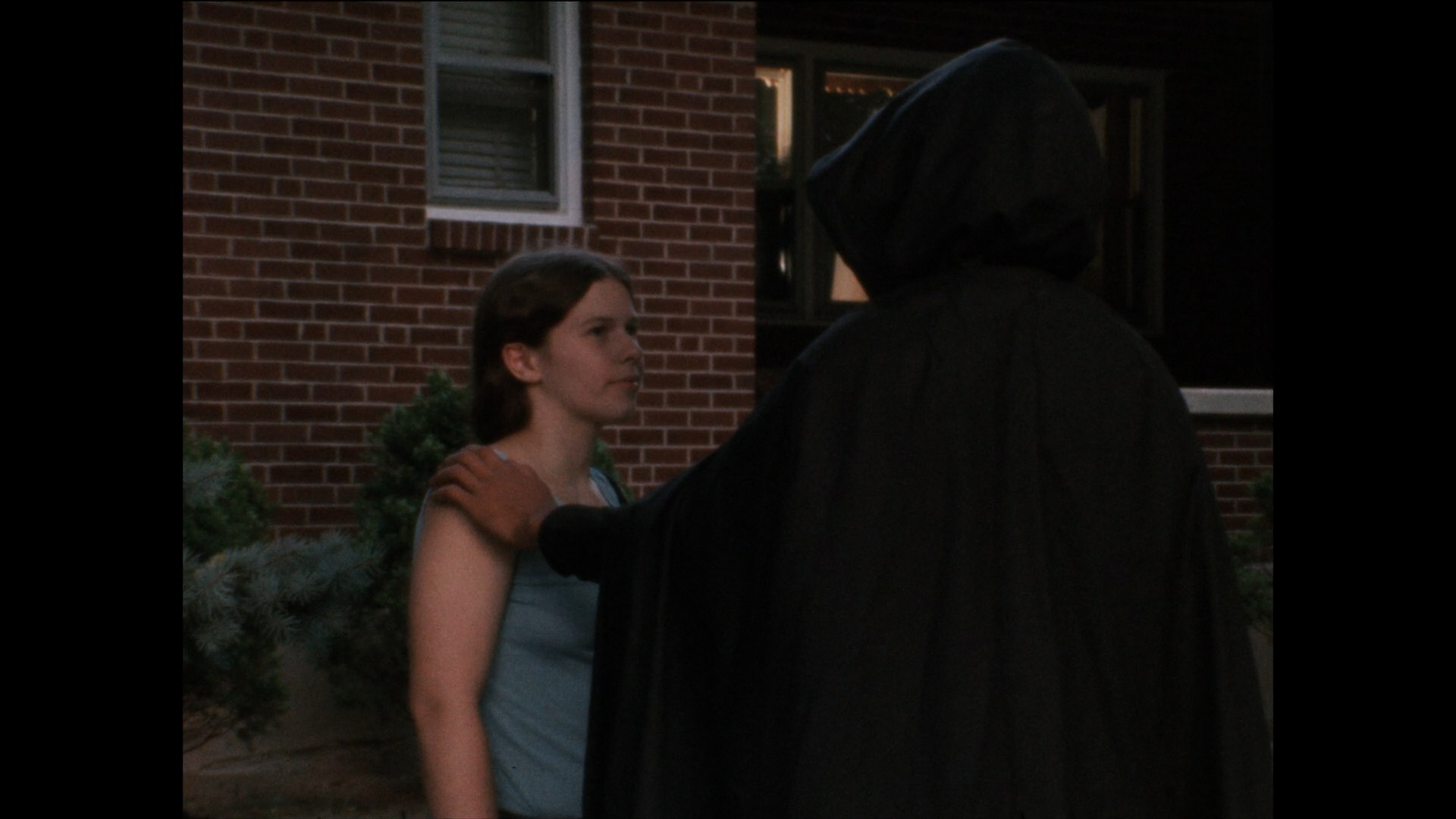 quickie "Sequences" (10m19s) goes crazy with the number 73, and the same year's "The Kapers of Kurt and K.G." (19m8s) is a Harrisburg, Pennsylvania puppet short has a dog and his owner taking an informative trip to dentist Dr. Smiley. Then the
  opera-scored, lengthy "Boot Cut Slacks" (26m36s) is a later 1990 experimental short about a sad sack who gets his wife pregnant and indulges in crazy animated reveries. Fans of Eraserhead, Puppetoons, and Combat Shock, take note. None other than a young, bearded Lloyd Kaufman of Troma fame pops up next in 1974's "Behind the Green Ring" (3m49s), a bouncy little homemade short with his eventual wife Pat announcing their engagement with a cute twist. Finally the first half closes out with the wholesome "The Rockhound" (10m57s) from 1960, a very colorful narrated short about mankind's ongoing fascination with rock collecting and honing for various uses.
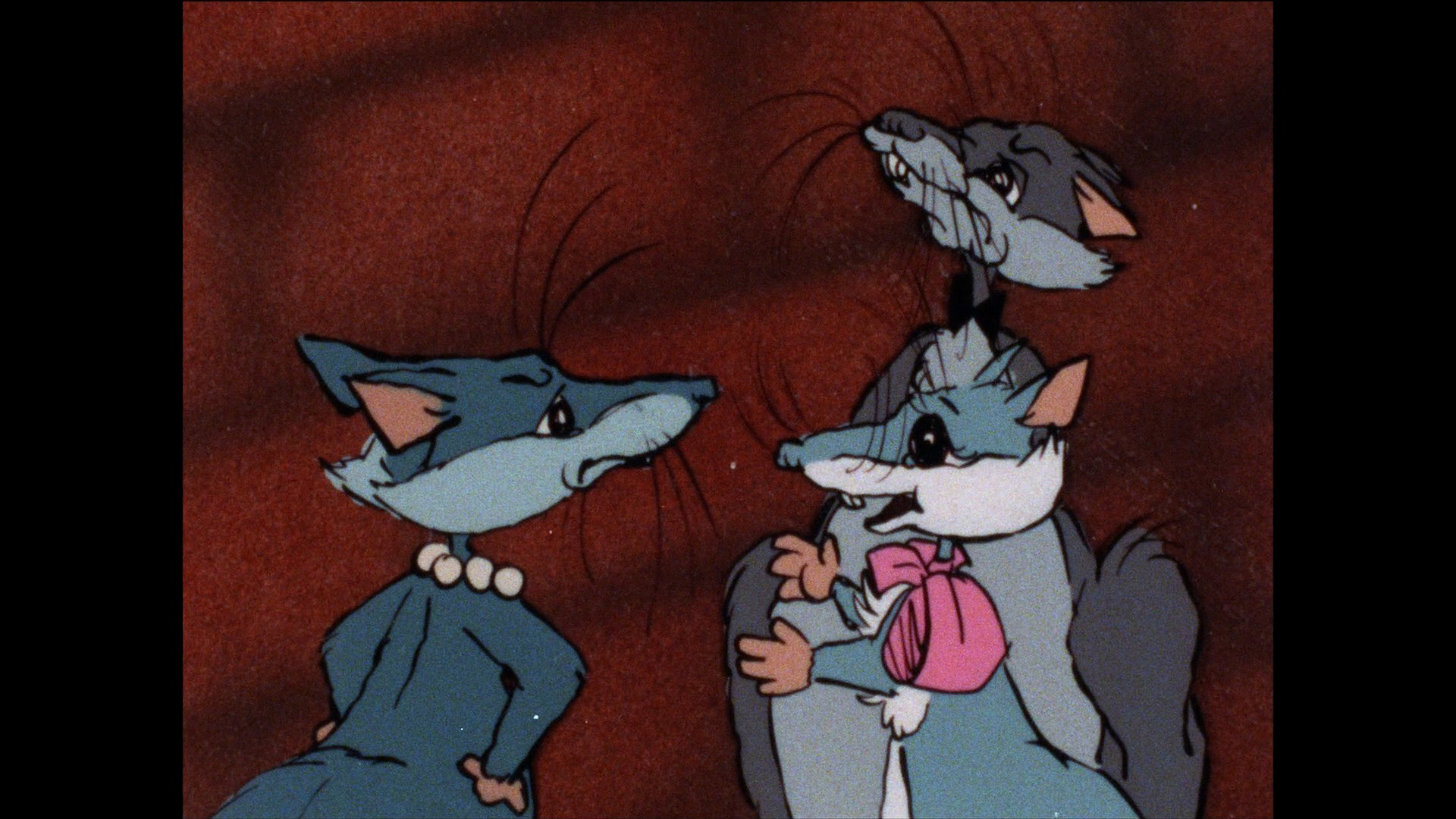
After the intermission we jump into the pre-adult film days of Tom DeSimone with 1965's "The Game" (26m18s), a black-and-white, two-character chamber drama about a male model and the aging painter actress he's spending the day with in a dusty, packed attic -- which turns into a macabre battle of wits involving a big trunk. It's quite a stylish little short that feels like Jean Genet done by a really ambitious film school student. "The Husband of the Rat’s Daughter" (6m27s) is a beautifully animated, Student Academy Award-honored short by Karen McCoy Fremuth about a pair of rats looking for the proper mate for their daughter-- even it means shooting way higher than they should. Then it's back to experimental territory again with 1971's "Scratch" (2m58s), a pulsating, colorful marriage of sight and sound, while 1969's "The Dog Funeral" (4m47s) comes back to earth with an evocative, 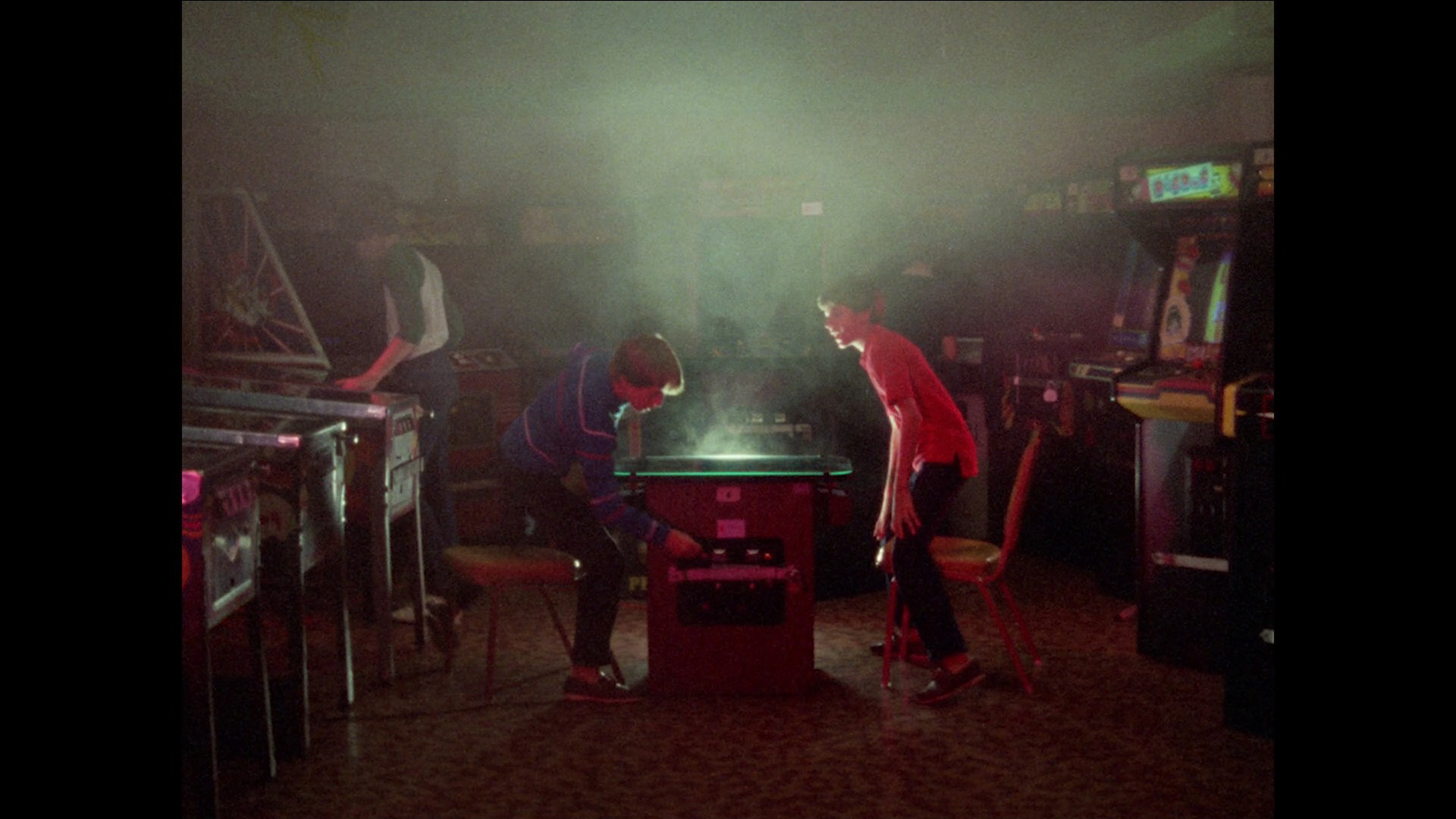 somber black-and-white autumn vignette about... well, take a guess. Live animals take over for 1958's
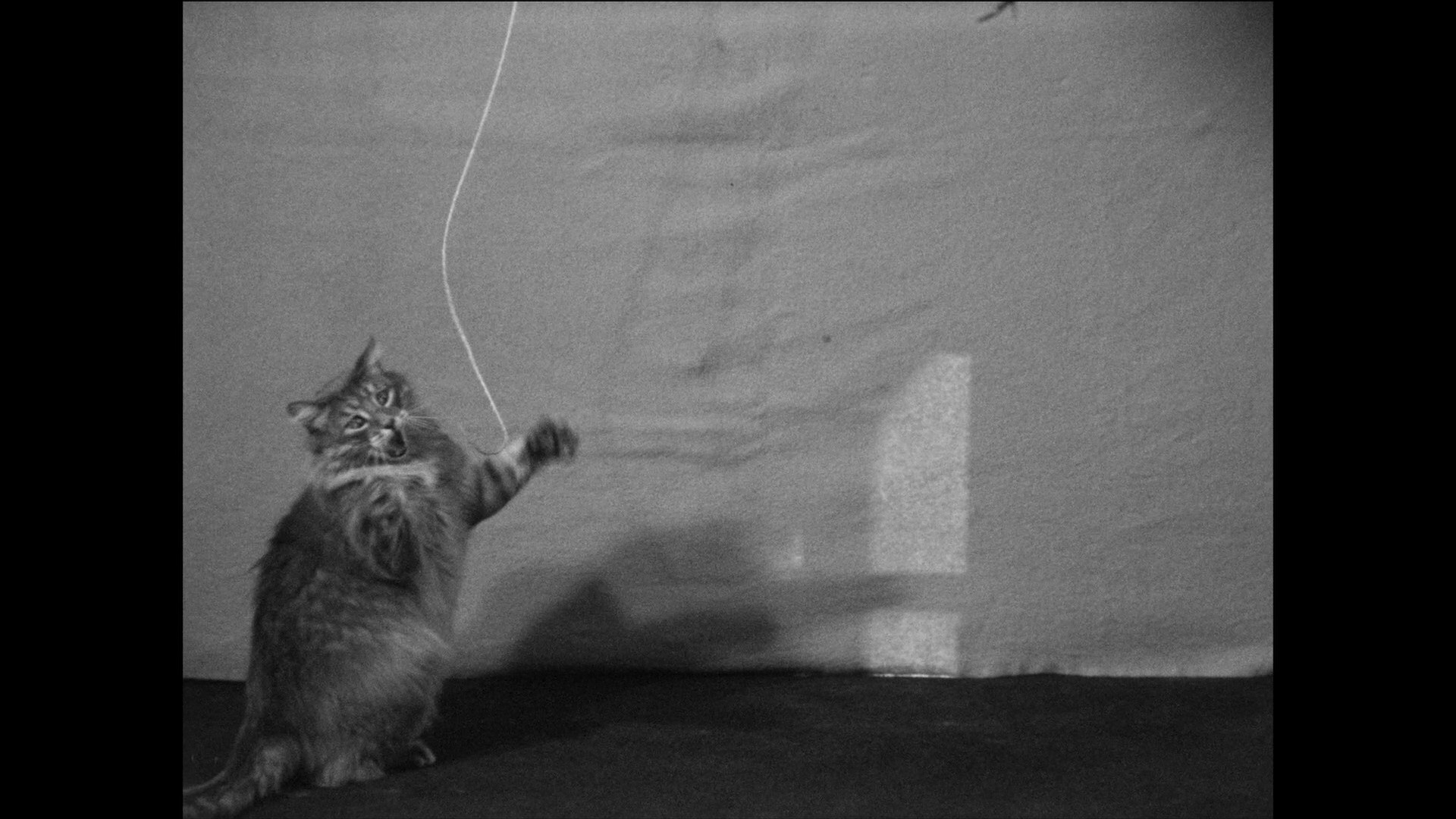
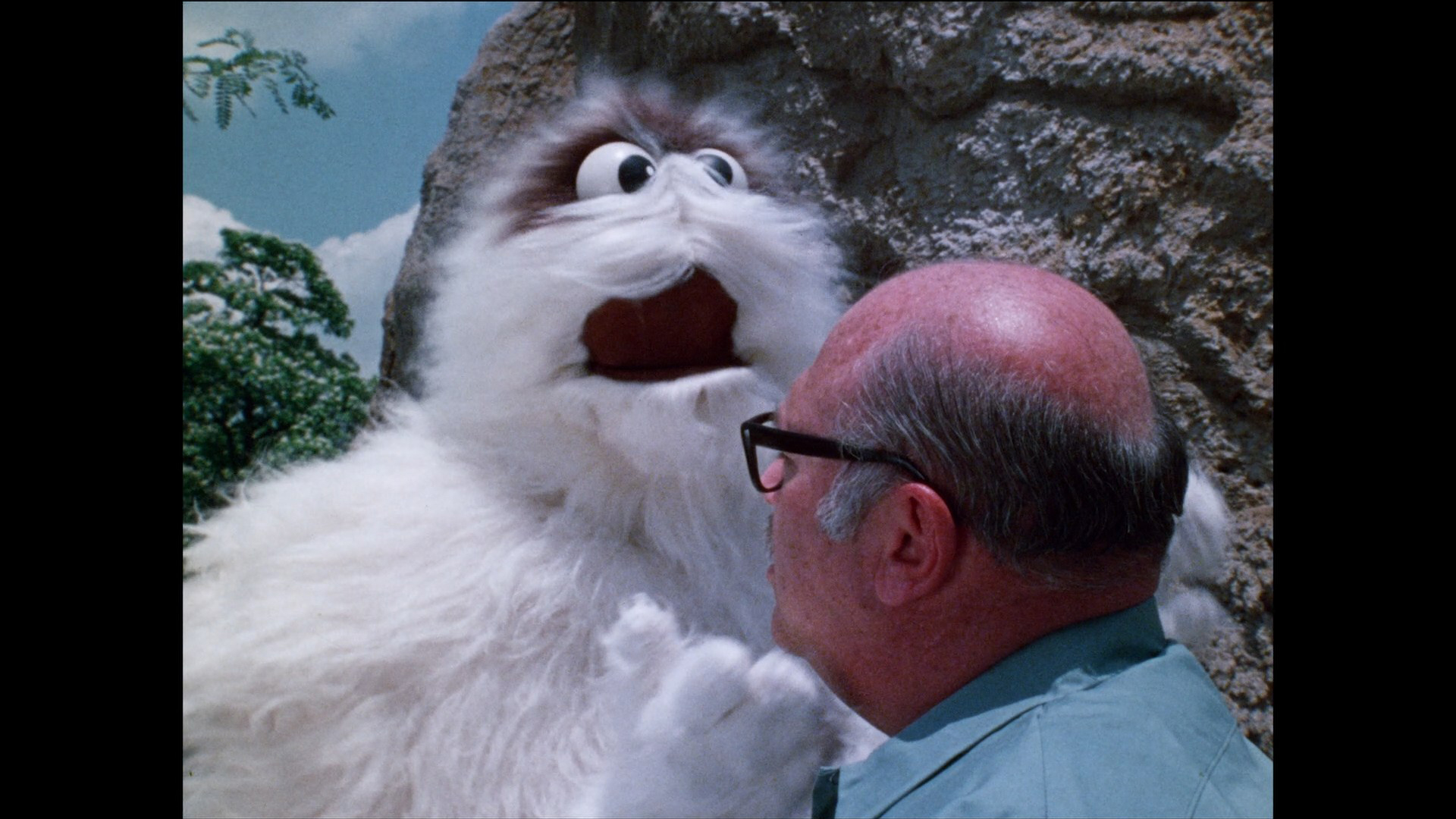
  "Point of View" (7m15s), using up-close photography of a beautiful Siberian cat tracking a mouse (with a nice humane resolution), and "Twine Twain" (5m9s) features the same cat (Plato) with furry roomie Aristotle for a slow-motion play date with twine that turns downright lyrical; both are the handiwork on scientist Leon Harmon and great for fans of felines. 1974's unsettling "The Notorious Man in Black" (14m32s) is another Harrisburg curio, this time an educational scare film with a drawling guy in a black cape and hood representing the many perils that await kids who run away from home. The fact that this was produced by the horrific Neo American Church right before its child abuse offenses came to light gives this one a particularly queasy quality, and you can look up founder George Feigley if you want more disturbing context. The U.S. bicentennial is represented with two 1976 oddities: "Secret of '76" (27m19s), a look at Philly's place in early American history courtesy of the Ritts Puppets including the abominable snowman, and "The USA" (13m58s), from a Pennsylvania State University art class featuring lots of patriotic music, colorful and sometimes suggestive hand-drawn animation, and a hilariously dirty post-credits punchline. Last up is 1985's wild "Child’s Play" (15m20s) from Pittsburgh's Point Park College, a dialogue-free portrayal of two kids in a very smoky arcade kicking off an action-packed showdown across the campus. The shorts can also be played with informative (and sometimes munchy) audio commentary mainly with Vinegar Syndrome's Becher, Joe Rubin, and Dino Prosperio, with additional contributions for individual titles like Austin Miller (who provided the print for "The Psychedelics") and Carl Horner. Another "Winding Through" (30m49s) with Becher and a sentient film can goes through the careful process of restoring these shorts, all of which had their own backstories and challenges that had to be faced.
Reviewed on September 13, 2026
