 enjoying one of his most
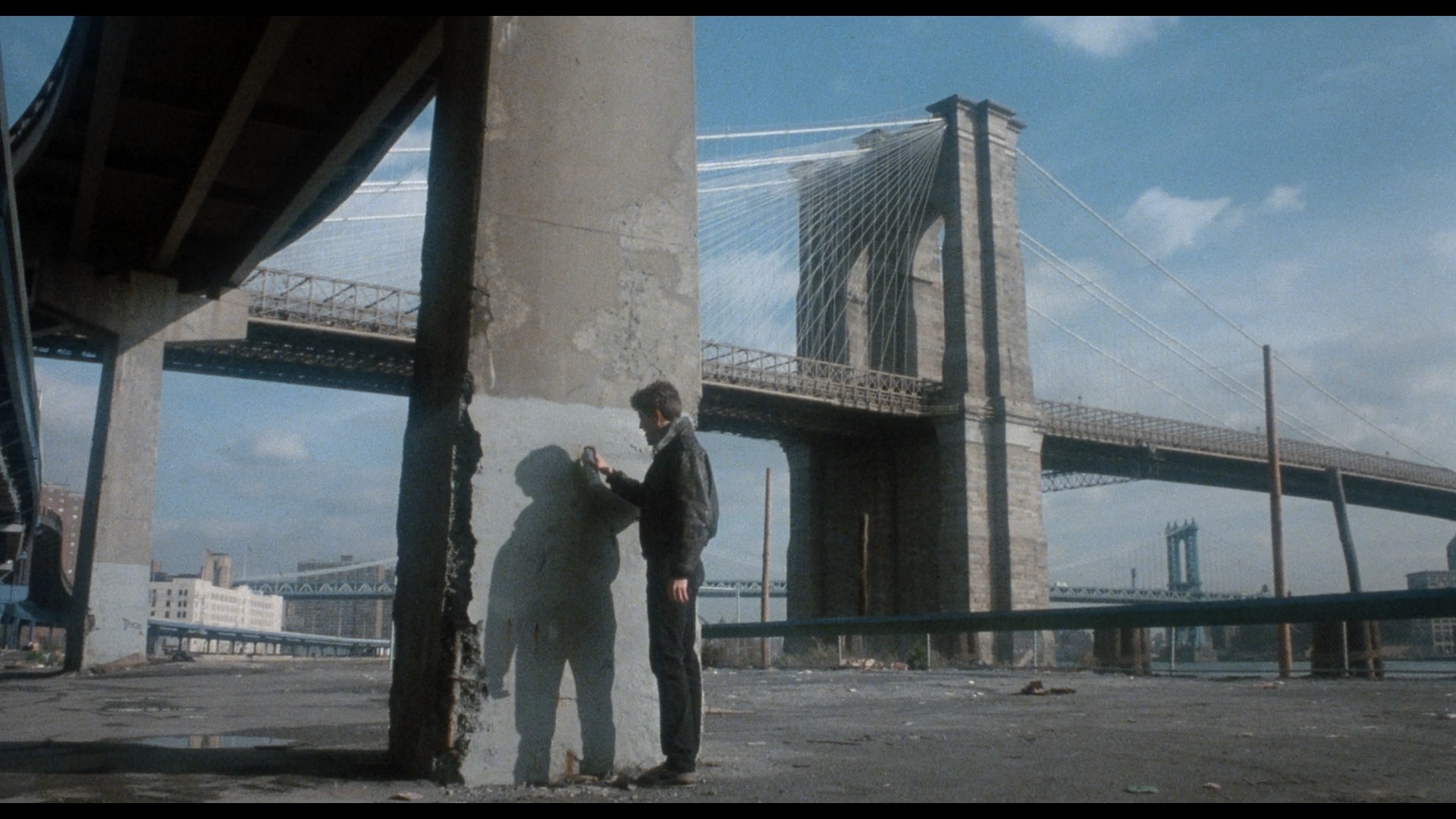
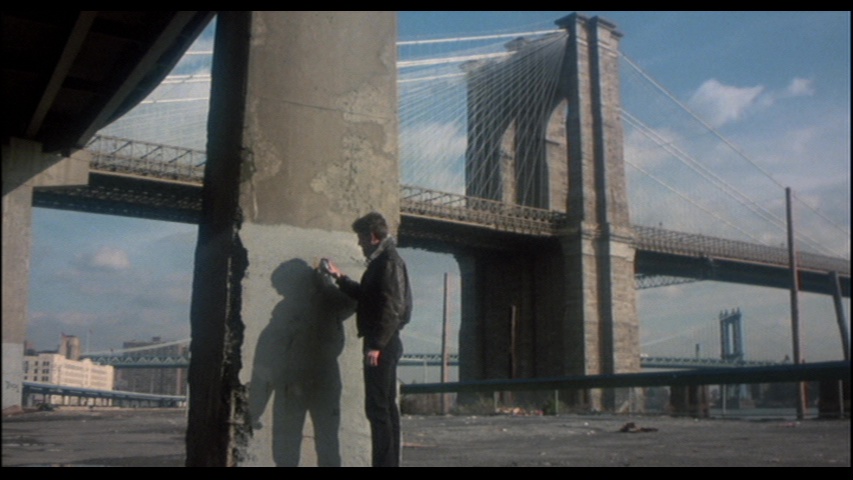
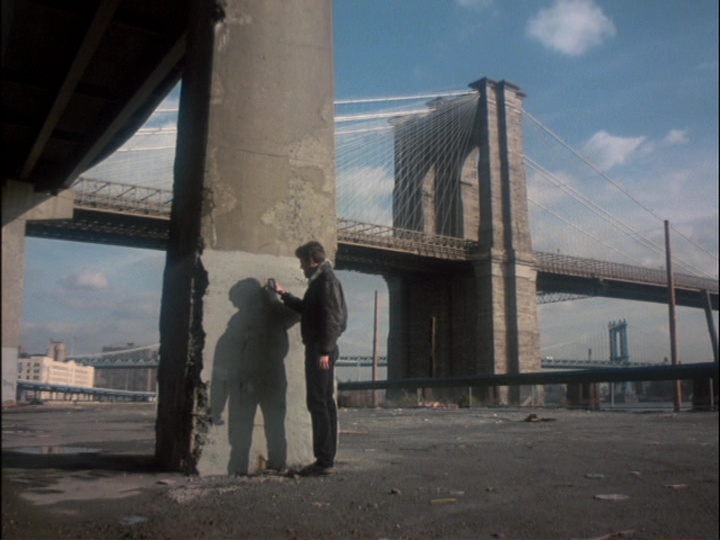
  critically praised films with the timeless Manhattan monster film Q, director Larry Cohen spent a frustrating period trying to mount projects in California that mostly led to dead ends. Fortunately he ended up getting a deal to make two low-budget features back to back on his usual stomping grounds courtesy of the British company Hemdale, with both films seeming to fit in with the craze for Hitchcockian thrillers still going strong at the time. However, the end results -- Special Effects and Perfect Strangers -- turned out to be pure Cohen to the core, using an impressive roster of the Big Apple's up and coming indie actors and sporting location work to die for.
 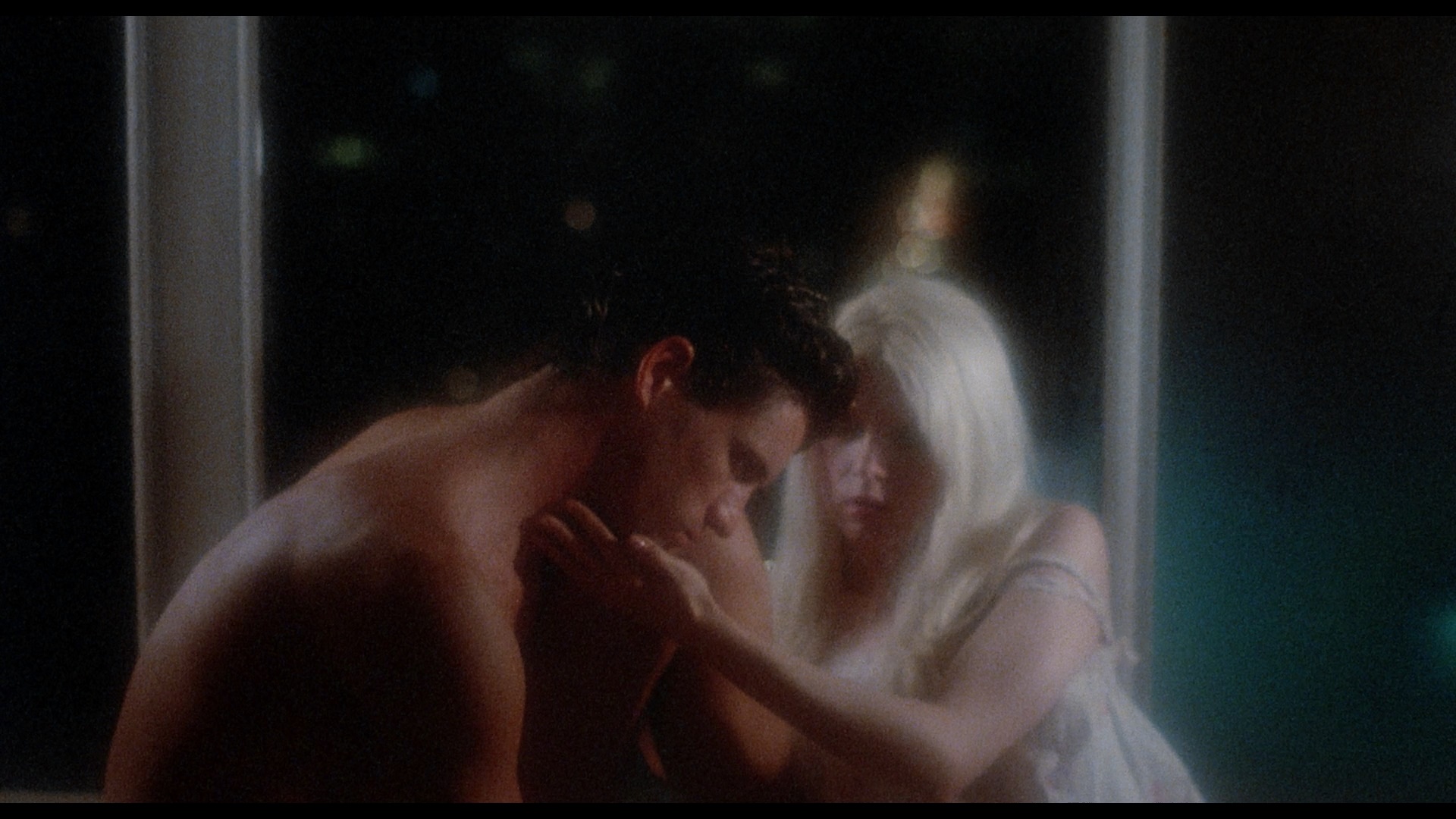 boutique shop and participating in feminist rallies with her friends and coworkers, but all that changes when Johnny, under
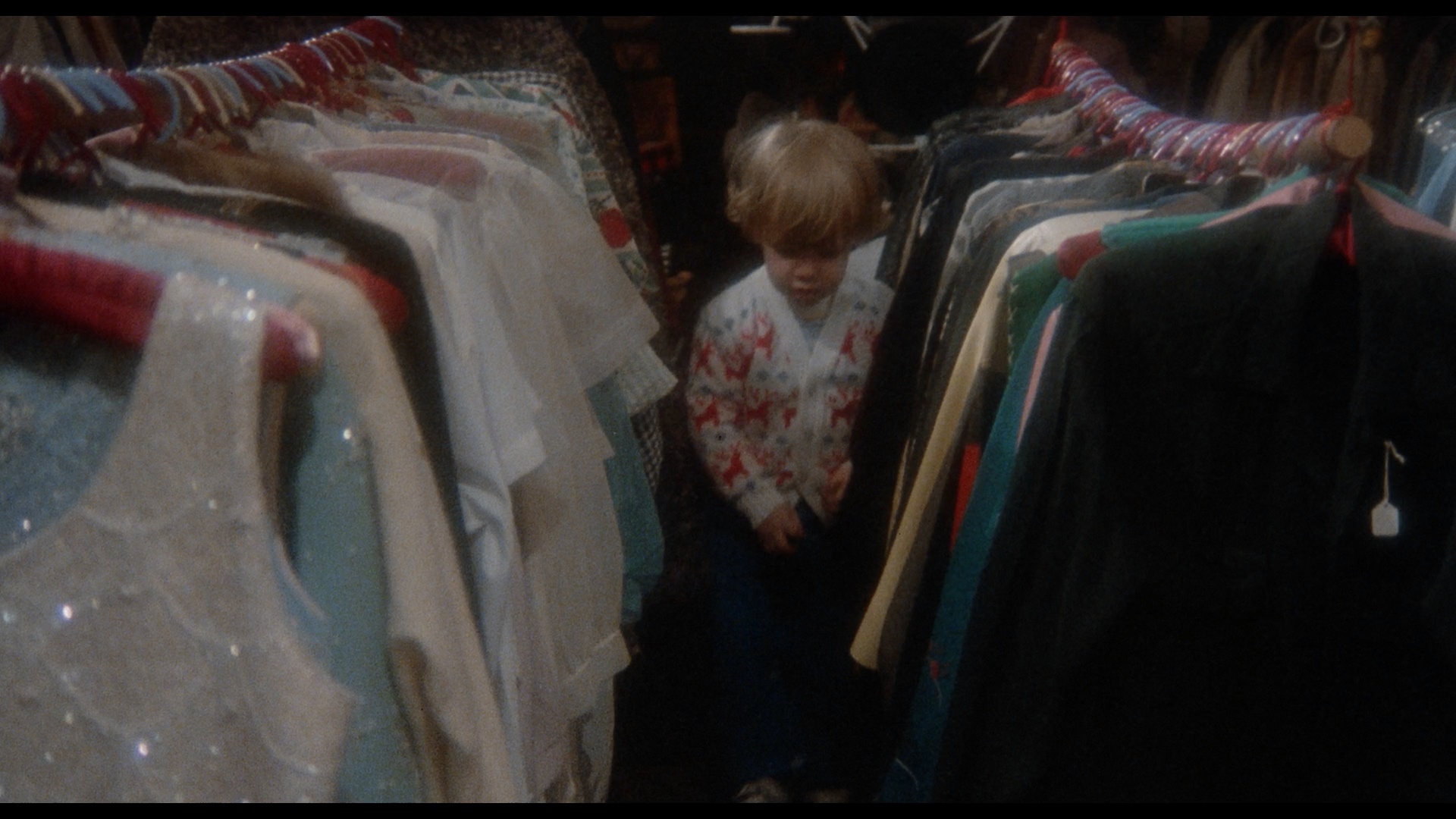
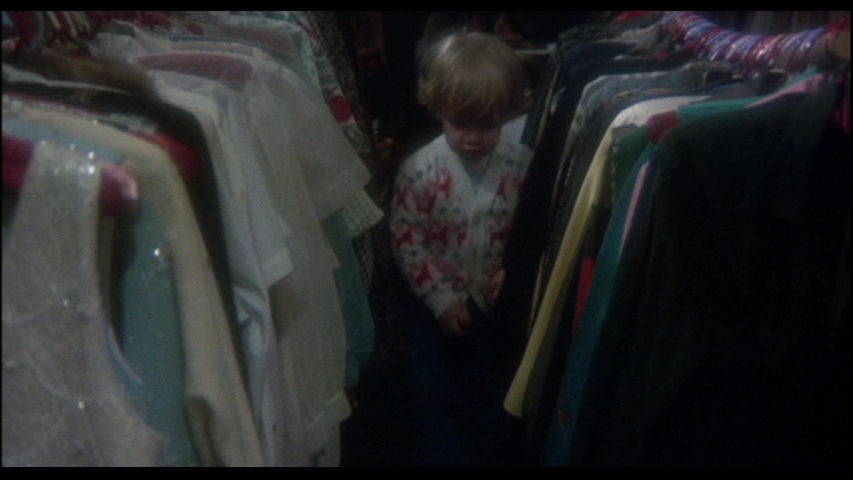
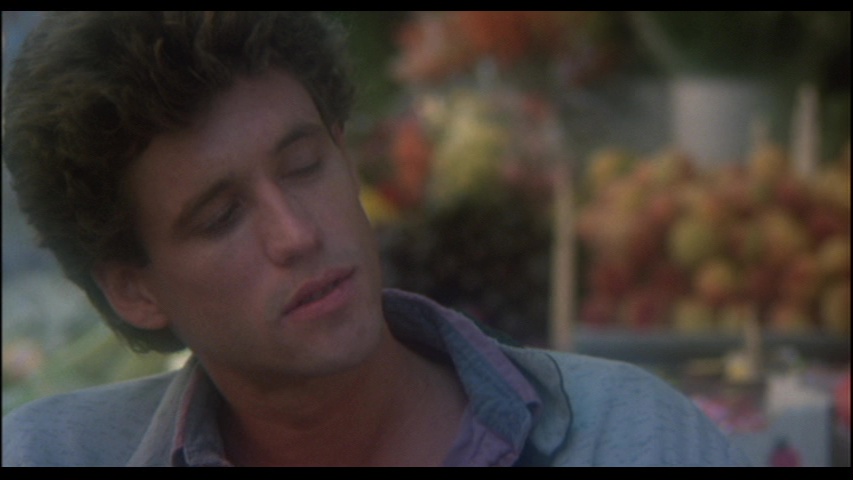
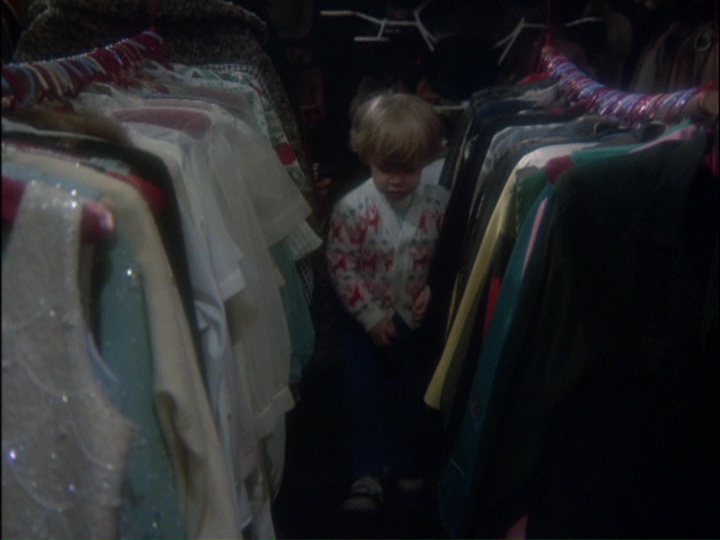
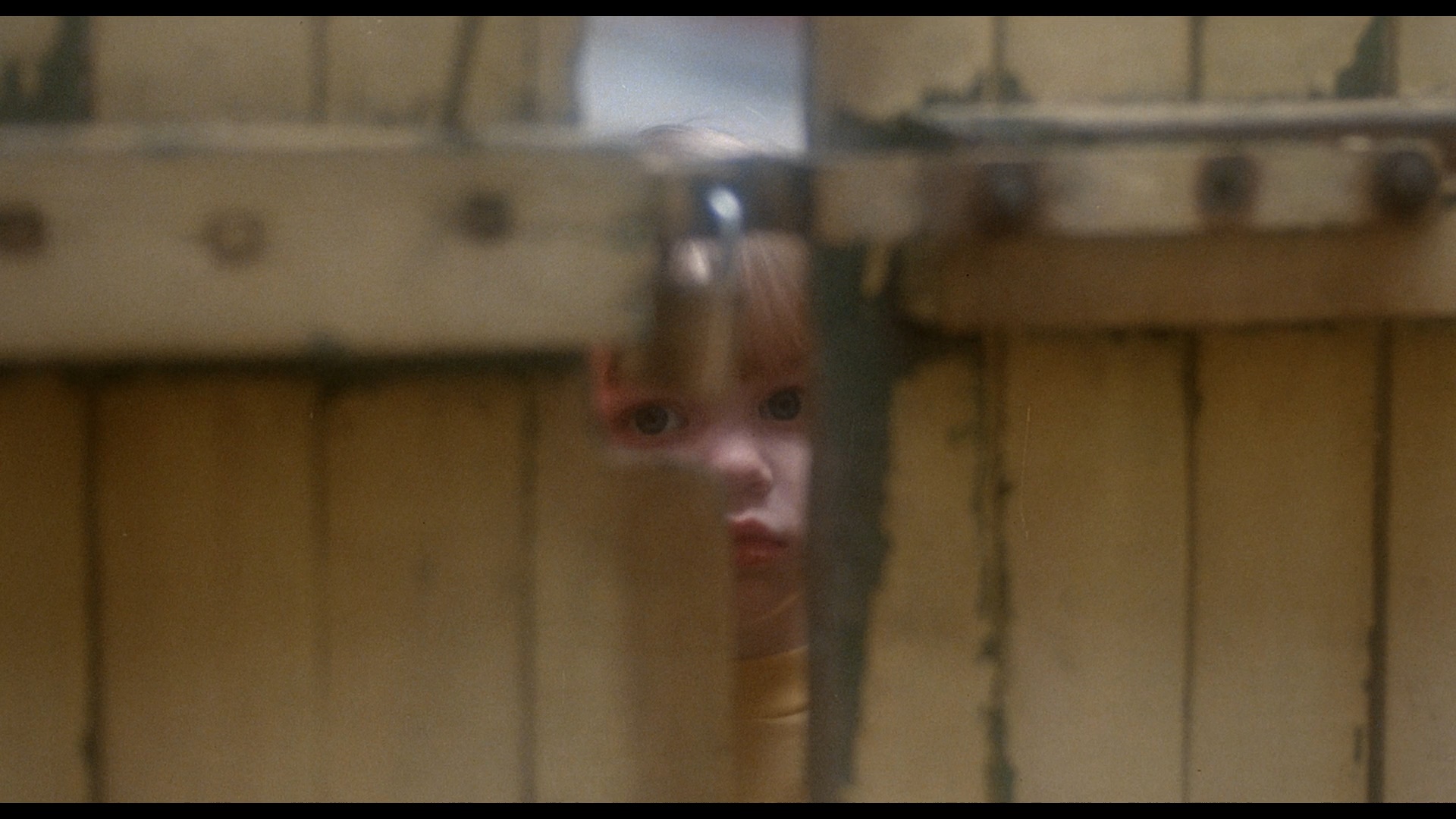
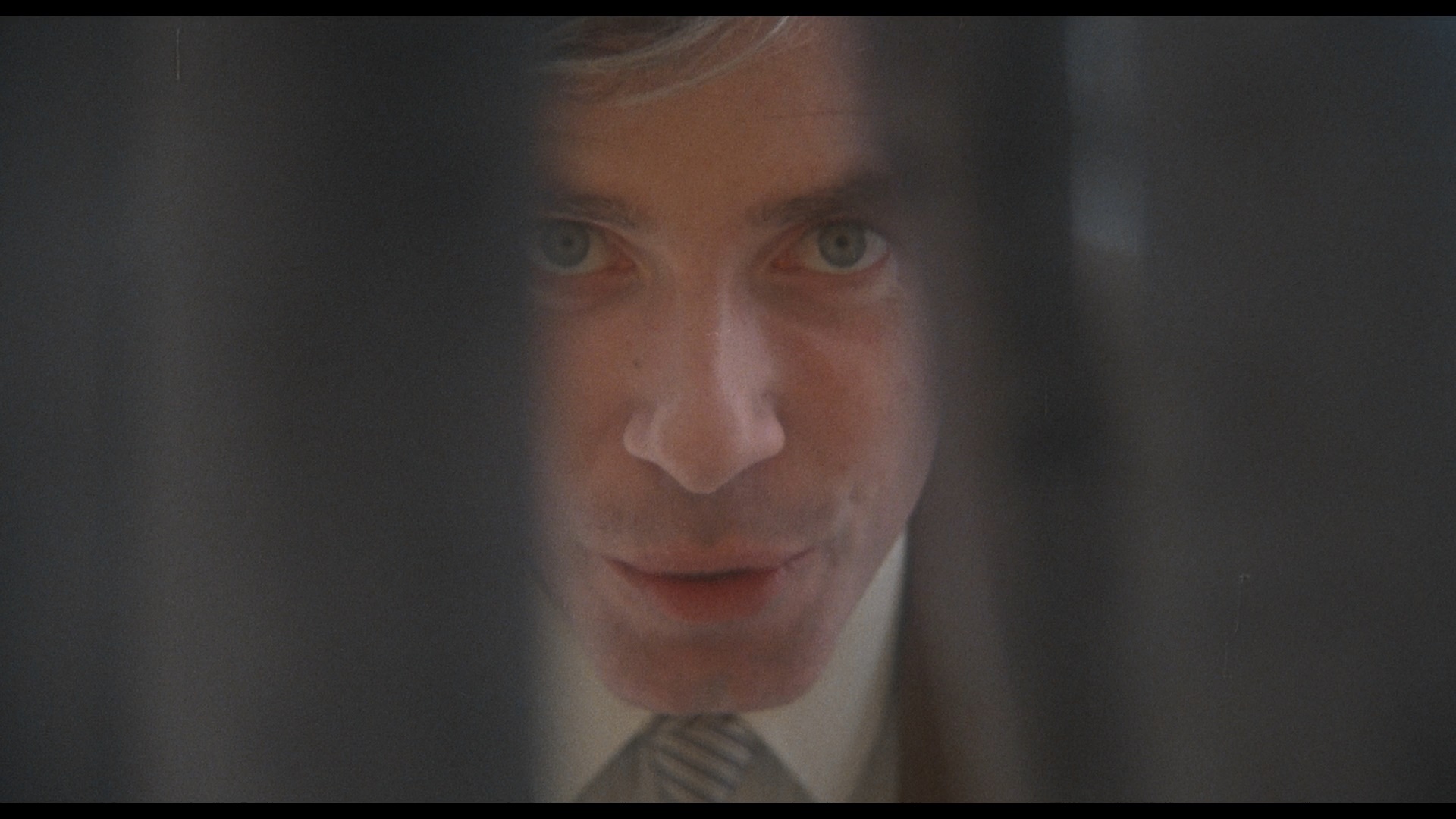
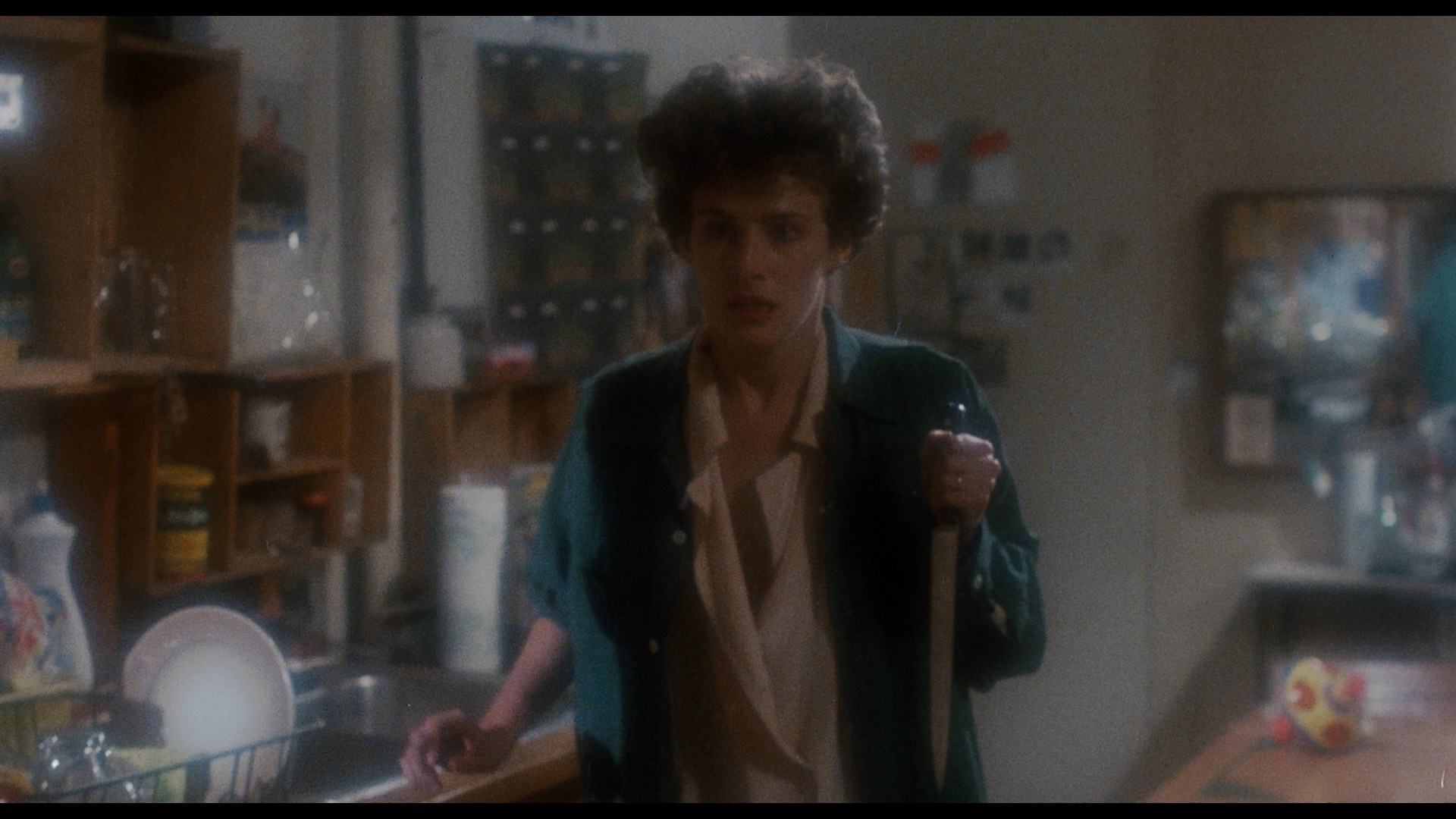
 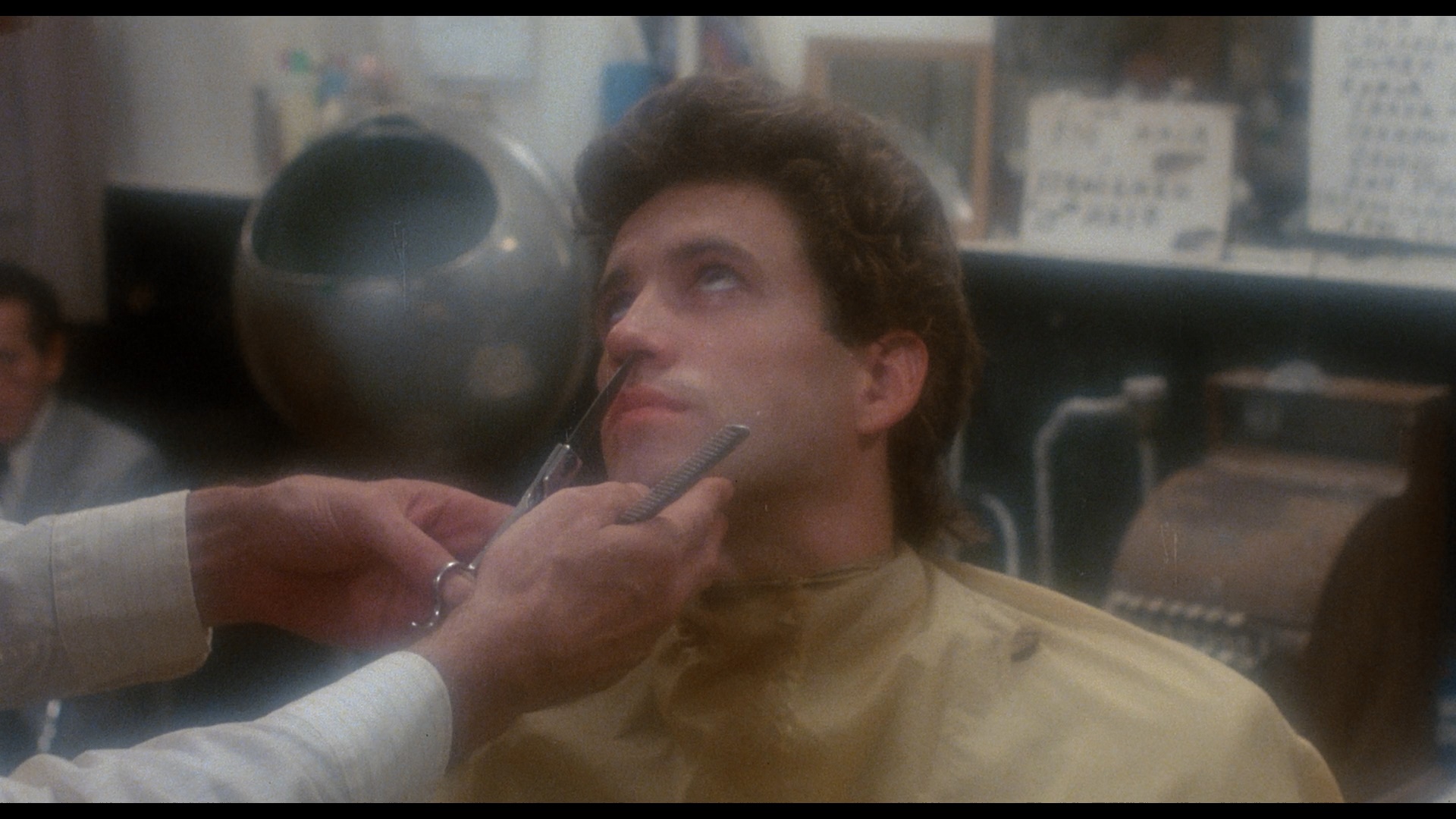 orders to take care of loose ends, starts hanging around the neighborhood and begins dating her. Meanwhile a police officer, Lieutenant Burns (Scanners' Lack), keeps swinging by trying to get Sally to help ID the criminal she never even saw, but she's reluctant to cooperate anyway thanks to the advice of her closest friend, ultra-feminist Malda (Making Mr. Right's Magnuson), that cops are the enemy of women anyway. Complicating things further, Fred shows up and engages in some impromptu kidnapping that Sally barely manages to cut short thanks to a public argument, and Johnny is nervous that the little tyke could start talking at any minute and blow his cover.
 shown off in all its
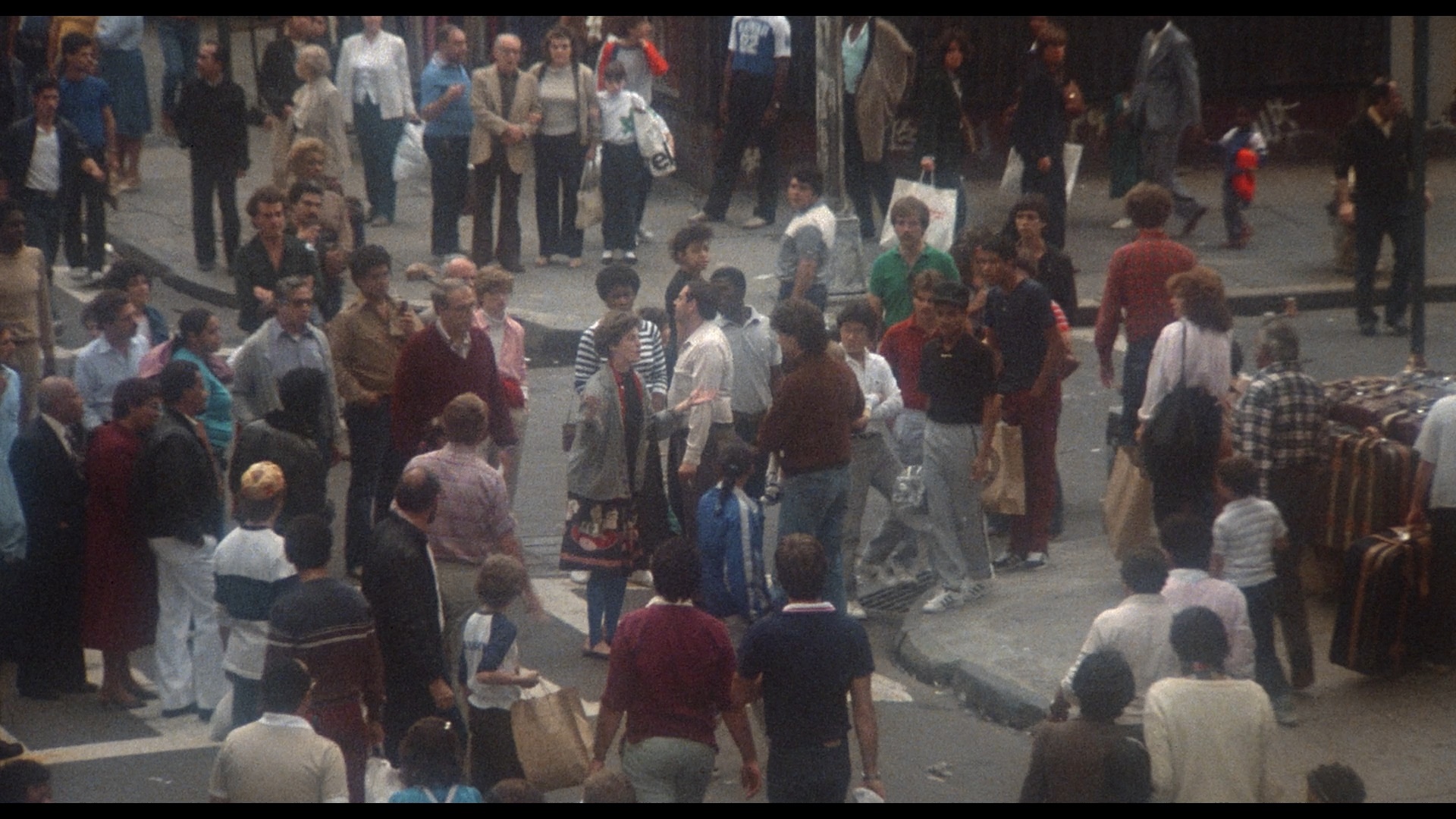
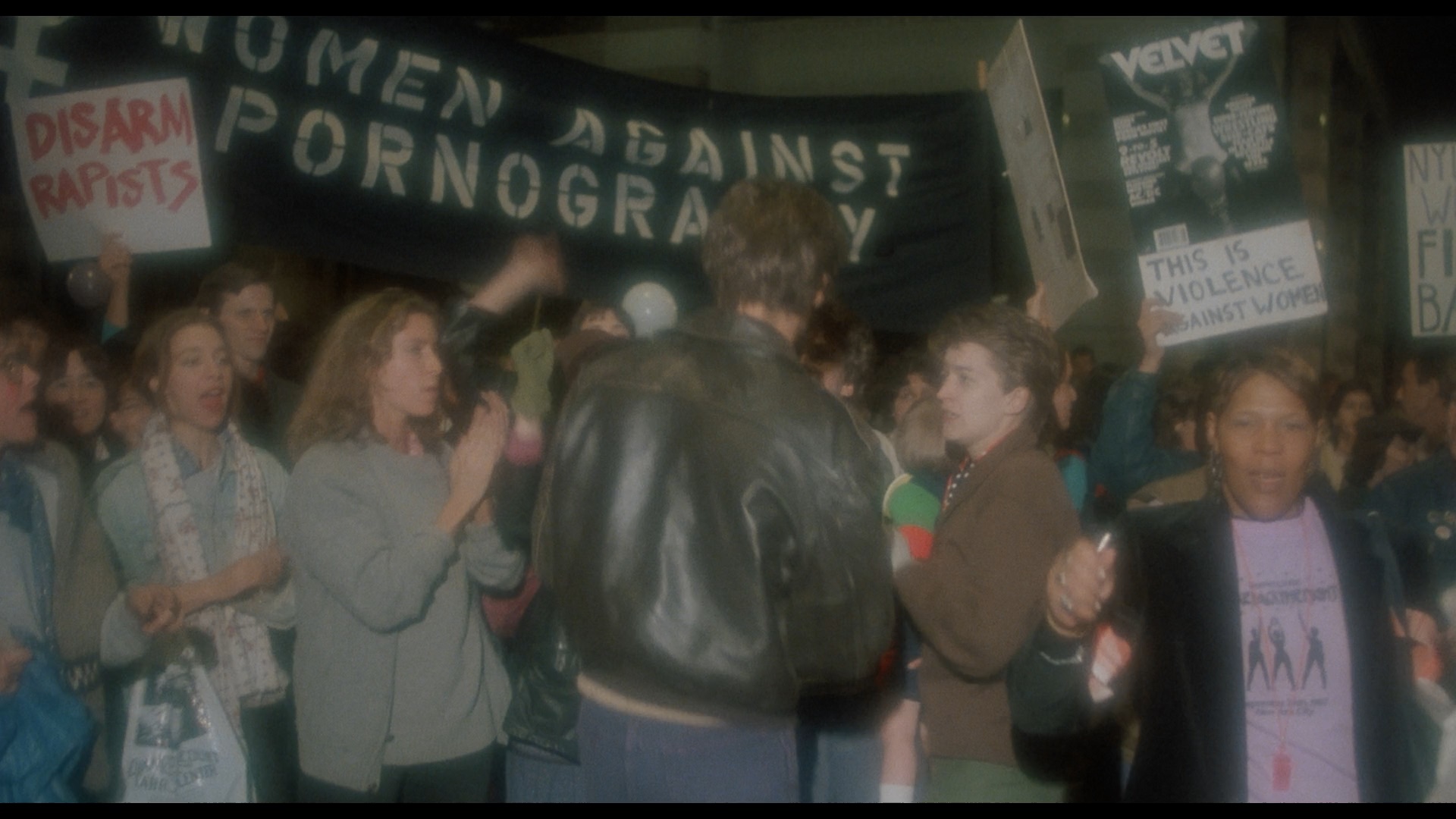
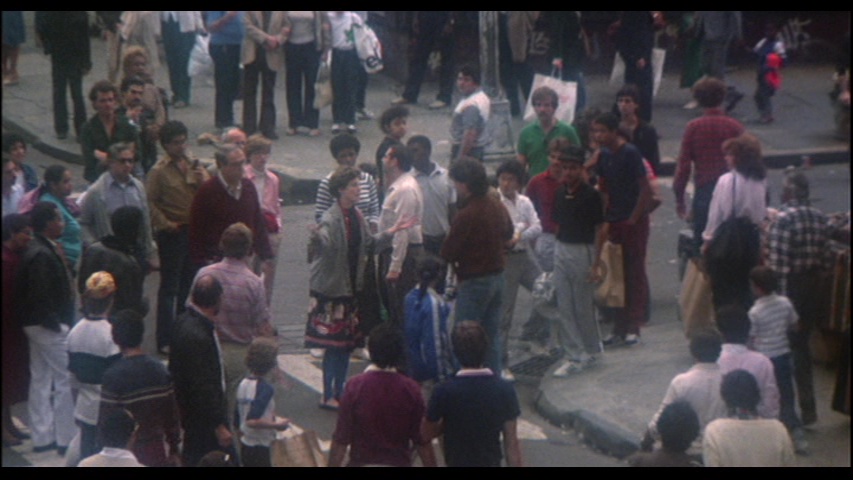
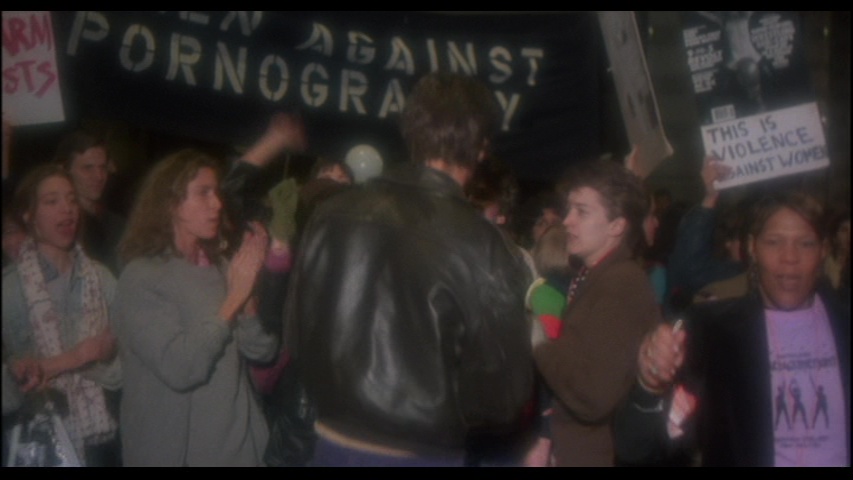
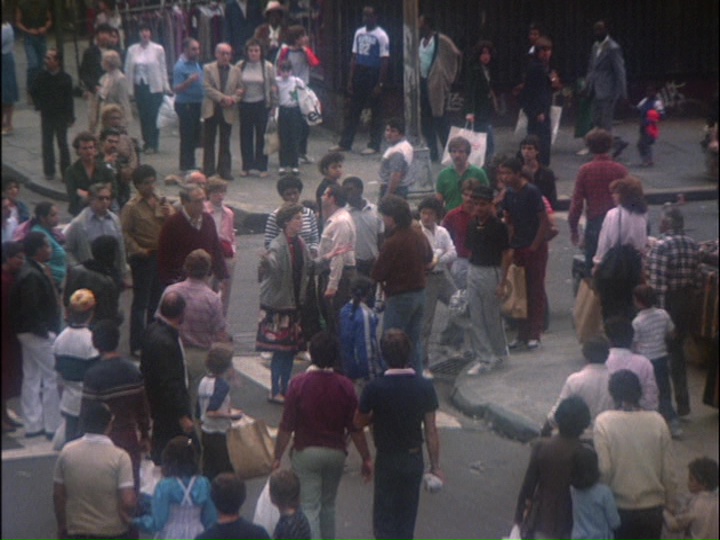
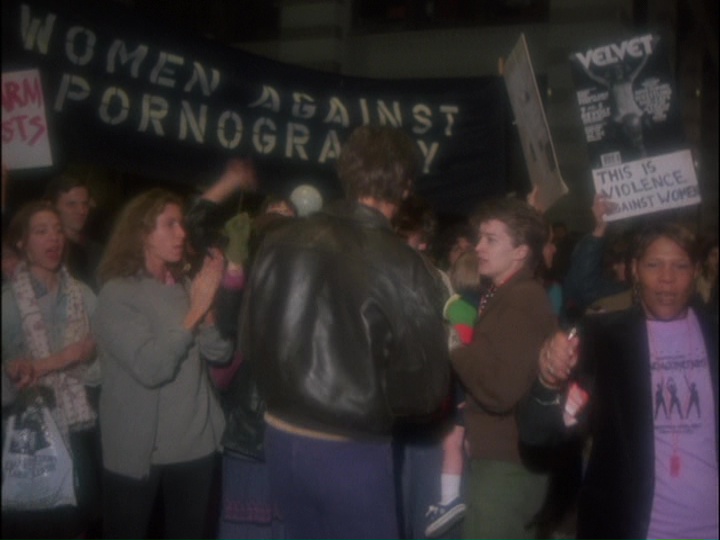
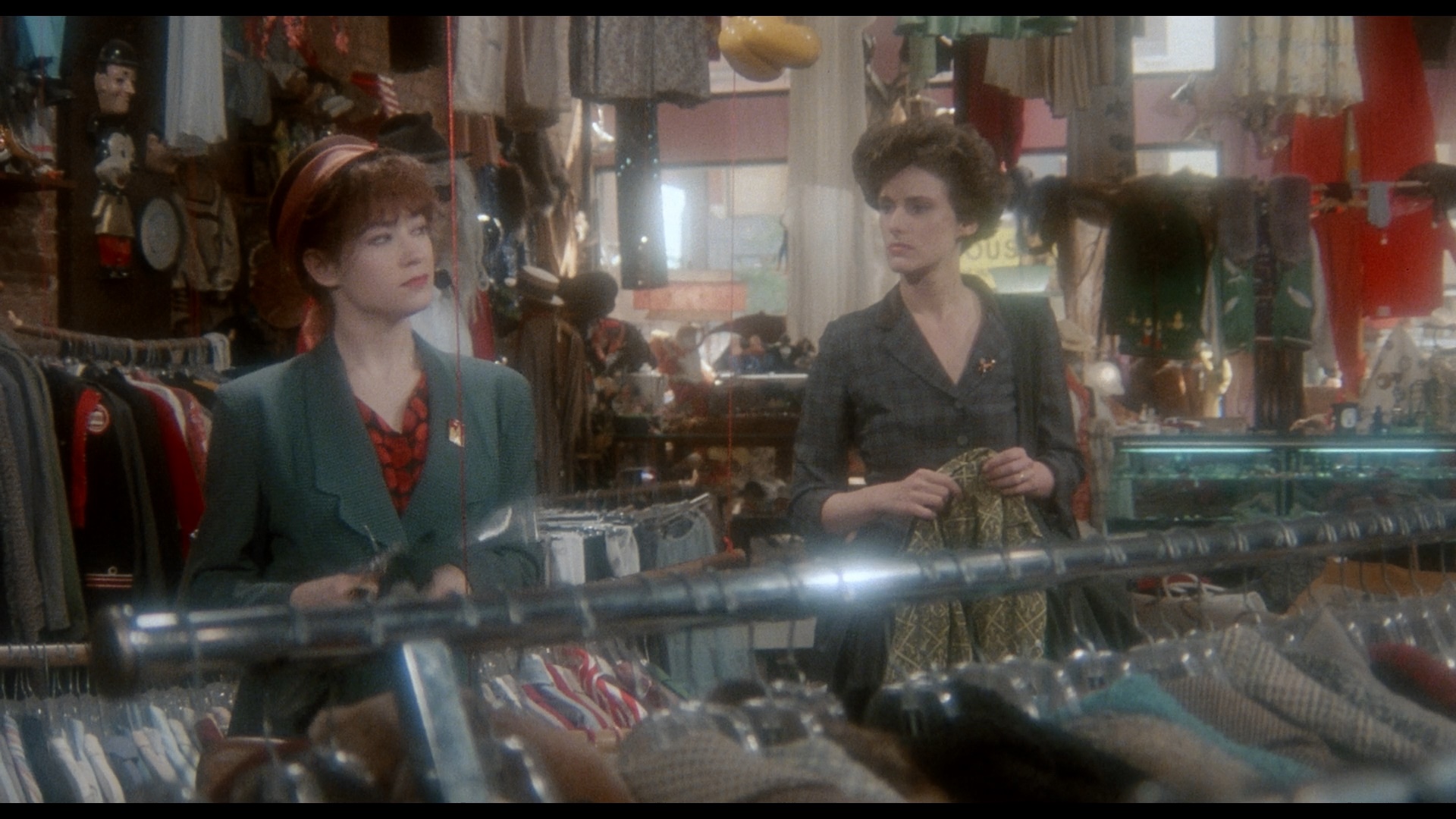
 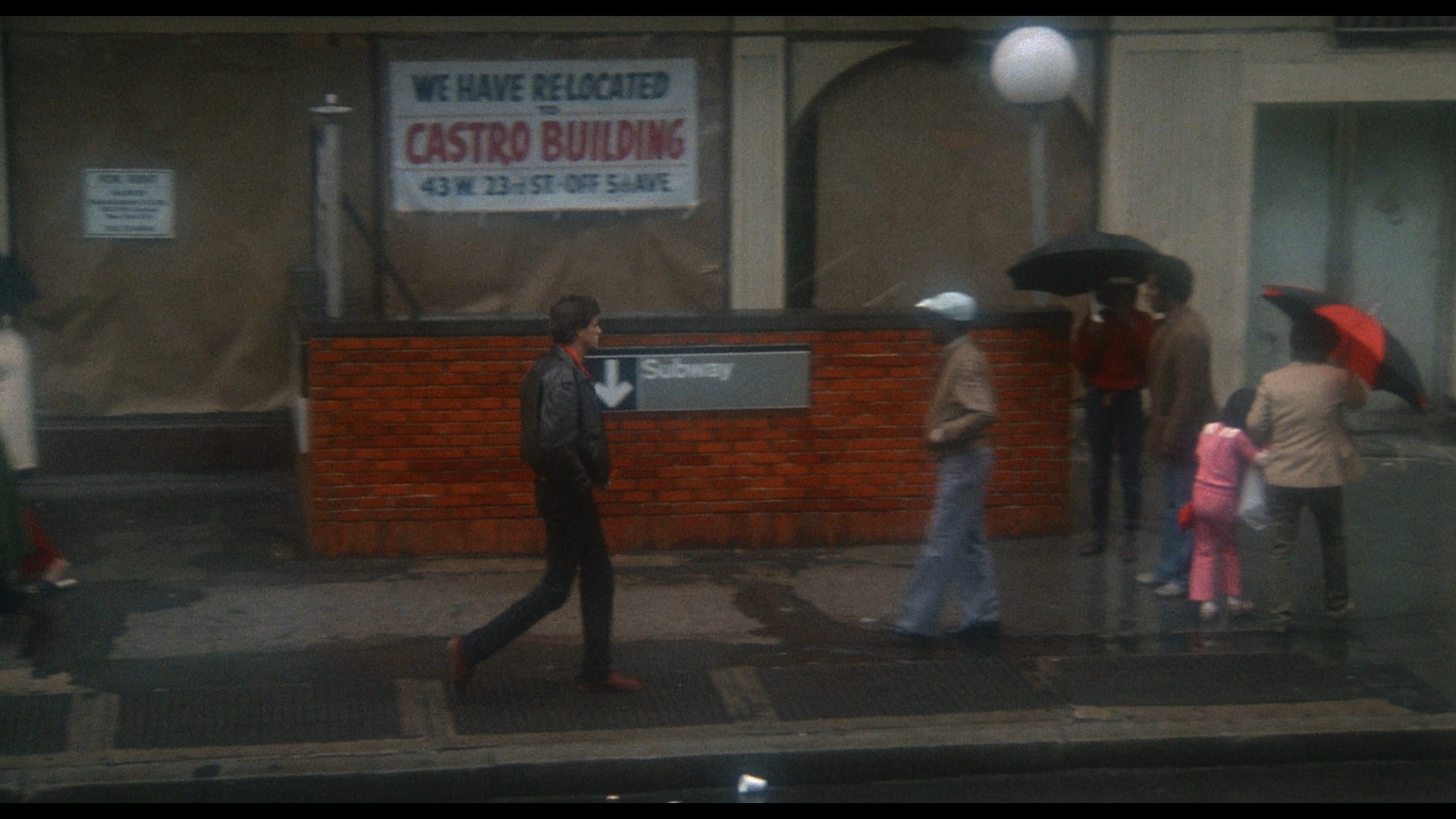 Reagan-era glory with Cohen indulging in his amusing habit of shooting guerrilla-style scenes in public (which he already famously pulled off during the spectacular parade sequence in God Told Me To). Here he does it multiple times including that abduction sequence and, most memorably, a great extended nighttime sequence at a Take Back the Night march peppered with anti-porn and LGBT crusaders as well.
  features far
 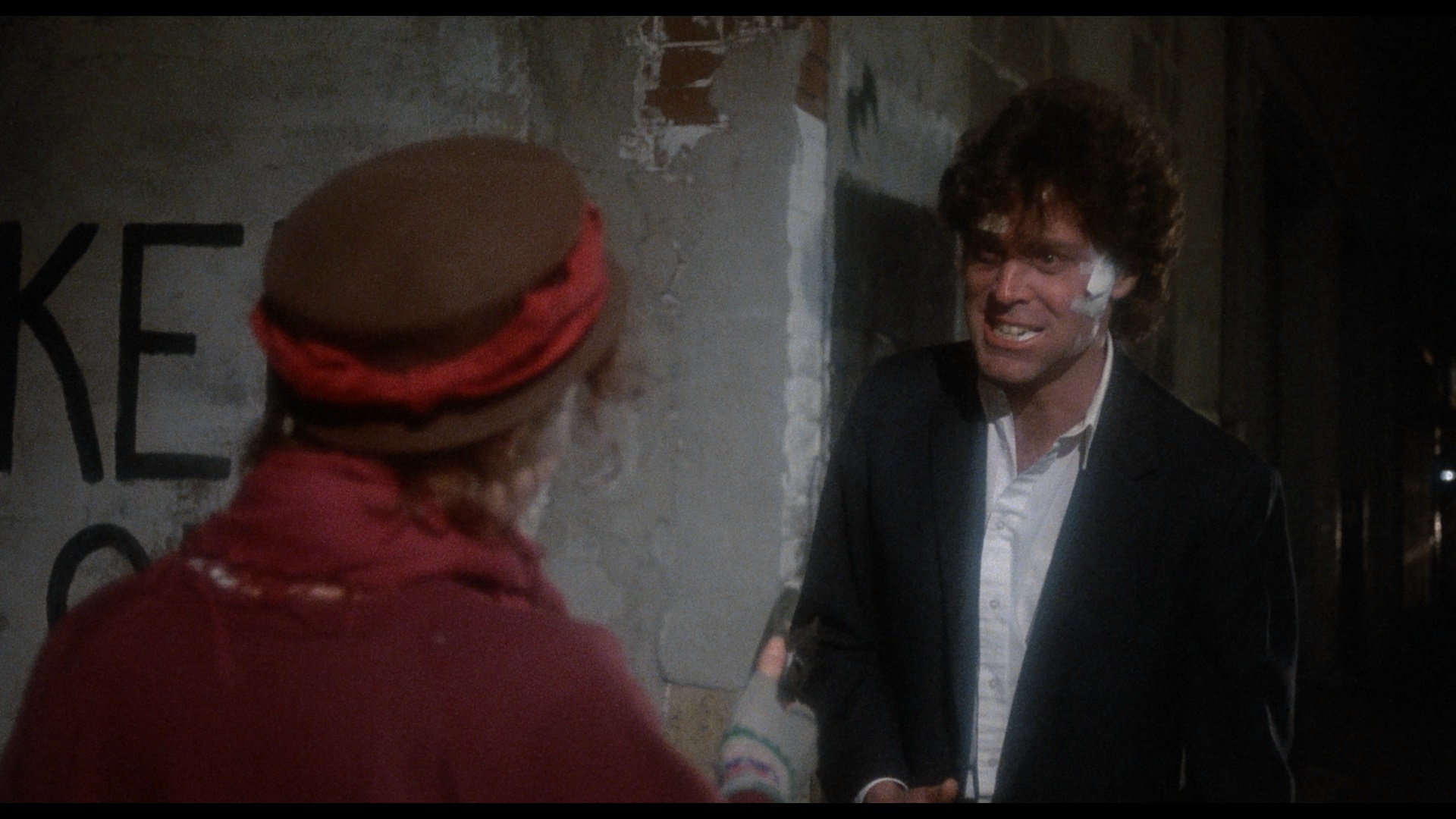 more information on both sides compared to both framing options on the MGM disc and looks nicely framed throughout, with more vertical information visible than the earlier 1.85:1 option as well. (See below for a few comparisons.) The DTS-HD MA English 2.0 mono track also sounds good considering the very modest nature of the original source, which features some pretty sloppy sound editing at times. Optional English SDH subtitles are also provided. As for extras, in "A True Artist" (7m46s), Carlisle speaks over video conferencing (due to the current pandemic of course) about coming on this film just after his biggest cult hit thanks to an acting class, the extremely low budget, the way Cohen brought out a connection with her young costar that wasn't possible on the set, and her more ongoing pursuits as an artist. Then "A Shadow in the City" (9m13s) is essentially the full Cohen interview conducted for the documentary King Cohen in which the now deceased filmmaker discusses the making of this film as a simple project back in New York as a two-picture deal with Hemdale, including extensive location coverage that required him to memorably jump in front of the camera during a crowd scene that threatened to get out of control. A brief promotional gallery (38s) is also included; as with Vinegar Syndrome's other MGM releases, the trailer is absent here but can be found on the older DVD if you're a completist.