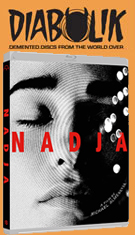
B&W, 1994, 97 mins. 14 secs. / 92 mins. 59 secs.
Directed by Michael Almereyda
Starring Elina Löwensohn, Peter Fonda, Suzy Amis, Martin Donovan, Galaxy Craze, Karl Geary, Jared Harris
Transmission (UHD & Blu-ray) (UK R0/RB 4K/HD), Arbelos Films (Blu-ray) (US RA HD) / WS (1.66:1) (16:9), Pioneer Entertainment, Platinum Entertainment, Echo Bridge (DVD) (US R1 NTSC), Arthaus (DVD) (Germany R2 PAL)
In one of those weird cinematic 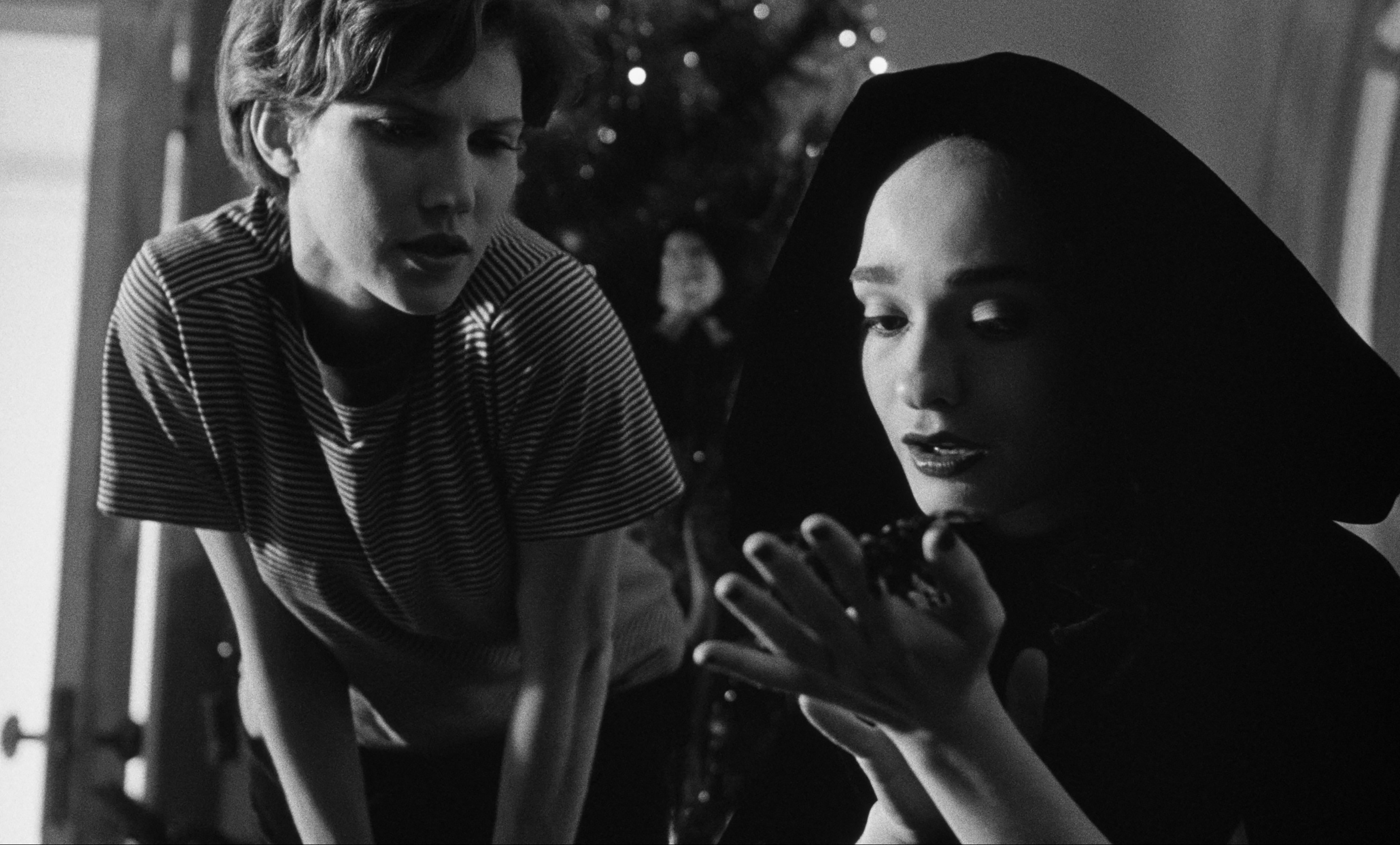 quirks that occur every so often, art theaters and video shelves were flooded with
 vampire movies (many shot in black-and-white) in the mid-'90s in the wake of Francis Ford Coppola's Bram Stoker's Dracula. Among such company as The Addiction, Cronos, Habit, and Night Owl, one of the most prominent was Najda which benefited from being financed and "presented" by David Lynch at the height of his post-Twin Peaks cool factor. On top of that it featured a wild cast composed of two star members of Hal Hartley's deadpan comedy stable, a key member of Roger Corman's '60s heyday, and several figures from the New York City underground art scene. Pulling it all togeter was writer-director Michael Almereyda, whose fondness for the Fisher-Price “Pixelvision” PXL-2000 toy camera gave the lo-res format its widest exposure here outside of a brief sequence in Slacker and a handful of music videos.
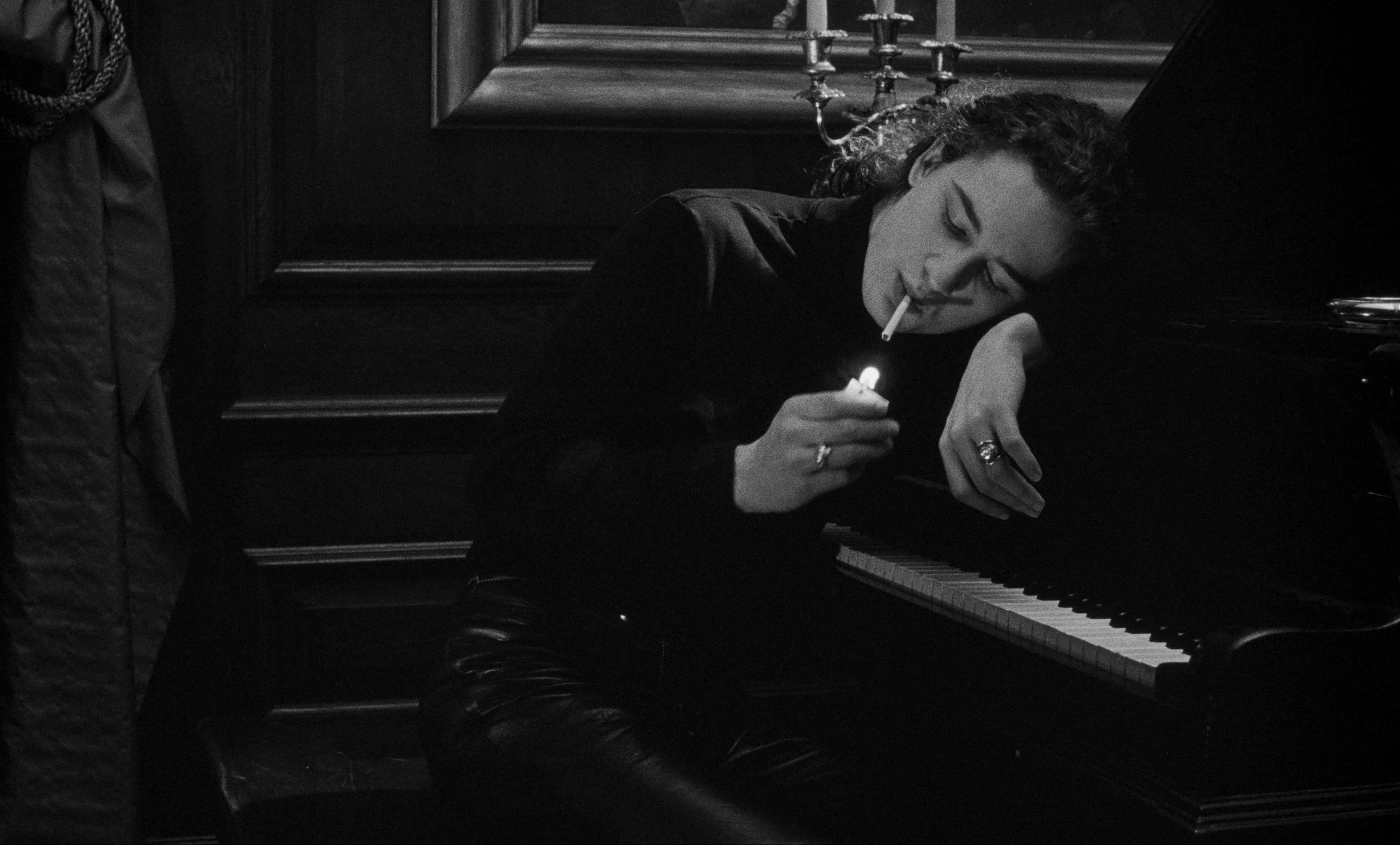
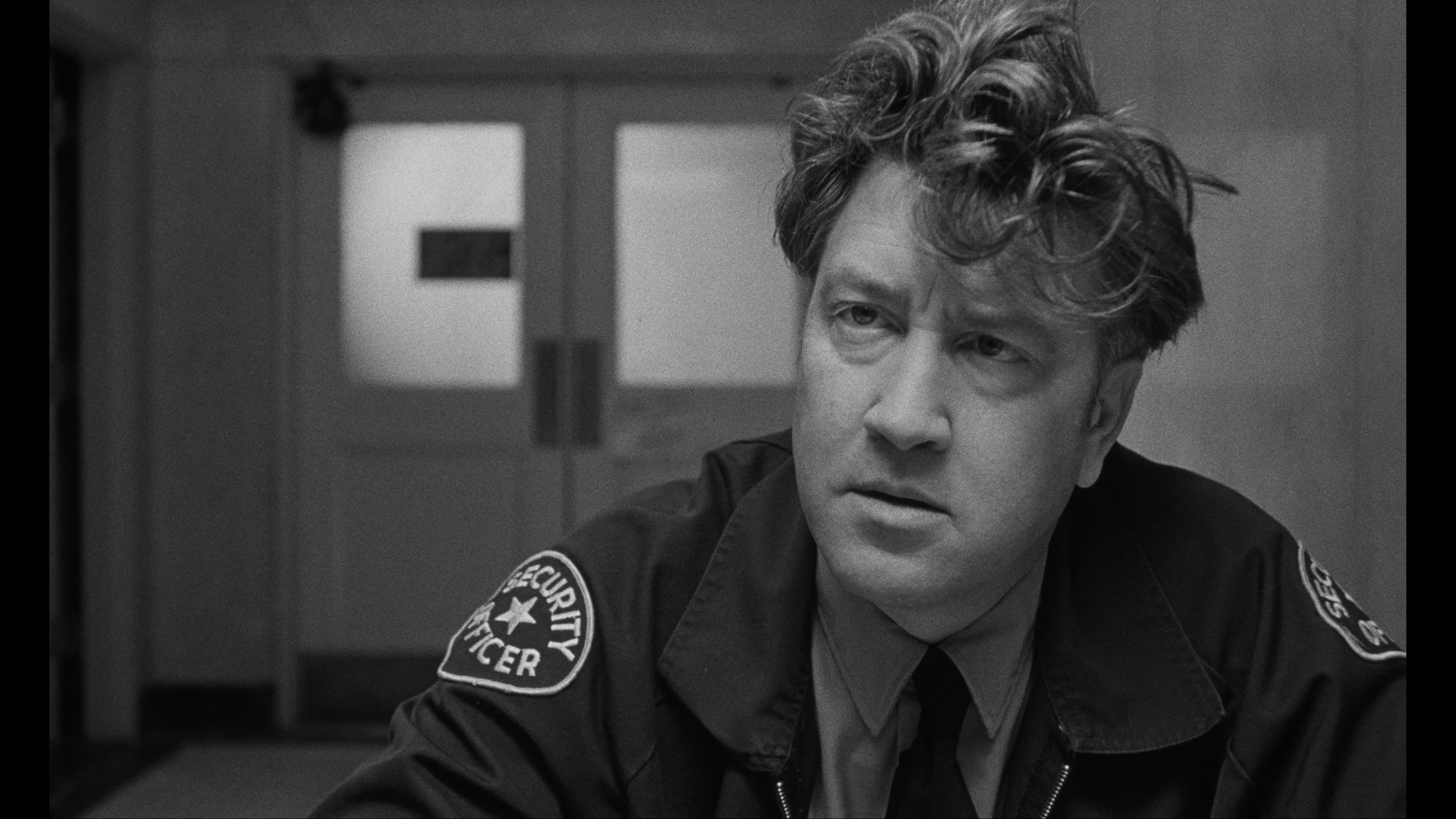
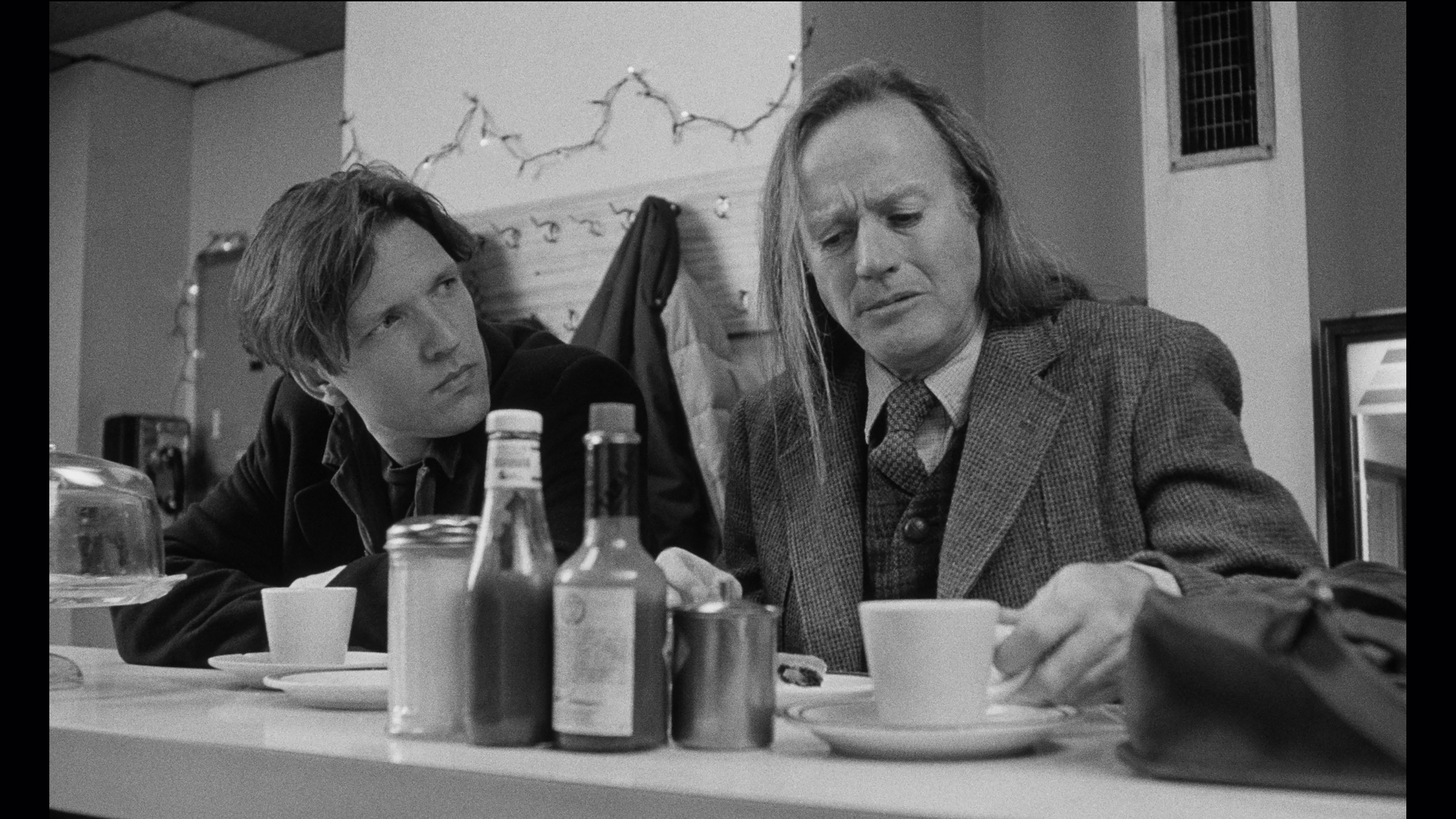
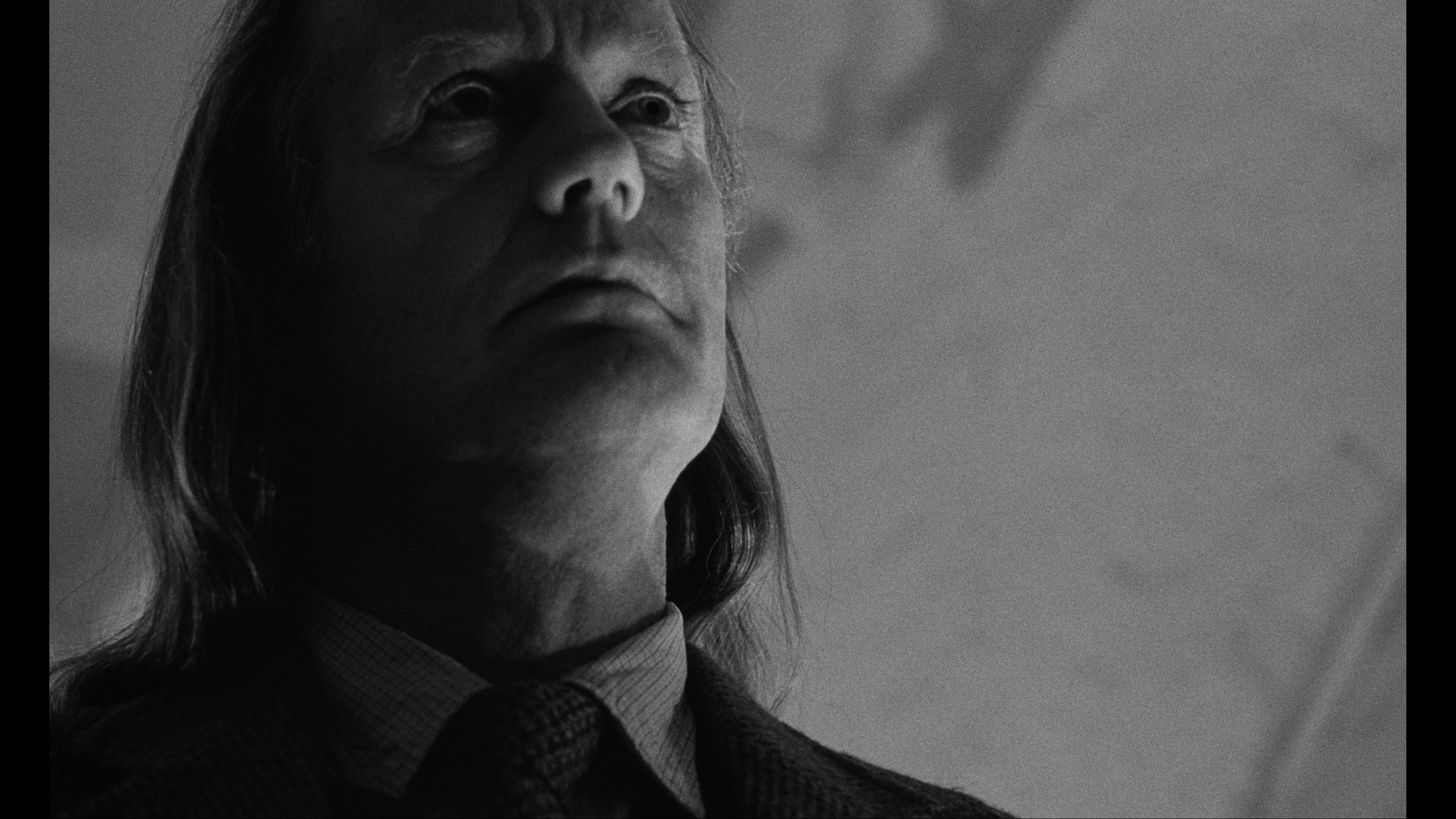
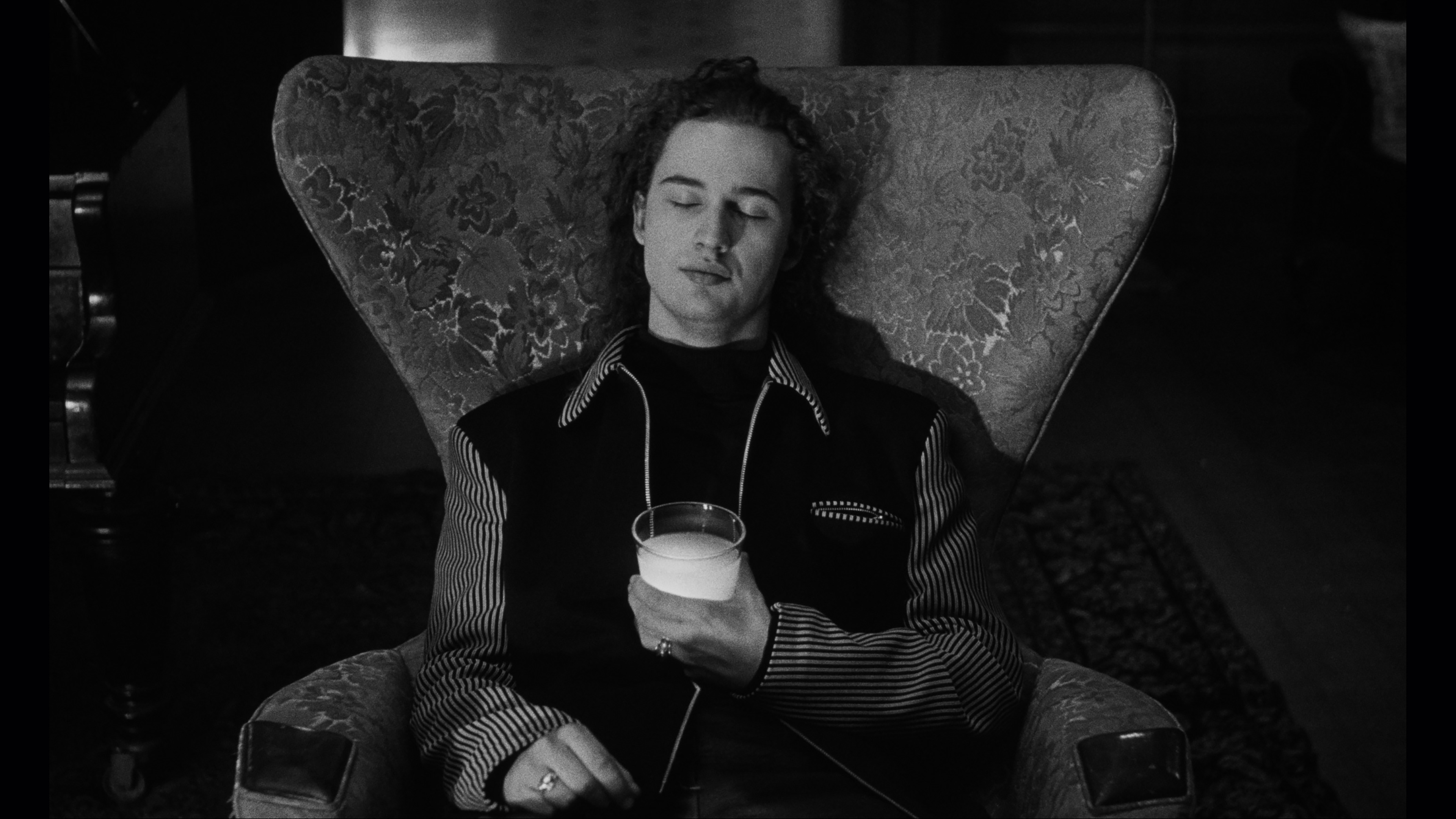
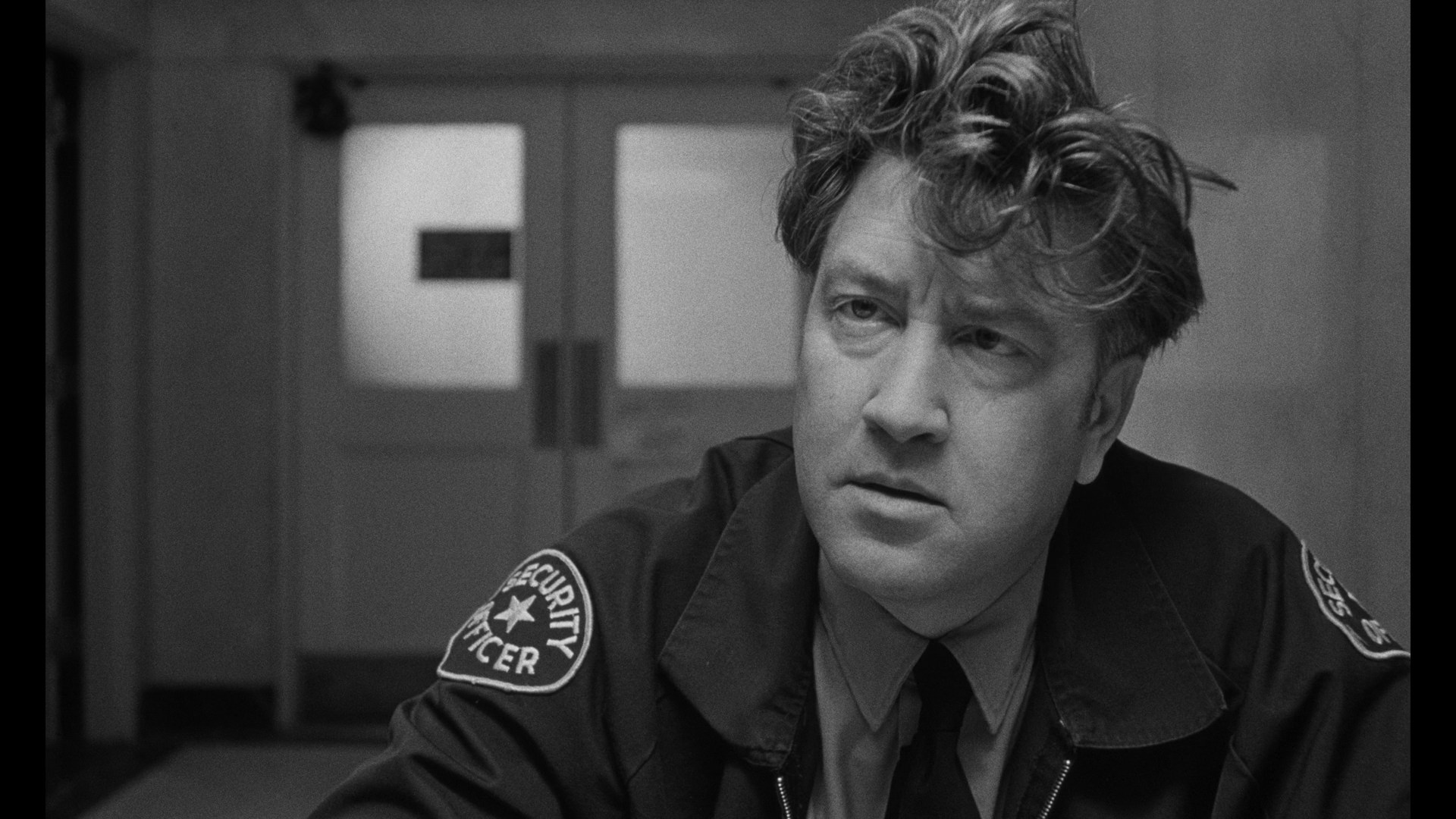
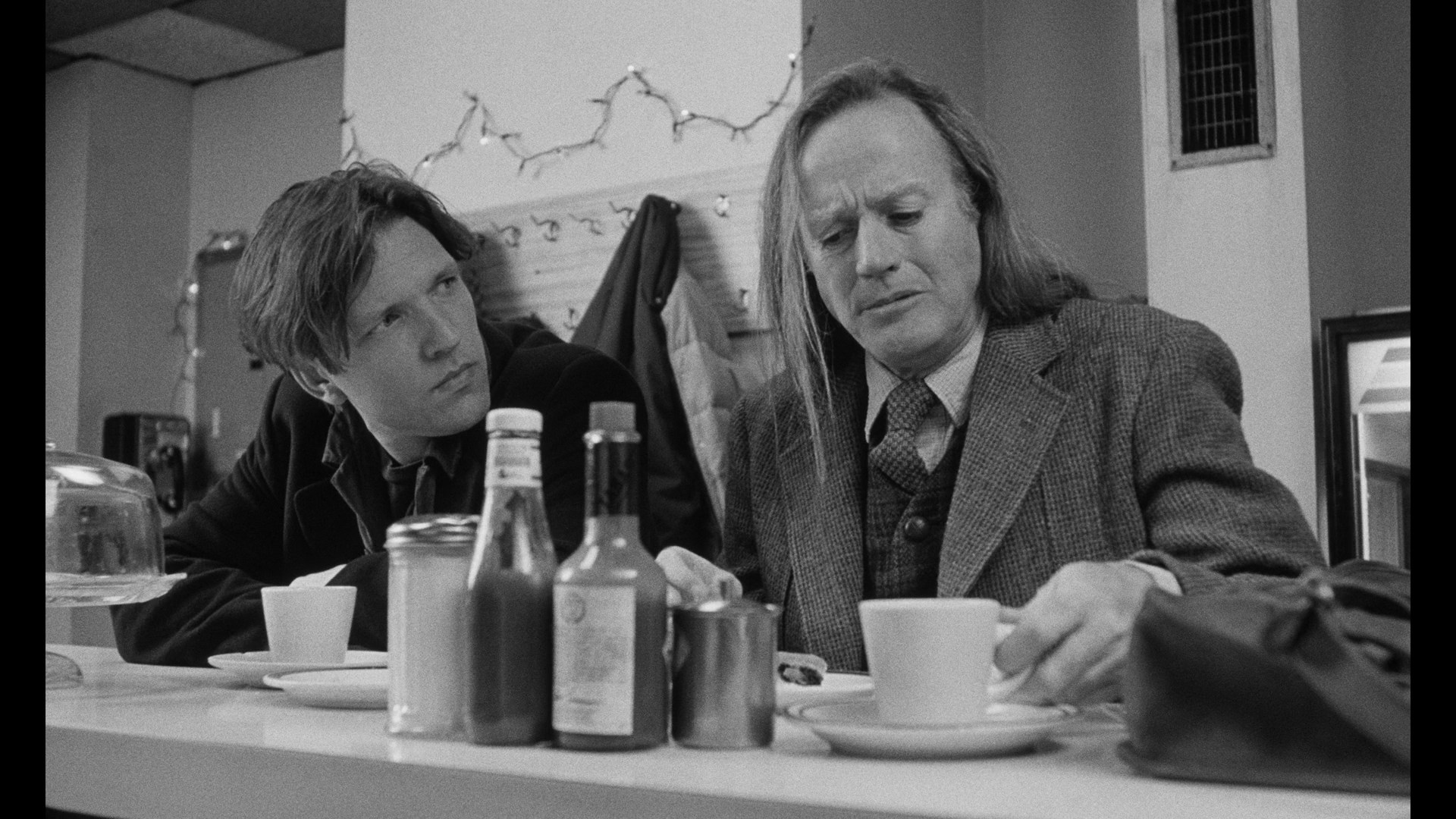
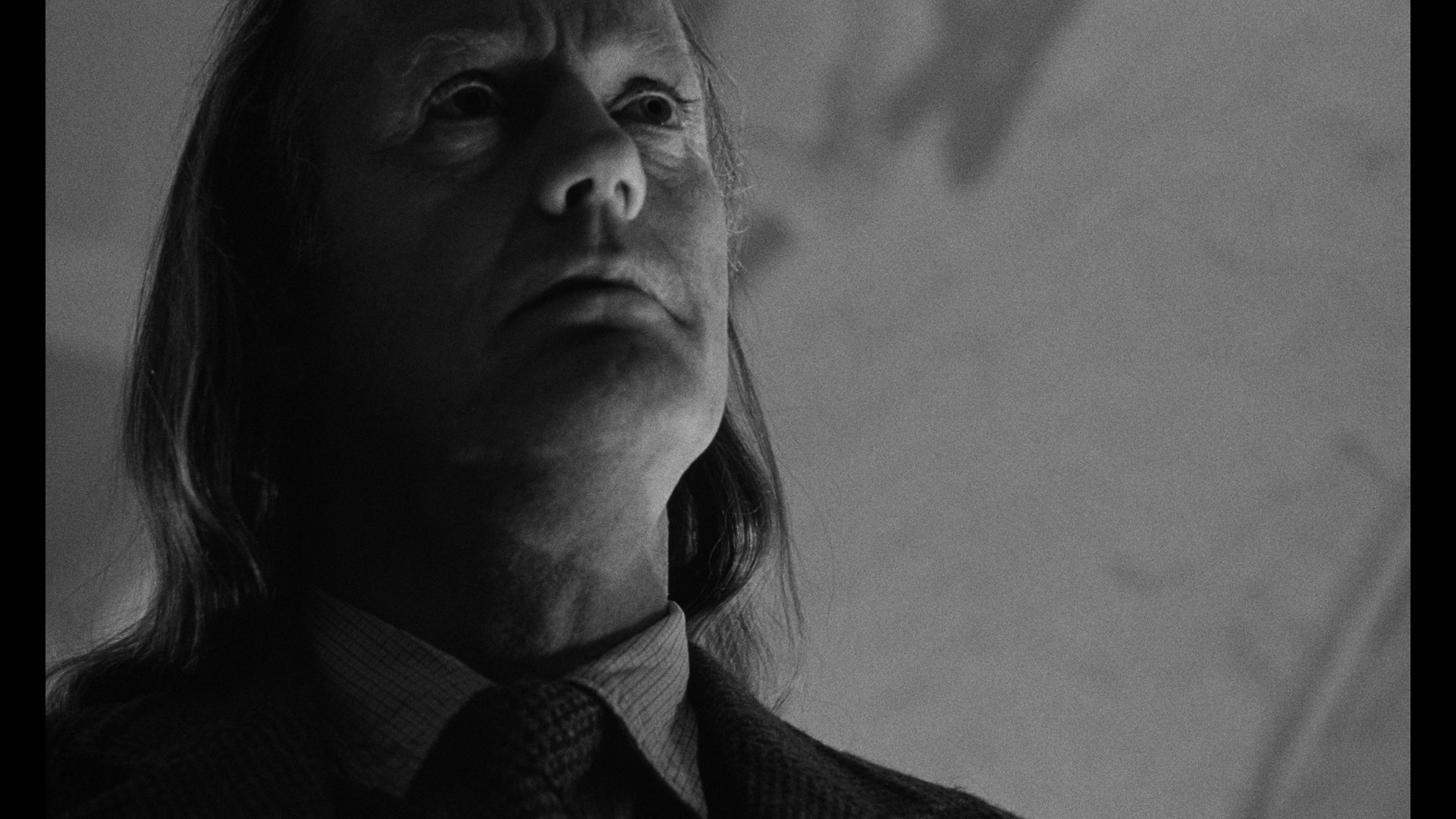
Lynch himself even has a brief cameo early on in a morgue opener that tips it hat openly to both Bram Stoker and Dracula's Daughter. Romanian-born Elina Löwensohn took on the title role (just after Almereyda's Another Girl, Another Planet) just after her breakthrough roles in Hartley's Simple Men and Amateur as Nadja, the daughter of Count Dracula, who claims her father’s ashes after he’s dispatched by Van Helsing (a long-haired Peter Fonda). Meanwhile the vampire killer's nephew Jim (Donovan) is engaged to one of Nadja’s next conquests, Lucy (novelist Galaxy Craze). Nadja reconnects with her twin brother, Edgar (Harris), and brings him and his nurse and girlfriend Cassandra (Amis, also in the director's Twister) to move in with her for an experimental blood treatment. Multiple twists and identity revelations ensue as Nadja's attempts to escape the curse of her heritage lead to bloodshed and tragedy.
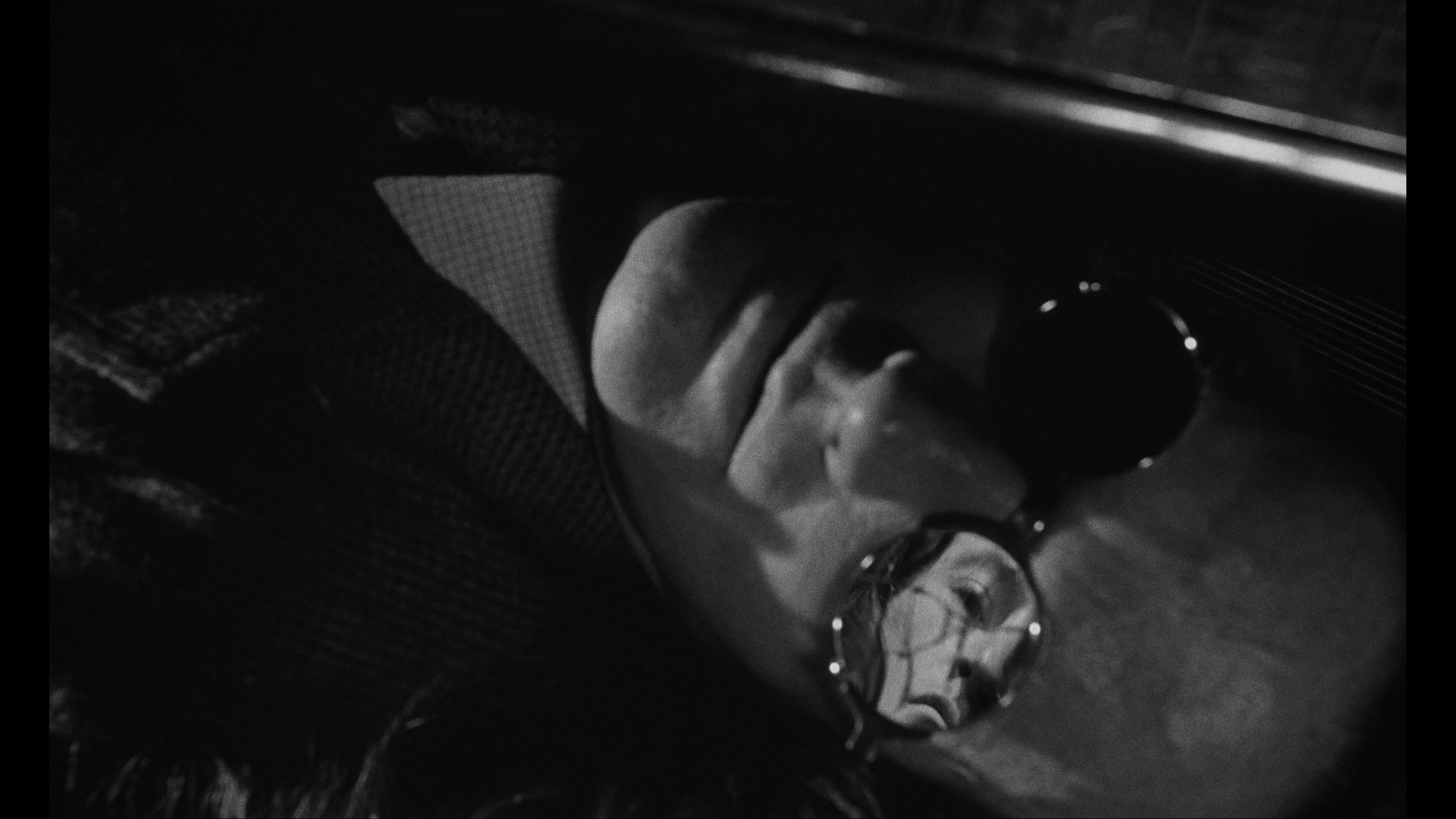
Shot in New York City during the Chrsitmas season with plentiful decorations in evidence, Nadja is a quirky and memorable take on vampire lore with a lot of ideas floating around from start to finish. A key element from Roger Vadim's Blood and Roses (or at least its English-language version) is a nice touch near the end, and the wry humor gives it a unique flavor including the participation of writer 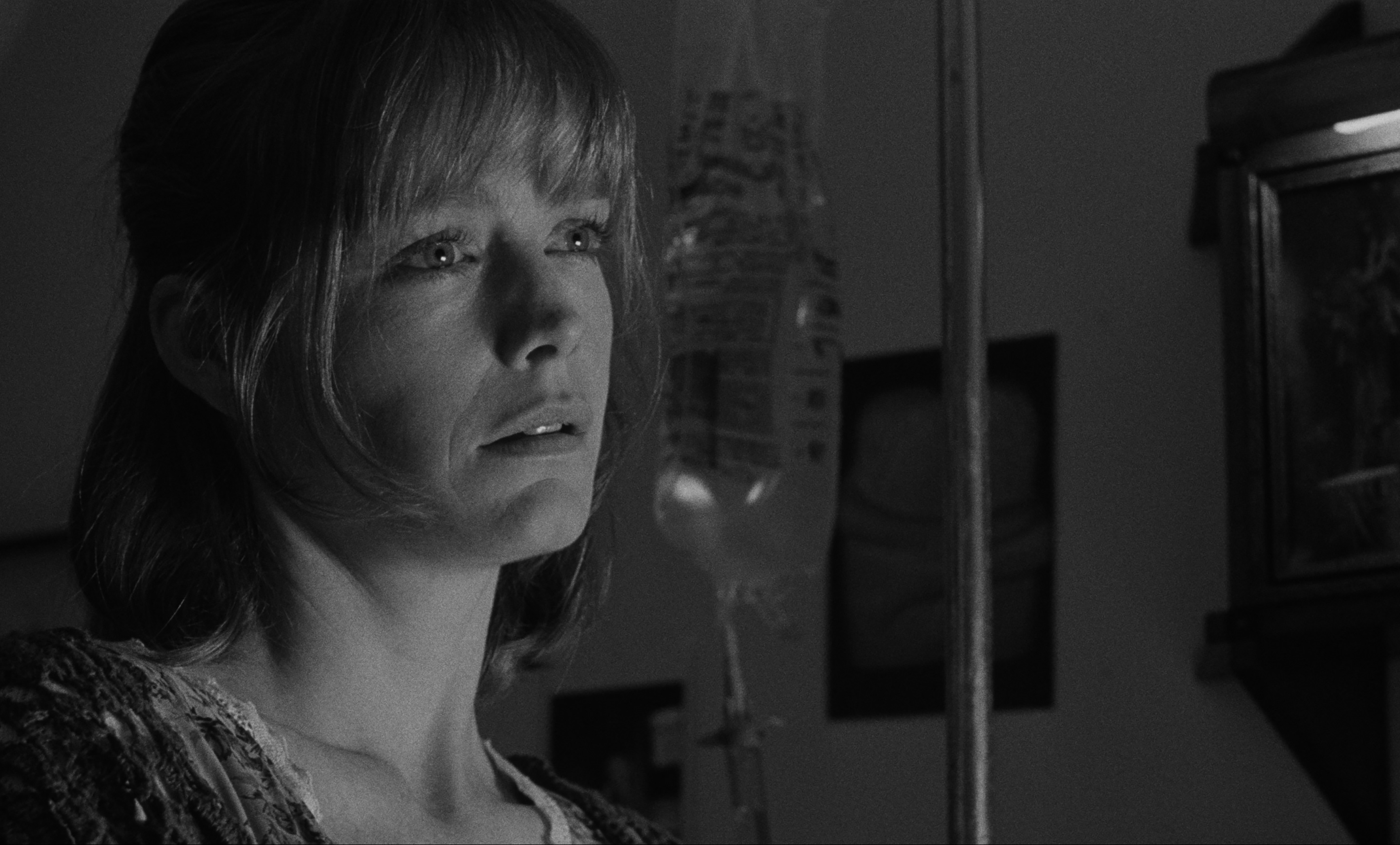 Karl Geary (later in the same director's 2000 version of Hamlet) as Nadja's "slave," Renfield. The Pixelvision kicks in now and then for some fairly long stretches to
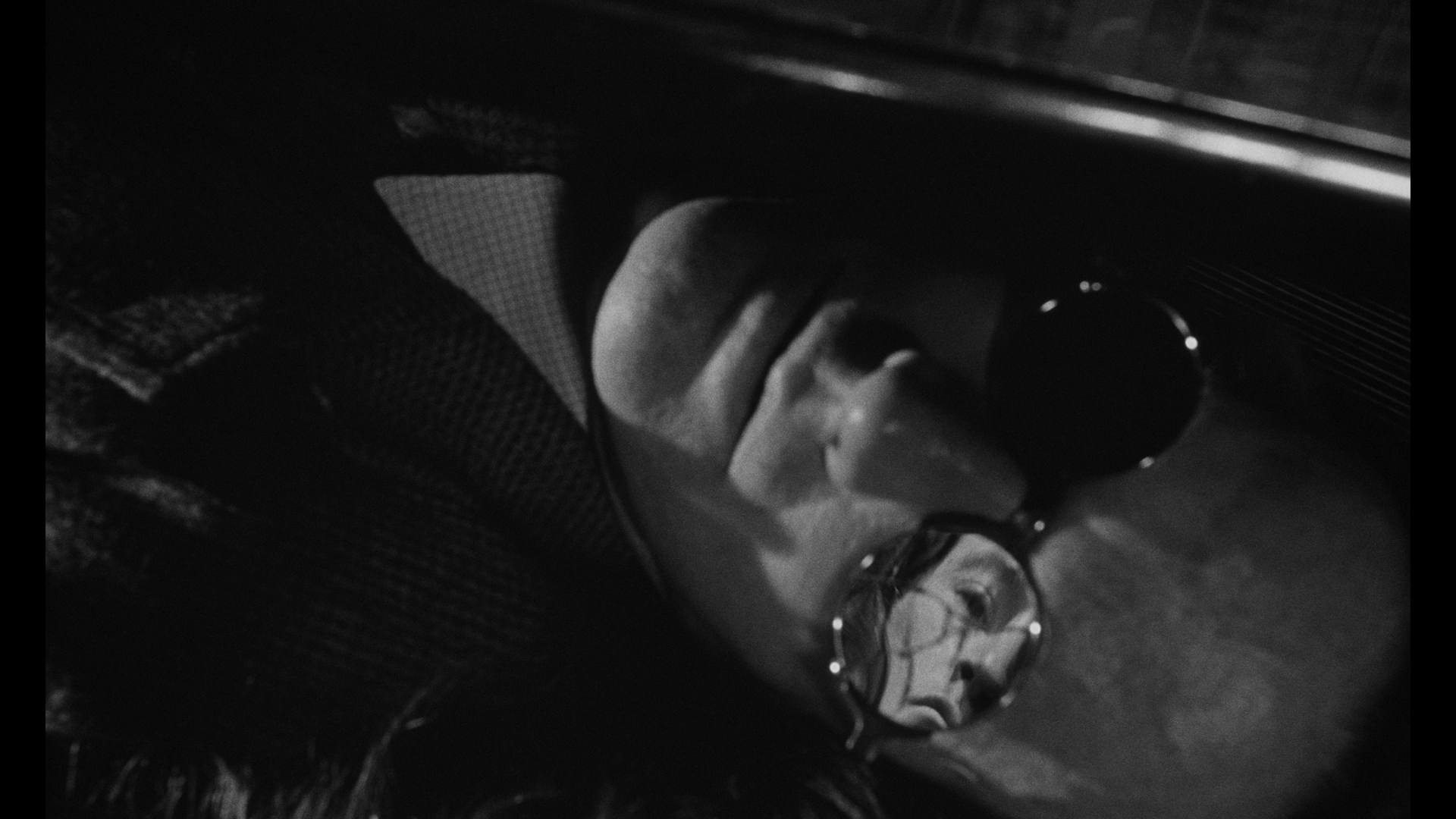
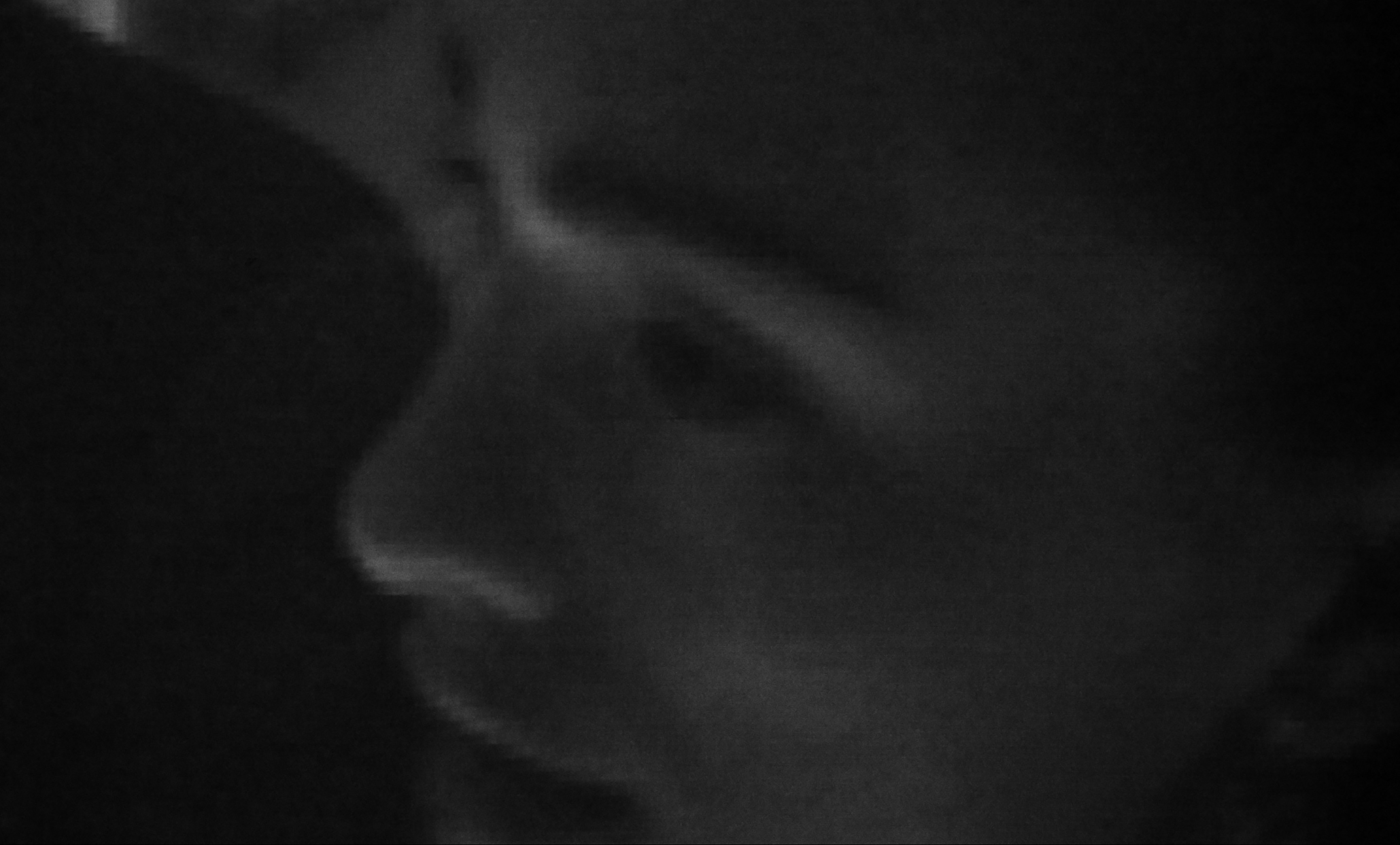 show Nadja's perspective and emotions during several key sequences, a stark contrast to the moody and detailed 35mm photography seen for the rest of the running time.
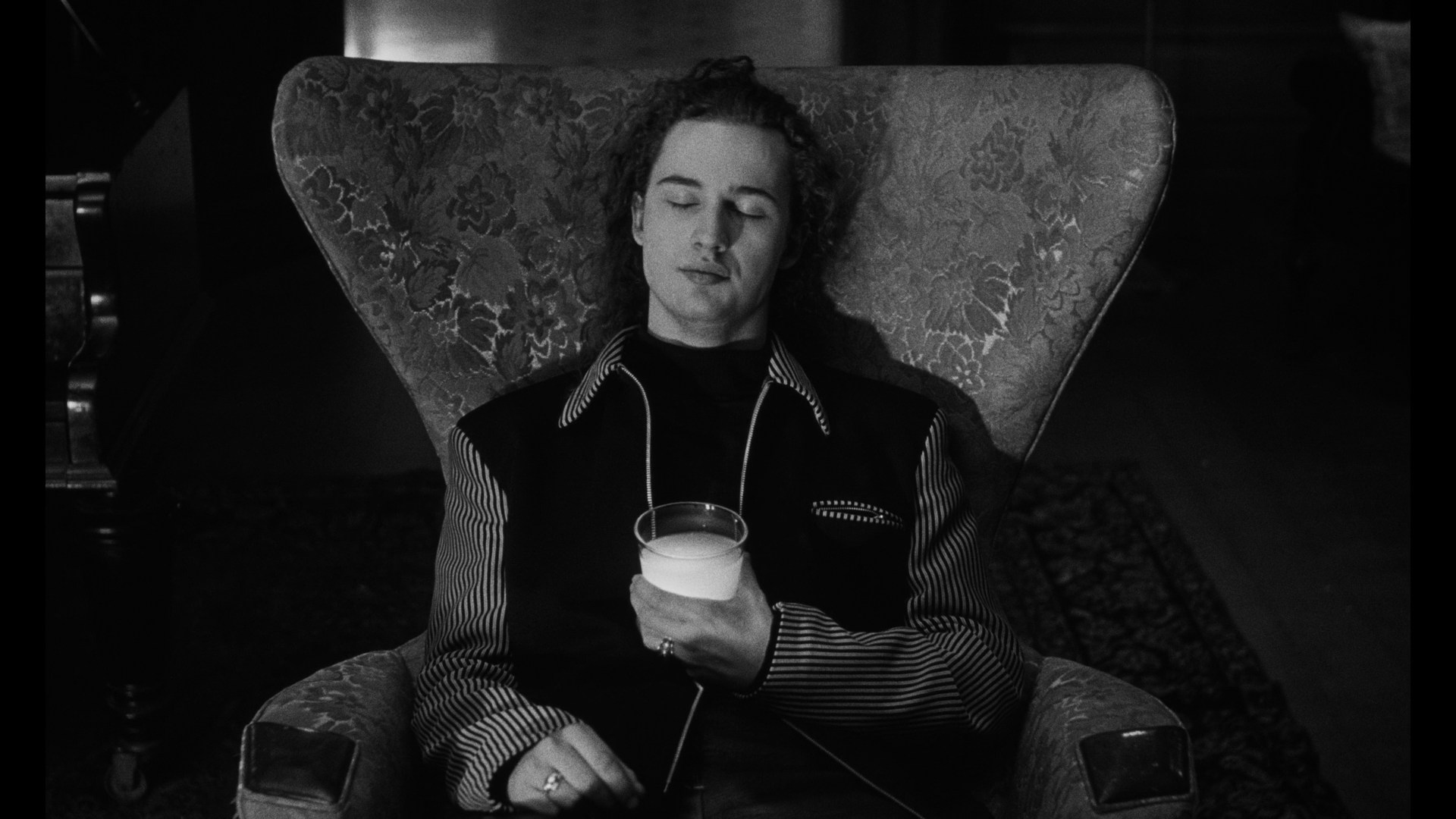
Distributed theatrically by October Films, Nadja was widely available on VHS and laserdisc in the latter part of the '90s with that same master ported over for a so-so DVD from Pioneer Entertainment in 2000 and later lousy budget ones from Platinum and Echo Bridge. In 2026, the film finally got the special edition it desperately needed with simultaneous U.S. and U.K. releases from Arbelos Films and Radiance Film's Transmission imprint respectively. The U.S. option is a Region A Blu-ray while the U.K. is a region-free UHD and Region B Blu-ray, all of which give you the option to watch the 1994 97-minute festival version or the streamlined 1995 92-minute theatrical release version, which also adds a couple of Portishead songs; either way you get DTS-HD MA 2.0 audio with optional English subtitles, plus a 5.1 option for the festival version. The restoration looks excellent with the 35mm footage quite crisp and full of more depth than any option we've had before; the UHD is still SDR adhering to the specifics of the restoration itself and has a bit more clarity, though you're fine with whatever viewing decision you make based on your player or location.
Also included on either release are a U.S. reissue trailer and six new interview featurettes starting with "The Ultimate Possession" (43m26s) with Löwensohn chatting about working at a restaurant when she first met the director during her early Hartley days, the advantage of her own Romanian background, and the creative choices made here that didn't fully register with her until she saw the final result. Then "Entering a Shadow World" (9m32s) with producer and frequent Lynch colleague Mary Sweeney explaining how she first read a treatment for the project and enthusiastically came aboard on the L.A. side of the production, with her and Lynch largely taking a hands-off approach. In "A Band of Outsiders" (28m2s), producer Amy Hobby discusses coming to this film after Ed Wood, the obstacles posed by shooting in black-and-white, editing at the famous Brill Building, and the crucial early involvement of 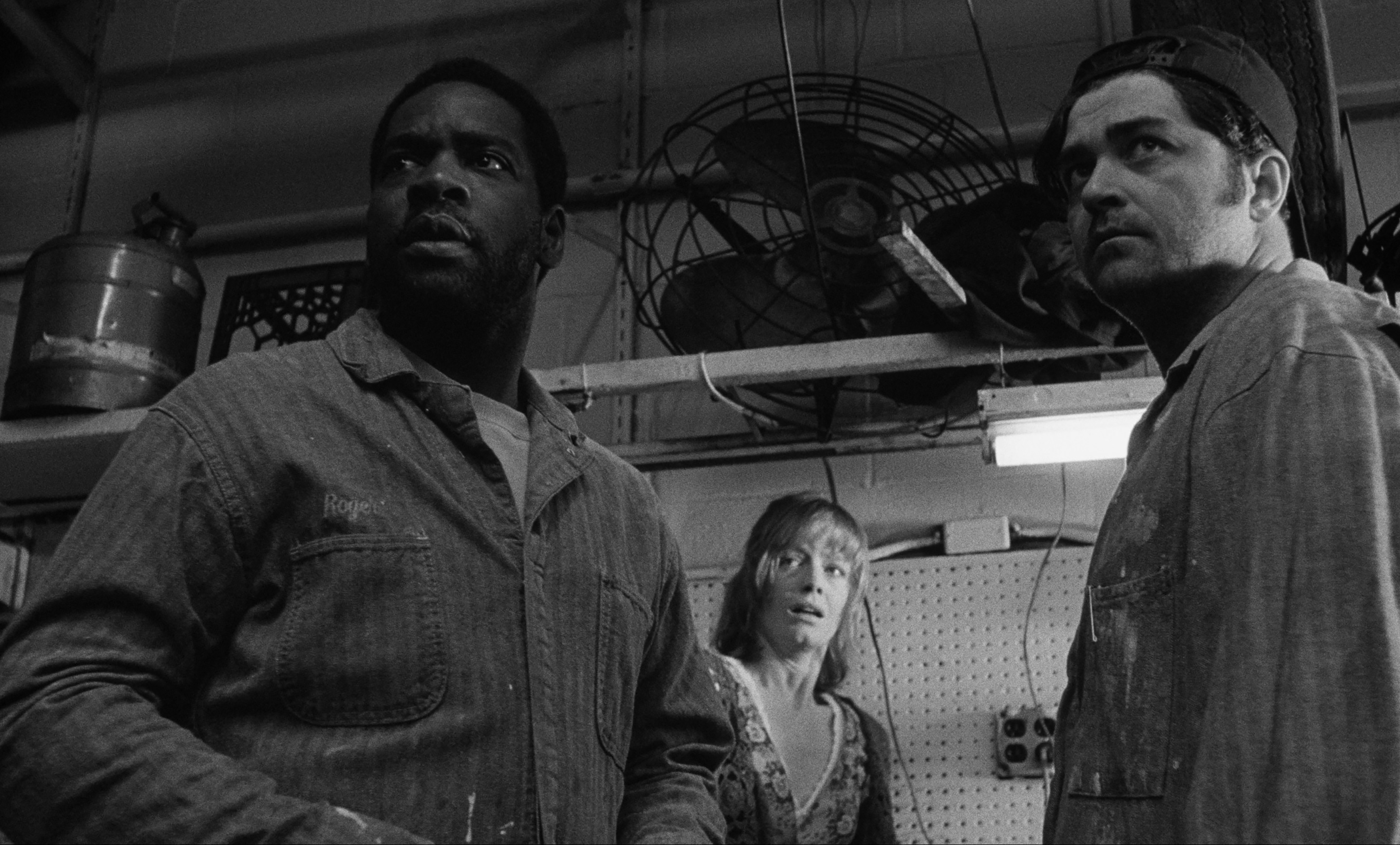 Eric Stoltz who had to drop out (for the role played by Donovan) due to his mother's illness. "The Most Beautiful Image" (22m50s) features cinematographer Jim Denault looking at his own experience with Pixelvision, his first contact with the director, their mutual visual sensibilities that melded on multiple projects, finding great locations like an abandoned tuberculosis hospital that made a perfect castle, and being awestruck in Lynch's presence. In "Under
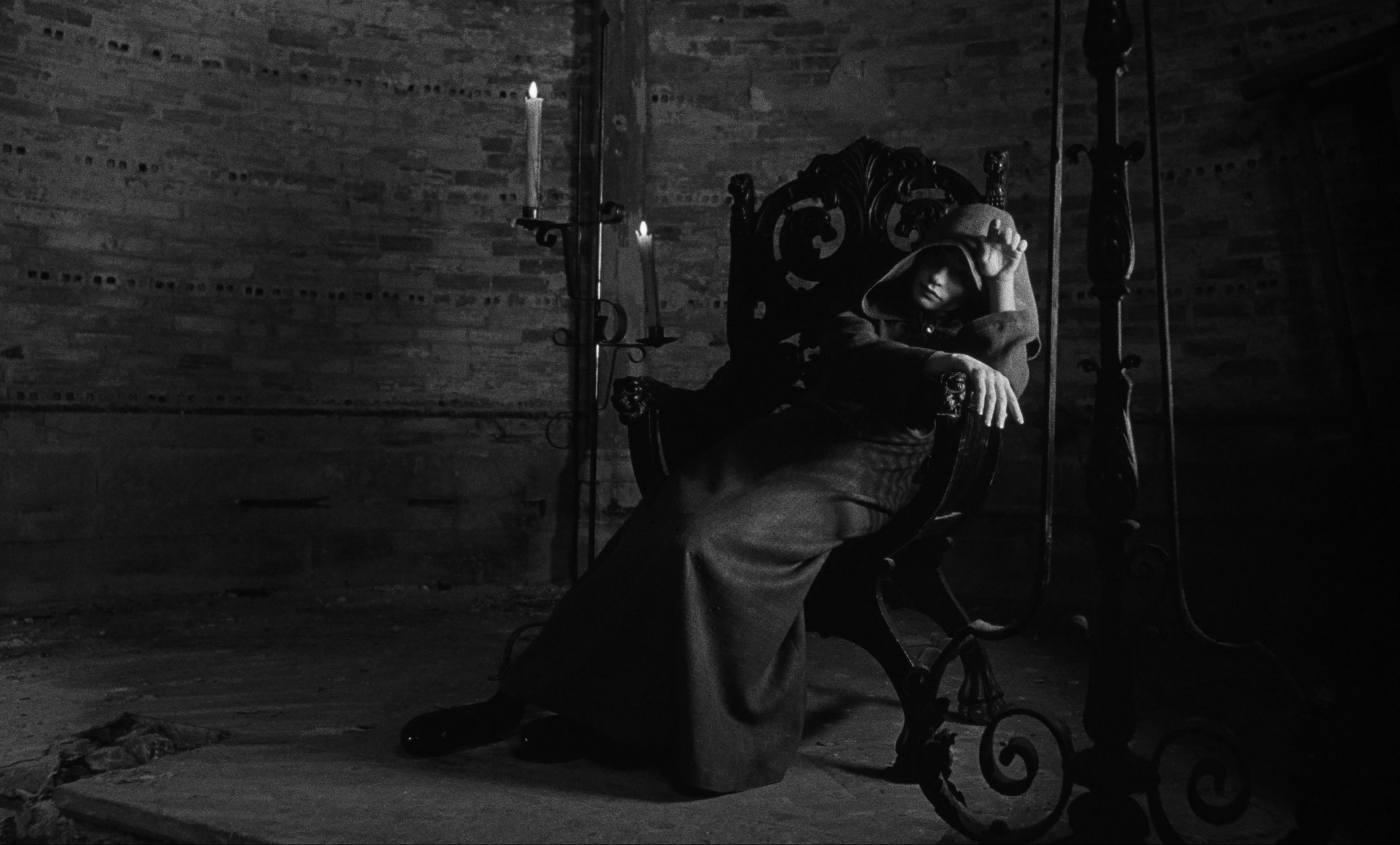 the Skin" (24m18s), composer Simon Fisher-Turner covers his child actor days, his shift to doing music, the influence of classic rock, the way he fell into doing film scores via Derek Jarman, and the connections that led to his work on this film. Finally "Experimentation" (24m47s) has filmmaker Bertrand Mandico (She Is Conann) explaining his admiration for Almereyda's work and comparisons to Hartley and Jean-Luc Godard with their approach to music, mood, and existing outside of a specific time. The Arbelos release, which is packaged with an insert booklet with an essay by Almereyda, also comes with five short films from the director shot in Pixelvision: 1992's Another Girl, Another Planet (54m42s), 1993's Aliens (13m4s) dedicated to Sam Raimi, 1995's At Sundance (71m17s) co-directed with Hobby for the notoriously ill-fated The Shooting Gallery about their expedition to the film festival, 1997's great The Rocking Horse Winner (22m26s) adapting the famous D.H. Lawrence short story with Stoltz (previously available on Home Vision's DVD of the 1950 version), and 2013's What Is Cinema? (5m29s).
The Transmission release ports over At Sundance but otherwise drops the shorts in favor of three other new featurettes. "The Pain of Fleeting Joy" (21m43s) is a critical appreciation from novelist and screenwriter Megan Abbott about her first exposure to the film and ongoing relationship with it over the decades as a key, sleek entry in the New York indie film wave and a unique take on Stoker. The locations tour "Comfort in the Shadows" (10m34s) has Fangoria's Michael Gingold usual NYC expertise put to good use in some familiar spots starting with the unmistakable Max Fish bar (now Sweet Chick). Finally in "The Cult of Nadja" (11m53s), programmer Geoffrey Badger chats about encountering the film on laserdisc in the '90s and its evolving fan base that has endured despite its spotty availability over the years. Also included is a booklet featuring new essays by Vadim Rizov and Jason Wood.
Radiance Films (UHD)
Arbelos (Blu-ray)
Reviewed on November 13, 2026
