 cinematic rush of 1977's gritty disco hit Saturday Night Fever still coursing through the world's movie
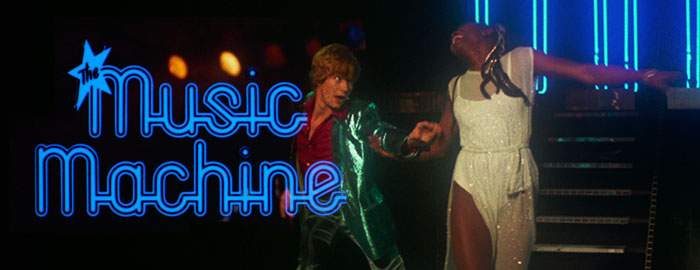
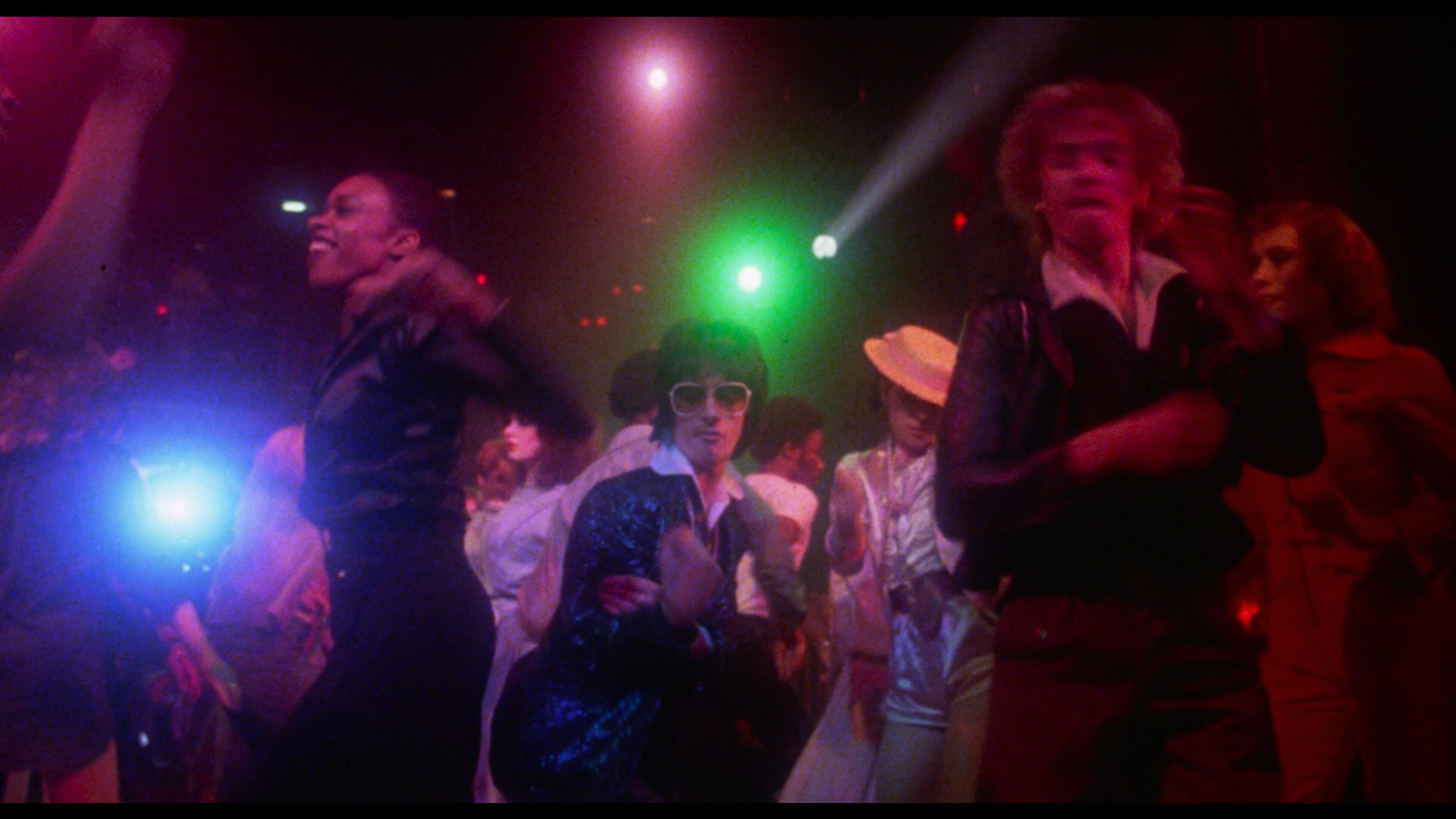
  ecosystem, everyone was scrambling to get in on the action as the decade drew to a close. Pretty much every moviemaking country threw its hat into the ring including India, France, West Germany, and Italy showing the most enthusiasm. Enter The Music Machine, touted as England's first disco movies; that's true enough if you don't count the dancefloor-heavy Jackie Collins movies that came out before this and around the same time including The Stud, The Bitch, and The World Is Full of Married Men. The competition in 1979 from the U.S. alone was fierce with films like Love at First Bite, Roller Boogie, Skatetown U.S.A., The Main Event, and The Fish That Saved Pittsburgh all cashing in on the disco gravy train before it came to a sudden crashing halt in 1980. What The Music Machine captures beyond that moment in pop culture history is the local scene in Camden Town where it was shot, all under the auspices of sexploitation mavens James Kenelm-Clarke and Brian Smedley-Aston (Vampyres, House on Straw Hill) with TV documentary specialist Ian Sharp (The Final Option) handling unlikely directing duties.
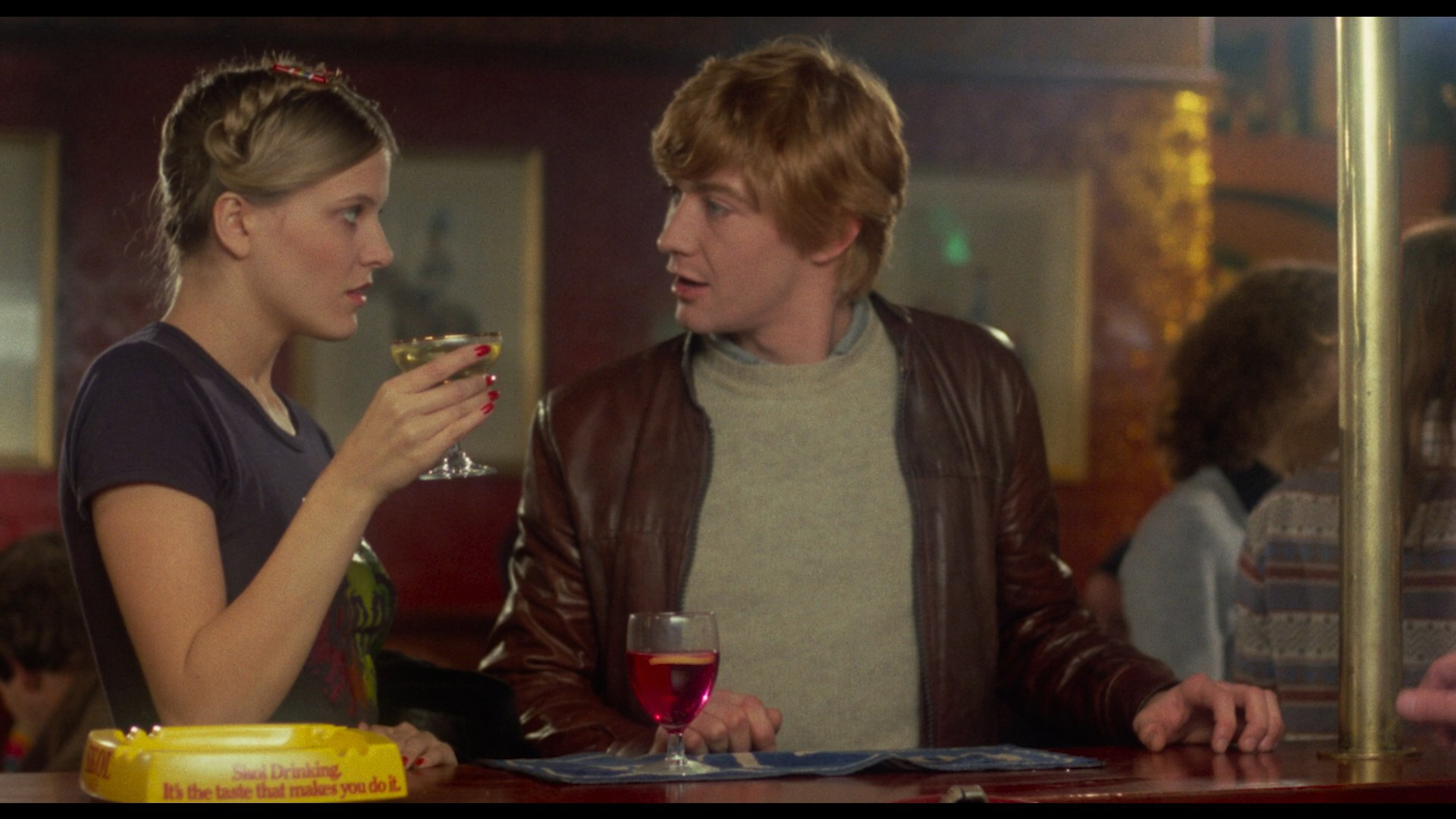
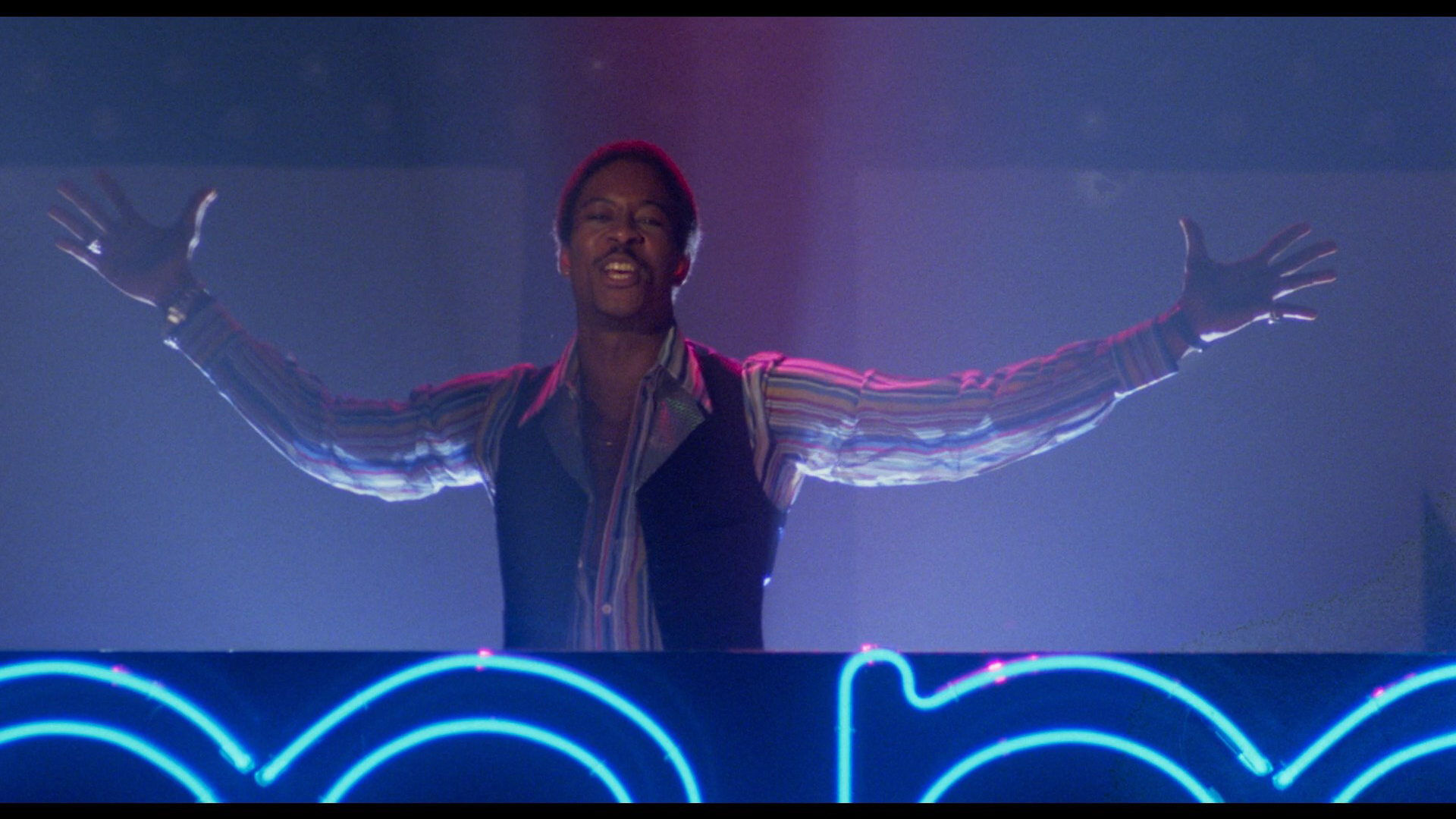
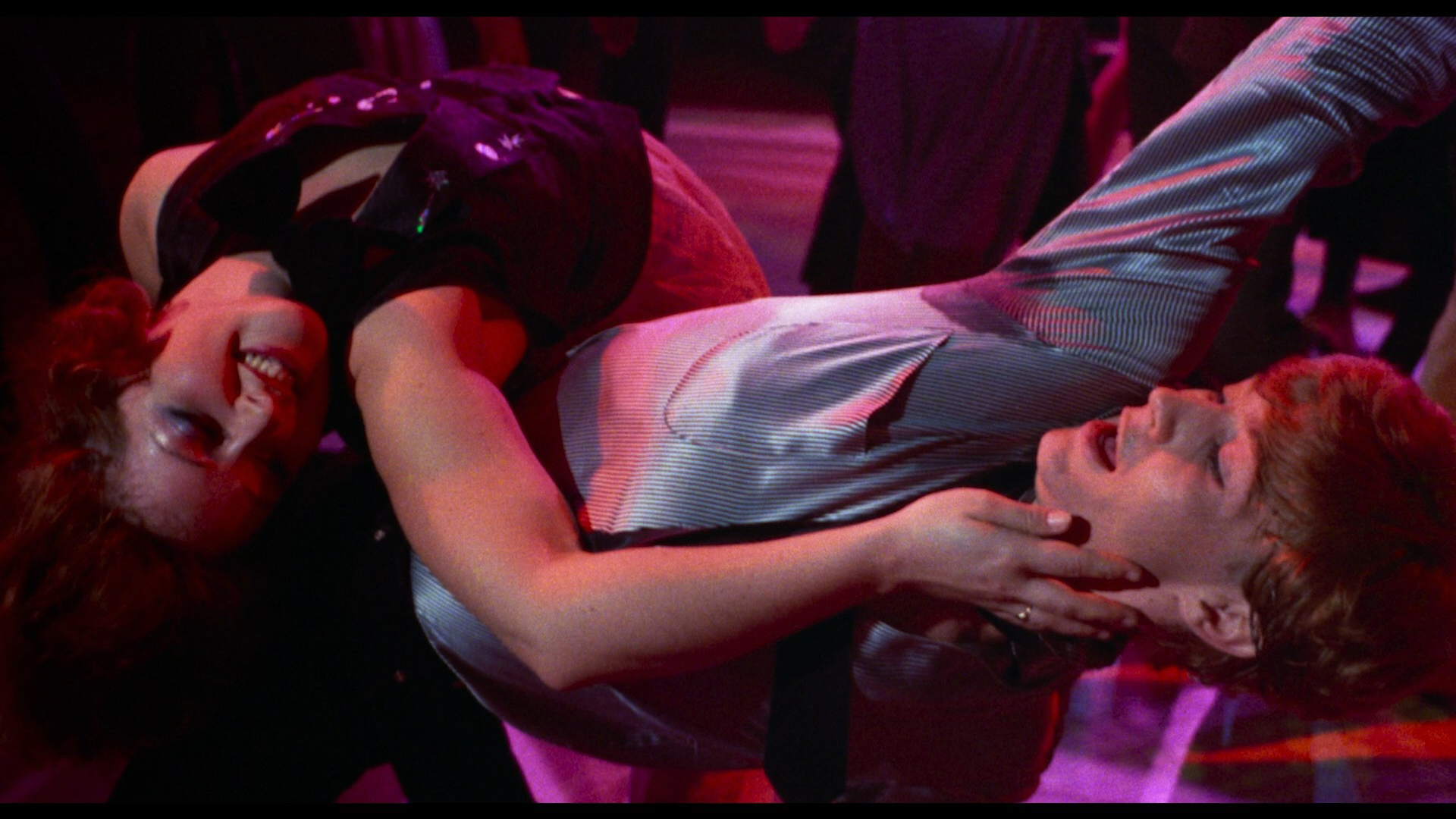
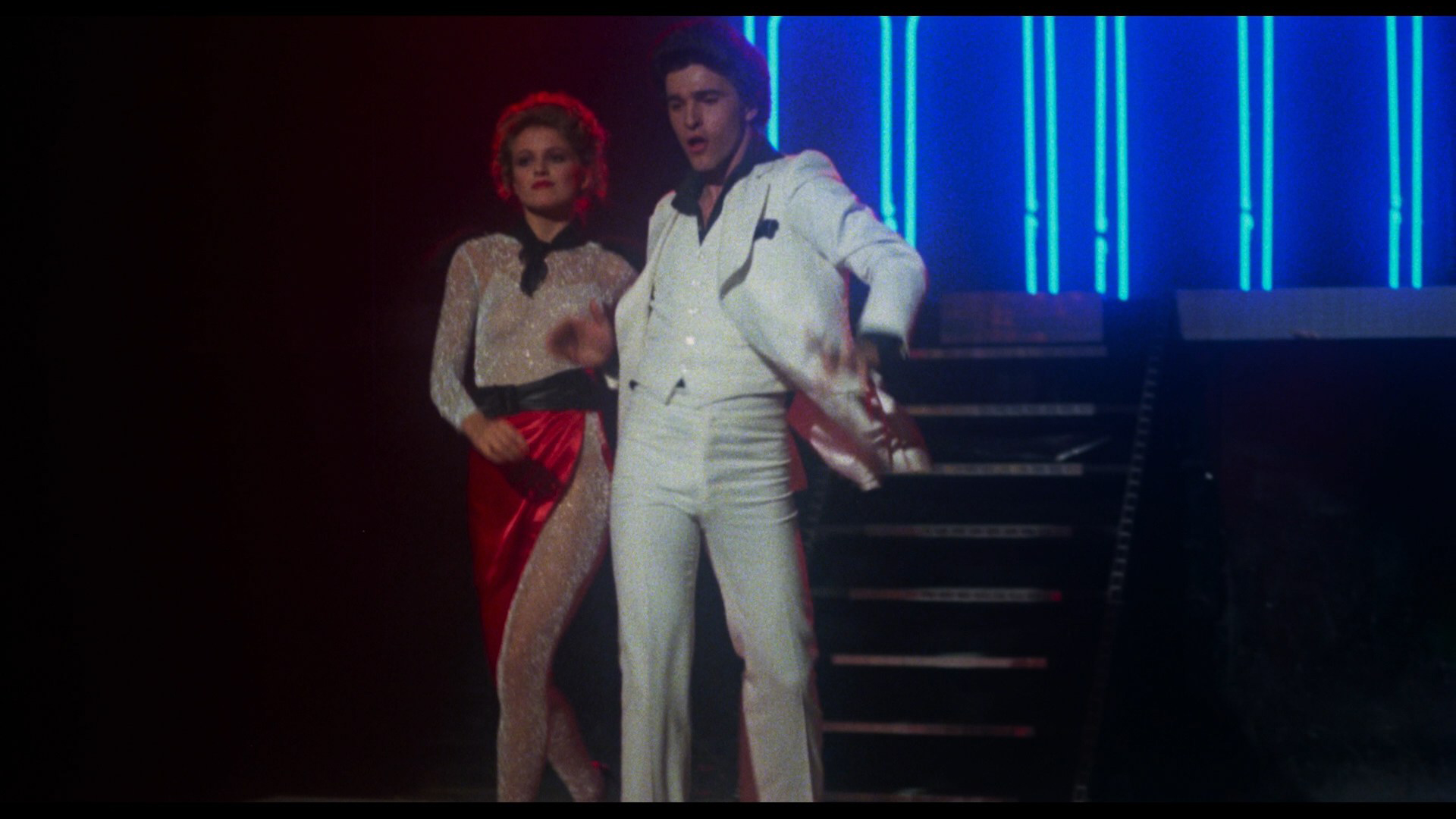
  There DJ Laurie (Da 5 Bloods' Peters) announces a big dance contest coming up that have the male and female winners selected for a movie production, though hot couple Candy (Perryment) and Howard (Hollyoaks' Easter) seem like the odd-on favorites.
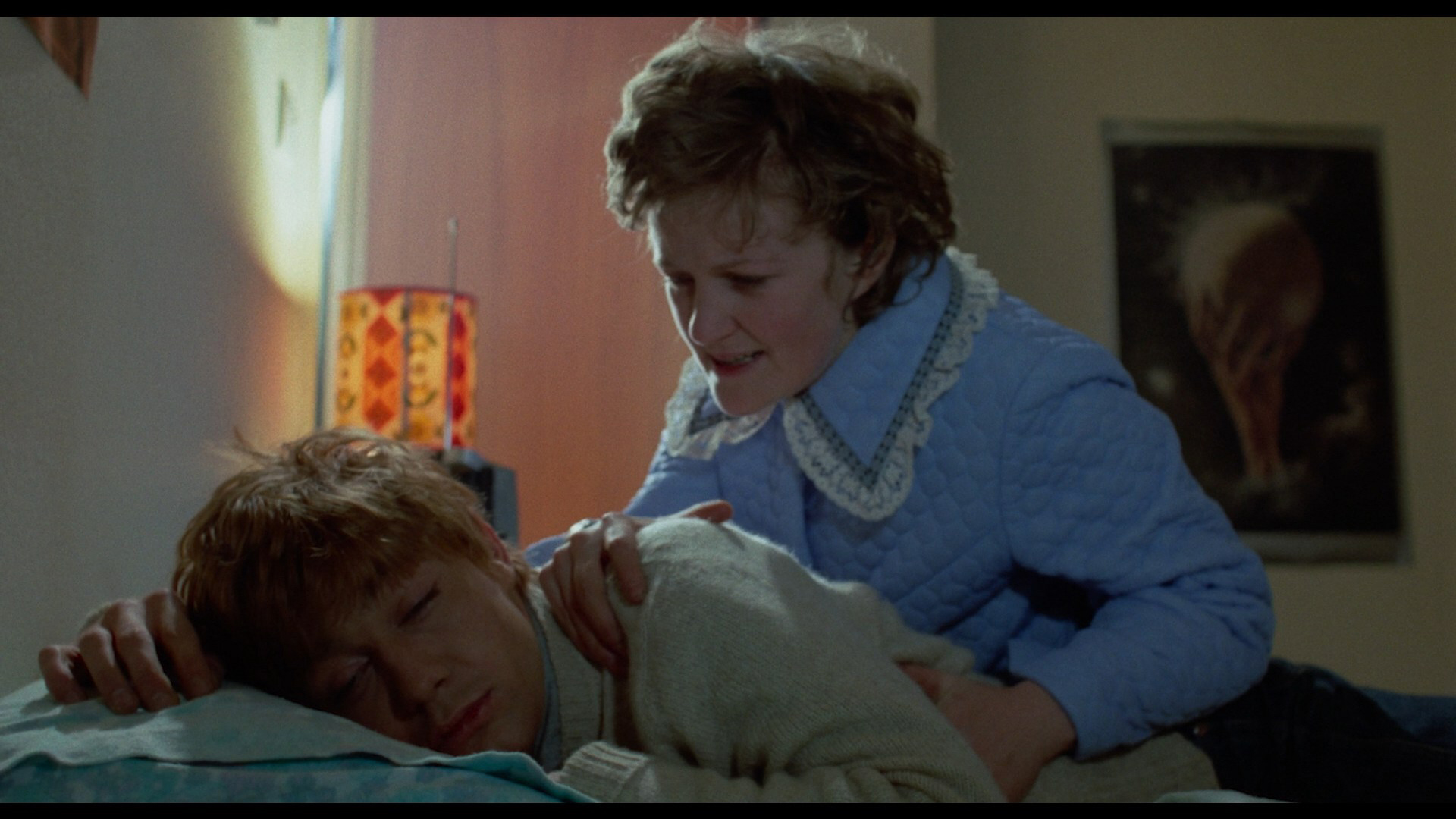
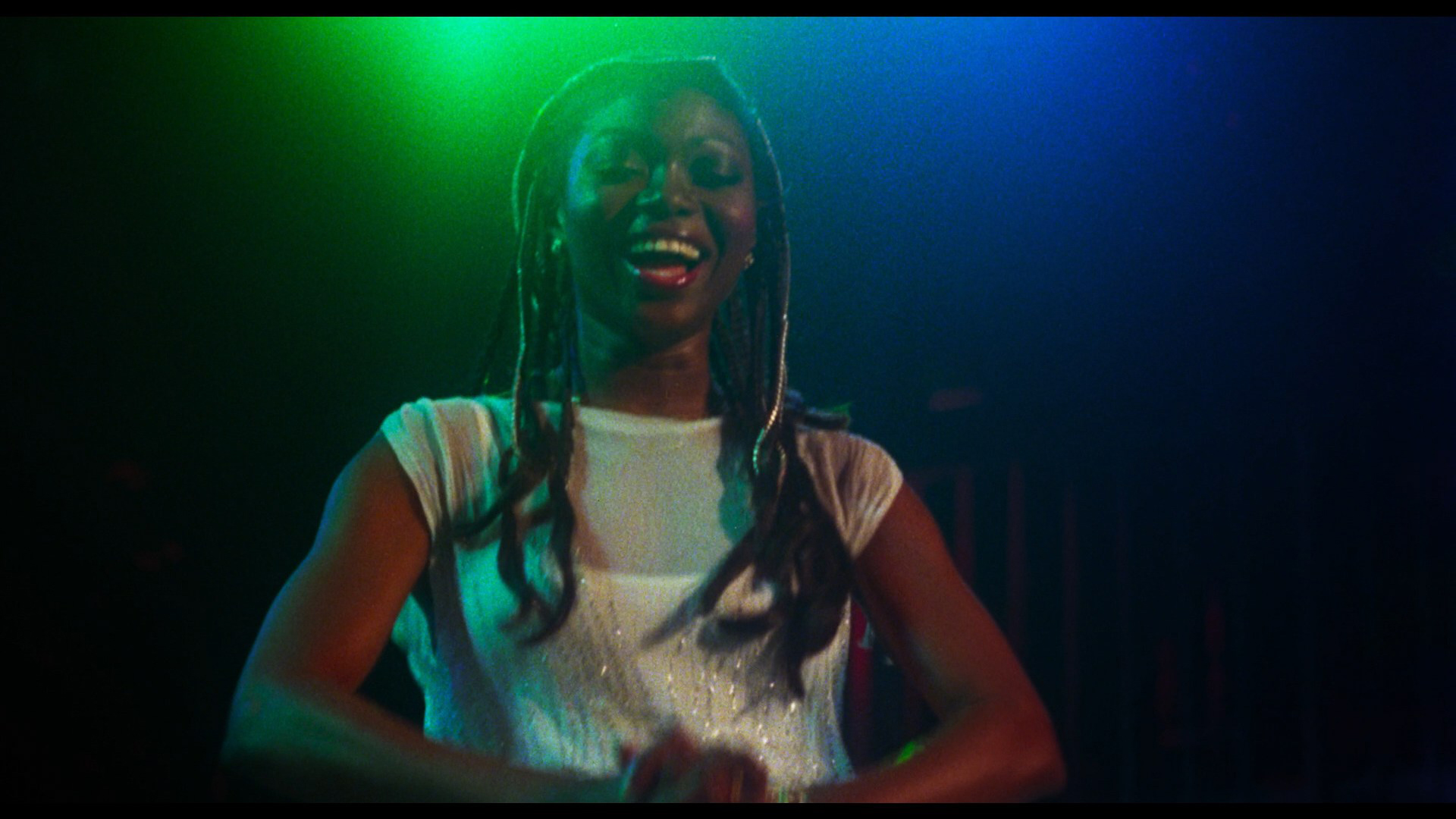
  Laurie gets taken under Laurie's wing for some dance lessons including a crazy solo routine in a white leotard, eventually teaming up with pigtailed friend Sue (Wickham) whose possessive boyfriend throws a wrench in those plans very quickly. Then there's Clare (charismatic real-life pop music pro Boulaye who also contributes to the soundtrack), willing to continue the prep work but uninterested in doing the contest itself. Meanwhile club owner Basil (The Fearless Vampire Killers' Mayne) is involved in some sneaky fixing of the contest, which means our boy will have to work even harder to come out on top.
 here and there give away any ravages of time. The DTS-HD MA 2.0 English
  mono track is also in fine shape and features optional English subtitles. In "The Dance Partner" (18m1s), Boulaye looks back at growing up in Nigeria, getting into stage musicals with Hair and The Black Mikado, her recording career, positive memories of her leading man despite a lack of dancing experience, and the choreography process that led to becoming "part of British disco film history." In "Howard & Candy: The Music Machine Dance Rivals" (15m13s), Easter and Perryment are interviewed separately about their experience (or utter lack thereof) before this film, the audition process, the Travolta influence on the Howard character, the varying levels of dancing ability among the cast, memories of attending the premiere, and their subsequent TV work.
 well) appears from his still-active studio to chat about his extensive high-profile work after this on major shows and films, his
  very first professional film experience working on this film, and the spirit of London in the late '70s. Then musician-songwriter Les Hurdle appears in "The Music of the Machine" (11m17s) explaining how dissatisfaction with a factory job led him to entering the music industry, the bass line he came up with that everyone copied, and the challenges of paying musical tribute to the Bee-Gees with only a minimal brief on the types of songs to create. In "Disco Maniacs" (37m38s), S'Express member Mark Moore and Alan Jones, author Of Discomania, have a warm and nostalgic trip through their favorite disco-connected memories including connections to Divine, Barry White, "Rock Your Baby," the public disdain in some circles, punk music, "The Hustle," Claudio Simonetti, and the impact on nightlife culture in general. Finally Jones returns for a 4m50s survey of the original Camden locations, explaining how the area was ideal for the film (including those cool vinyl stalls and the motorcycle scene) before it transformed into a bustling tourist hub. A newly transferred 30-second teaser trailer is also included.