 to completely defy classification, Gonzalo Suarez was one of several directors during Franco-era
  Spain who mixed avant-garde sensibilities with horror and sci-fi elements to prod the status quo. Case in point: Morbo, an almost entirely two-person study in isolation and mounting terror that at least tried to more accessible than his prior film, 1970's crazy Aoom. Admired among his peers, Suarez remained active in numerous capacities well into the current century with surprising choices along the way like starring in Pedro Almodóvar's What Have I Done to Deserve This? and helming the dreamlike early Javier Bardem vehicle, The Detective and Death. Several of his films were selected for restoration and reissue in recent years, with the once very obscure and largely unavailable Morbo being one of the greatest surprises among them.
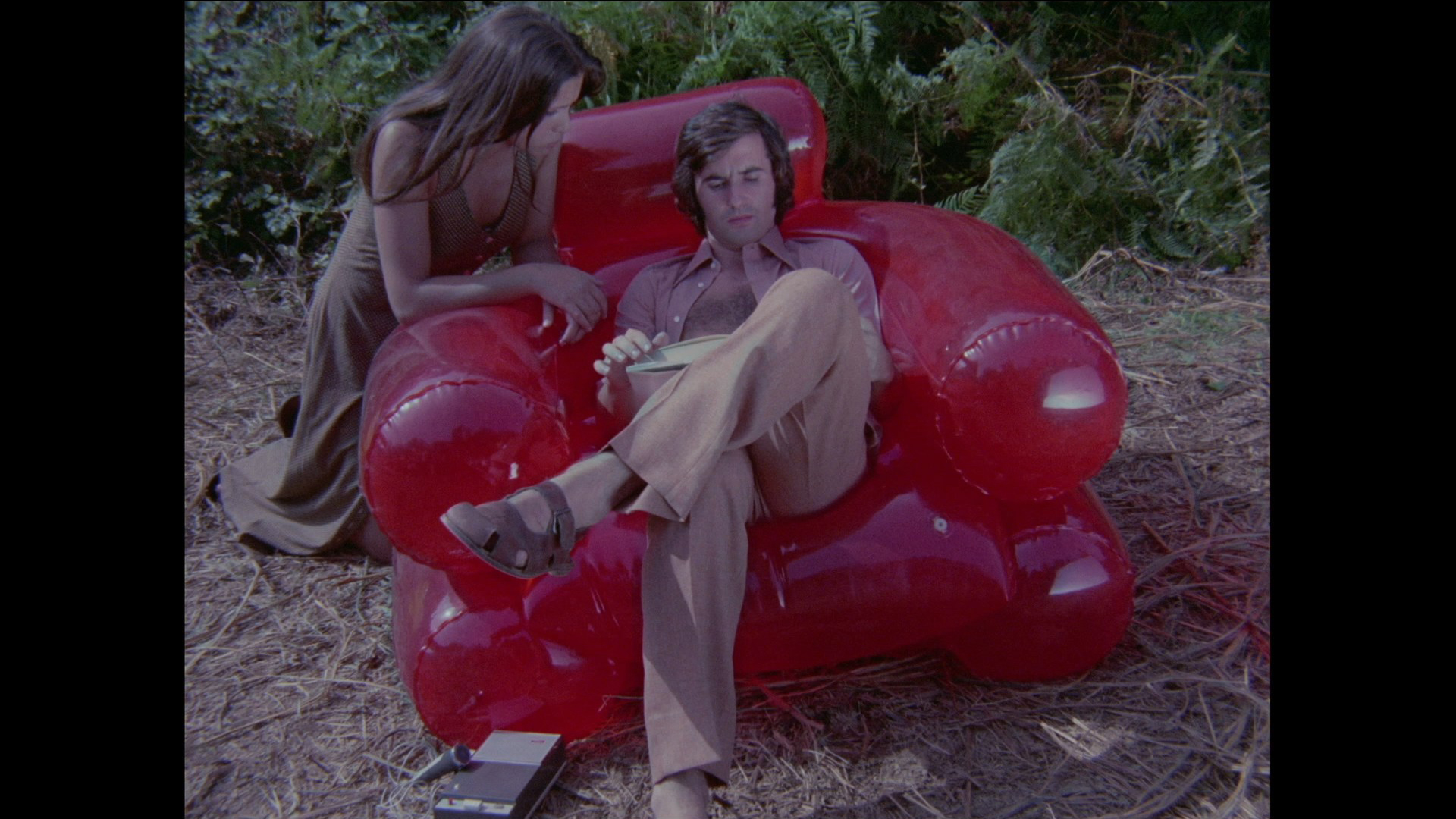 occurrences soon have them on edge. Someone keeps tampering with their car, their pet hamsters they brought along turn violent,
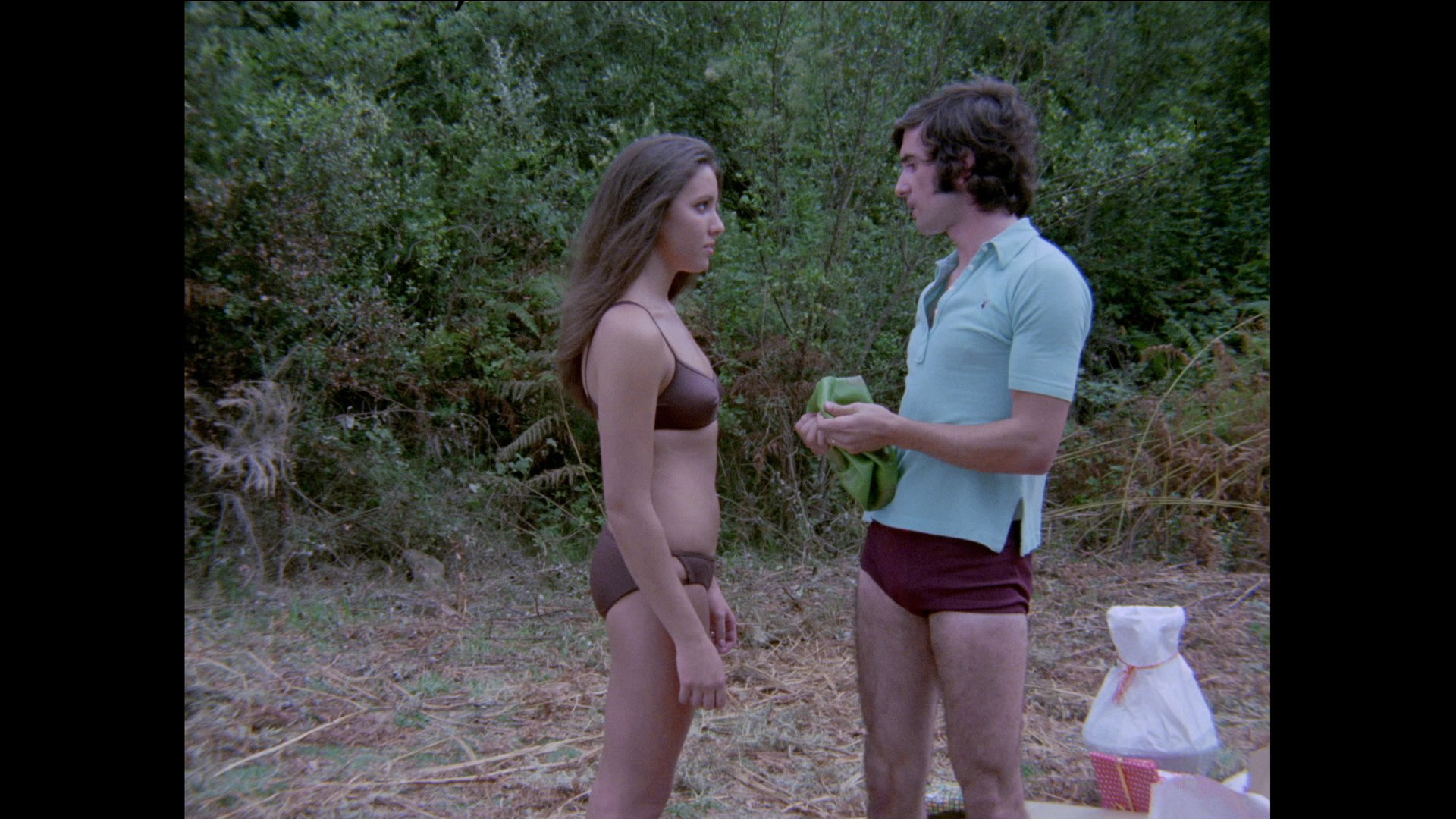
 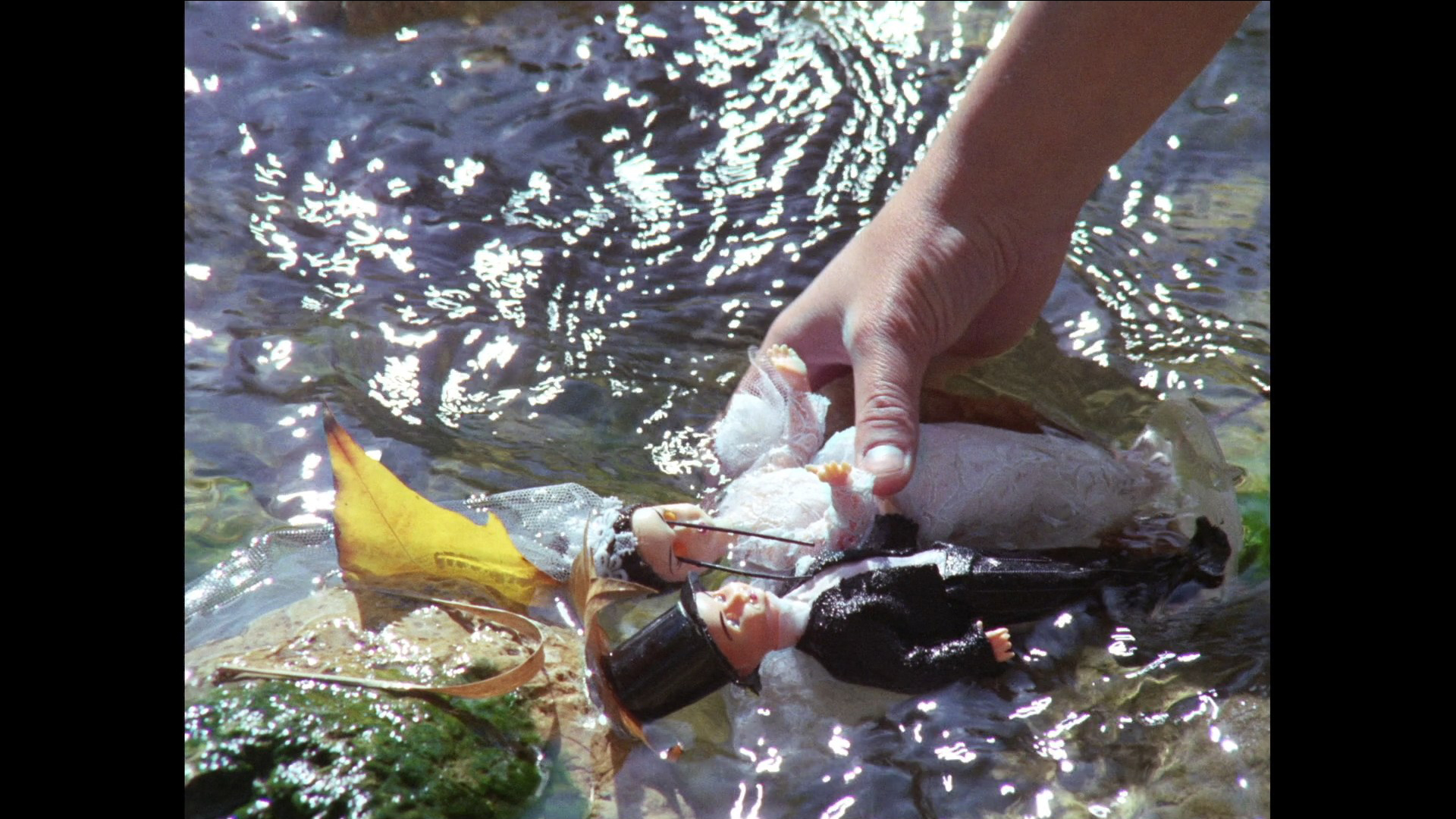 and their supplies run out faster than imagined. Diego goes to fetch some water and gas and claims to have found a house nearby, but he won't allow Alicia to go see for herself. Their marital bliss soon crumbles into bickering and mistrust, especially with something lingering nearby that might pose a very real threat.
  restoration of Morbo apparently first appeared for streaming on the FlixOlé (minus English subtitles), which means the Mondo Macabro
 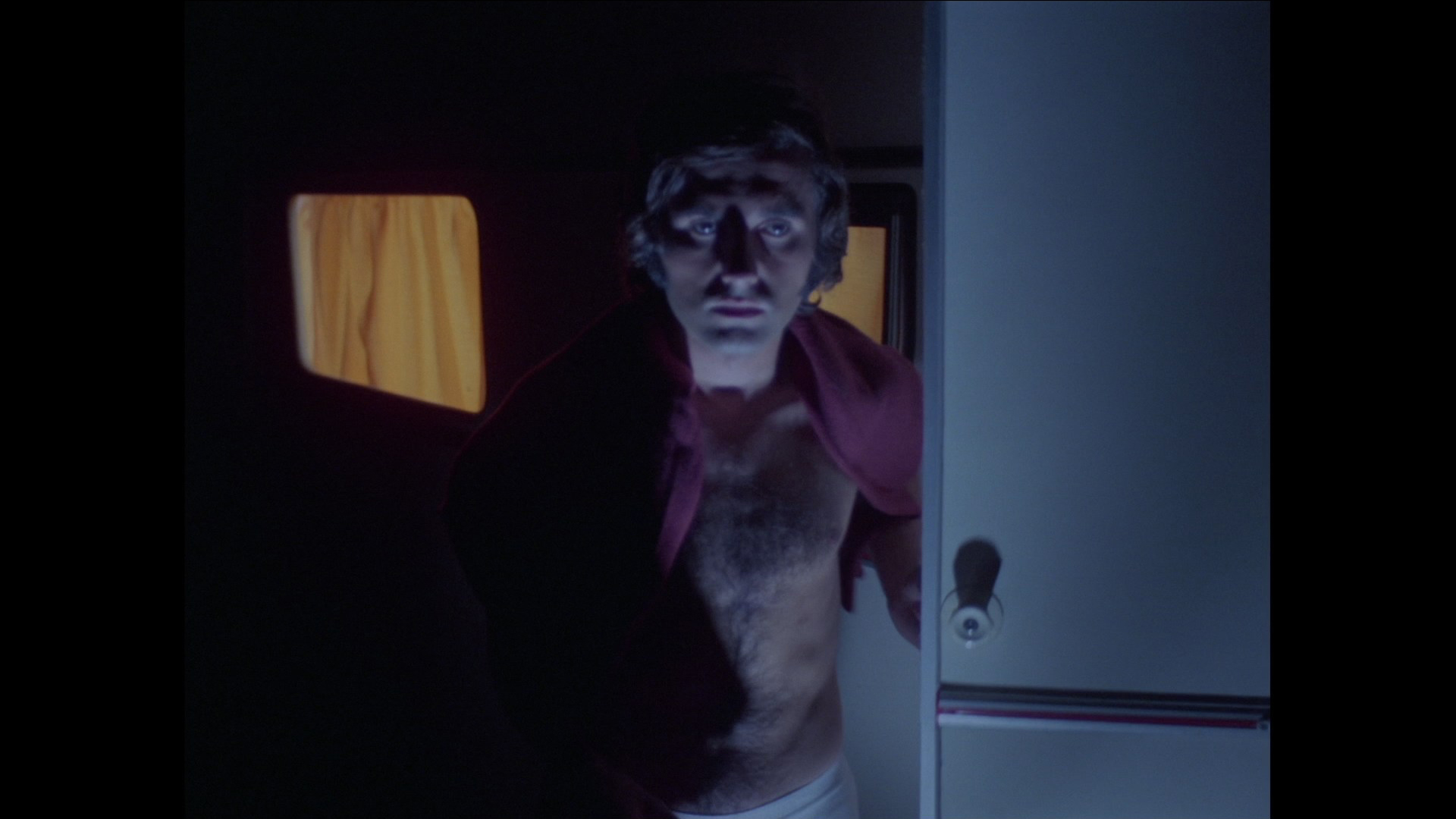 Blu-ray is the first English-friendly option out of the gate. There's really no precedent to compare to here but the film looks great, presented at 1.33:1 with compositions looking fine here while obviously blocked to be matted down if necessary in theaters (as the end titles clearly give away). The DTS-HD MA Spanish 2.0 mono audio is also in fine shape and comes with English subtitles. A new commentary by Naschycast's Rod Barnett and Troy Guinn is up to their usual standards with a nice balance of observations and facts about the (few) participants, explaining how this fits in the wave of early '70s genre films that had to tap dance around the dictatorial government. In "Ana Belén, A Committed Woman" (46m25s), film historian Xavi Sanchez Pons covers the star's early upbringing, her recording success, her roles with actors like Fernando Rey, the weird working relationship with Pollard on this film, and several later key roles that will be familiar to Mondo Macabro fans. Finally in "The Telluric Cinema of Gonzalo Suarez" (24m14s), Angel Sala examines the intersection of experimental and commercial filmmaking in films like this and Fata Morgana, the intense media scrutiny over the starring couple, comparisons to American backwoods horrors, and the director's later career once the cultural tides shifted.