 known to most American viewers of a certain age for his widely distributed 1949 film The Emperor's Nightingale voiced by
  Boris Karloff, Czech filmmaker Jiří Trnka has justifiably earned a place in history as one of the greatest practitioners of stop-motion animation and a major, influential voice in Eastern European cinema. A DVD of his major work in the '00s helped preserve his name for new generations of viewers, but much of his work has been harder to see in good quality including his wildly ambitious and beautiful CinemaScope version of A Midsummer Night's Dream. Helping to balance that problem is a two-disc Blu-ray set release in the U.K. from Second Run collecting two of his key long-form efforts, both of which are also invaluable snapshots of folklore, and fairy tales passed among generations in what was Czechoslovakia.
 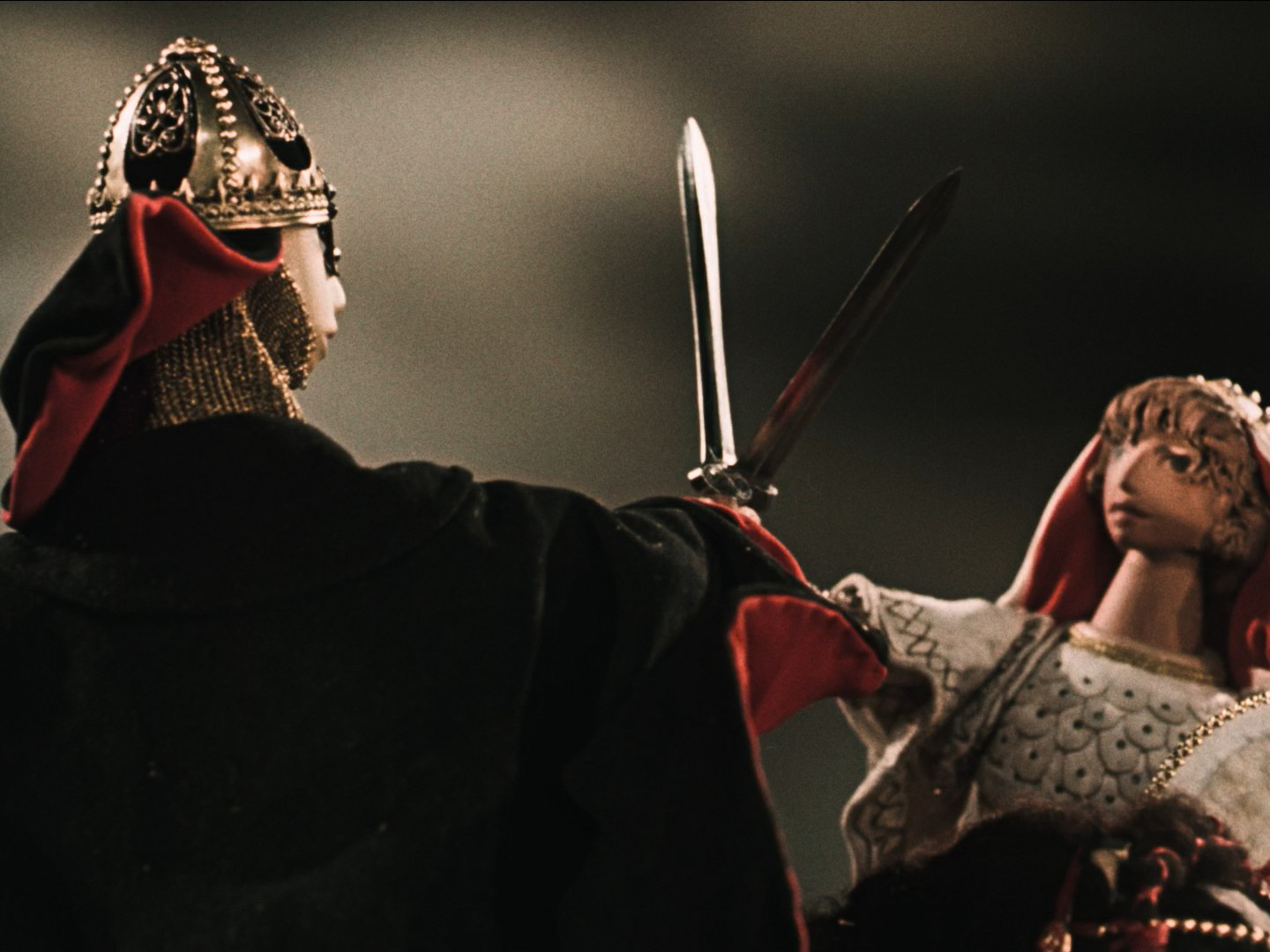 stunning
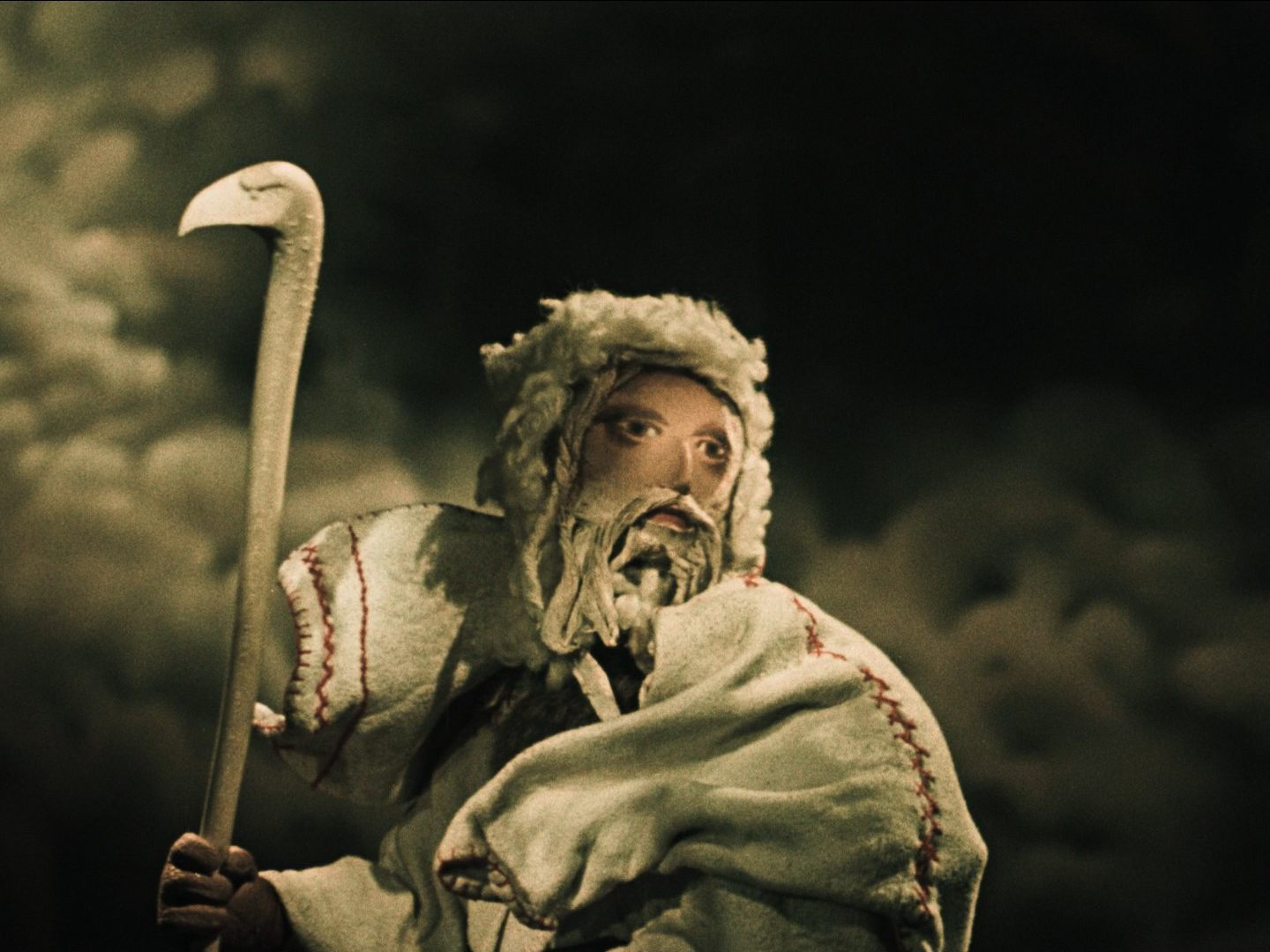
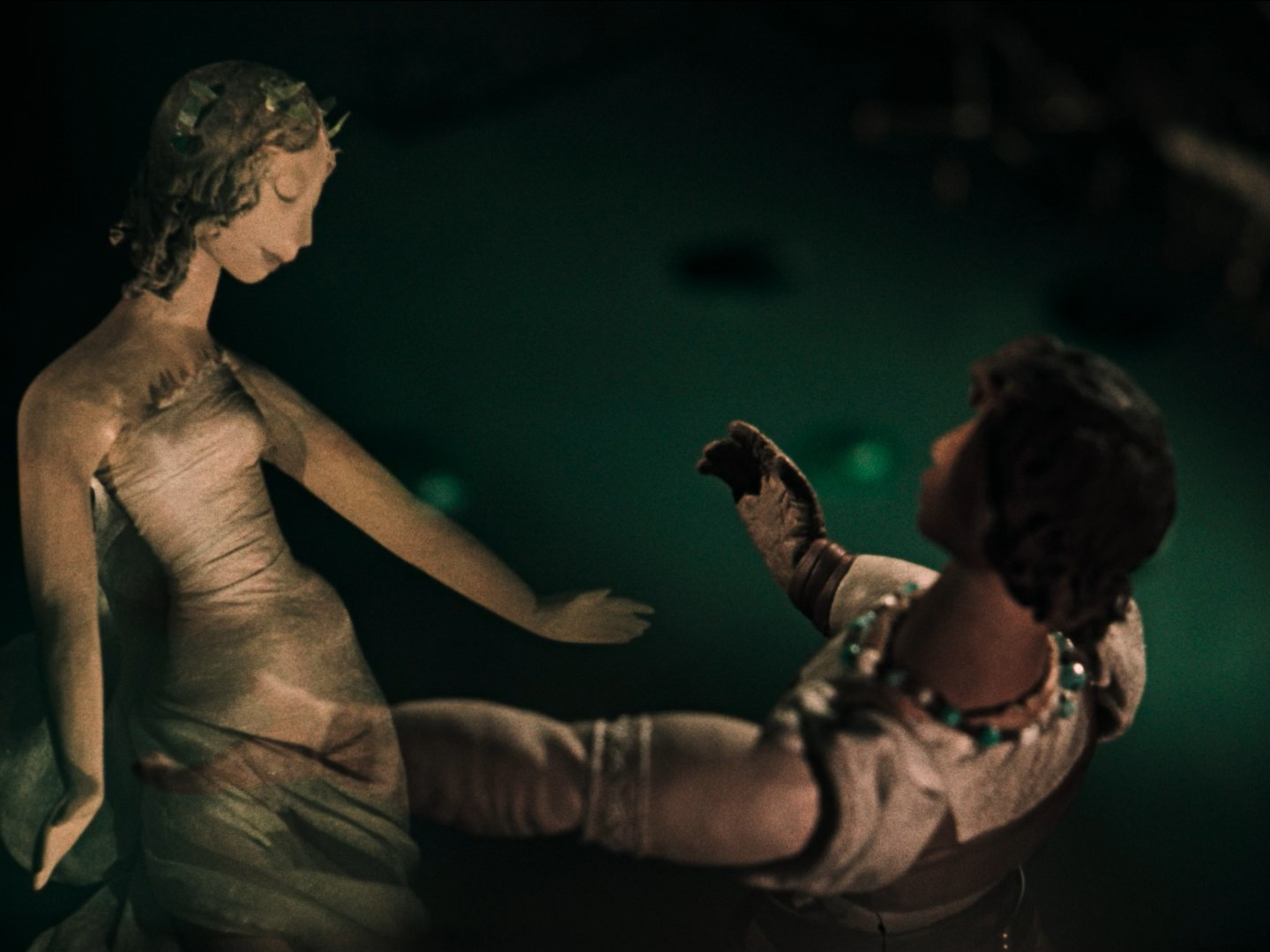
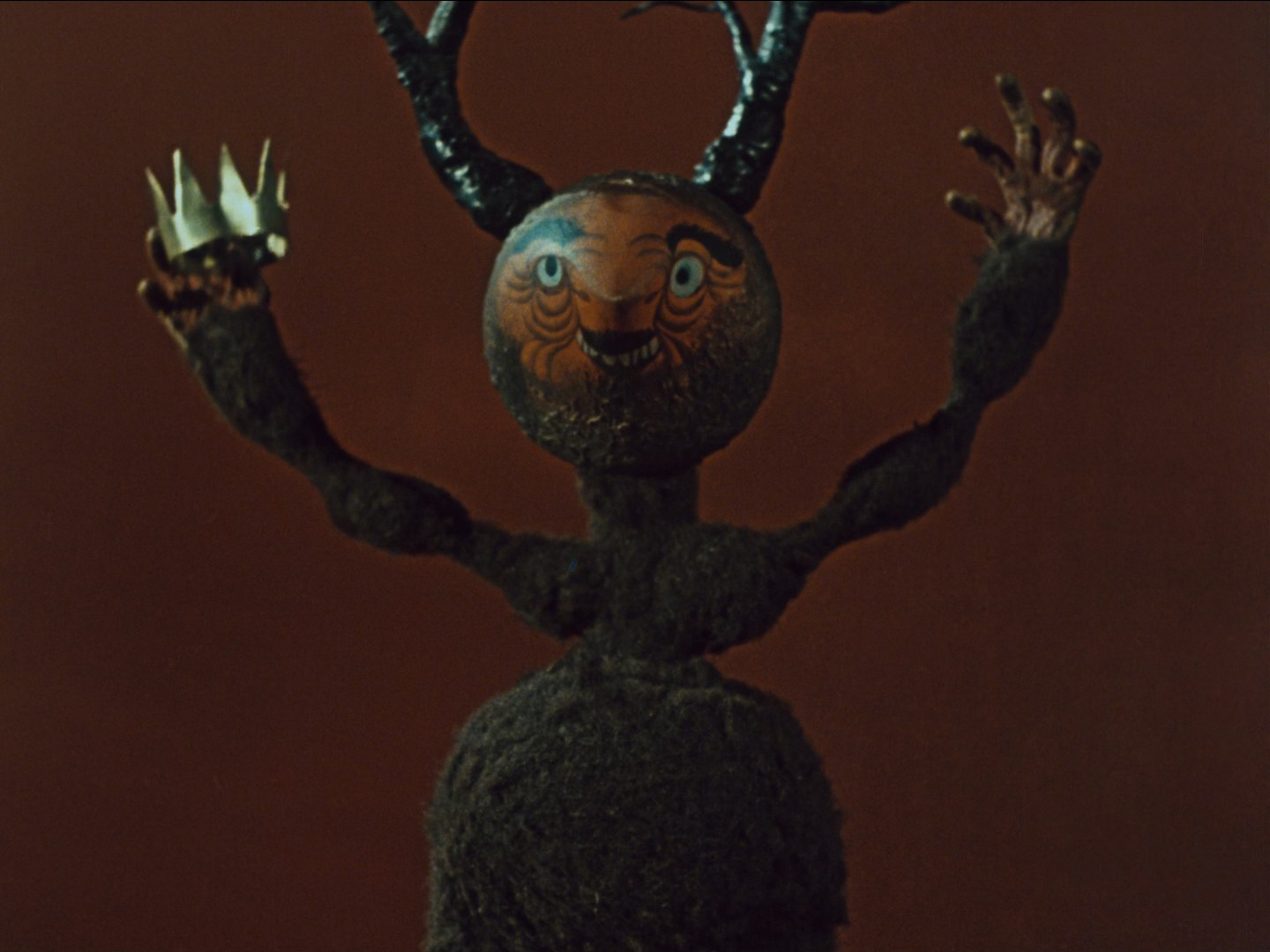
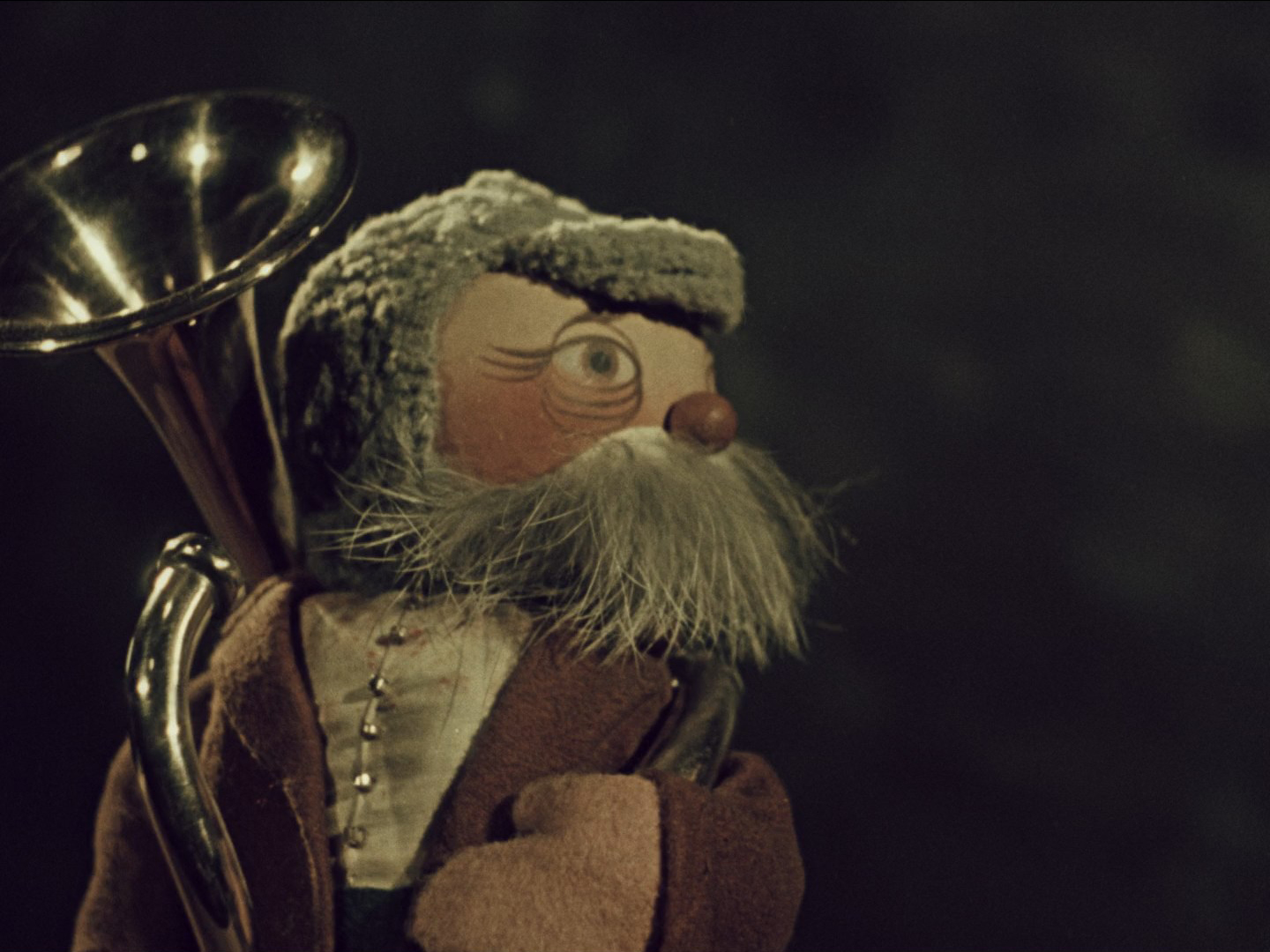
 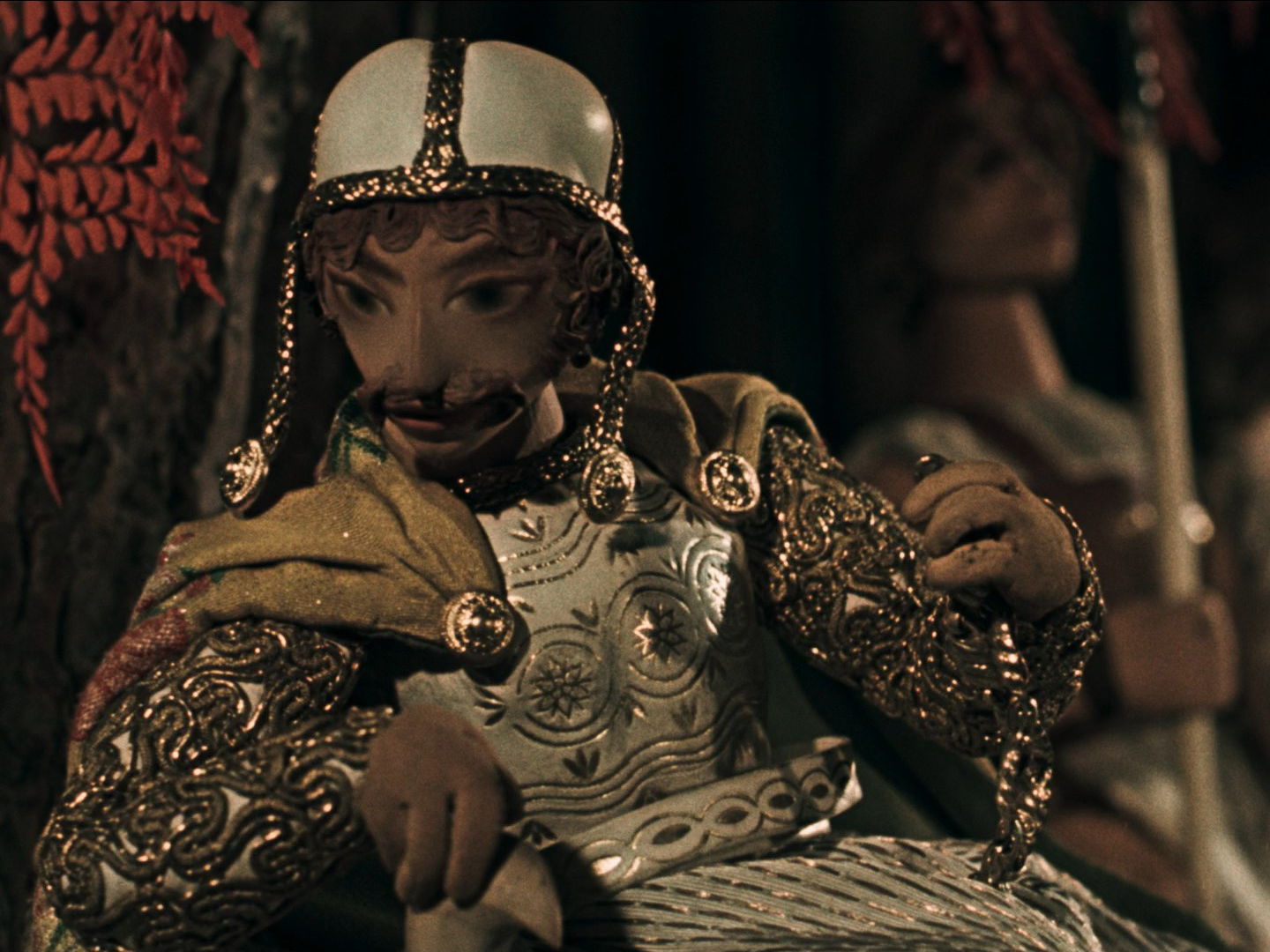 climactic war led by the apprehensive Neklan. Much of the narrative is conveyed through chanted song, and even if you don't know the first thing about Czech history, it's an engrossing watch with countless creative visual flourishes including remarkable puppet-sized landscapes that will make your eyes pop. Considering you're watching dolls acting out these sagas a frame at a time, it's also surprising how hard the violence hits at times, too.
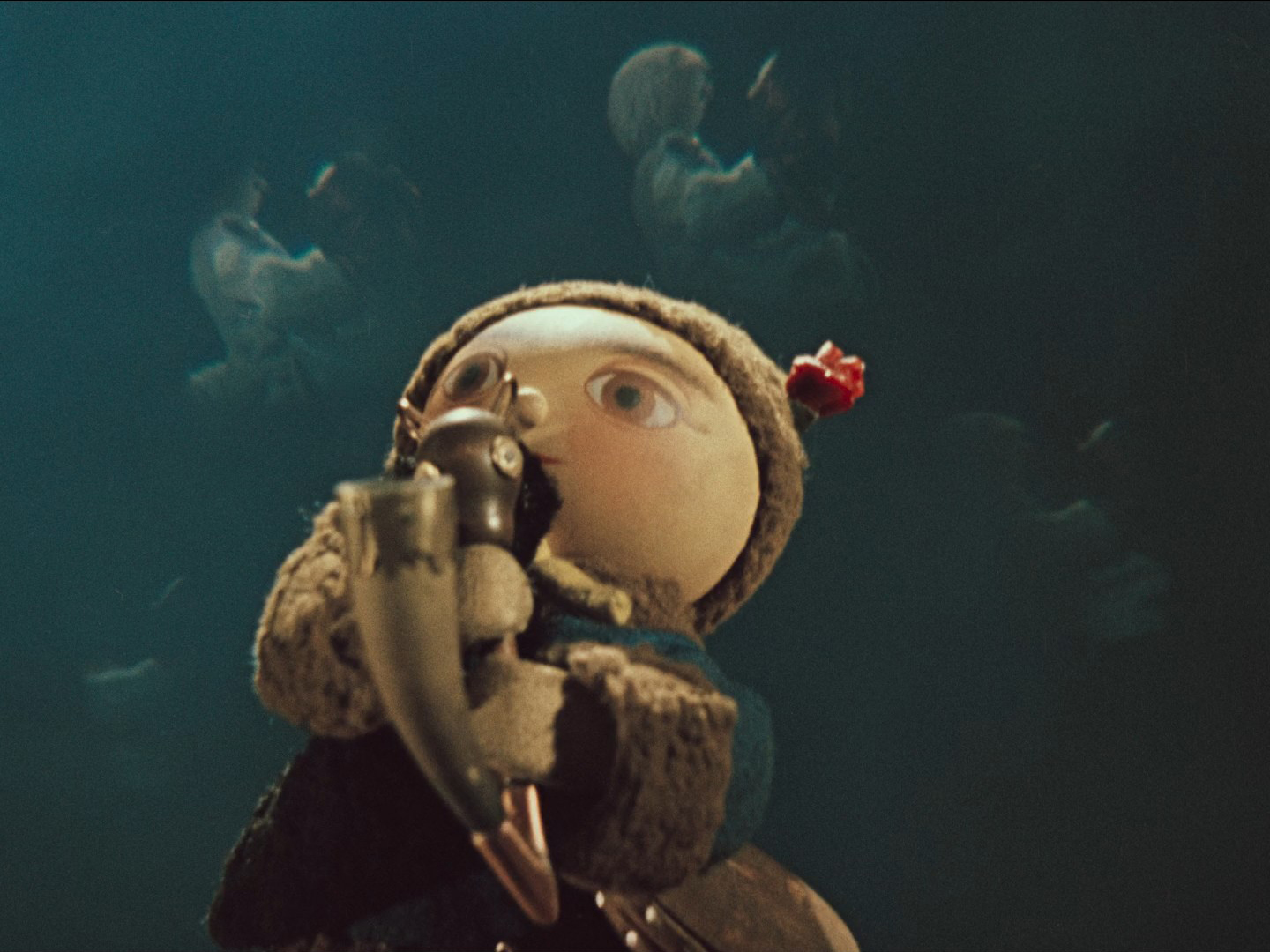 more earthy and subdued than what you'd see in more traditional animated films of the era, but
 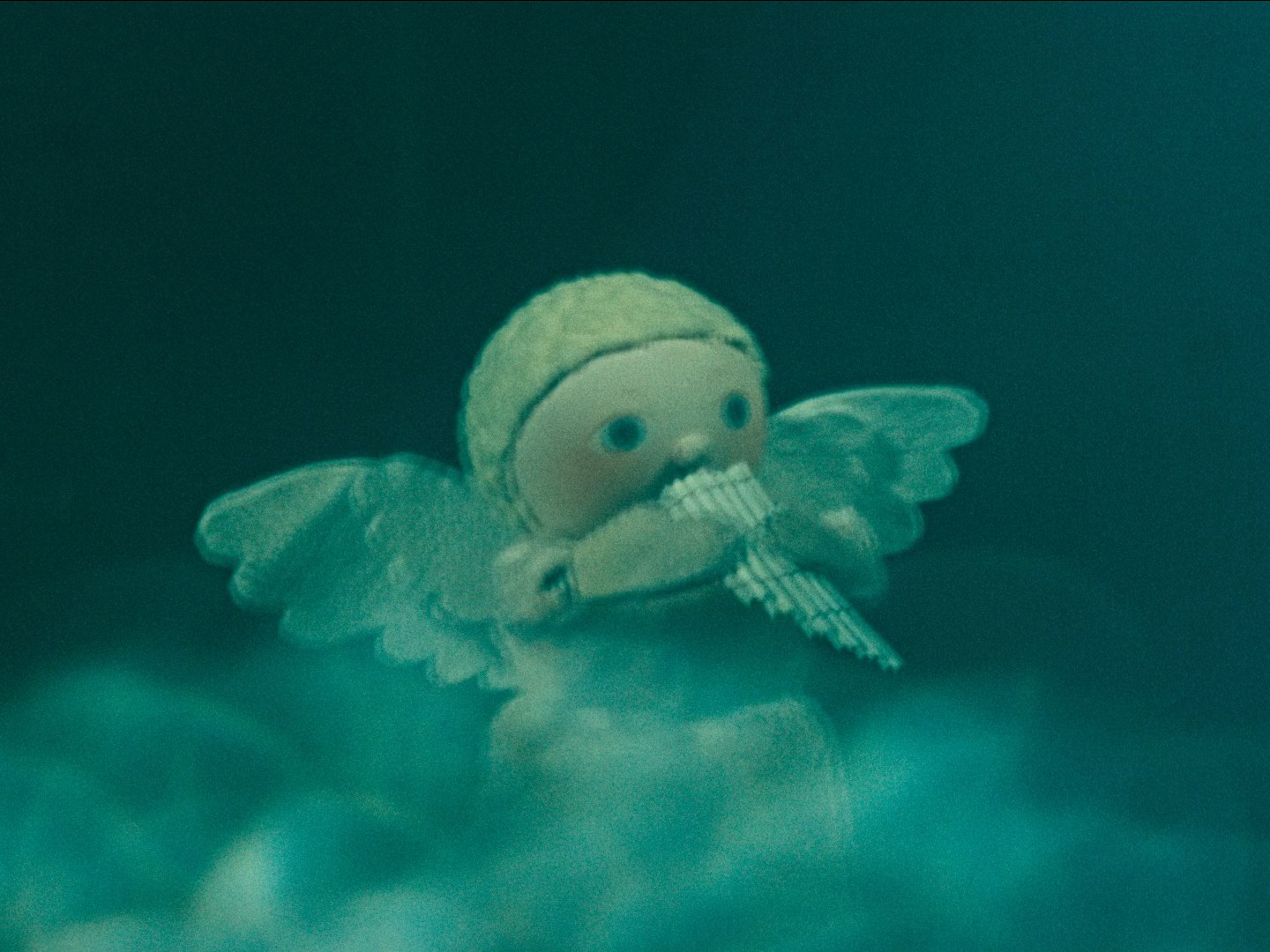 they really pop when they should with some shocking bursts of red or green in almost a two-strip Technicolor effect. The LPCM Czech mono tracks for both sound excellent, with the optional English subtitles doing a heroic job of translating some very tricky musical dialogue that often fades in and out. Each film gets its own disc, with the first one also containing Evan Chester's "A Beginner’s Guide to Jiří Trnka" (15m23s), a handy tour through the major highlights and techniques of the man's work as well as his work as an illustrator with a strong fondness for fairy tales. Also included is 1963's Badly Painted Hen (Špatně namalovaná slepice) (13m38s), a whimsical and charming little hand-drawn animated short by frequent Trnka collaborator Jiří Brdečka who also co-wrote Old Czech Legends.
  Beginner’s Guide to Czechoslovak Animation" (27m56s) placing Trnka's work in context within the broader
  spectrum of artists like Karel Zeman and Jan Švankmajer and films like The Pied Piper. Then you get the most volatile entry in Trnka's entire filmography, the animated 1965 anti-Stalinist satire The Hand (Ruka) (18m35s), a legendary parable involving a harlequin artist being controlled by a giant dictatorial hand. A newly-created trailer for The Czech Year is also included, and the packaging (which comes with a limited slipcase for the first pressing) has a 32-page insert booklet with substantial essays by Peter Hames ("The Hand Tha Rocked the Kremlin" about the evolution of Trnka's artistry and the changing political climate once the '60s arrived) and Jonathan Owen honing in on the two features here including their reception at home and the significance of each narrative section.