 post-'60s Jess Franco films to receive a significant theatrical stateside release, Jack the Ripper offered the promising
 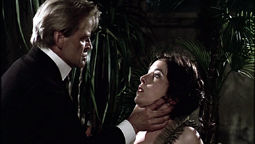 collaboration of Spain's wildest director and Germany's most unhinged actor, Klaus Kinski. The result is actually more upscale than one might expect, especially given that Franco's script tosses out any similarity to the actual crimes committed by Saucy Jack apart from the Victorian English setting and the concept of a serial murderer preying on prostitutes. This was easily one of the most ambitious projects Franco made during his highly prolific mid-1970s period with Swiss producer Erwin C. Dietrich, a series of films ranging from women-in-prison exploitation like Barbed Wire Dolls to hallucinatory sex films like Doriana Gray. Looping in Kinski was a coup here at the time, giving the actor his sole starring role for the director in their final collaboration after their Harry Alan Towers films including Venus in Furs, Marquis de Sade's Justine, and Count Dracula.
 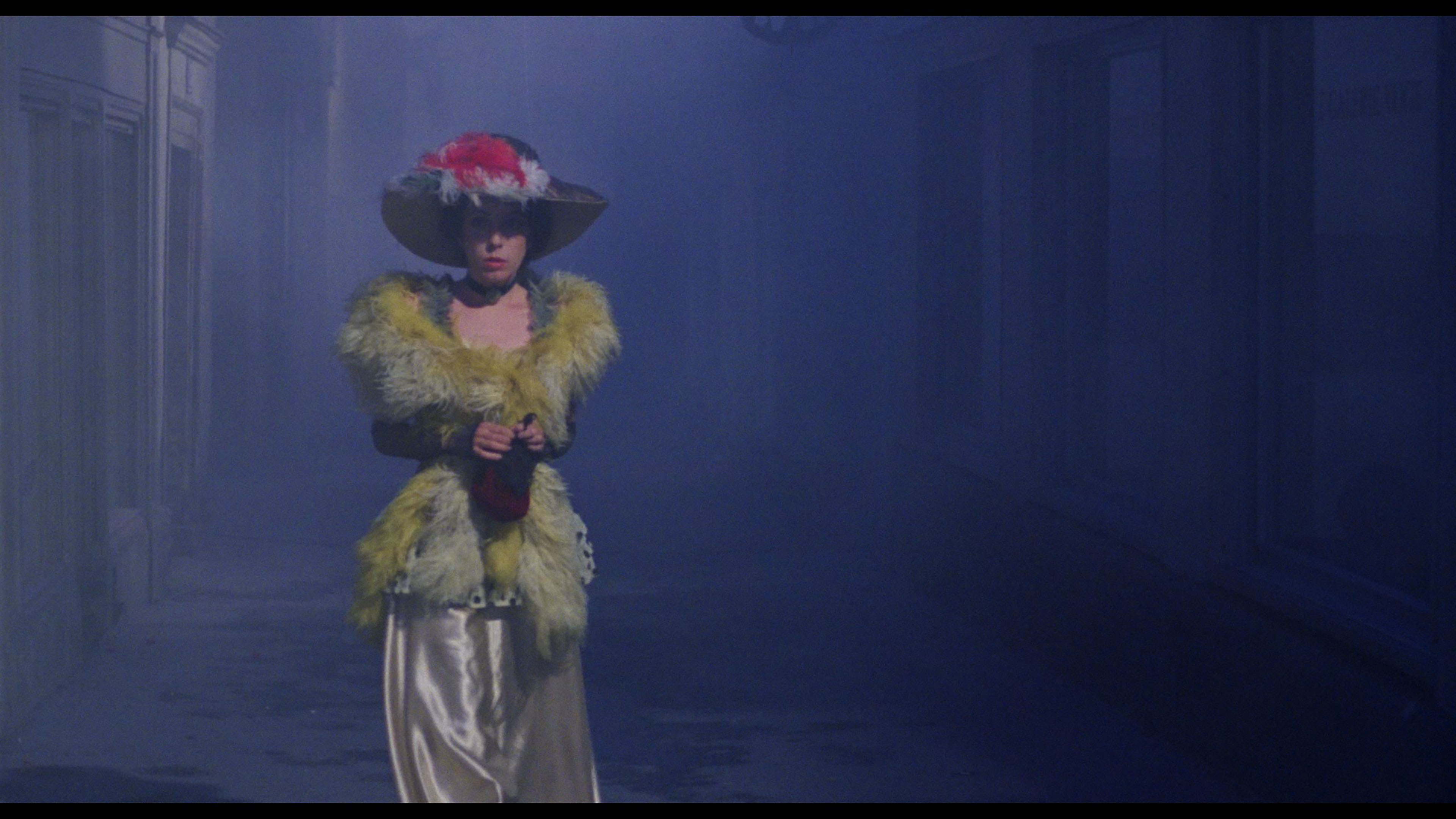 inspector's girlfriend (Josephine Chaplin, fresh off Pasolini's The Canterbury Tales) is pressed into service to pose as a potential victim.
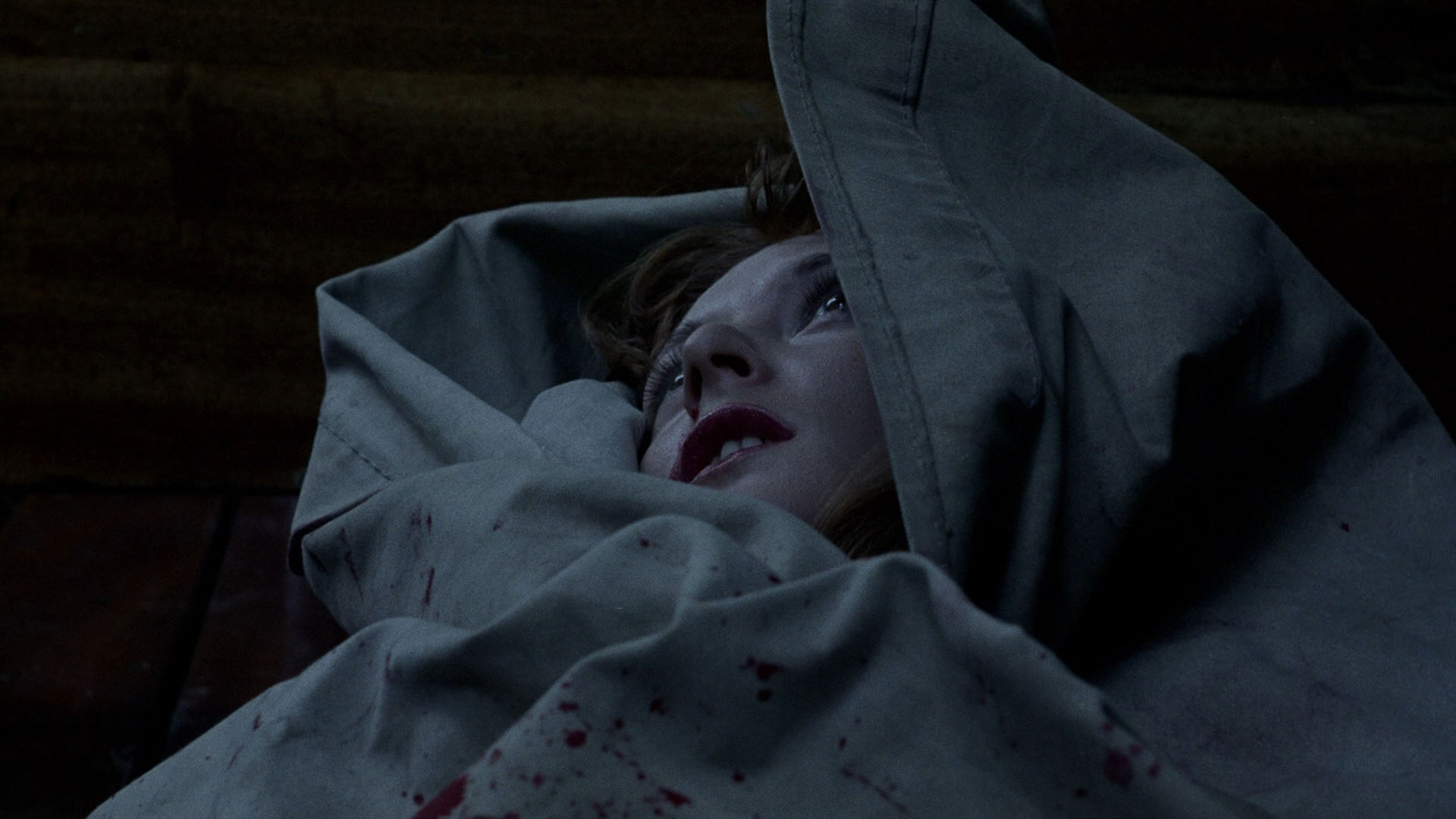
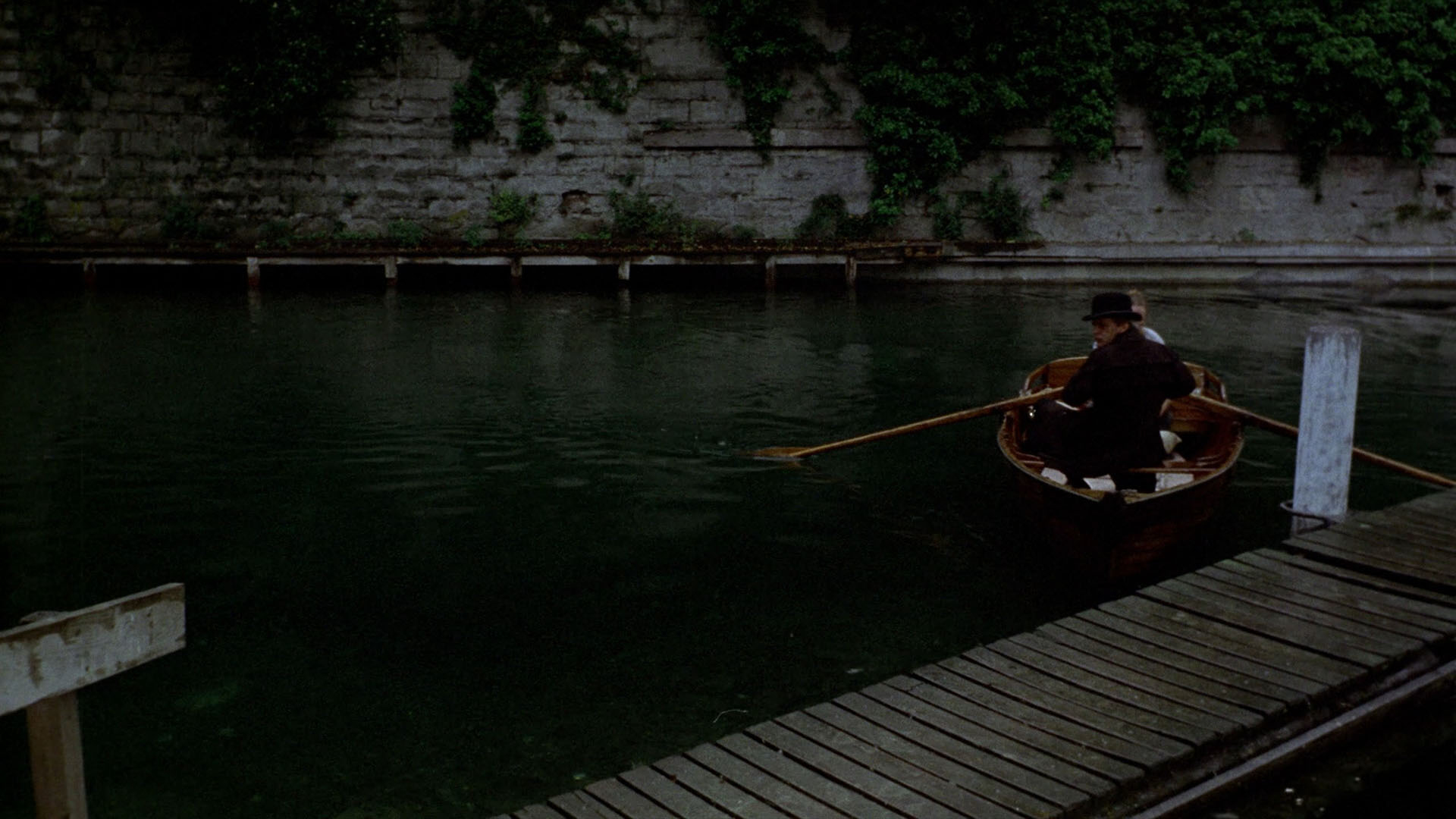
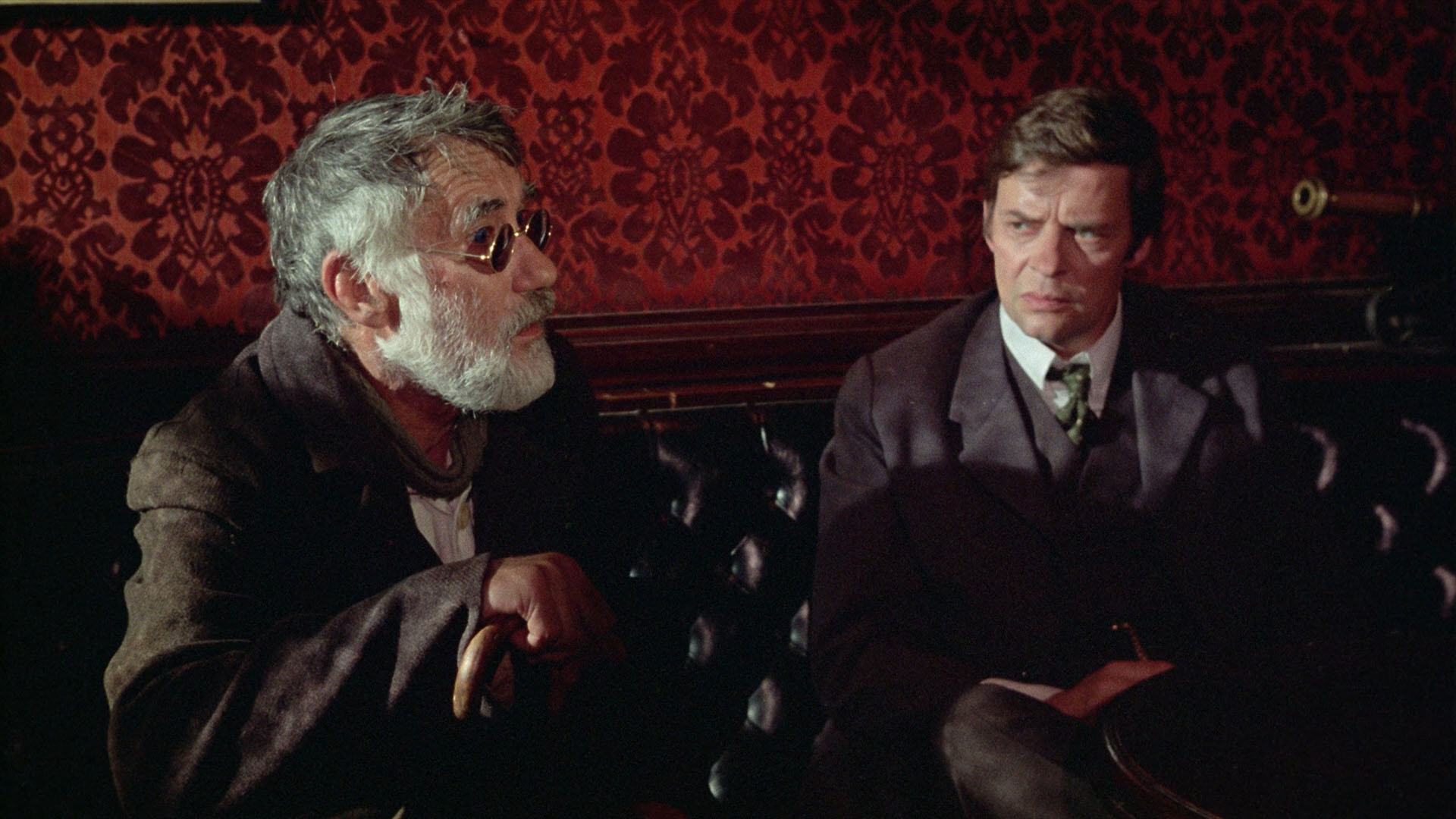
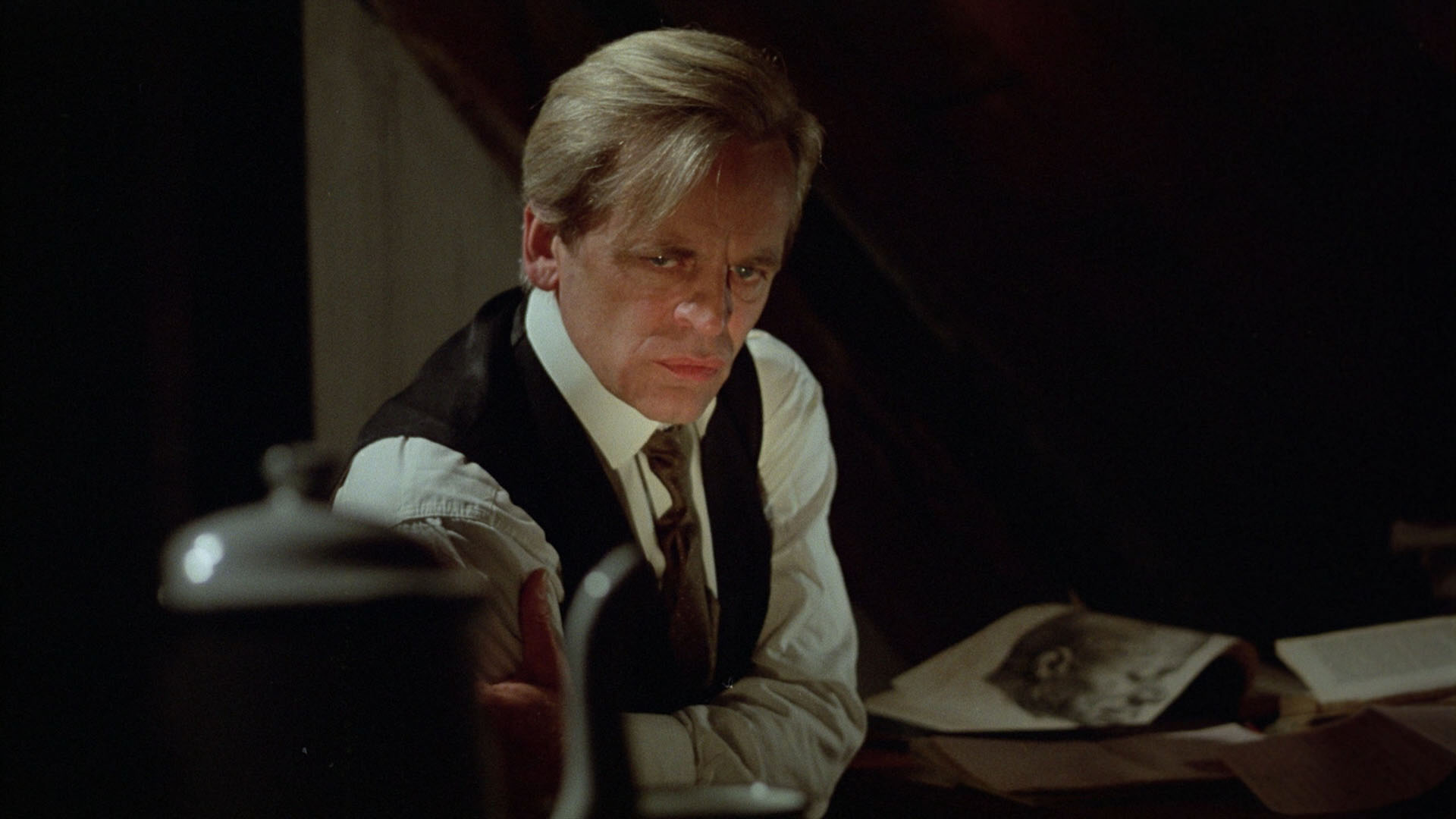
 genteel affair for Franco at this point. His usual pacing is functional given the attractive settings for his camera to probe, though it's strange to see Kinski tackling such a meaty role with such restraint. His eerie eyes and expressions are put to good use, but even when he's dispatching Romay in the film's two most notorious sequences, the actor's expected hysteria never surfaces. That includes the film's surprisingly subdued ending, a far cry from something like the blood-red capper to 1959's Jack the Ripper and more in line with The Two Faces of Dr. Jekyll. Given the name of Kinski's character, it's tempting to slot this in with the loose, decades-spanning Franco films featuring a Dr. Orloff (or Orlof) character, an aspect cemented here by the recycling of a few plot moments here from The Awful Dr. Orlof but with a very different feel. In fact, this is the closest film from the Dietrich run to the earlier West German productions Franco made for Artur Brauner; in particular, the music, foggy alleys, goofy emulation of London, and even the title font strongly recall Death Packs a Suitcase. Of course, here London is played by Zurich instead of Barcelona and that wasn't a period film, but the two would still play well together.
 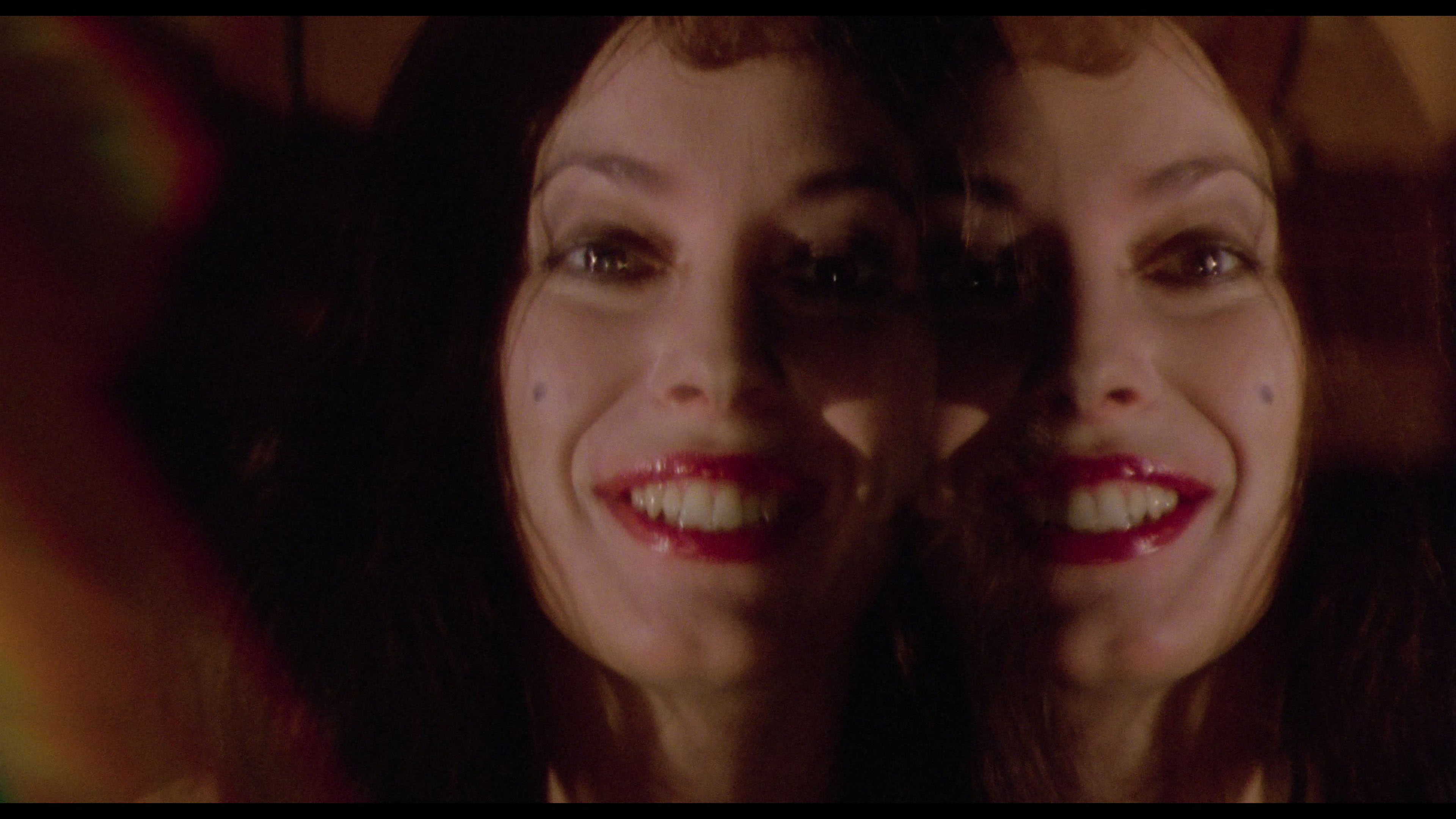 DVD companies (e.g., Diamond) passed off their own sorry-looking renditions of the shorter U.S. cut of this film on DVD, but this was a massive improvement with excellent detail and color for
 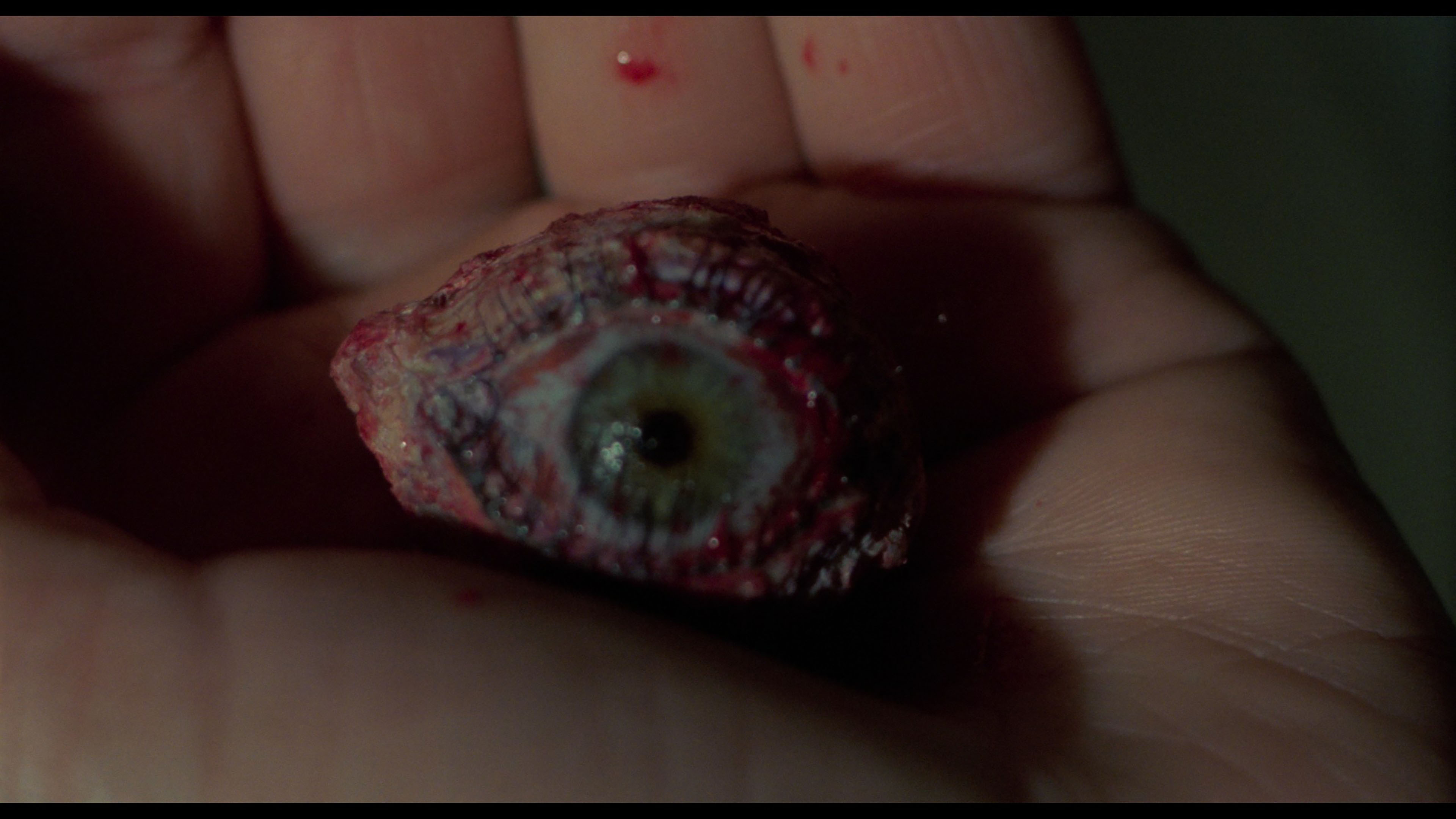 the format. Dietrich also offers a reasonably interesting commentary track focusing on the technical and production angles, though the absence of Franco (reportedly not his best buddy in the world) was a shame. Extras include the theatrical trailer for both Jack and Franco's excellent Love Letters of a Portuguese Nun (both in German) as well as a 17m25s restoration featurette, a 21m34s documentary featuring Dietrich discussing the film and his relationship with Franco, and a 16mm 7-second deleted shot of Romay's mutilated body. Language options include German, French, Italian, and the clumsy English dub track. Unfortunately subtitles are only present in Dutch, Finnish, and Greek, with English translations for Dietrich's commentary. The set is rounded out by a host of production and location shots.
The subsequent Blu-ray from the company looked even better, featuring German, English, Italian, and French audio options (with Dutch, Finnish, Chinese, Japanese, or Greek subs) plus the commentary, and porting over all the extras plus a 25m31s interview with actor Andreas Mannkopff, "He Caught Jack the Ripper," in German only, and a 42m34s audio interview with Franco (in French only) from 1976 at Zurich's Hotel Gregory.
the format. Dietrich also offers a reasonably interesting commentary track focusing on the technical and production angles, though the absence of Franco (reportedly not his best buddy in the world) was a shame. Extras include the theatrical trailer for both Jack and Franco's excellent Love Letters of a Portuguese Nun (both in German) as well as a 17m25s restoration featurette, a 21m34s documentary featuring Dietrich discussing the film and his relationship with Franco, and a 16mm 7-second deleted shot of Romay's mutilated body. Language options include German, French, Italian, and the clumsy English dub track. Unfortunately subtitles are only present in Dutch, Finnish, and Greek, with English translations for Dietrich's commentary. The set is rounded out by a host of production and location shots.
The subsequent Blu-ray from the company looked even better, featuring German, English, Italian, and French audio options (with Dutch, Finnish, Chinese, Japanese, or Greek subs) plus the commentary, and porting over all the extras plus a 25m31s interview with actor Andreas Mannkopff, "He Caught Jack the Ripper," in German only, and a 42m34s audio interview with Franco (in French only) from 1976 at Zurich's Hotel Gregory.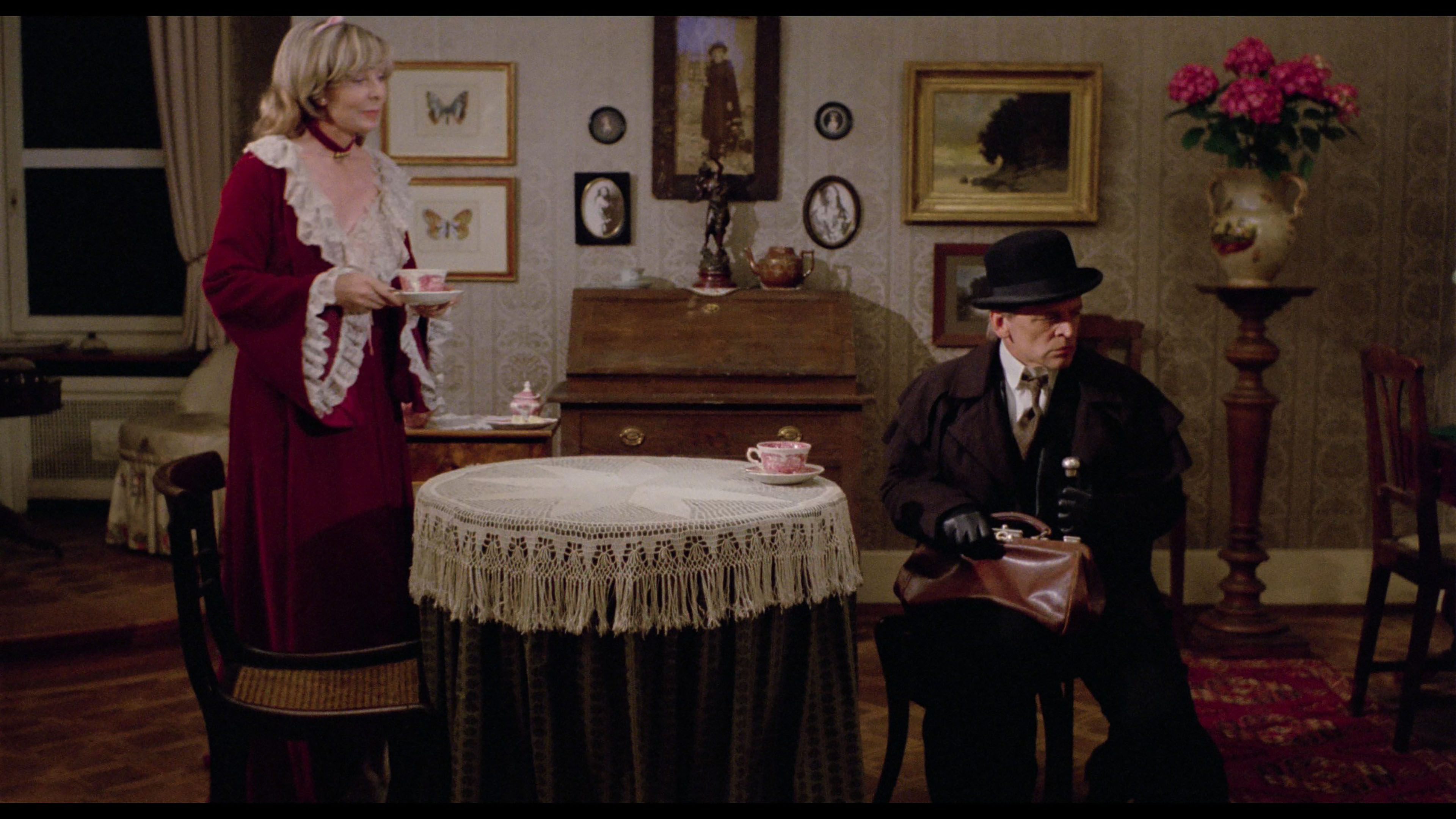 1975-77 partnership and all the colorful monkey business that turned up along the way, and a detailed overview by Dr. Stella Marie
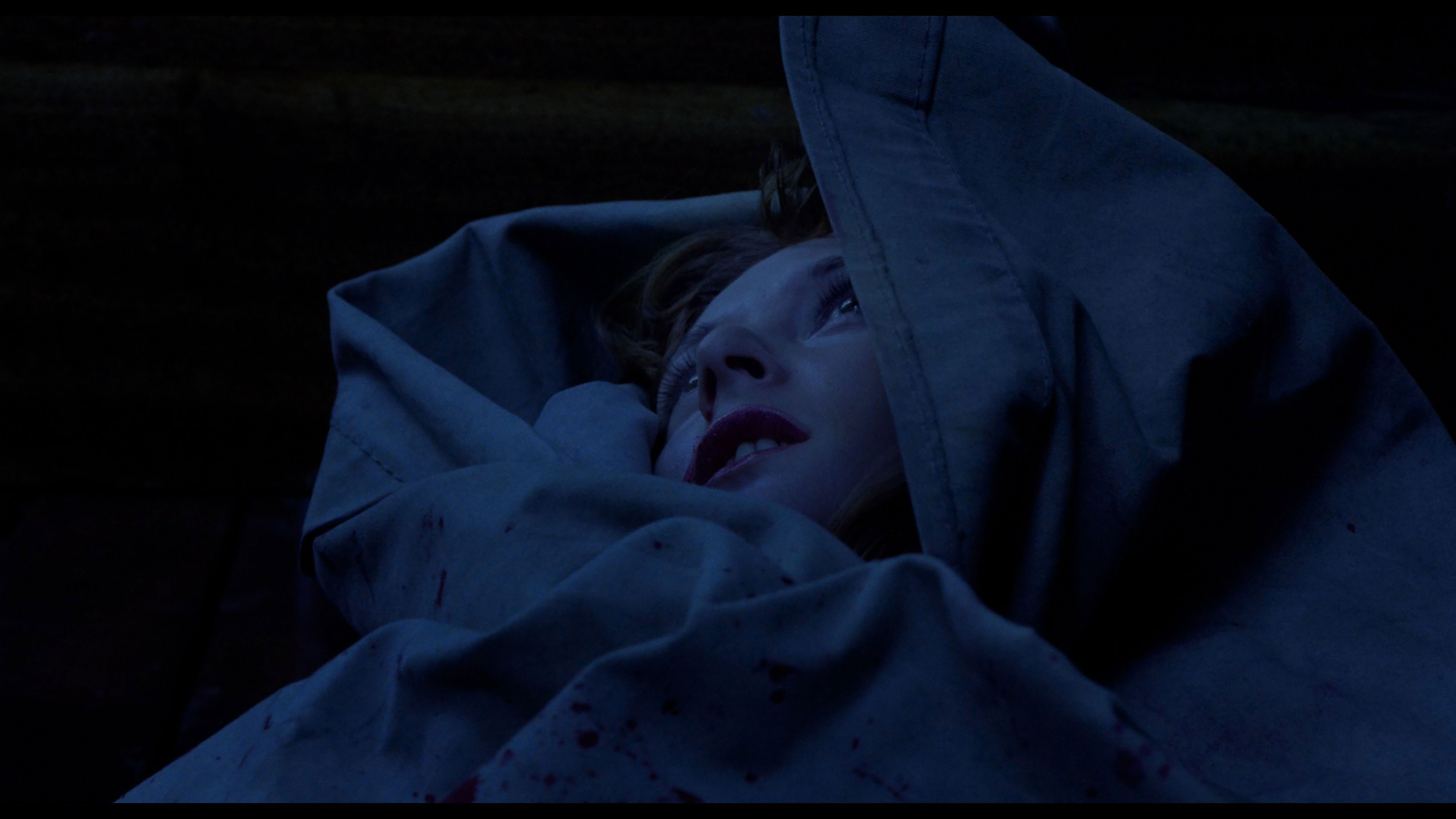
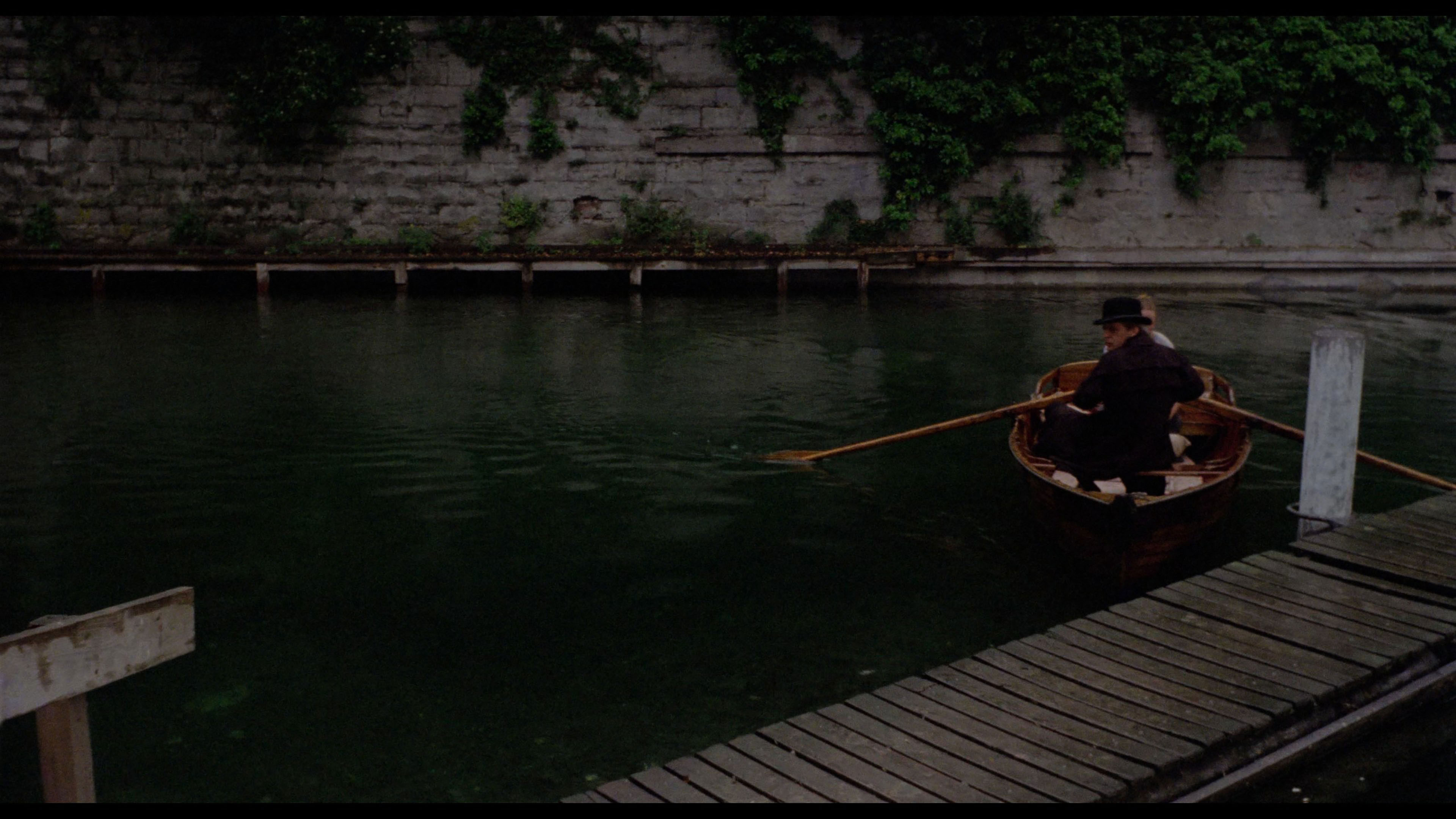
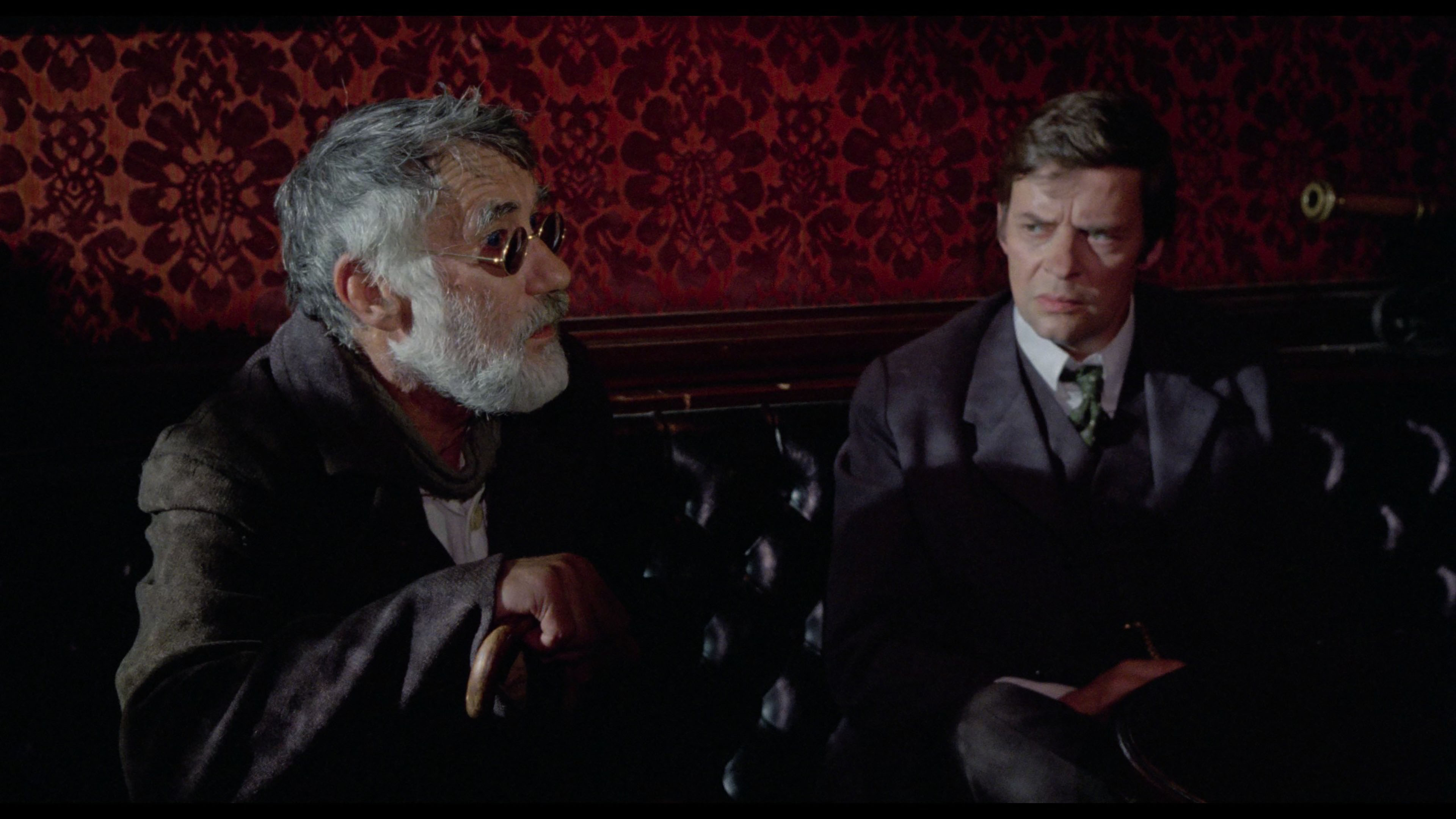
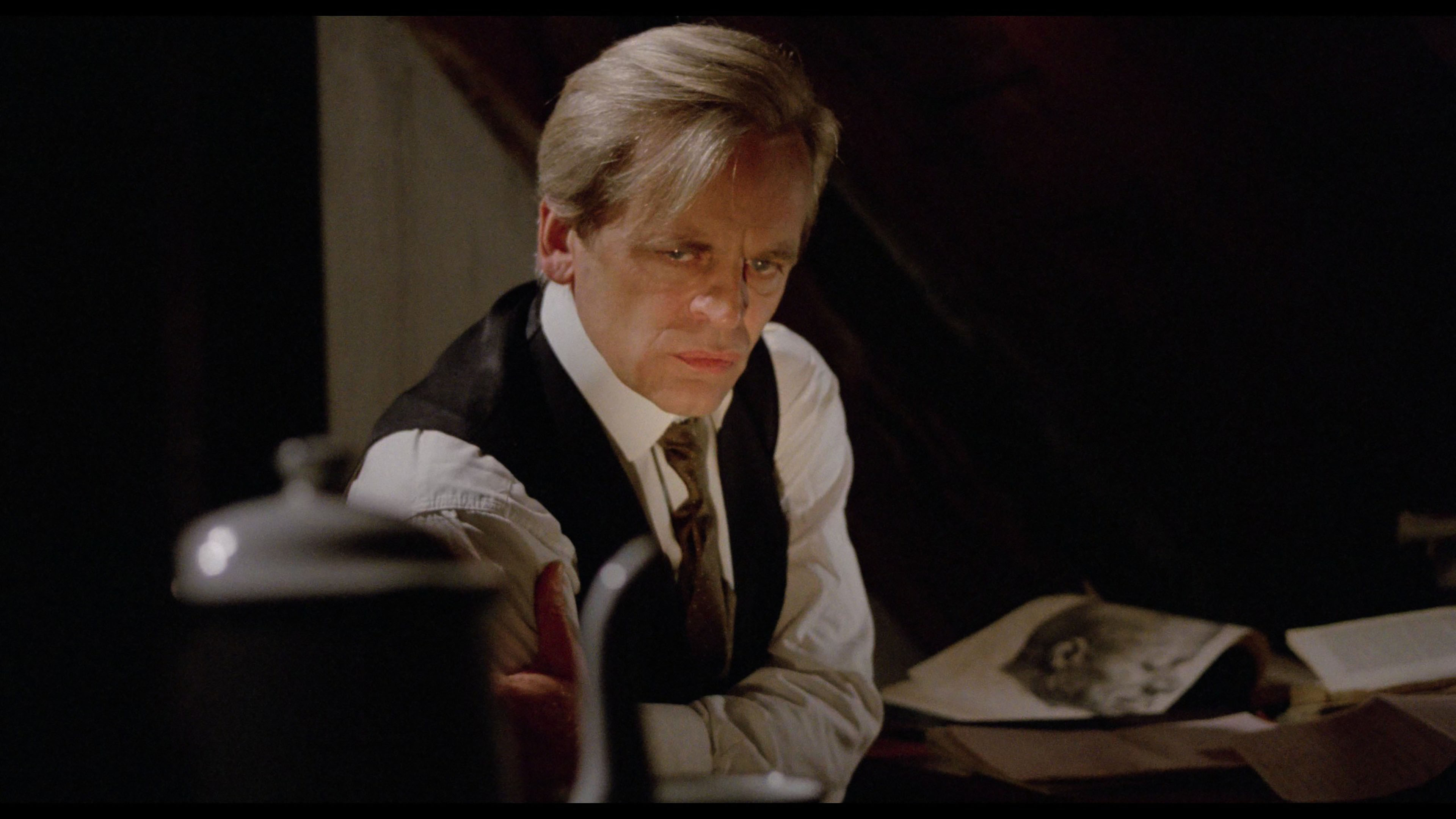
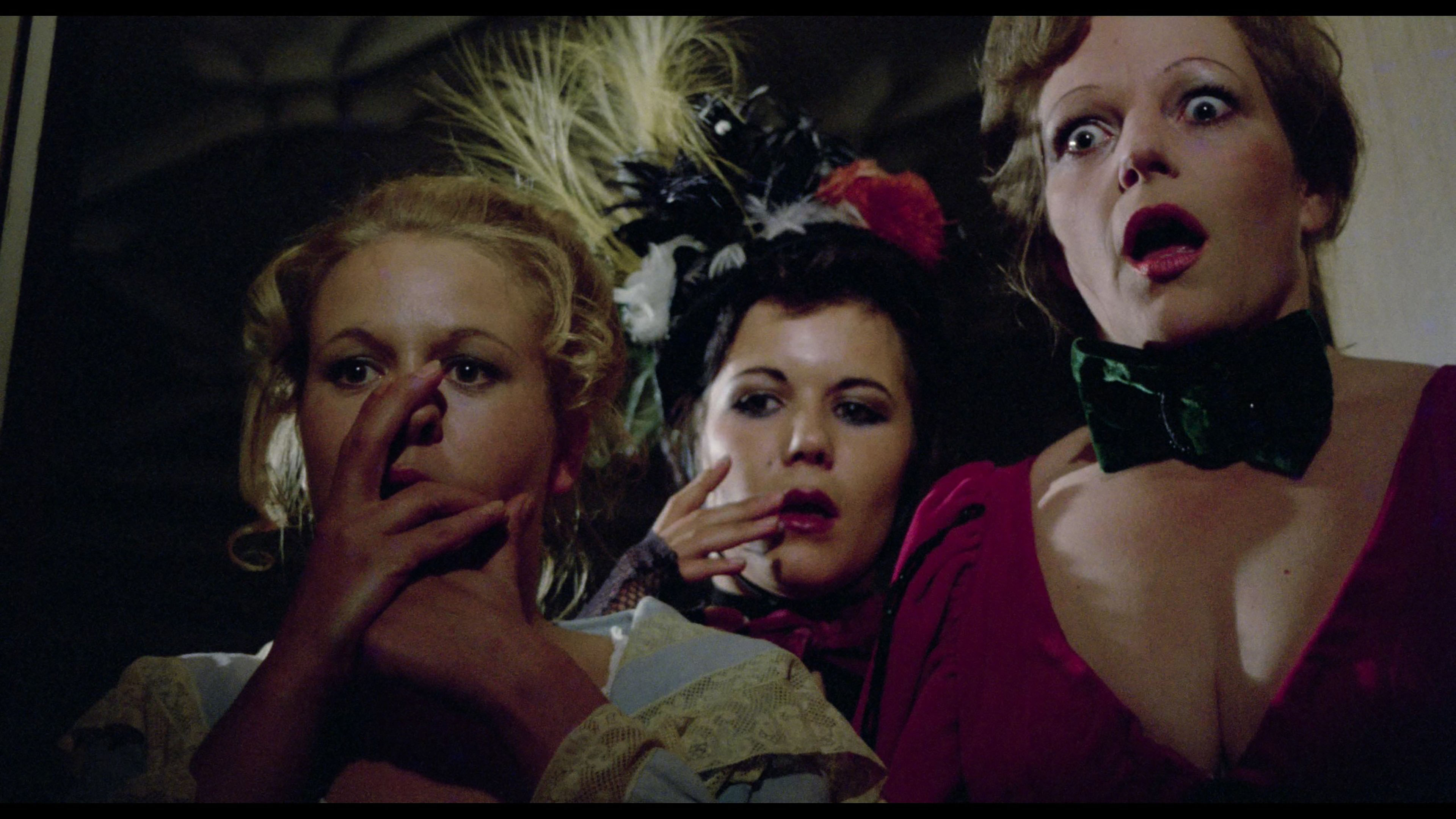
 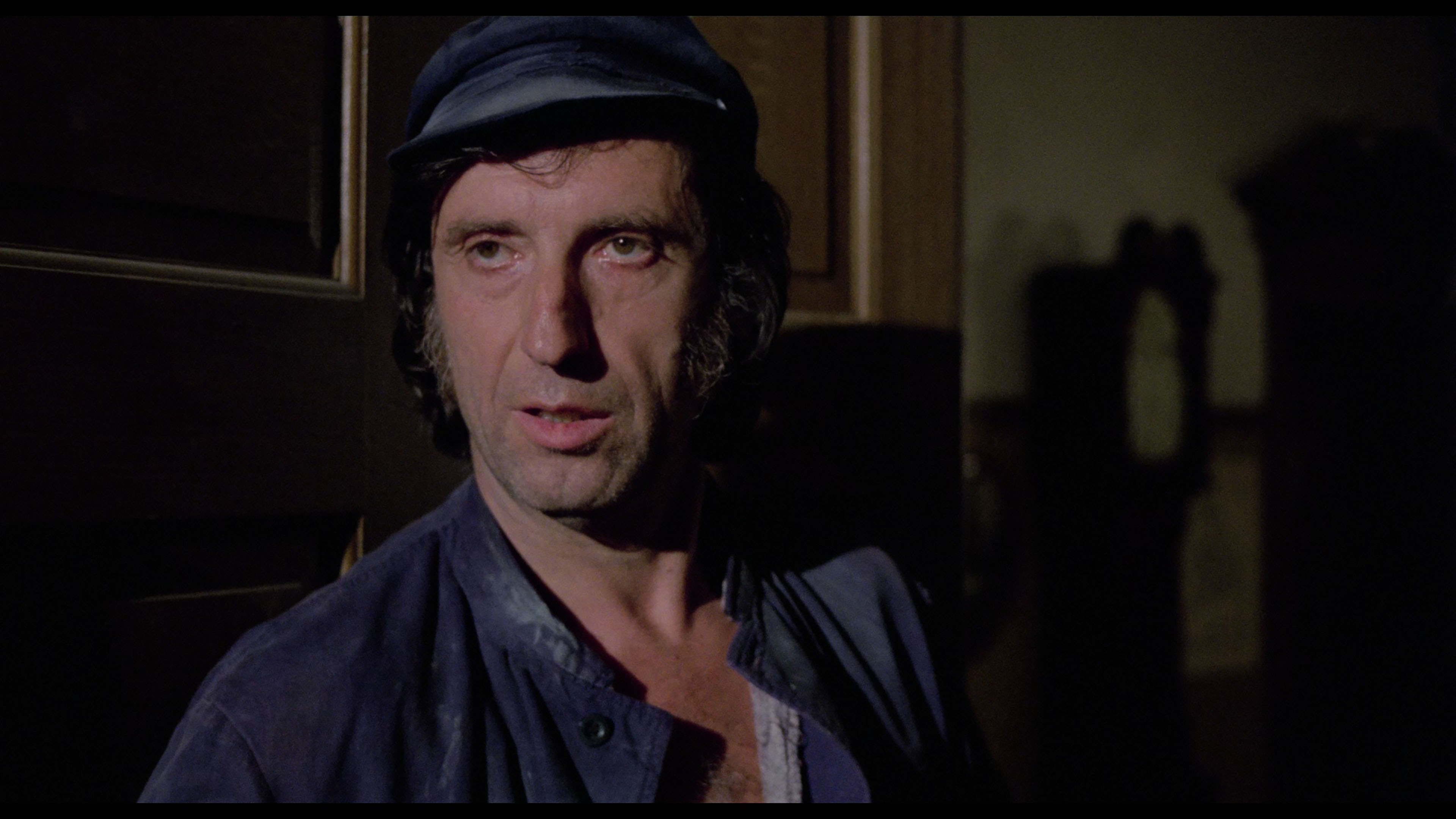 Gaynor of the real-life Jack the Ripper and the bizarre, gruesome details involving the five canonical women and the now-infamous taunting of the police. The new 4K scan (with HDR10-compatible Dolby Vision on the UHD) features an all-new restoration provided by Ascot Elite, shifting the framing here to a wider 1.85:1 versus the 1.78:1 on their prior editions with more info on the left and a slight vertical shift. It looks stunning here with excellent detail, or at least in the scenes with sharp focus, and some color timing tweaks have been made including restoring the deep blue look of the night scenes versus the graysih cast on the earlier transfer. More controversially, the licensor still remains inexplicably opposed to offering a subtitled version of the German track in any form, so what you get here are DTS-HD MA 5.1 and 2.0 stereo or mono English tracks with optional English SDH subtitles. They sound fine for what they are, with the original mono being the most authentic. A new audio commentary by Ryan Verrill and Dr Will Dodson covers Franco's sexy and jazzy sensibilities, a lot about the real-life ripper, and the director's often misunderstood idiosyncrasies. The Dietrich interview, trailer, and deleted scene (slightly longer here) are ported over here, plus the Mannkopff interview finally subtitled in English with him talking about the movie scene in Berlin, this film, Lucky Luke, dubbing John Candy, and more. In the visual essay "Klaus the Ripper" (21m28s), Howarth takes an often amusing look at Kinski's colorful four-film work with Franco in the '60s and '70s, with the Towers era contrasting with this film a few years later and the actor's mercurial presence being used very differently. Finally in "Whitechapel Shadows" (17m7s), Eugenio Ercolani picks apart familiar Ripper lore in all its puzzles, inconsistencies, and still-shocking details along with some potential victims outside of the main five and the impact of the murder on the public consciousness.
 Cauldron Films (UHD)
Ascot Elite (Blu-ray)