 the 1980s held more mystique or grotesque fascination for the American public than Faces of Death, a
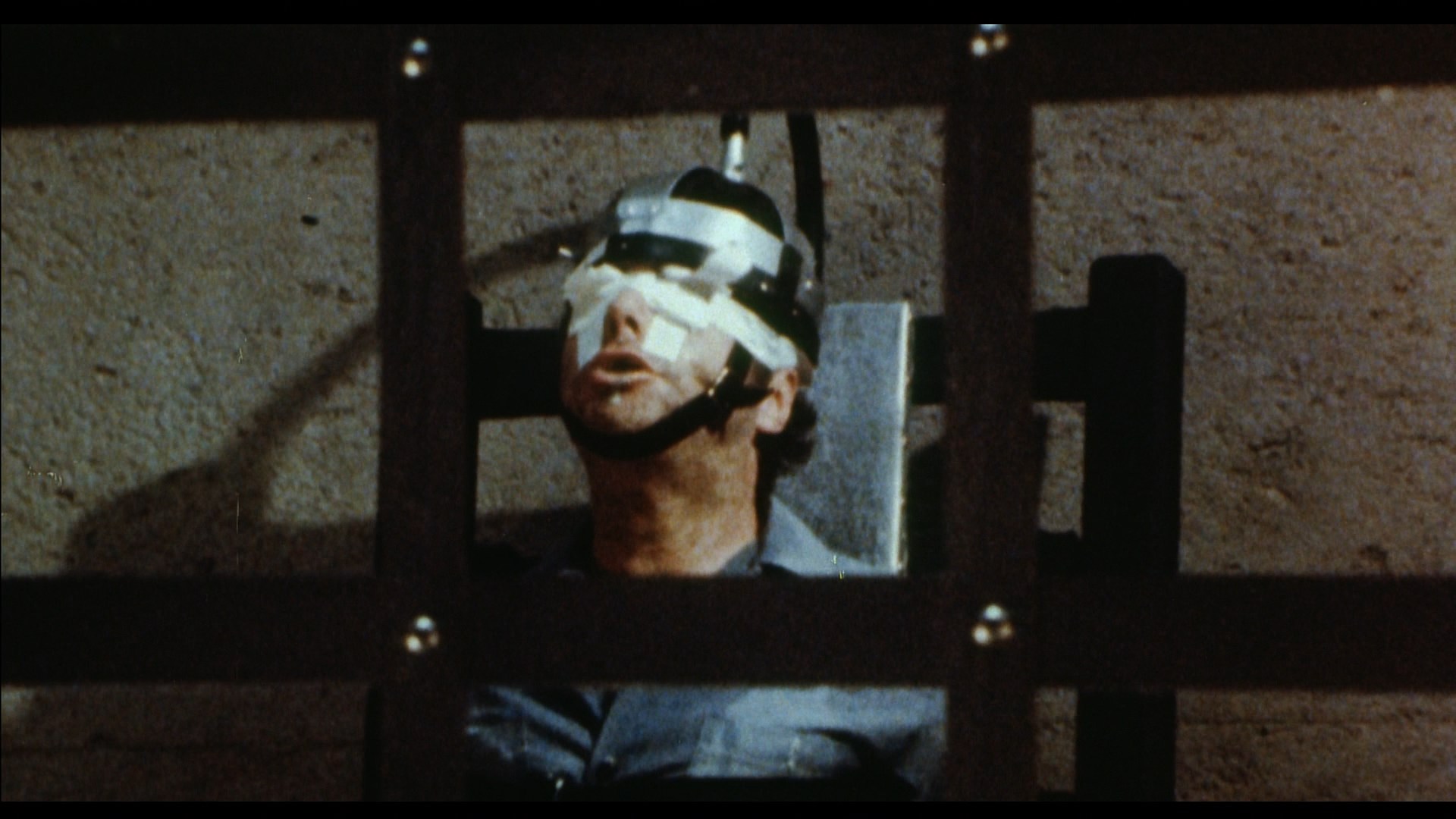
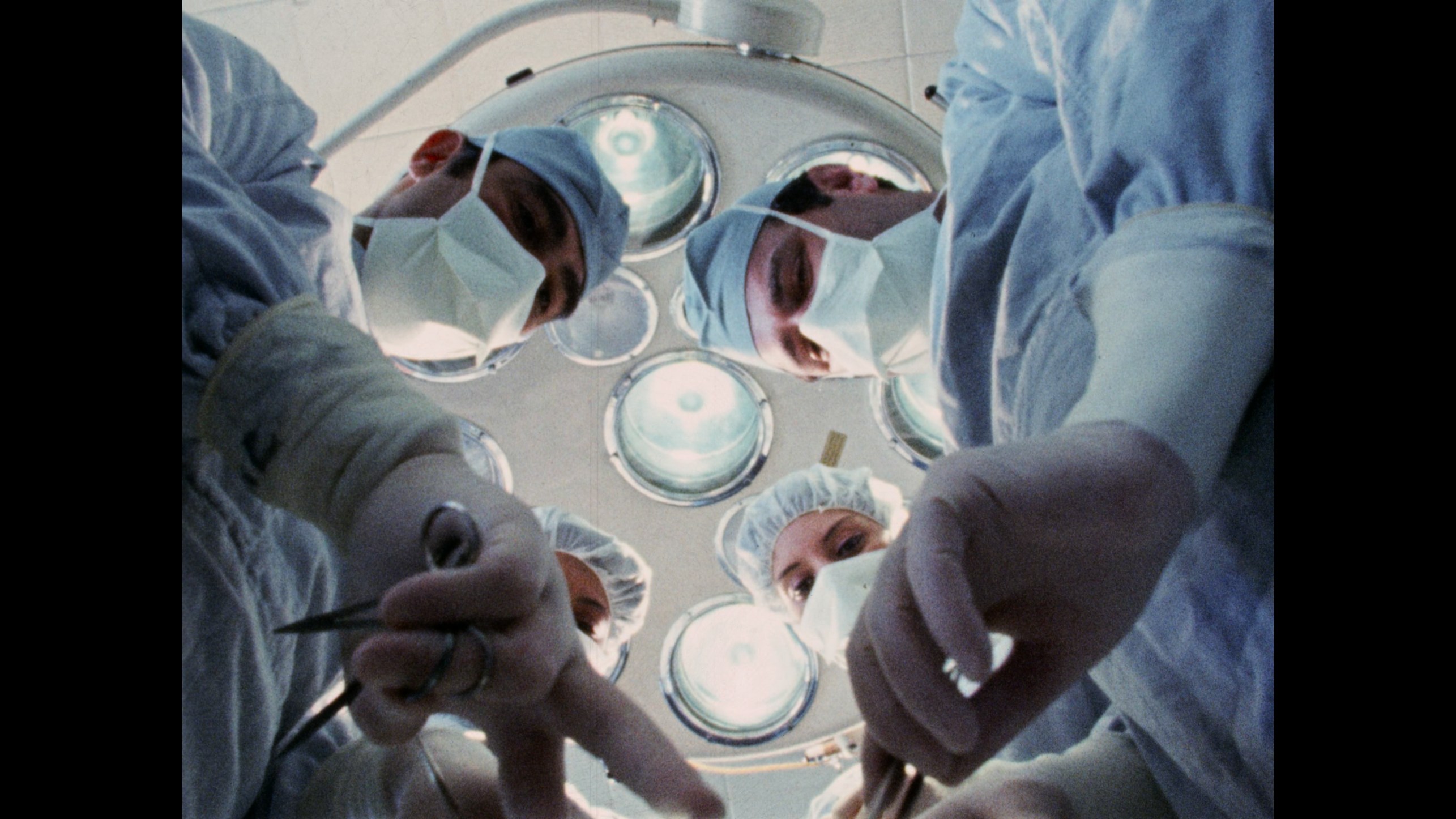
 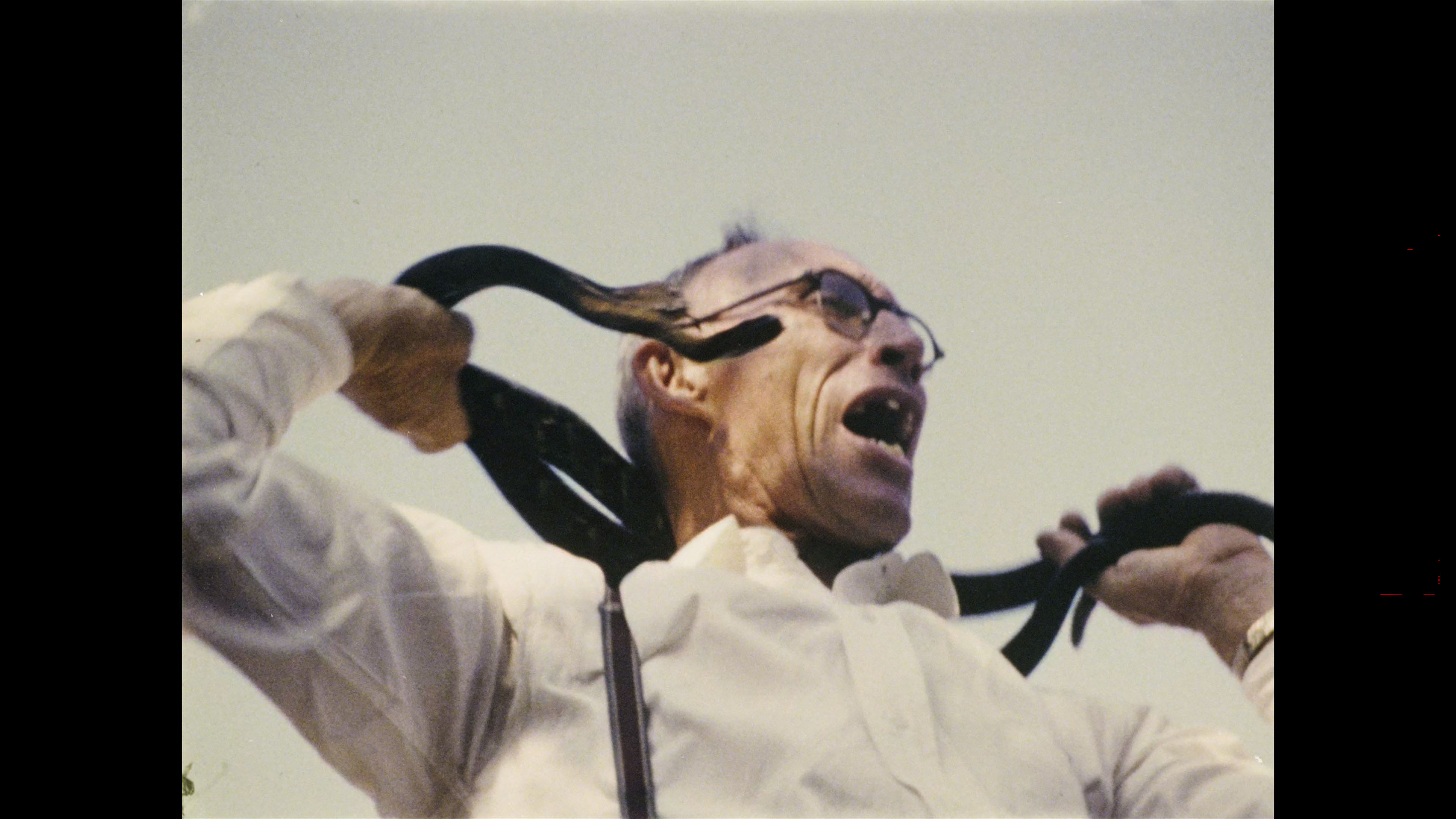 ghoulish shockumentary originally released in 1978 (by infamous exploitation outfit Aquarius Releasing) that exploded into the mainstream conversation when it hit VHS ("Banned in 46 Countries!") and somehow became a perennial midnight movie staple at shopping mall theaters throughout the '80s and into the '90s. Essentially updating the Mondo Cane template of presenting supposedly real-life appalling images from around the world, this one pushed things further by focusing exclusively on death itself as experienced by human beings and animals alike. Anyone with a discerning eye could easily tell that most of the human mayhem was staged, particularly the notorious electric chair sequence, but the blending with real (and fake) animal slaughter footage was enough to turn the film into a rite of passage experience for many teens and young adults. In the process it inspired multiple official sequels, a slew of copycat VHS releases like the Traces of Death series, boosted public interest in similar films like Mondo Magic and Shocking Asia, and most recently inspired a 2026 fictional horror film of the same title. Unlike its Italian ancestors, this one doesn't really try for any kind of cinematic artistry or worthwhile philosophical statement apart
 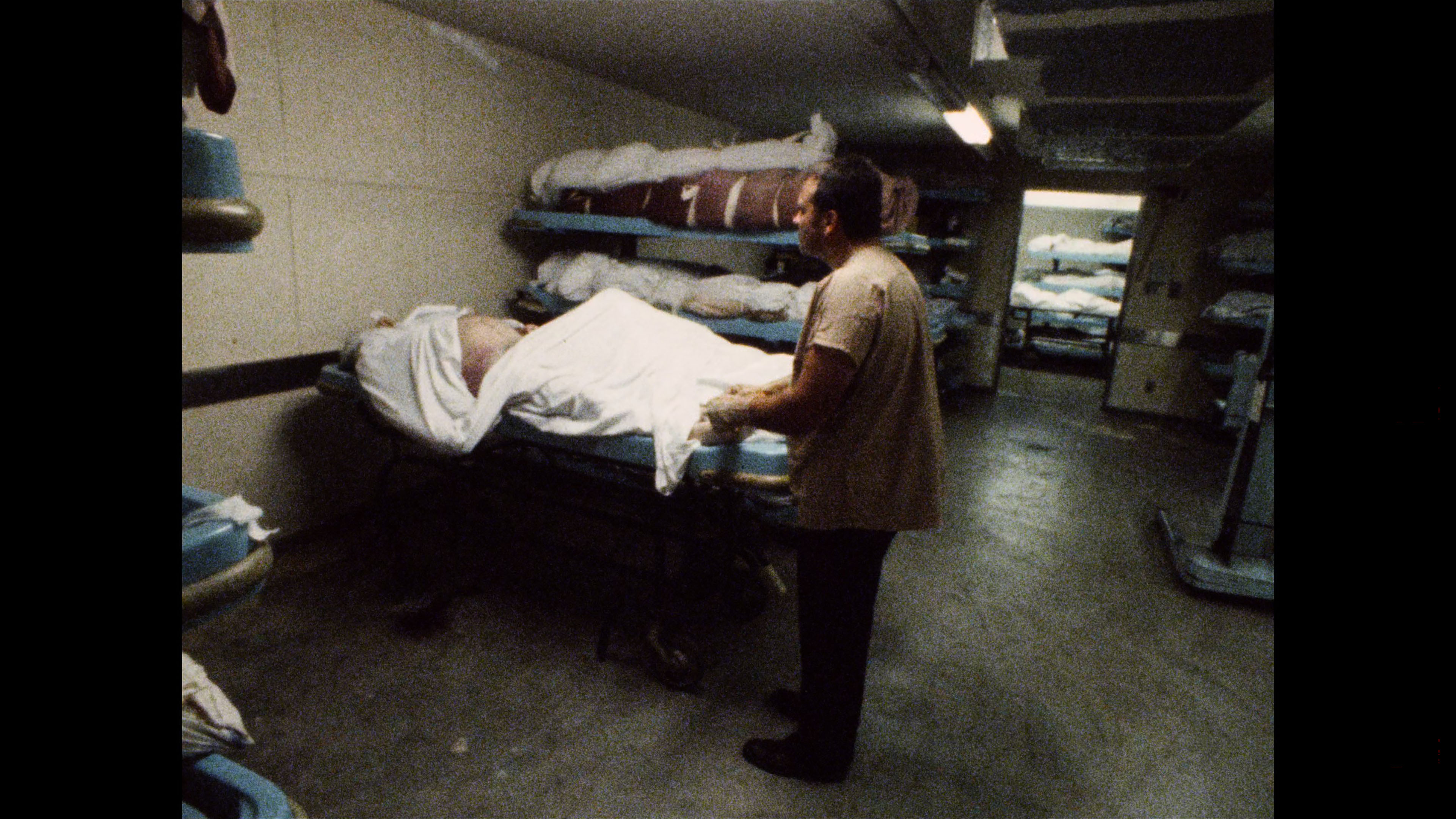 from a token "circle of life" bit of sunniness in time for the end credits. Instead it's a fascinating and
 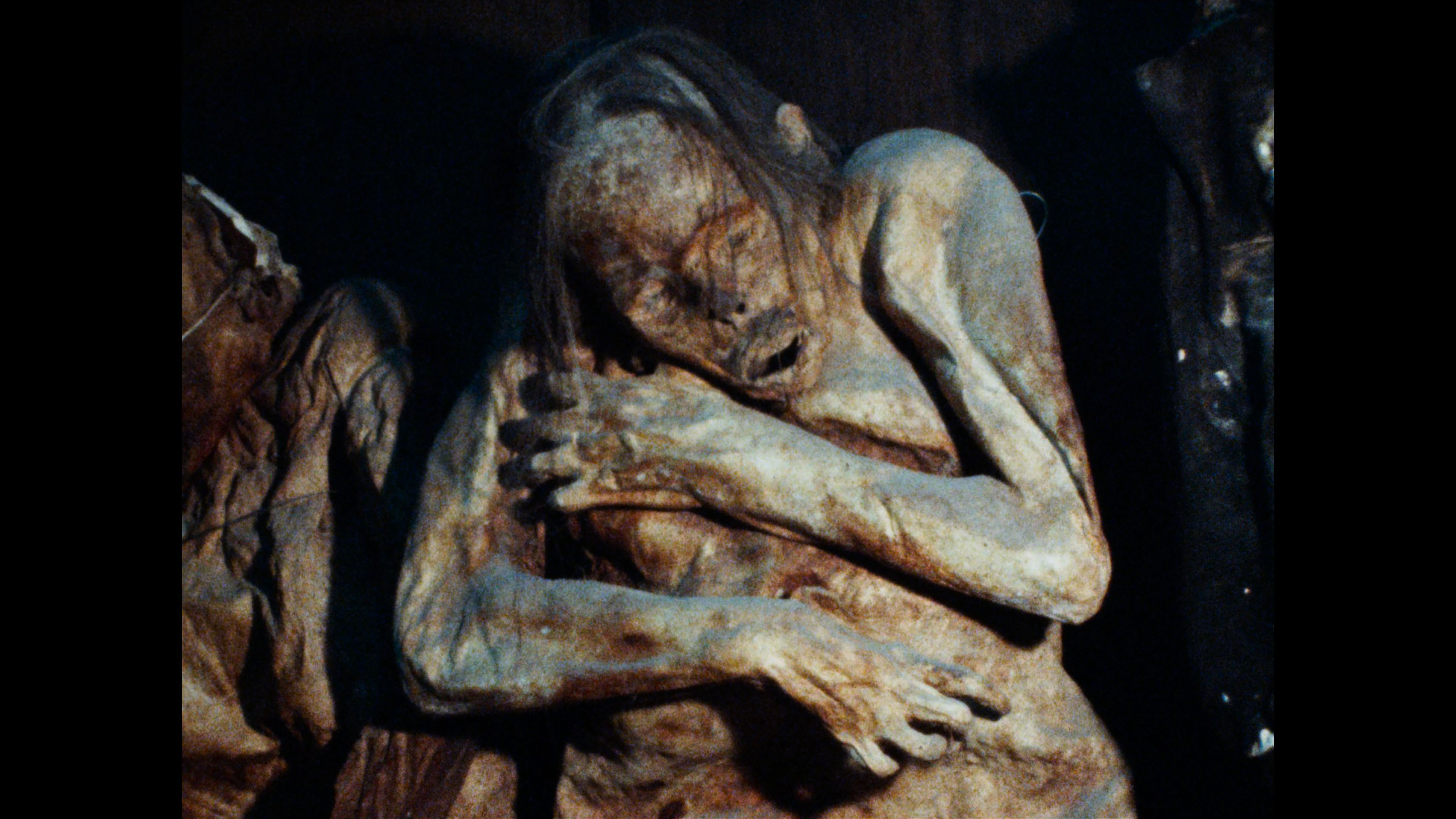 deliberately repellent geek show for better or worse, a crazy blip in pop culture that would be impossible to replicate today.
 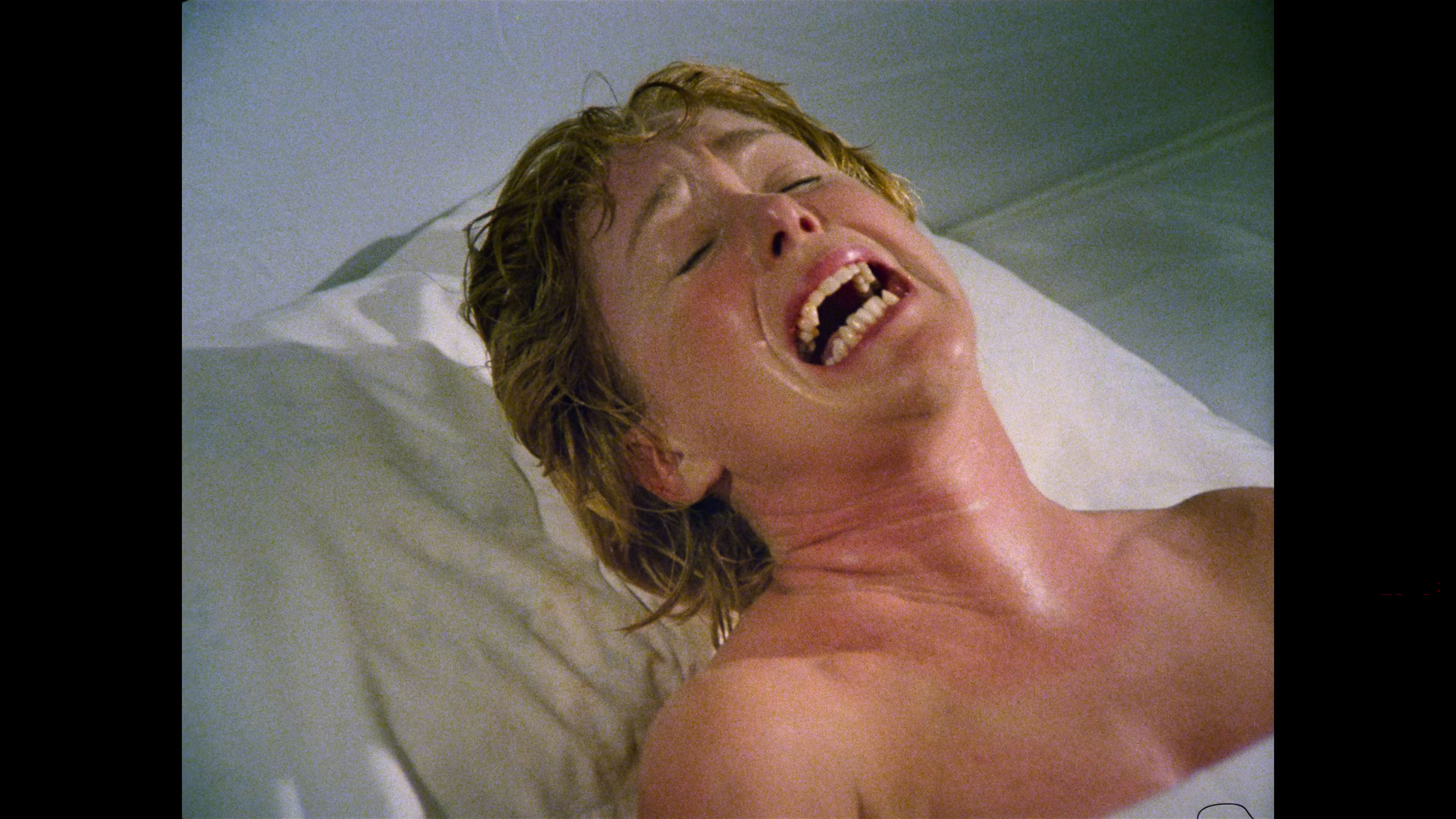 footage culled from TV stations and archives including the Holocaust, starving children, and natural disasters.
  reputation, playing a part in the conversation about extreme violence among teens who were sneaking tapes of this and Make Them Die Slowly into their VCRs when adults weren't around. There's no question more accomplished films were made blurring the line between real and fake violent outrages, as anyone who's seen Cannibal Holocaust and The Killing of America made around the same time can attest. What this one does have is a dangerous attitude that makes it perfect as a kind of cinematic dare, aided by that great marketing campaign that was essentially responsible for etching MPI's Gorgon Video imprint into the consciousness of an entire generation. Since then the film has been issued by MPI many times standalone and with its sequels, including a DVD set in 2002 and a remastered Blu-ray and DVD release in 2008. The latter, touted as a 30th anniversary edition, featured a matted 1.85:1 presentation, Dolby Digital 5.1 and 2.0 audio options with English subtitles, and several extras that shed very welcome light on how the production really came to be. That includes an audio commentary with "Le Cilaire" moderated by Red Shirt Picture's Michael Felsher, a "Choice Cuts" video interview (16m13s) with editor Glenn Turner, "The Death Makers" (21m54s) with effects creators Allen A. Apone and Douglas White, the trailer, a deleted scene (4m12s) sourced from tape about the treatment and fates of death row inmates, and 11m23s of outtakes including a lot more of the (real) dead surfer,
  slaughterhouse aftermath, and "victims" clowning around in their gore makeup. The commentary and featurettes are all invaluable histories including stories about how the news story recreations were done, what tactics you use to do fake corpse autopsies and monkey deaths, how you wrangle artists to come up with this stuff in the first place, and tons more. A steelbook reissue from Dark Sky in 2025 also added "Many Faces of Death" (19m57s) in which Karim Hussain, Jörg Buttgereit, Buddy Giovinazzo, Joel Potrykus, Chrzu, Marcus Stiglegger, Johnny Famiglietti, Marc Morris, Sapna Moti Bhavnani, Ant Timpson, Alexandra Heller-Nicholas, Dennison Ramalho, Xero Gravity, and Fred Vogel share their thoughts on the film's impact, its place in the mondo wave, its fate in various censor-happy countries, and their own personal memories of braving it for the first time.
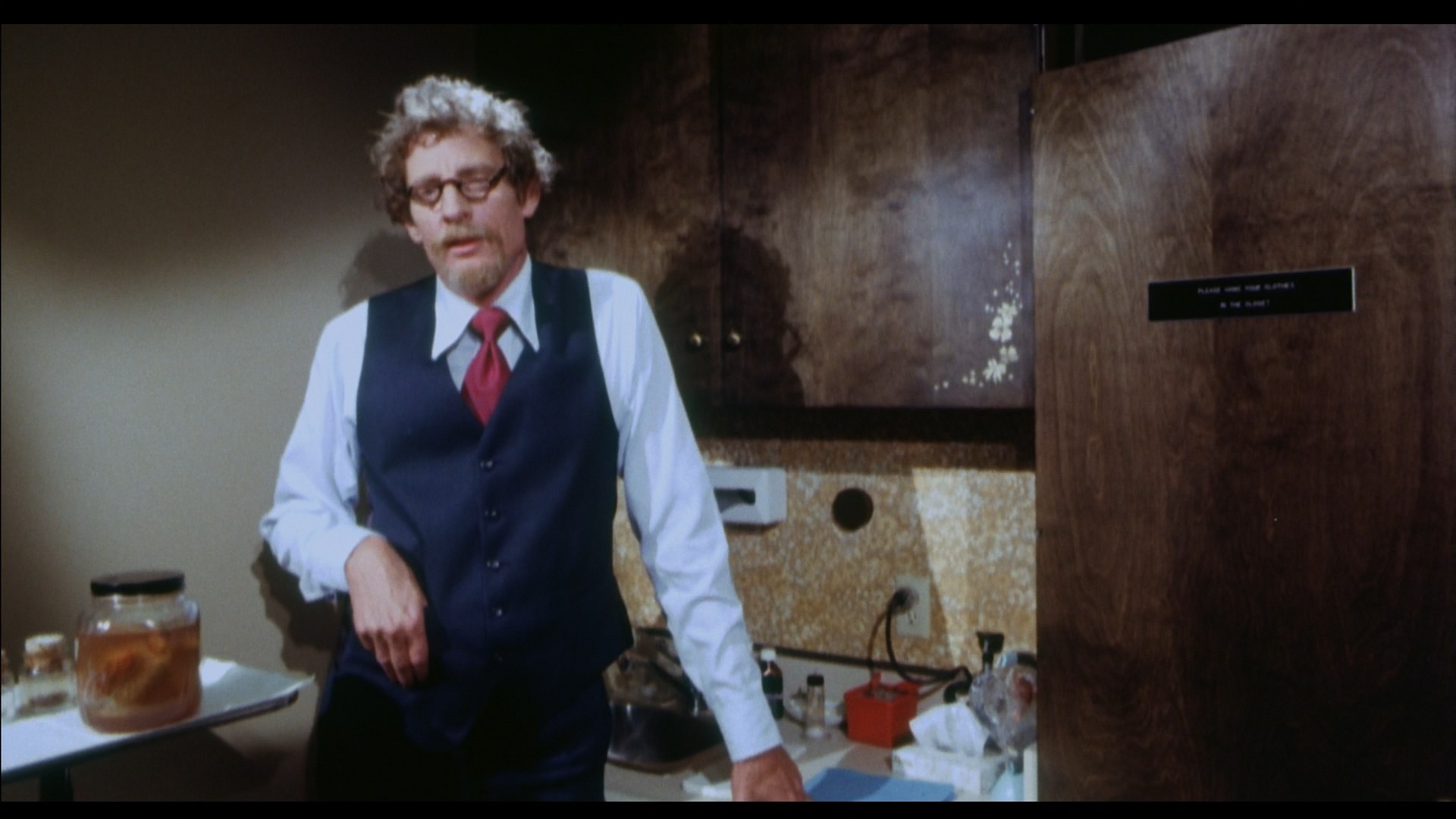
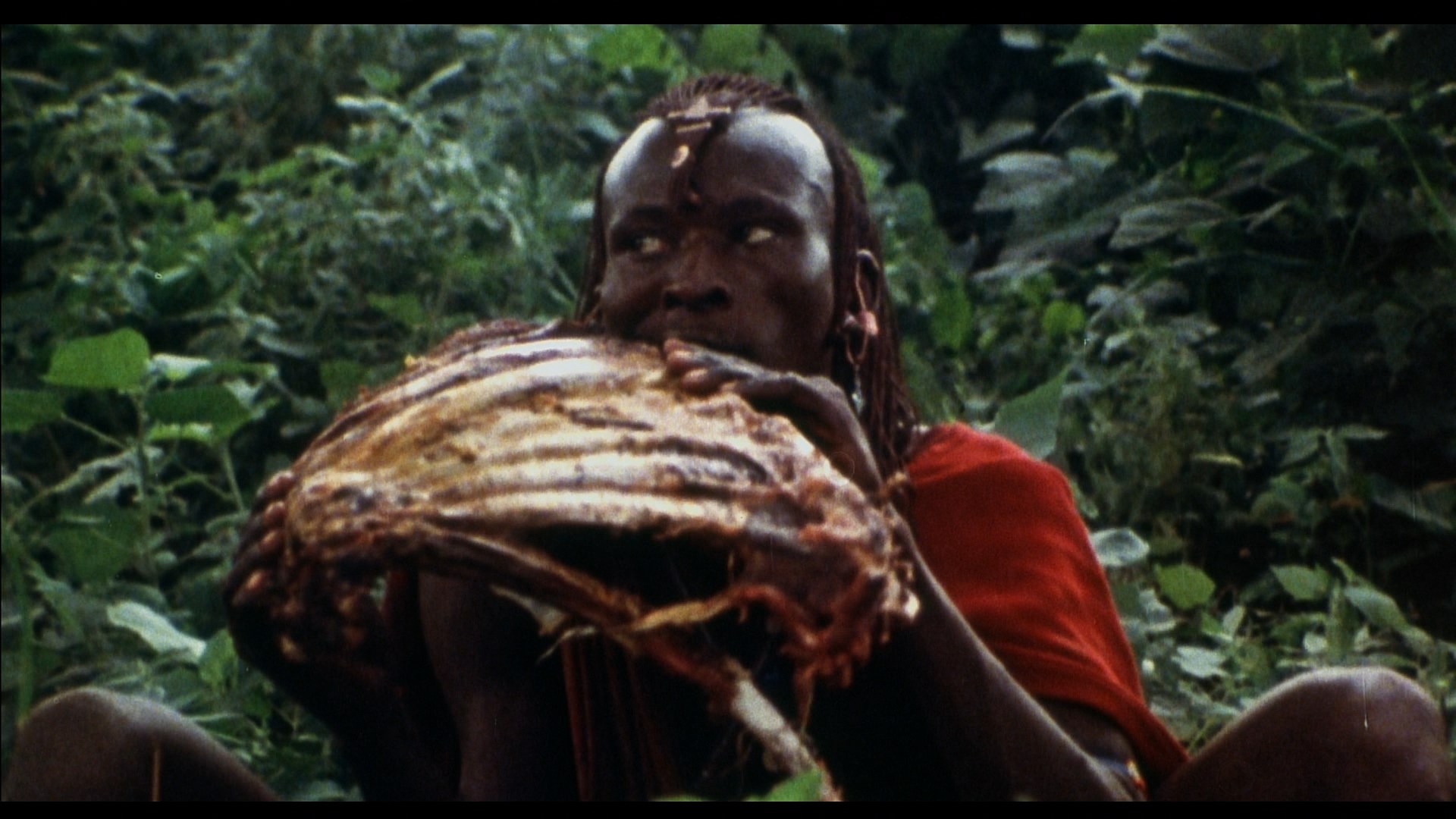
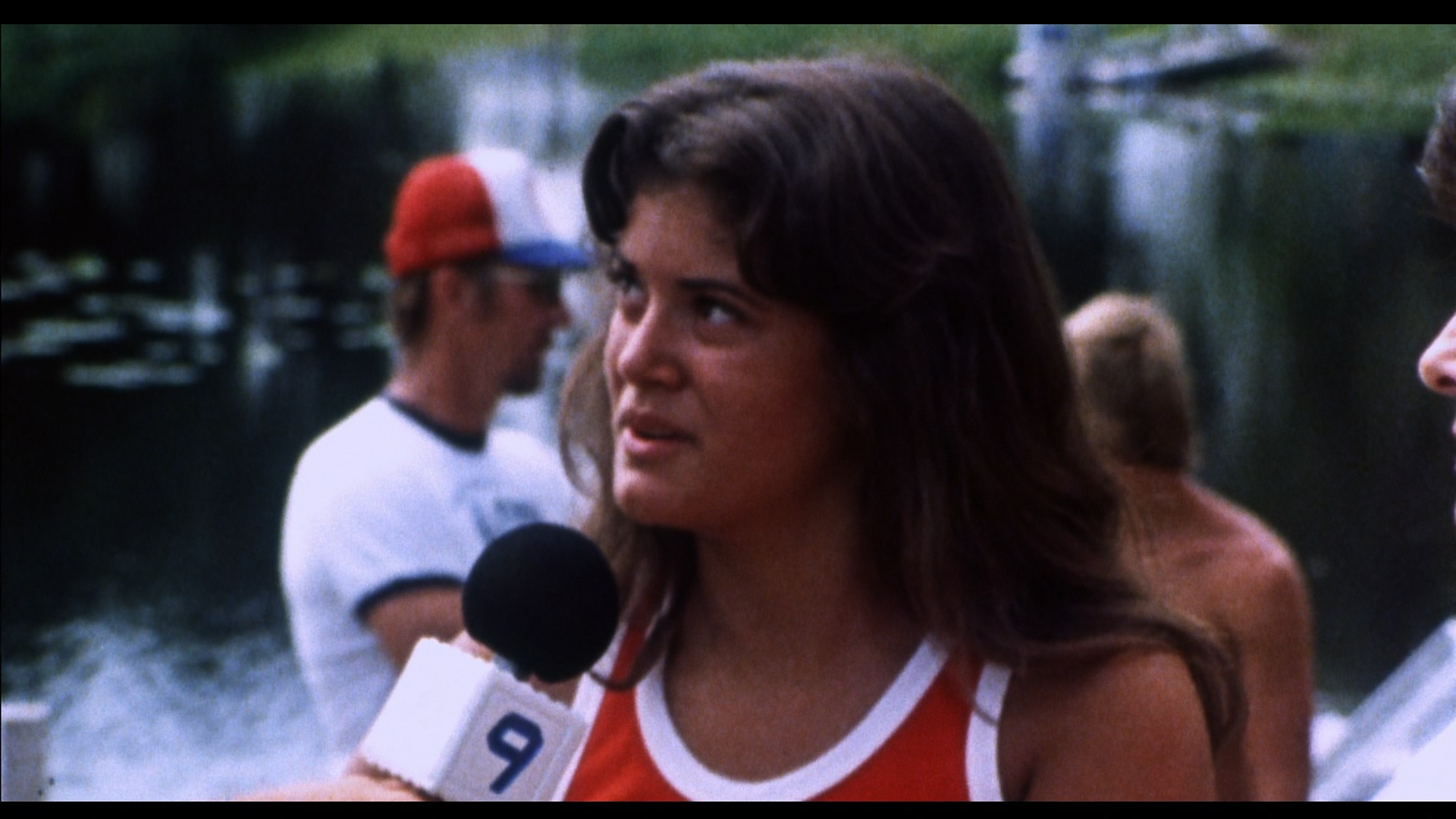
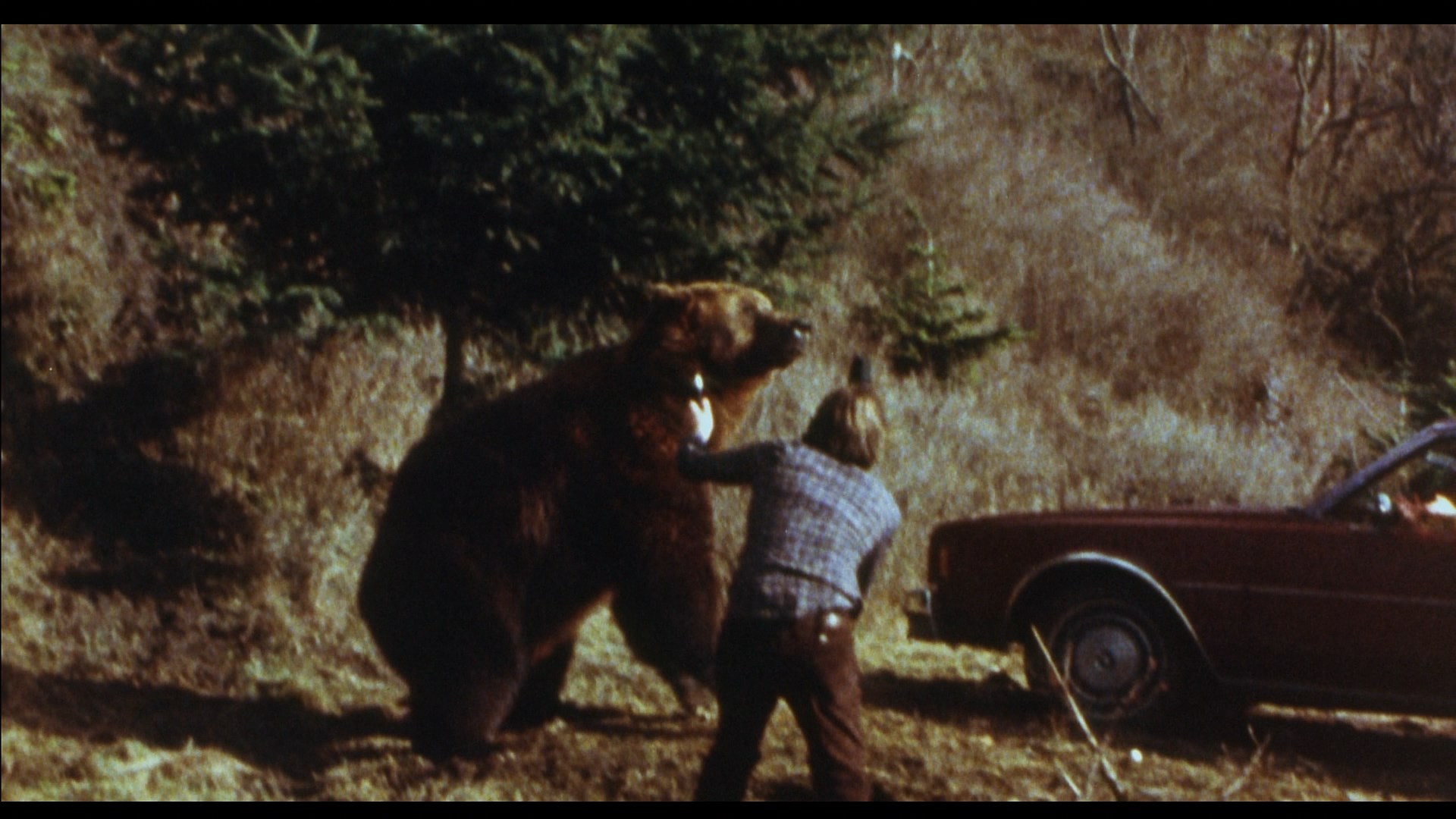
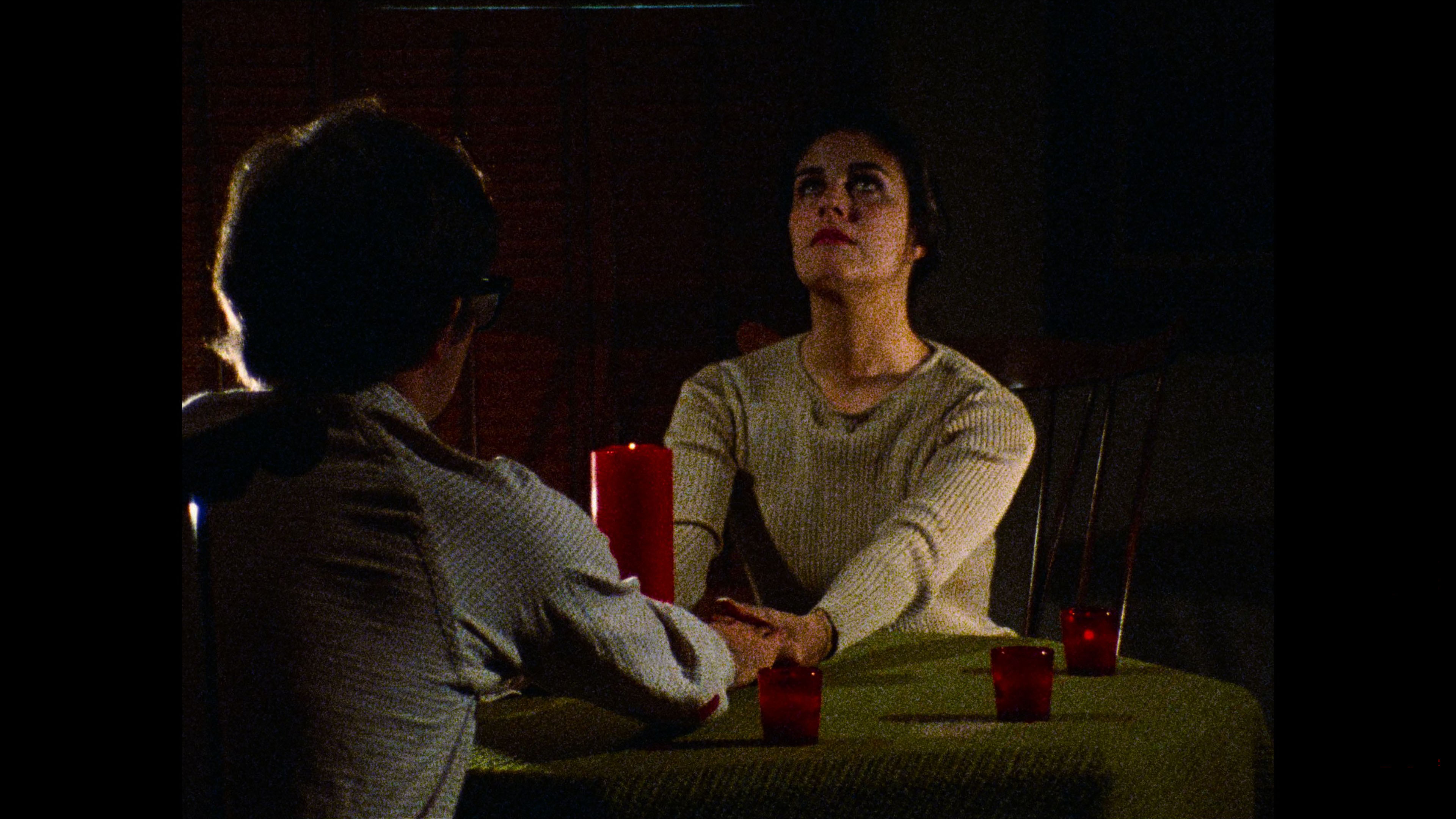
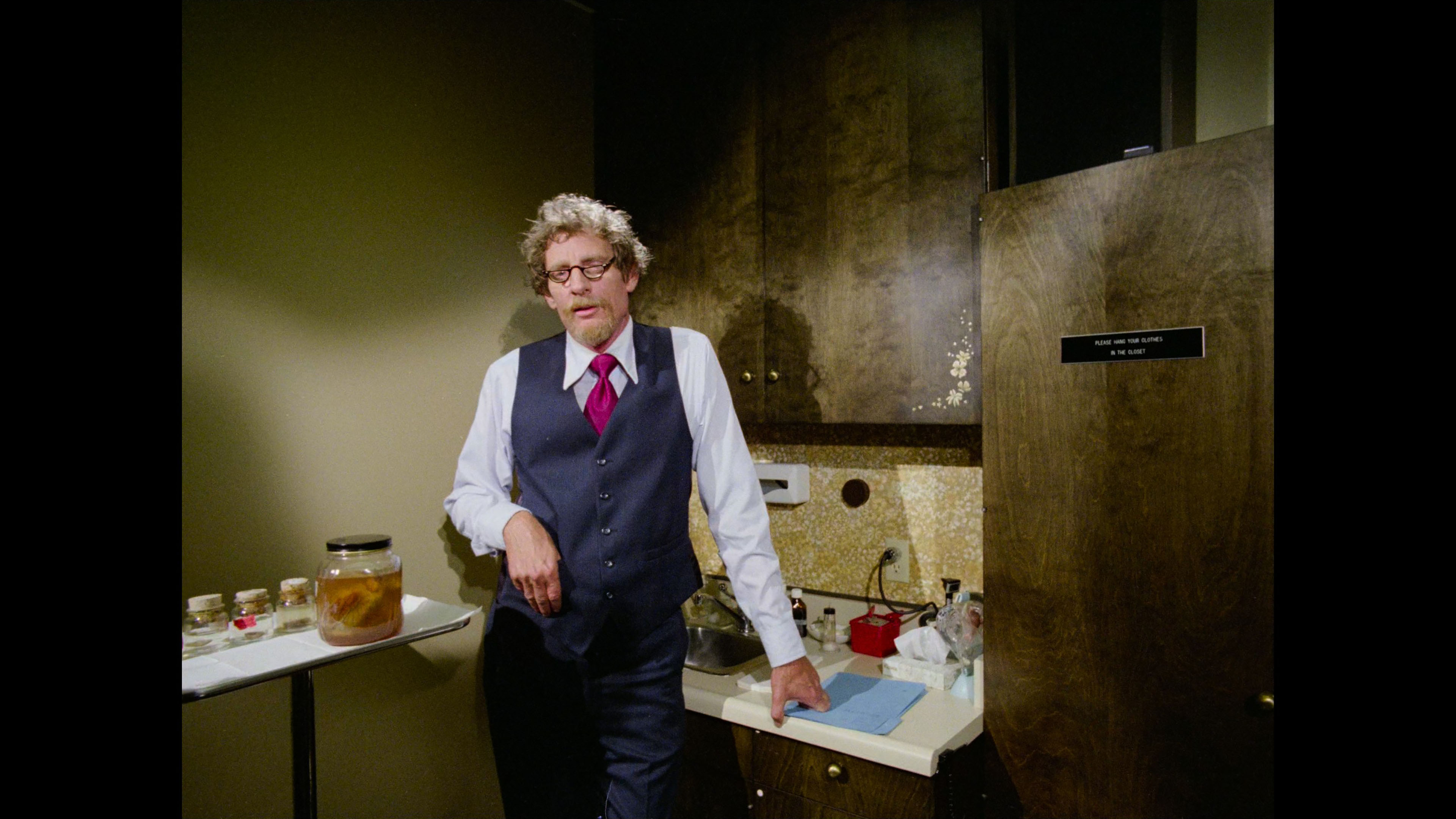
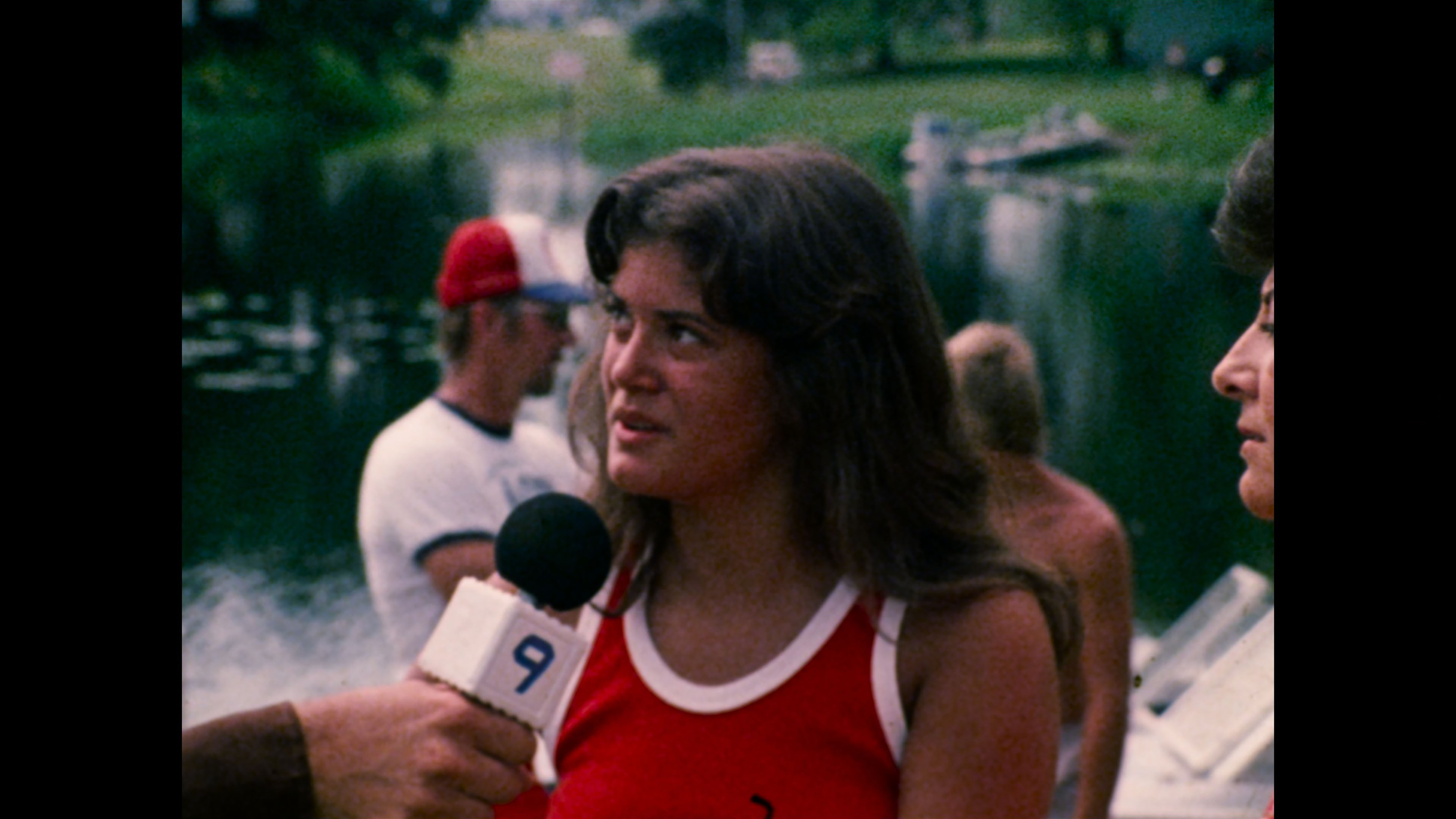
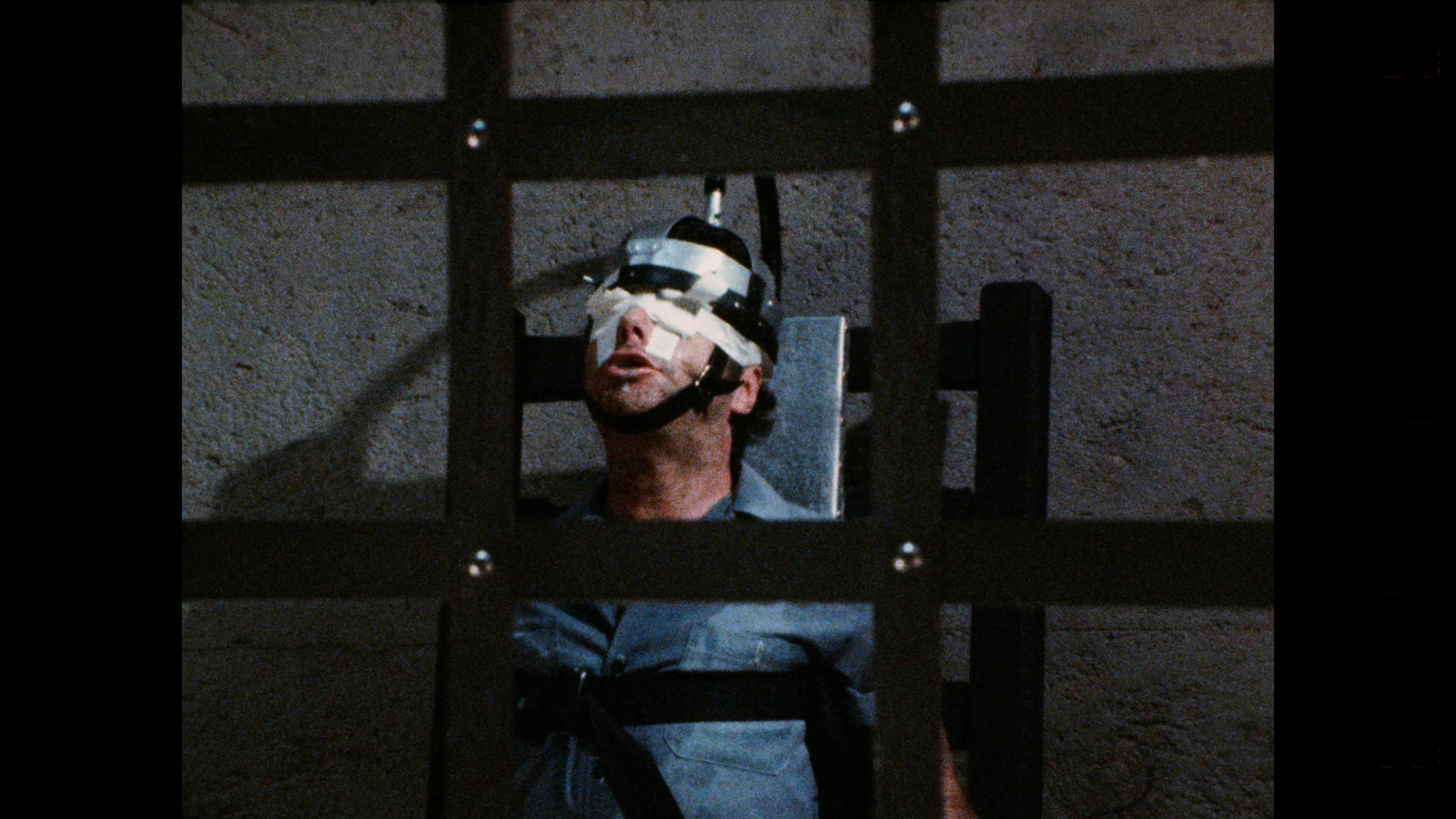
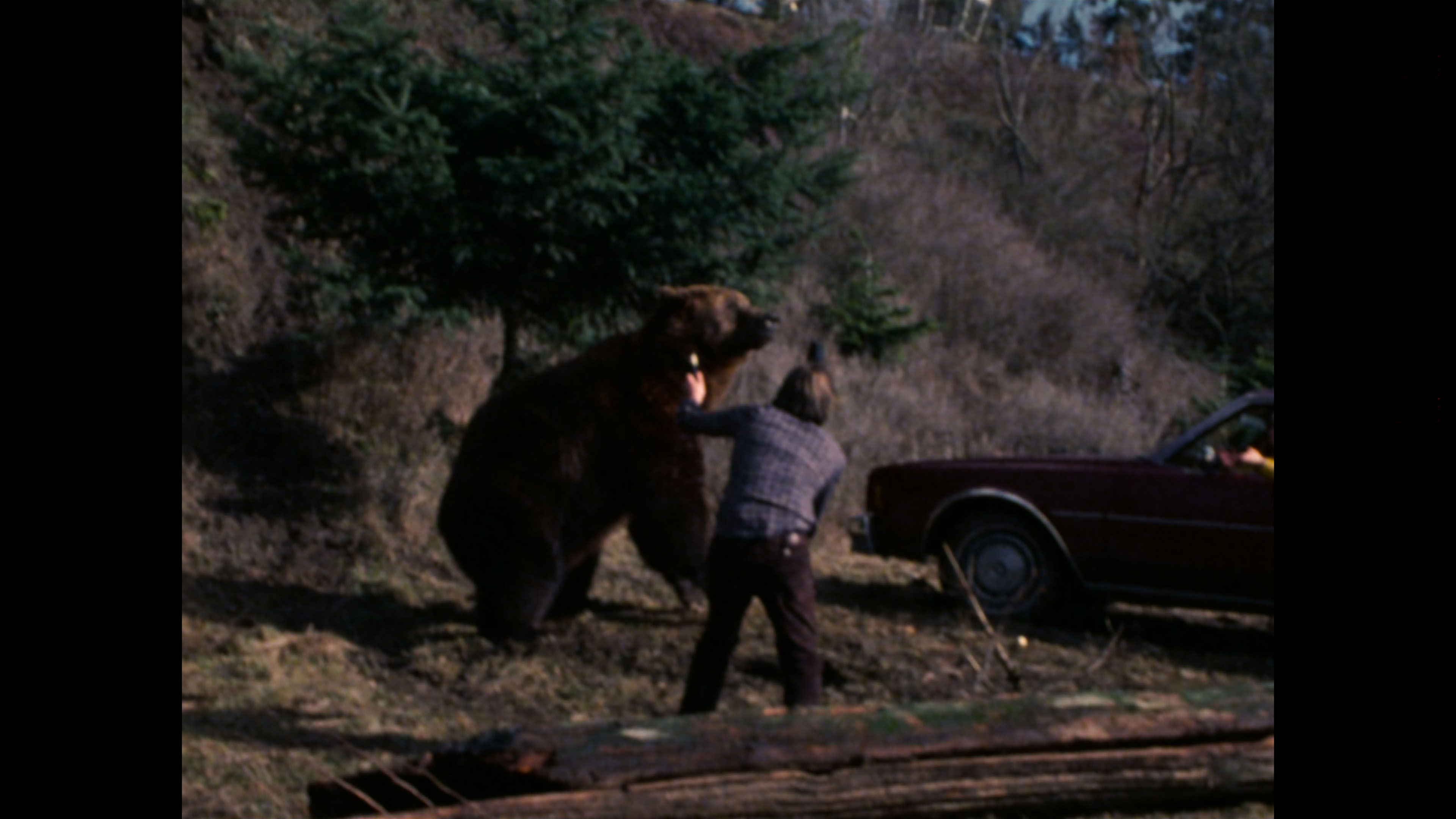
  In 2026, Vinegar Syndrome revisited the film as a UHD and Blu-ray set featuring the result of what seemed like a doomed quest: the discovery of the long-missed original camera negative, completely uncut with the four-minute death row sequence finally in pristine quality. (It now appears at the 45-minute mark.) Opened back up to 1.33:1 and all the better for it, the film has never looked better with the HDR-compatible Dolby Vision grade on the UHD making the aesthetic look a lot punchier and more color than before. Detail is excellent, at least when there isn't video-sourced news footage, and the DTS-HD MA English 2.0 original mono audio is in fine shape with English SDH subtitles included. An isolated music track is also included. The commentary, the trailer, outtakes, and all of the interviews have been ported over here, and you get a substantial new extra as well. “Buried Footage” (13m54s) is a batch of never-before-seen outtakes, and it proves to be surprisingly delightful with amazing production prep of dummies being used in hilarious ways for the bear and alligator attacks--as well as more of the cult scene. The release is available as a general retail option, though a limited edition (which sold out pretty quickly) came in a hardbox featuring a 40-page book with essays by Stephen Thrower ("The Facts in the Case of Dr. Francis B. Gröss," a peculiar fake biography for the film's most famous participant), David Kerekes ("A Horrible, Amoral Film Banned in Forty-Eight Countries," a great updating of his coverage of the film in Killing for Culture and his own explorations of the facts and legends around it), and Samm Deighan ("Faces of Death and Violence as an American Spectacle," running through the facts about its production and uniquely U.S.A.-styled take on the mondo movie).
Vinegar Syndrome (UHD)

MPI (Blu-ray)