 two countries in the aftermath of World War II (at least for a couple of decades), unique
  film industries formed in each with their own takes on beloved cinematic genres. Both got exported around the world fairly widely, though as with Russian films that made their way to English-speaking territories, the origins of the communist-state East Germany were often obscured for dubbed consumption. Based on works by the Brothers Grimm, Hans Christian Andersen, or less familiar spinners of magical stories were a decades-long string of fairy tale films, almost all from super-studio DEFA with a fascinating progression from the latter half of the 1950s into the 1980s. Five representative examples were gathered for their U.S. Blu-ray debuts by Deaf Crocodile in 2026, making for a fine introduction to these visually striking and fascinating family-friendly films with a unique personality all their own.
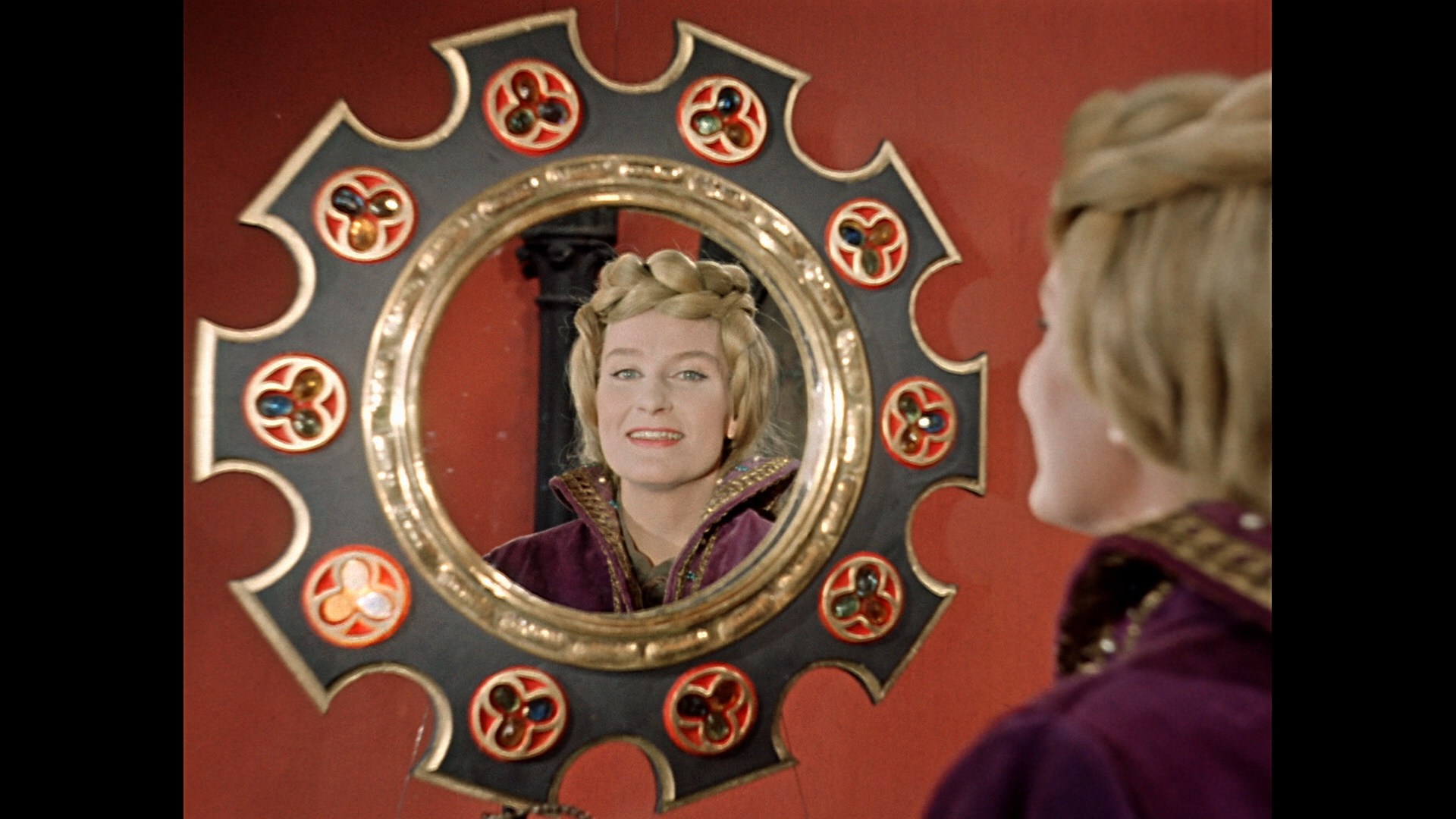
 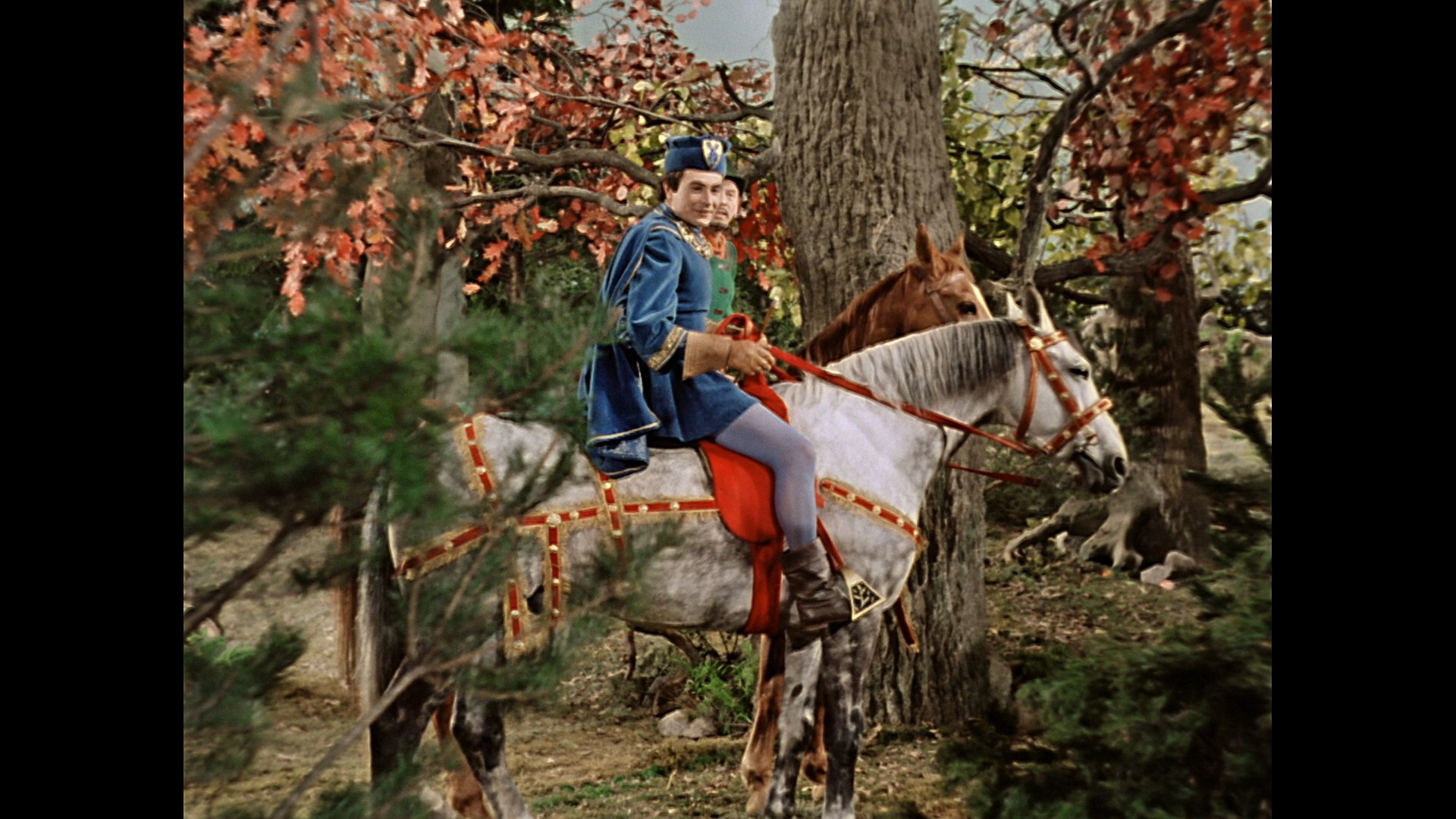 whose magic mirror inspires her to target the beautiful girl for death at the hands of the Huntsman (Hindemith). That plan goes awry, and the girl ends up staying at the home
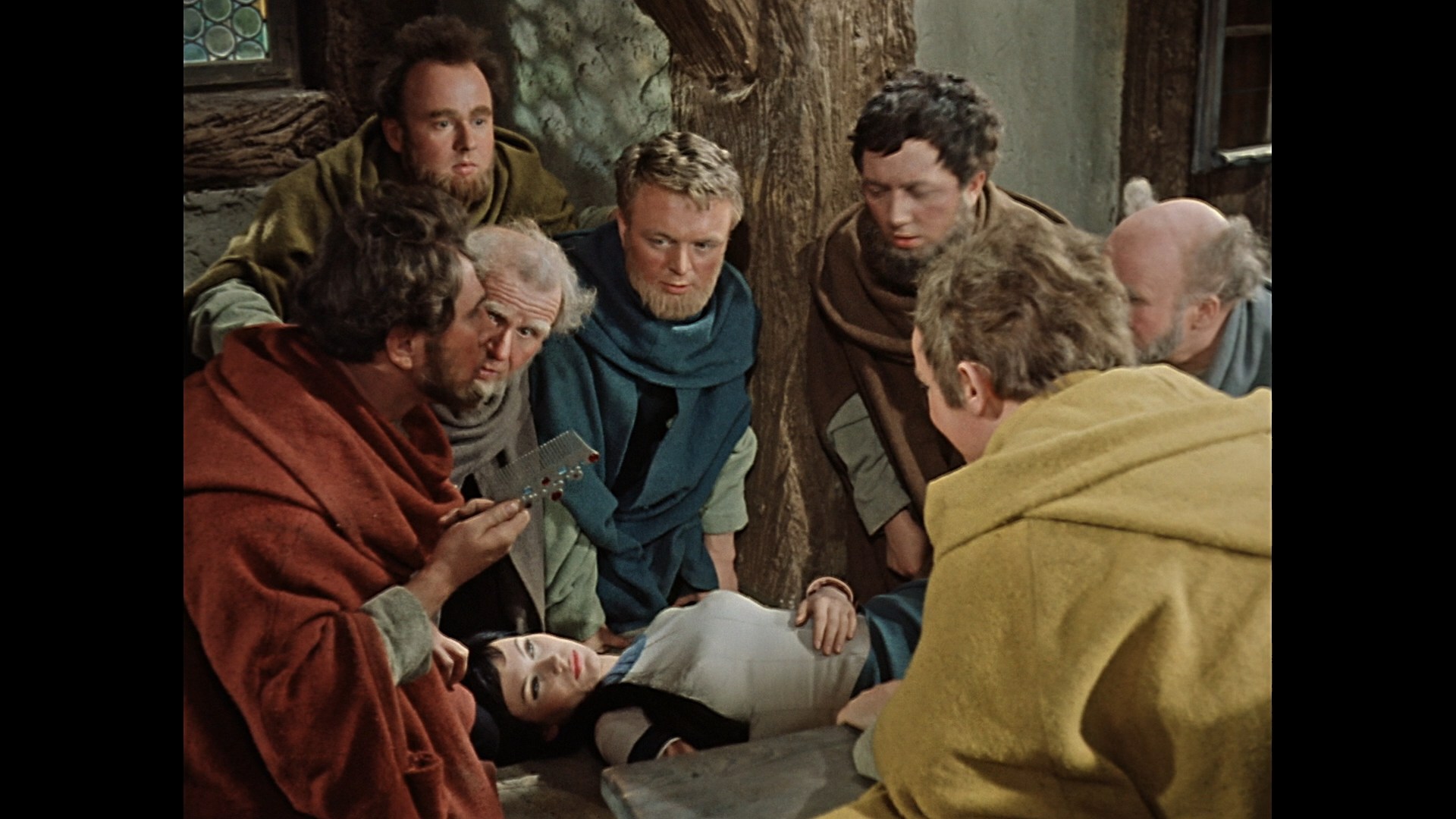
 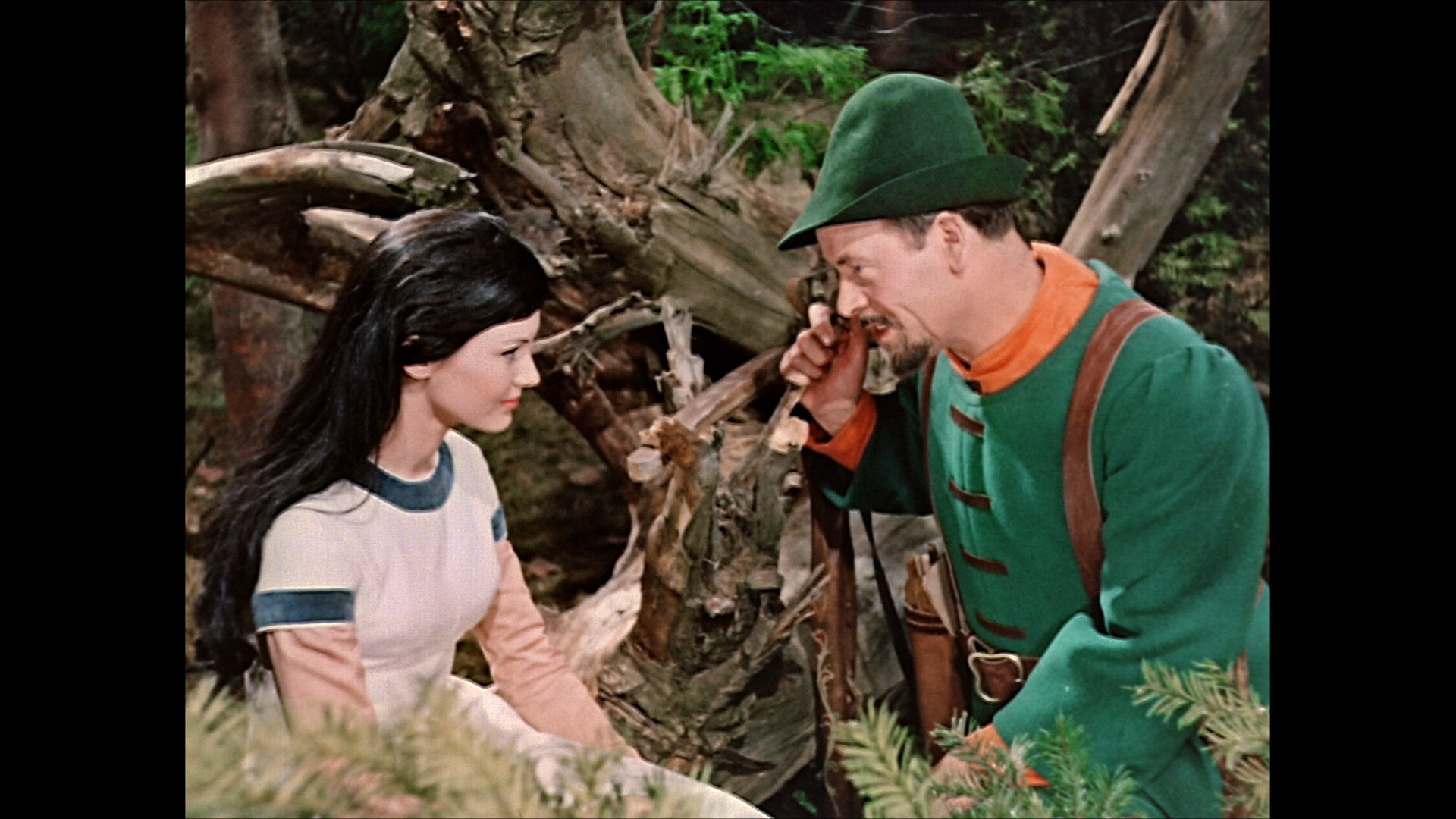 of seven industrious dwarf miners. The Queen soon learns about the situation and comes up with multiple plans to complete the murderous deed.
  Crocodile
 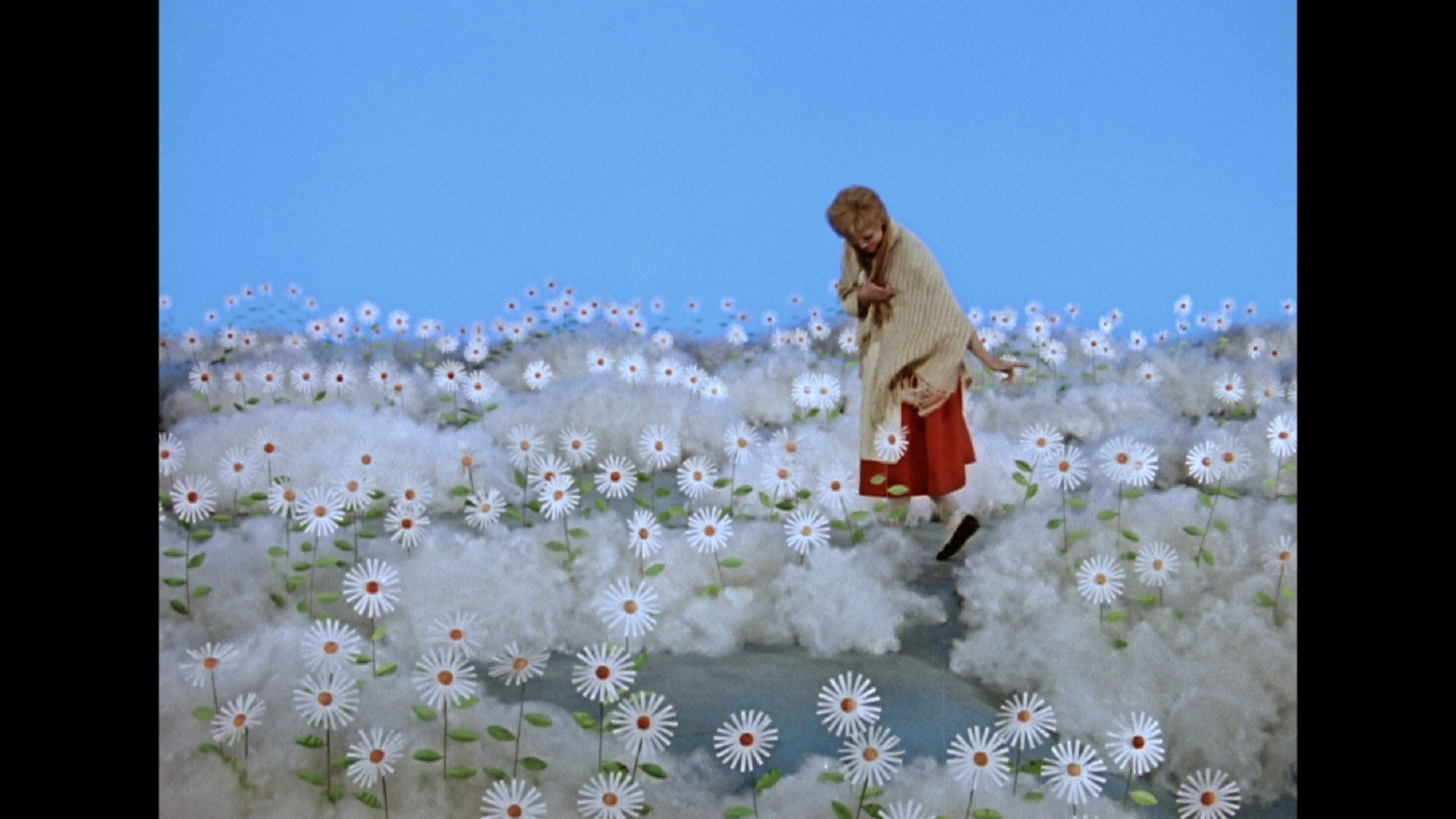 release comes from the same scan and looks identical, with optional English subtitles and LPCM German mono audio. Here it gets a new audio commentary by Samm Deighan, who's excellent as always giving a thorough breakdown of the "social realism" elements at play here, comparisons to the original story, and the history of local filmmaking after the death of Stalin.
 Shot on some of the most stylized sets of any DEFA film, this is a really charming fable
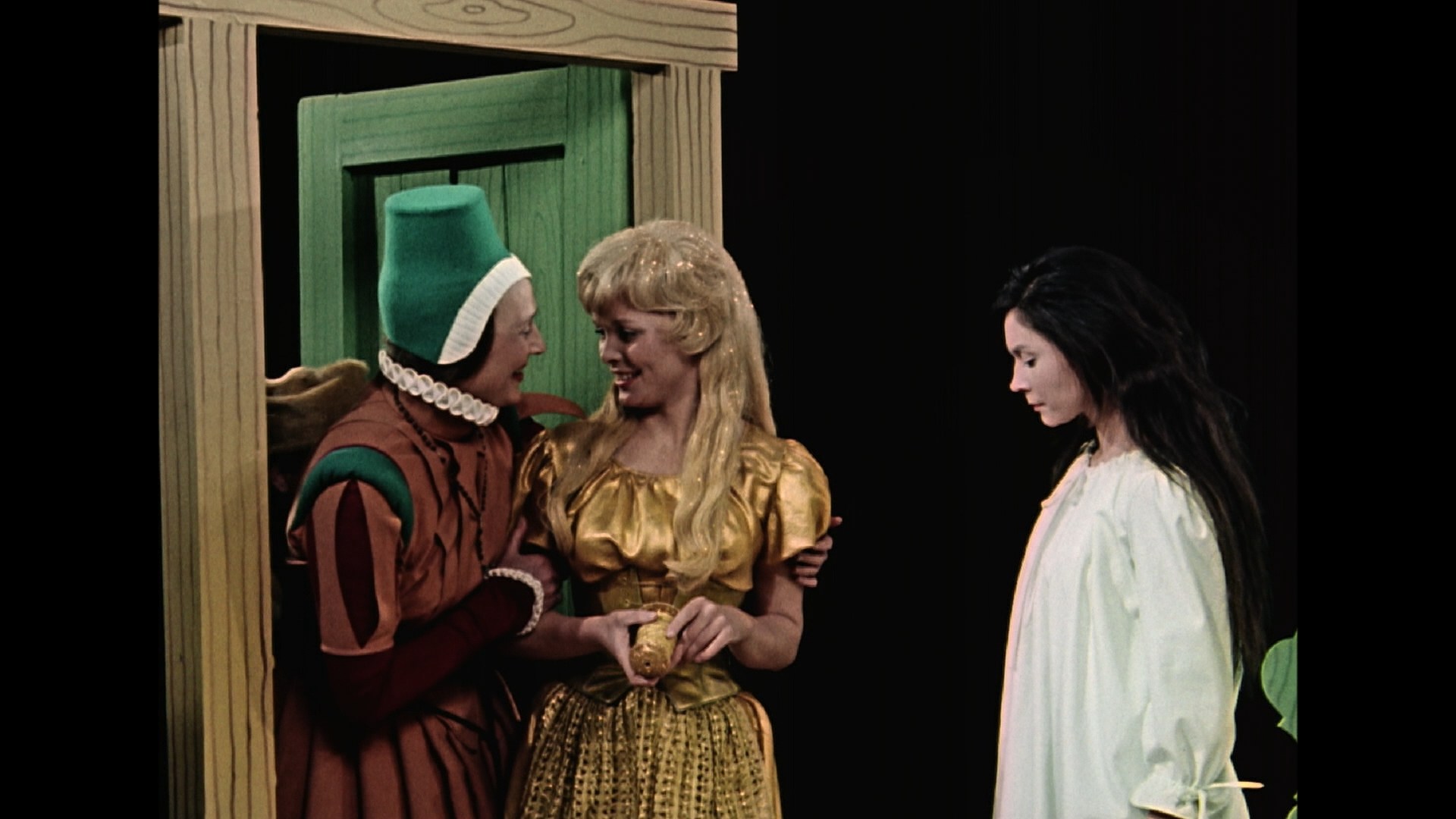
  with a great winter atmosphere that understandably made it a TV staple for ages on local television around Christmas. The storybook aesthetic complete with handcrafted trees and stylized interior designs works perfectly, and pretty much any ages could watch this and have a good time. This one also never got an English dub but did the rounds on German home video including an Icestorm DVD and a Filmjuwelen Blu-ray, with no English-friendly options. The Deaf Crocodile Blu-ray looks and sounds exactly the same, which is good news, marking its first English-subtitled appearance anywhere. The German Blu-ray was bare bones, but here you get a terrific new audio commentary by Michael Brooke whose vast expertise in Eastern European cinema comes in useful here as he charts the history of the story and its interpretations in Europe, connections to Czechoslovak "Black Theater" in the wild look of the stepmother's house, the impressive theatrical and film credentials of the participants, and much more. He also drops in some very funny observations at times including a great bit about Frau Holle's
  bird cage.
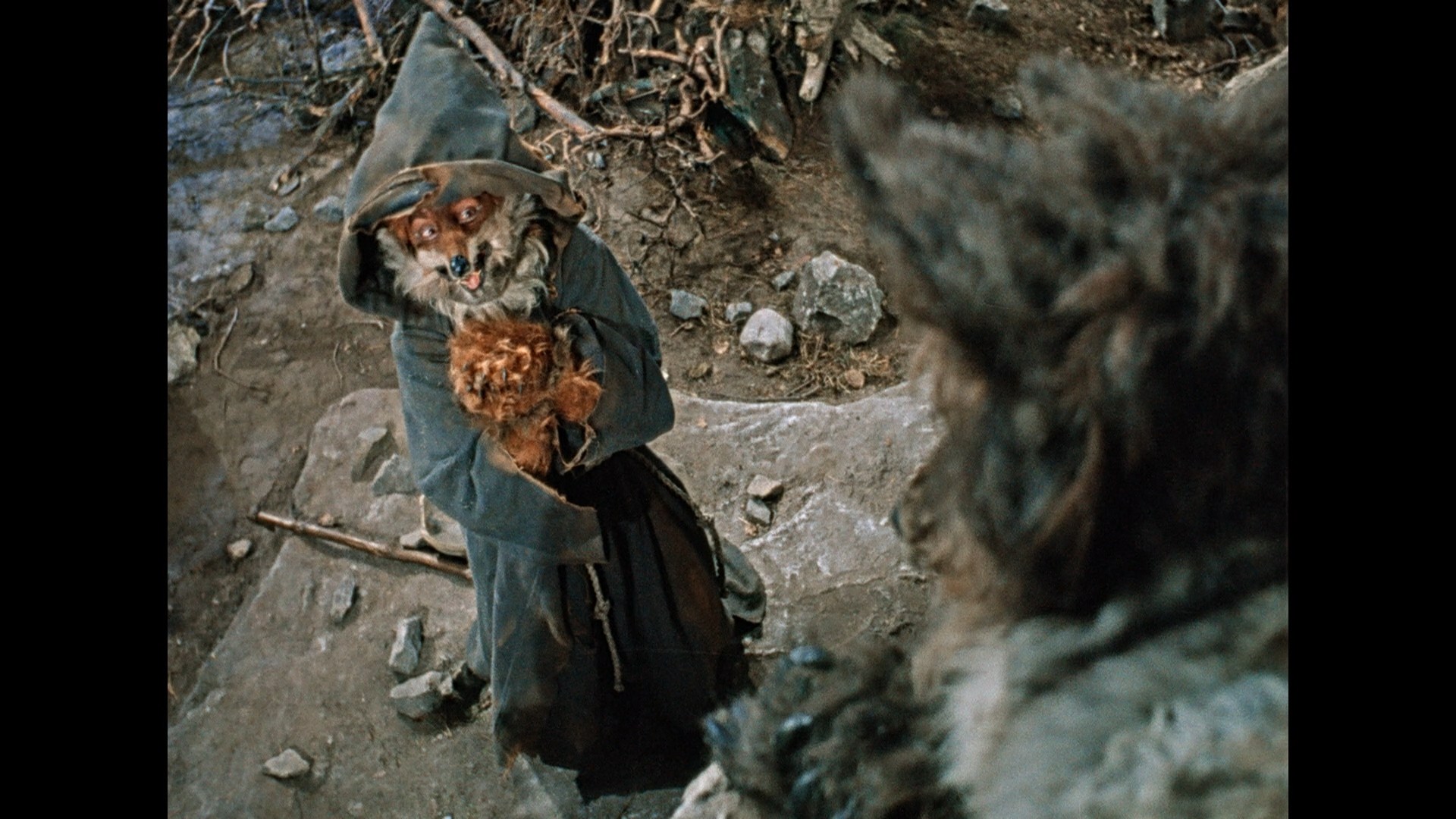
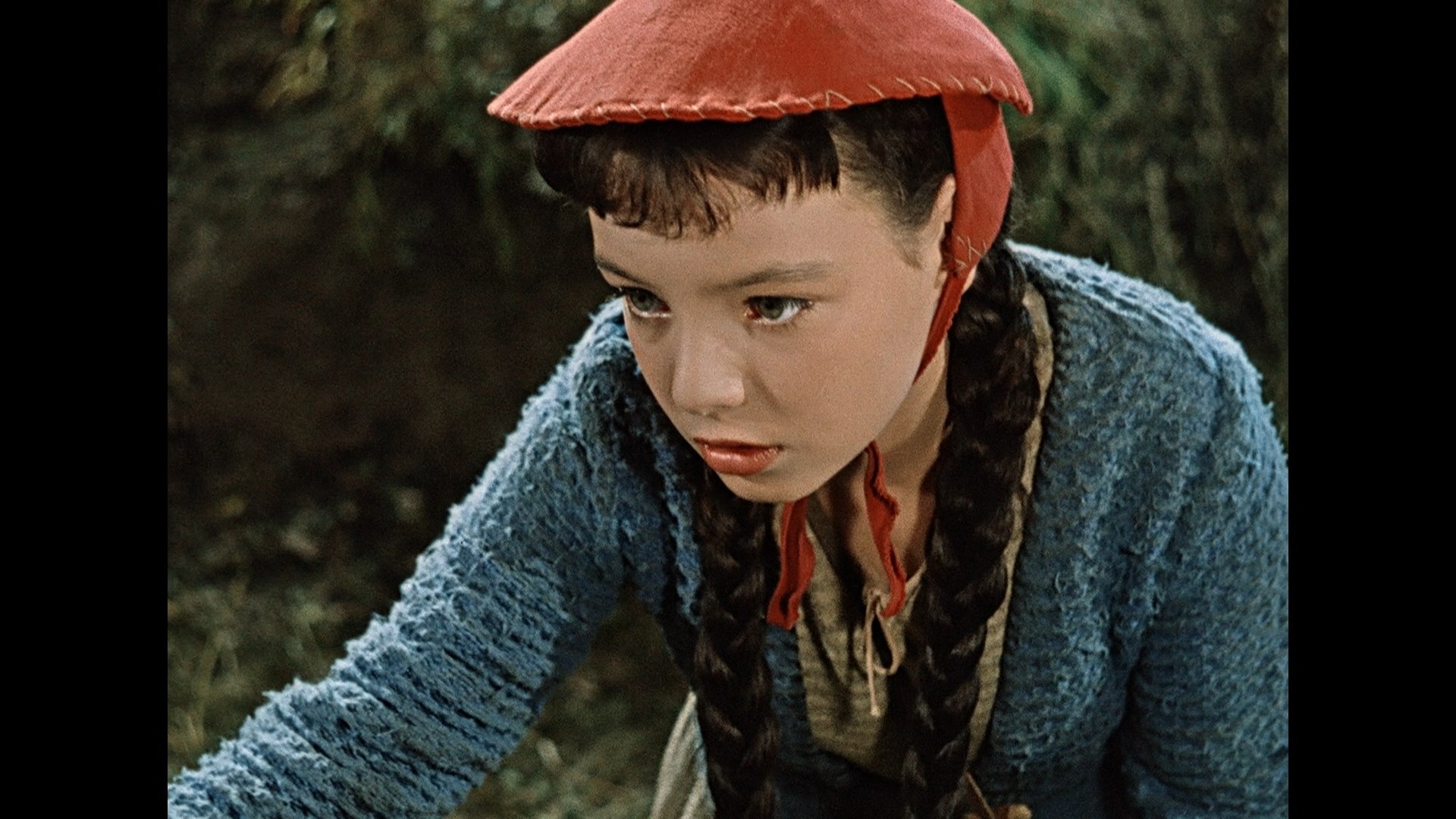
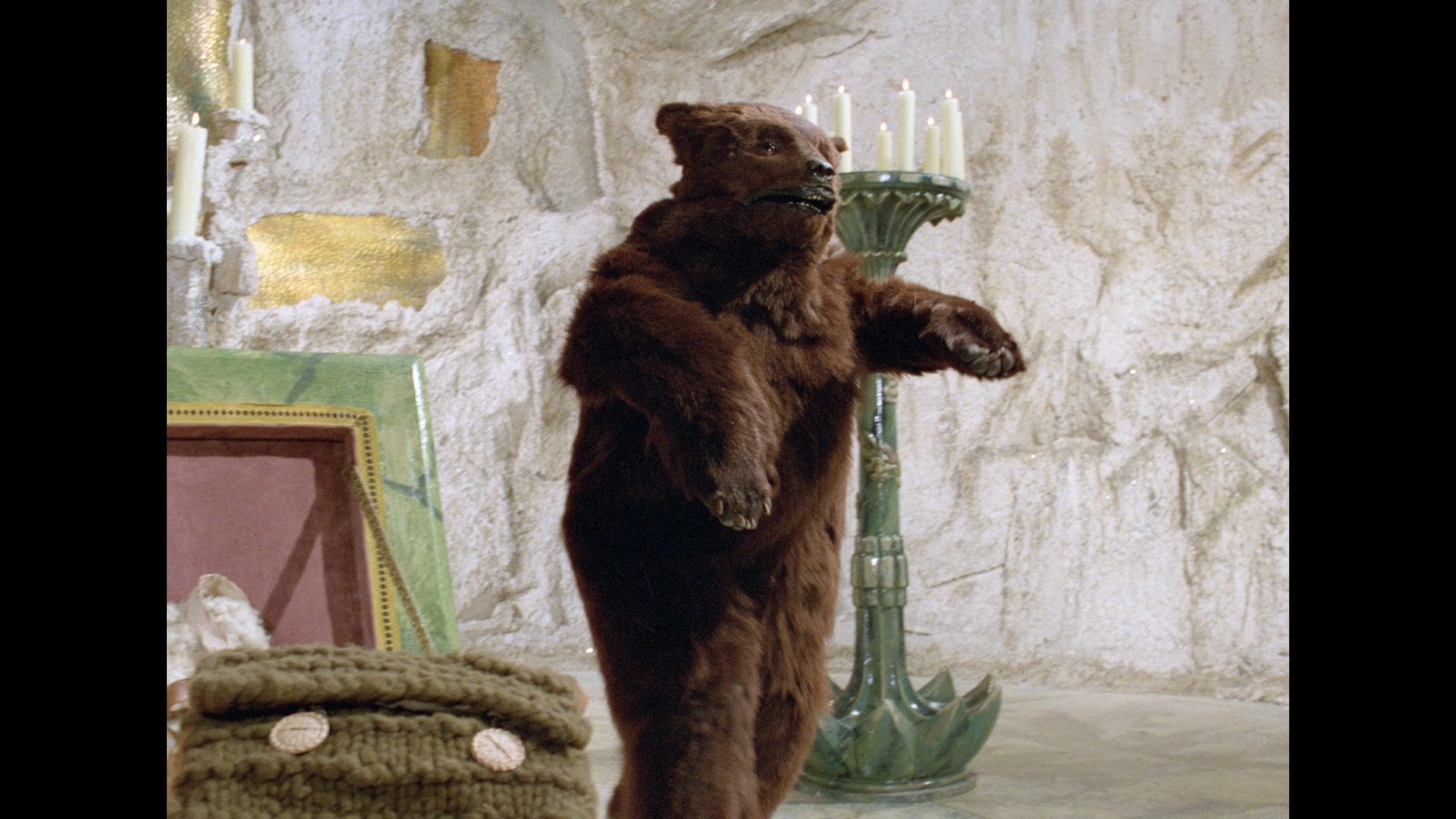
 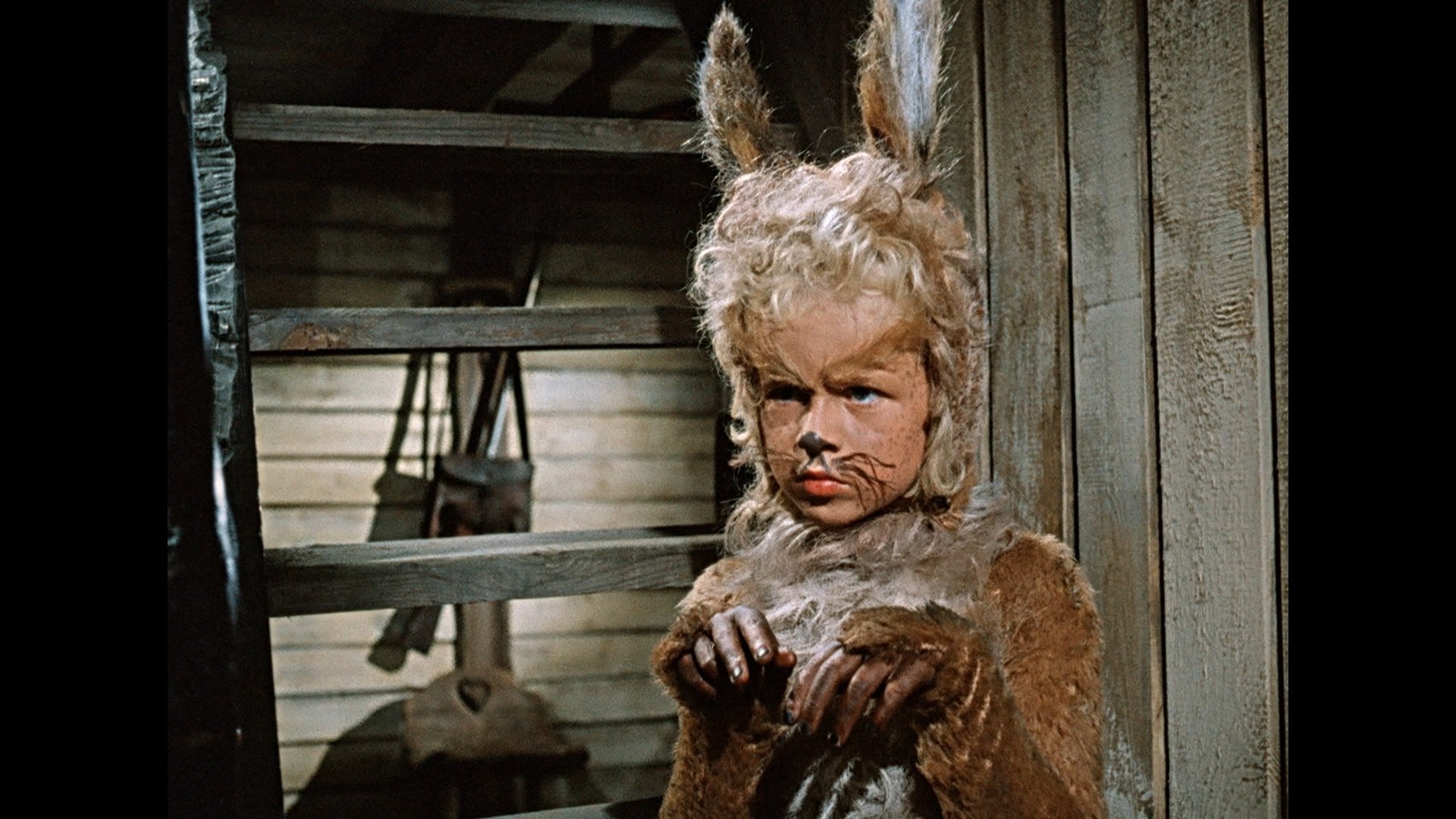 The Wolf and the Seven Little Goats (also an approach in a string of even crazier Mexican fairy tale films imported by K. Gordon Murray). Here we get the familiar basic story of Little Red Riding Hood (Kommerell), here wearing the red cap indicated by her German name rather than a hood, living on the outskirts of the forest with her parents (Raumer and Kube). When she has to make a trip to see her grandmother (Nowack), she becomes the target of a wolf (Dissel). The difference here is that she's accompanied by her best friend, a rabbit (played by little kid Bley), and a friendly but dim bear (Schwill), while the idiot wolf is actually in cahoots with a crafty but sniveling fox (Engelmann).
 duties to handle the grandma delivery of milk and snuff. The fact that most of the film takes place outdoors gives it
 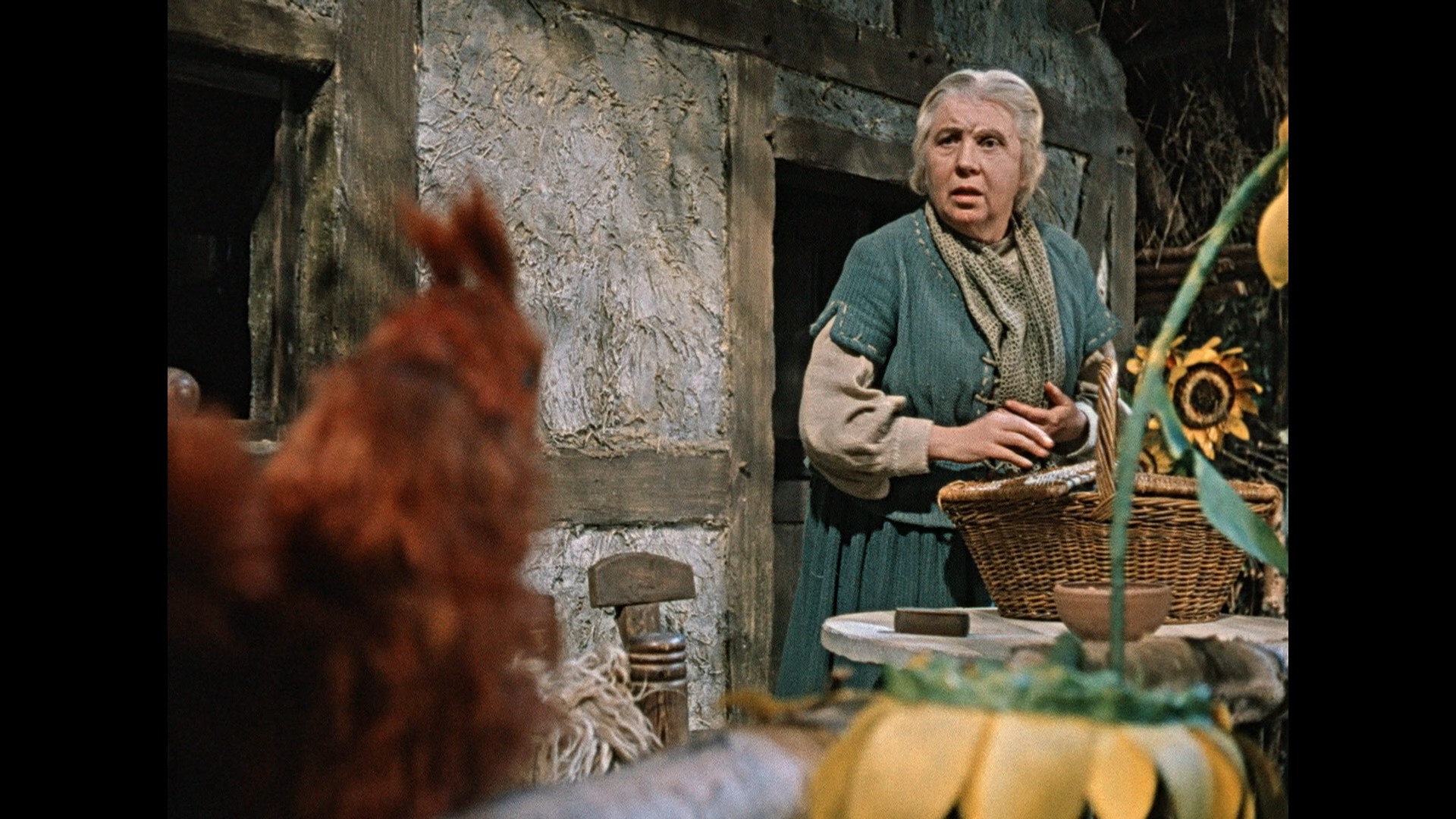 a different feel from the previous two films in the set, unfolding mainly in an autumn forest built on a studio set populated by some seriously disturbing animals. Kommerell is quite solid here carrying a lot of the film on her shoulders, giving one of the best child performances in this DEFA era; it's no wonder she went on to a long and storied career. In fact, she appeared for a 12m43s interview on the film's German Blu-ray release talking about starting in theater when she was five, her stubborn nature that probably got her the role here, her memories of the mountain-sliding scene with the bear, her thoughts on seeing herself as a kid, and her move into directing. Also included on the German release is a cute traditional animation short film of Little Red Riding Hood (12m28s) made by DEFA in 1976. The Deaf Crocodile release is taken from the same high-quality HD source (and in German with English subtitles, as oddly this one also had no English dub). Here the extra is a new audio commentary by Shelagh Rowan-Legg and Anne Golden who have a great time talking about postwar German cinema, the art of pantomime, the function of fairy tales and magic realism, and even a nod to Muppet Treasure Island.
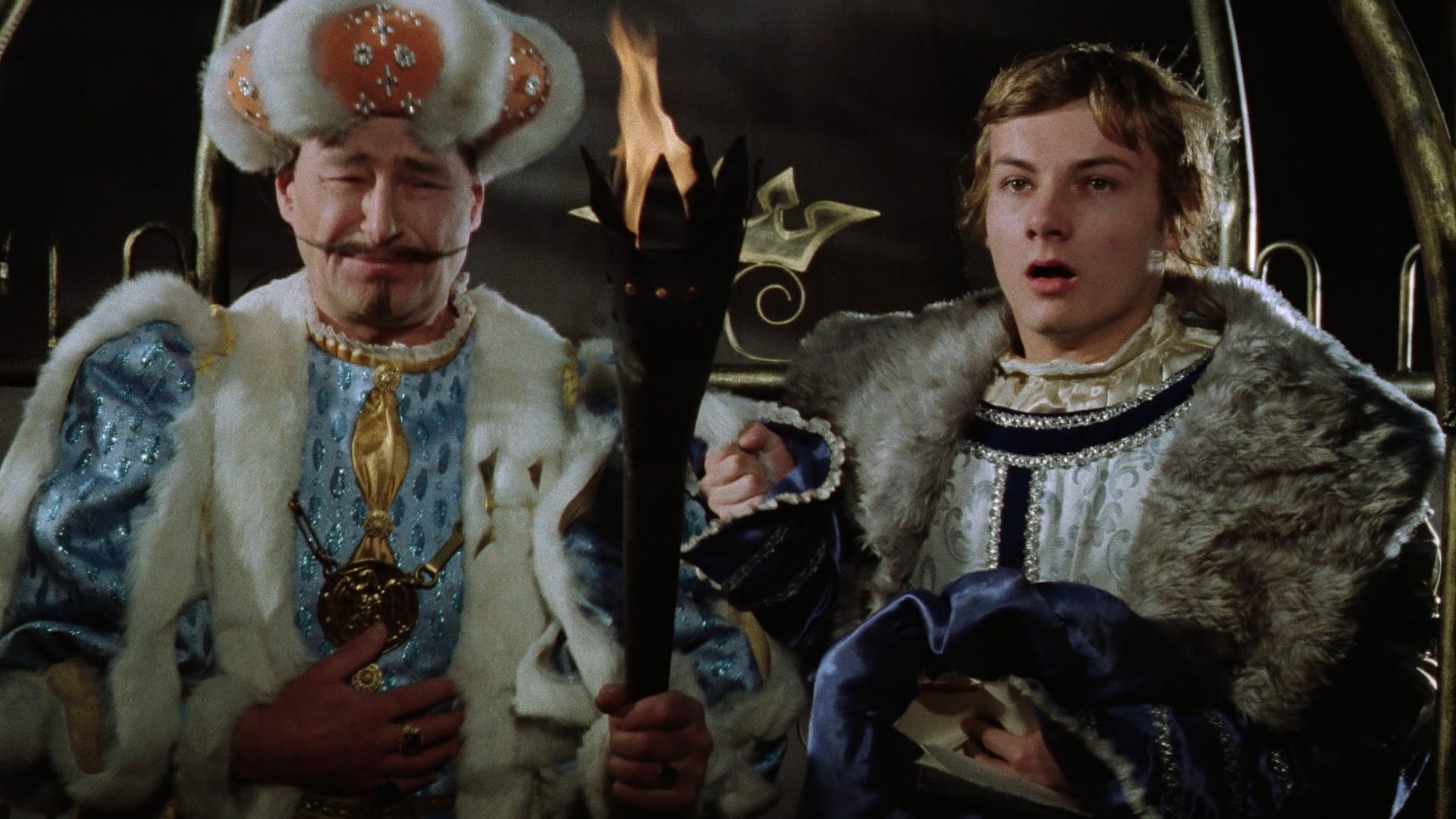 Disc three brings us to the next decade with 1977's The Devil's Three Golden Hairs (Wer reißt denn gleich vorm Teufel aus?,
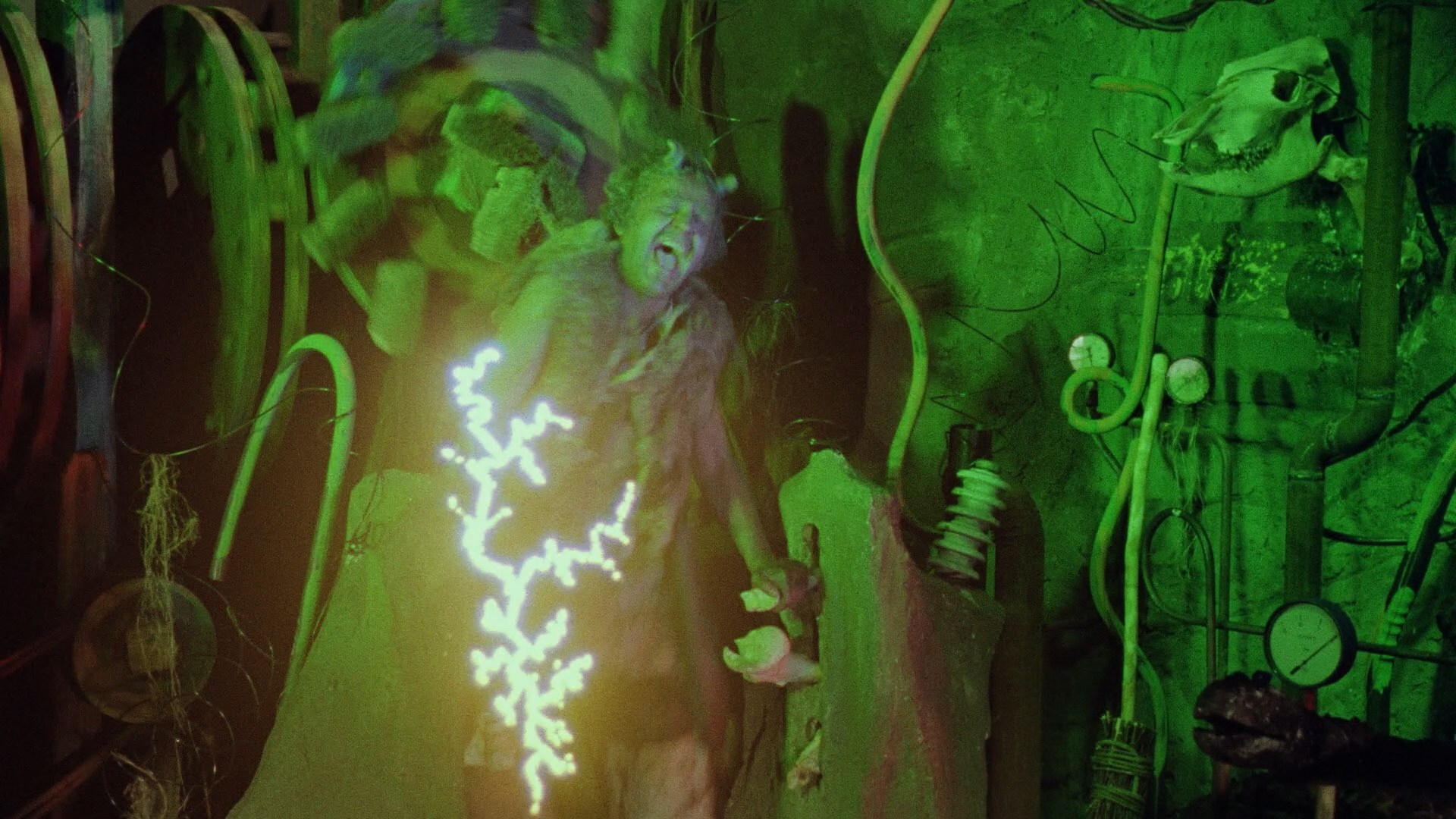
 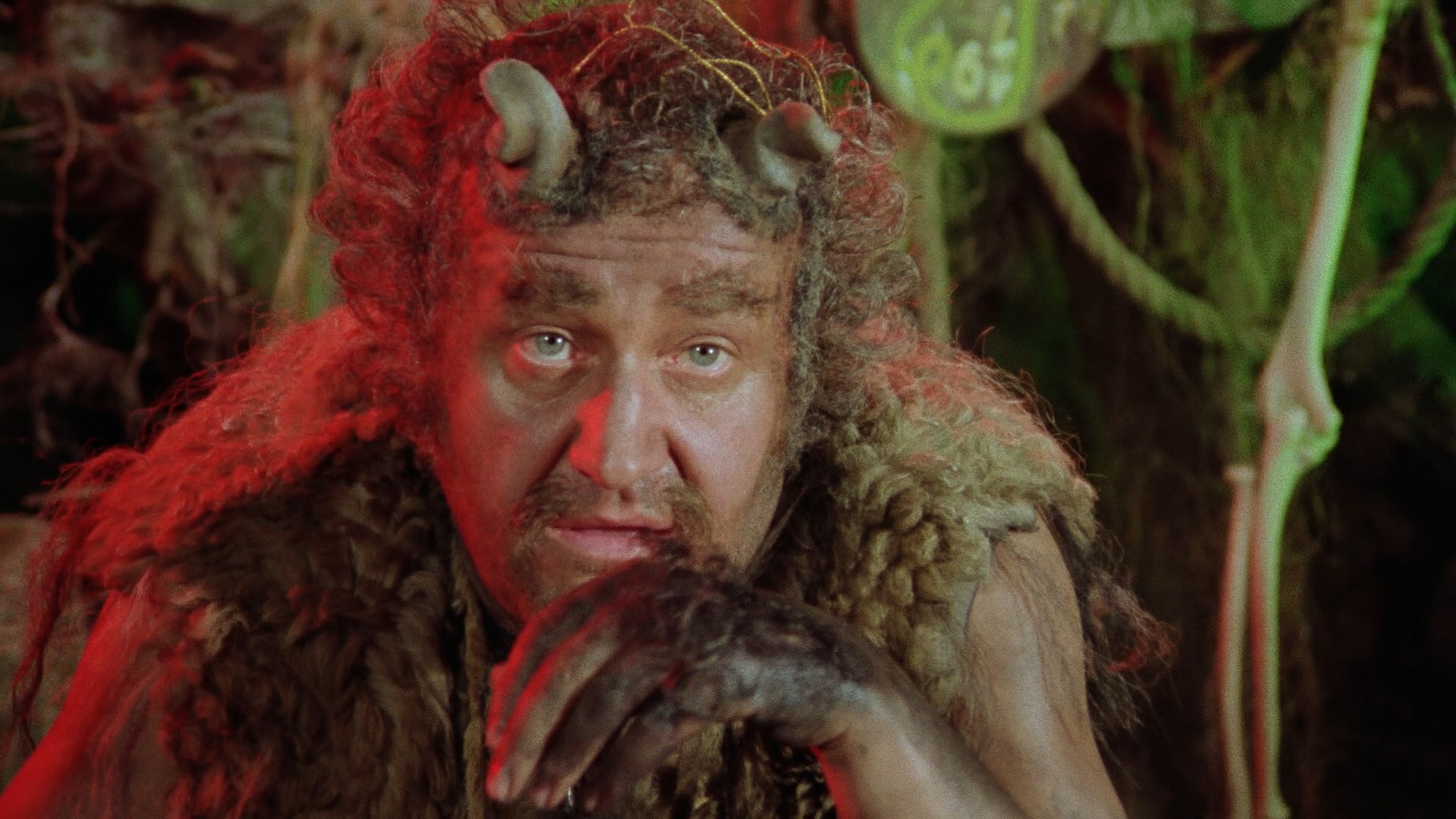 or Who Runs Away from the Devil Right Away?), another Grimm tale, showing how much the DEFA fairy tale formula had advanced in the meantime with films like The Golden Goose, King Thrushbeard, and Sleeping Beauty. However, the big game changer was the massive success of several major fairy tale movie hits in Europe: 1970's Donkey Skin, a completely French production from Jacques Demy; the dazzling Soviet fairy tale and epic fantasy films from directors like Alexander Rou; and 1973's Three Wishes for Cinderella from Václav Vorlíček, a Czechoslovak-East German co-production with DEFA teaming up with Barrandov Studios. The latter film remains a massive favorite in Germany, and you can feel its influence on everything DEFA touched going forward. Real outdoor exteriors, more ornate costumes including heavy coats, and a starker contrast between the fantasy elements and social commentary became the go-to approach, and that's certainly the case here with the one film in the set that got dubbed and released as part of that Tales from Europe series. In fact, it even earned an American DVD release from First Run Features back in 2001, featuring the English, German, or French audio tracks but no subtitle options. The Deaf Crocodile Blu-ray, the only one that's bare bones, is the first HD physical media release anywhere (it only hit DVD in Germany) as well as its English-subtitled debut. (For the record, the English dub will be on the U.K. set, Into the Woods: Folktales at DEFA, which only shares two titles with this release.)
  Scaredy-cat blacksmith apprentice Jakob (Frank) works for master Jonas (Radeke), who gets in trouble when the
 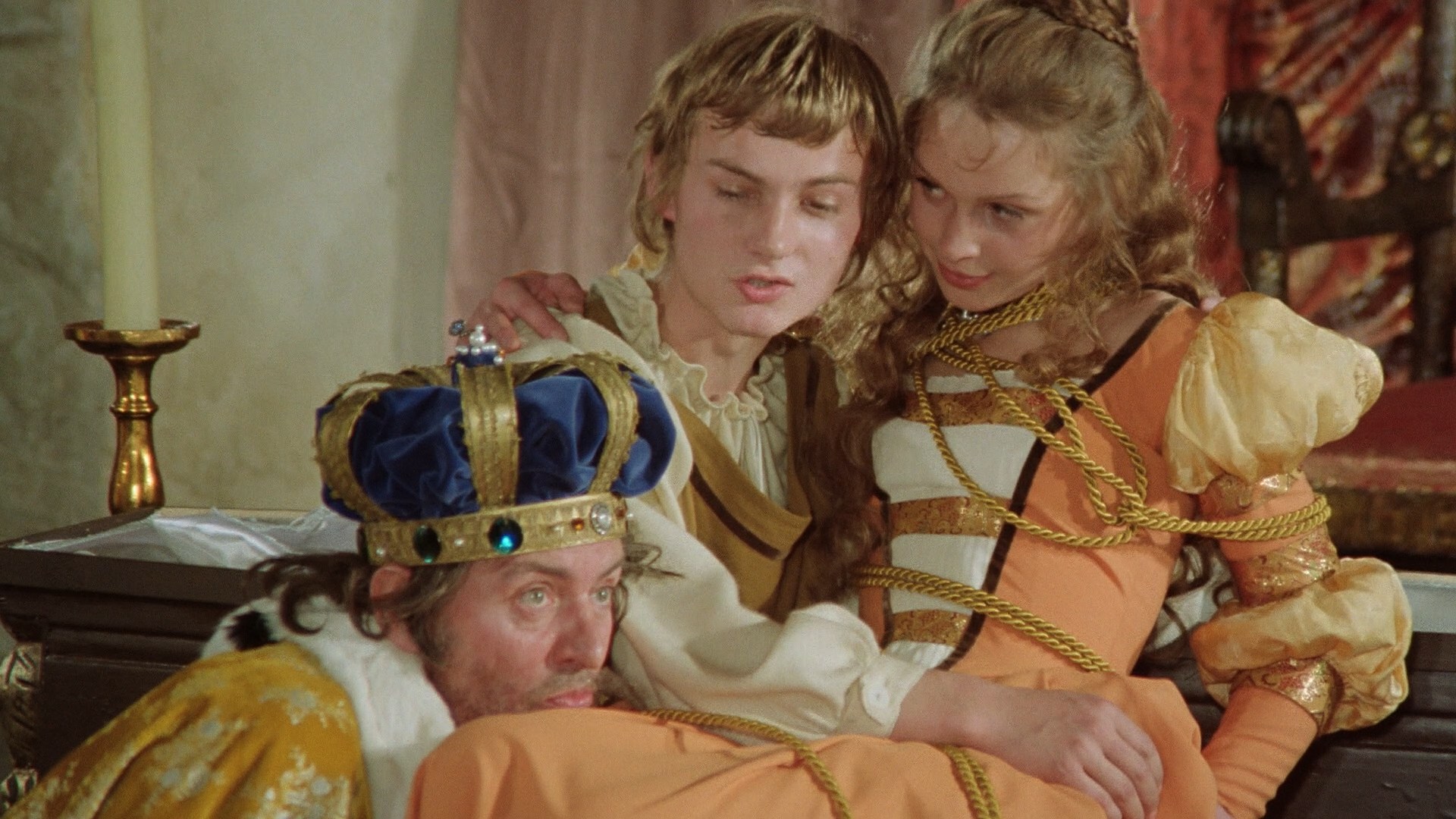 lackeys of the King (Ludwig) accost him for not paying his regular robber protection tax (despite there not being any robbers). Through slapstick plot contortions, Jakob becomes a royal messenger with a letter that keeps getting altered to determine his fate, eventually leading him to inadvertently becoming betrothed to the Princess (Martin). Deeply annoyed, the lazy and greedy King decides to get rid of the pesky Jakob by sending him on a seemingly deadly mission to retrieve three precious golden hairs from the Devil (Franke), at which point the film shifts after an hour into a crazed version of Jigoku by way of Sid and Marty Krofft with its psychedelic version of Hell. Easily the most bizarre film in the set, this one could easily become a late night stoner classic if more people actually set eyes on it. The HD restoration here is gorgeous, bringing out tons of wild colors you could barely appreciate in early transfers which were also cropped significantly on the sides compared to the 1.78:1 framing here.
  its similar freeze-frame main titles, light pop music-style score, and the same Czech leading man, Pavel Trávníček. Here he's cast as Michael, one of two princes along with brother
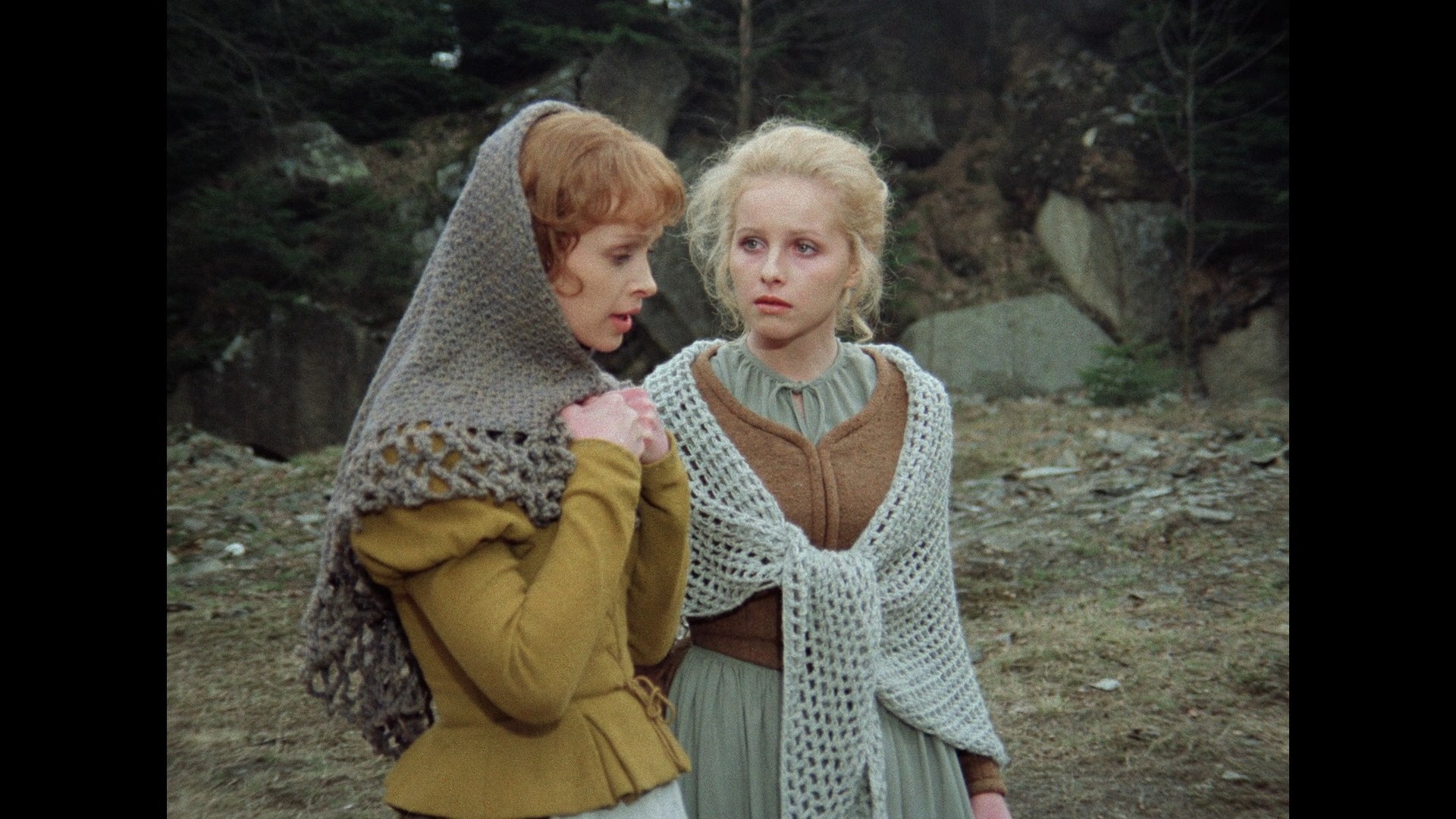
 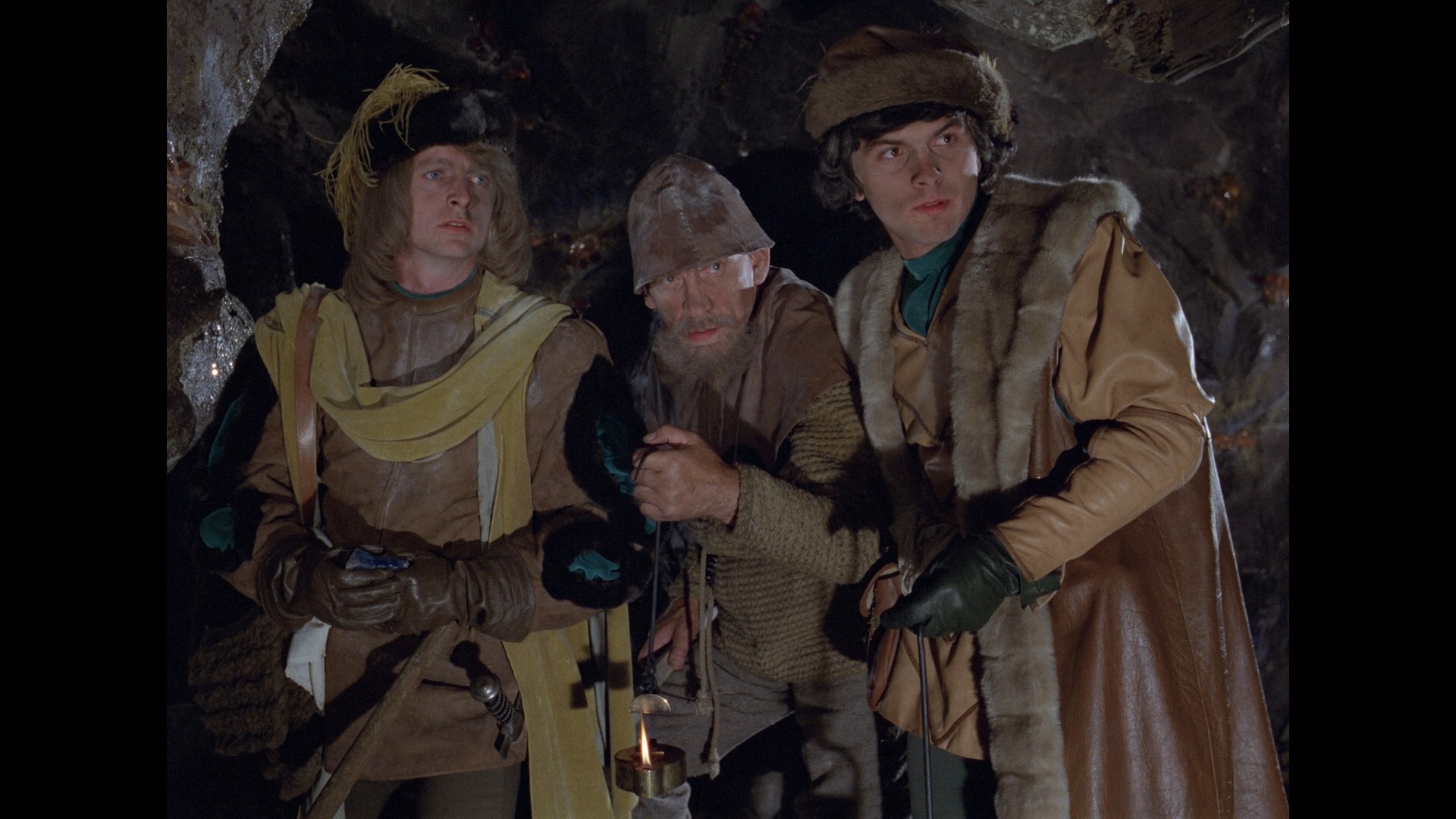 Andreas (Wolf) who travel through a small mountain town where they freely spend money to give toys and other sundry goods to the residents. They become smitten with two of the market sellers, sisters Snow White (Tomorrow I'll Wake Up and Scald Myself with Tea's Juristová) and Rose Red (Martin), whose father was killed under mysterious circumstances at a sinister nearby mine supposedly hiding a massive treasure. An evil spirit guarding the mine has driven away almost everyone around, and a young boy at the market, Klaus (Mende), shows off a model of the area which his grandfather says can only be saved by two unmarried, unconnected men. Keeping their real identities under wraps, the curious princes decide to investigate the mine and fall afoul of the supernatural inhabitant who can turn people into bears and birds. Now it's up to the intrepid sisters to take matters into their own hands.
 shows off how much more clear and crystalline East German cinematography had gotten by this point. Deighan appears for another commentary here, filling the running time with a ton of observations about the original story, the way the film reflects social and cinematic attitudes at the end of the '70s, the basic fairy tale story elements at play here, and much
  more. Also on the fourth Blu-ray are two new video features starting with a lengthy video chat with Stephen R. Bissette (94m50s) and Deaf Crocodile's Dennis Bartok about kiddie matinee fairy tale movies (imported and local), related TV specials in the U.S., family-friendly cinematic fantasy in general like Ray Harryhausen and Karel Zeman, the political readings you could take with these films, the West German variations on the fairy tale film, the methods of filmmaker Gottfried Kolditz who helmed the first two films here, and more. Then the visual essay "Socialist Fantasies, the Bros. Grimm and DEFA Studios: Fairytale Filmmaking in East Germany" (18m3s) by Evan Chester explores how the DEFA cycle reflects the Soviet-controlled approach to genre filmmaking, the directors of these films, the folk tale archetypes here, the crazier aspects of these films like that fox, and the ways these five films capture the progression of the 18-year period they cover. The limited edition also comes with a slipcase designed by Mark Buckingham and an illustrated 80-page book with new essays by Qinna Shen ("DEFA Fairy-Tale Films: Between Soft Propaganda and Veiled Critique"), Rolf Giesen ("The Wonderful World of DEFA Fairy Tales"), Walter Chaw and Alexandra Heller-Nicholas ("Fractured Fairy Tales"), surveying the underlying themes of the films and the local history concurrent with their creation. The very in-depth Shen one in particular is a very perceptive case-by-case look at the films and their relationships to the real world, no surprise since she also wrote an excellent book on the subject. Also included are an interesting new text interview with Kolditz's son, screenwriter Stefan Koldtiz, with Bartok's about his dad's career and particular investment in certain projects, along with behind-the-scenes photos and poster art.