 Altman’s The Player was released to great acclaim and financial success in 1992, the general consensus was that it marked a
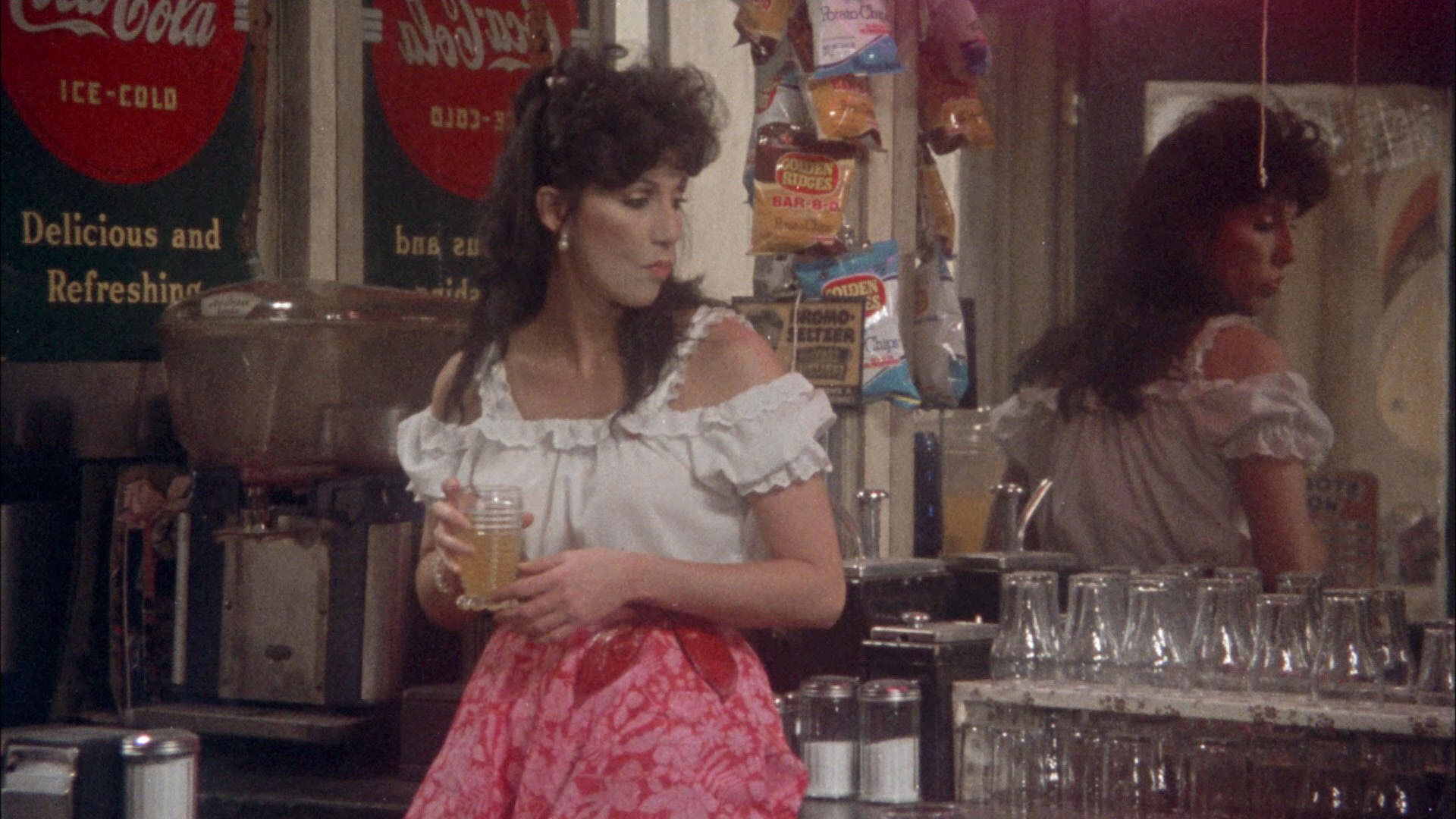
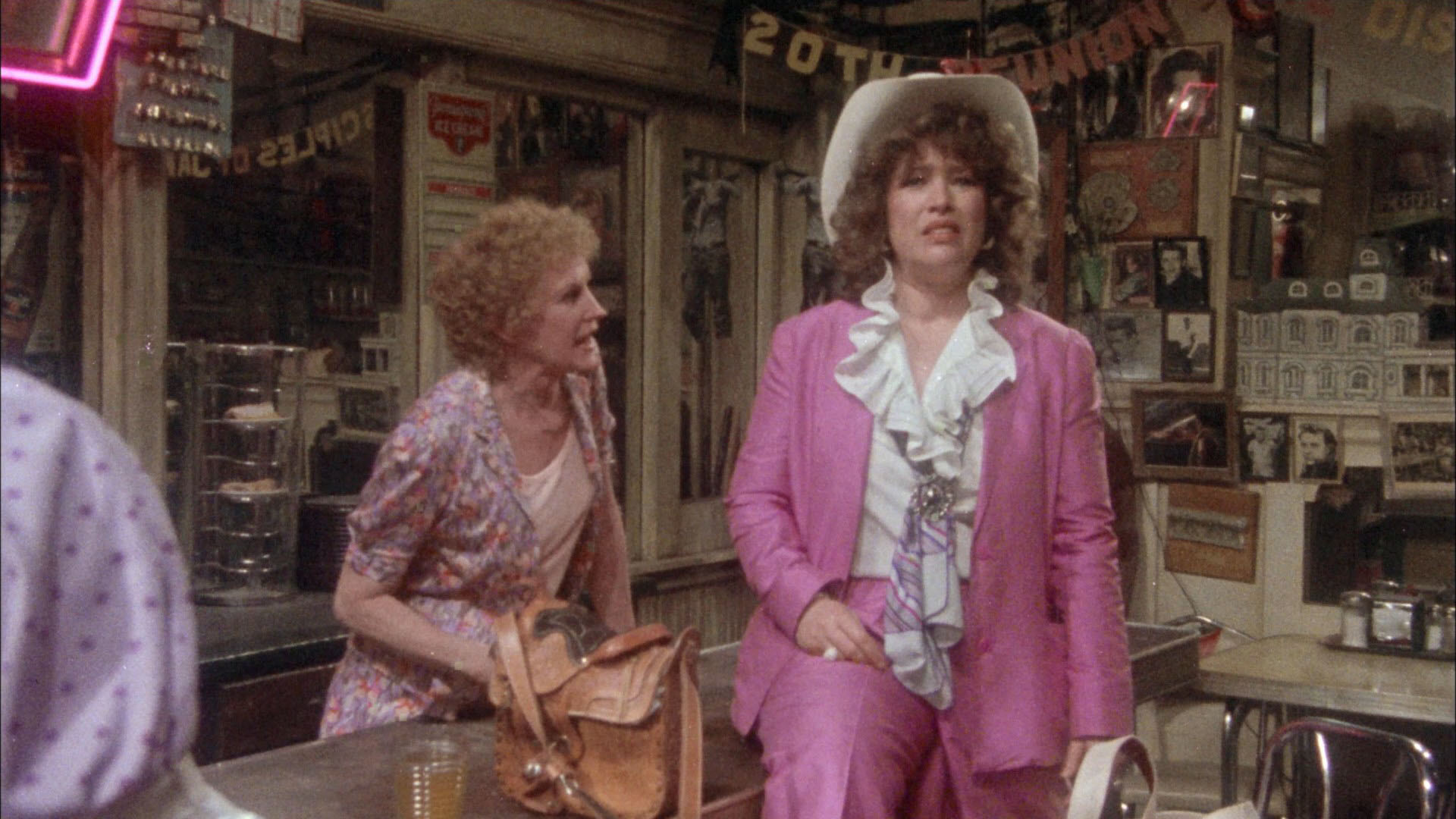
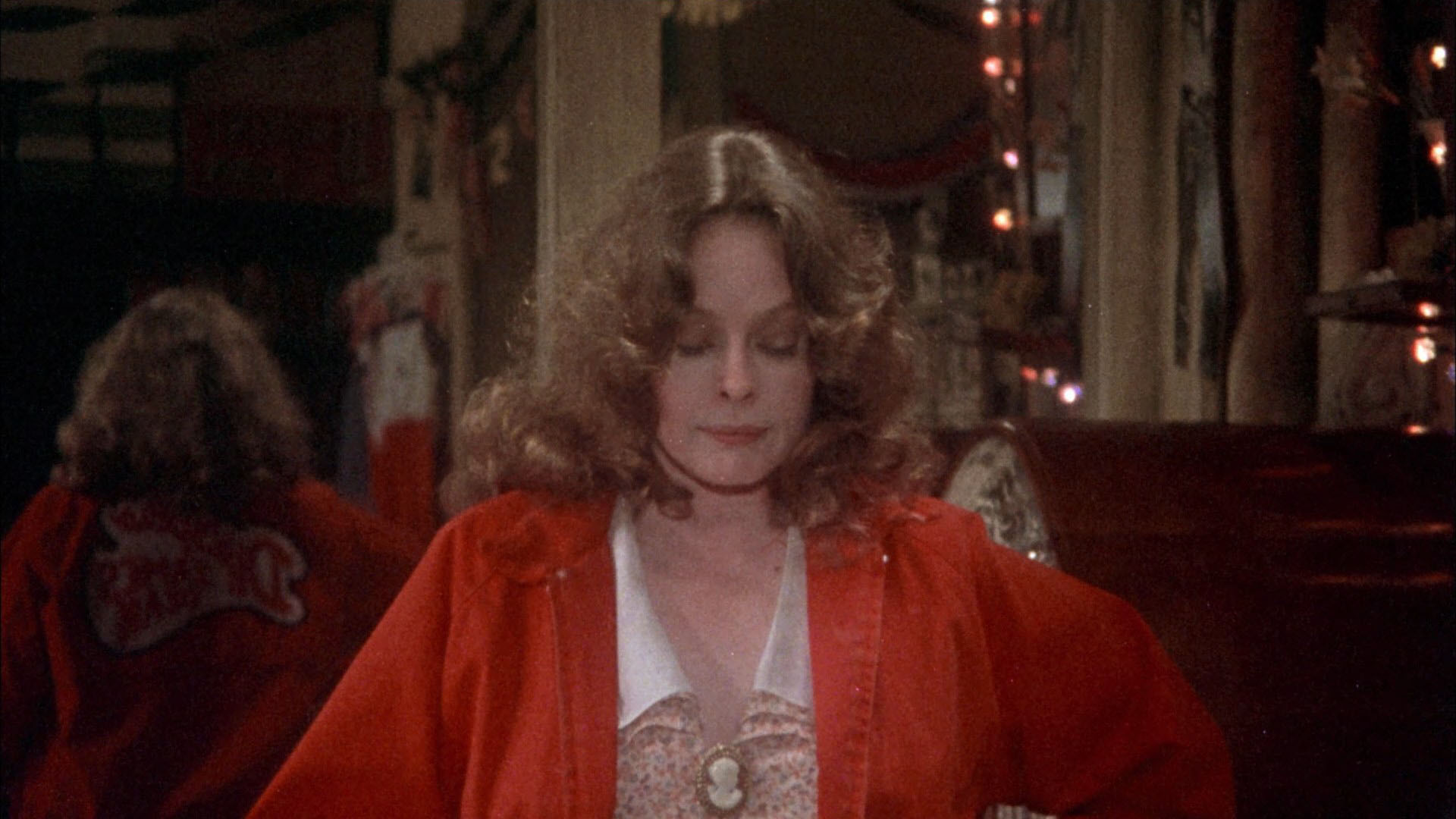
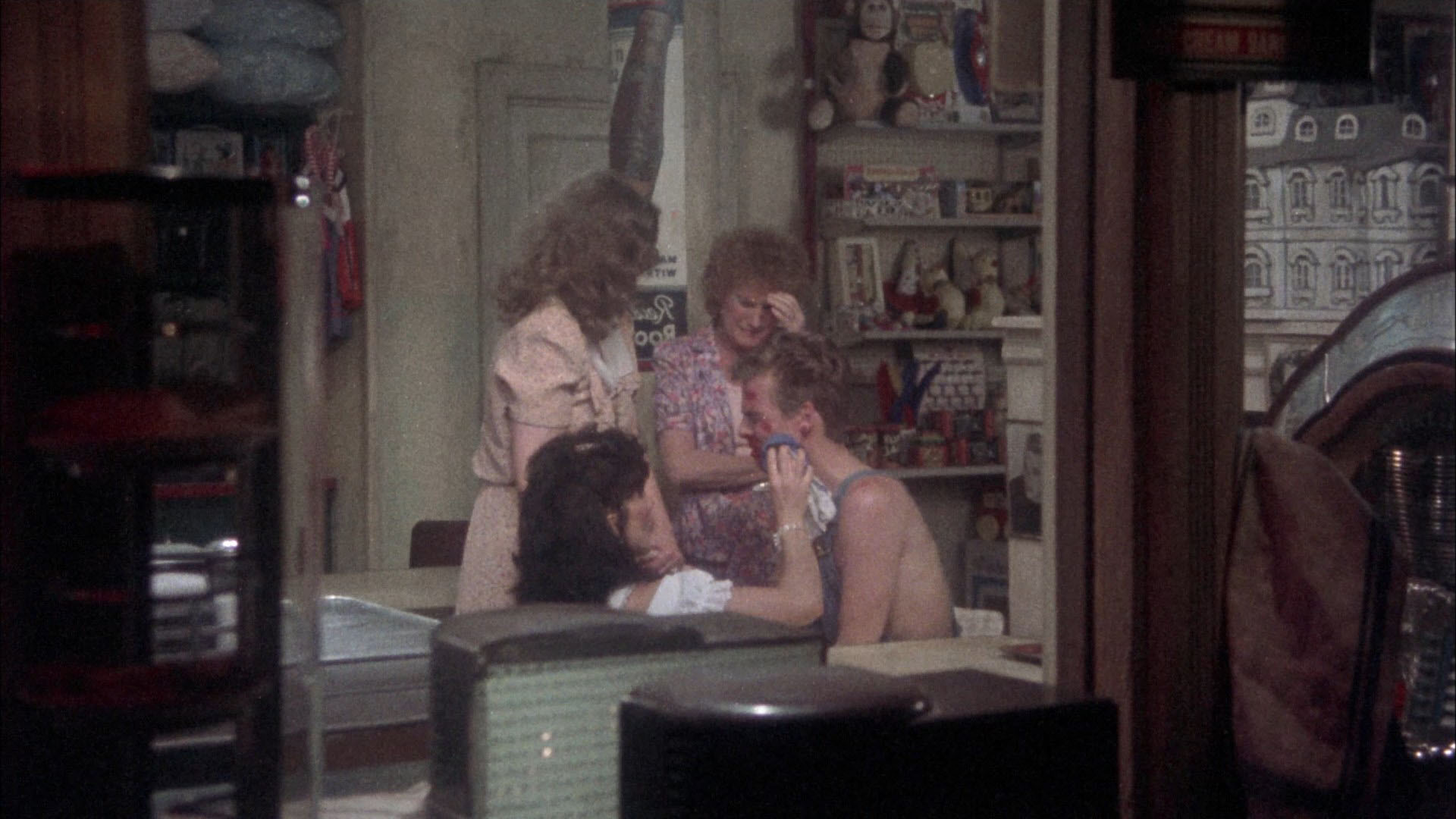
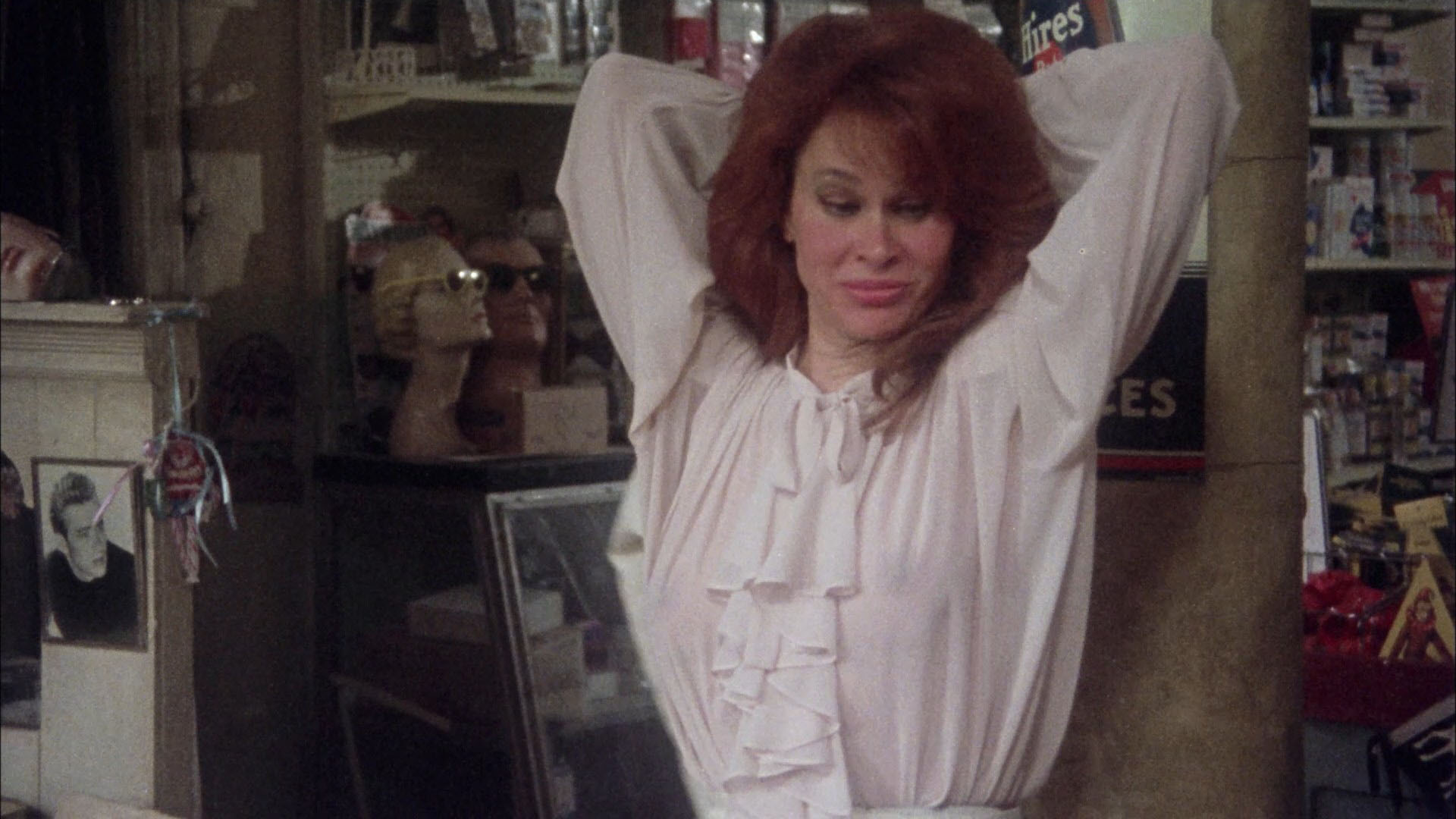
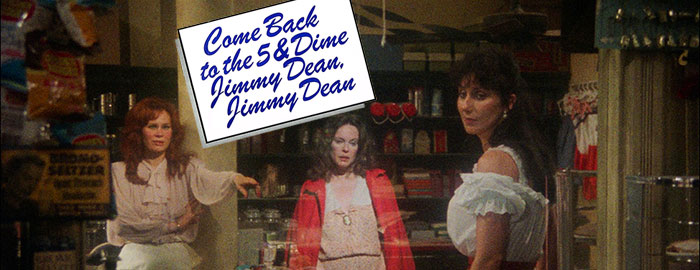
  great comeback for an artist who had been floundering in oblivion and mediocrity for well over a decade in the wake of the humiliating box office disaster of Popeye and other mostly ignored films right before like Quintet, Health, and A Perfect Couple. Of course, that was wrong on numerous fronts given that Popeye actually wasn’t a box office bomb by any means, and Altman had been turning out very fine albeit mostly non-commercial work in the interim including numerous stage play adaptations like Streamers, Fool for Love, Secret Honor, and the least-loved of the bunch, Beyond Therapy. The film that kicked off that whole wave came in 1982 with Come Back to the 5 & Dime, Jimmy Dean, Jimmy Dean, made in the immediate wake of its 1982 Broadway staging of Ed Graczyk’s play directed by Altman with the entire cast retained as well. Unfolding entirely within the confines of a desolate Texas five-and-dime store slipping back and forth between multiple time periods, the independent film released by Cinecom was positively received at the time but made few ripples outside of the arthouse circuit, with its gritty Super 16 lensing making it something of an eyesore on TV and home video for decades.
 Mae (Bates). As they reconnect, flashbacks reveal their experiences twenty year ago when another young store employee, Joe (A Nightmare on Elm Street 2: Freddy’s Revenge’s Patton), was part of the group who were thrilled
  about Dean coming to shoot Giant in the area with Elizabeth Taylor and Rock Hudson with locals recruited as extras. Ever since, Mona has claimed that she spent a fateful night with the star and gave birth to his son, Jimmy Dean, whose mental issues have kept him out of public sight. A late arrival to the reunion is the urbane Joanne (Black), who seems to be a stranger at first but has a deep, traumatic connection to everyone in the town.
 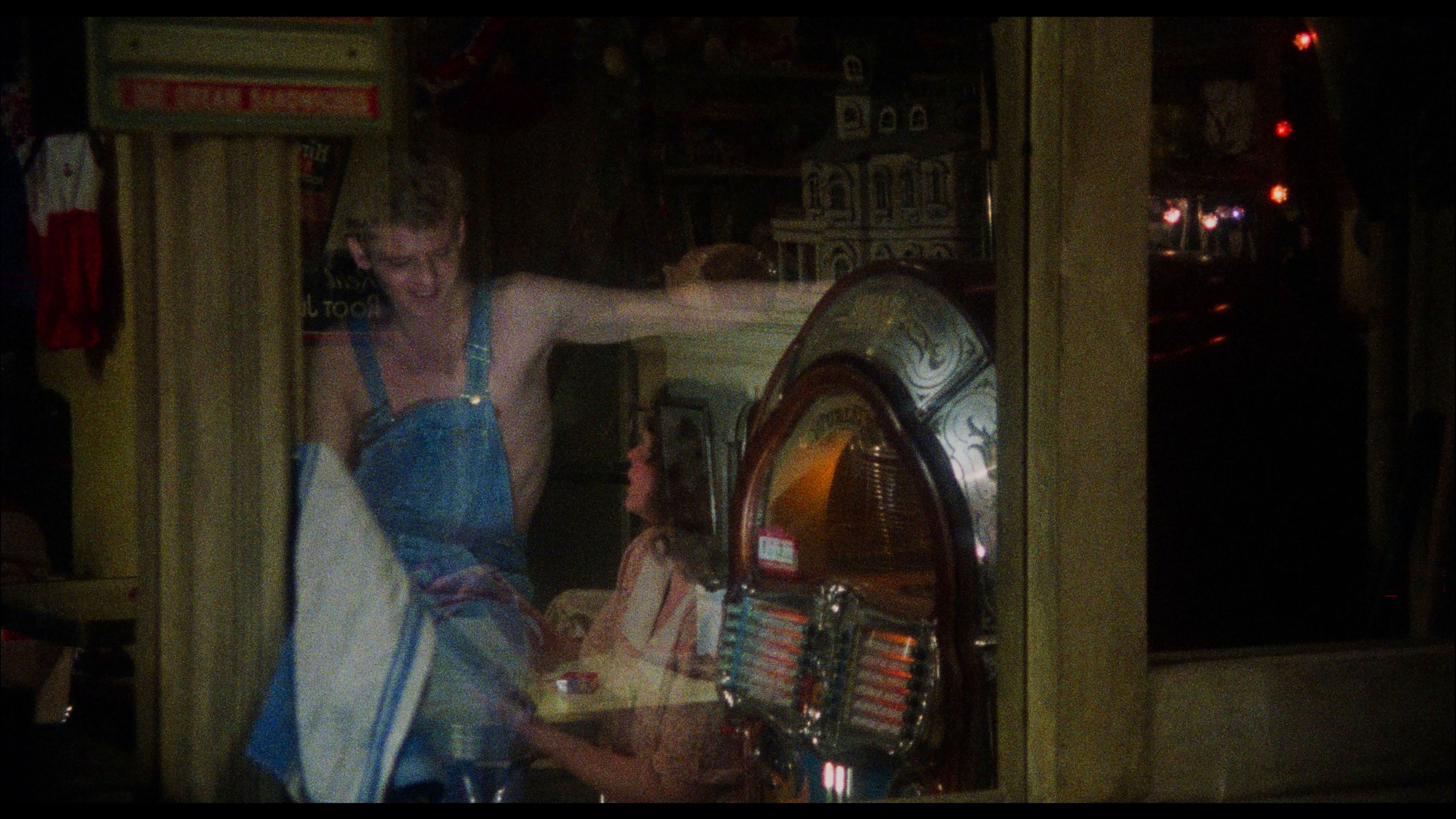 together
 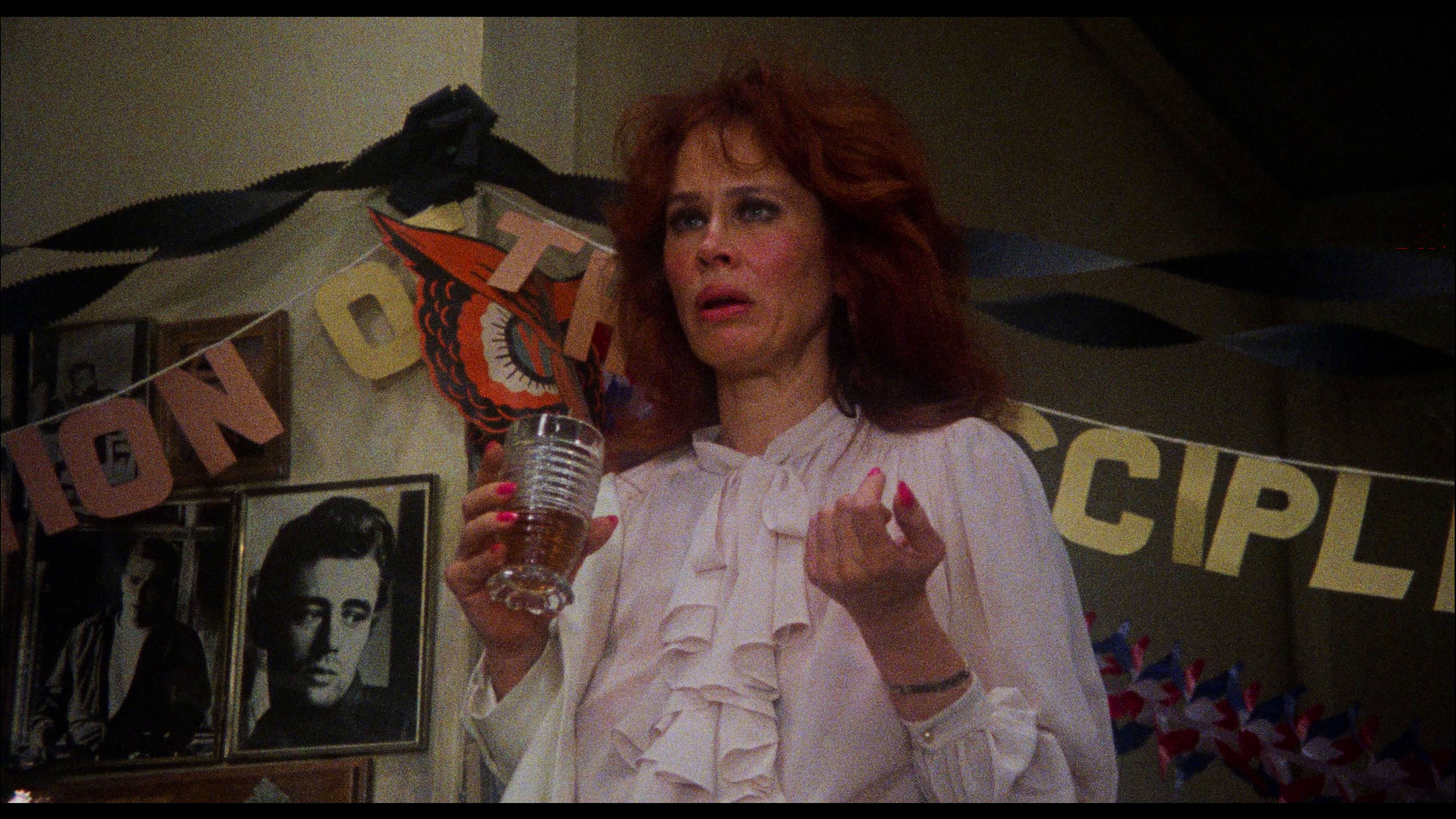 during the production to make sure they were in harmony, are superb here creating a character whose horrific small-town experiences turn into a steely resolve that still can't quite camouflage the pain that still exists. Dennis is obviously tailor made for her role, living in a state of near-insane denial that brings out the best from her quavering voice. At the time the film was regarded as a bit of a shock for giving a meaty dramatic role to Cher, at the time still known for her variety shows, pop songs, and flamboyant persona rather than her acting abilities; of course, it wouldn't be long before Silkwood, Mask, and Moonstruck silenced any doubters for good.
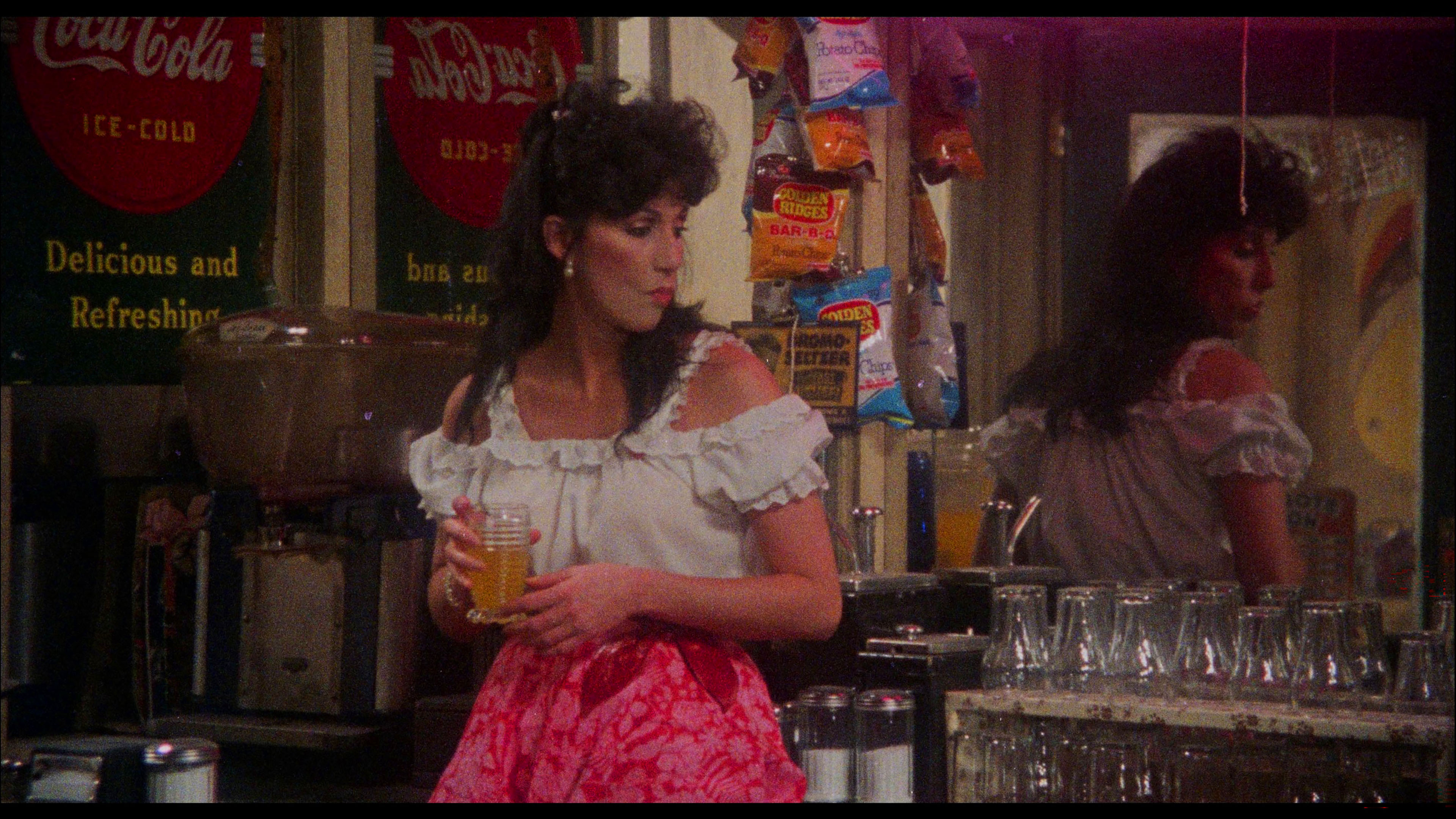
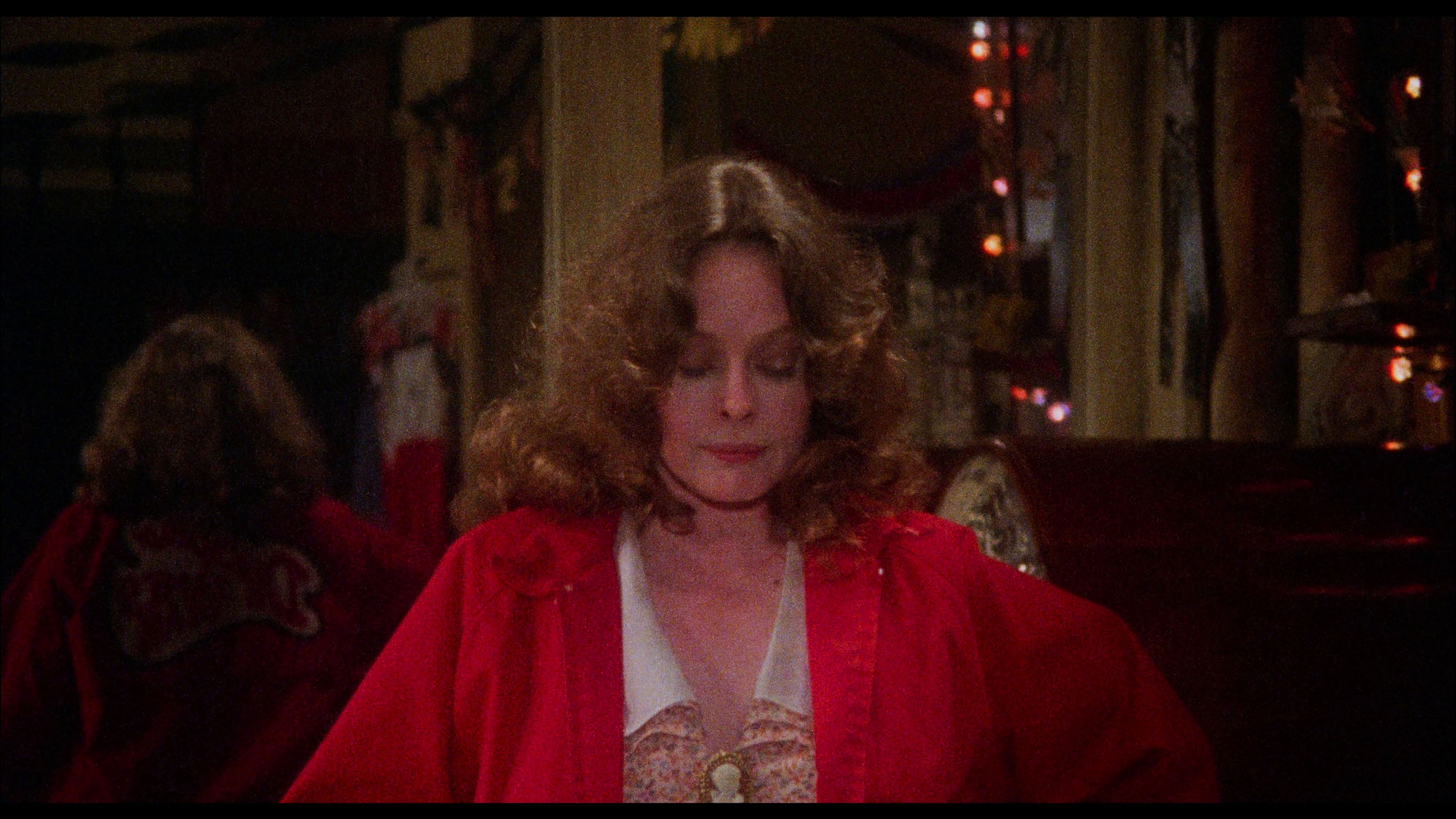
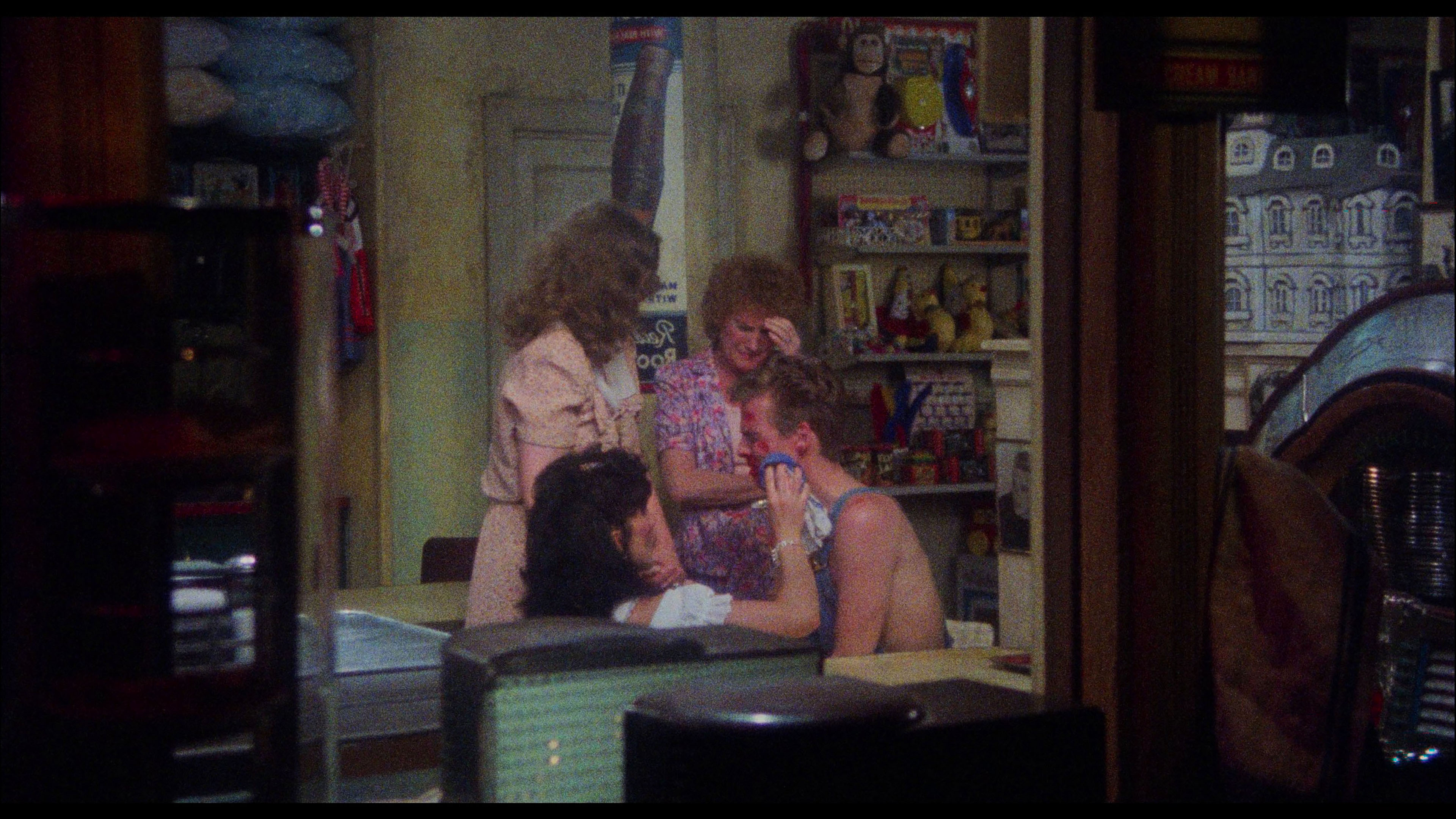
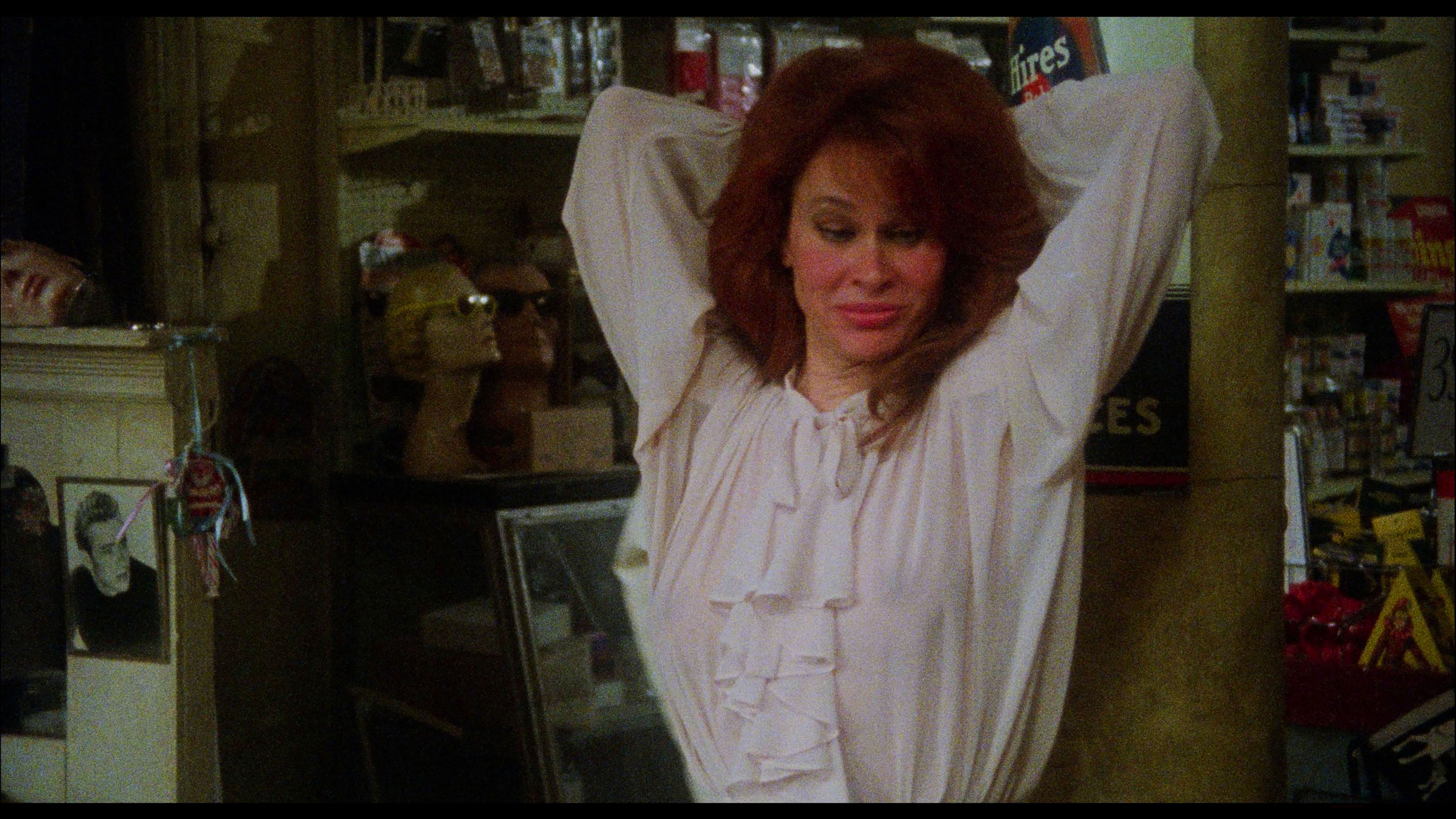
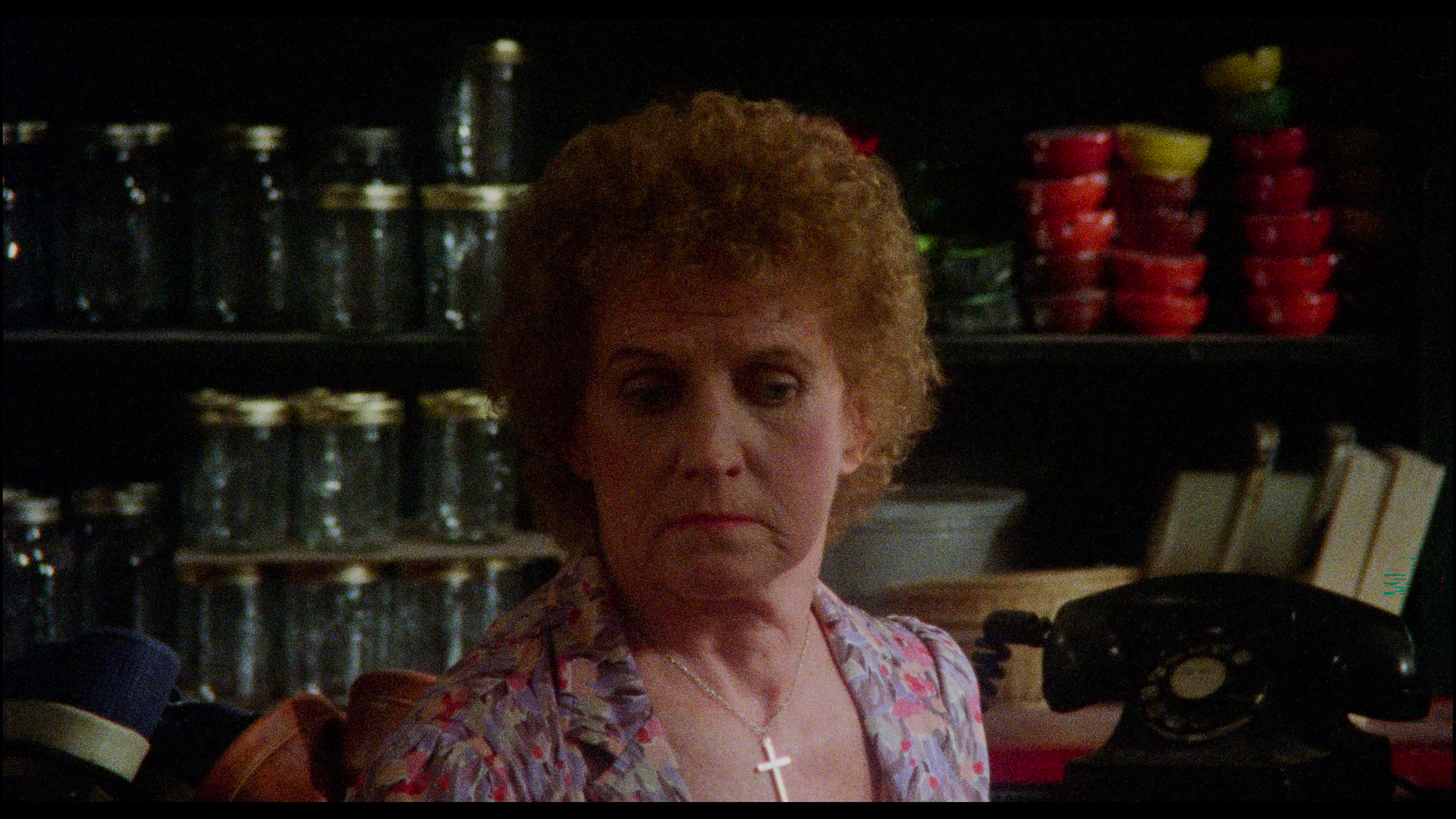 In 2026, Vinegar Syndrome's Cinématographe revisited the film with its biggest special edition yet as a UHD
 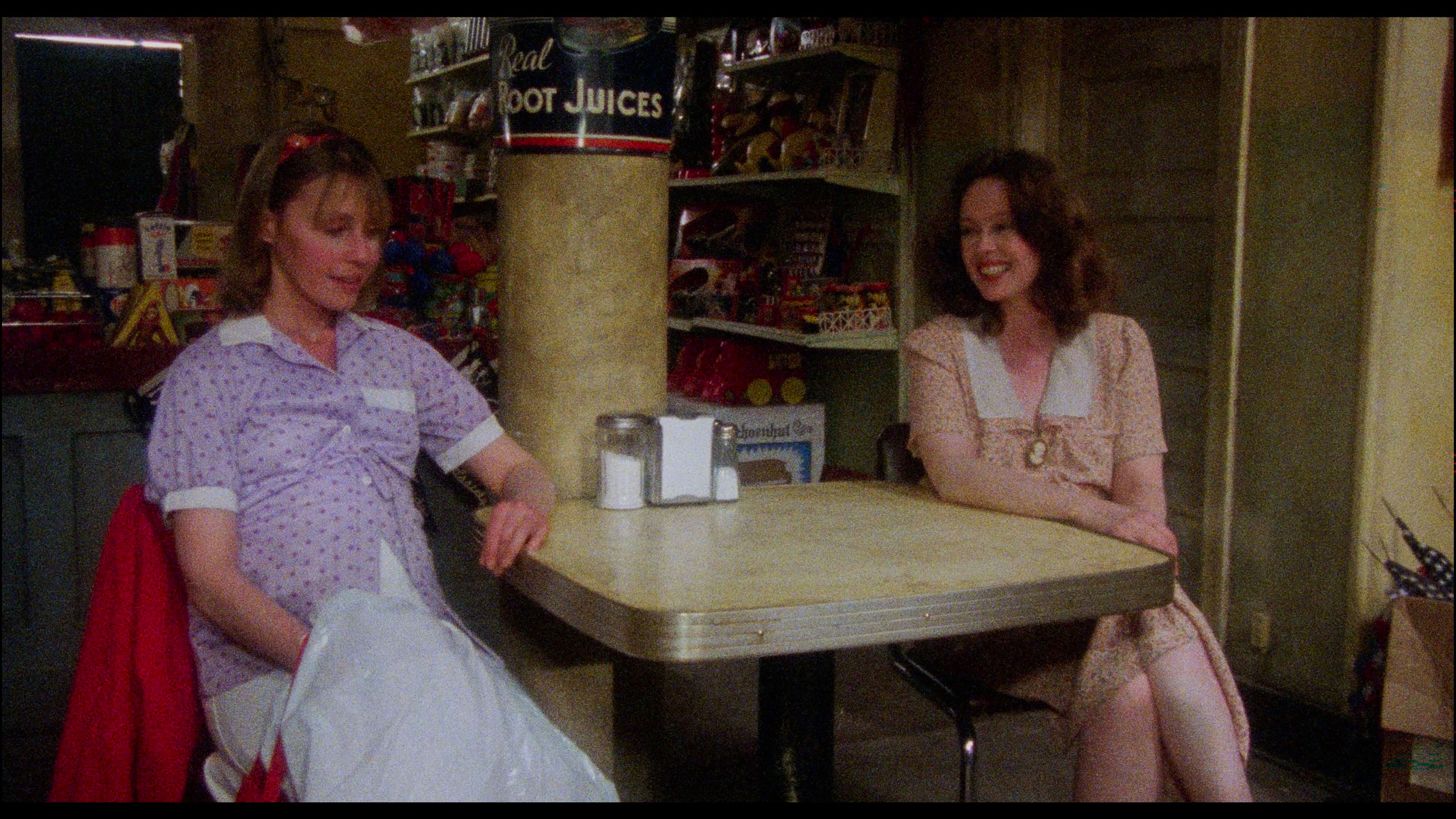 and Blu-ray set in the usual deluxe packaging featuring perceptive essays by Elsie Fisher ("Come Back, Jimmy Dean!"), Drew Burnett Gregory ("A More Authentic Womanhood"), Saffron Maeve ("I Seen Things Like You on the TV"), and Justine Smith ("Running Away from Home to the Five and Dime") touching on Altman's earlier brush with the movie star with The James Dean Story, the attitudes of the characters, the technical execution, and more. The Gambin commentary and Rosenfield and Gropman interviews are all ported over here, but you get several new bonuses as well. Willow Catelyn Maclay and Caden Mark Gardner deliver a new substantial audio commentary focusing largely on the trans aspects of the film, mirroring it with their own experiences and studying how the film treats growing up in a small town and how the visual language here reflects Joanne's psychology in particular. In "Alive Not Nostalgic" (7m35s), filmmaker Isabel Sandoval chats enthusiastically about the film's cinematic qualities and its approach to being stuck in and trying to process the past, as well as the joys of its ensemble performances. In "To Be a Woman: That’s Priceless" (18m26s), Dakota Noot goes into the multiple timeframes at work in the film and how it transcends being stuck in the past, the psychology of working retail and how it affects women in particular, and ways to read the story from a queer perspective. Finally you get a pair of intros to the film created for Turner Classic Movies airings, with Dave Karger and Maclay (4m6s) focusing on Black's performance and Robert Osborne with Lorenzo Soria (2m42s) covering the film's restoration and premiere on the channel.
Cinématographe (UHD)

Olive Films (Blu-ray)