Directed by Pupi Avati
Starring Carlo Cecchi, Stefano Dionisi, Arnaldo Ninchi, Andrea Scorzoni, Consuelo Ferrara, Vittorio Duse, Mario Erpichini
Vinegar Syndrome (UHD & Blu-ray) (US R0/RA 4K/HD), Filmaruo (DVD) (Italy R2 PAL) / WS (1.85:1) (16:9)
 years of delivering a slew of prestige dramas, clever thrillers, and comedies, filmmaker Pupi Avati (The House with Laughing Windows, Zeder) made a return to the horror
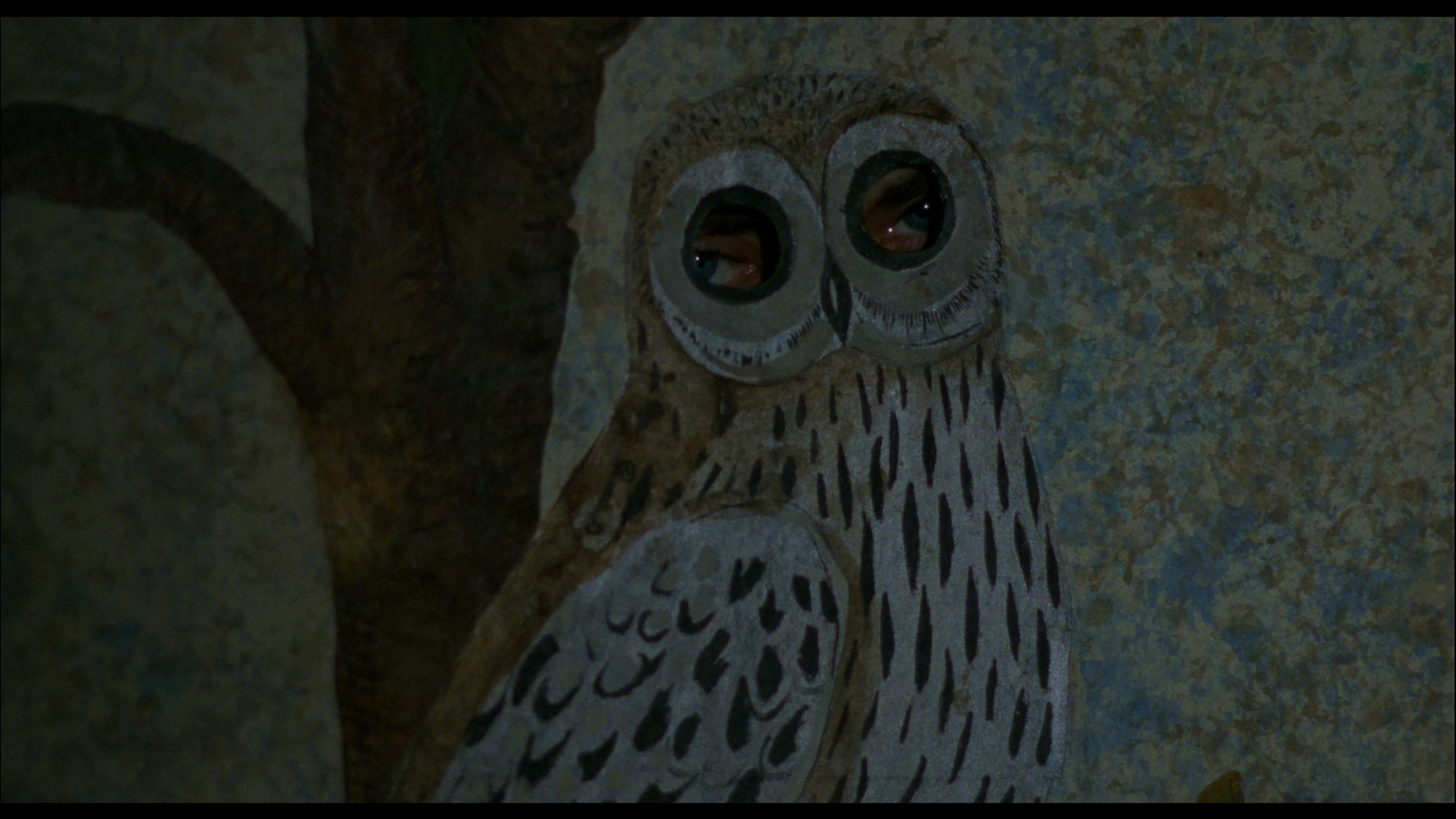
 genre in 1996 with one of his most visually stunning features, L'arcano incantatore -- initially shown at specialty screenings in the U.S. as The Arcane Enchanter, sometimes referred to as The Mysterious Enchanter, and now more or less switched in English to Arcance Sorcerer. By any name it's an eerie and lush occult gem that seemed wildly out of step at the time with the rapidly declining state of mostly TV-based horror coming out of Italy; in fact, this had no luck nabbing any English-language official distribution and was extremely difficult to see in watchable quality for decades.
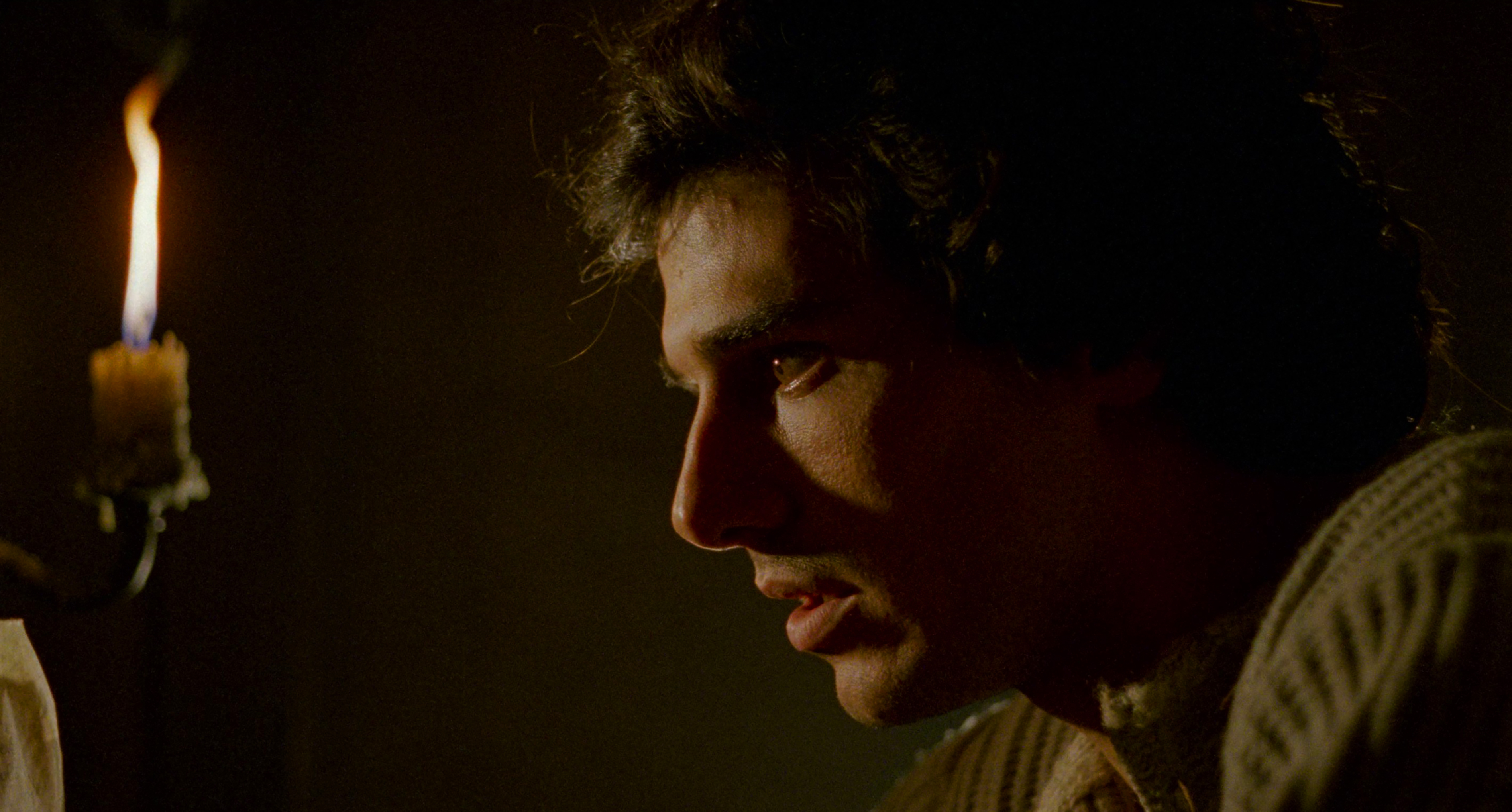
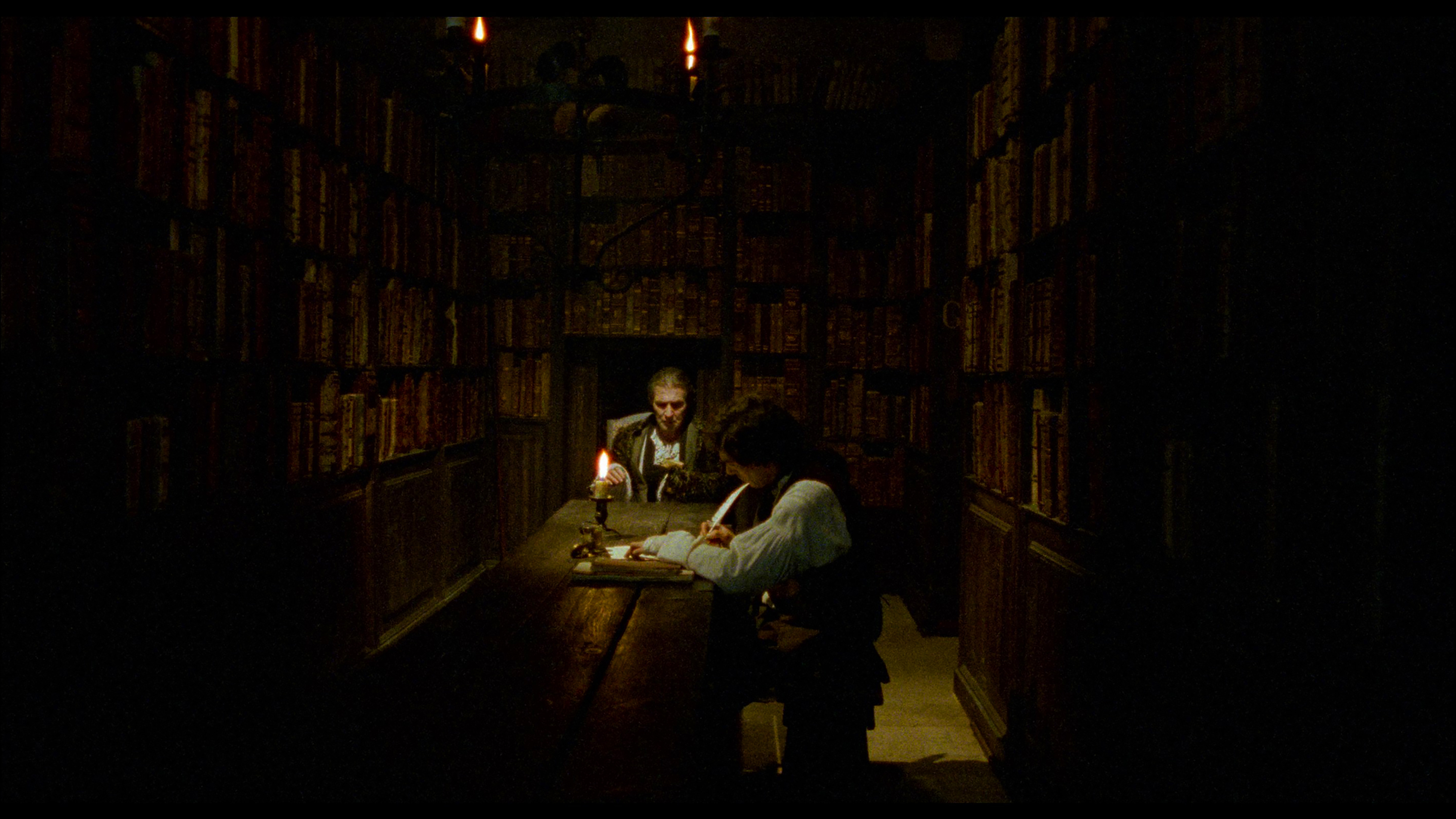
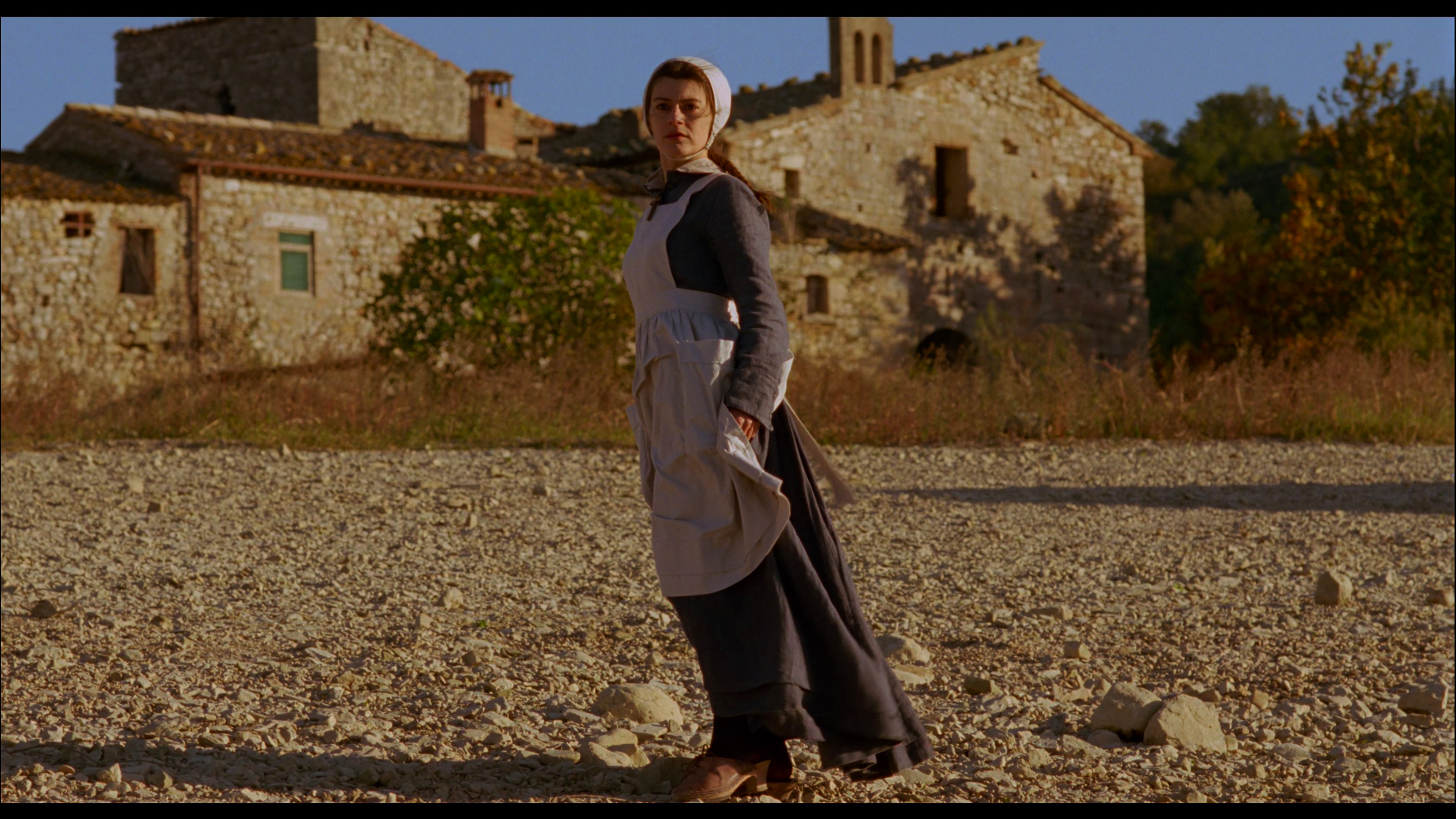 home and library of the monsignor (Cecchi), referred to as the "arcane sorcerer," and learns that the previous secretary, Nerio, died mysteriously
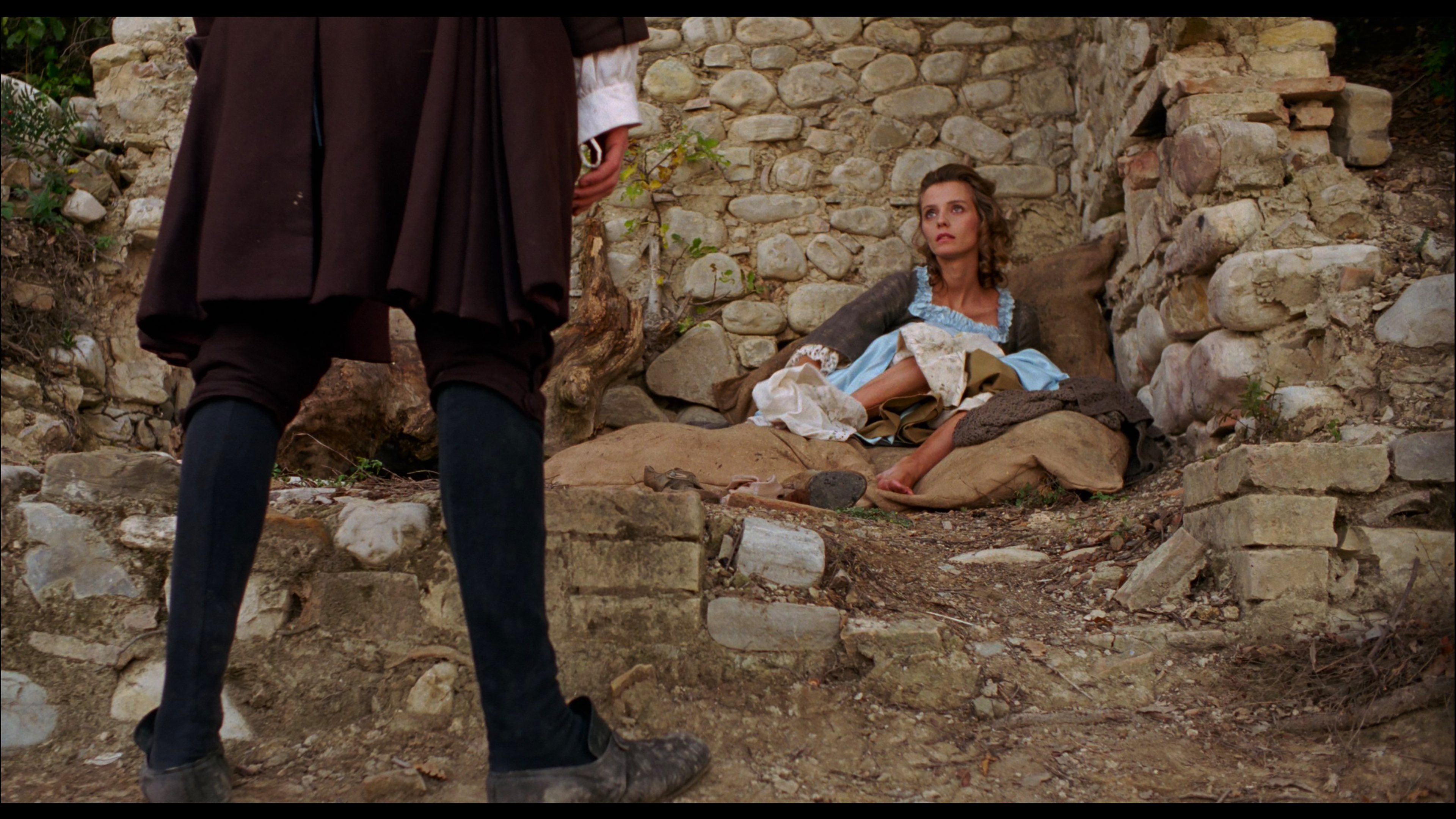
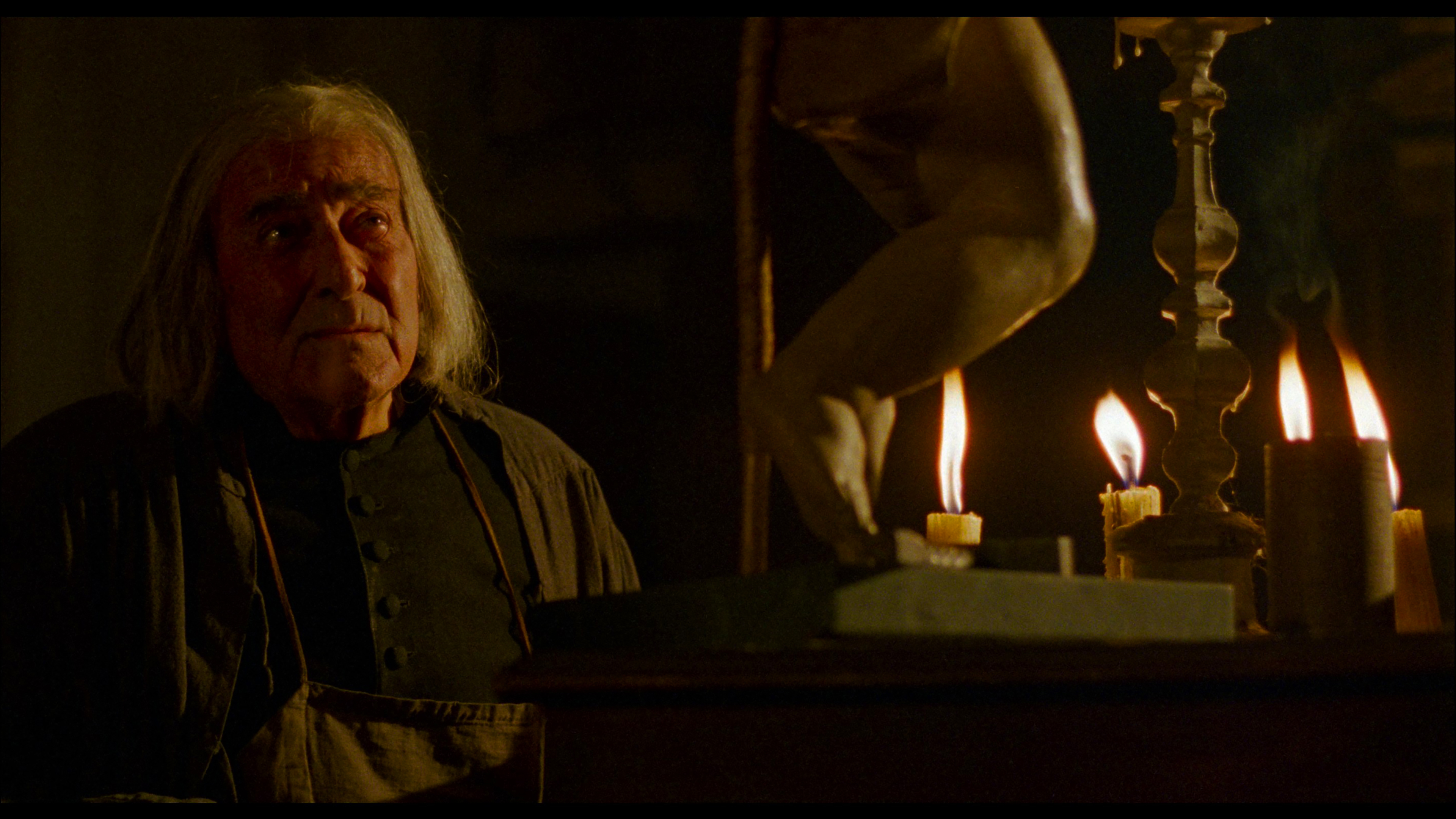 after engaging in dark rituals possibly connected to the disappearance of two local girls. As rumors circulate that Nerio may be trying to claw his way back from the land of the dead, Giacomo is initiated into escalating magic rituals and comes to dread connections to a supposedly destroyed powerful book called The Pseudomonarchy of Demons.
 up your alley.
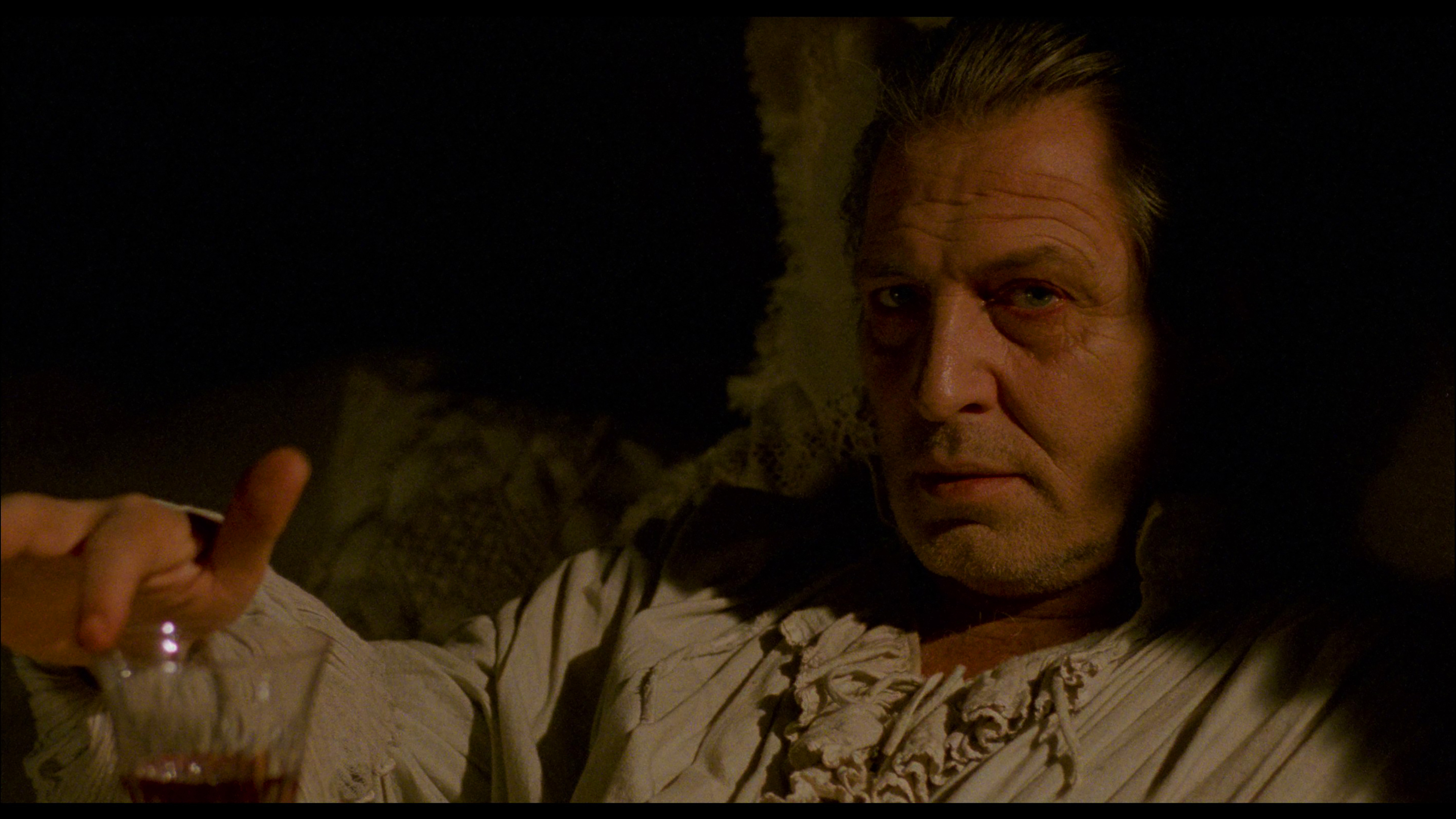
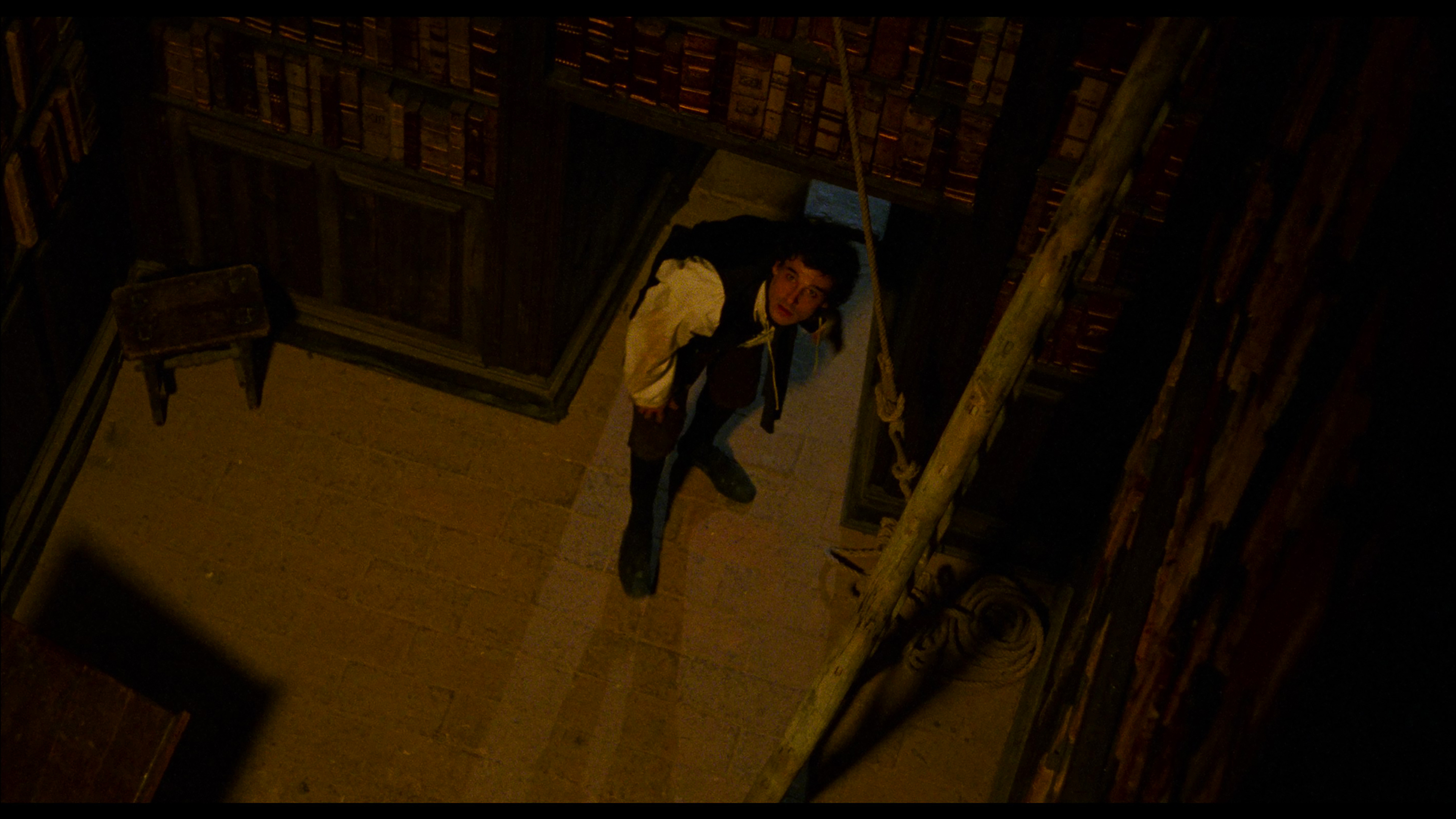 with this one frequently popping up on Euro-cult holy grail wish lists. Eventually the seemingly impossible came to pass in 2026 with a UHD and Blu-ray set from Vinegar Syndrome, featuring a beautiful new 4K scan from the negative with HDR-compatible Dolby Vision on the UHD making the most of those rich blacks, crazy detail in the library production design, and many shades of gold and brown. DTS-HD MA 2.0 and 5.1 Italian tracks are offered, both fairly restrained but effective when they need to be (especially near the end), with optional English subtitles. A commentary track features this writer with Eugenio Ercolani and Troy Howarth so that obviously can't be assessed here.
 (12m43s), Dionisi looks back at his early acting days and desire to work with Avati again after a TV series, his memories of the late Cecchi, his take on the spiritual aspects of the story, and his aversion to appearing in violent horror films that kept him from working with Dario Argento until a film where he didn't have to die. In "Sinful Yet Ethereal" (14m48s), actress Eliana Miglio explains how she got into acting (including a memorable bit inside the tent in Demons), the lessons she learned from Jon Jost early on, the turbulent state of her life when she made this film, and her impressions of working with the Avatis on this and subsequent features.
 Then Bastelli appears in "Under Pupi’s Spell" (22m36s) to explain the possible impact on the 1968 student upheaval on Avati's work, the numerous collaborators who have stuck around through many of their films together, the financing and casting process, the shooting in Umbria, and two key actors who had great difficulty remembering their lines. Then in "The Tailor of Suspense" (21m17s), Donaggio chats about the "Emililan countryside" atmosphere requested from his music score, the two films he made with Avati (also including the unsuccessful Festival), the likely reason a soundtrack was never issued, and his general musical background and experiences doing horror movies for directors like Brian De Palma and Argento. In "Pupi’s Pen Friend" (16m27s), novelist Alda Teodorani talks about her years-long correspondence with Avati, the bit part she had in this film (ultimately cut out almost entirely), and her thoughts on the magic of his filmography. In "Hush... Hush, Sweet Pupi" (21m19s), Mark Thompson Ashworth talks about his own experiences with Avati starting in 1996, his admiration for this film, the stylistic aspects to horror here compared to others like Fulci, and his memories of being on the sets of Avati's films including a "disturbing" shirt incident. Film music historian Pierpaolo De Sanctis appears in "A Sorcerer Named Pino" (22m11s) for an in-depth analysis of Donaggio's musical career starting as a child musician from a like-minded family through his career writing hit songs and his pivotal shift to writing film scores with Don't Look Now and Carrie. Finally in "Of Pupi and Politics" (41m47s), Ercolani goes in front of the camera to analyze the political shifts in the Italy in the '90s including Silvio Berlusconi, the ongoing effects of blockbuster filmmaking, the recent church and state scandals fresh in the public's mind, and Avati's place within the industry maintaining his local identity through ups and downs of government funding, public tastes, and directors trying to create horror cinema for evolving audiences and commercial opportunities. Also included is a 40-page book featuring essays by Zach Fleming ("Institutional Rot and the Italian Countryside"), Z.W. Lewis ("The Magic Christian"), and Stephen Thrower ("A Sorcerer Full of Secrets") all ably tackling the "Po Valley Gothic" strain of Avati's films, the political and religious ramifications in the story, the role of magical practices in Christianity and their aggressive persecution, and several readings of plot elements that will have you going back for a second viewing.
