MALATESTA'S CARNIVAL OF BLOOD
Color, 1973, 74m.
Directed by Christopher Eric Speeth
Starring Janine Carazo, Jerome Dempsey, Daniel Dietrich, Lenny Baker, Hervé Villechaize, Paul Hostetler, Betsy Henn
Arrow Films (Blu-ray & DVD) (US/UK R0 HD/NTSC) / (1.85:1) (16:9), Windmill Films (DVD) (US R0 NTSC) / WS (1.85:1)THE WITCH WHO CAME FROM THE SEA
Color,
1976, 87m.
Directed by Matt Cimber
Starring Millie Perkins, Lonny Chapman, Vanessa Brown, Peggy Feury, Rick Jason
Arrow Films (Blu-ray & DVD) (US/UK R0 HD/NTSC), Subversive (DVD) (US R1 NTSC) / (2.35:1) (16:9)THE PREMONITION
Color, 1976,
93m.
Directed by Robert Allen Schnitzer
Starring Sharon Farrell, Richard Lynch, Edward Bell, Ellen Barber, Danielle Brisebois, Chitra Neogy
Arrow Films (Blu-ray & DVD) (US/UK R0 HD/NTSC), Media Blasters (DVD) (US R1 NTSC) / (1.85:1) (16:9)

 Drawing inspiration from the essential book Nightmare USA, Arrow Films has enlisted its co-author Stephen Thrower as one of the curators of this ongoing study of the regional wave of horror films that populated theaters in America and abroad in the '70s and '80s. This very promising initial set features three films that have essentially avoided any kind of widespread awareness, with past video releases of varying degrees of commercial availability. At least two of these films push the definition of horror about as far out as it can go for an American film and mostly fall into that category by default (since they don't quite fit anywhere else); that means this is a set for you adventurous viewers out there who'd like to see something way beyond the usual slashers and monsters.
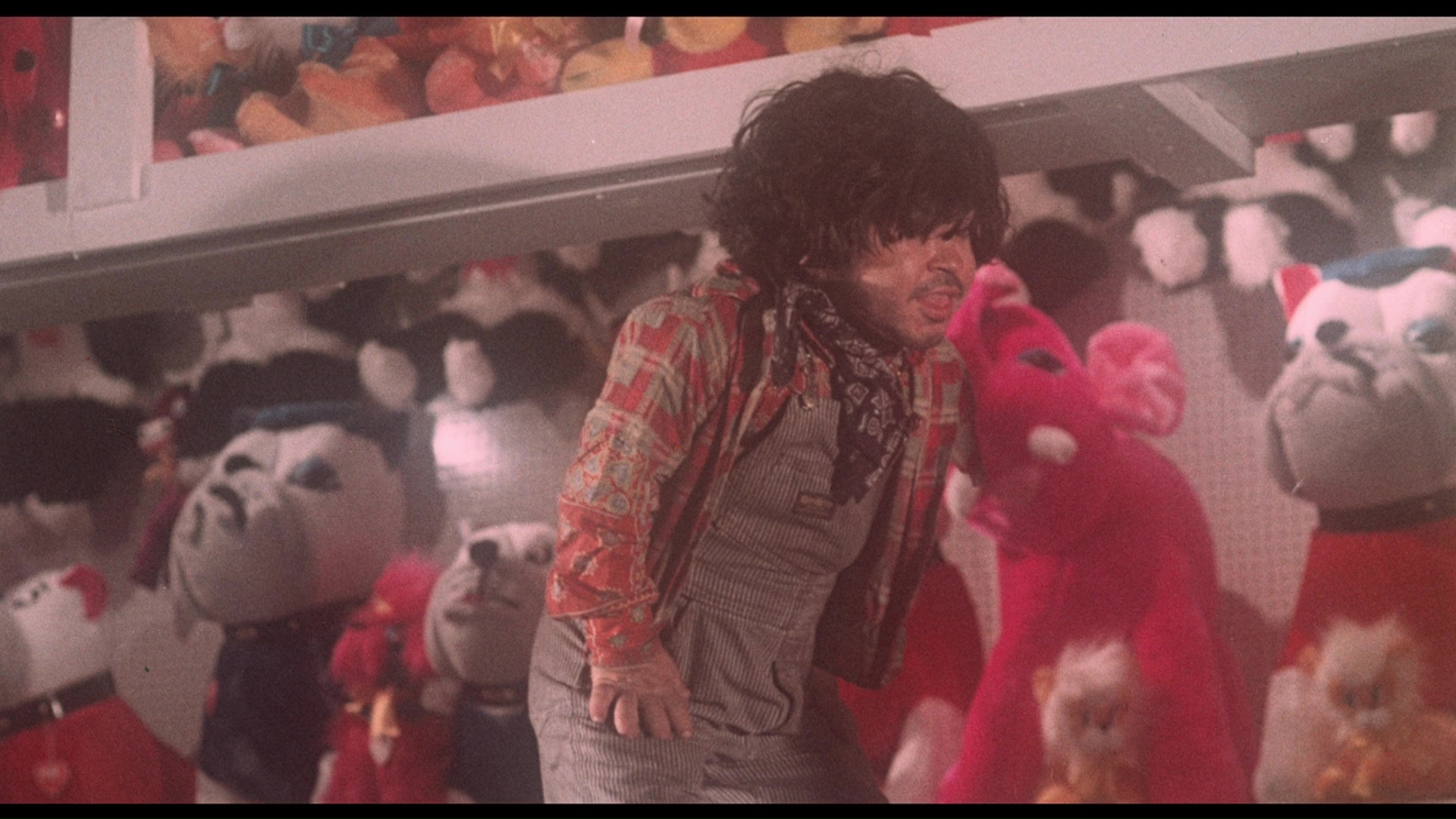
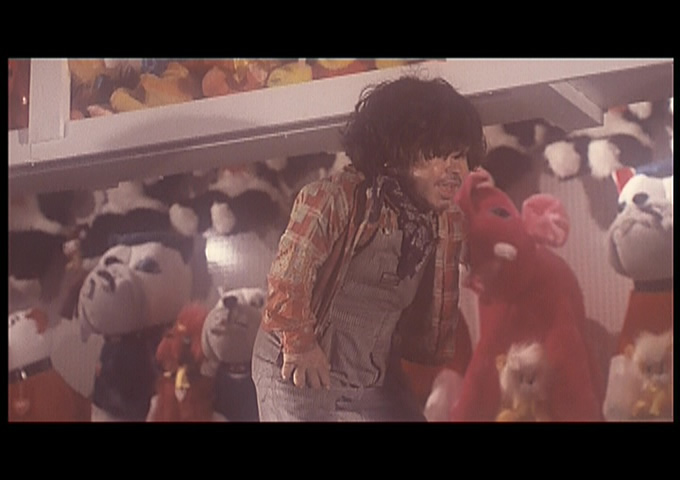
First up is the earliest film (at least in terms of release date), Malatesta's Carnival of Blood, which is also the least seen of the trio. Barely shown in a handful of southern theaters in 1973, this one dropped off the face of the earth entirely with only a sole, tantalizing review offering any proof of its existence -- until it unexpectedly surfaced on DVD from the director himself. The main pop culture curiosity here is the casting of the late Hervé Villechaize, better known as Tattoo from TV's Fantasy Island, before he got his big break and also appeared in The Man
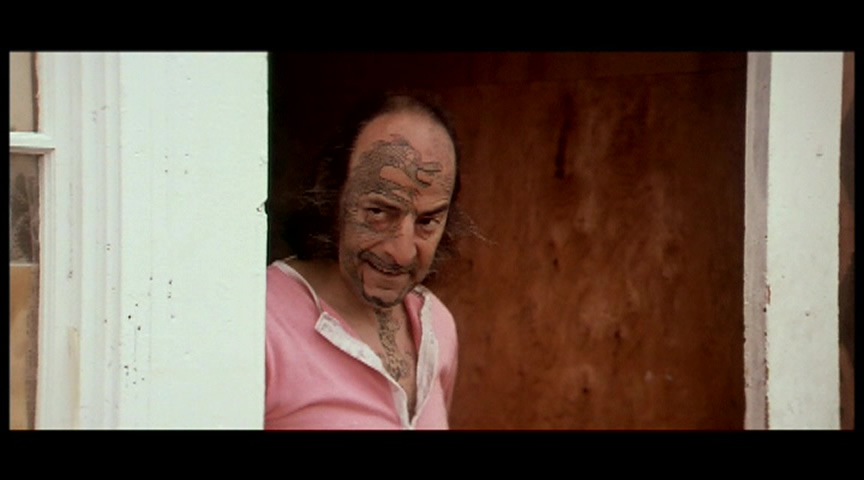
 with the Golden Gun. (He made Oliver Stone's Seizure right after this, apparently still hungry for scary roles.) Here he plays Bobo, just one of the eccentric employees at a sinister carnival run by the menacing Mr.
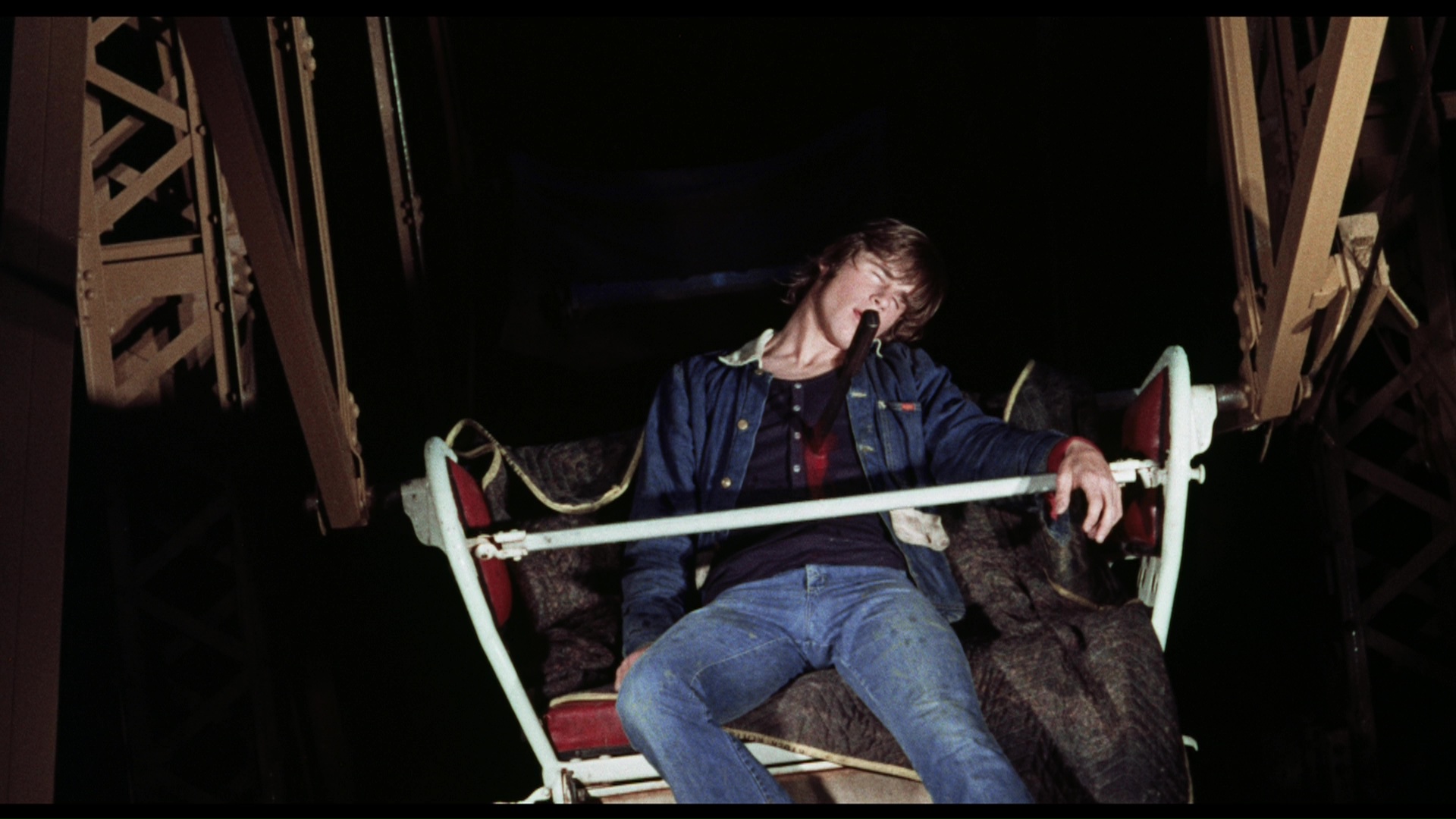
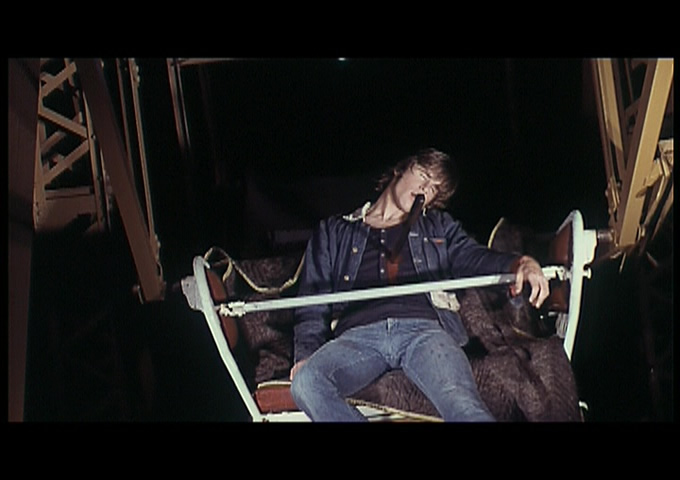
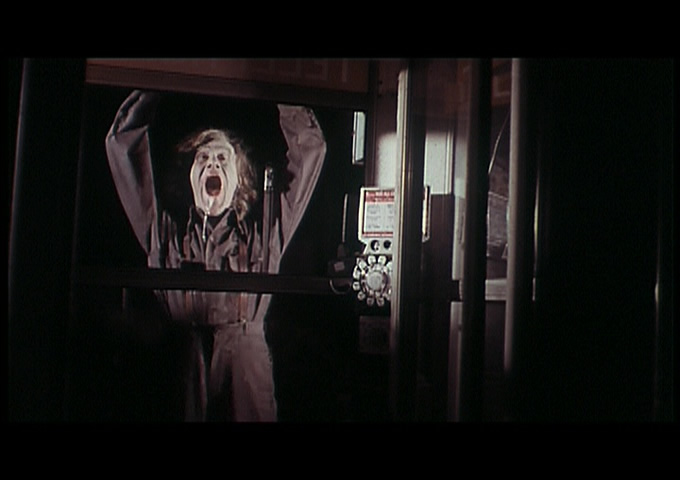
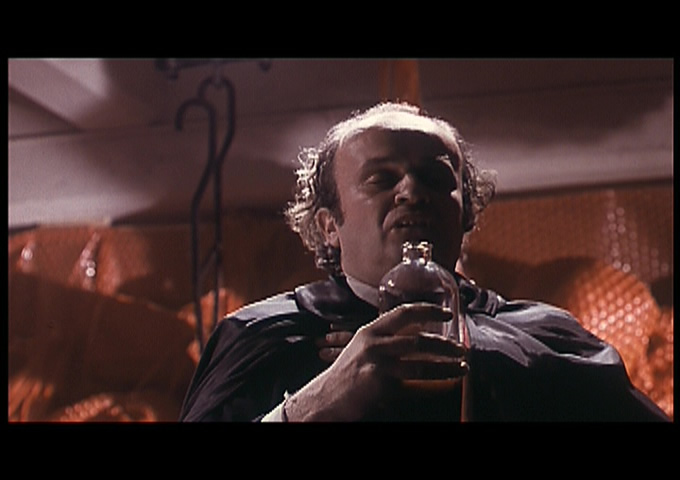
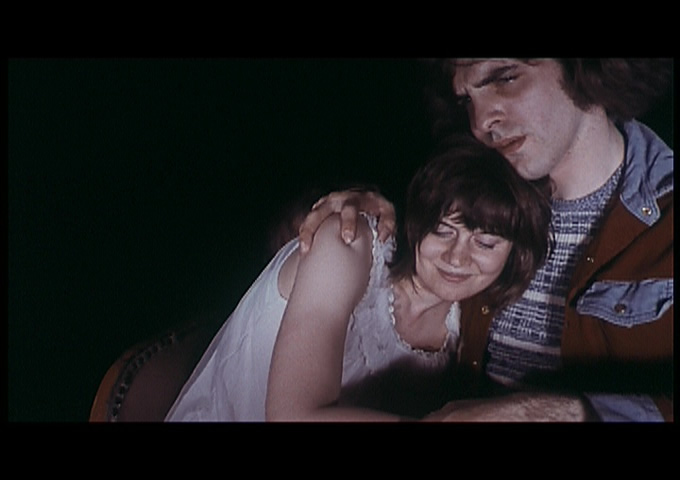
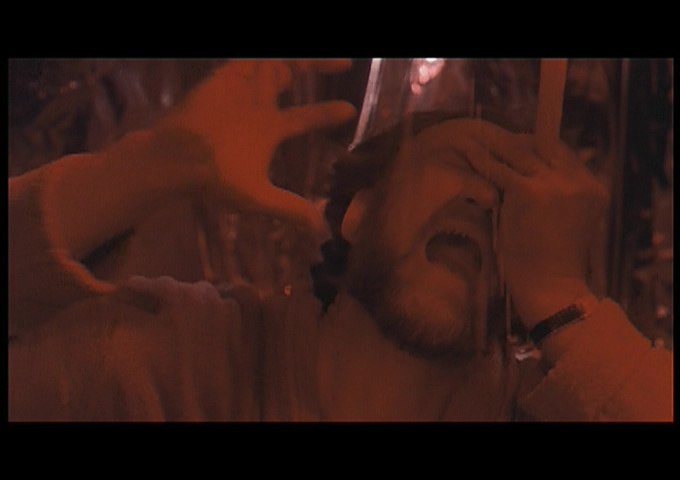
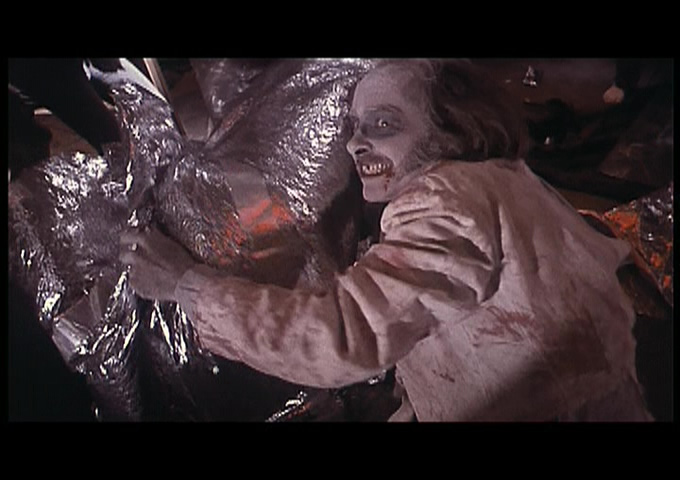
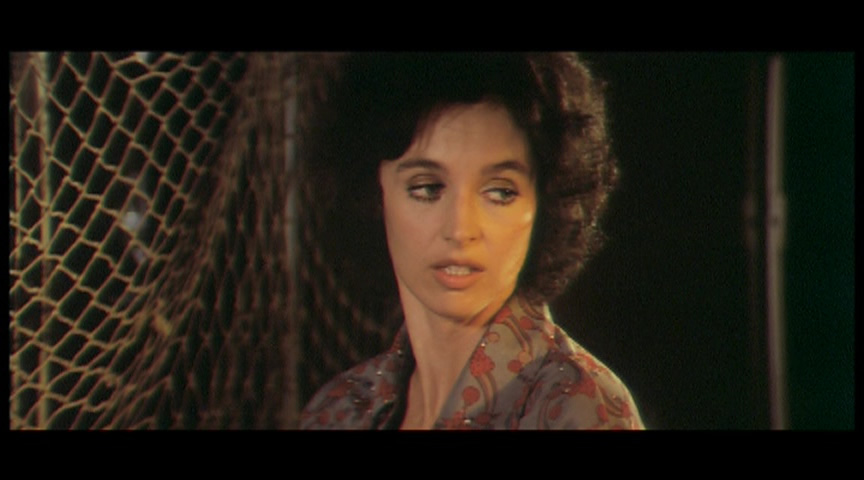
  Blood (Dempsey) and owned by the even more forbidding Malatesta (Dietrich). People have a funny habit of disappearing at the carnival, and now the Norris couple (Hostetler and Henn) have gone undercover there as investors with their daughter (Carazo) to find out what happened to their son. What they discover is a hellish realm where silent movie screenings are a prelude to carnage and monstrous creatures prey on passersby.
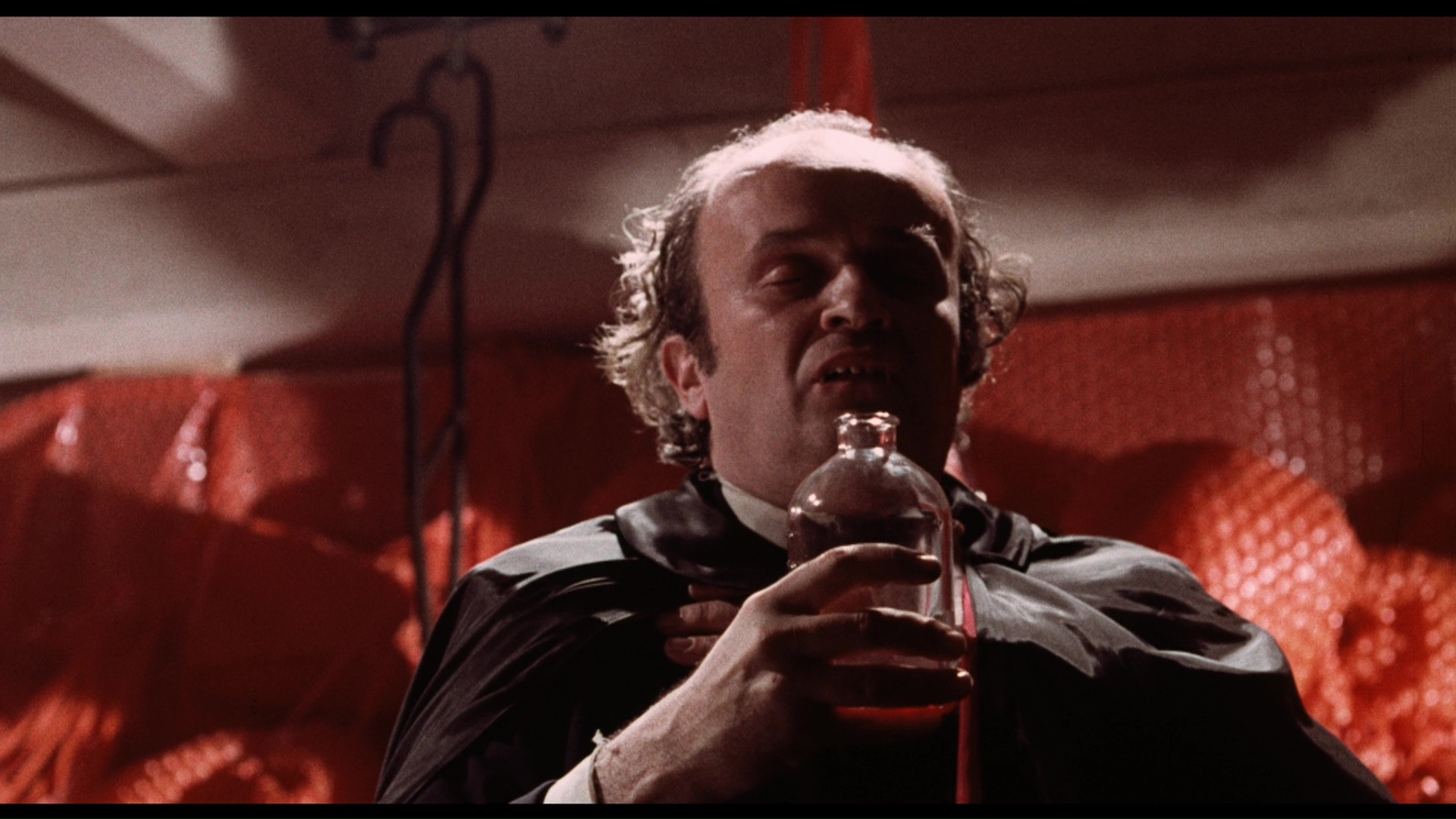
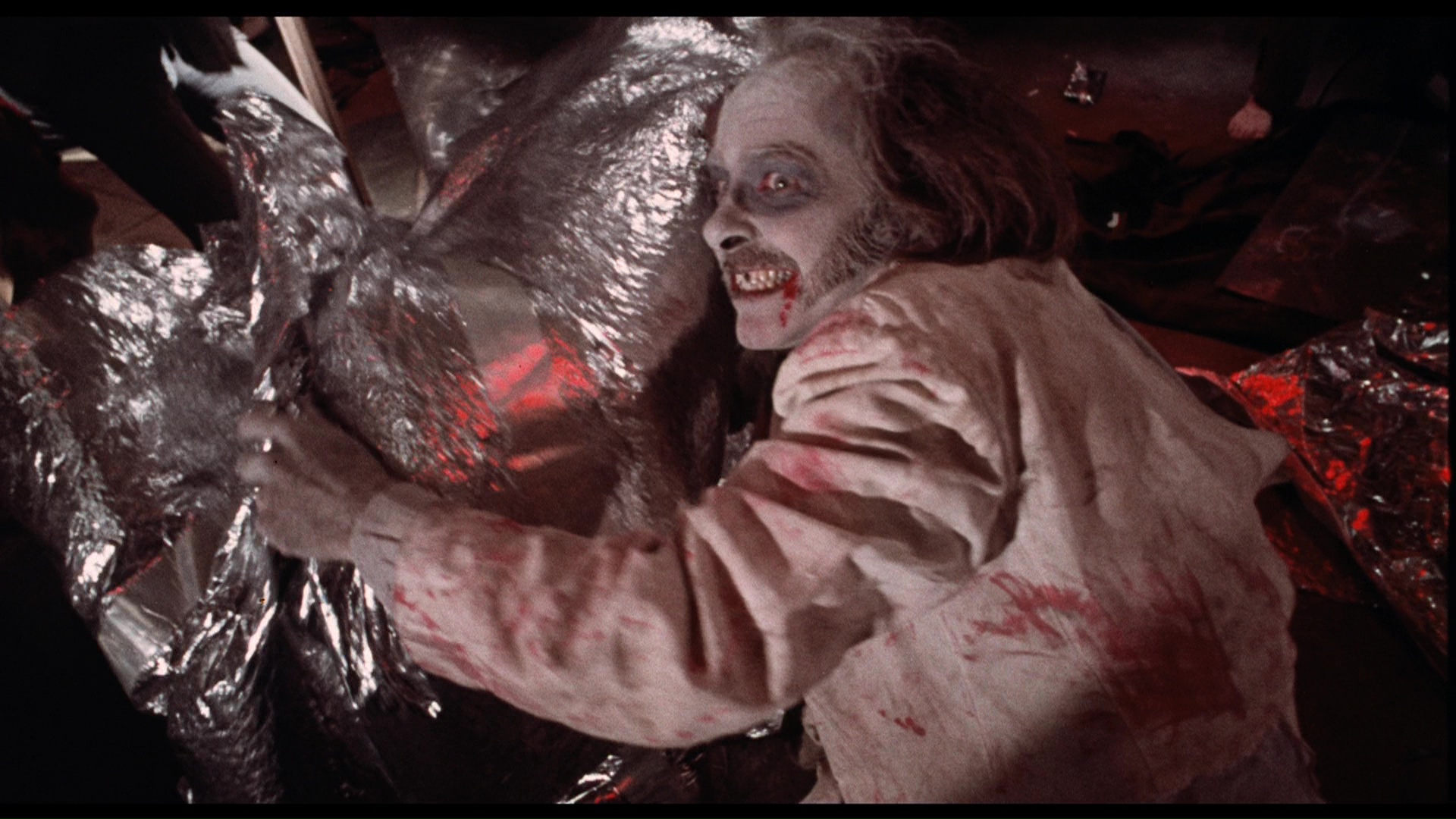
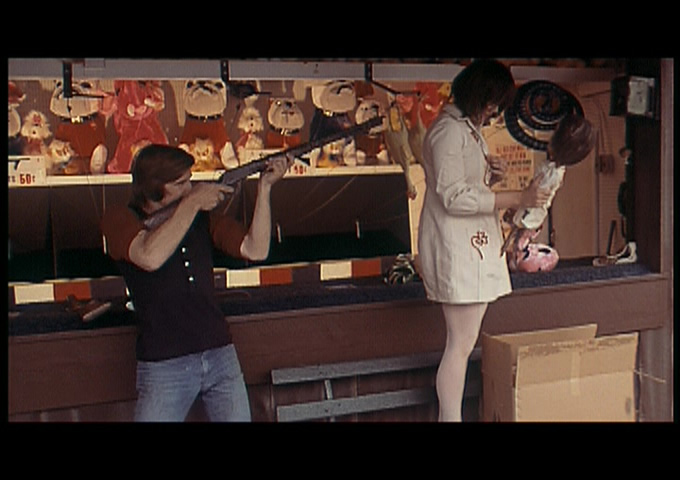
That's really all the plot you'll glean out of this one, which often plays more like a stream-of-consciousness fever dream in the head of a monster-loving '70s teenager. Under normal circumstances this Pennsylvania production would've done the drive-in circuit on triple bills for years and won a hearty group of admirers among Something Weird fans, but for some reason it just disappeared instead. At least we have it again now, and what a ride it is. The final half hour is particularly delirious as the filmmakers hurl every color in the rainbow at the camera in a riot of low-budget but creative production design that feels like an acid trip in hell, and by then you'll have given up even trying to find a linear plot weaving it all together. There's an appealing handmade quality to the film with some strikingly weird props and backdrops, often centered around the colors red and white, and there's some unexpectedly nightmarish imagery popping up at regular intervals to keep you on your
 toes.
toes.
Malatesta's Carnival of Blood first bowed on DVD in the U.S. in 2003 from the director's own label, Windmill Films, with a flat letterboxed transfer along with a stills gallery and three minutes of extremely gory outtakes
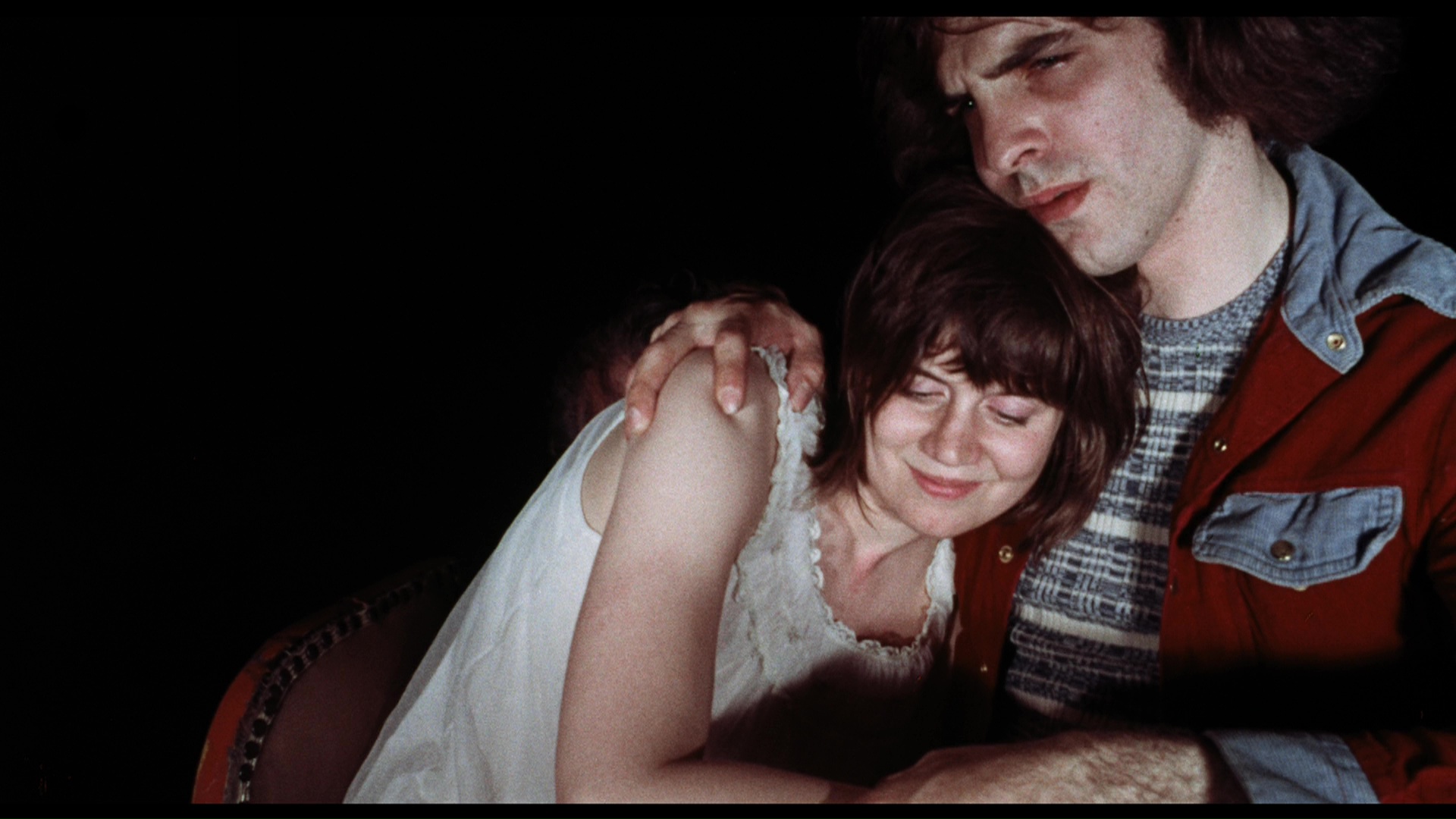 presumably trimmed to get an R rating. (The film definitely would've benefited from their inclusion.) The transfer was okay considering there's only one film element left in the world, but that left plenty of room for improvement as demonstrated by the Arrow release. The new 2K scan improves in every way imaginable; framing is identical but colors, black levels, detail... you name it, it's a nice leap across the board. The film still won't look particularly amazing given its existing condition, but this is a great way to make is acquaintance especially given the fact that only die-hard cult excavators even had a chance to watch the prior DVD. Audio for this film (and the other two in the set) is presented in LPCM mono with optional English subtitles, and as with the other two as well, you get a concise, excellent video intro by Thrower setting you up for the delirious ride you're about to take. Thrower also contributes an essay to this limited edition set along with incisive new pieces by noted genre writers Kim Newman, Kier-La Janisse, and Brian Albright.
The heftiest extra here is a new audio commentary by Movie Morlocks' Richard Harland Smith, who takes an appropriately
 giddy and often free associative look at the film from the perspective of a lifelong monster movie connoisseur and movie fan, chatting about Philly locations and local theater history while drawing together many of the artistic and cinematic strands to make a case for the film's place in the regional horror pantheon. There's some pretty wild trivia in here about most of the actors, too, so be sure to give it a close listen. The 14-minute "The Secrets of Malatesta" features a new video interview with director Christopher Speeth chatting about the actors, how the project got off the ground (literally)
  courtesy of producer Richard Grosser, and how they were given carte blanche with both the empty factory space for their interiors and the striking, rundown carnival (now a shopping center) for the rest. Pay attention to the story behind that decorated drum next to Speeth, too. In "Crimson Speak," writer Werner Liepolt gets 12 minutes to explain how a certain notorious real-life maniac inspired his script and what he thought of the creative process bringing it to the screen, while the 10-minute "Malatesta’s Underground" explores the film's unique environment courtesy of copious production drawings and interviews with art directors Richard Stange and Alan Johnson. The outtakes reel is carried over here in better quality, and a stills gallery is also included along with a pdf of the script as a DVD-Rom or Blu-ray extra.
Next up we have a truly peculiar and haunting film that confounded
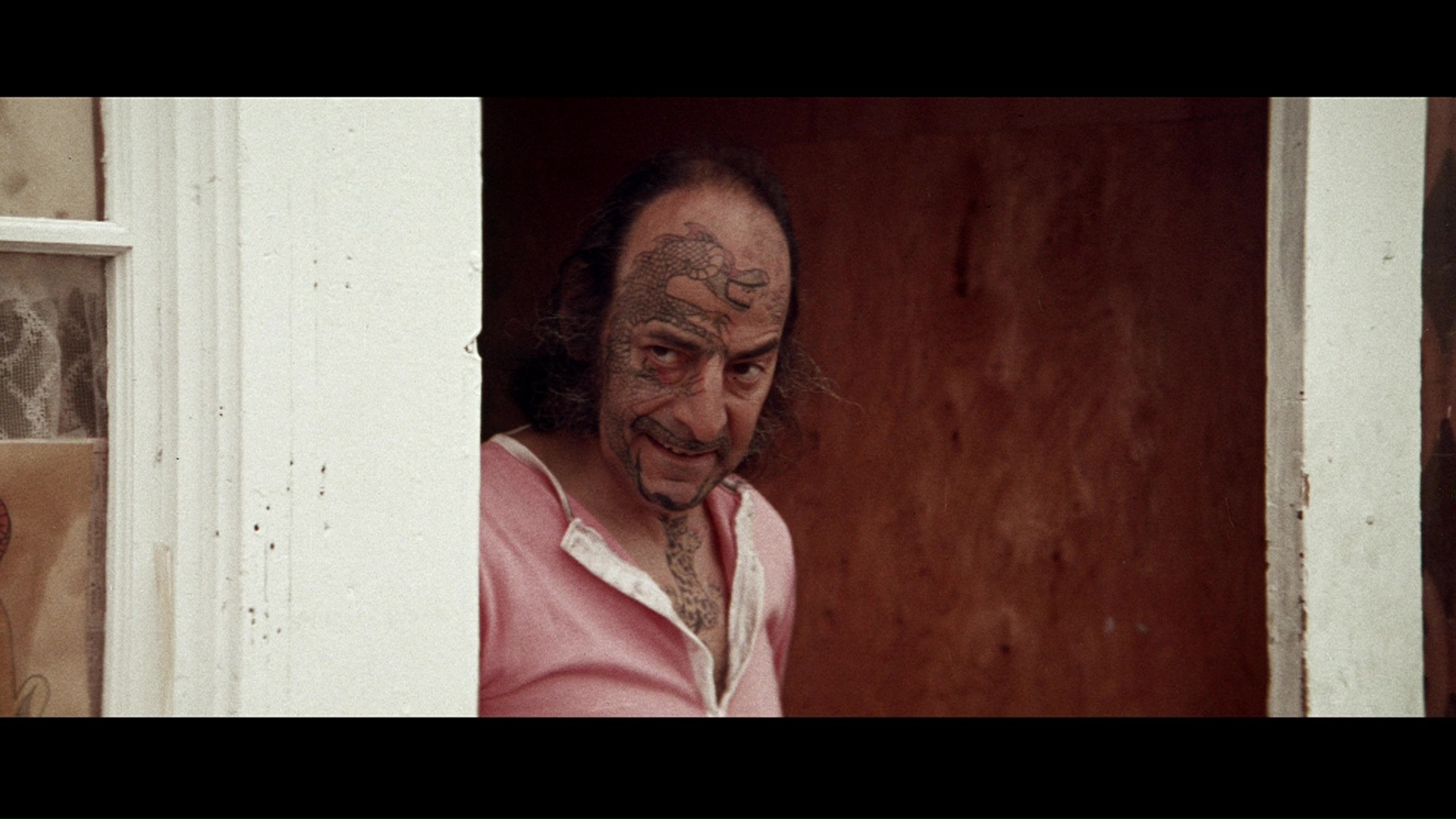
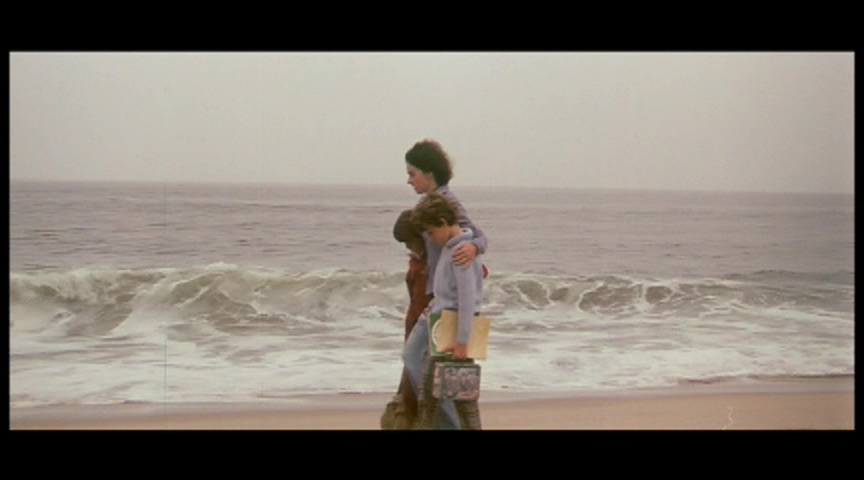
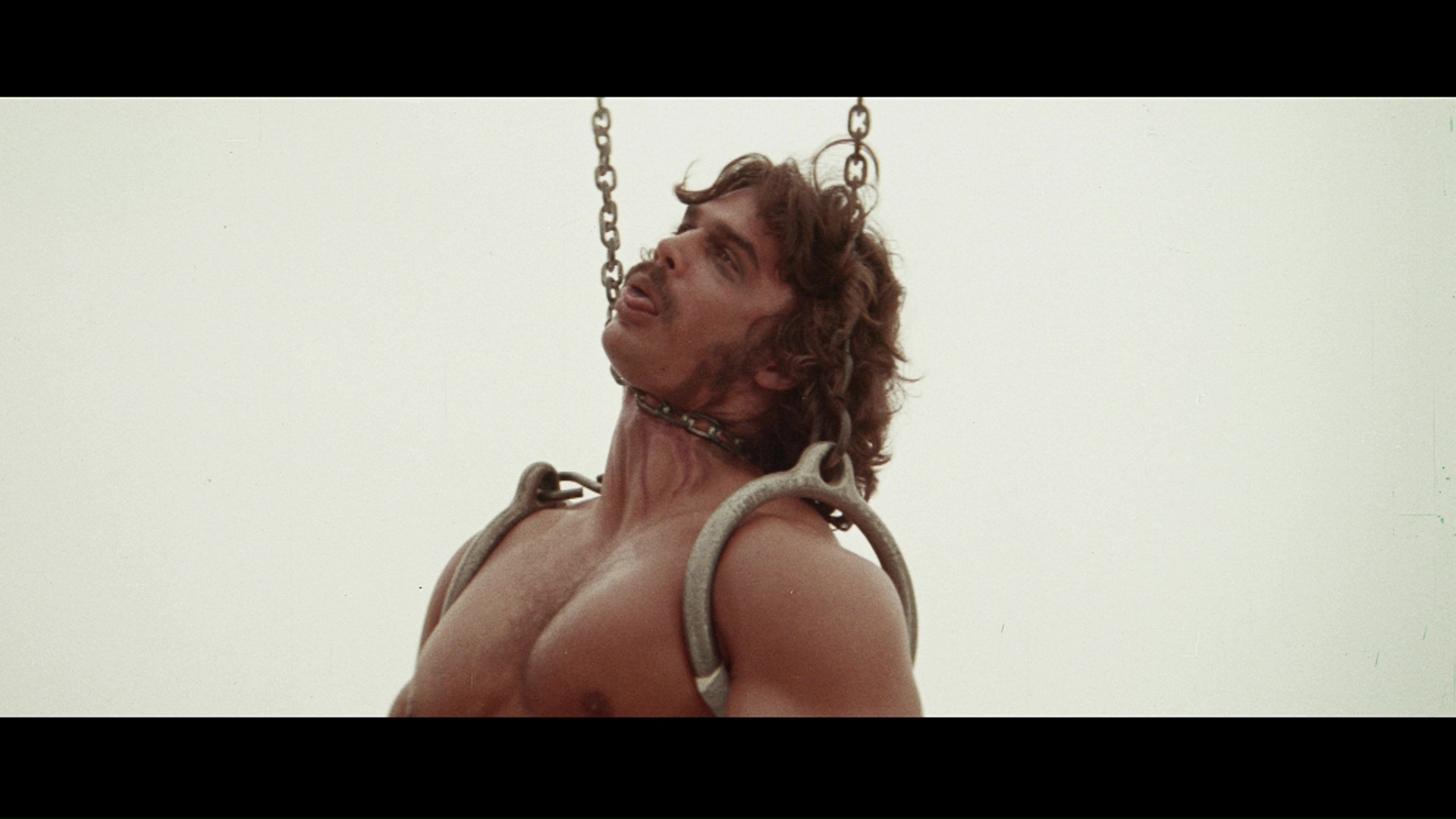 many drive-in patrons but built up a slight cult following over the years: The Witch Who Came from the Sea. While spending an afternoon on the beach with her two young nephews, eccentric Molly (The Diary of Anne Frank's Perkins) tells fantastic stories of her pistol-wielding ship captain father who ruled god-like over the seas and takes them past a sinister nearby tattoo parlor run by "Jack Dracula." However, she also keeps one eye on the muscular bodybuilders nearby and indulges
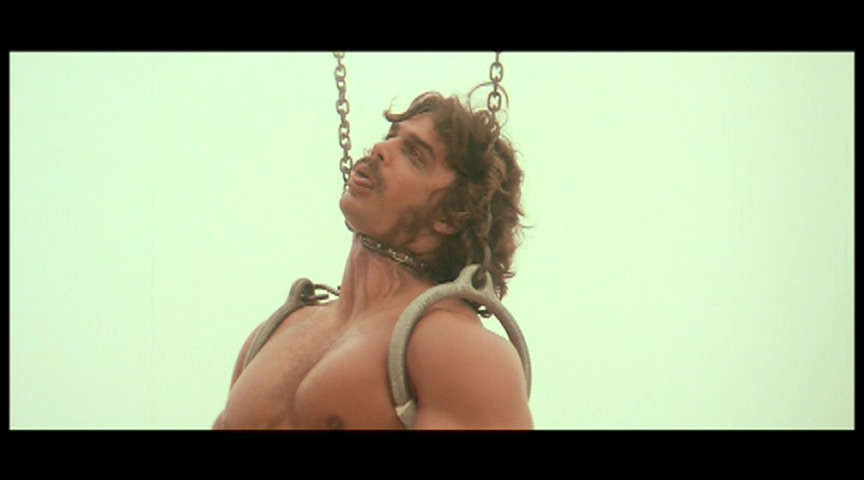
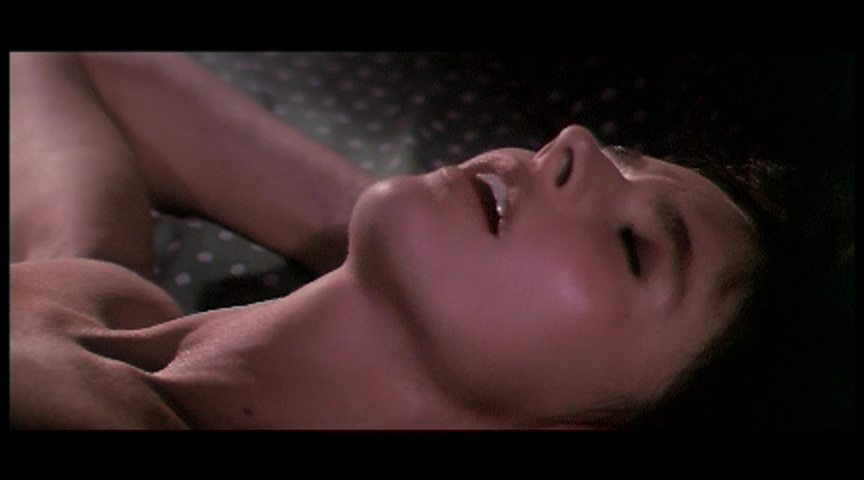
 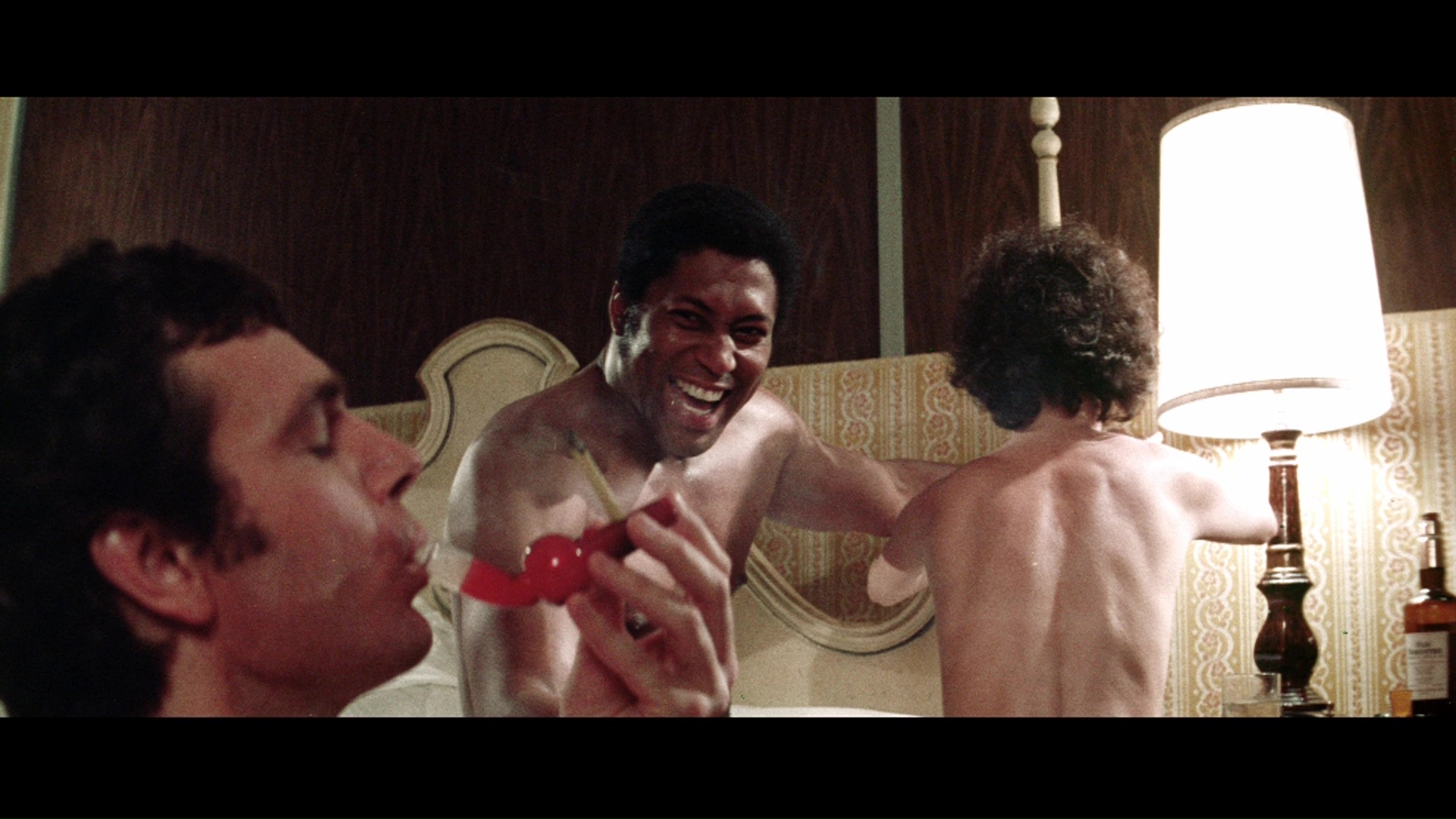 in violent, bloody fantasies, culminating later in a kinky dream (or not...?) in which she indulges in a drug-induced muscle man three way culminating in murder. Molly also nurses an unhealthy fixation with television celebrities and, at a beach side party, meets tube actor Billy Batt (late Combat actor Jason) who tells her a somewhat nastier version of the myth behind Boticelli's "The Birth of Venus." Still reeling from vague and disturbing flashbacks involving childhood molestation at her father's hands, Molly finds her tenuous hold on reality slipping, much to the alarm of her boss and sometime lover, bar owner Long John (Chapman). Meanwhile a brutal round of castration murders has the police on the hunt for man-killing "Molly the Mermaid," a name Molly takes literally by having the mythical creature inked onto her flesh.
Though promoted as a sexy horror film complete with poster art featuring a buxom, caped Molly wielding a scythe in one hand and a man's severed head in the
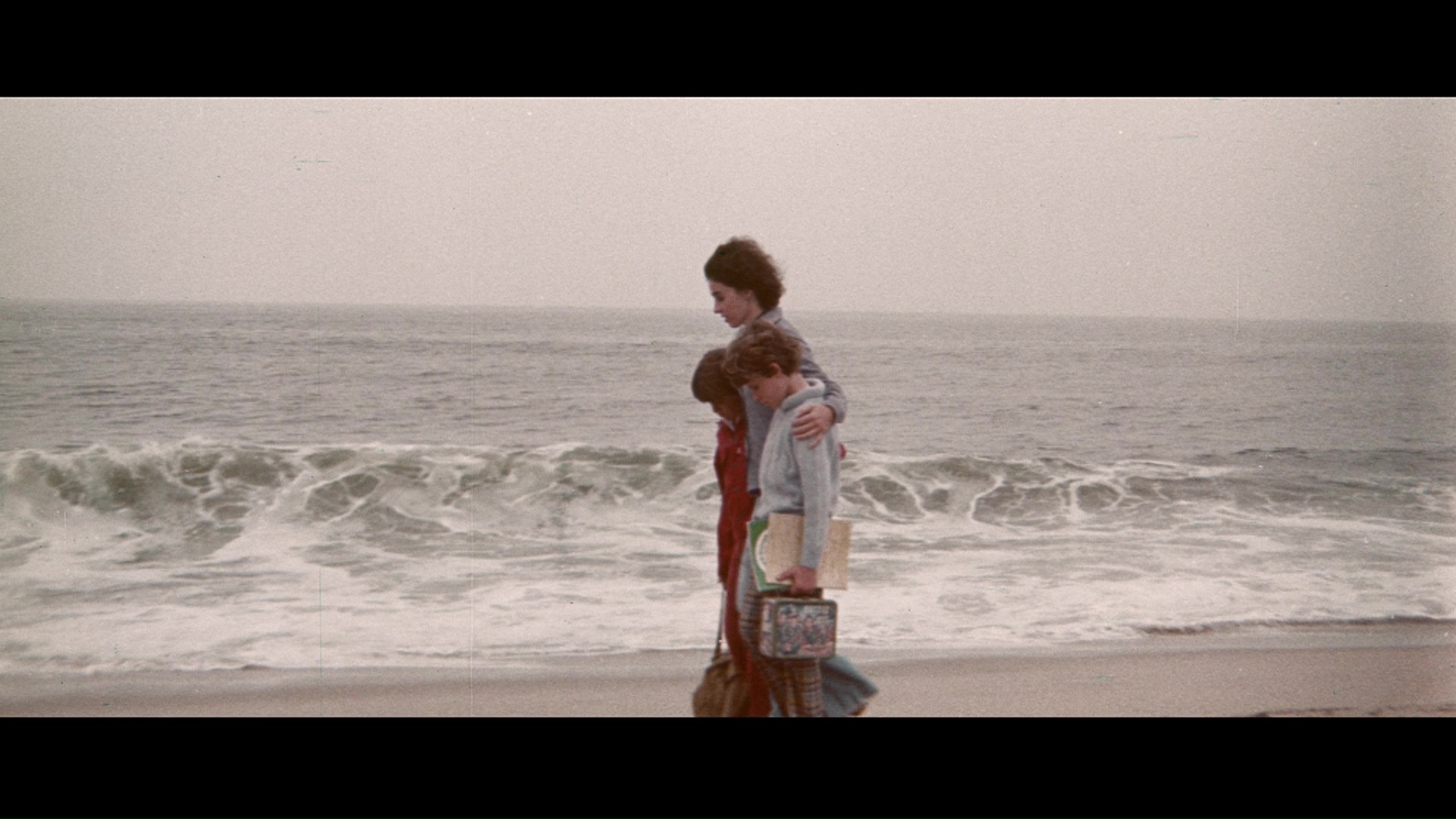 other, The Witch who Came from the Sea doesn't really slip easily into any single genre. Vaguely reminiscent of psychosexual studies like Hitchcock's Marnie, the film is unmistakably the work of screenwriter Robert Thom whose sole directorial venture, Angel, Angel, Down We Go, covers much of the same territory (violent and fetishized celebrity worship, family sexual dysfunction from a daughter's point
 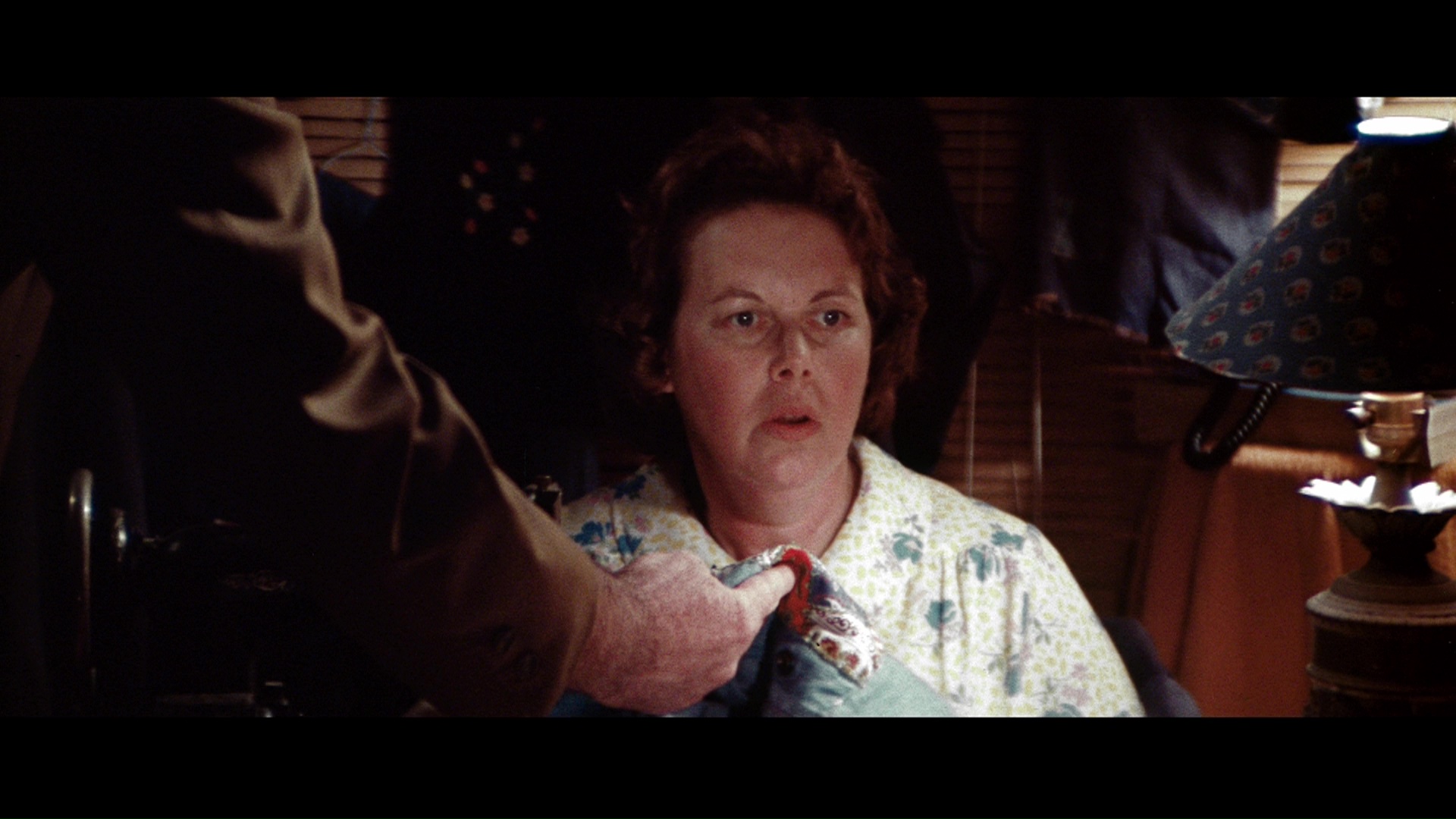 of view, jagged and nonlinear scene construction) in a more decadent Hollywood setting. Thanks to a poetic touch, striking Malibu-shot visuals (courtesy of expert scope cinematographer Dean Cundey in his first major job), and a fine central performance from Perkins, the film avoids sliding into either grindhouse sleaziness or unbearable pretension; its methodical pacing and extreme visuals all feel well-integrated and nicely judged (apart from a few fleeting missteps like the tacky psychedelic effects used for the more intense hallucination passages). Instead of descending into a frenzied bloodbath, the film takes a far more discreet, tragic turn in its final scenes; the haunting closing minutes will disappoint slasher fans but should satisfy anyone willing to contemplate the avalanche of emotional violence throughout the film.
Shot in 1971 but held up from distribution until 1976, The Witch who Came from the Sea was rarely seen in its original widescreen dimensions and only later found anything resembling an audio thanks to its
 short-lived VHS incarnation courtesy of Unicorn, which became a sought-after item among the tape-trading circuit for years. Strangely enough, it also wound up on the UK's original Video Nasty list for some reason - which only helped to bump up its reputation. Subversive's 2004 DVD presentation (taken from the only remaining film elements, according to the packaging) finally preserves the scope framing and alleviates years of pan-and-scan damage (a fact cheekily acknowledged at the beginning of the disc, Night of the Living Dead-style). The audio is presented in the original mono and with
 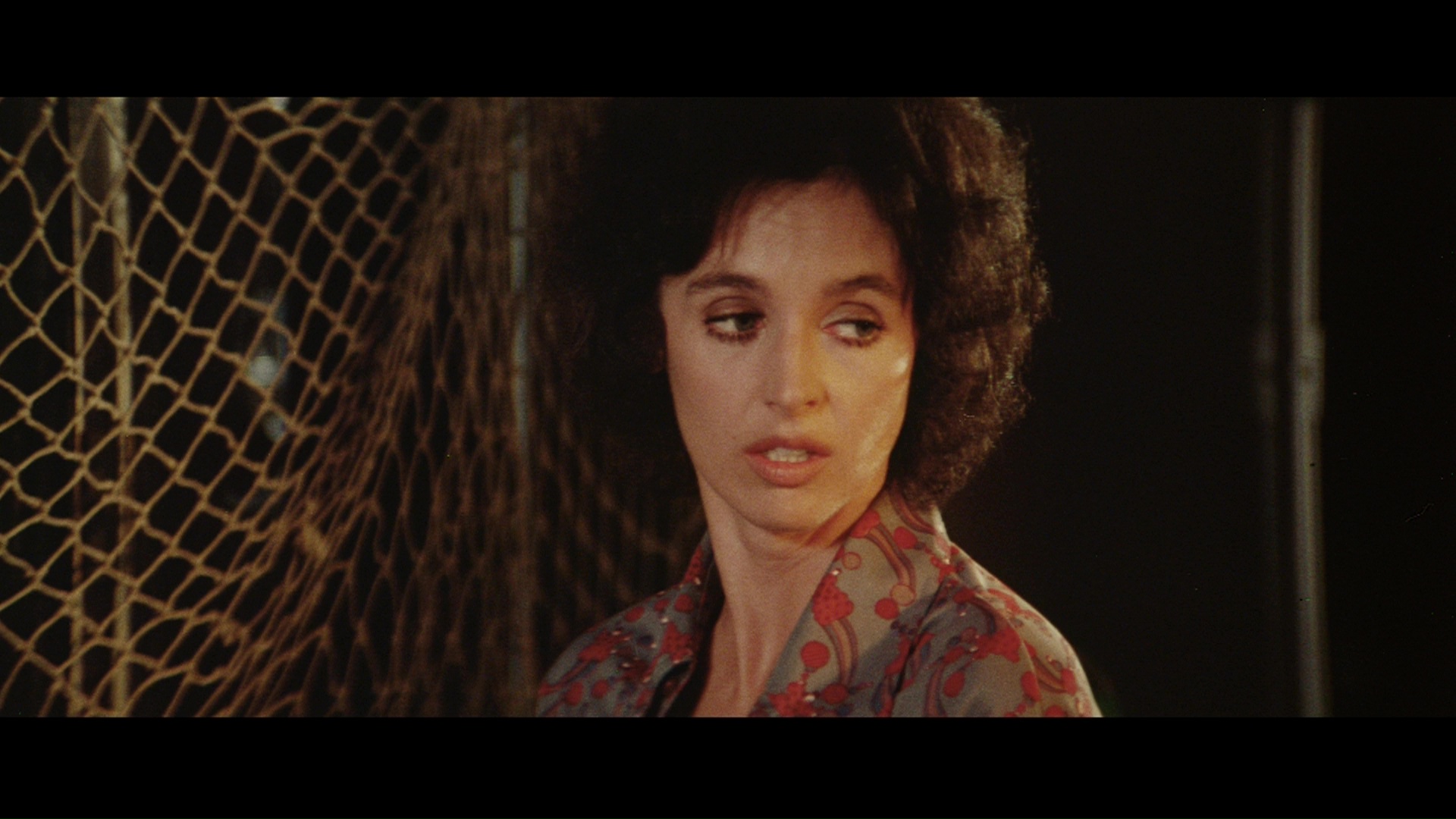 a tweaked two-channel stereo track, which moderately opens up the sound mix but leaves most of the dialogue and sound effects front and center. Though most would never tag this as a potential special edition, Subversive delivers plenty of extras to put this challenging film in context. An audio commentary with Perkins, Cundey, and director Matt Cimber (who also helmed some of the wildest '70s blaxploitation titles) offers a flood of useful information about the film, including Perkins' amusing observation that Thom, whom she was divorcing at the time, "wrote this to get back at me!" Unfortunately the track is a bit muffled and suffers from a distracting echo, so don't plan on listening to all of it in one sitting. All three also appear for a nice 36-minute featurette, "A Maiden's Voyage: Remembering The Witch who Came from the Sea," offering various anecdotes (some related to the film, some a bit off-topic). Perkins' thoughts on drug use and presumed freedom at the time get a lot of play, while Cimber reflects on his own directorial approach (including an amusing analogy between Hundra and Gladiator) and Cundey approaches the project from a purely visual perspective. Other extras include bios for the three participants, a newly-created promo trailer for this film, and trailers for other Subversive releases including Living Hell, Battlefield Baseball, and Gemini. Be warned that the funk music used for the menus and trailer is much louder than the feature, so keep your remote handy!
The 2016 revisit from Arrow
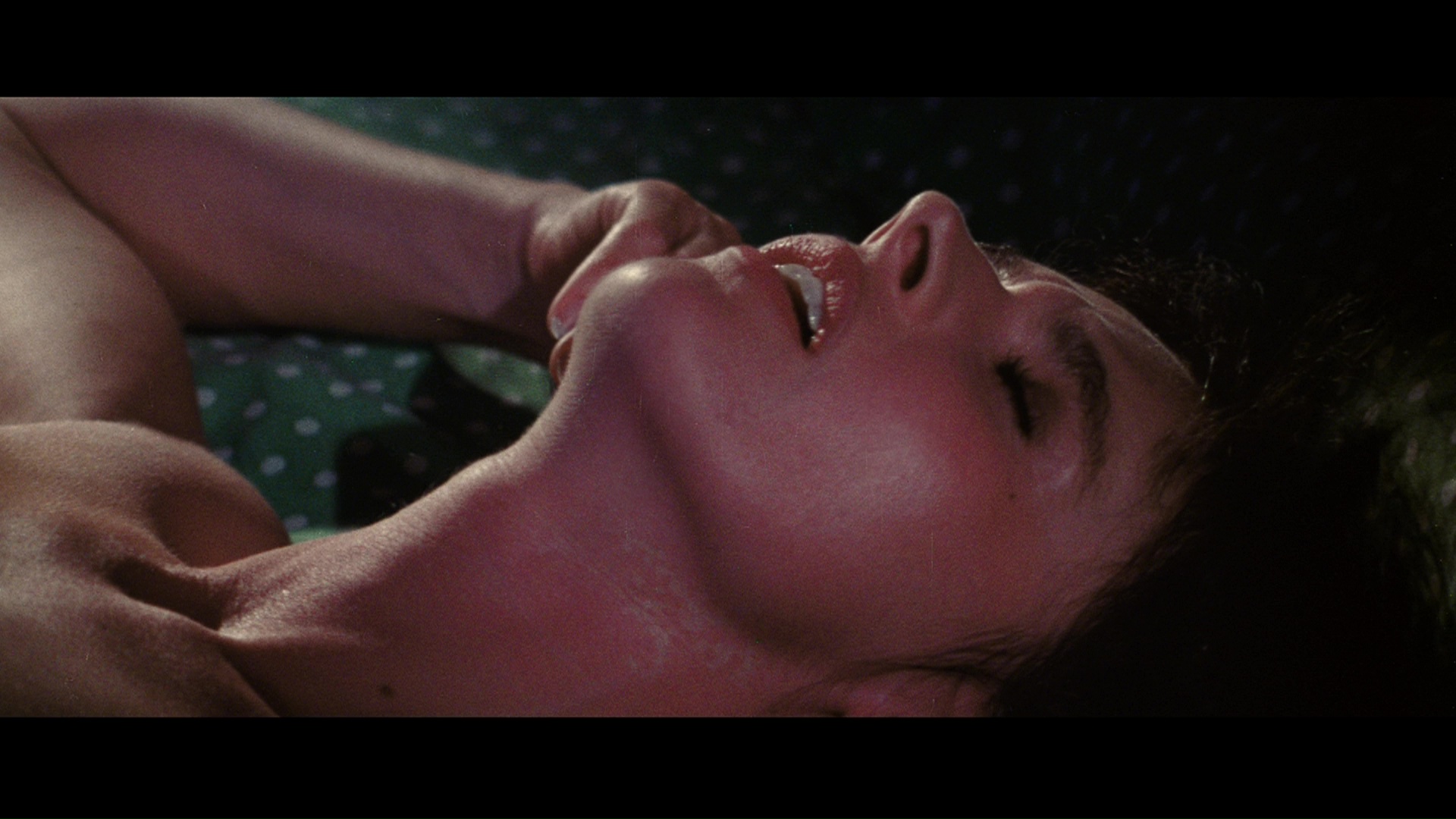 appears to be from the same film element but reveals more image information on three sides and, more significantly, reveals how much extreme video noise reduction was applied to the DVD (which looks incredibly waxy, soft, and flat by comparison). That process may have alleviated some damage marks, but the toll on the image is especially evident compared next to the Arrow transfer which boasts natural film, a tremendous amount of additional visible detail, and a far more pleasing organic appearance overall. There's quite a bit of damage here and there as always, but anyone
  who pined for a better version of the film should be satisfied here. The previous commentary and featurette are carried over here while all three participants (Cimber, Perkins, and Cundey) return along with actor John Goff (who plays her father in the flashbacks) for a new 23-minute featurette, "Tides and Nightmares." This is obviously a more updated take on the film with Perkins in particular having some interesting insight into her thoughts now on a film she initially did for the money and regarded as soft porn. Goff (whose career ranges from getting hooked in The Fog to wallowing in the first two Ilsa films) also recalls getting cast here in a decidedly uncomfortable role. The brief "Lost at Sea" is essentially an extra outtake from the Cimber interview for the prior featurette, running just under 4 minutes as he generally chats about the film's legacy and his thoughts on its odd collision of genres.
Finally we get to the sole PG-rated film in the set, The Premonition, which started out as a straightforward thriller script called The Adoption about a woman striking back at the couple who adopted her child. Thanks to a new supernatural angle added by director Robert Allen Schnitzer and a couple of genuinely unnerving performances, the Jackson, Mississippi production managed to ride the successful
 wave of paranormal thrillers popular at the time including the vaguely similar 1976 novel, Audrey Rose, also about a child caught in a parental struggle with a supernatural twist. In this case we
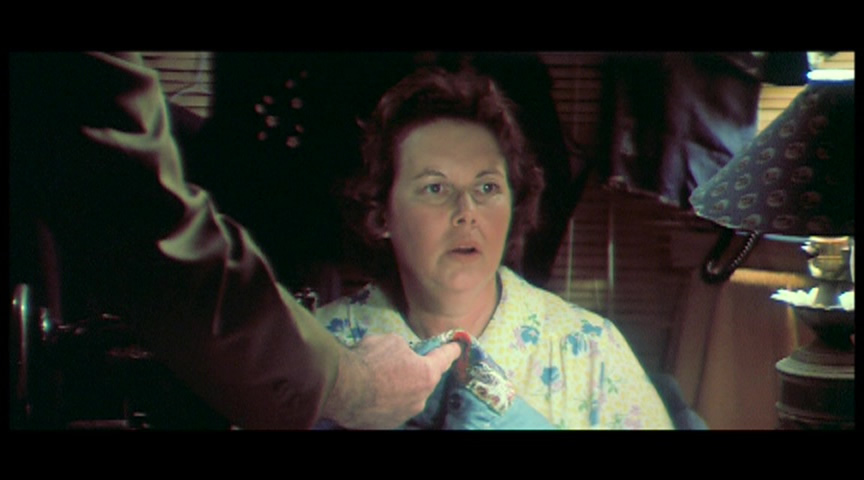
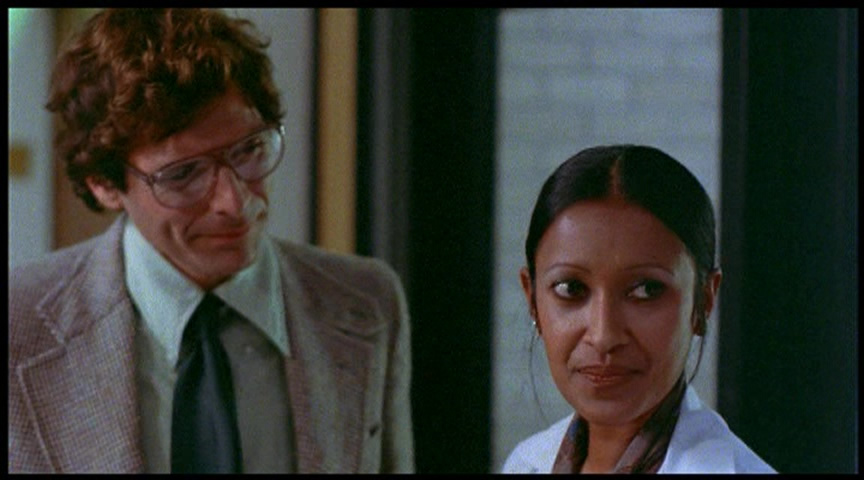
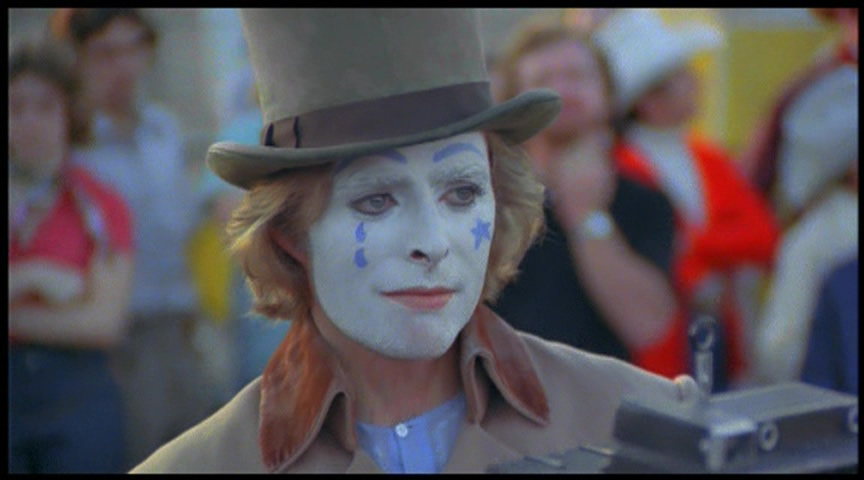
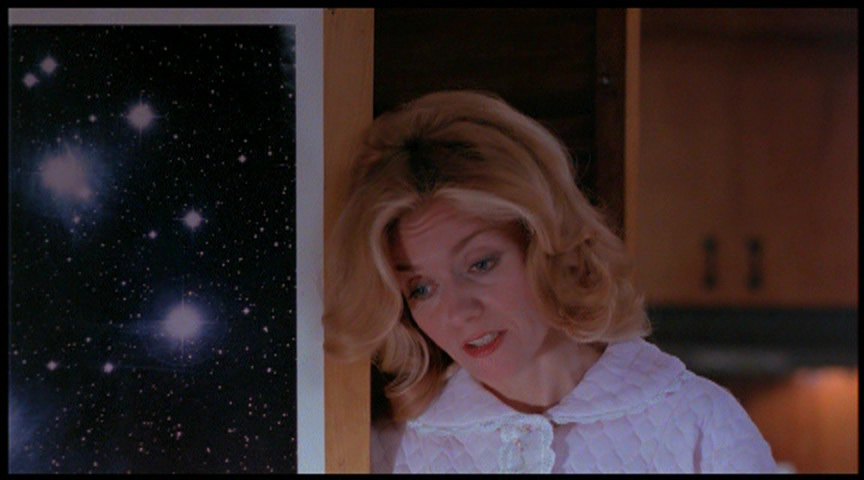
 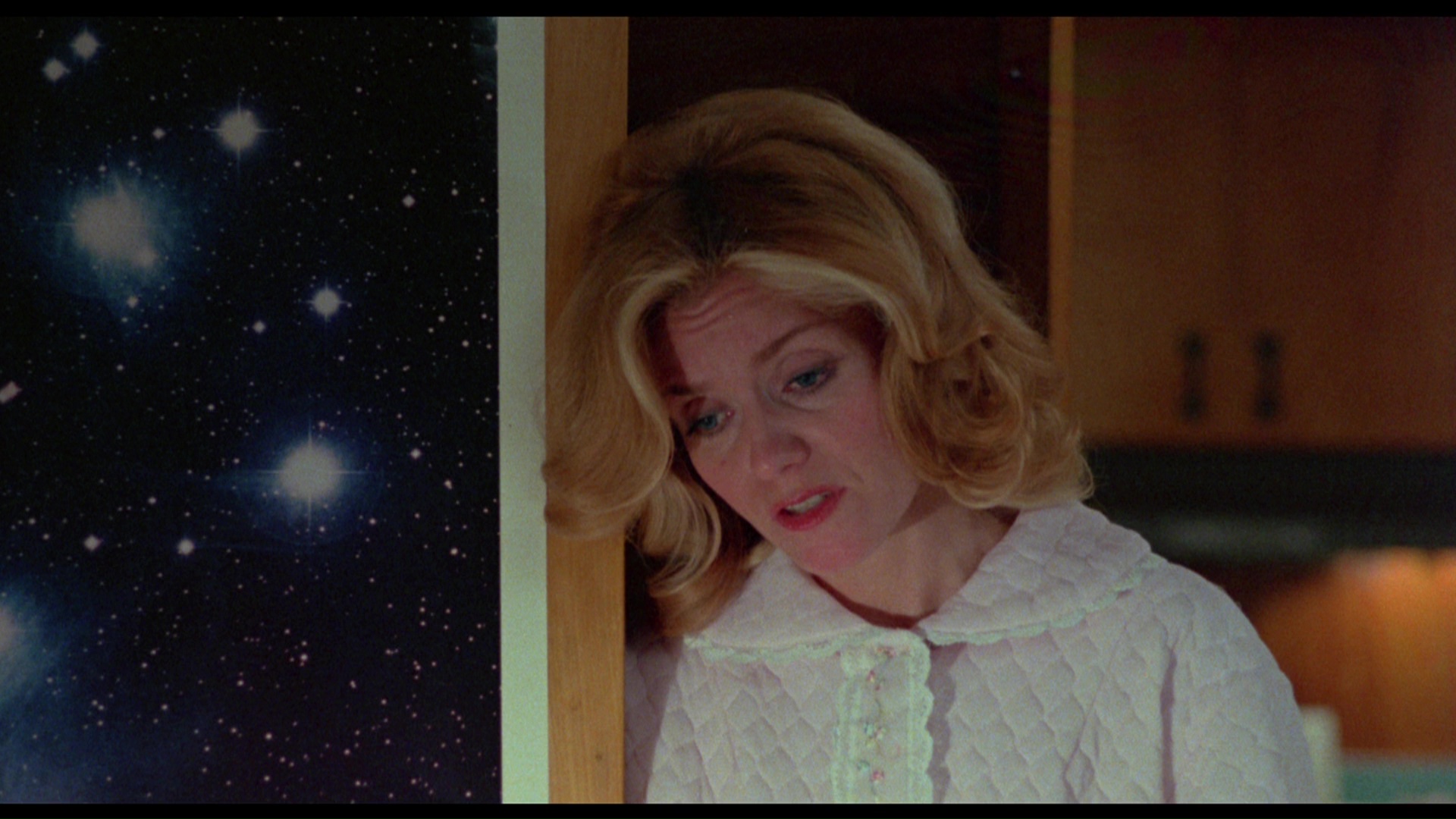 have an unstable woman named Andrea (Barber), who's been released from a mental institution along with a boyfriend she met inside, professional clown Jude (Lynch). The pair have been scouring the area looking for the daughter who was taken away from her by the state, Janie (Brisbois), now living with Miles and Sheri Bennett (Bell and Farrell). Sheri's random psychic premonitions have tipped her off that something terrible is on the horizon, and the fact that Andrea stalks Jamie at the schoolyard and then tries to break into her bedroom in the middle of the night confirms her worst fears. Andrea's deteriorating mental state (including a sudden unnatural attachment to Jamie's stolen doll) triggers a bizarre chian of events that forces the Bennetts to see professional parapsychological help to decode Sheri's visions and save Jamie from a very sinister fate.
It's difficult to imagine a film this ambiguous and difficult to classify playing at major movie chains for weeks, but that's exactly what happened when Avco Embassy rolled this out as a big release. The film didn't earn much of a following at the time, but it's steadily risen in esteem over the years (despite a perplexingly low IMDb rating) and benefits greatly from quirky, memorable performances all around, with the always reliable Lynch (Bad Dreams) making a great main villain and the sadly underemployed Barber tearing it up in a truly frightening, unpredictable role.
The
 most
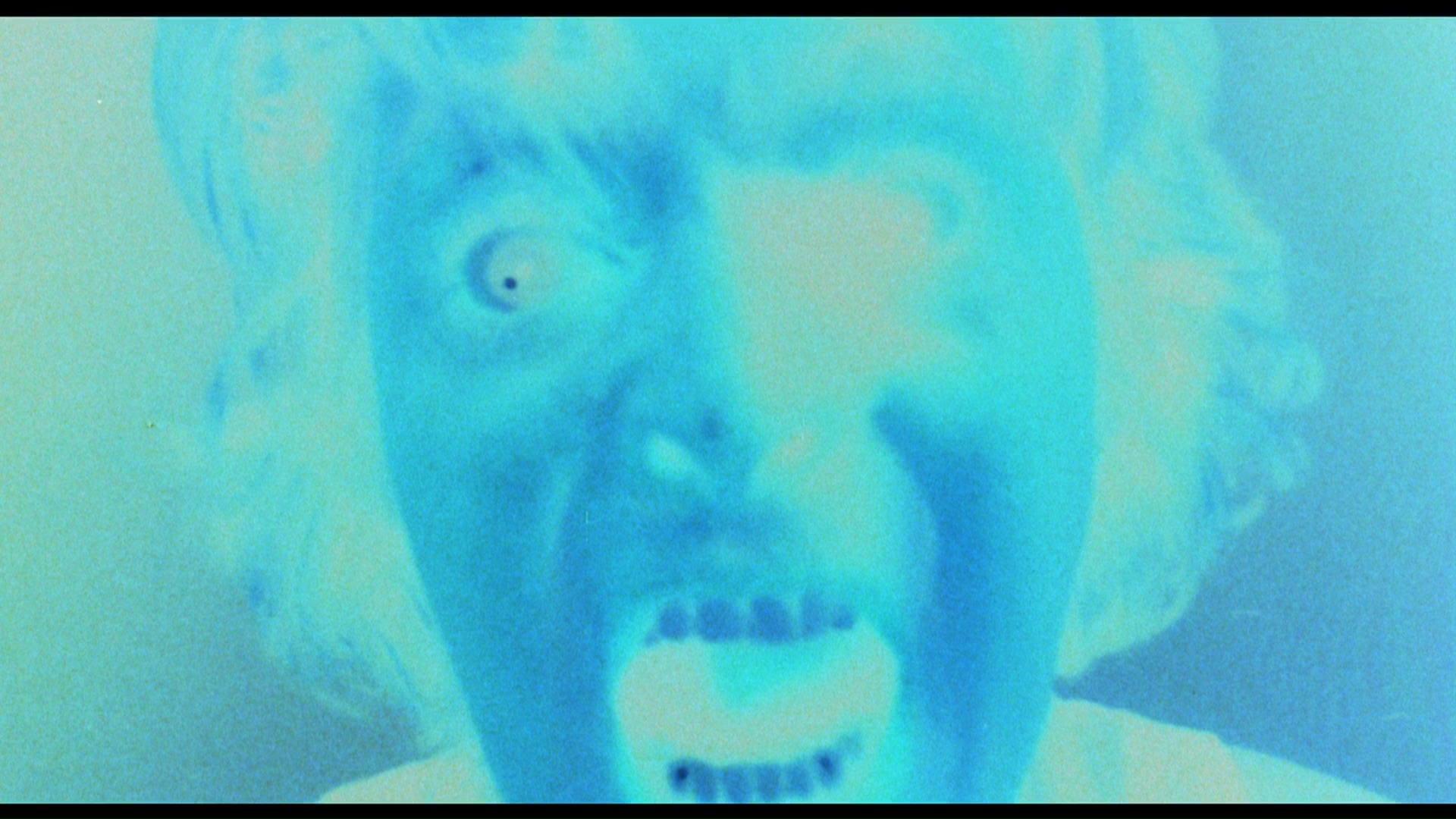
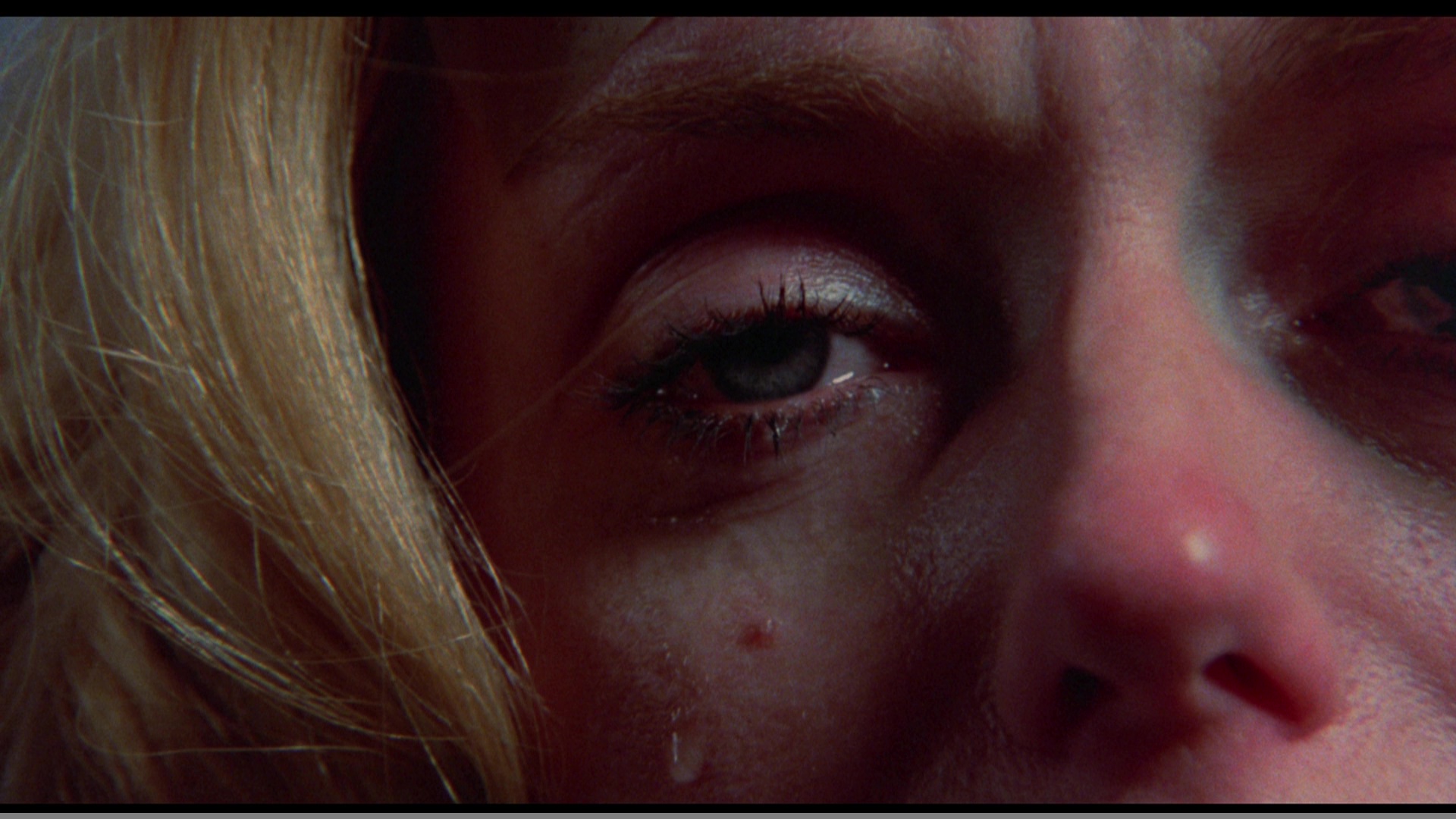
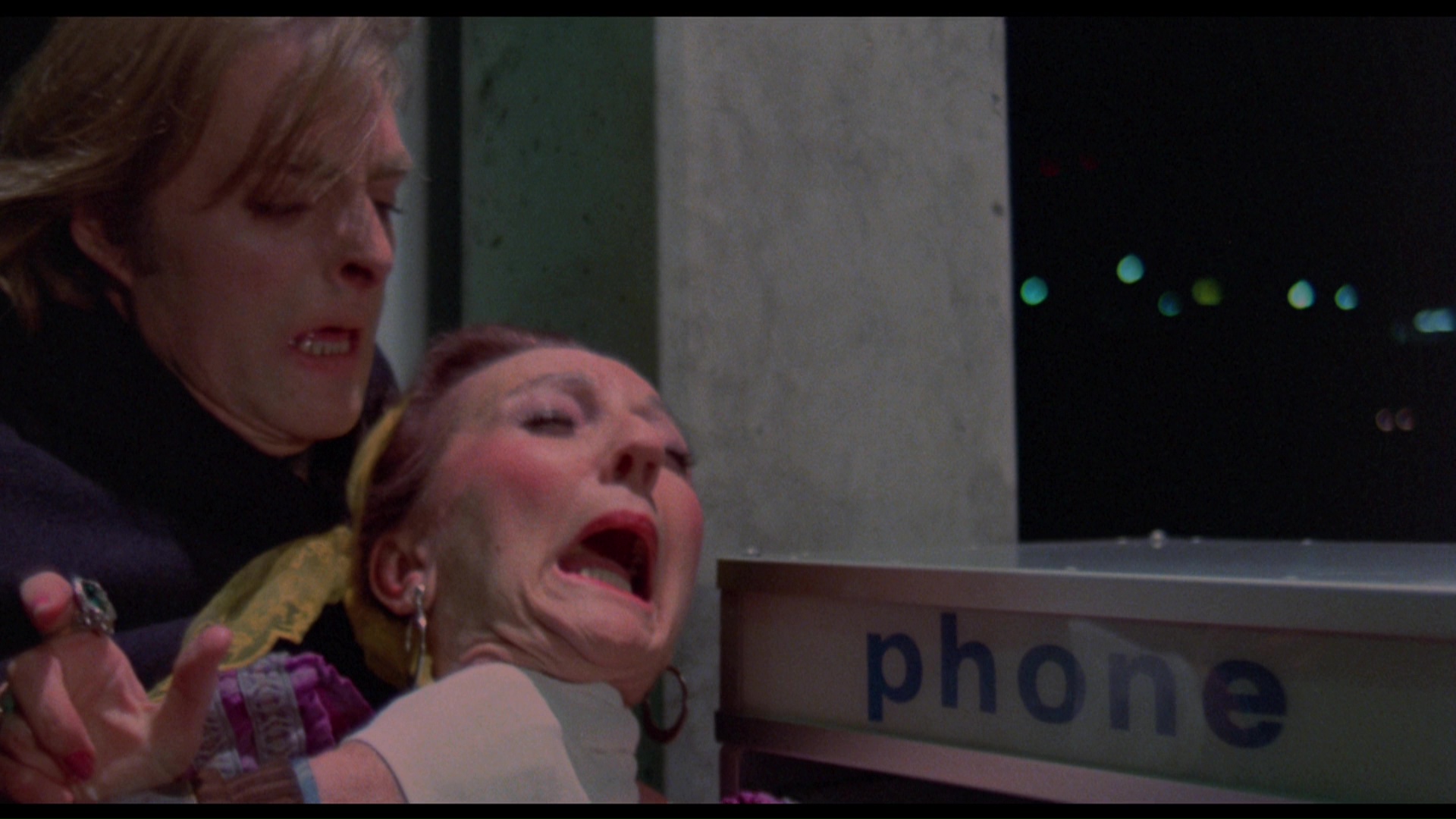
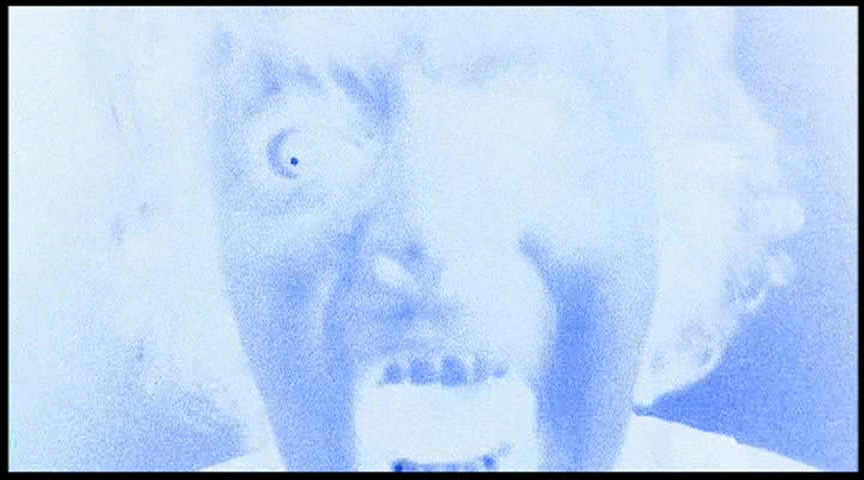
most 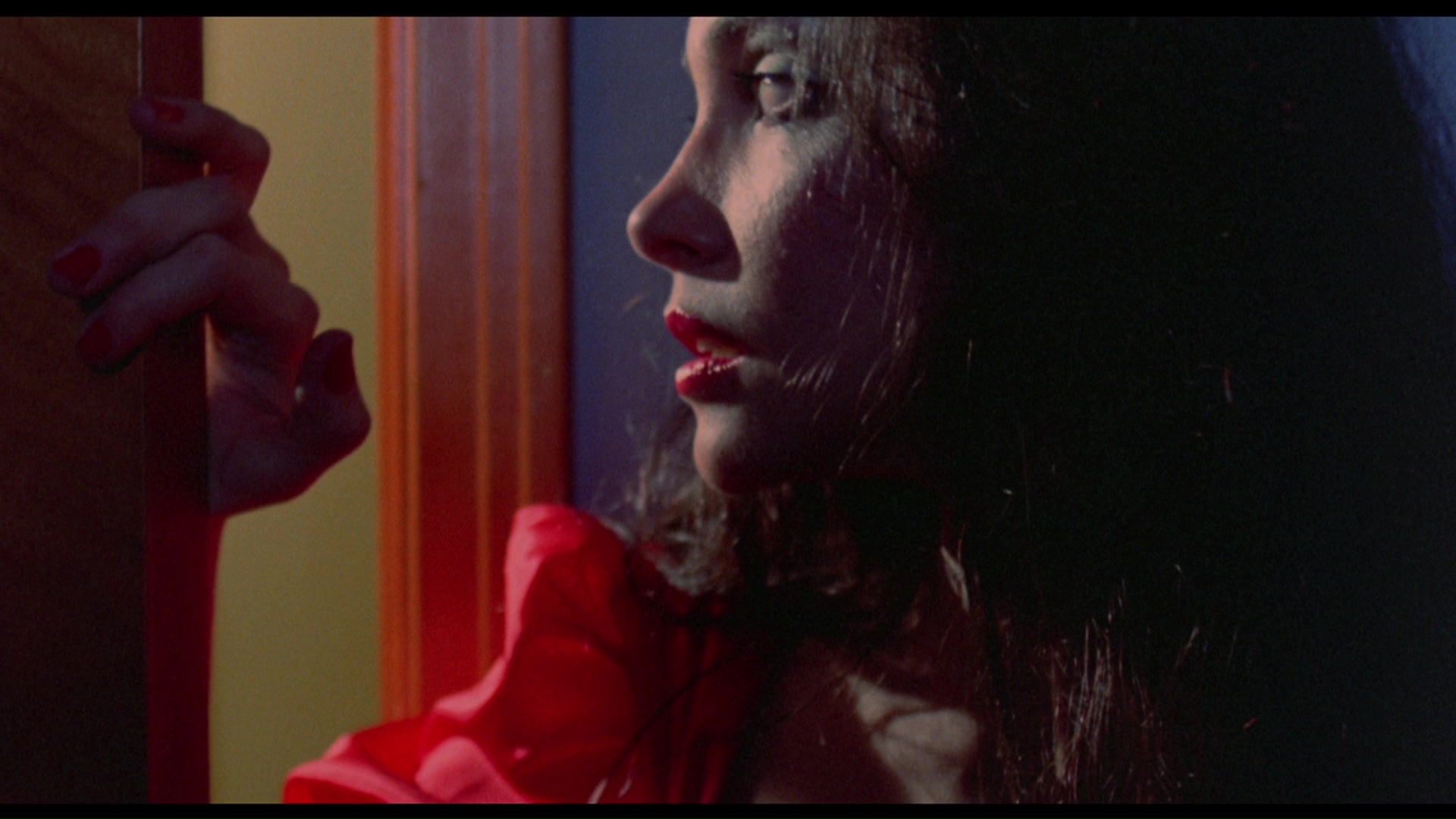 widely available film out of the bunch on home video, The Premonition hit VHS from Embassy in the '80s and made the leap to DVD in 2005 from Media Blasters under its Guilty Pleasures banner. The widescreen transfer was essentially fine for the time (more on that in a moment) with English and Spanish mono tracks plus a reworked 5.1 mix. Extras included a direor's commentary, a photo gallery, the theatrical trailer, over three minutes of TV spots, a 16-minute interview with the late Lynch, a 6-minute interview with Schnitzer, and a batch of bonus trailers (Blood Sisters, Banned, The Oracle, Just Before Dawn). The Arrow release carries over the commentary, trailer, TV spots, and two interviews, while ditching the 5.1 remix in favor of a more faithful LPCM mono version. What's fascinating is how radically different the transfer is, with significantly more image info on the sides (how much seems to vary from reel to reel as this was shot open matte and composed at the telecine operator's whims) with very different, more centered framing in many scenes. The color timing is also different with more natural flesh tones compared to the blown out ones in many scenes on the DVD, and the flashes of Sheri's visions now have stronger tinted hues (like the light blue one in the frame grab on the left) compared to the nearly desaturated ones seen on the DVD. All in all it's a much more satisfying and impressive viewing experience.
You also get some new extras here including the 21-minute featurette "Pictures from a Premonition" featuring Schnitzer, composer Henry Mollicone and cinematographer Victor Milt.
 The process of turning the very
  different script into the film is covered here along with the director's thematic intentions and the emotional moods he wanted to achieve with Mollicone, while Milt discusses some of the then-pricey new camera equipment he got to try out on the film. Also included are some fascinating samples of Schnitzer's early work including a trio of essentially plotless counterculture short films ("Vernal Equinox," "Terminal Point," and "A Rumbling in the Land") and four "peace spots" promoting the movement against the Vietnam War. They're definitely worth watching if you love '60s and early '70s experimental films with tons of wild rock music (including fuzz guitars aplenty), freaky in-camera visual trickery, and in the case of the third film, some galvanizing 1969 protest footage courtesy of the Students for a Democratic Society at New York's Stony Brook University). Bring on volume two!
Reviewed on February 21, 2016.
