Color, 1973, 93 mins. 39 secs. / 90 mins. 6 secs. / 89 mins. 33 secs.
Directed by Sergio Martino
Starring Suzy Kendall, Tina Aumont, Luc Merenda, John Richardson, Roberto Bisacco
Arrow Video (UHD & Blu-ray) (US R0/RA 4K/HD), Shameless Screen Entertainment (Blu-ray & DVD) (UK R0 HD/PAL), Blue Underground (Blu-Ray & DVD) (US R0 HD/NTSC), Alan Young (Italy R2 PAL), X-Rated Kult (Germany Ro PAL), Another World (Sweden R0 PAL), Stomp Visual (Australia R0 PAL) / WS (1.66:1) (16:9), Anchor Bay (US R1 NTSC) / WS (1.78:1) (16:9)
The 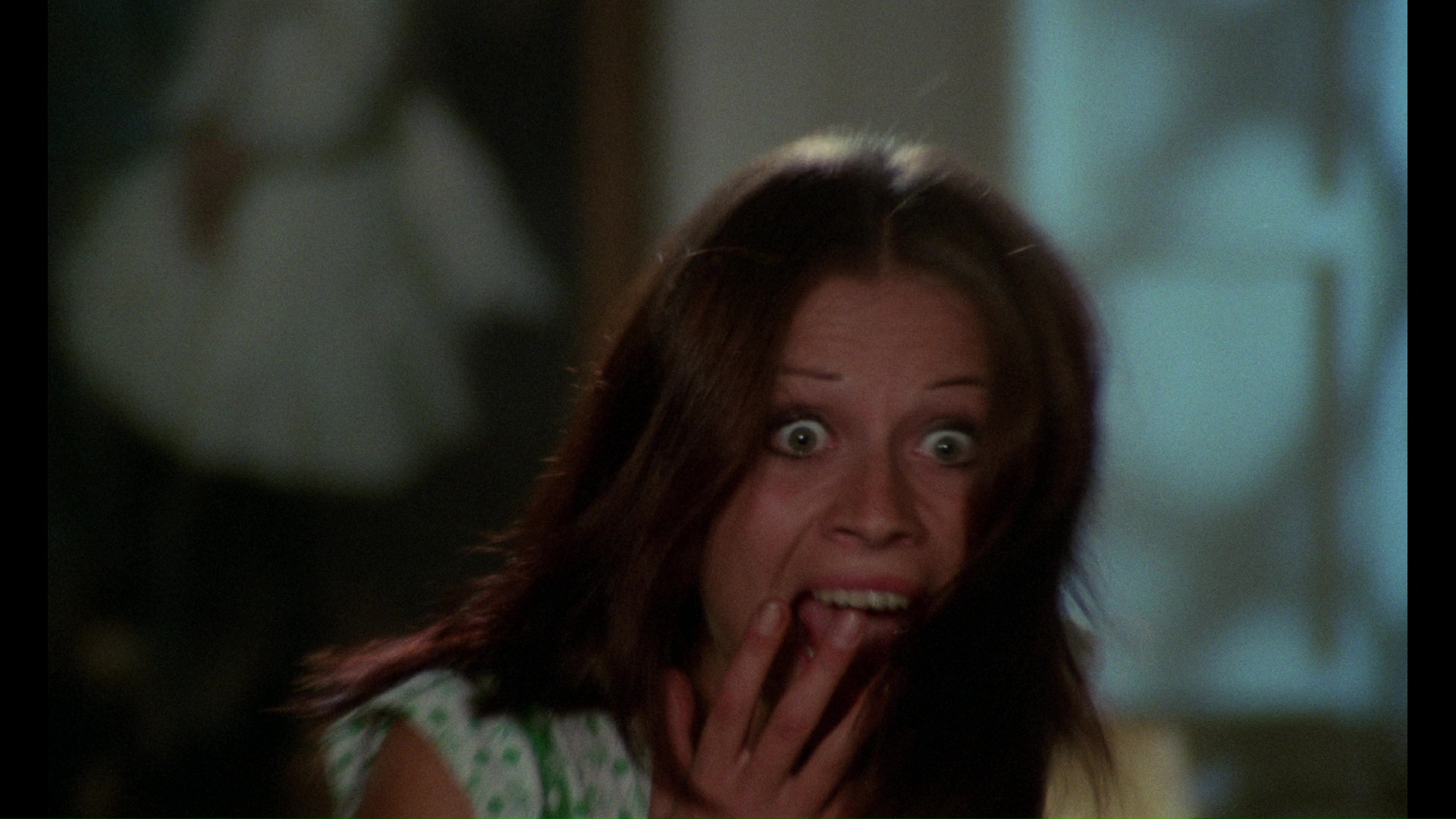 tranquil University of Perugia for international students is rocked by a series of brutal
 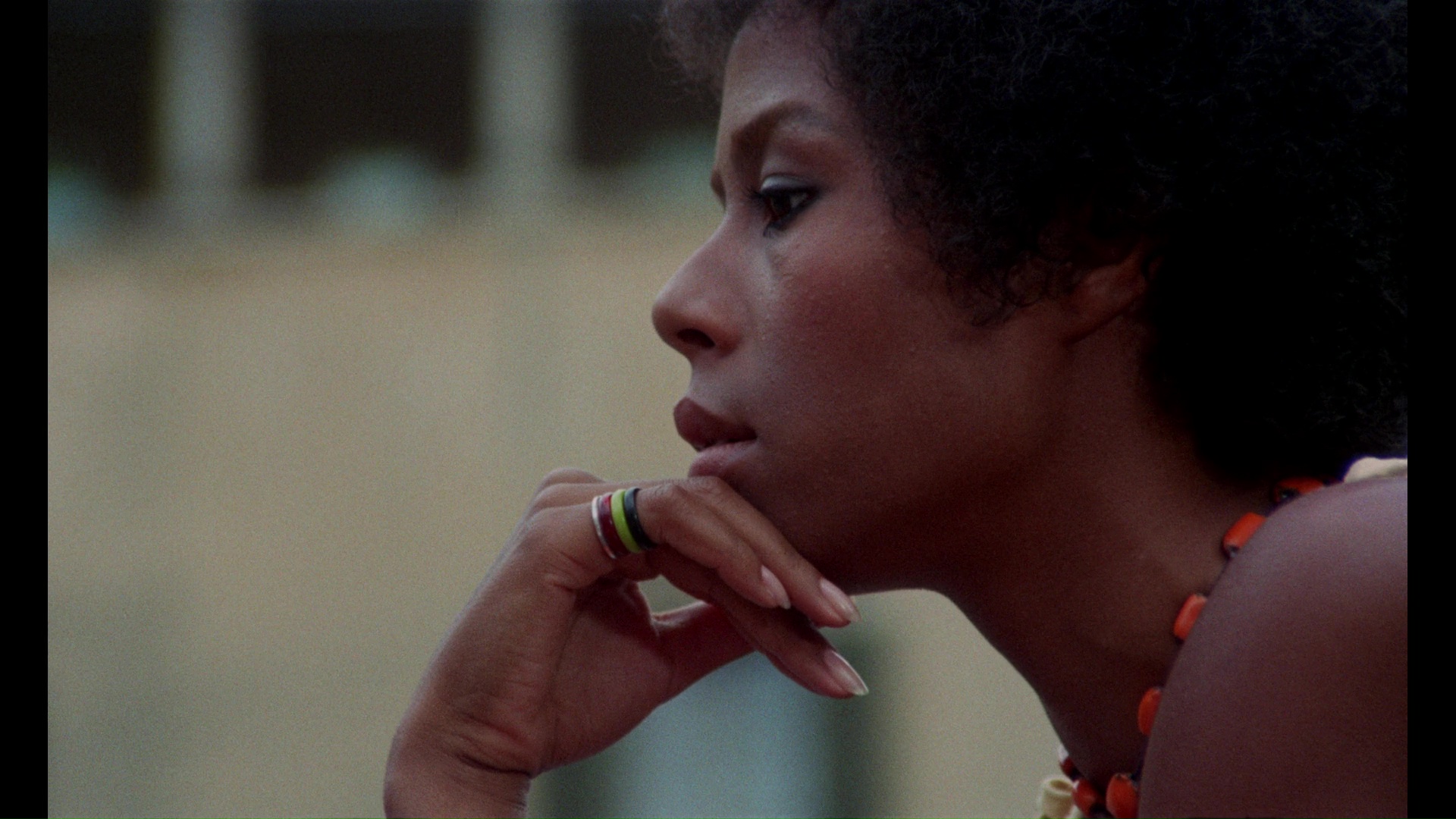 murders in which the female victims have been stripped and mutilated. Daniela (Aumont), a pretty art student, recognizes a red-and-black scarf found on one of the victims... but where did she see it? Meanwhile, a sidewalk peddler believes he knows the killer's identity but is mowed down when he attempts a round of blackmail. Afraid for her life, Daniela retreats to a remote country villa with three of her friends including an English girl, Jane (Kendall). Of course, the savvy killer follows them, ensuring that their little vacation turns into a nightmarish bloodbath.
One of the later pure gialli directed by jack of all trades Sergio Martino and easily his most influential, Torso was originally shown in Europe under the title The Bodies Bear Traces of Carnal Violence (I corpi presentano tracce di violenza carnale), or just Carnal Violence for short. However, its American title (concocted by distributor Joseph Brenner) ensured its popularity on the drive-in and grindhouse circuit where it played for years hooked up with films like The Texas Chainsaw Massacre. Not surprisingly, the film lost over three minutes of gore and dialogue outside of Europe, and after years of cut prints and video editions, the digital era finally ushered in restorations of varying degrees of success.
A perfect example of the necessary elements for a commercial European horror film, Torso throws in every convention of the thrillers perfected by Martino and mixes them with the more recent slasher and sexploitation trends. A veteran of Dario Argento's The Bird with the Crystal Plumage, Kendall once again makes a terrific scream queen; her cat and mouse showdown with the killer, which comprises the entire final third of the film(!), is not easily forgotten, and her struggle to retrieve a pesky key to open an unlocked door never fails to send viewers through the roof. However, the most noteworthy element of Torso is its stunning musical score by the always audacious Guido and Maurizio De Angelis. One of the best musical contributions from Italy in the '70s, this astounding soundtrack mixes sultry jazz, chilling percussive 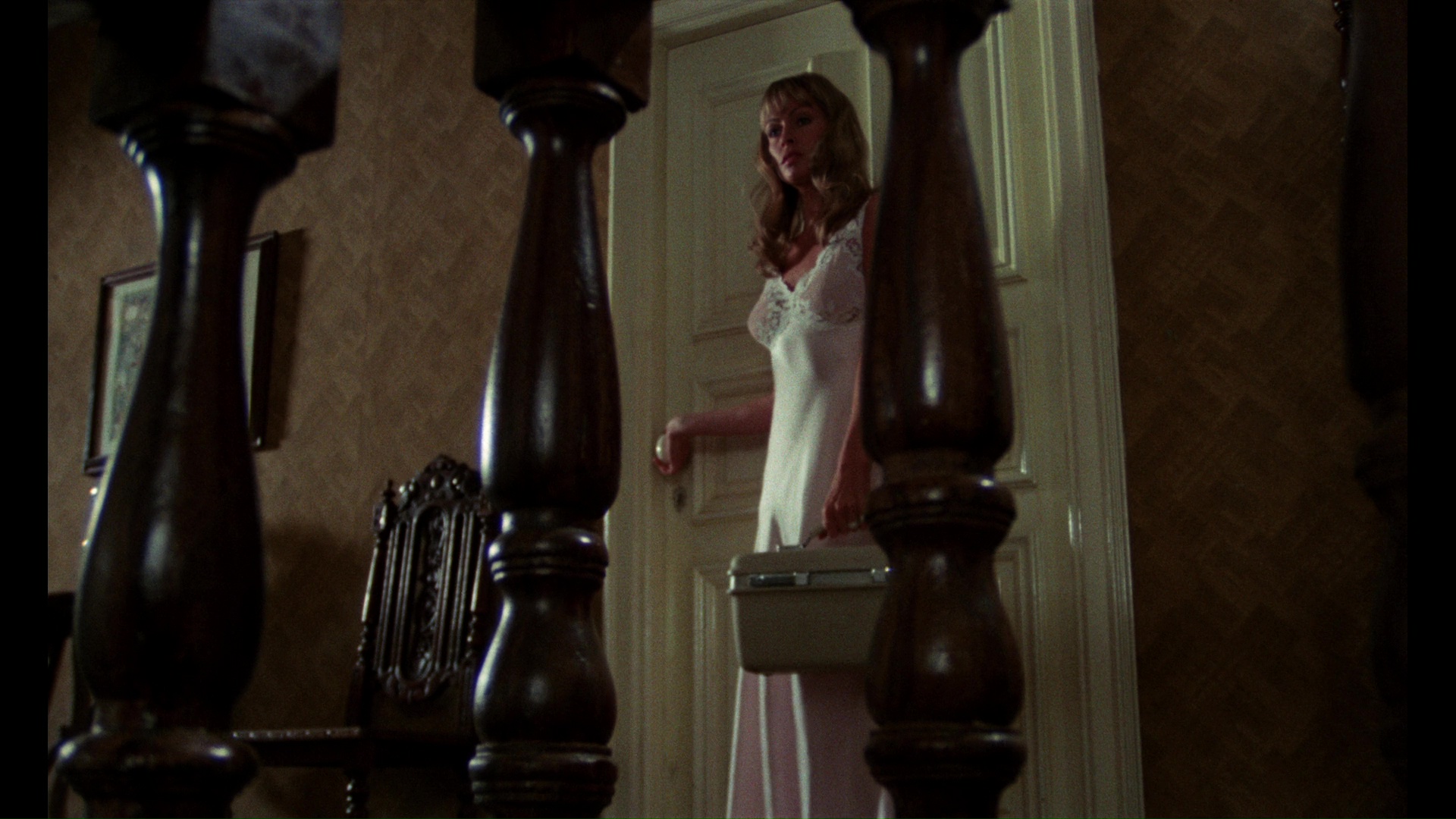 suspense music, and funky folk rock
 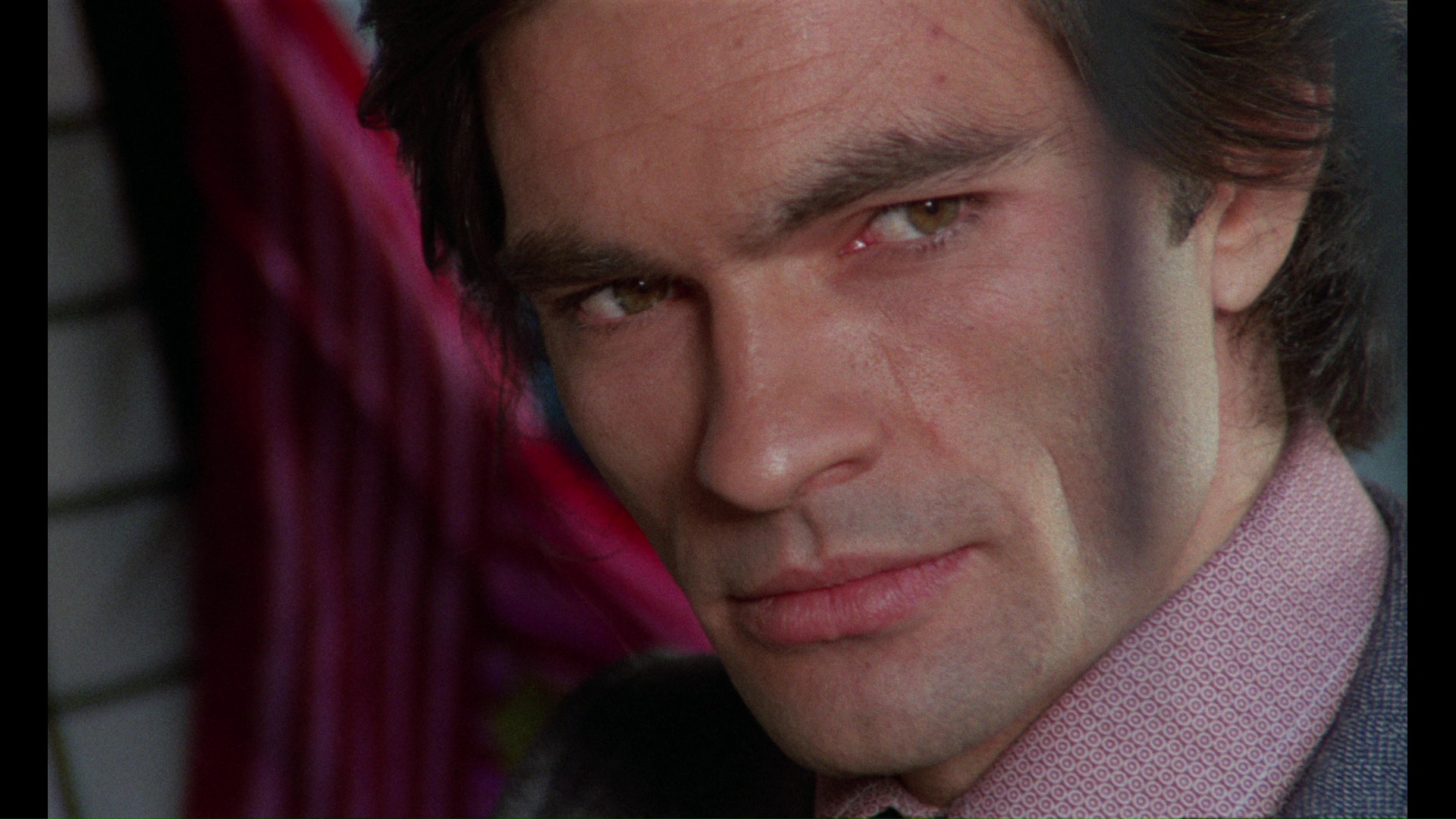 without faltering once. It's still amazing that this remains one of the very few gialli they scored (followed years later by A Blade in the Dark).
As for Martino's direction, this film is considerably more extreme than his previous thrillers, though visually and thematically it still falls in line, particularly with Your Vice Is a Locked Room and Only I Have the Key which features a similar opening sequence of writhing female bodies as well as another "hippie" party with an uninhibited, breast-baring girl dancing while surrounded by a bunch of heathens, in this case some bikers and dope-smoking college students(!). The schizophrenic structure of the film essentially plays like a Martino greatest hits collection, dolloping on the gratuitous T&A and rapid succession of murders in the first half before switching gears into a more psychological, tension-packed, single-location nail-biters with Kendall taking center stage (like Edwige Fenech in his previous films). At first the presence of Italian heartthrob Merenda as a local doctor seems extraneous, but he finally becomes a key player in the finale (especially in the longer European version). Horror fans may also be amused to note that this was made just before Bob Clark's Black Christmas with which this shares some very interesting structural and visual similarities, particularly during their respective climactic showdown scenes.
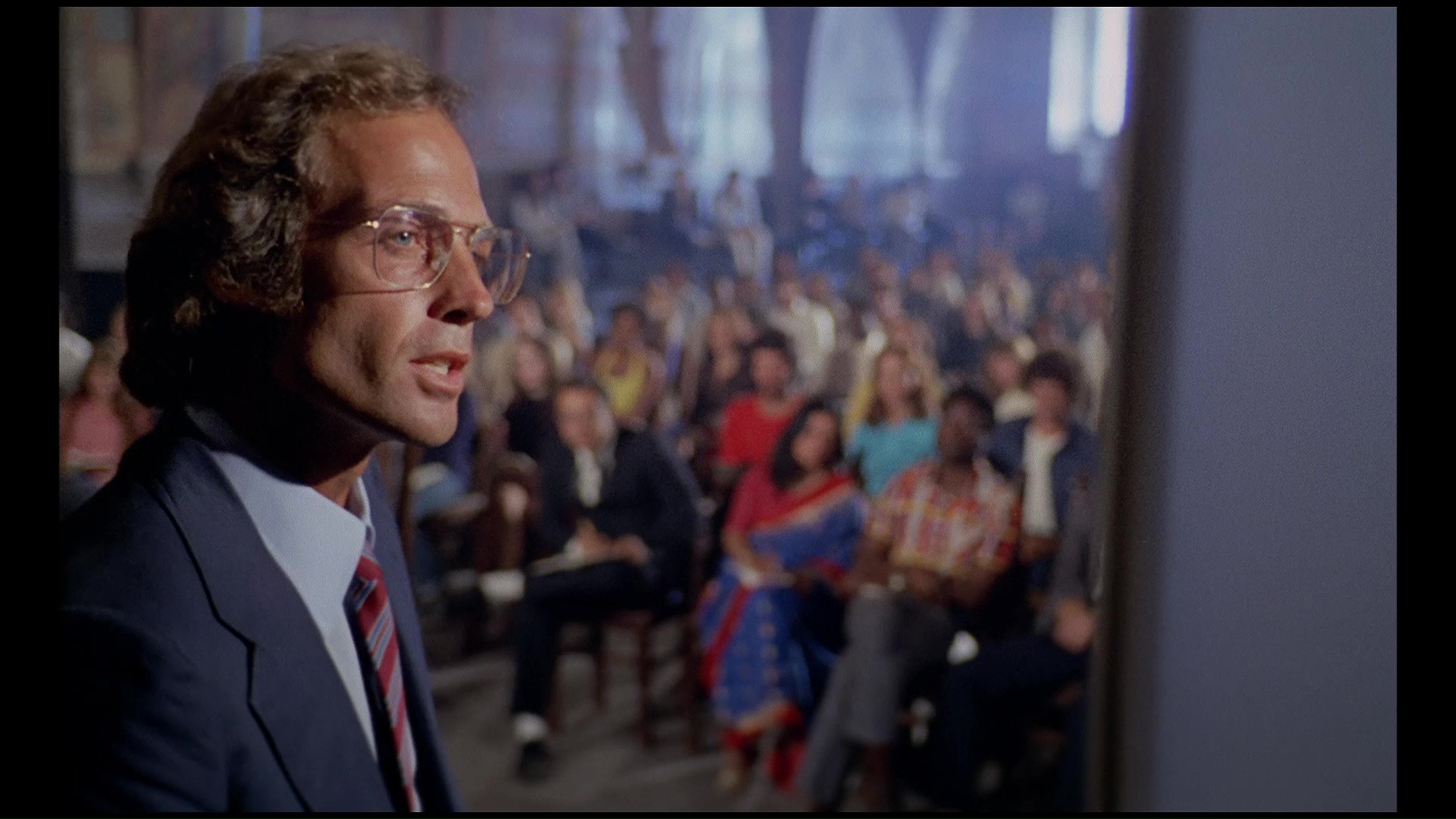
The U.S. version of Torso altered the entire, nudity-filled credits sequence and the original music theme, but fortunately the European cut presented in every post-VHS home video version preserves this film in its original sleaze-soaked glory. The first DVD of Torso from Anchor Bay was a revelation for the time; the colors looked crisp and vibrant compared to the awful bootlegs floating around, and the level of detail visible in the anamorphic transfer looked fine despite being cropped to 1.78:1 from the original 1.66:1 after the credits. It's worth noting that this print bears a few discrepancies compared to the original Italian prints and seems to have suffered an odd editing snafu. The opening credits feature a replaced title card which turns 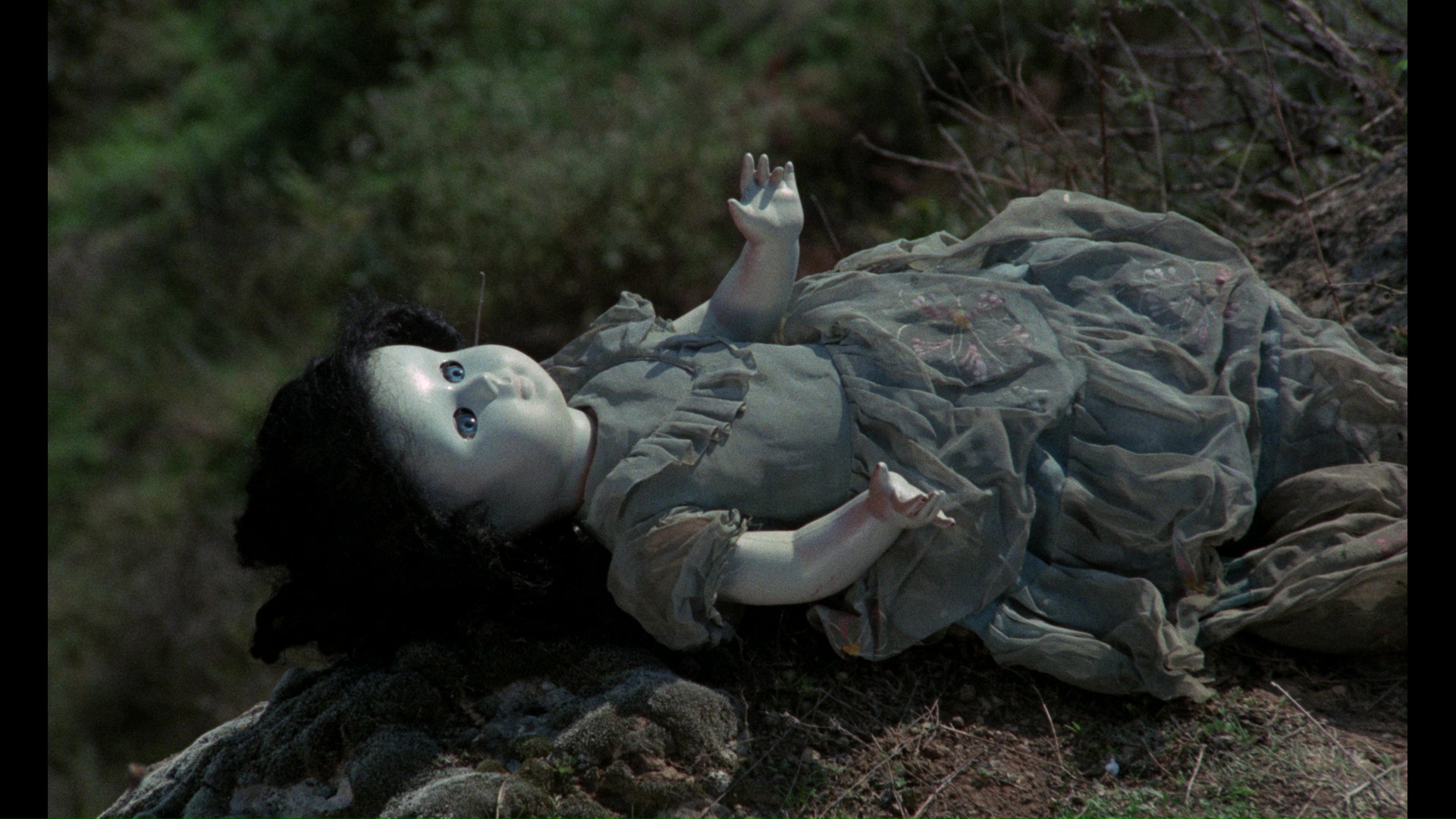 the screen black for a moment, and the soundtrack submerges the opening music to a faint muffle while including an Italian-language lecture on art history which should have played out after the credits ended. The general release Euro prints only contained the music before a retracting camera
  shutter introduced an alternate, close up shot of John Richardson concluding his lecture with the camera panning around the classroom's students, a gallery of upcoming suspects and victims. The occasional restored Italian dialogue (including an old witness talking about spotting a corpse when he went to "take a dump") is presented with optional English subtitles (but no subs for the rest of the film, despite the alternate all-Italian audio track), which also includes an extended off-screen dialogue during the last scene. The additional violence here mainly consists of some prolonged but not remotely explicit body sawing during the villa finale. The disc's menus are accompanied by the film's soundtrack music (in stereo, unlike the botched Digitmovies soundtrack CD), and the lengthy U.S. trailer and a psychedelic European promo (under the shortened title of Carnal Violence) are included for your enjoyment. (Amusingly, the American trailer kicks off by promoting this as being from Carlo Ponti, the maker of Doctor Zhivago and War and Peace!)
While the Anchor Bay disc seemed to satisfy most fans, its imperfections warranted several more trips to the well before someone finally got it completely right. First up was the Italian disc from Alan Young, which featured the original Italian credits, the restored opening sequence, and both the English and Italian audio tracks (with forced Italian subs on the English track, but anyone with a little computer know-how can easily work around that). Extras include the alternate English language opening sequence (but not the American one, contrary to the packaging), an intro by Sergio Martino, and an Italian-only audio commentary. Unfortunately the opening credits are again botched, this time by the replacement of some strange library music instead of the real opening theme. What happened here is anyone's guess, but it makes this disc more of
a curiosity than an essential purchase. The 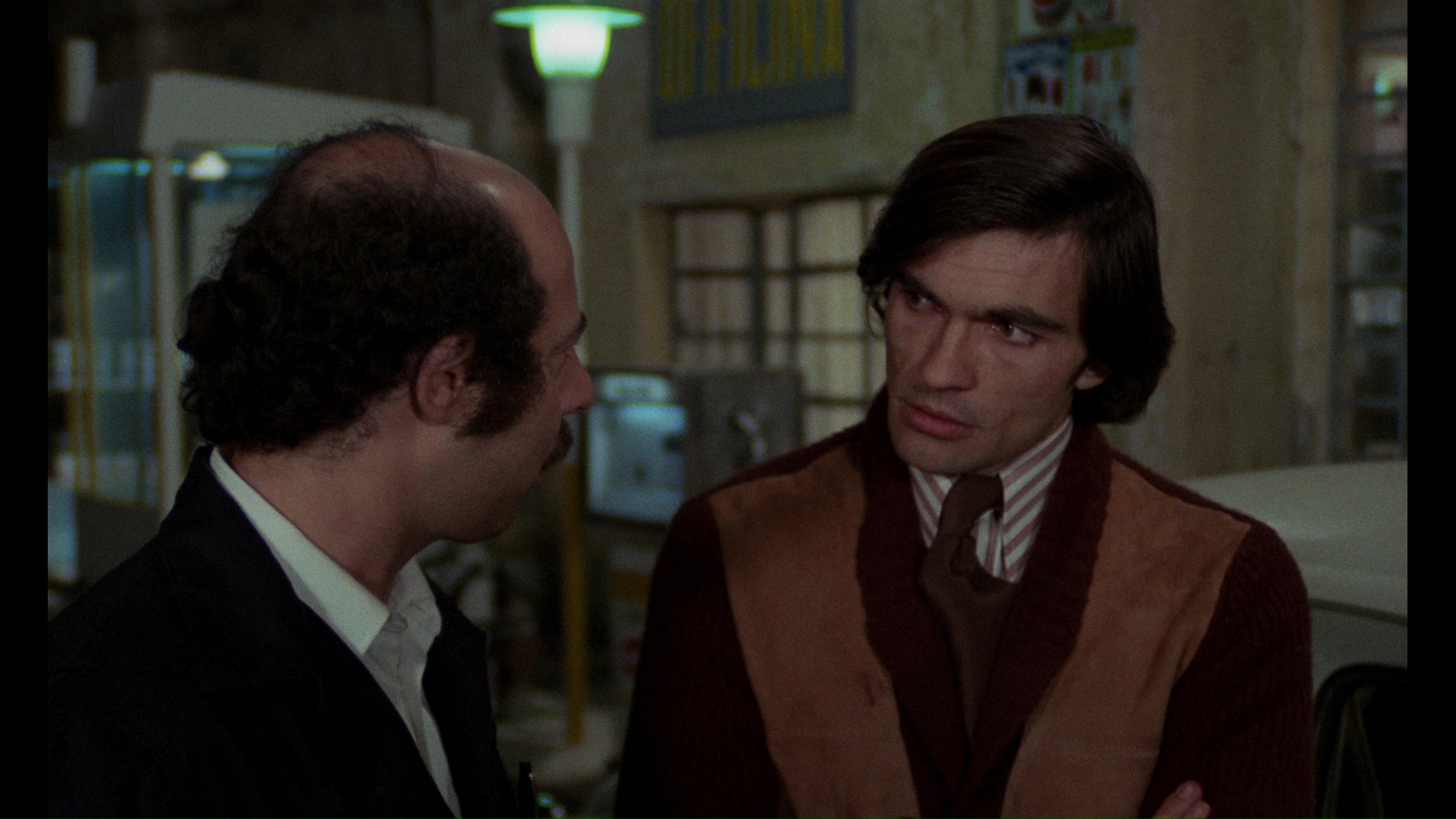 Australian
  edition under the title Carnal Violence looks very good but is missing some of the extra Italian footage as well as some slivers of gore footage, so that one isn't worth the trouble of importing, either. An identical version appeared from X-Rated Kult and then Another World for distribution throughout Europe, using a solid anamorphic transfer with all of the footage intact, but at least on the player audited here, the Italian scenes had no English subtitles. (However, the disc does include subtitles in Norwegian, Danish, Swedish and Finnish); it also includes the alternate opening sequences, the German trailer, the US closing credits, and a text interview with Martino. Finally, apart from a Blue Underground DVD port of the same Anchor Bay disc, we get to the last one out of the gate in standard def from Shameless, the cheeky UK outfit devoted to releasing uncensored Euro releases with unbelievably foul taglines on the cover (in this case, "Where Whores Meet Saws" -- never mind that the only prostitute in this movie doesn't die). Though it only includes the European trailer, this one is the best standard def option as it has the full opening scene and contains all of the extra Italian dialogue with English subtitles. Weirdly, some of the concluding dialogue between Kendall and Merenda is presented here in English for the first time (a nice little rescue). The only downside is that, as with the Aussie and European releases, there are three points in the music soundtrack where the music warbles rather badly, most noticeably as the closing credits begin to roll. You'd think that would be an easy fix, but it's been repeated on almost every release.
That brings us to the film's inevitable move to Blu-ray in 2011 from Blue Underground, with a fresh transfer from the original negative. Though more digital-noisy in spots than preferable, the result is much more detailed and film-like than another of their Carlo Ponti releases timed to coincide with this one, The 10th Victim. In fact, this was one of their sharper Italian titles to that point with much more vibrant colors than we've seen before which give the film more of a stylish flair than previously suspected. The 1.66:1 framing reveals more spacious compositions compared to the Anchor Bay disc, obviously, and compared to the prior Shameless transfer (probably the most accurate one in standard def), it adds a very slight amount of information at the top while losing a little sliver on the left side; both looks compositionally correct though. The blue color timing of the night stalking scenes is also dead on, and the English dialogue is presented in DTS-HD mono as completely as any of the other previous versions combined. The complete Italian track is also 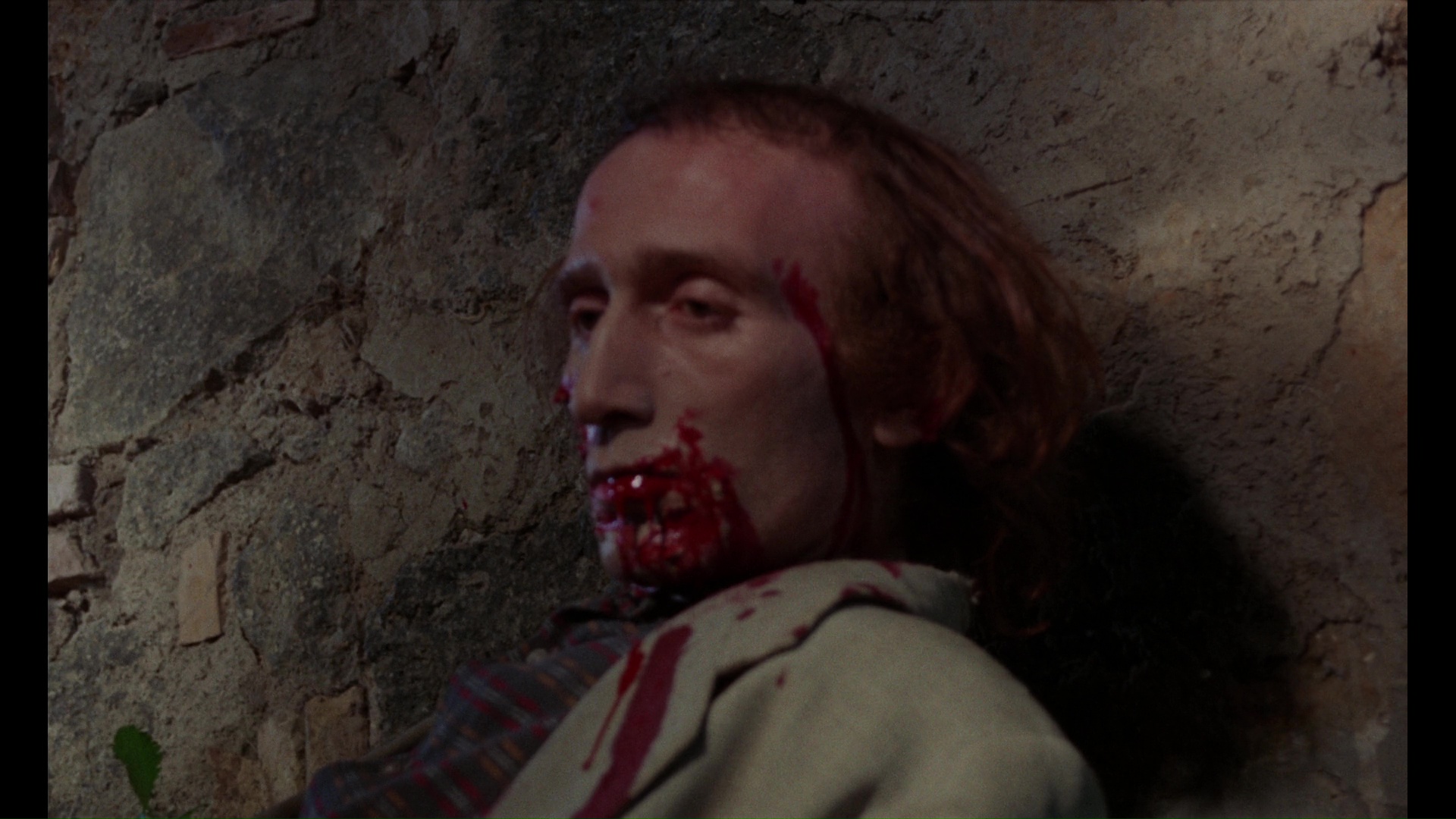 included (DTS-HD mono as well) with optional English subtitles (or French and Spanish), and it contains a few interesting snippets of additional dialogue including two
  extra lines spoken just before the end credits roll. (It's easy to figure out why that was snipped by most distributors though.) The film can be played in either its "uncensored English version" (which, similar to their presentation of Deep Red, includes all of the gore but drops the Italian-only dialogue scenes) or the complete European cut in English or Italian, with the brief Italian-only scenes presented with optional subs. Some fans prefer the shorter cut as it trims away a couple of minutes of narrative fat, but the difference isn't huge either way. Though not mentioned anywhere on the packaging, all of the view options precede the film with a video intro by Eli Roth, a fan of the film who tends to program it often and explains why he thinks it's Martino's masterpiece in the genre. (That's debatable considering the excellence of his Edwige Fenech thriller cycle, but it's a valid enough argument.) Extras include the usual American and European trailers (the latter in both its English-language and Italian variants), TV spots, a radio spot, a poster and still gallery,and the actual Joseph Brenner titles from a very battered American print complete with that fantastic KPM library track ("Hippy" by Alan Parker) also heard in the US trailer. Best of all is a new video interview with Martino entitled "Murders in Perugia," which covers everything from his working relationship with Merenda (they also teamed up for The Violent Professionals and Gambling City) to his commercial approach to horror and thrillers films at that point in his career. A DVD of the English-only version is also available at the same time, including the same promotional material and interview.
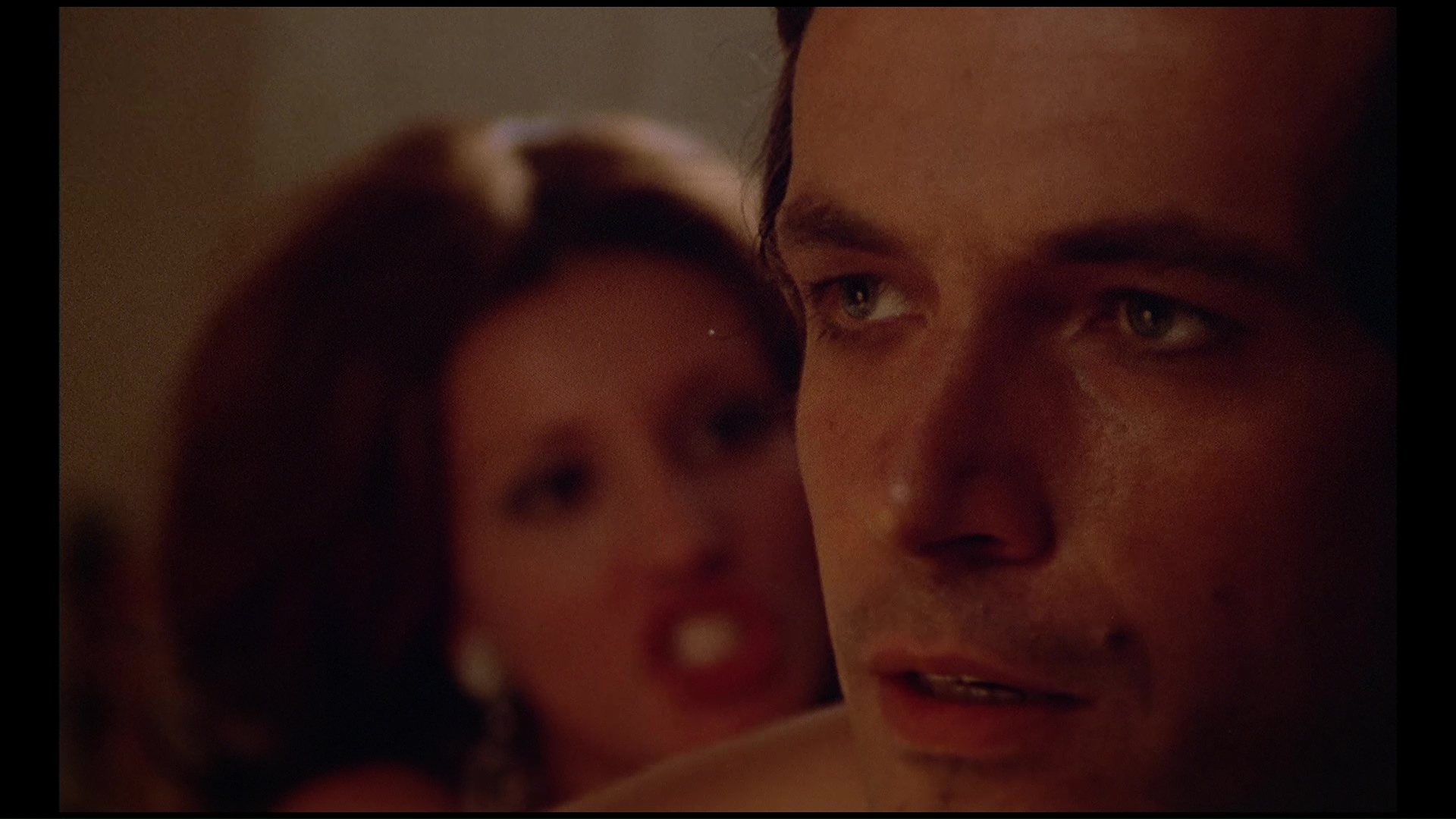
In 2017, Shameless gave the film its jump to HD in the UK with a Blu-ray release that touts itself as being the longest release to date. That's true in that, like the extended Italian cut on the Blue Underground, it clocks in just shy of 93 minutes and features every shred of footage from the extended Carnal Violence cut. It features the English-language European credits (with a "Torso - Carnal Violence" card slotted in) and English or Italian LPCM options with the Italian-only bits subtitled as usual, or with optional English subs for the Italian track. (As usual, the English track has those tape warble spots in the music.) The transfer appears to be derived from the same scan, with a few vagaries in terms of brightness and color timing. Daylight scenes look a notch brighter, while the forest pursuit is a bit darker and bluer. (Images seen in the body of this review are from the Shameless, with Blue Underground ones at the bottom for comparison.) The sole video extra is "Dismembering Torso," a new Martino interview (23m13s), which takes a somewhat different tactic involving a real-life multiple murder that inspired the story, the influence of See No Evil, and his dissatisfaction with the European opening sequence, as well as his intentions for the original title and the last-minute dubbing used to explain the current Italian one. The package comes with reversible packaging featuring the more familiar menaced Kendall design on the back and a very amusing (not to mention highly divisive) retro '80s one on the front.
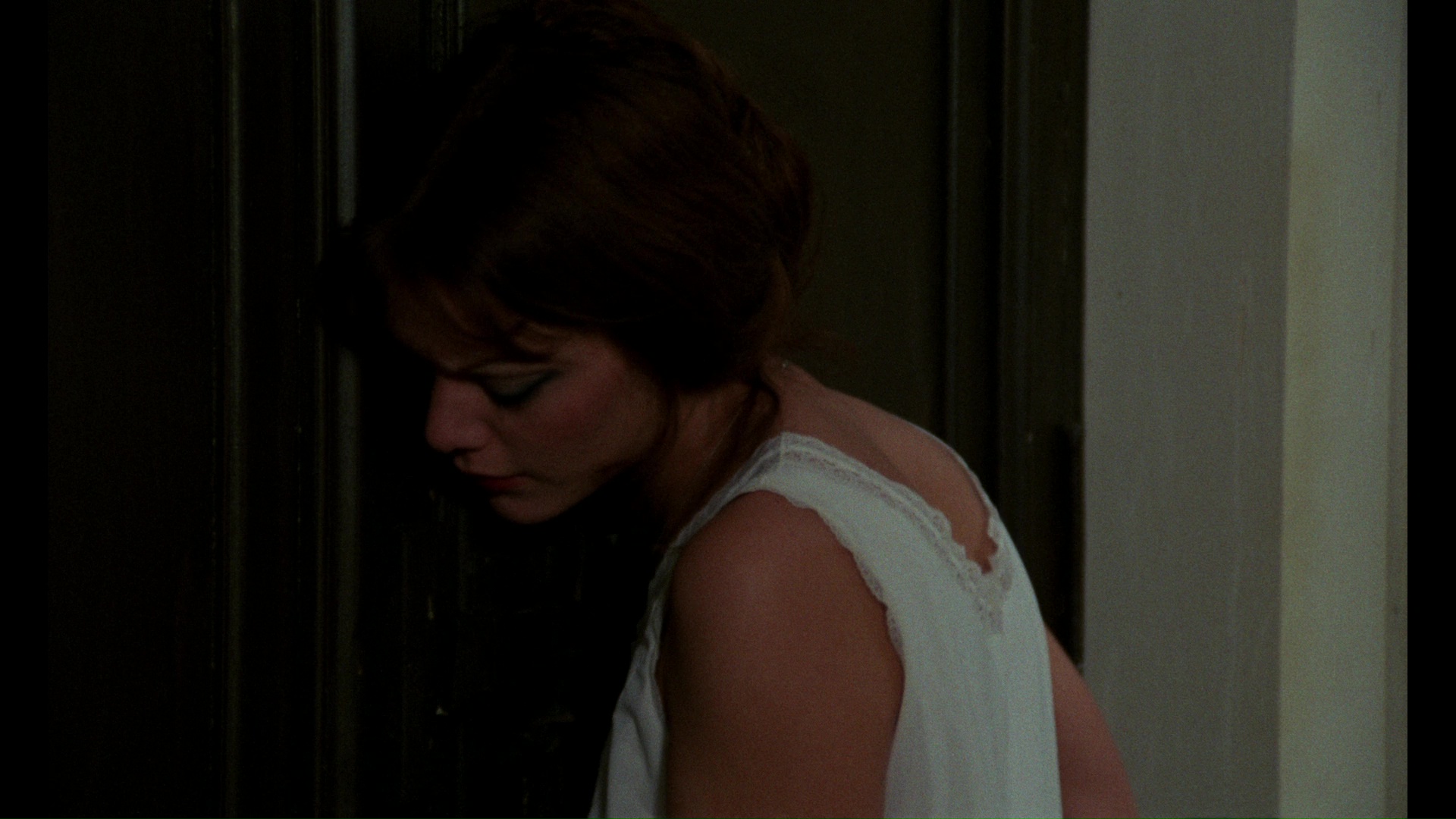
That wasn't the end of the line for Martino's audacious shocker on Blu-ray though. Arrow Video decided to pay it another visit on U.S. disc in 2018, featuring a new 2K scan of the camera negative that thankfully obliterates the scanner noise we've been stuck with for the past several years. It's also darker, has more image info on the sides, and reveals that the earlier transfer had seriously 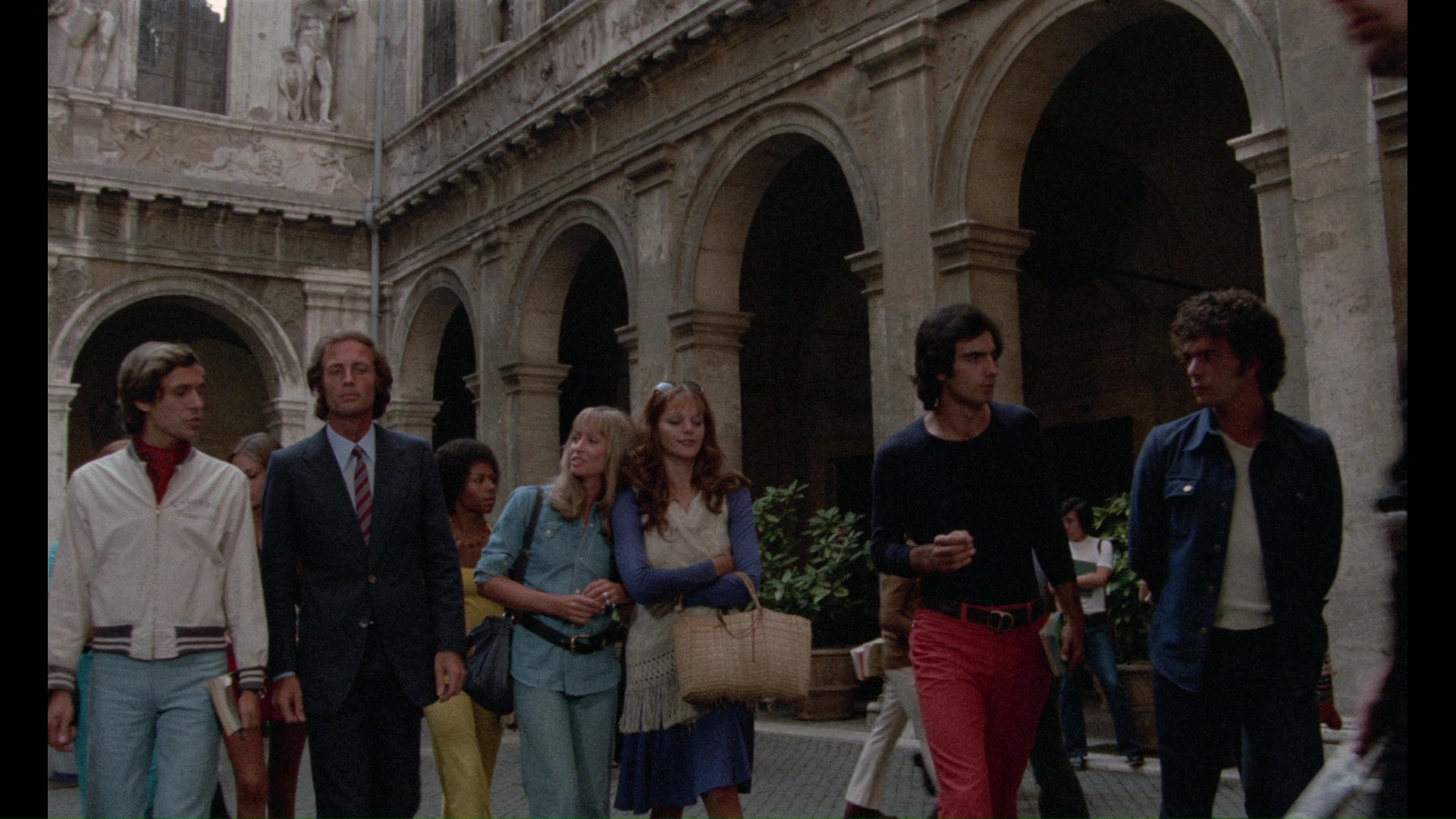 boosted brightness levels; colors including whites in particular are brought down to
 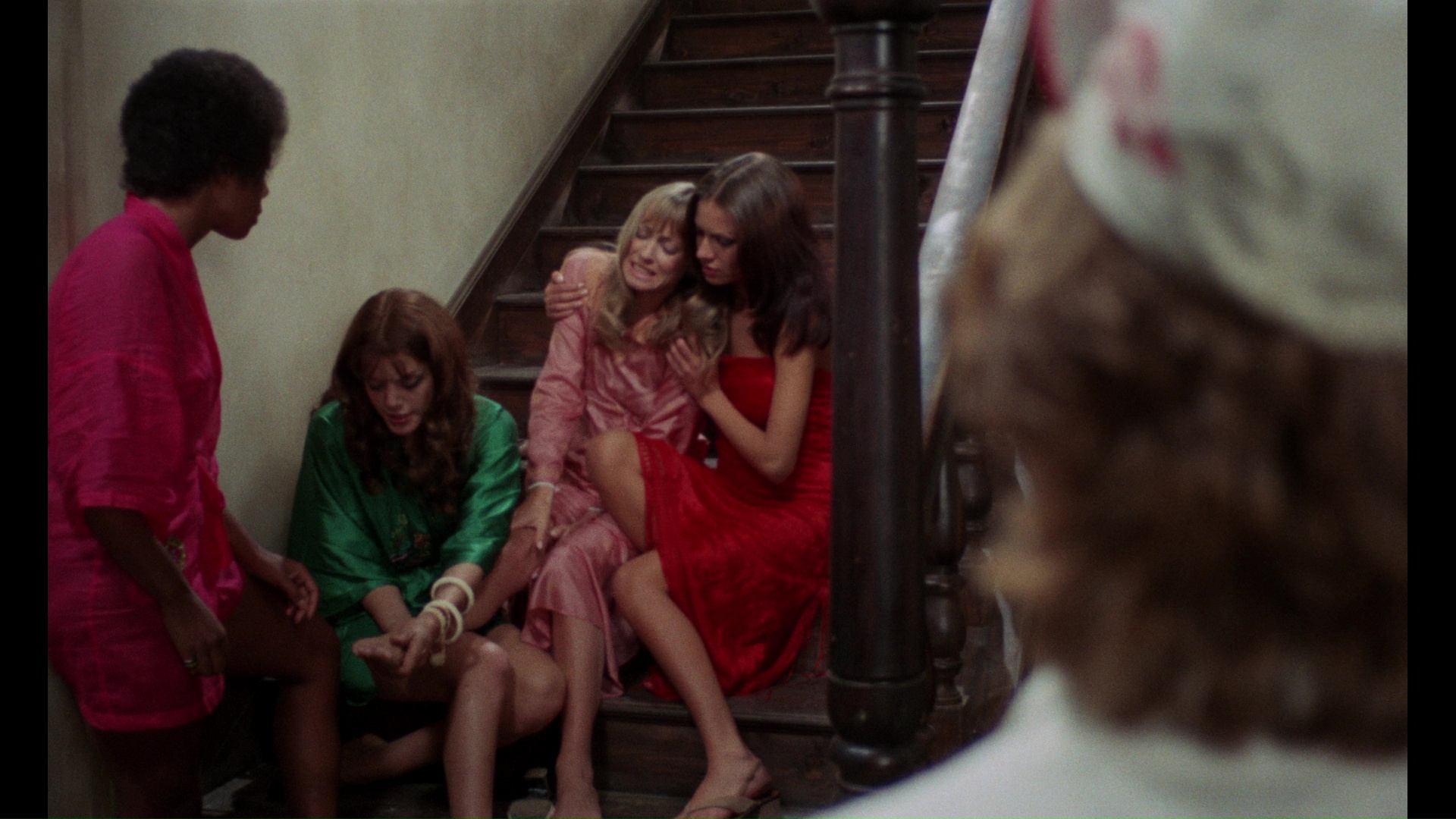 more natural levels, and in motion it looks quite natural and pleasing. There's also a much stronger sense of depth in the exterior daylight scenes with the unusual perspectives of Perugia's streets looking quite a bit more striking here. As usual you get the option to view the uncut version in Italian (with optional English-translated subtitles), a hybrid version mostly in English with Italian for the extra bits (both 93m36s), the all-English international Carnal Violence cut (90m12s), or the U.S. version (89m33s) in its longest variant to date with a mixture of VHS and 35mm snippets bringing it up to the full Joseph Brenner length. (Optional SDH subtitles are provided for the English versions as well.) A new audio commentary (on the 93-minute versions) features the logical choice of Kat Ellinger, who penned the earlier All the Colours of Sergio Martino for Arrow, and she focuses on the "big five" of his gialli, the backgrounds of Martino and Ponti, its genesis in other scripts called Four Lonely Girls and Red Is Love, Black Is Terror, the cynicism of the era, and plenty more.
A new Sergio Martino interview, "All the Colors of Terror" (34m2s), covers the evolution of the film from its See No Evil influence through the earlier scripts and its connections to some of his other key gialli as well as the rationale for the setting and a box office hiccup caused by Last Tango in Paris. In the confusingly titled "The Discreet Charm of the Genre" (34m53s), Merenda appears for a scatter-shot chat that's extremely difficult to follow but seems to be about his own persona versus the violent nature of some of his films, with nothing about this film but a few comments made about Martino's "barrier" thrown in along with random anecdotes about some of his action projects with actors like Tomas Milian and Dayle Haddon. The most interesting part actually comes near the end when he recalls working with a post-Caligula Tinto Brass on Action, including a role for his ex-wife. Of course it wouldn't be a giallo release without an interview with screenwriter Ernesto Gastaldi, and here it's the new "Dial S for Suspense" (29m16s) in which he veers through the ins and outs of his entire career as a storyteller including his various collaborations with Martino (though not this one).  In "Women in Blood" (24m59s), Martino's daughter, Federica, offers her own free-associative thoughts on the film and her experiences at NYU, including a long digression about Eli Roth, while La Dolce Morte author Mikel J. Koven appears for "Saturating the Screen" (25m4s),
  an examination of the film's influence on the slasher trend at a key turning point in the progression of the giallo including its status as a bona fide horror film. Sergio Martino also appears for a 2017 Q&A at the 2017 Abertoir International Horror Festival (47m) discussing his own cinematic influences and the history of Italian genre cinema. The Italian and international English trailers are also included in fresh new scans, while the disc itself comes with reversible sleeve options (including a new design by Adam Rabalais) and, in the first pressing only, new liner notes by Adrian Smith and Howard Hughes.
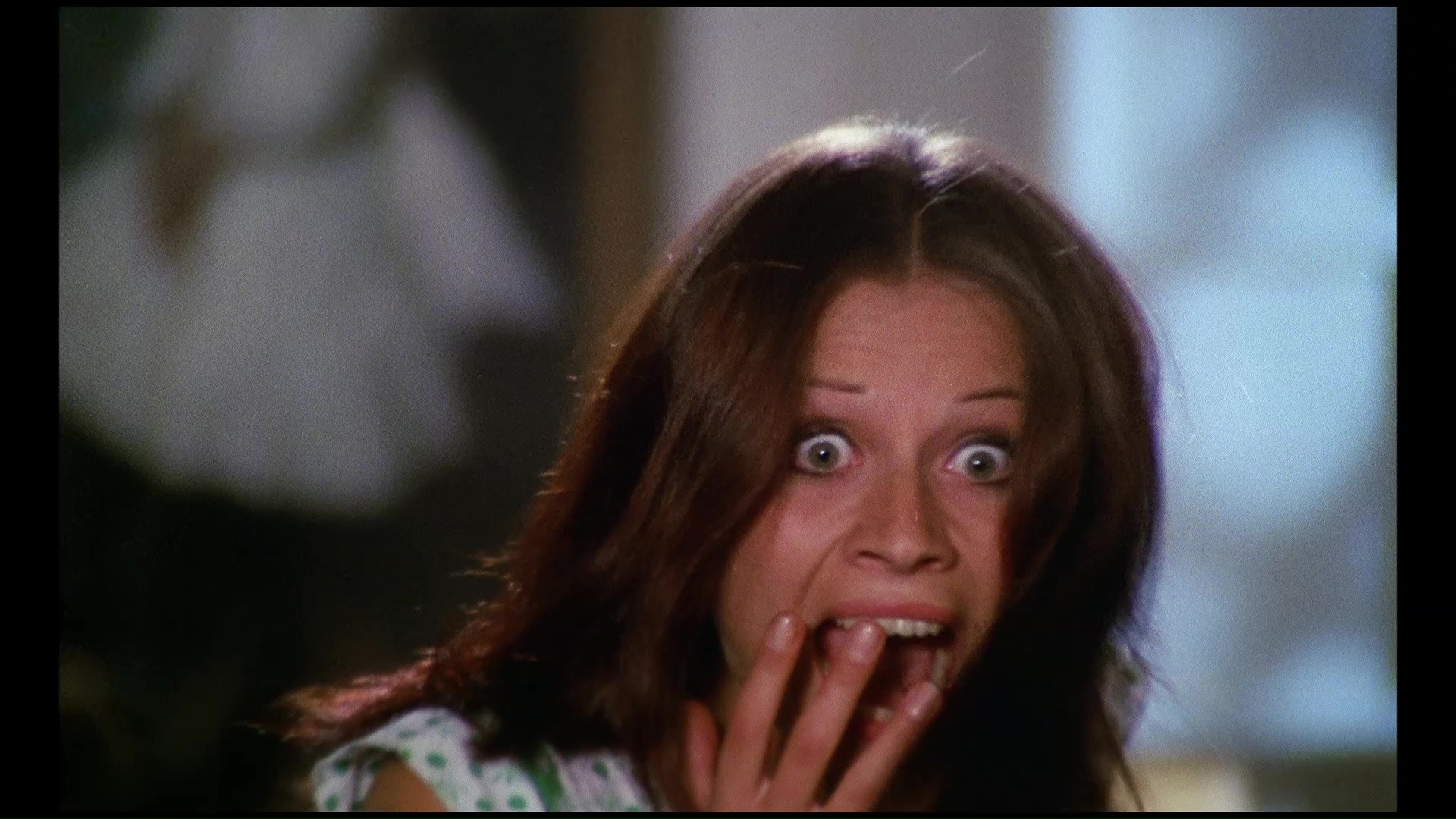
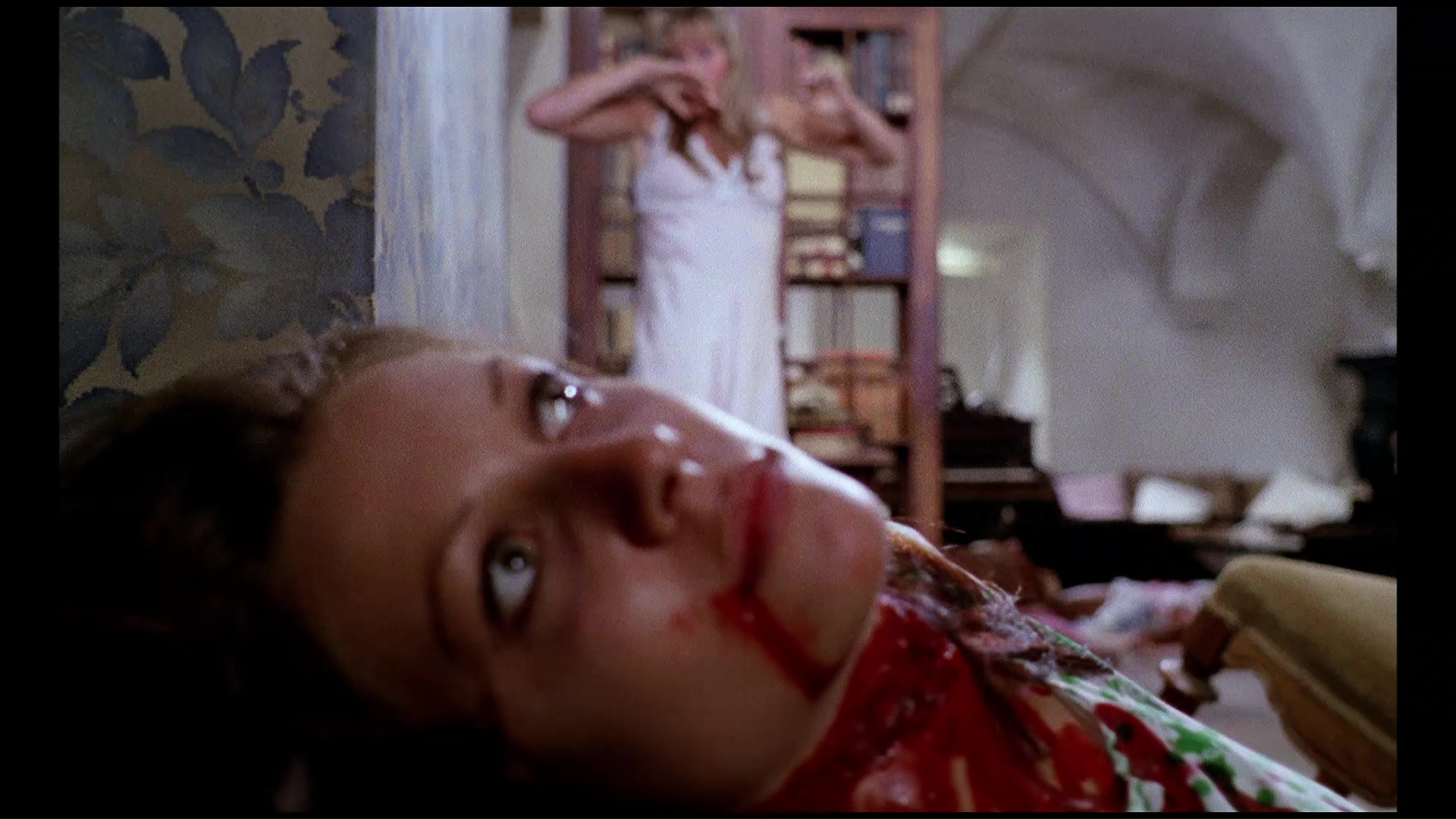
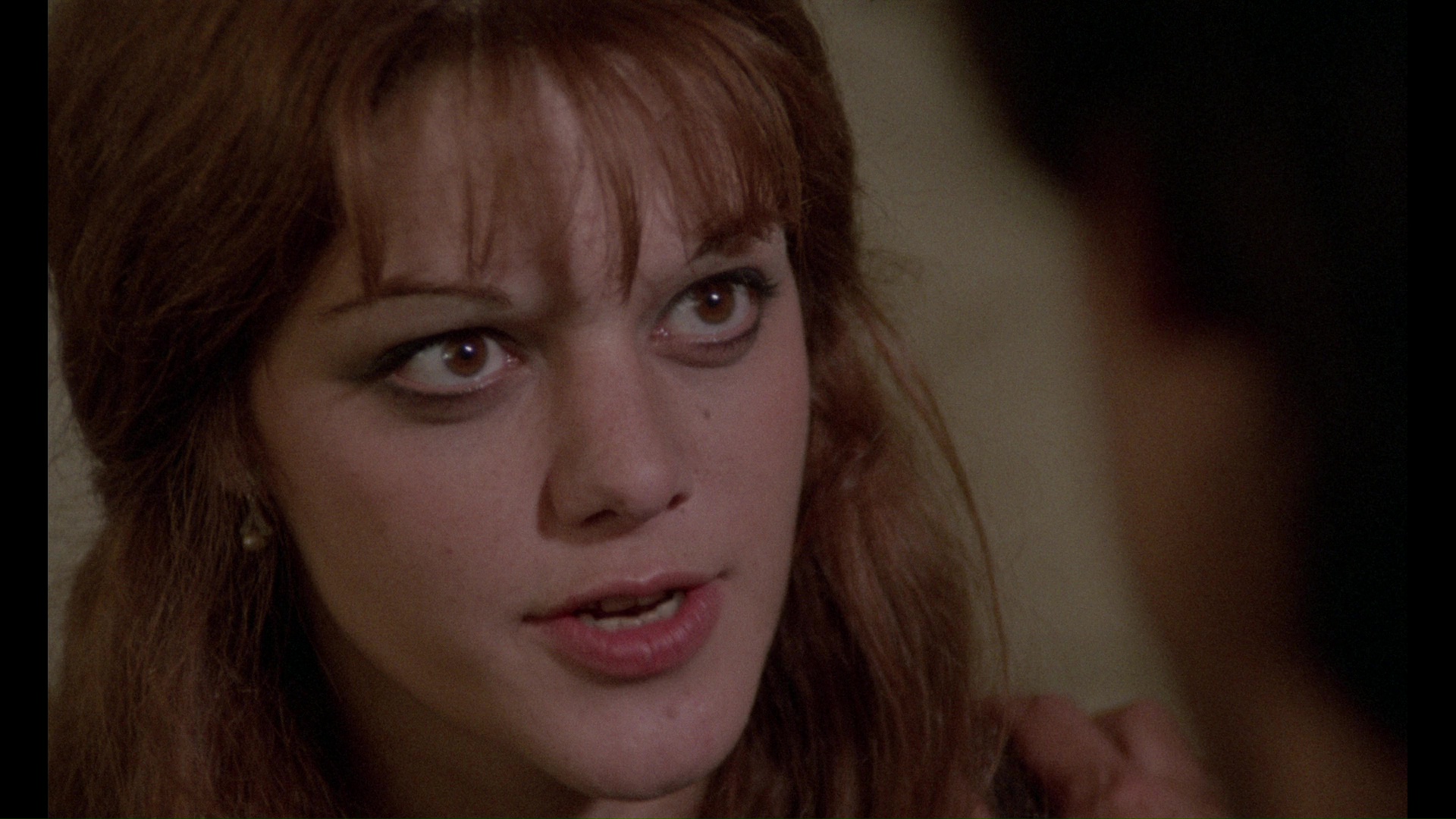
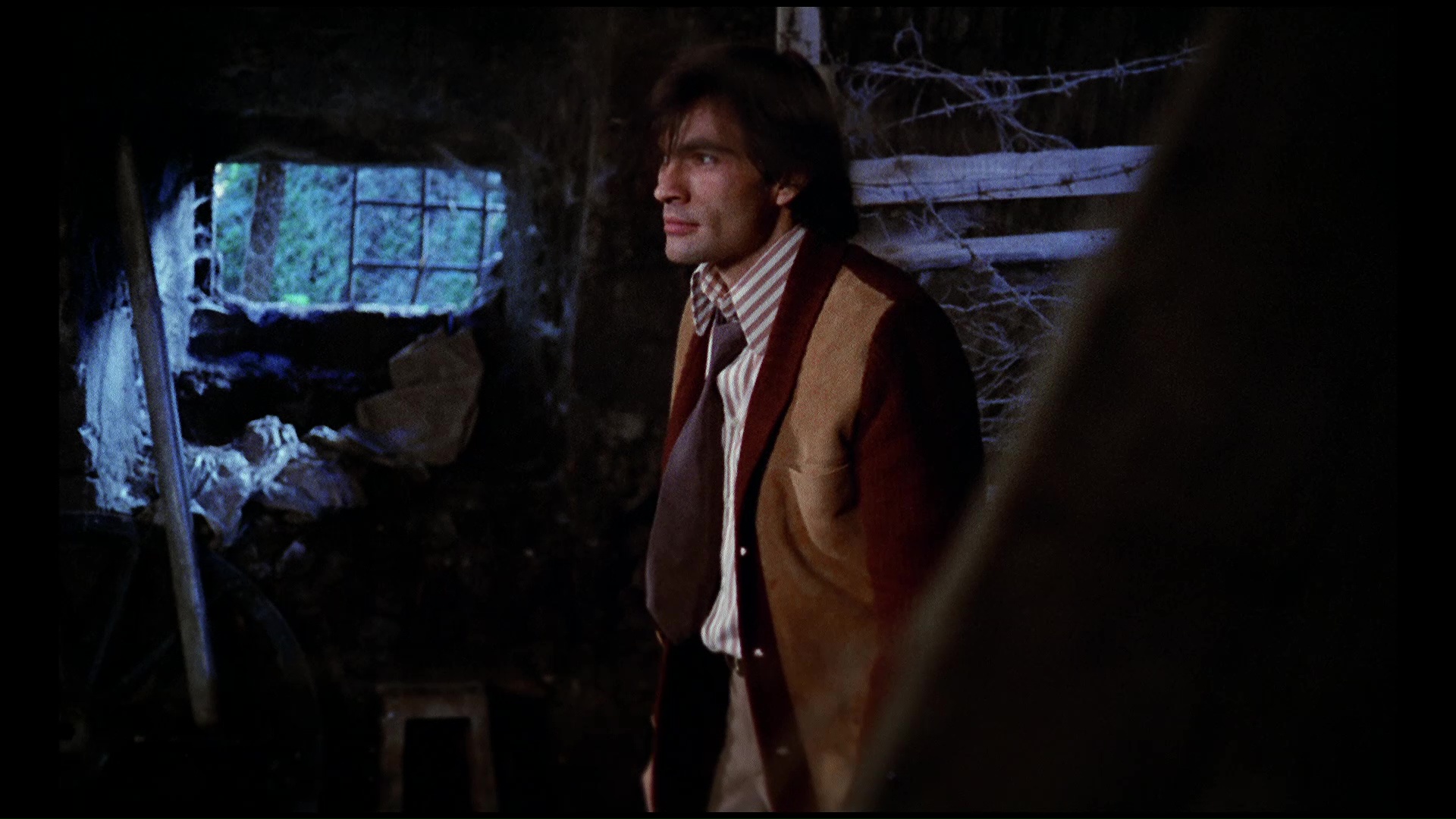
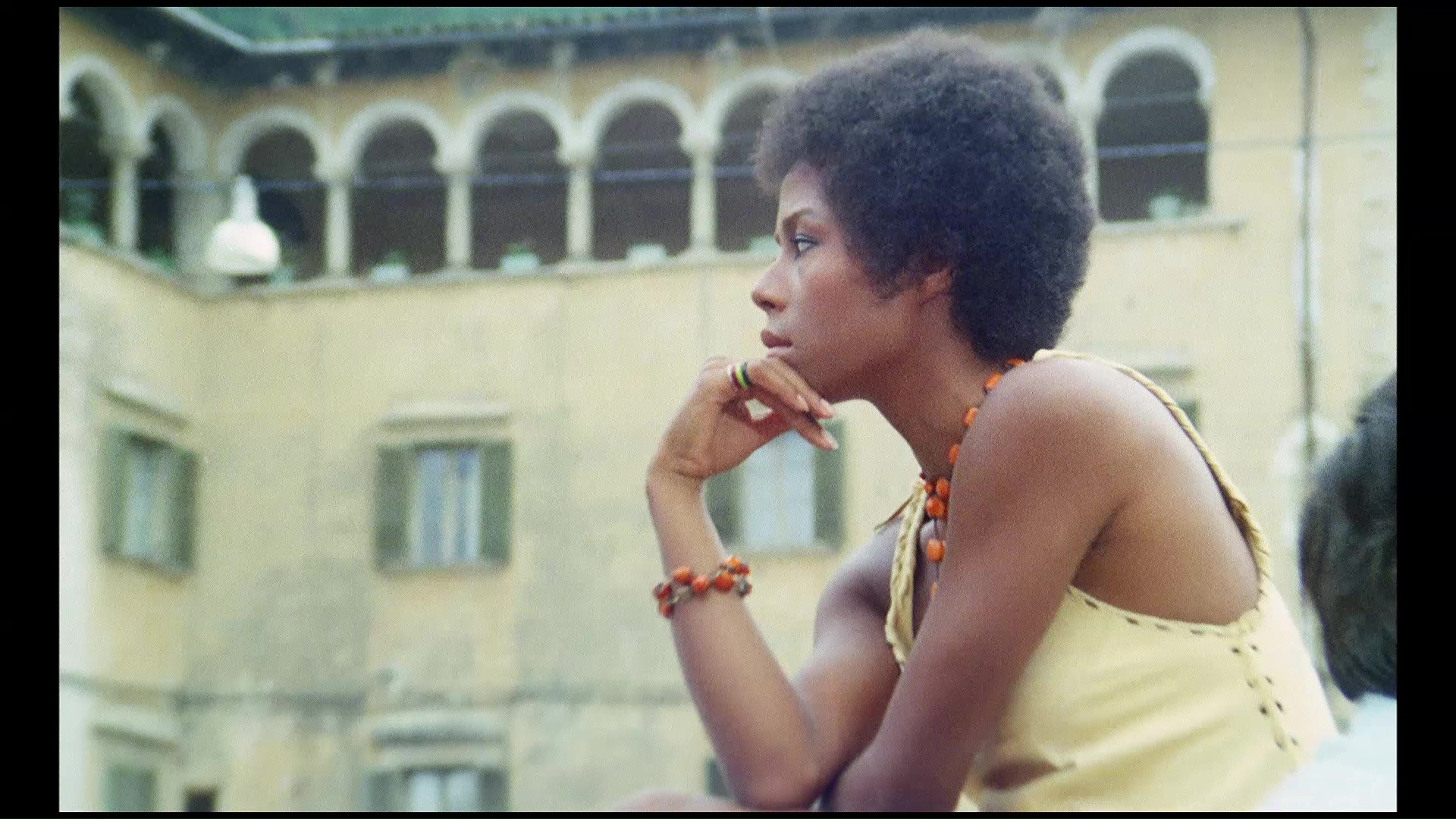
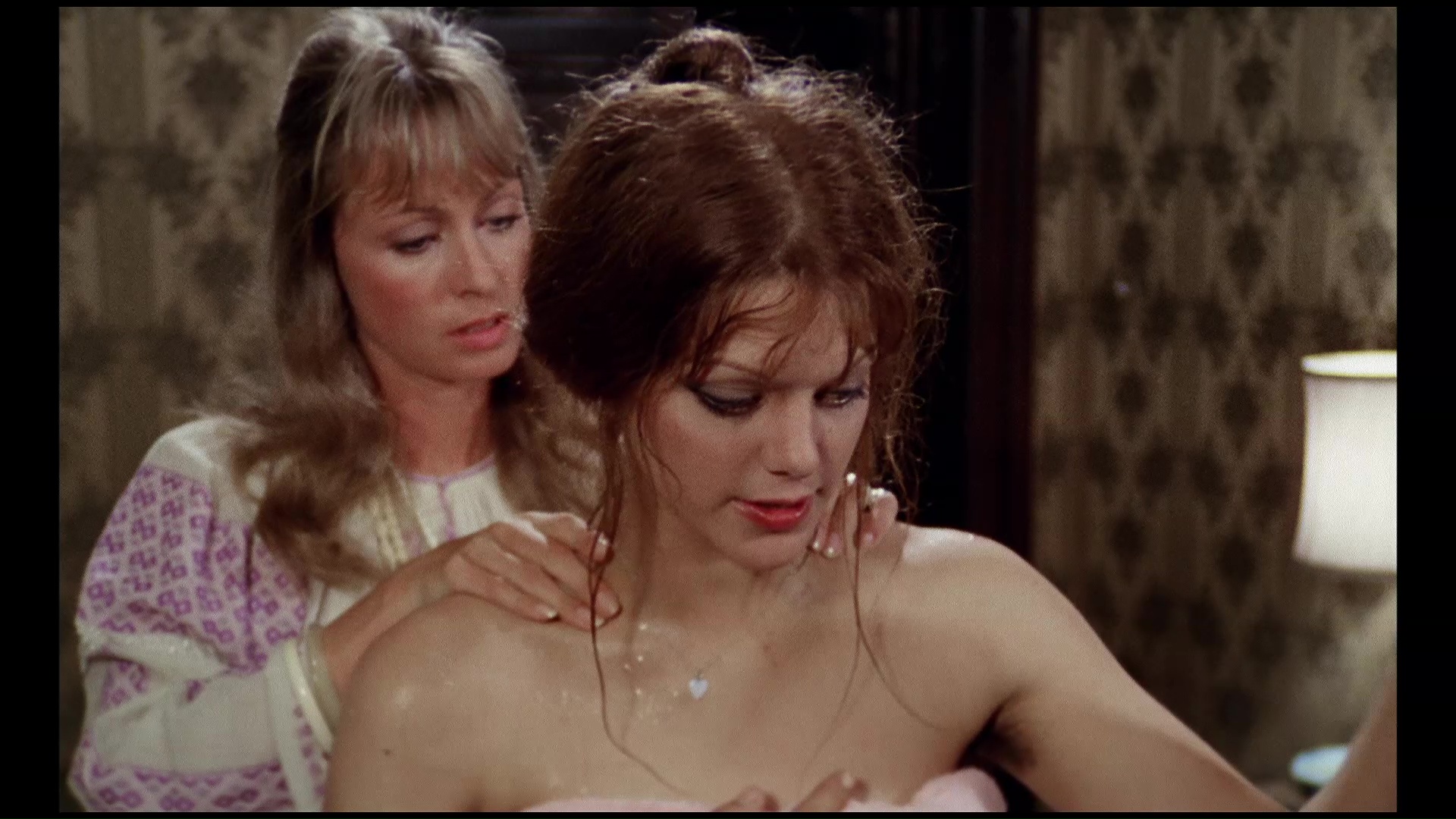
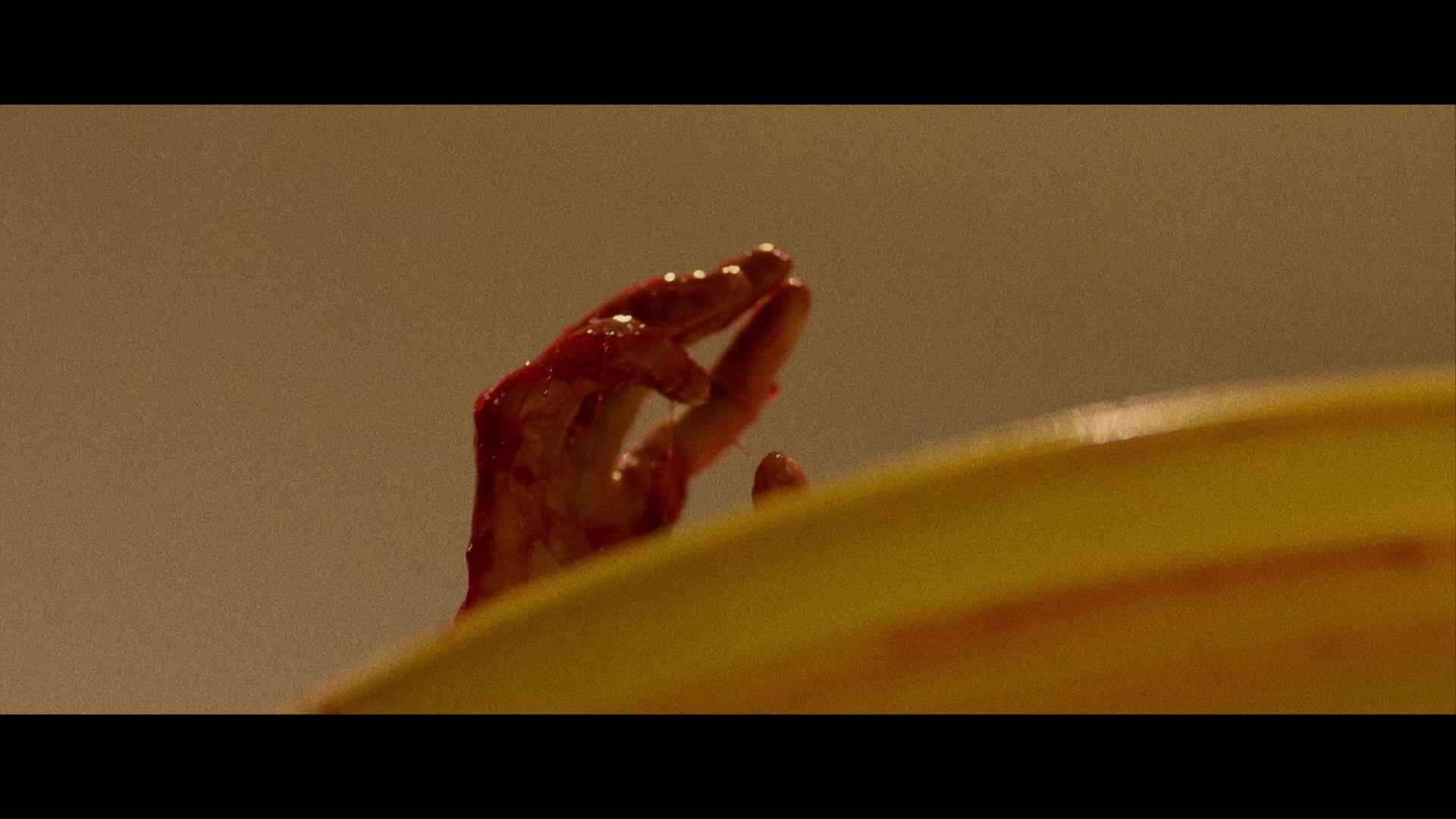
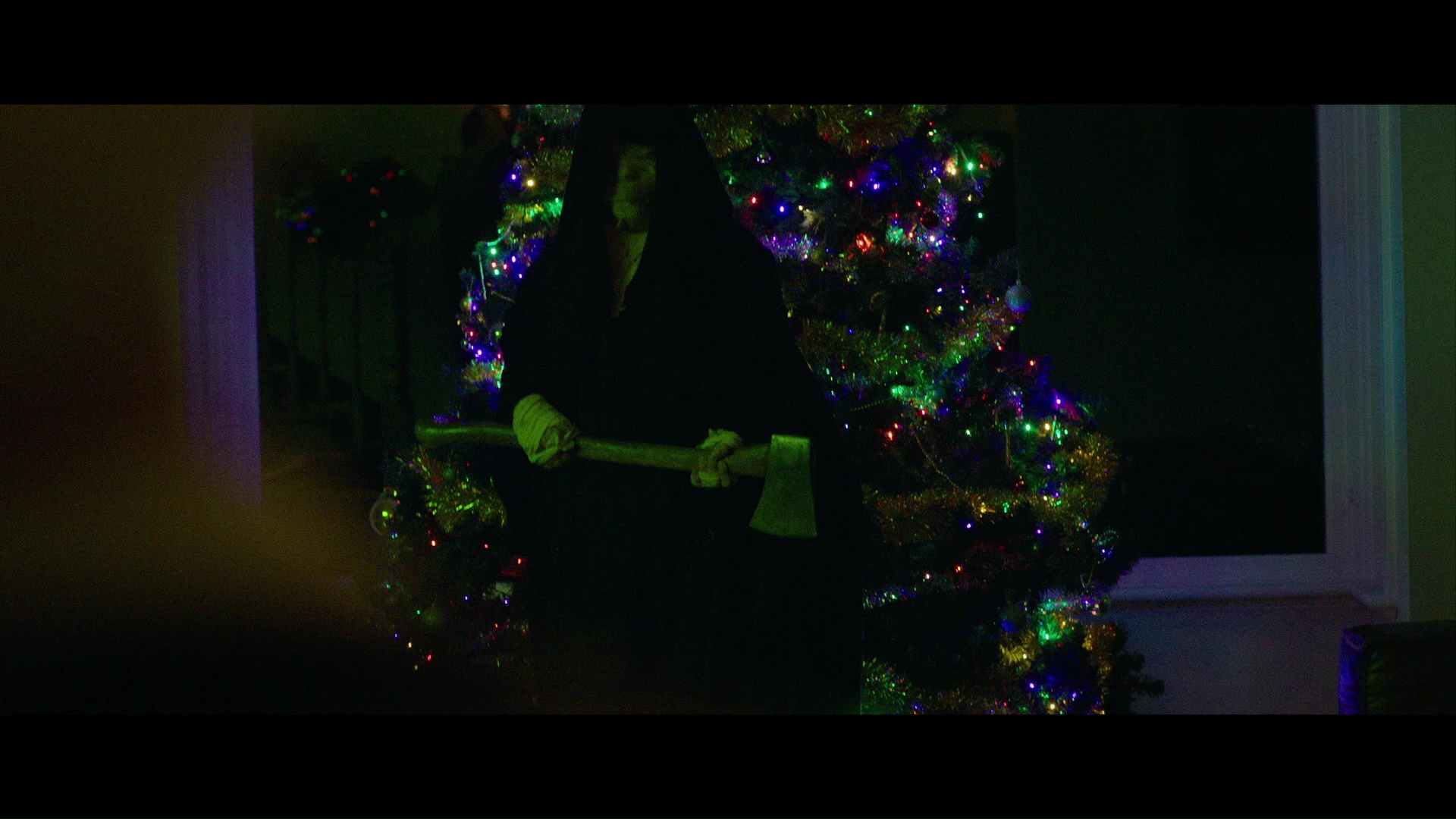
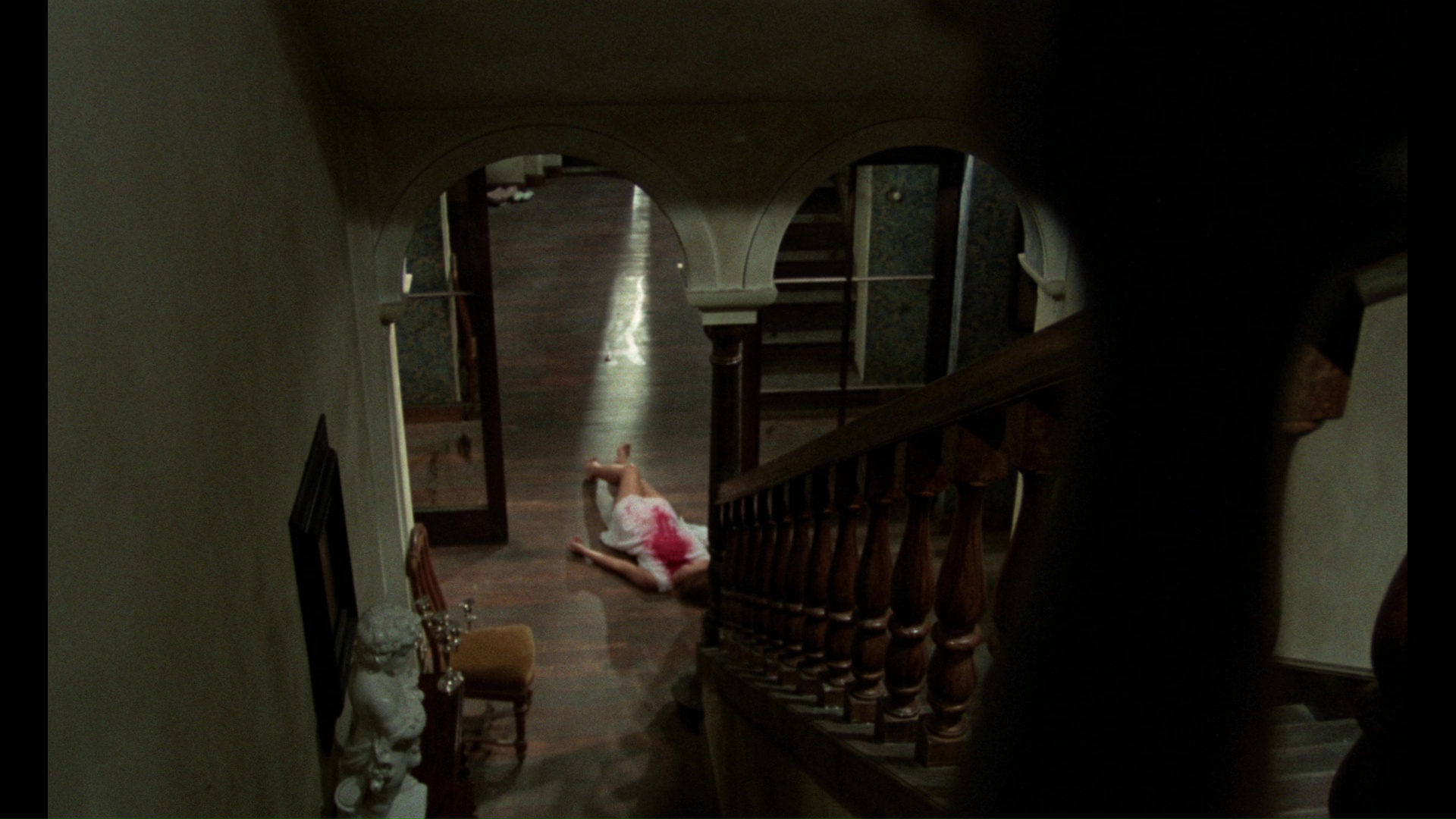
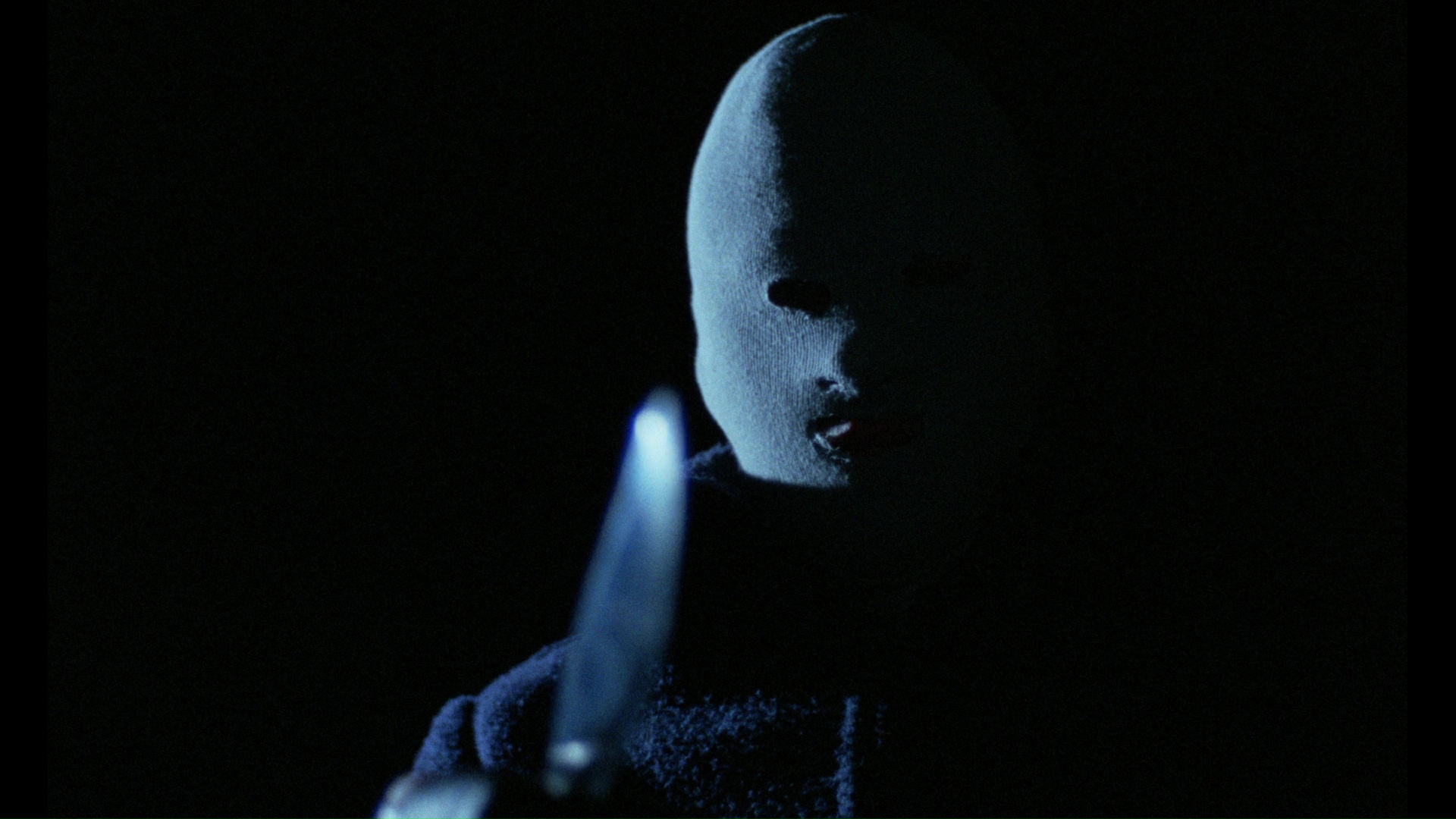
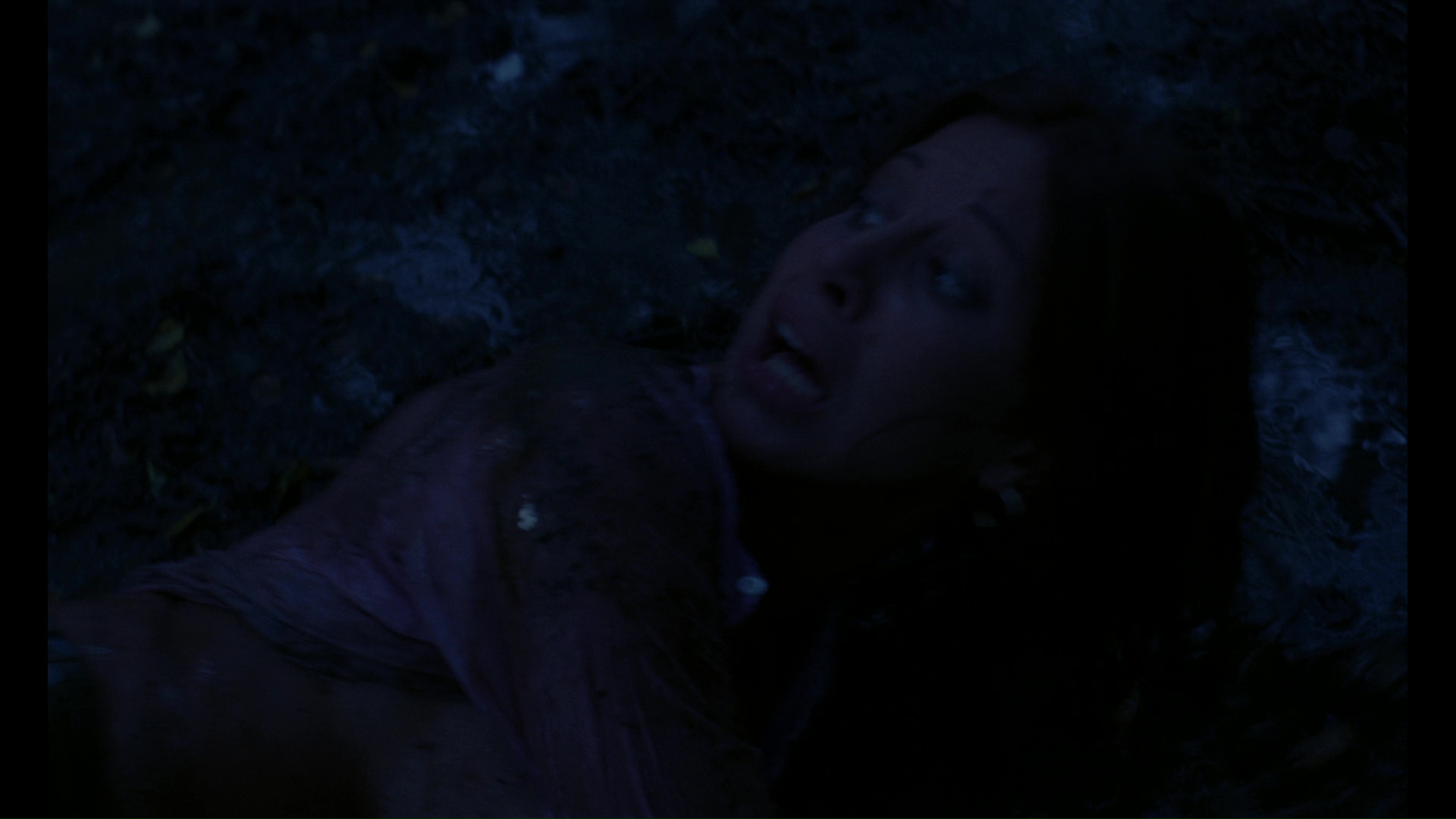
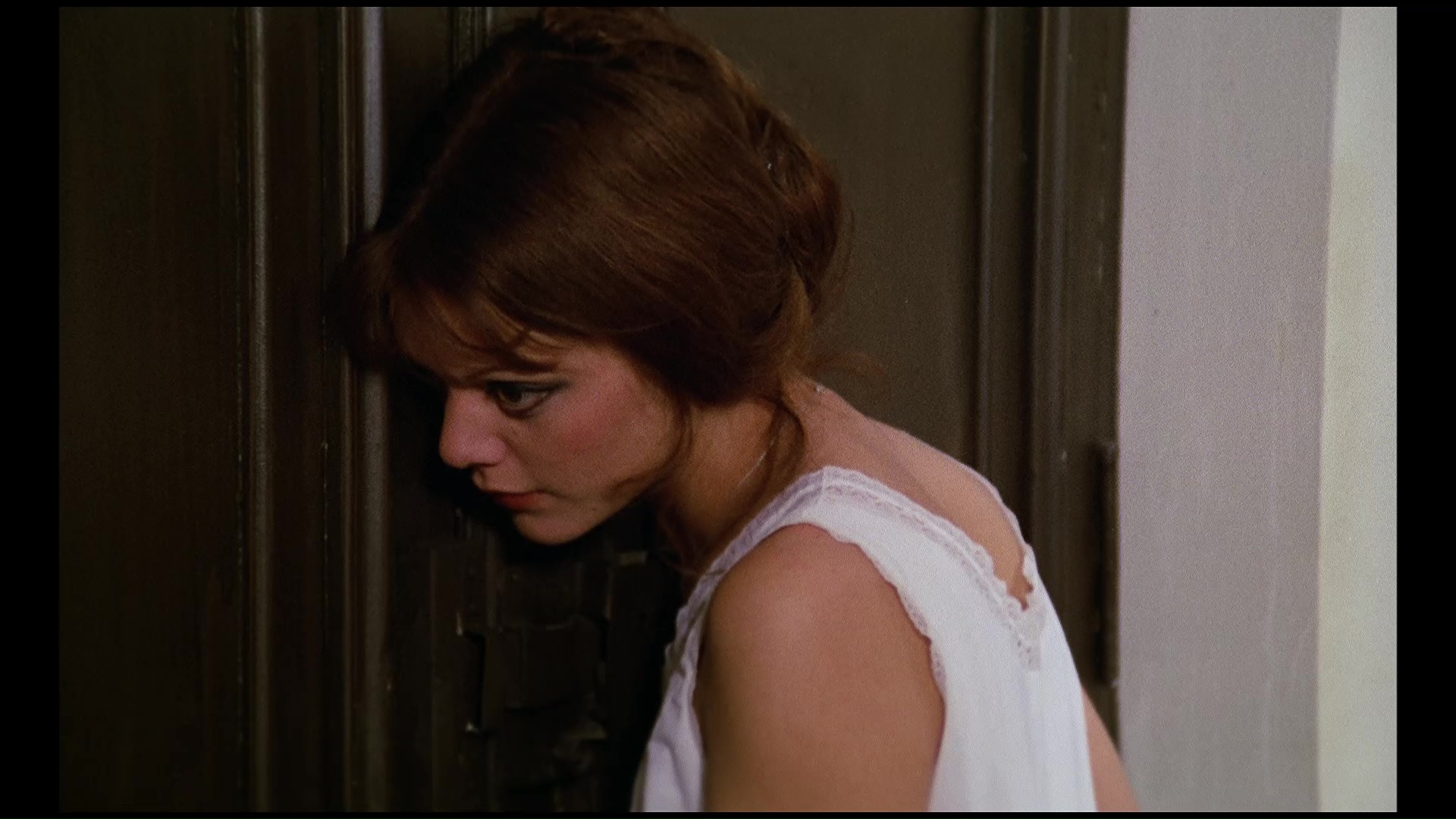
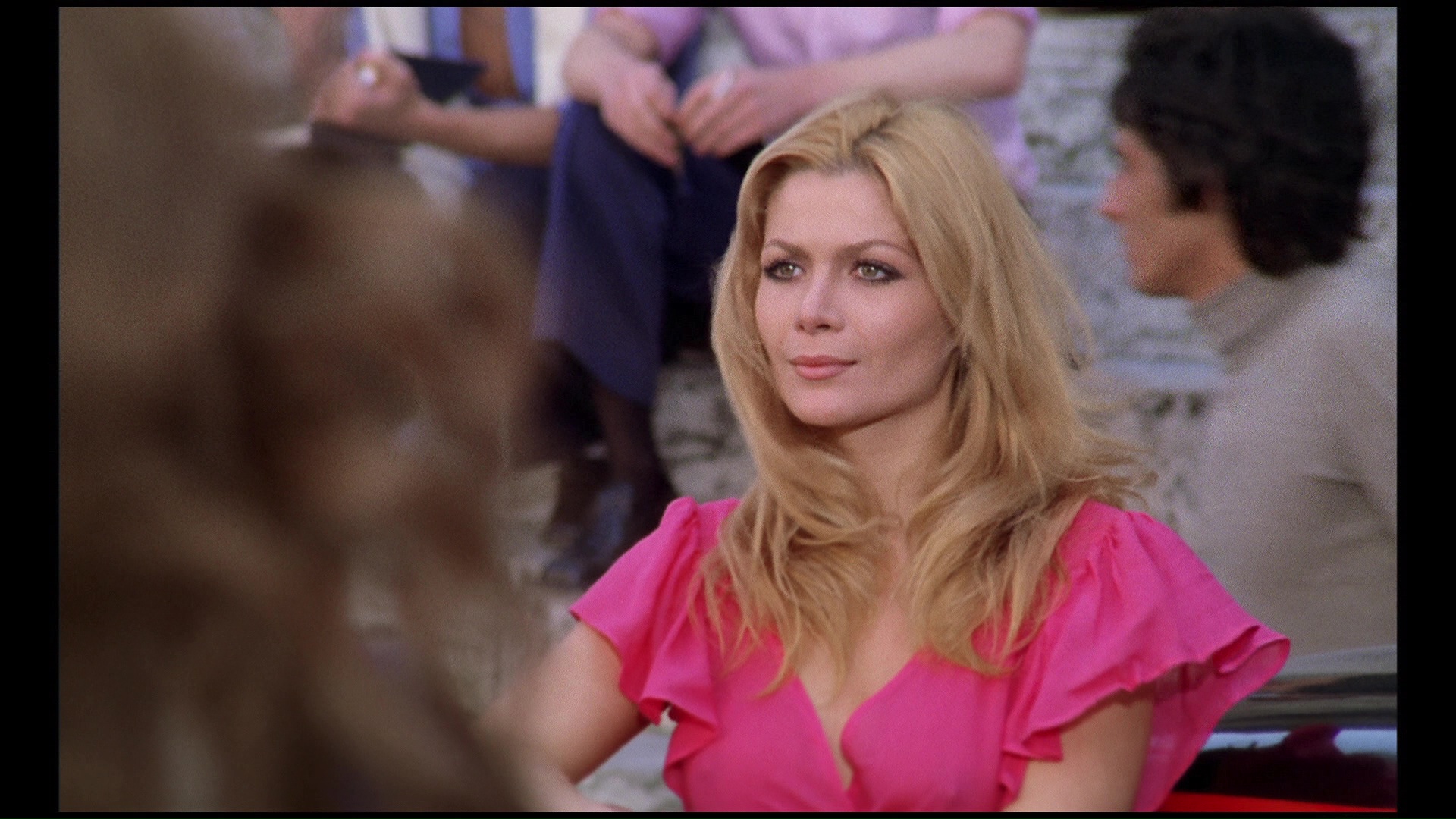
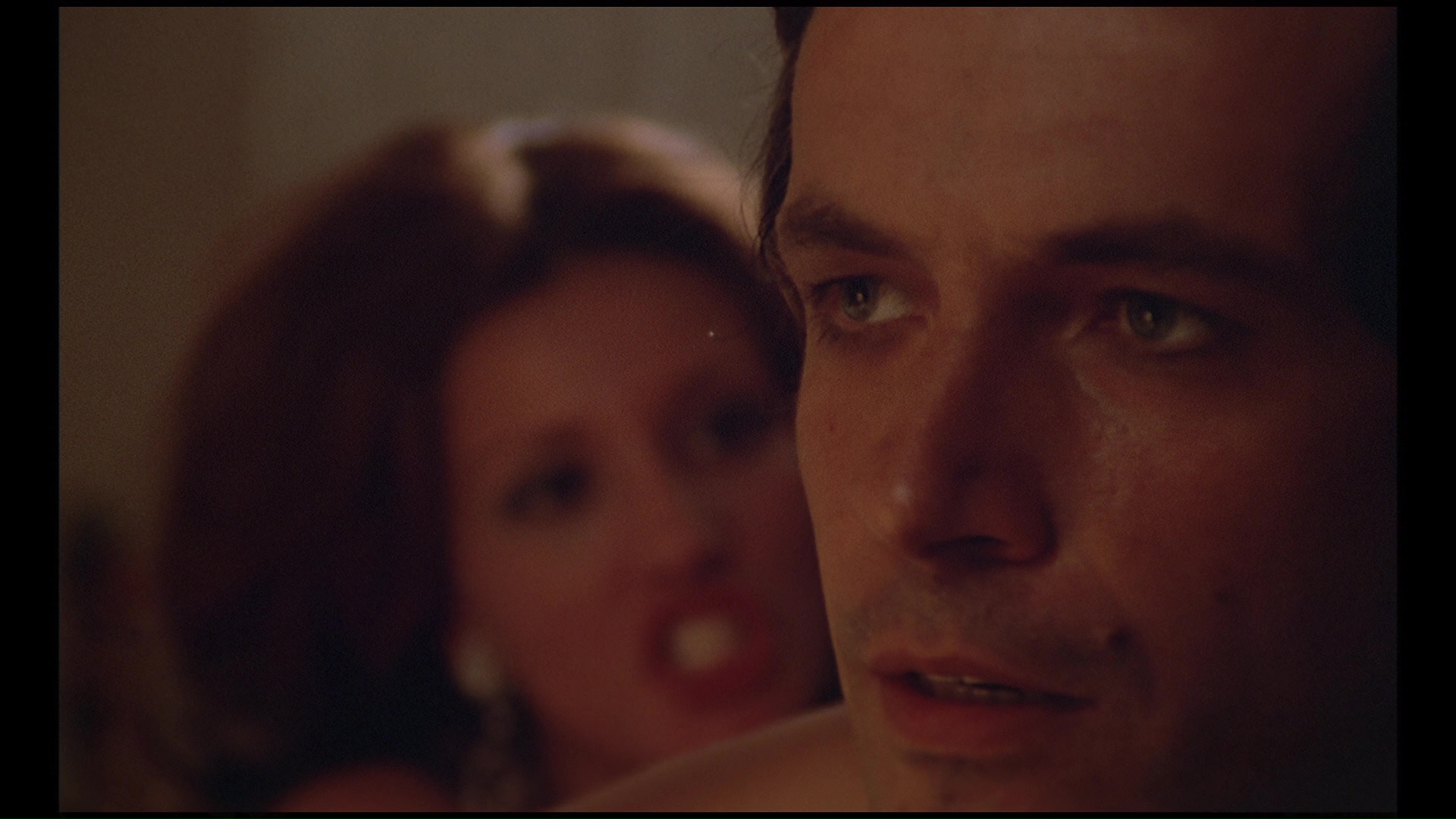
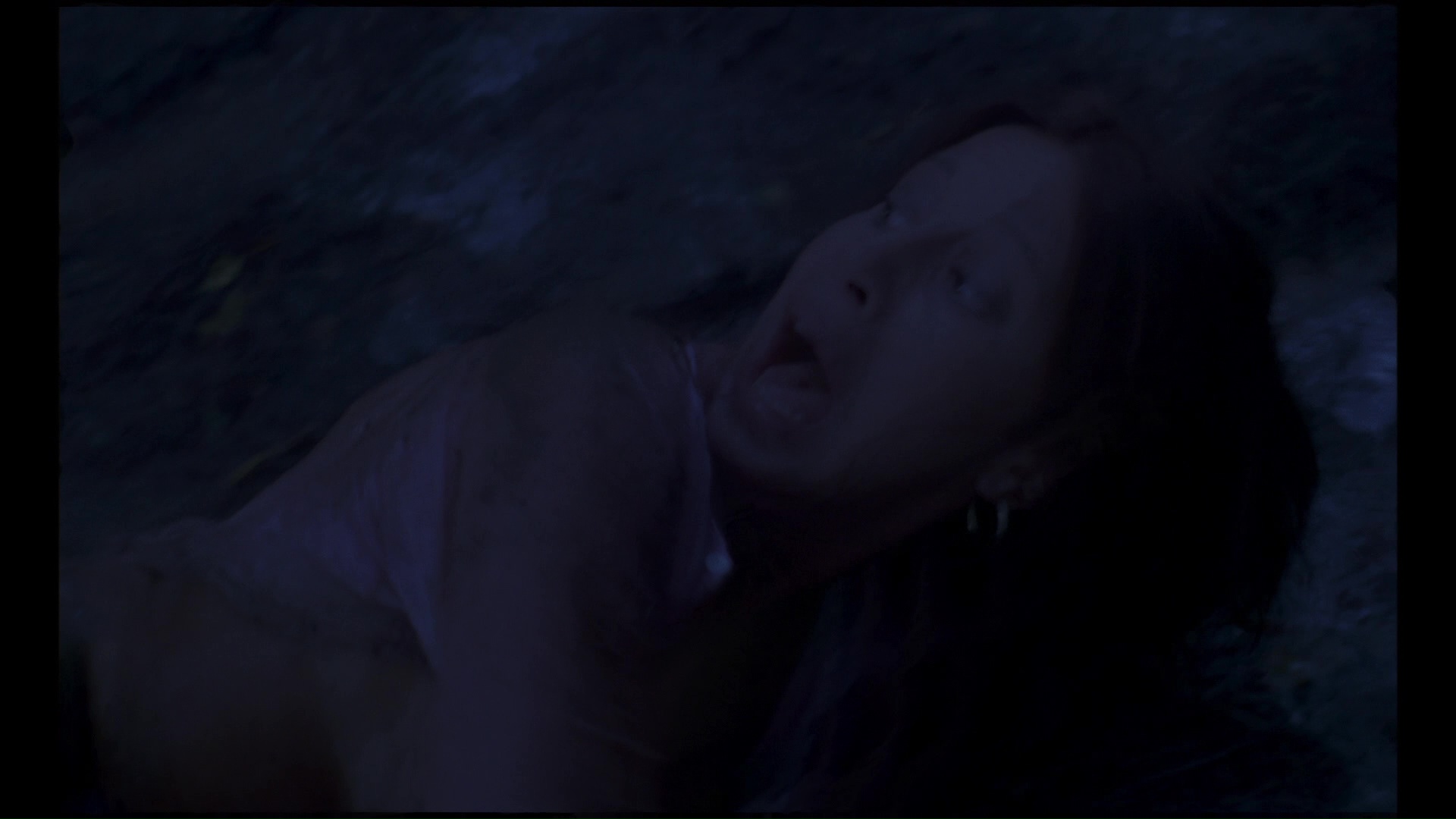
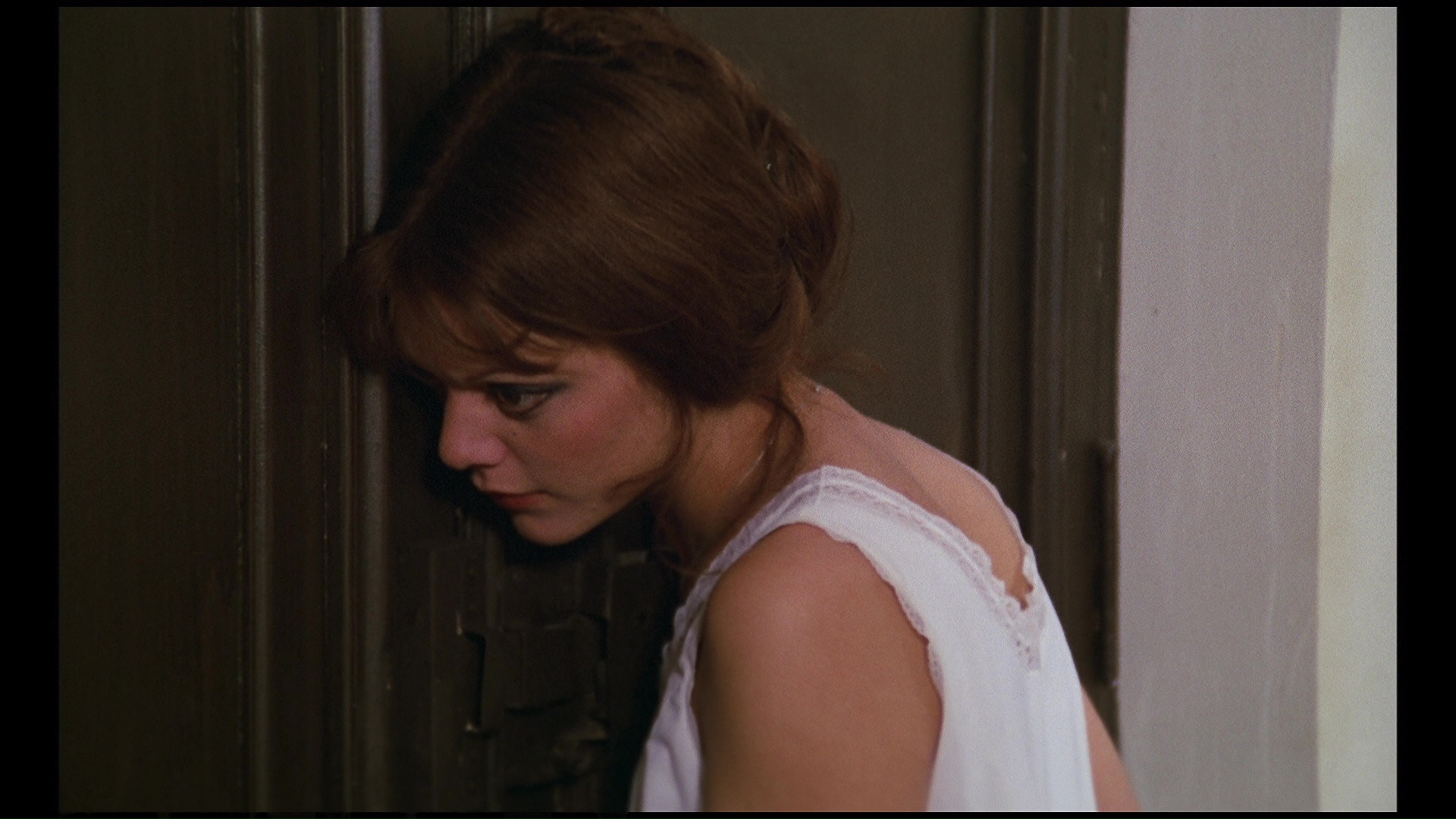
In 2024, Arrow revisited Martino's film for a 4K UHD release in the U.S., featuring the 94-minute Italian and 90-minute English export cuts of the film presented in HDR10-compatible Dolby Vision. It's touted as a brand new 4K restoration, done from the ground up here with color timing adjustments throughout ranging from subtle to dramatic. The result is quite spectacular in playback with a far wider gamut of colors on display and, most significantly, a greater level of legibility during the darker scenes. In particular the woods stalking scene, though still appropriately nocturnal, is much easier to make out than ever before. Frame grabs in the body of this review are from the UHD (though 1080 at the moment) with comparisons below. The LPCM 1.0 English and Italian tracks still sound great and feature the same audio and subtitle configurations, as well as title sequences for both languages (and the U.S. credits as an extra). All the extras carry over here-- audio commentary, the interviews (Sergio Martino, Luc Merenda, Ernesto Gastaldi, Federica Martino, Mikel JJ. Koven), the 2017 Q&A, and the Italian and English trailers, plus the same booklet.
Arrow Video (UHD)


Arrow Video (Blu-ray)
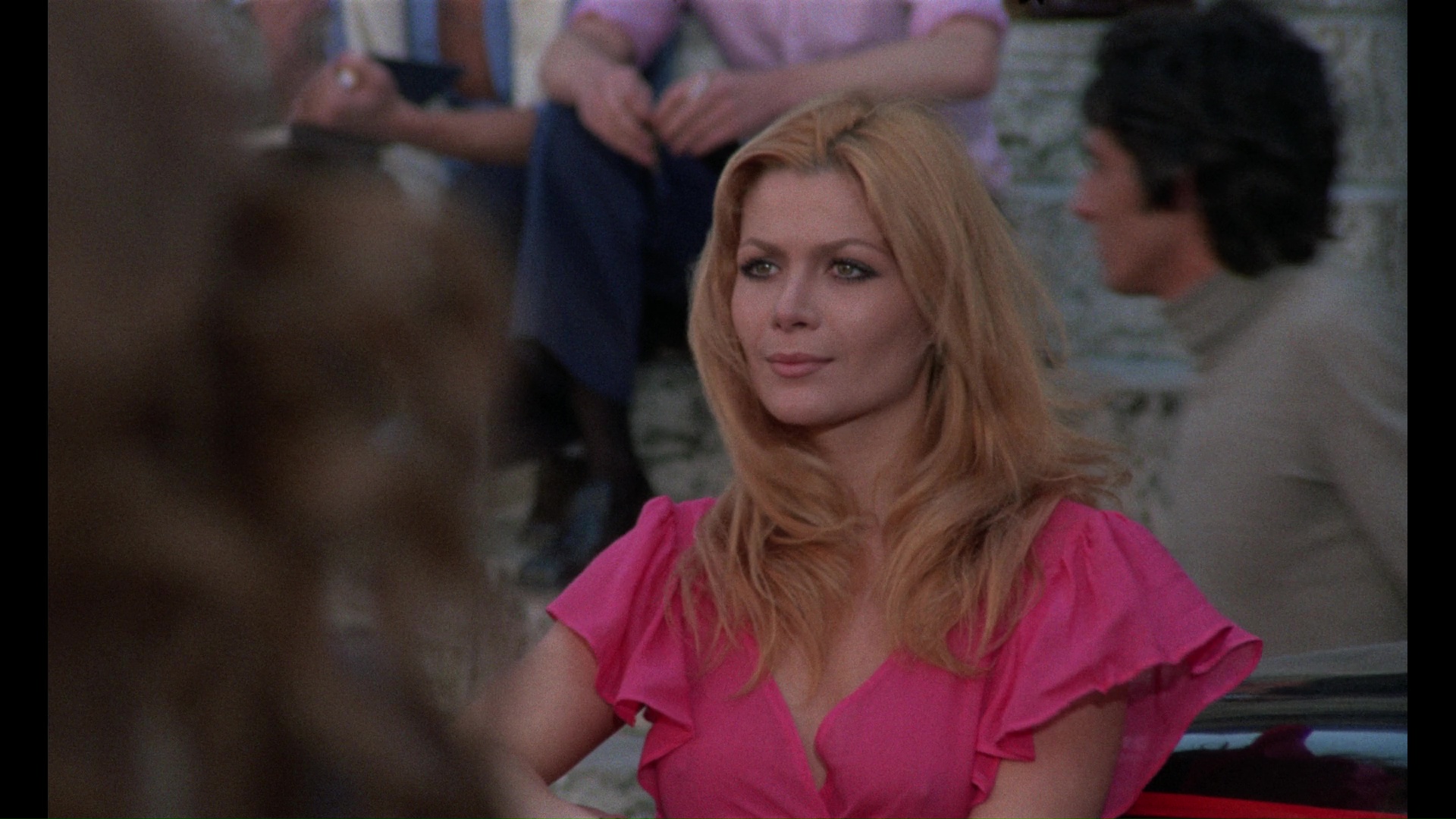
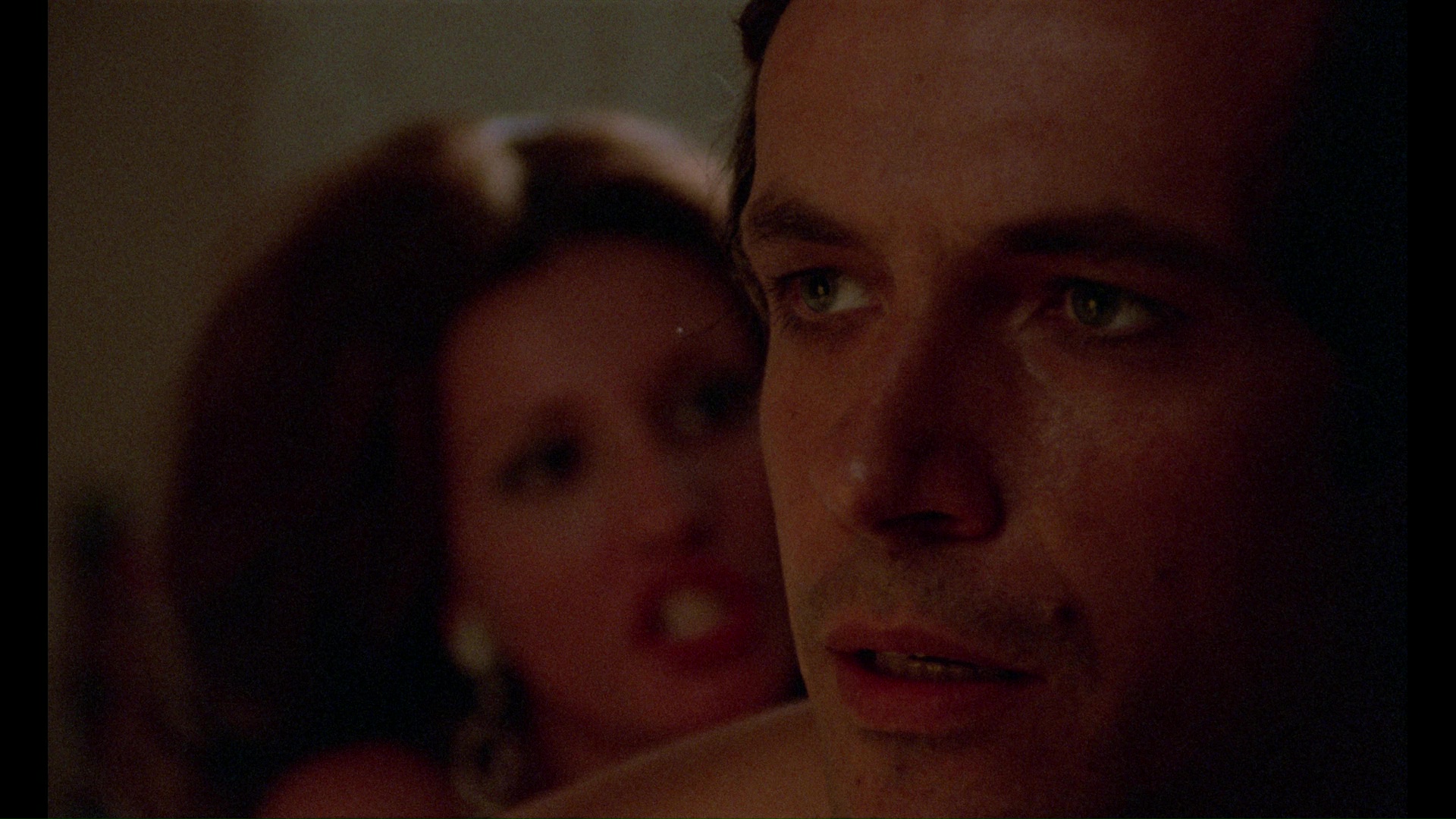
Shameless (Blu-ray)

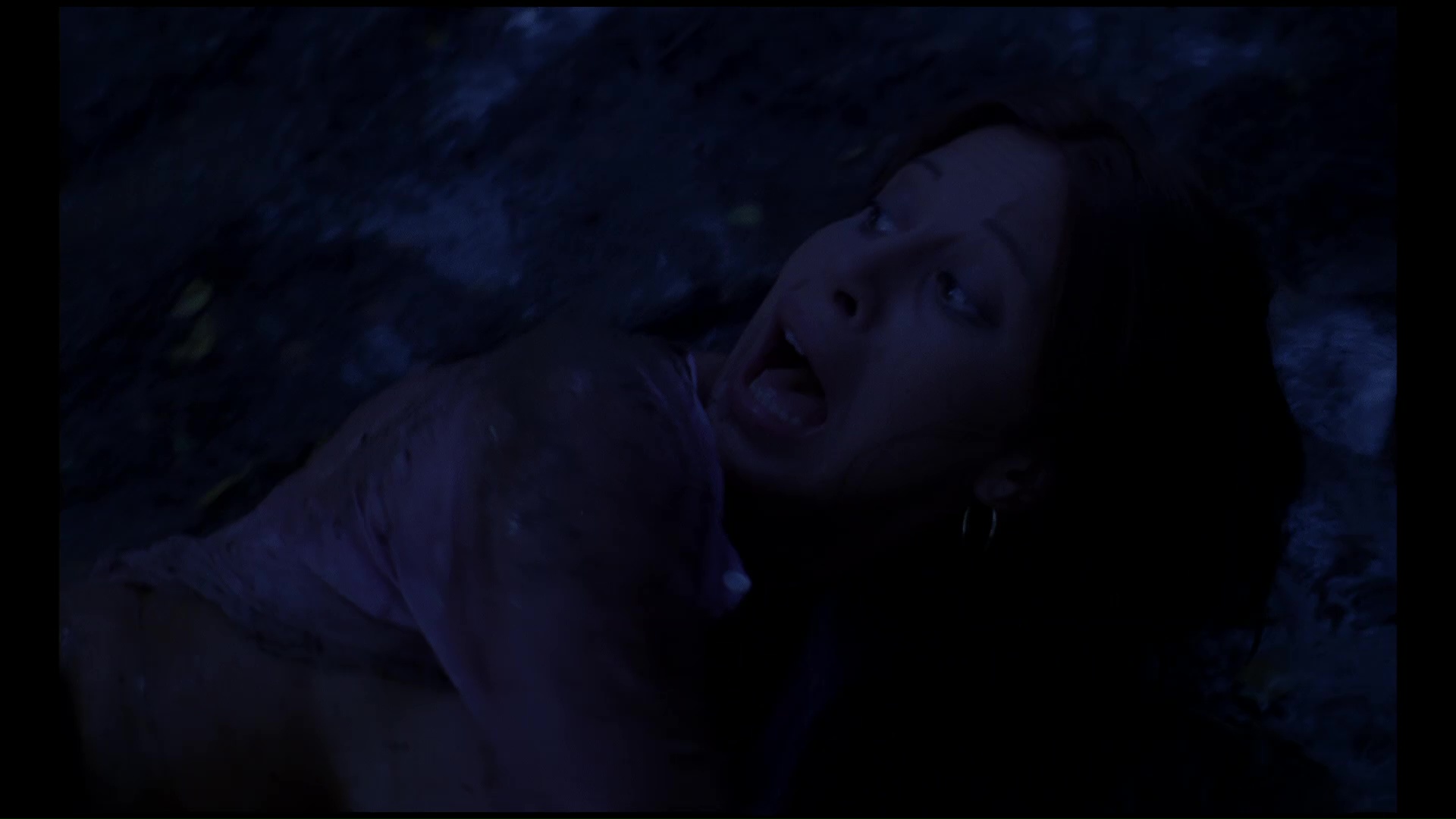
Blue Underground (Blu-ray)
Updated review on October 10, 2024