 came close to becoming a household name in the U.S., Arne Mattson was one of the most reliable names for popular Swedish
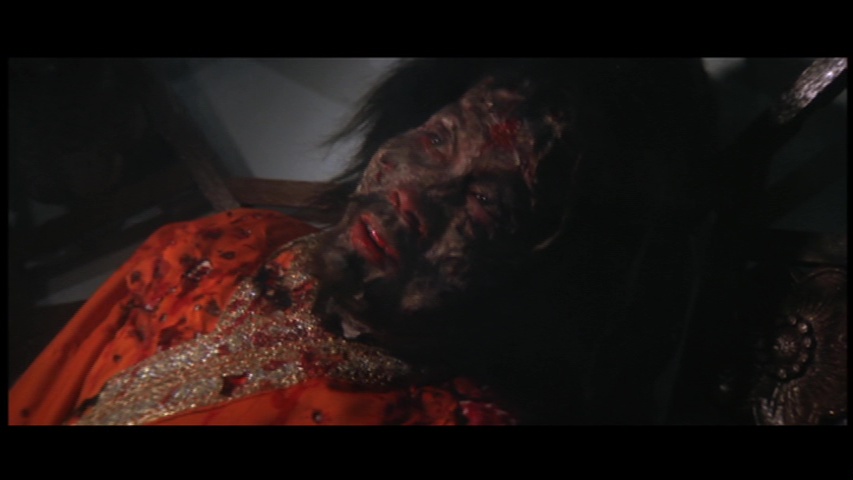
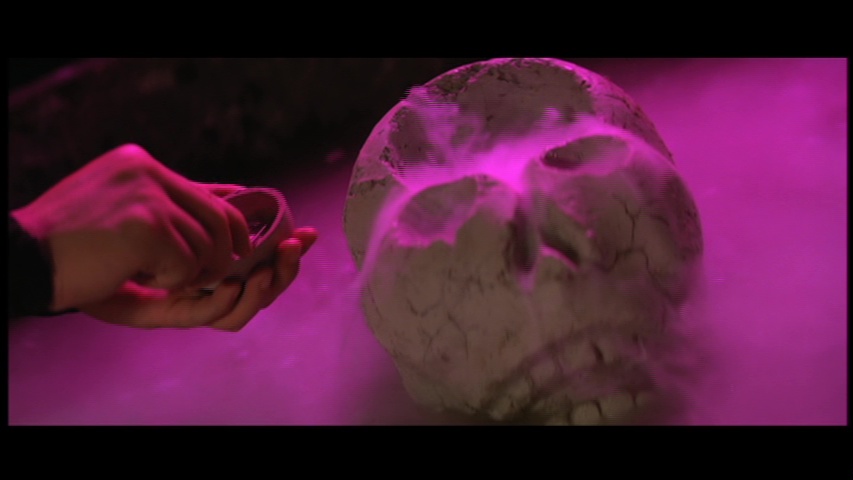
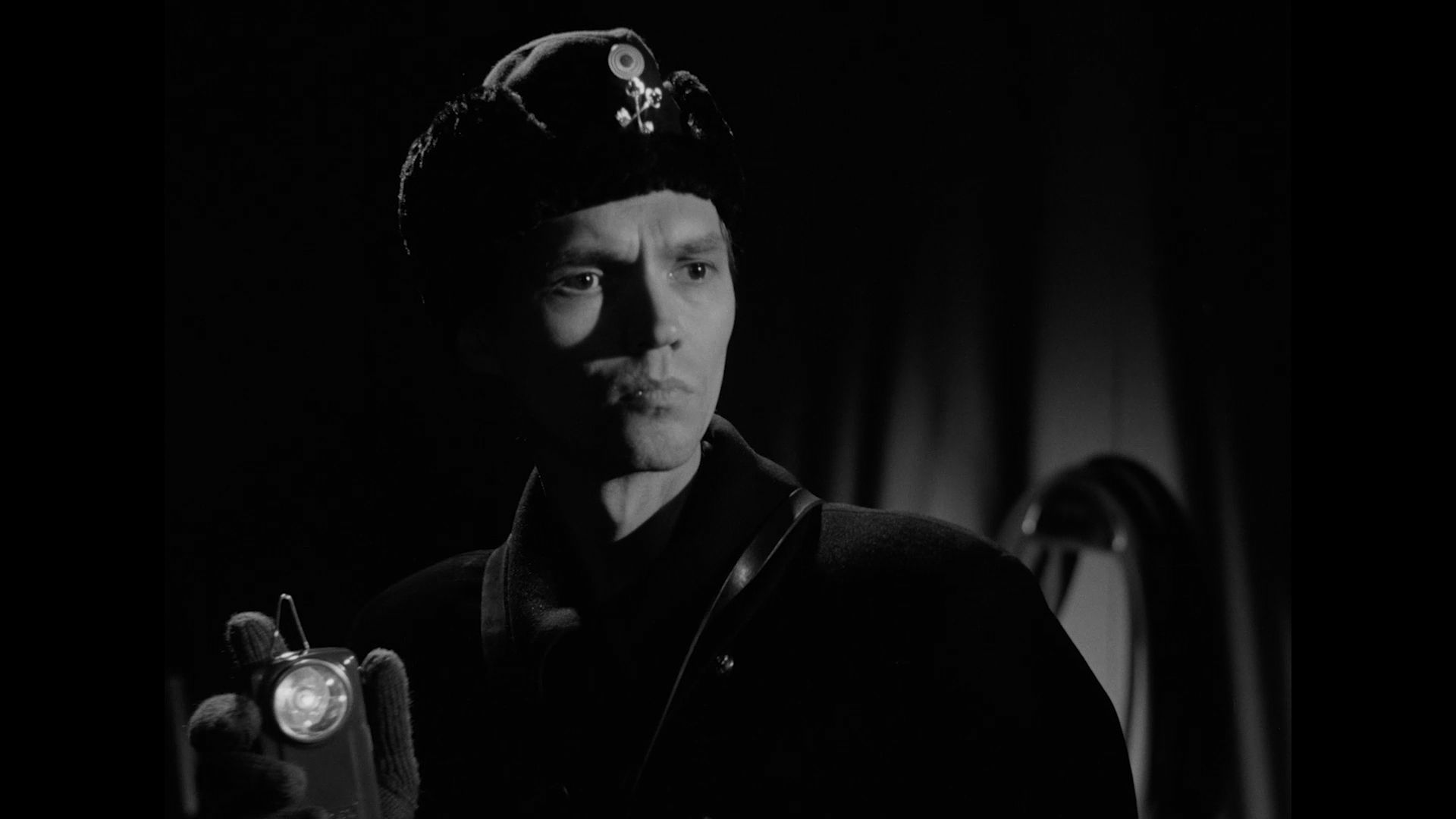
  movie entertainment especially in the '50s and early '60s. With a run of successful comedies and especially his popular (and arguably very influential) Hillman murder mysteries like the proto-giallo Mannequin in Red, he displayed a fine balance of visual style and study storytelling in his prime. One of the most disturbing and unusual films from this period is the haunting psychodrama The Doll (Vaxdockan), which in 2022 was part of the ongoing, highly impressive series of immaculate restorations by the Swedish Film Institute and was one of the few to hit streaming platforms multiple times in the U.S. (first via Cultpix, then from Film Movement for a little while). In 2025 it finally received a Blu-ray release almost simultaneously from the reliable Klubb Super 8 as a stacked special edition giving the film the treatment it deserves.
  it, and eventually
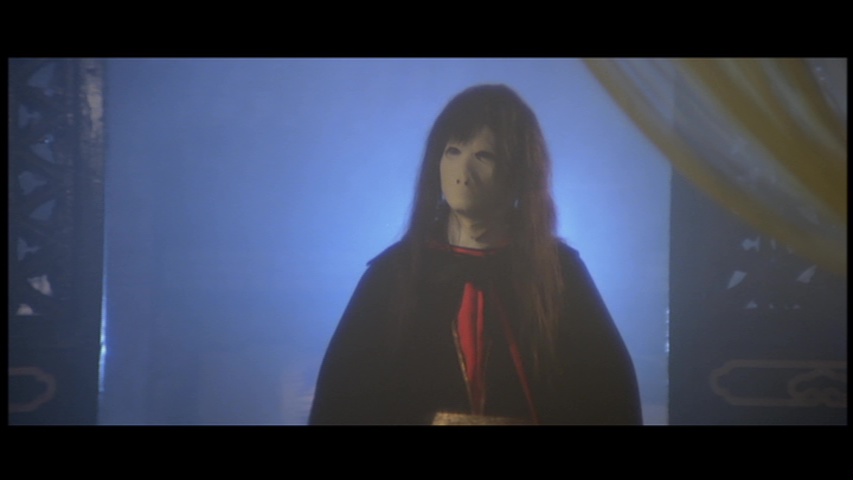
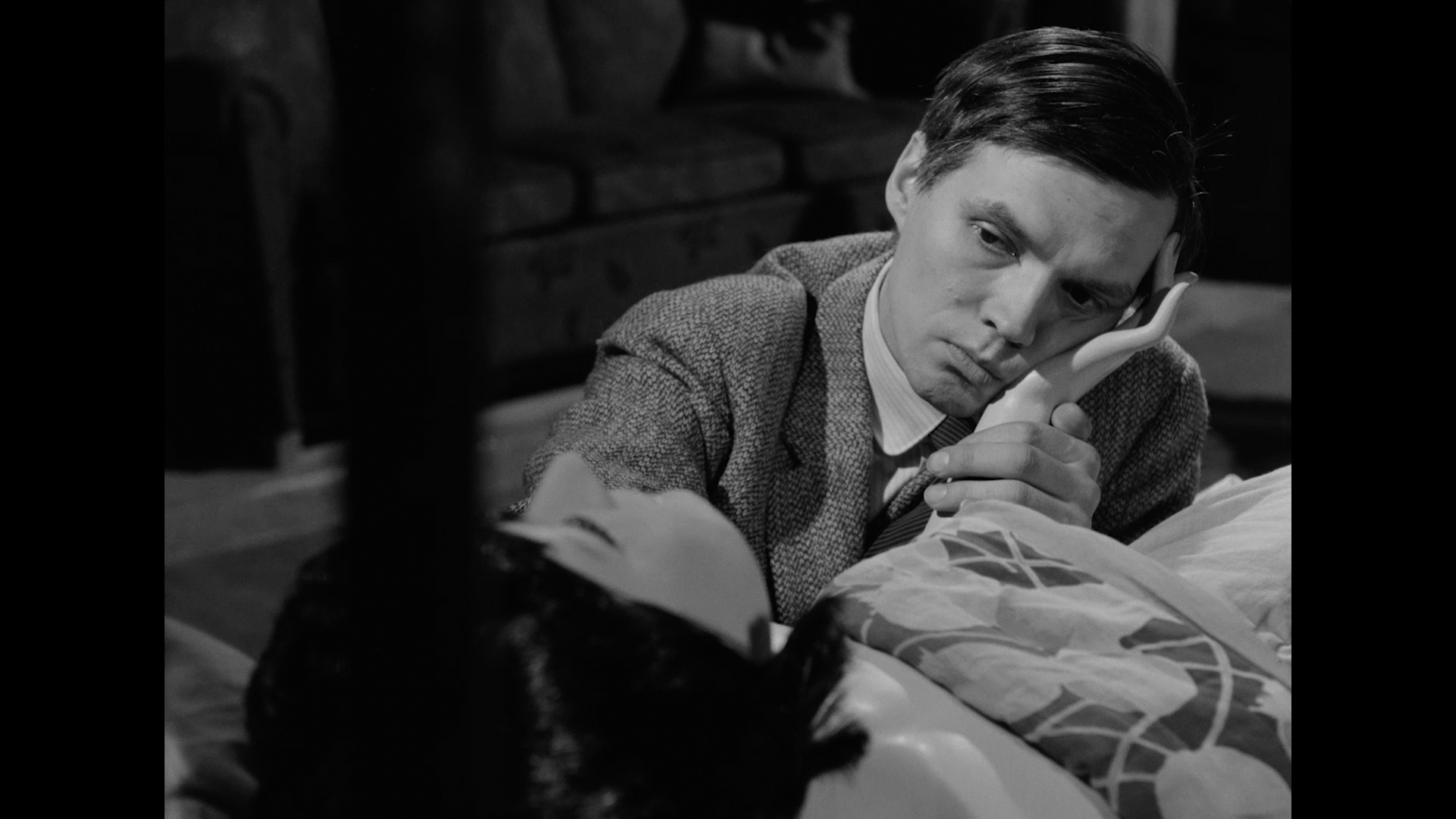
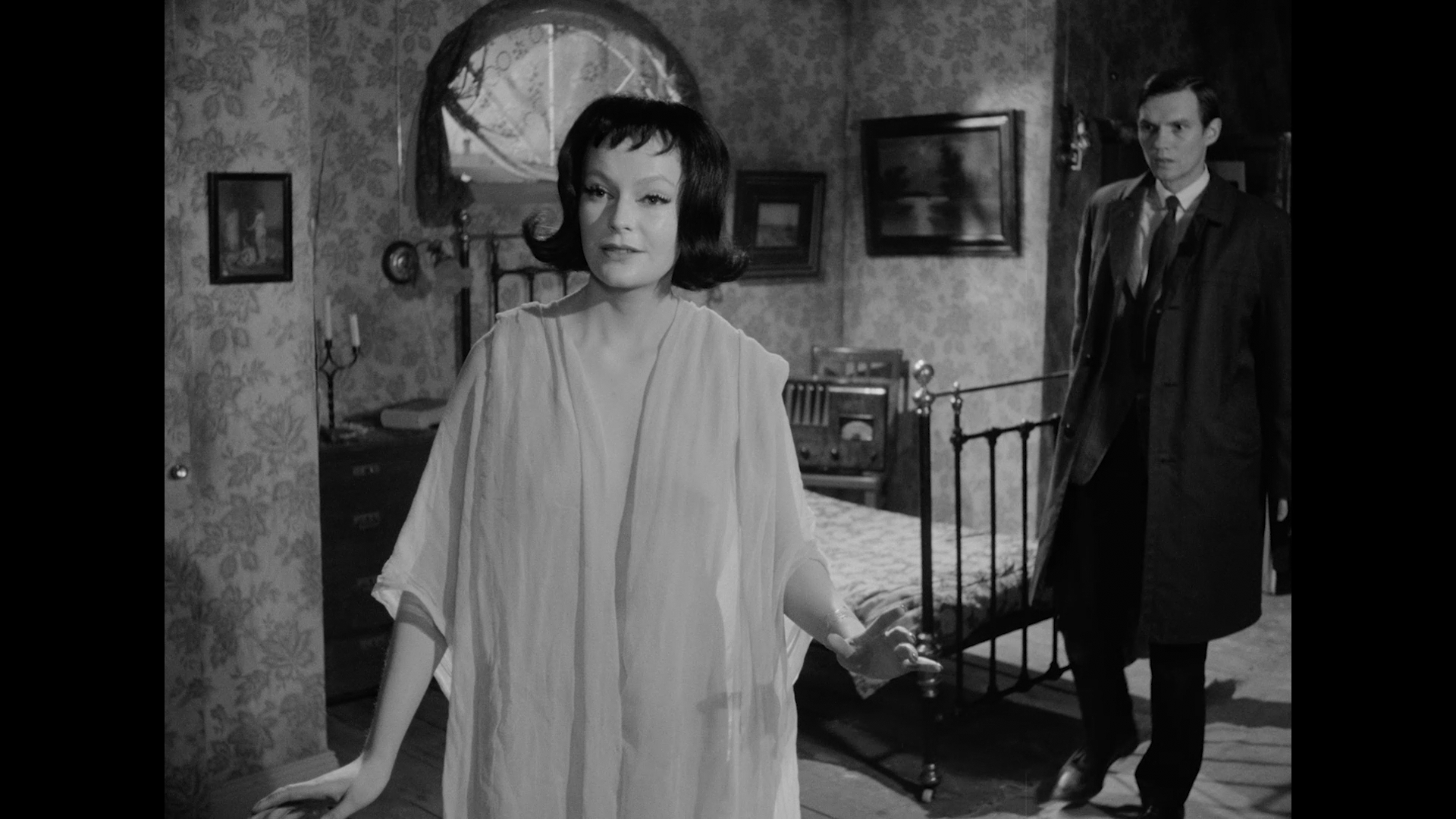
 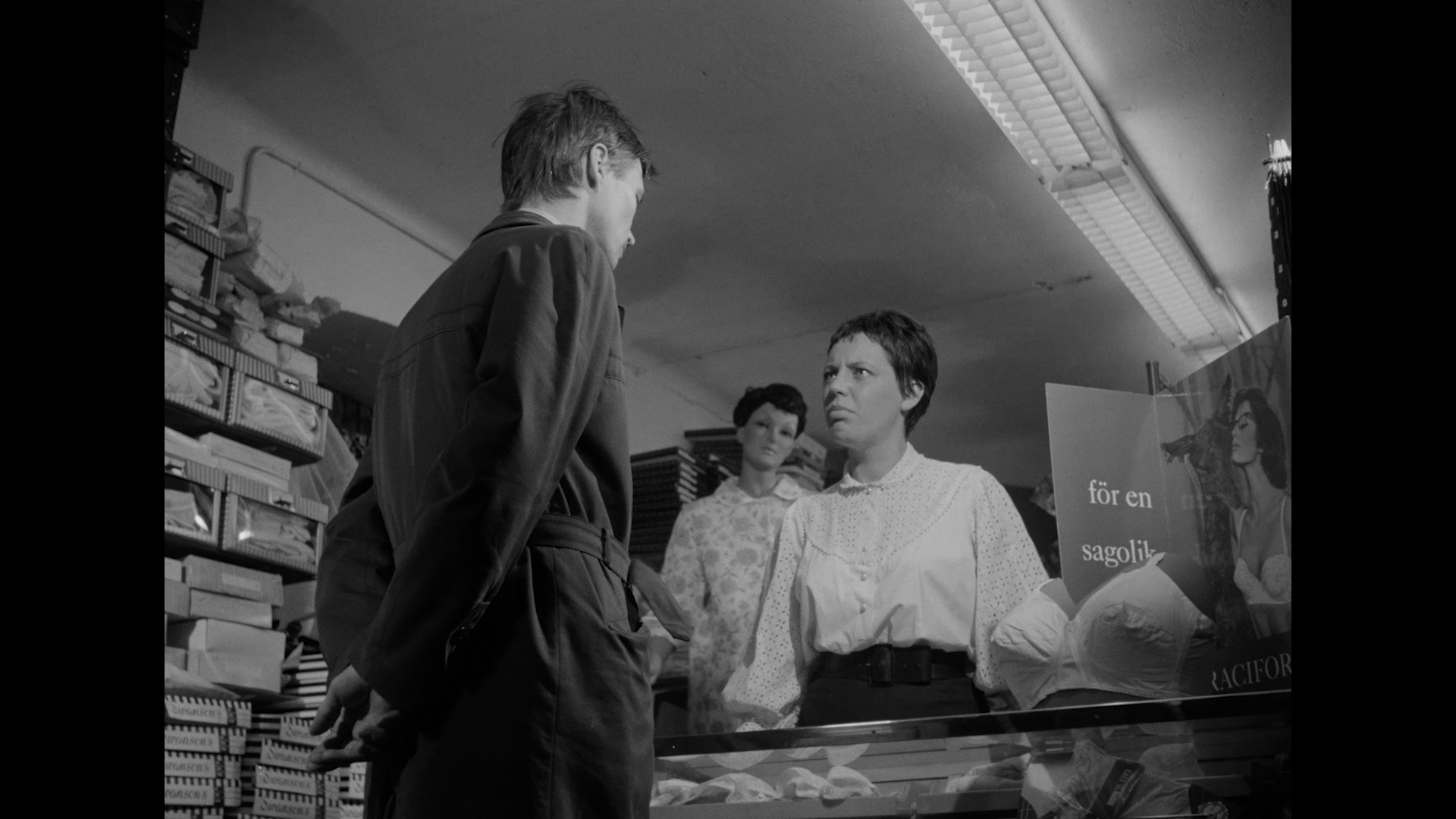 decides to bring it home for company. His domestic bliss soon turns strange when the doll (played by Petré) comes to life and relieves his lonely romantic longings, but her belief that she should now be his primary duty sets off a chain of life-altering events.
 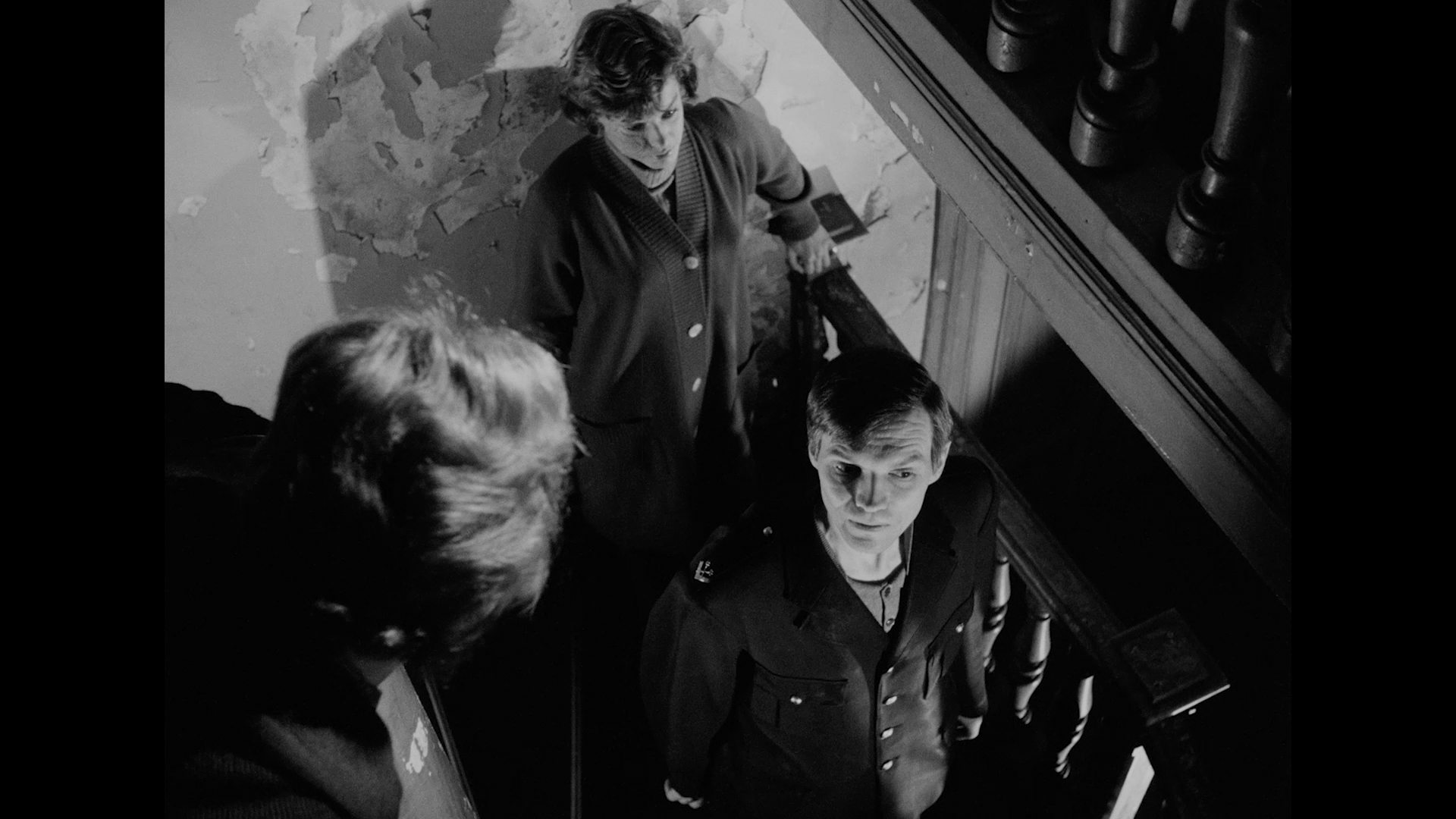 presents a 10m16s video essay on Petré's career including her multiple collaborations with Mattson and Ingmar Bergman as well as memorable one-offs like The Cats. Director Mats-Helge Olsson provides an excellent "introduction" (40m54s!) that feels more like a
 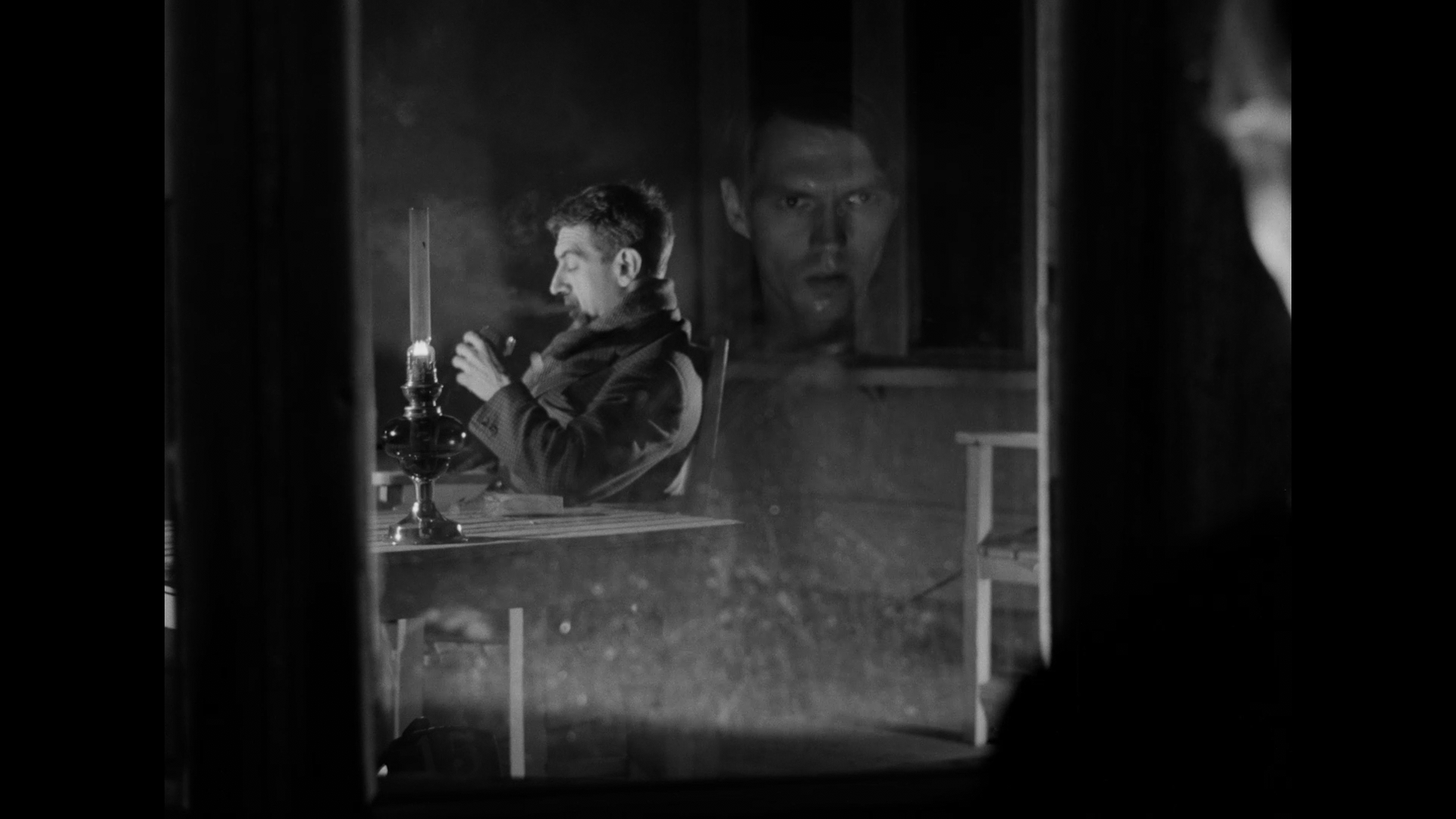 film school crash course about Mattson and the film industry including the choice of film formats, the affinities for certain genres with the public, and the impact of this film.
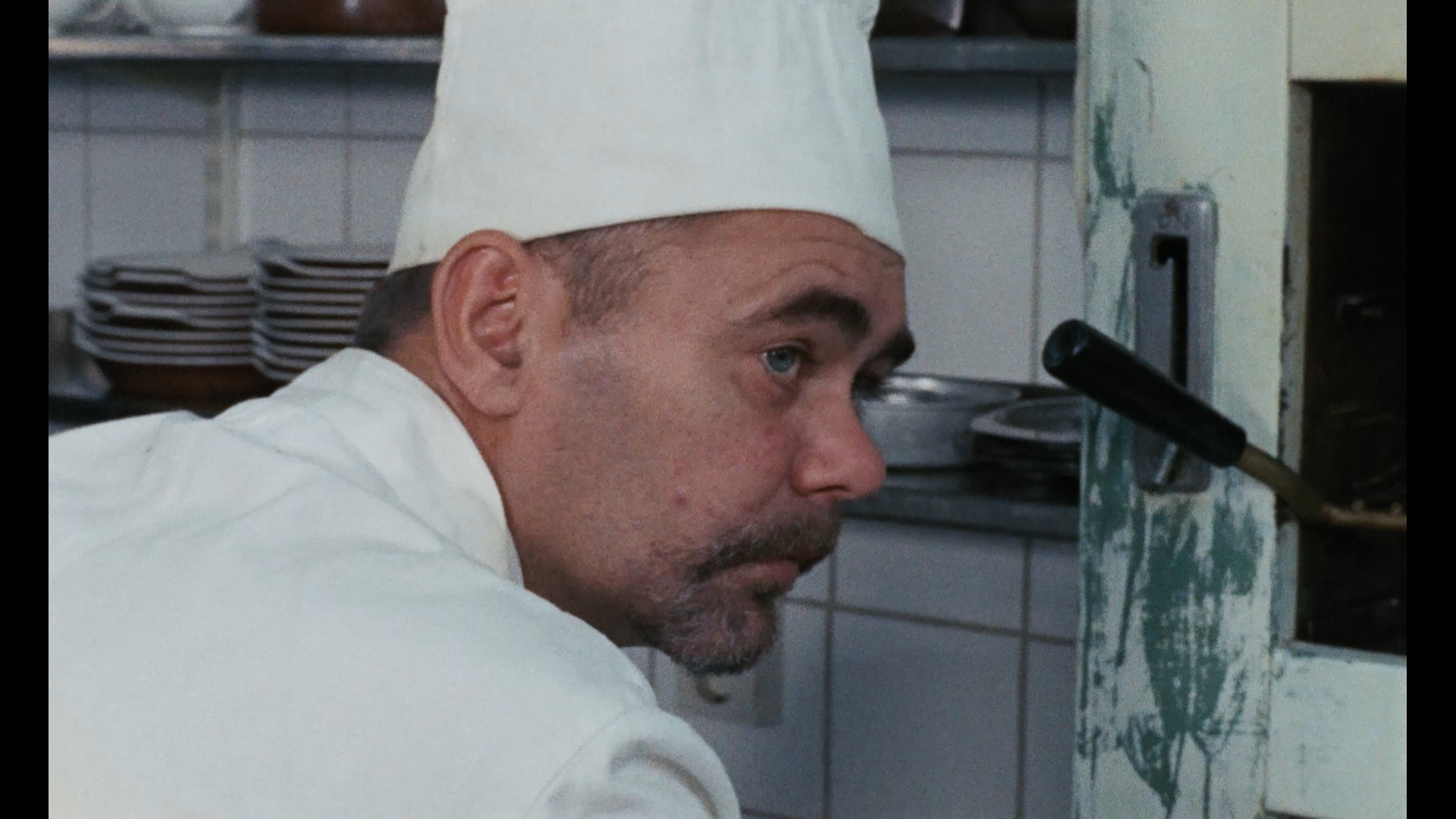
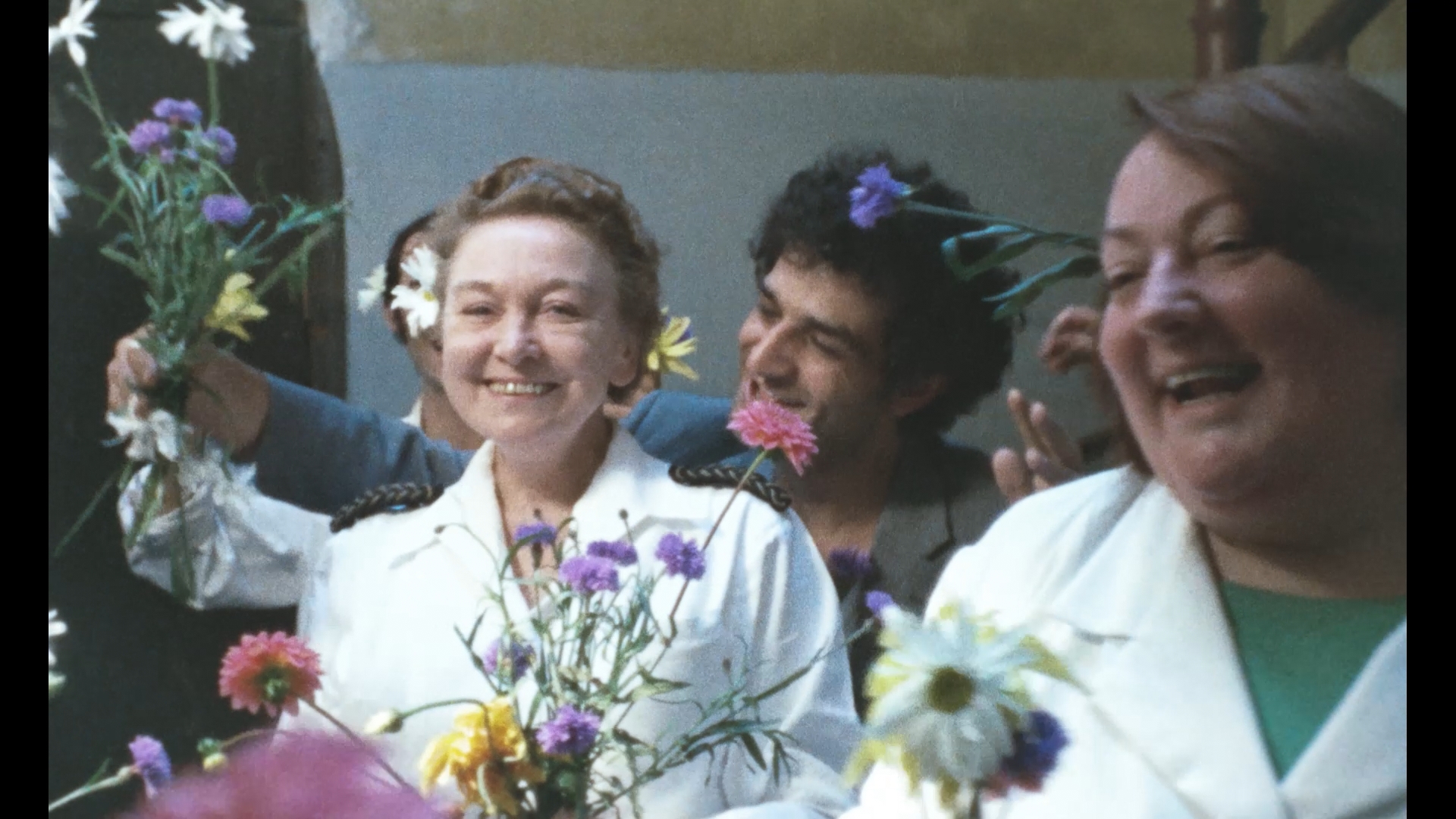
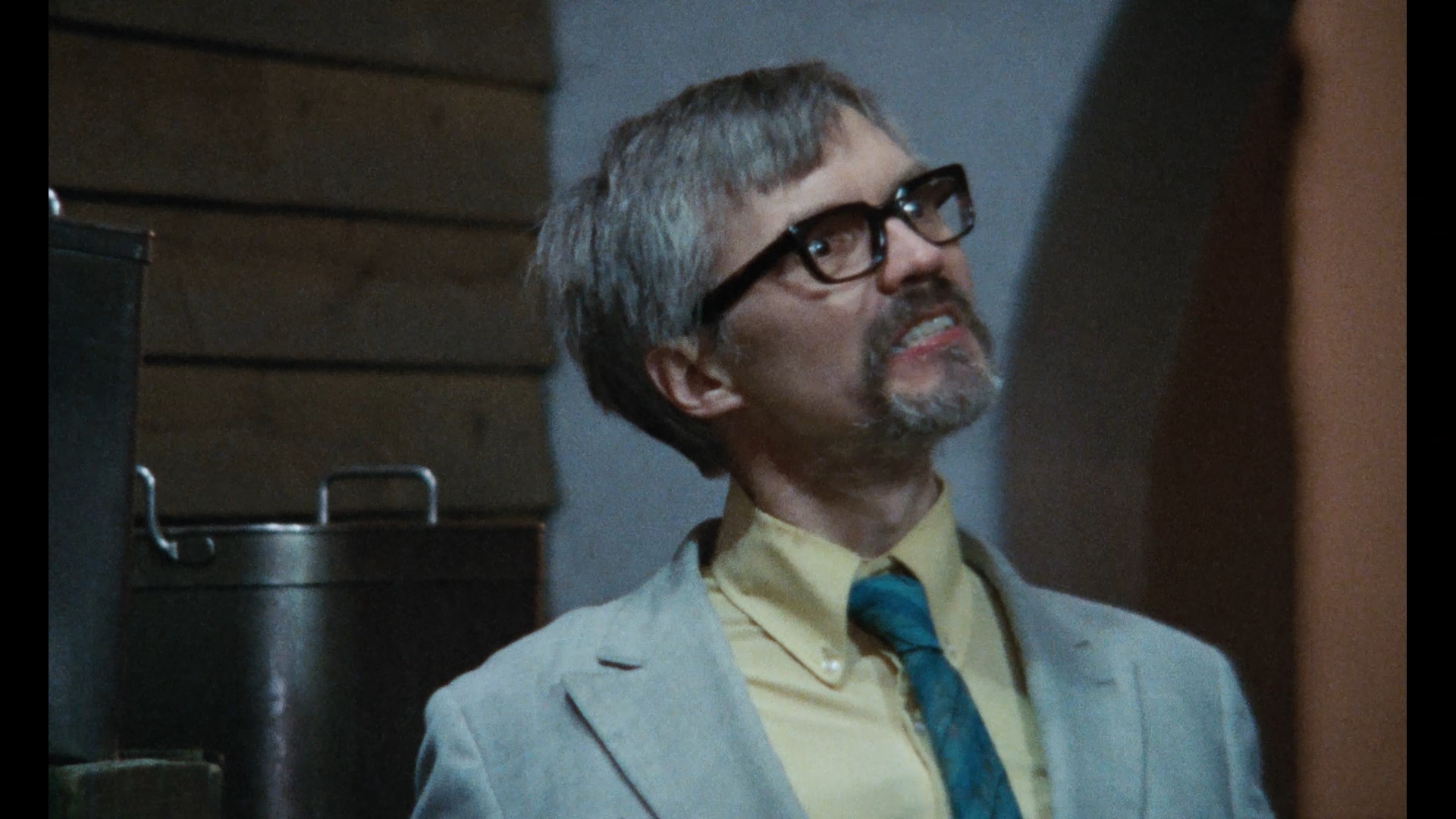
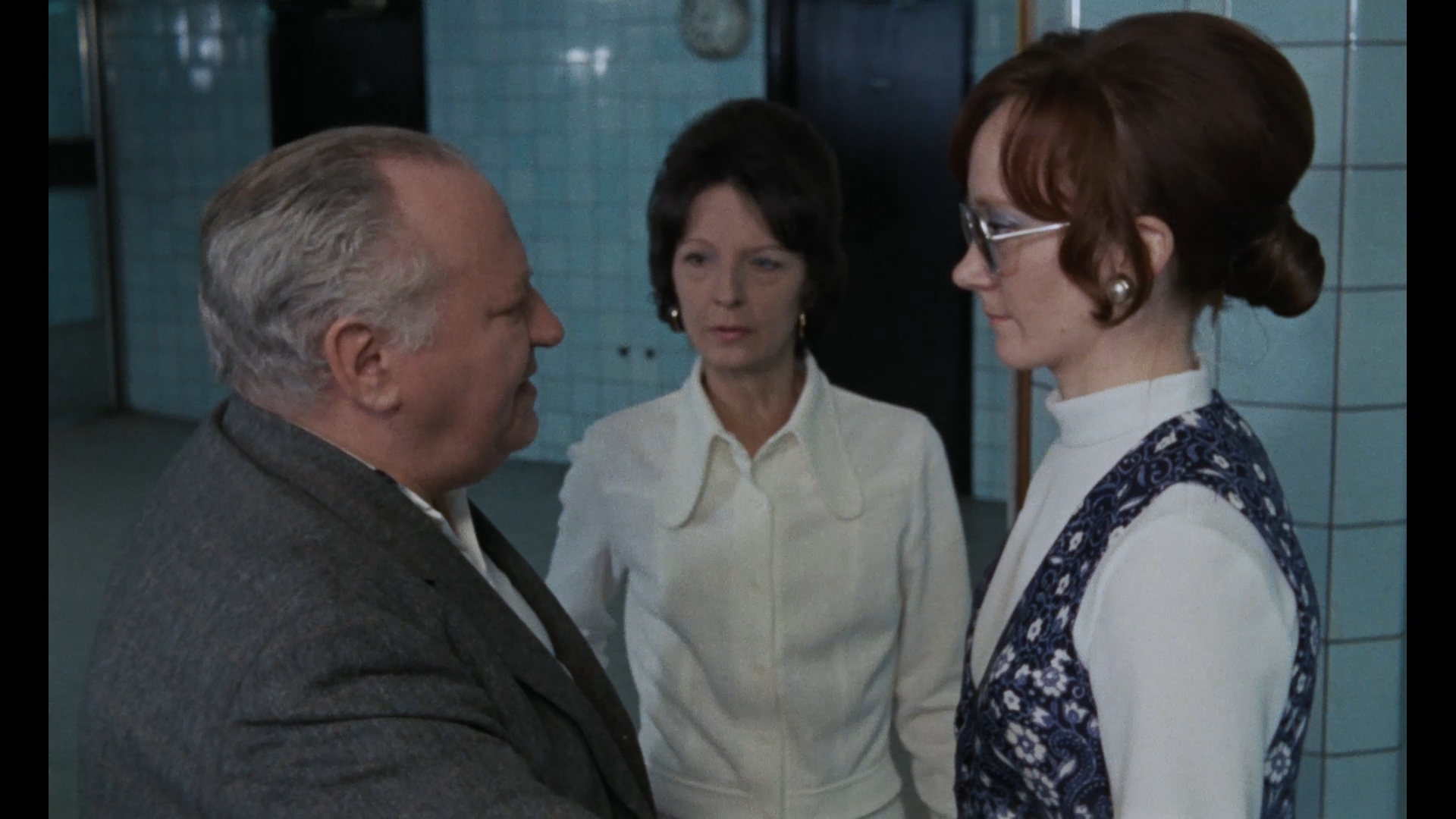
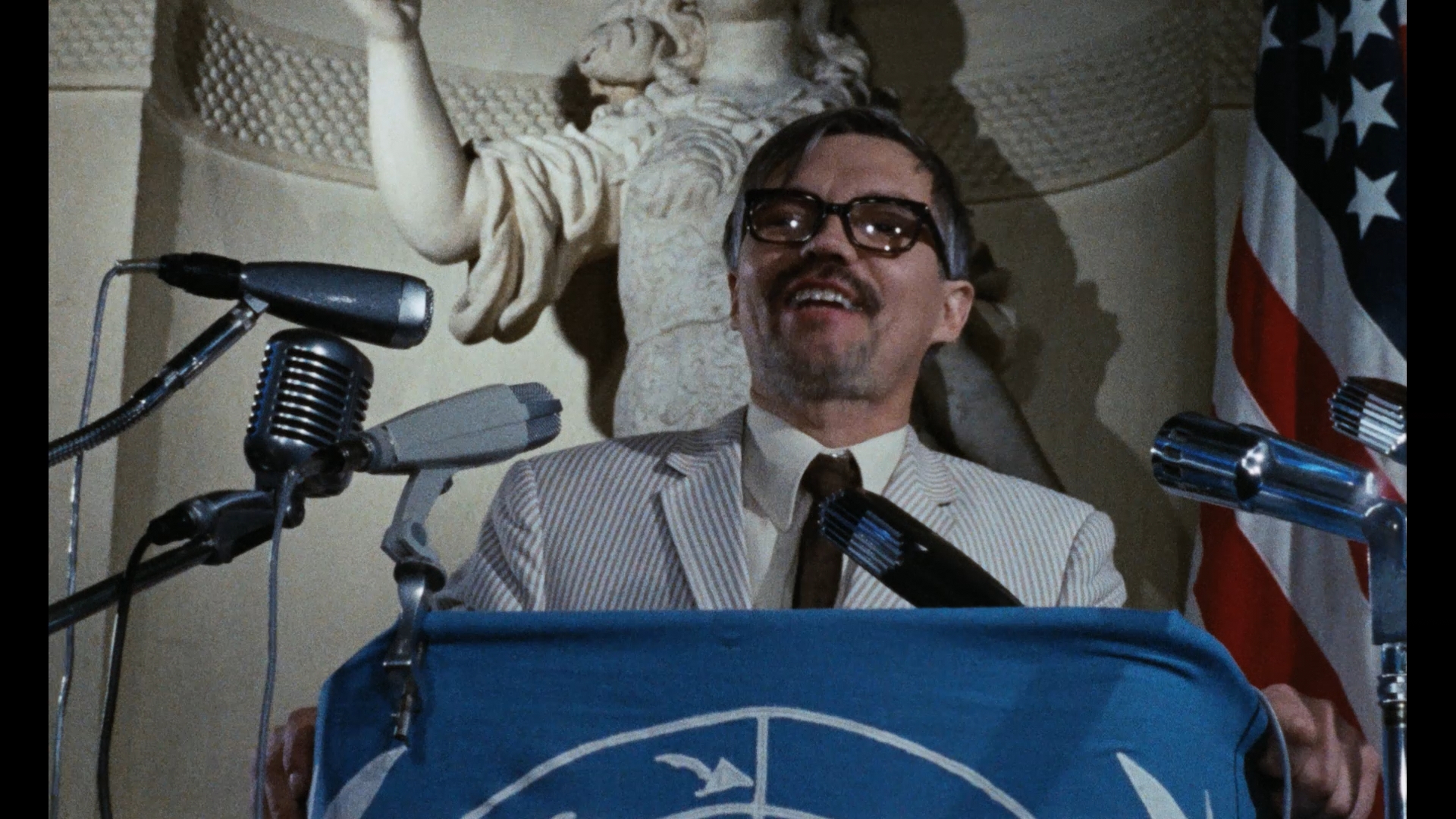
 However, though you have to look at the back of the package to realize it, this is also a double feature with another movie tucked into the extras: 1973's Ebon Lundin, directed by and starring Oscarsson and which has also undergone a superb restoration. This one was actually shot in 16mm and started off as a film school project, but the end result looks remarkably good for the format. The picaresque film barely has anything resembling a plot to hang onto, so here's the synopsis provided by the label: "a lonely man quits his factory job to truly 'live life' for the first time. It becomes a tragicomic, absurdist odyssey through Stockholm's underbelly as Ebon encounters demonstrations, bars, churches, and society's outcasts while searching for genuine human connection. Oscarsson creates a Christ-like figure whose attempts at compassion — helping drunks, defending the vulnerable, seeking love — are consistently misunderstood by an indifferent urban landscape." In other words, Oscarsson wanders through a bizarre gallery of characters, acts very dramatically, and as a director, he dishes out some deliberately provocative imagery including an unforgettable scene involving canine waste. It's hard to believe this played as a semi-mainstream local feature for a paying public, but here we are. The most fascinating aspect here is seeing the city in full color ten years later, coming off very differently here compared to the main feature. Other extras include trailers for both films as well as poster and photo galleries for each (3m20s and 2m40s), plus a VHS-sourced recording of Monica Törnell singing the theme songs from Ebon Lundin live on local TV.
EBON LUNDIN