 you see it as a glorious celebration
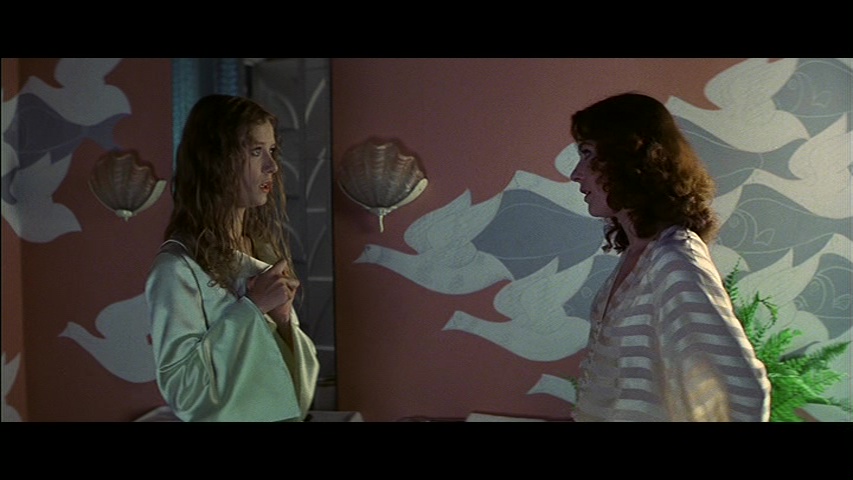
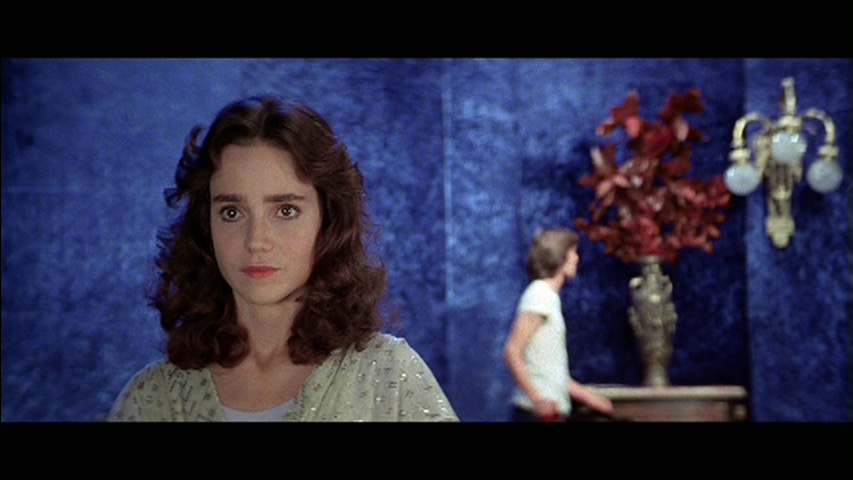
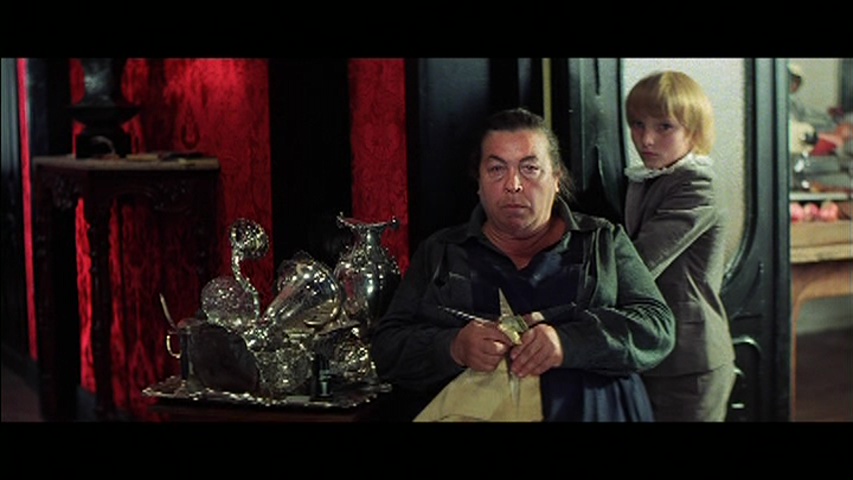
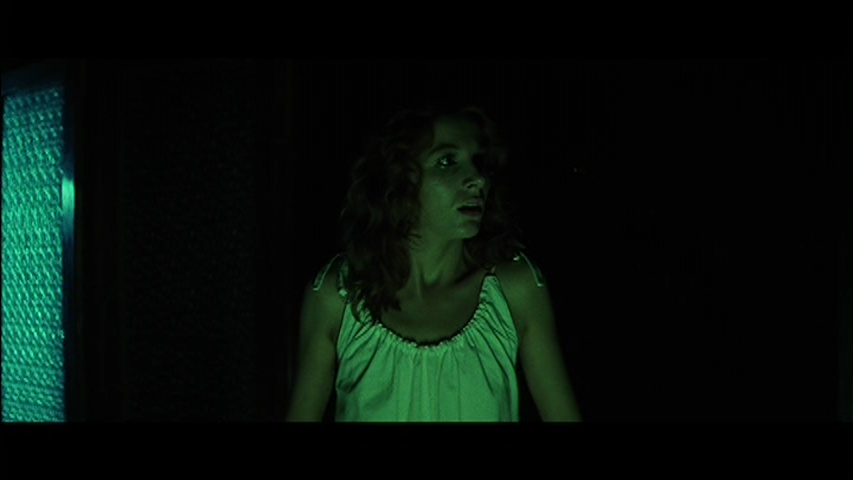
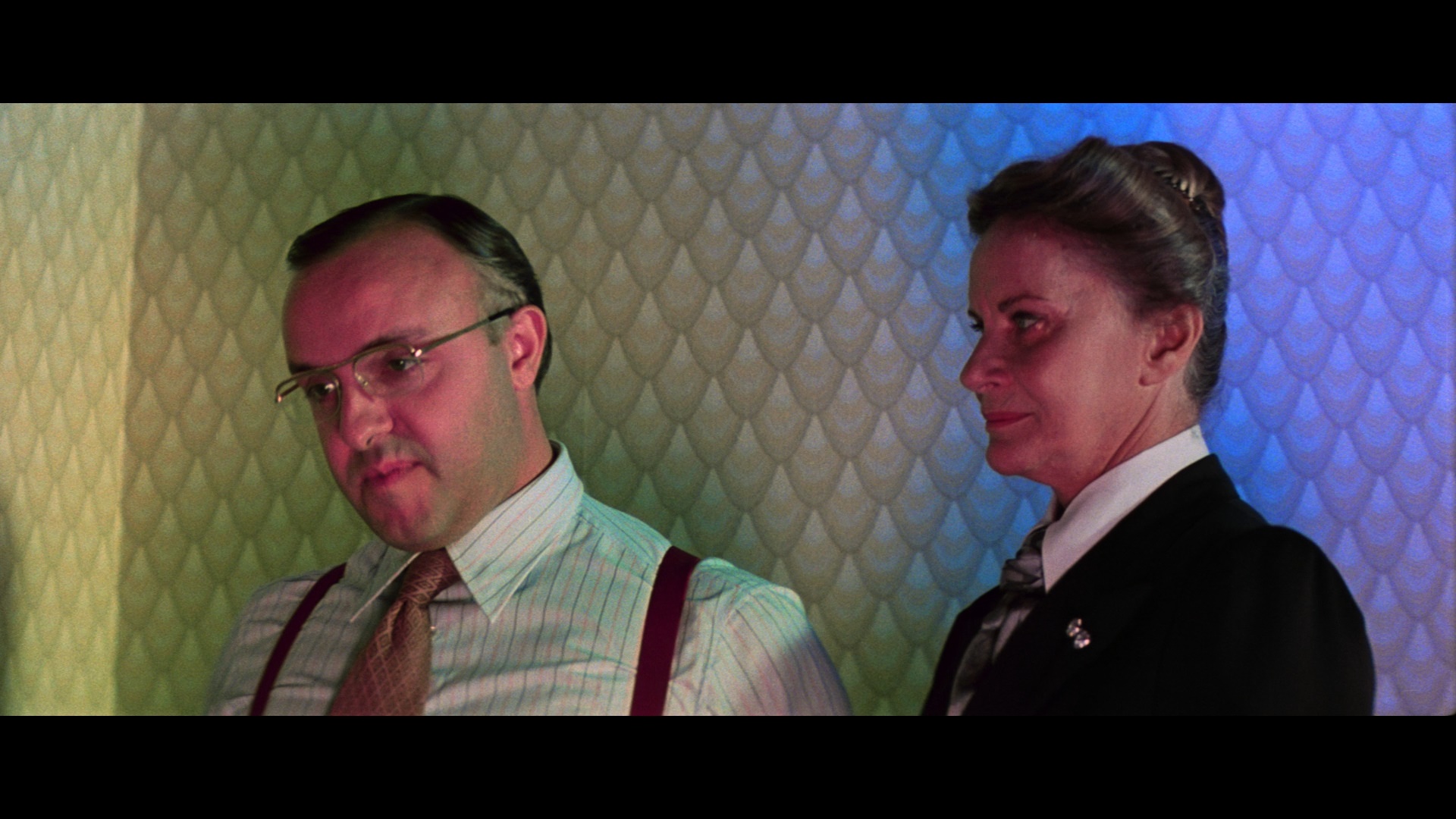
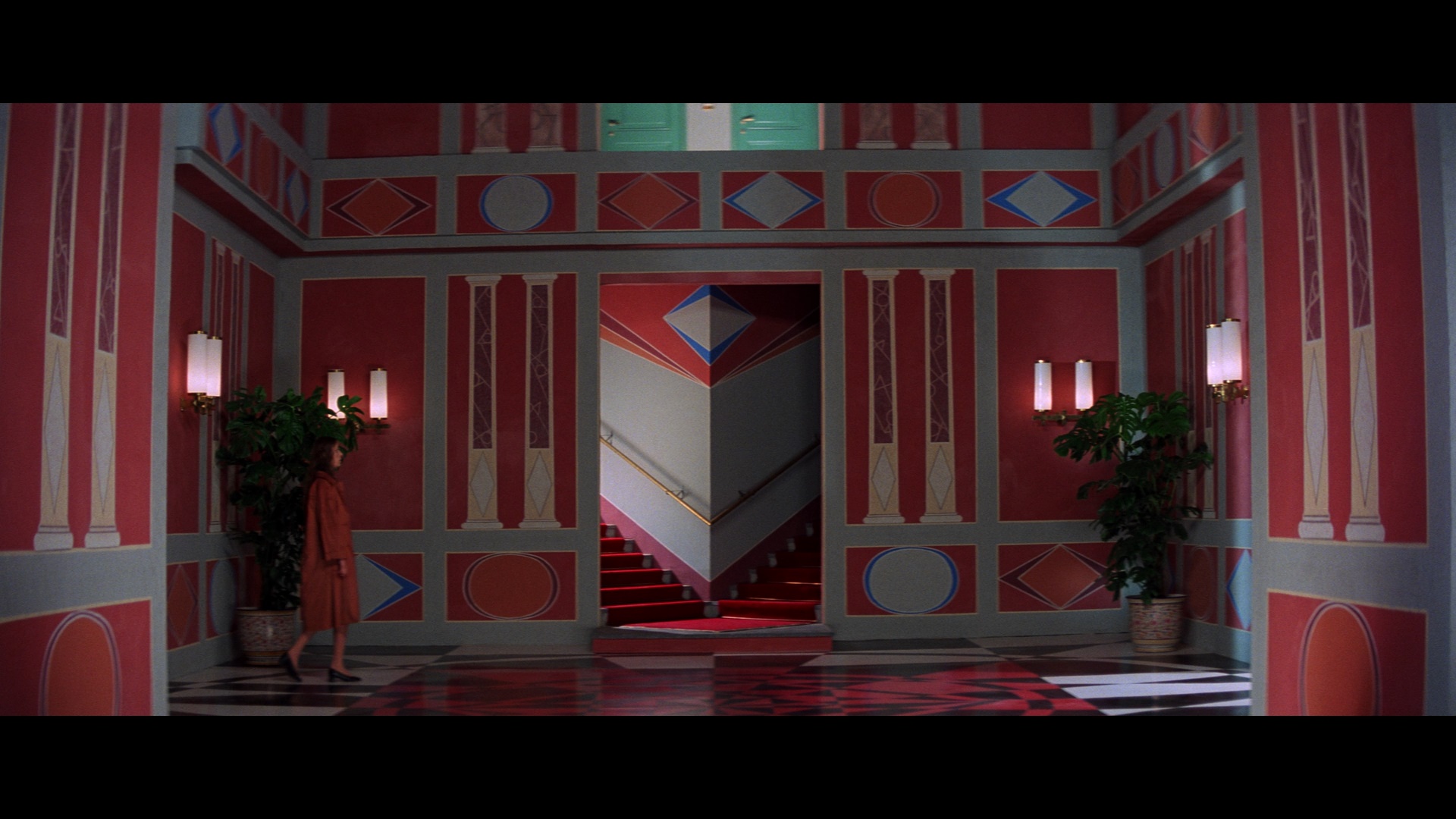
 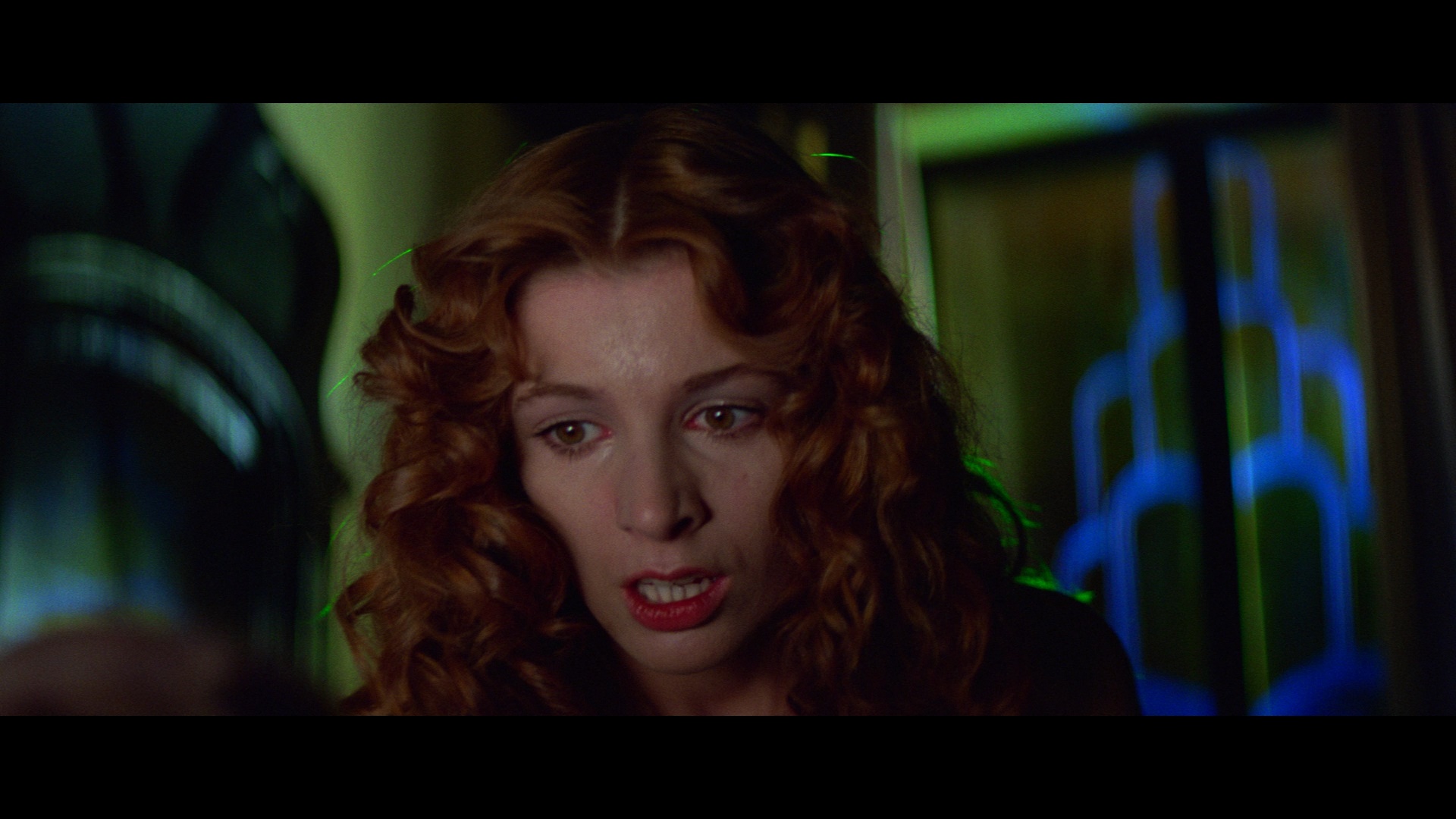 of cinematic style or a simple exercise in flashy visuals at the expense of content, Suspiria is a difficult experience to forget. Apart from its secured status as one of the most visually ravishing horror films, Suspiria stops at nothing to keep the audience in its grip and marks a radical departure from the rigorous narrative manipulation of Deep Red. Here the story offers few genuine surprises; instead, the pleasure lies in the bizarre little side roads it takes along the way, offering up a seemingly boundless array of nasty delights at 24 frames per second. Here the random, illogical plotting and mannered acting which would normally cripple a film instead become assets, creating the disorienting air of a nightmare which must simply be accepted in order to enjoy the ride.
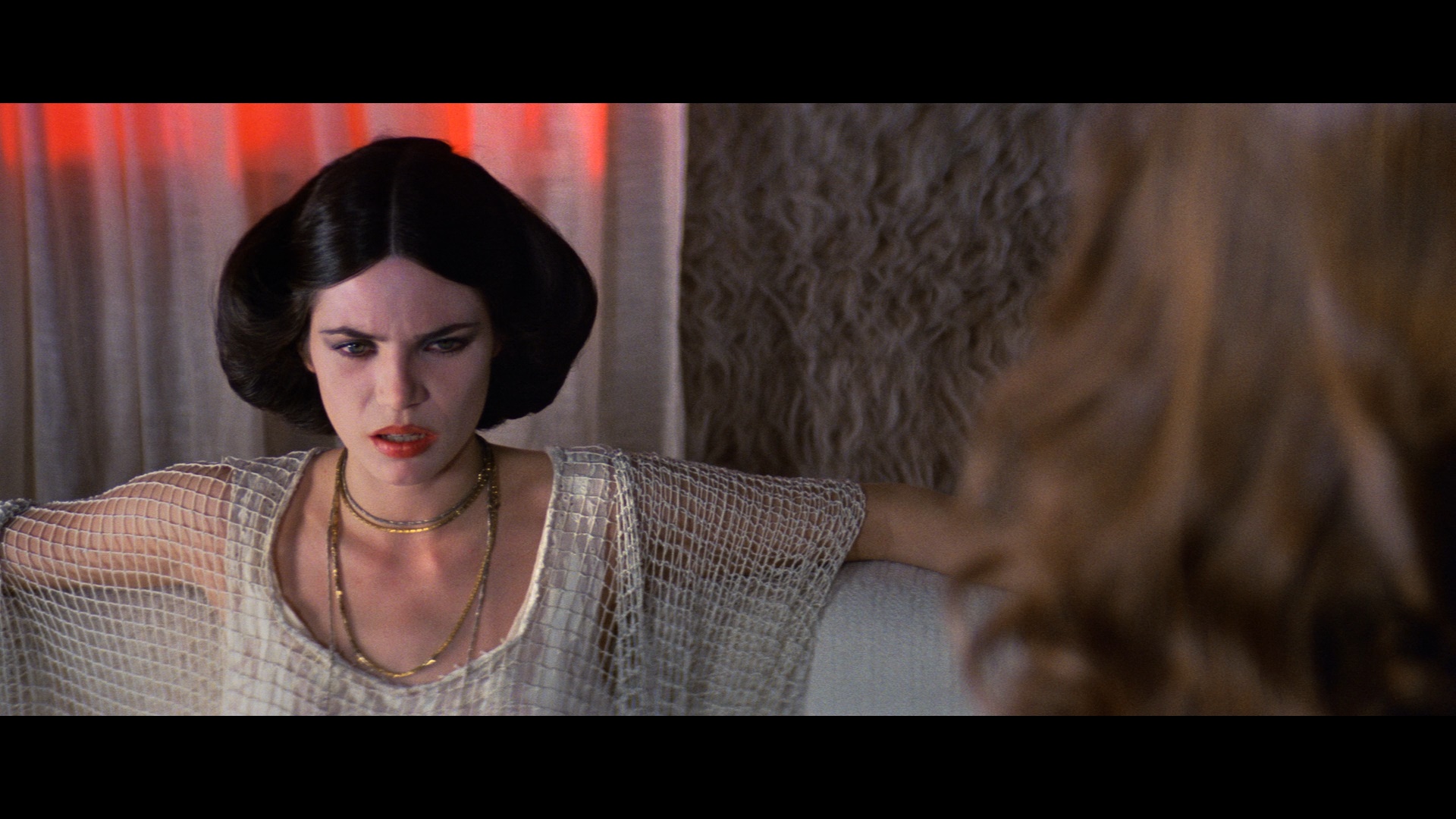
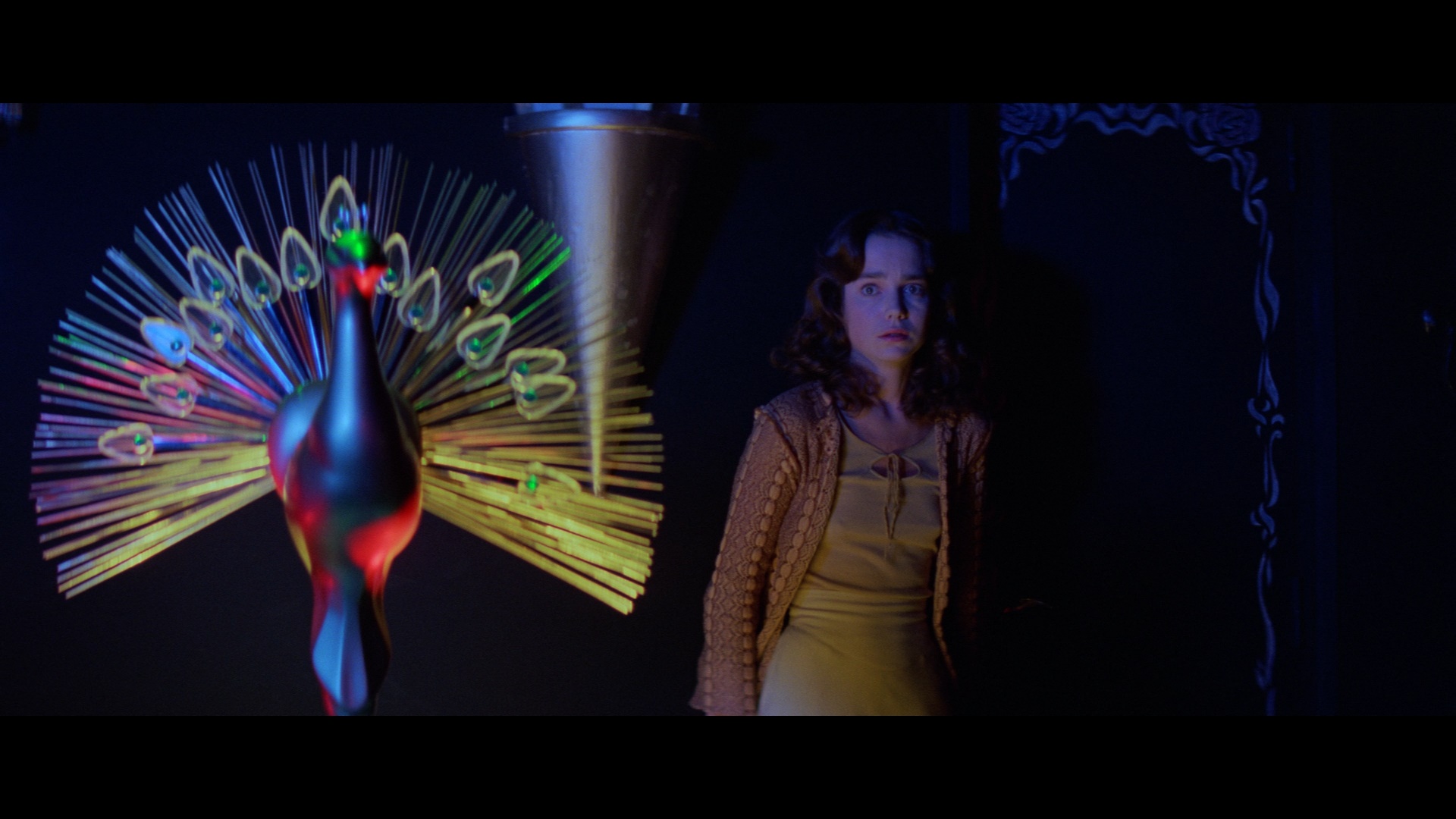 wonderfully sensitive lead performance, Suspiria is Argento's most female-oriented film. The five minor male characters in the
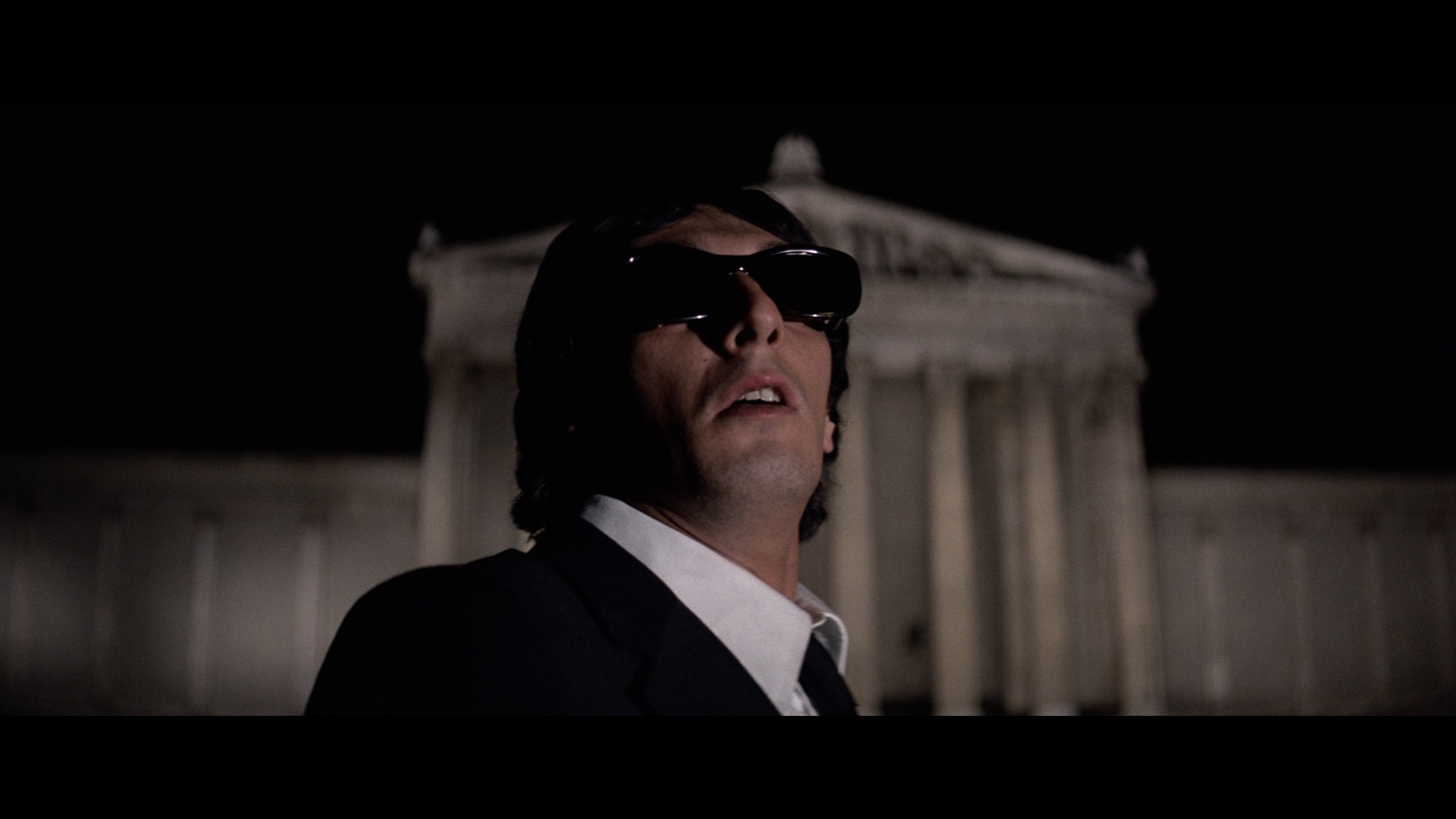
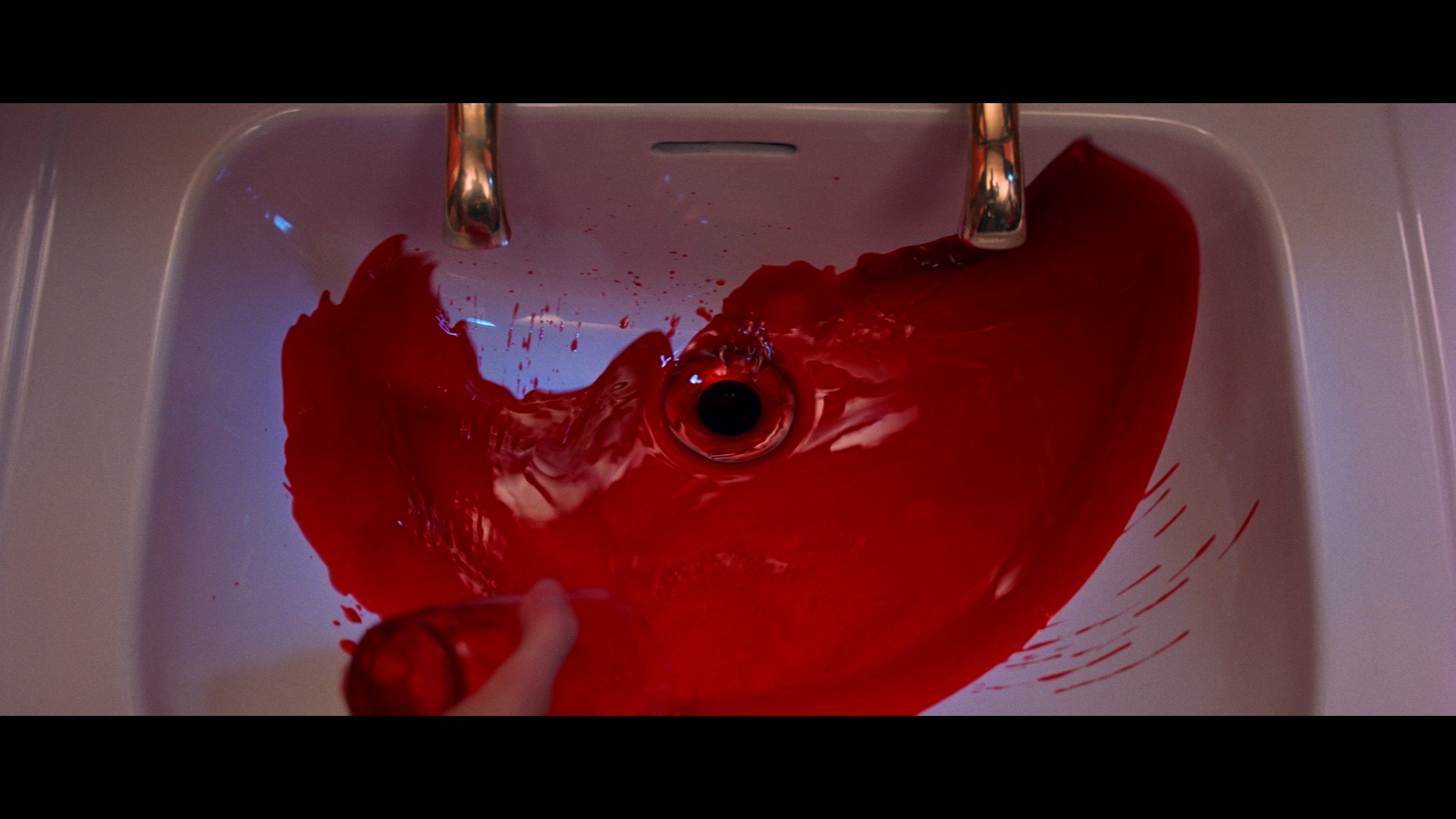
 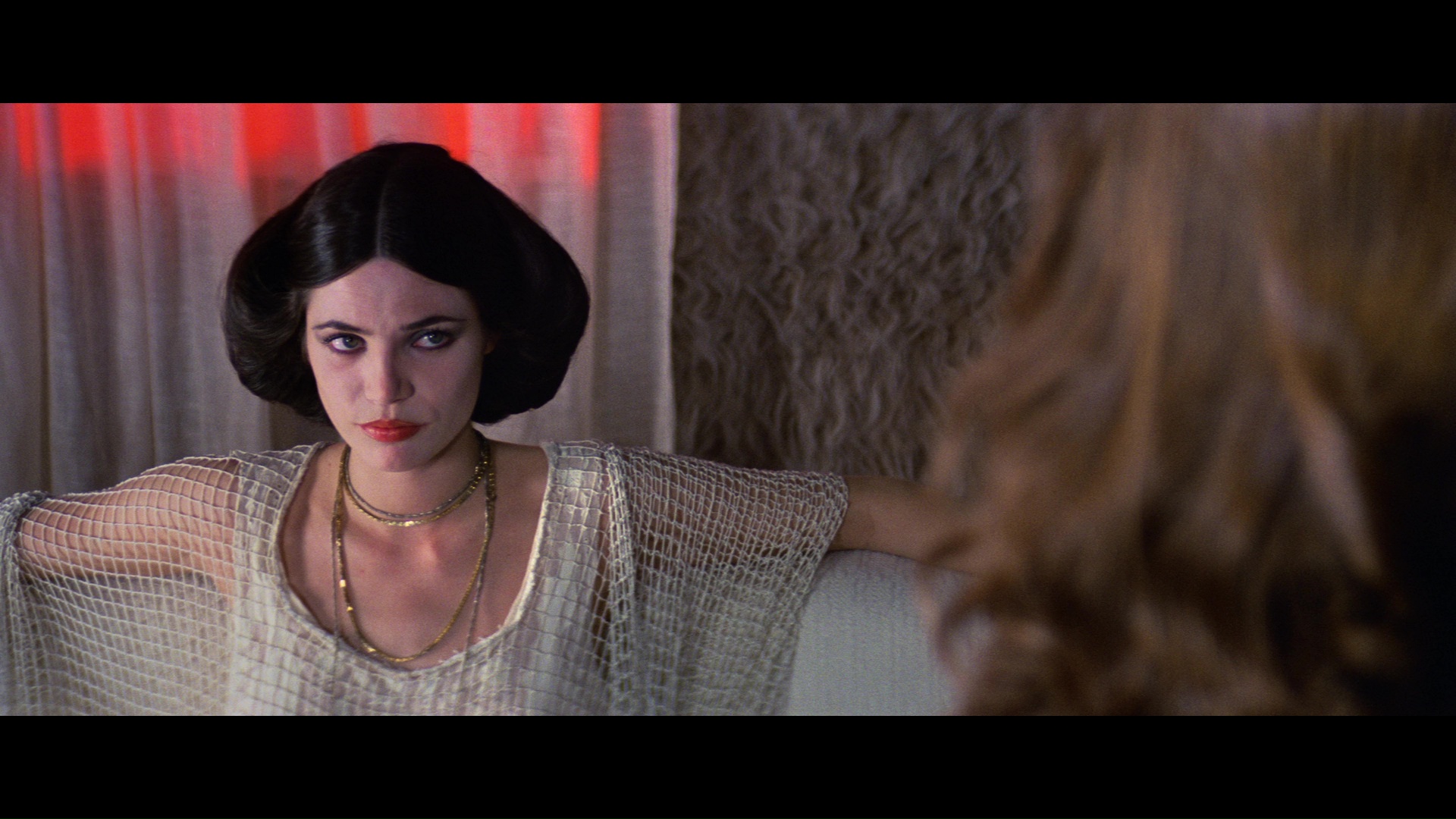 film only have one or two scenes each and serve as nothing more than plot functions, while both sides of the moral coin here are controlled by either innocent or corrupt women. Though the students don't seem to be fully aware of the school's true occult nature, the evil influence nevertheless manifests itself even in the early scenes which become more significant later on. For example, Harper's discovery that witches thrive on the gaining of personal wealth adds a sinister tone to the early comic relief scenes in which the girlish students snip about bilking money from their classmates, and that red wine Harper sips throughout the film doesn't look so harmless at all when she finally pours it into the sink. The intensity of its violence - most notably the vicious, unforgettable opening act - is filmed with the same visual care as the rest of the film. Never gratuitous, the killings instead function as a kind of brutal, ritualized occult practice carried over into modern times. The German setting and subtle allusions to its culture scarred by ritualized violence (note the sculpted soldiers in the Munich square and the use of razor wire, for starters) add to the air of refined, decadent unease, creating a setting in which every well-appointed door and curtain leads to something dark and unspeakable behind it.
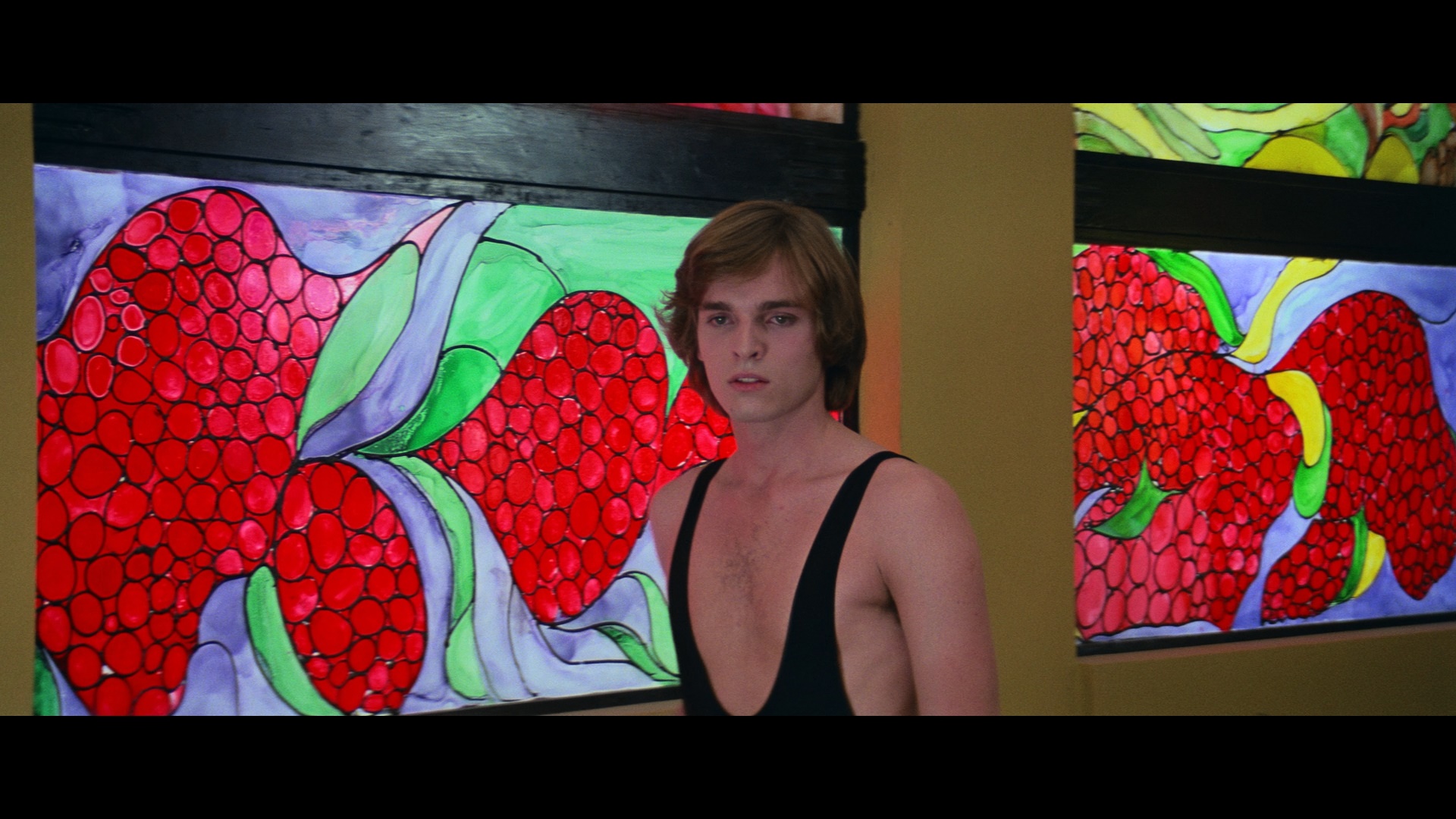 letterboxed Venezuelan VHS tapes. Relief finally arrived when Magnum Entertainment released a widescreen, uncensored VHS edition which later made it to laserdisc courtesy of Image Entertainment, with the U.S. and European trailers tacked on for good measure. Supervised by Bill Lustig, the transfer was very good for its time despite
  the deliberate desaturation of some colors to avoid video noise; even better, the stereo soundtrack was enough to inspire leagues of Euro horror fanatics to dump more money into their home video sound systems. The same transfer was later rehashed for a British DVD, about which the less said the better, and Fox Lorber's briefly released VHS edition was even more unsatisfying thanks to (blasphemy!) its mono soundtrack.
  we've all grown to know and love. On this DVD, many of the sound effects are completely different, and several odd vagaries pop up compared to earlier English language versions. Among the most notable differences (with some spoilers, so beware): Pat's
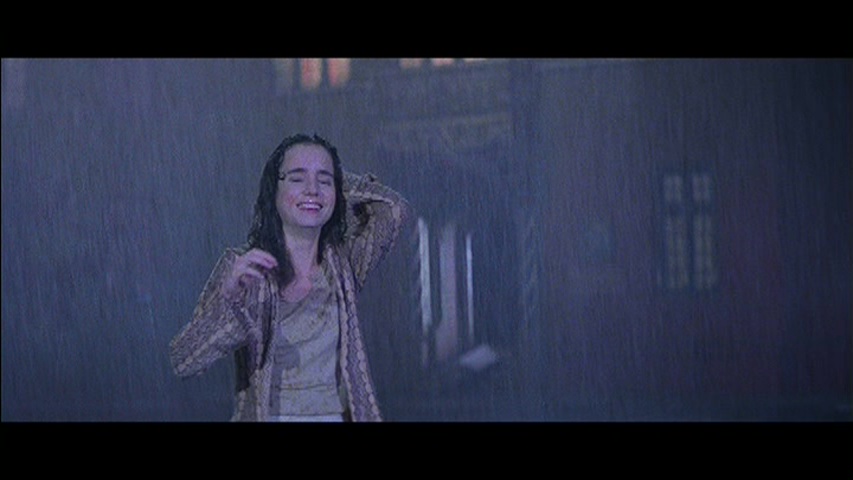
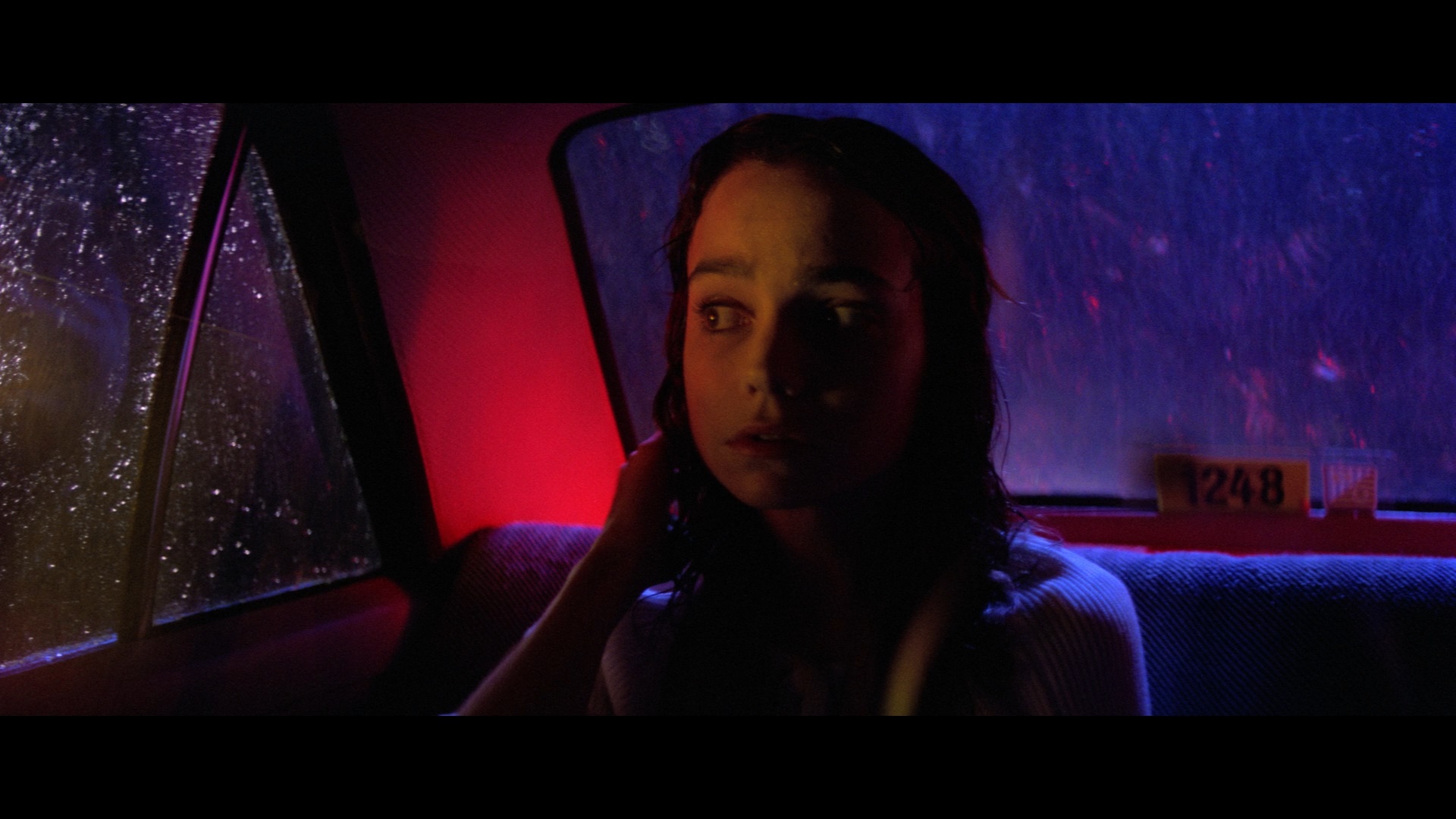
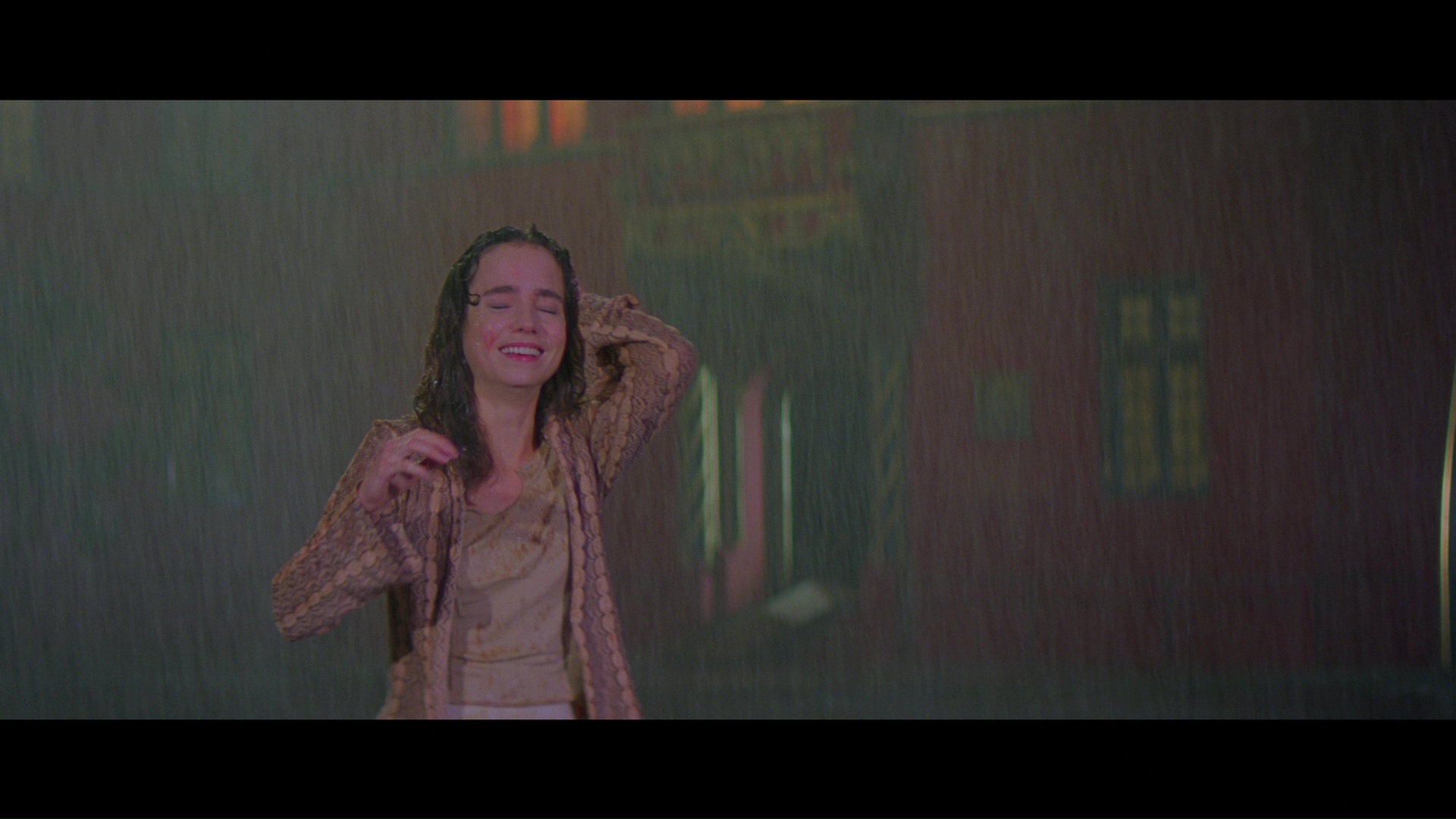
 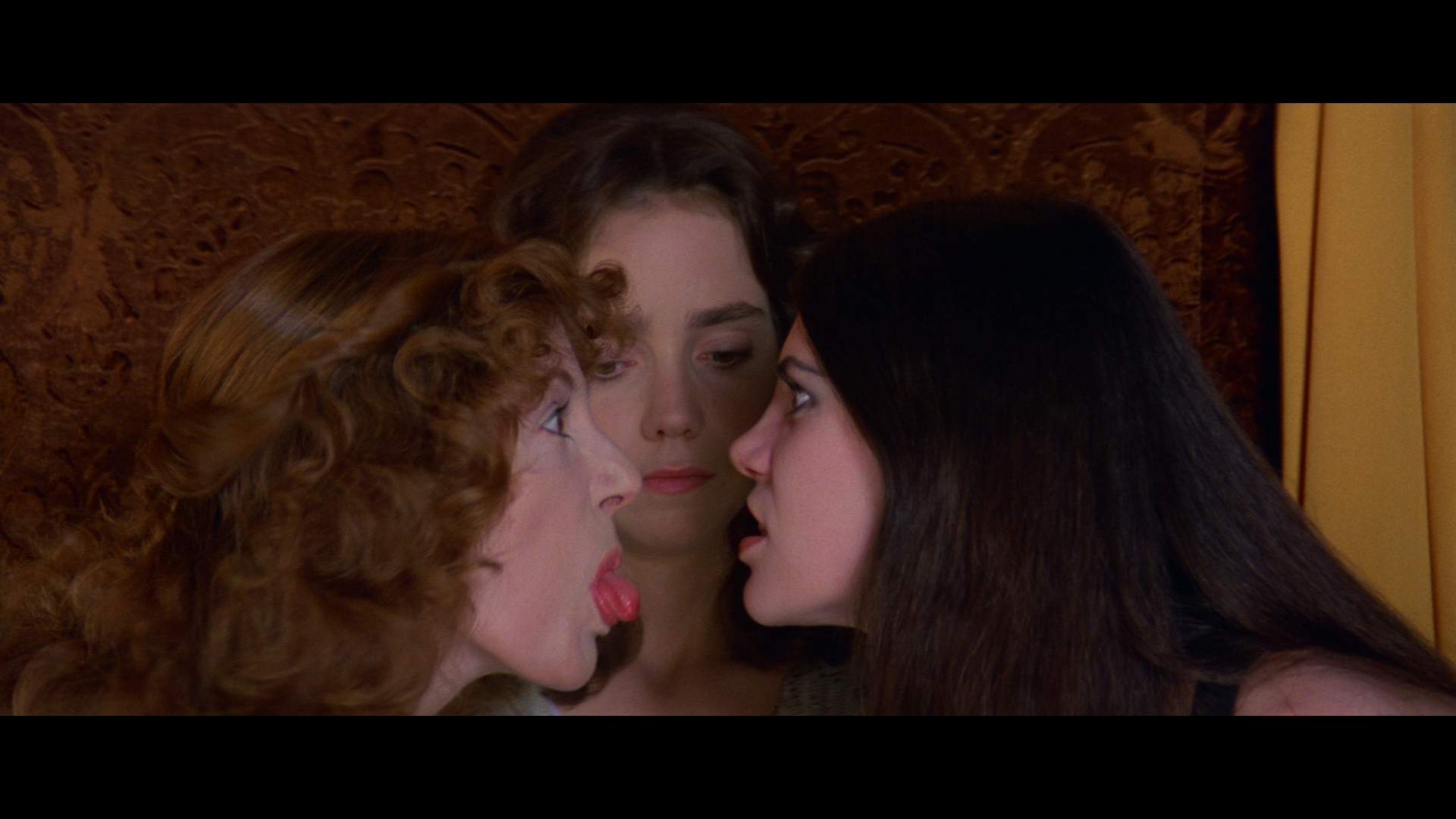 shouted statement at the front door during the rainstorm is now partially silent, making it impossible to make out her words even when one knows what she is saying; after Pat says "I'd like to dry off" at the beginning, the door slam behind her is now a soft thud instead of the earlier split-channel slam; the eyes glaring at Pat through the window are accompanied by a shorter, more muted sound effect stinger; the cries of "Help me" during the first murder have been reduced and are much softer; the growling heard inside the school hallway when Albert is attacked by the seeing eye dog is different and much more subdued; the whispering voices emanating during the beginning of Sarah's nocturnal pursuit through the building are not the same, and the sounds heard during the close up of the razor being removed are edited differently. On the other hand, when Suzy observes Madame Blanc and company undergo their witch ritual, Miss Tanner has a previously obscured line of dialogue when she leans forward: "She wouldn't eat or drink anything this evening." The thunder effects which occur in the same scene to coincide with the red flashes of light (as Blanc utters "Sickness! Sickness!") are now missing, too. Also oddly enough, the screaming voices heard over the end credits music are gone, leaving instead Goblin's frenzied middle movement of the main title theme. This release also marks the first availability of Suspiria with captions, and while this addition helps clarify a few lines of dialogue, it also contains quite a few errors and makes for hilarious reading when the captioner tries (and fails) to translate the Goblin music ("La la la la la la la -- Wait!"). The Italian audio is included but, since it can only be viewed with those captions, is pretty useless here.
  both a single disc and three-disc special edition, Suspiria's primary DVD sports the movie with the two aforementioned theatrical trailers, a brief TV spot (condensed from the U.S. trailer), radio spots, a gallery of international stills and poster art, talent bios, a very odd Daemonia music video (directed by Simonetti) for the main theme, and a funny Easter Egg involving Udo Kier. The
  second disc contains a spectacular 51m52s documentary, Suspiria 25th Anniversary, in which the main surviving participants offer their thoughts on the film's production and influence. Argento, Nicolodi, the members of Goblin, and cinematographer Luciano Tovoli offer elaborated versions of the familiar stories about the film's lensing on discontinued Technicolor stock, Nicolodi's inspiration from a relative's occult school experience, and the unorthodox process of the music composition. Argento offers a few nice new tidbits of information, such as his explanation behind the placement of all the school's doorknobs. Harper, Casini, and Kier all make very welcome appearances to offer an actor's perspective, and all of them seem to recall the production with great affection and seem even prouder of the film now. Harper and Casini's recollections of Bennett are a particular highlight, and Casini scores the biggest laughs with her vivacious impersonations of everyone involved on the set. Finally, Tovoli's anecdote about Single White Female is nearly worth the price of admission by itself.
Disc three offers the Suspiria soundtrack but isn't quite a direct carryover of the official Cinevox CD release. It contains the full album tracks and some of the bonus cues from the earlier expanded CD edition, along with the new Daemonia contributions to round out the CD on a more modern, rock-style note. Those who already have the CD probably won't notice much of a difference, so the expanded (and much heavier) three-disc version is mainly recommended for the excellent documentary and its hefty printed materials: nine color lobby card and poster reproductions, and an extensive, color booklet with well written, informative liner notes by Travis Crawford and a printed interview with Harper which expands a bit on her comments in the documentary. The two DVDs were later reissued from Blue Underground with the same transfer and extras.
second disc contains a spectacular 51m52s documentary, Suspiria 25th Anniversary, in which the main surviving participants offer their thoughts on the film's production and influence. Argento, Nicolodi, the members of Goblin, and cinematographer Luciano Tovoli offer elaborated versions of the familiar stories about the film's lensing on discontinued Technicolor stock, Nicolodi's inspiration from a relative's occult school experience, and the unorthodox process of the music composition. Argento offers a few nice new tidbits of information, such as his explanation behind the placement of all the school's doorknobs. Harper, Casini, and Kier all make very welcome appearances to offer an actor's perspective, and all of them seem to recall the production with great affection and seem even prouder of the film now. Harper and Casini's recollections of Bennett are a particular highlight, and Casini scores the biggest laughs with her vivacious impersonations of everyone involved on the set. Finally, Tovoli's anecdote about Single White Female is nearly worth the price of admission by itself.
Disc three offers the Suspiria soundtrack but isn't quite a direct carryover of the official Cinevox CD release. It contains the full album tracks and some of the bonus cues from the earlier expanded CD edition, along with the new Daemonia contributions to round out the CD on a more modern, rock-style note. Those who already have the CD probably won't notice much of a difference, so the expanded (and much heavier) three-disc version is mainly recommended for the excellent documentary and its hefty printed materials: nine color lobby card and poster reproductions, and an extensive, color booklet with well written, informative liner notes by Travis Crawford and a printed interview with Harper which expands a bit on her comments in the documentary. The two DVDs were later reissued from Blue Underground with the same transfer and extras. 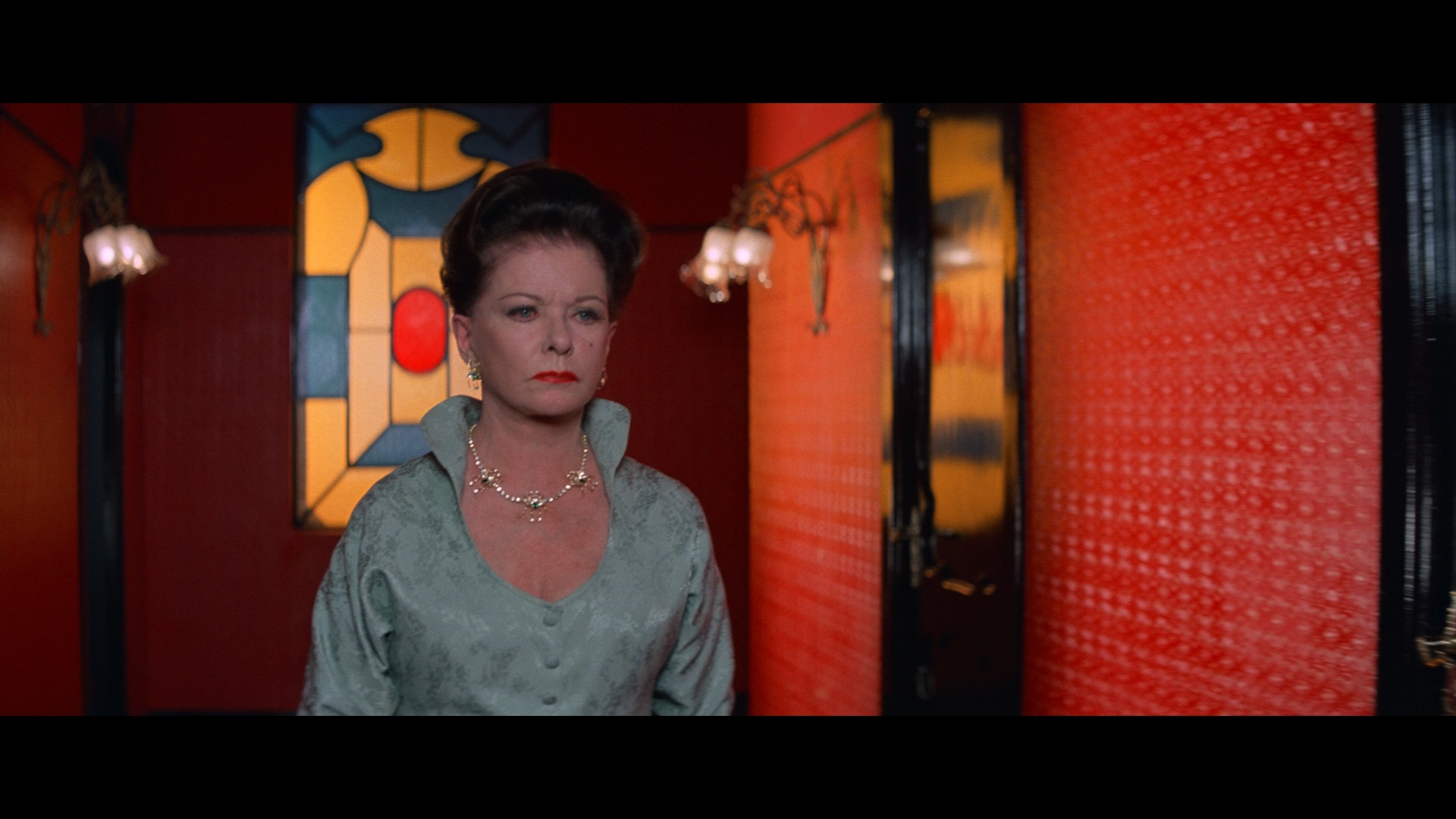 high but then swiftly dashed when the transfer used for every initial release turned out to be a complete disaster. Contrast is pumped way too high with whites blown out throughout, starting out at a mildly annoying level and then growing completely unwatchable for the last 20 minutes. The color timing also goes haywire in the second half of the film, with the climax turned into a mess complete with a red haze over the closing shots outside the school for no apparent reason.
  Despite the obnoxious company tagline ("Taking Trash Seriously"), the British release from Nouveaux sounds the best of the bunch (about the same as the great American VHS/laserdisc mix), while the French one is the worst with only a mono(!) option for the English track. The UK one also wins out of that batch thanks to its excellent audio commentary by Alan Jones and Kim Newman as well as a "Fear at 400 Degrees" featurette (34m56s) with Cine-Excess' Xavier Mendik linking together interview sound bites with Newman, Dr. Patricia MacCormack, Norman J. Warren, Goblin's Claudio Simonetti, and (via archival footage) Argento basically rehashing what an important film this is while taking a somewhat academic take on the film's transformative genre influence.
  plus the Italian track (DTS-HD MA 5.1) with optional English subtitles (taken from the English dialogue, more or
 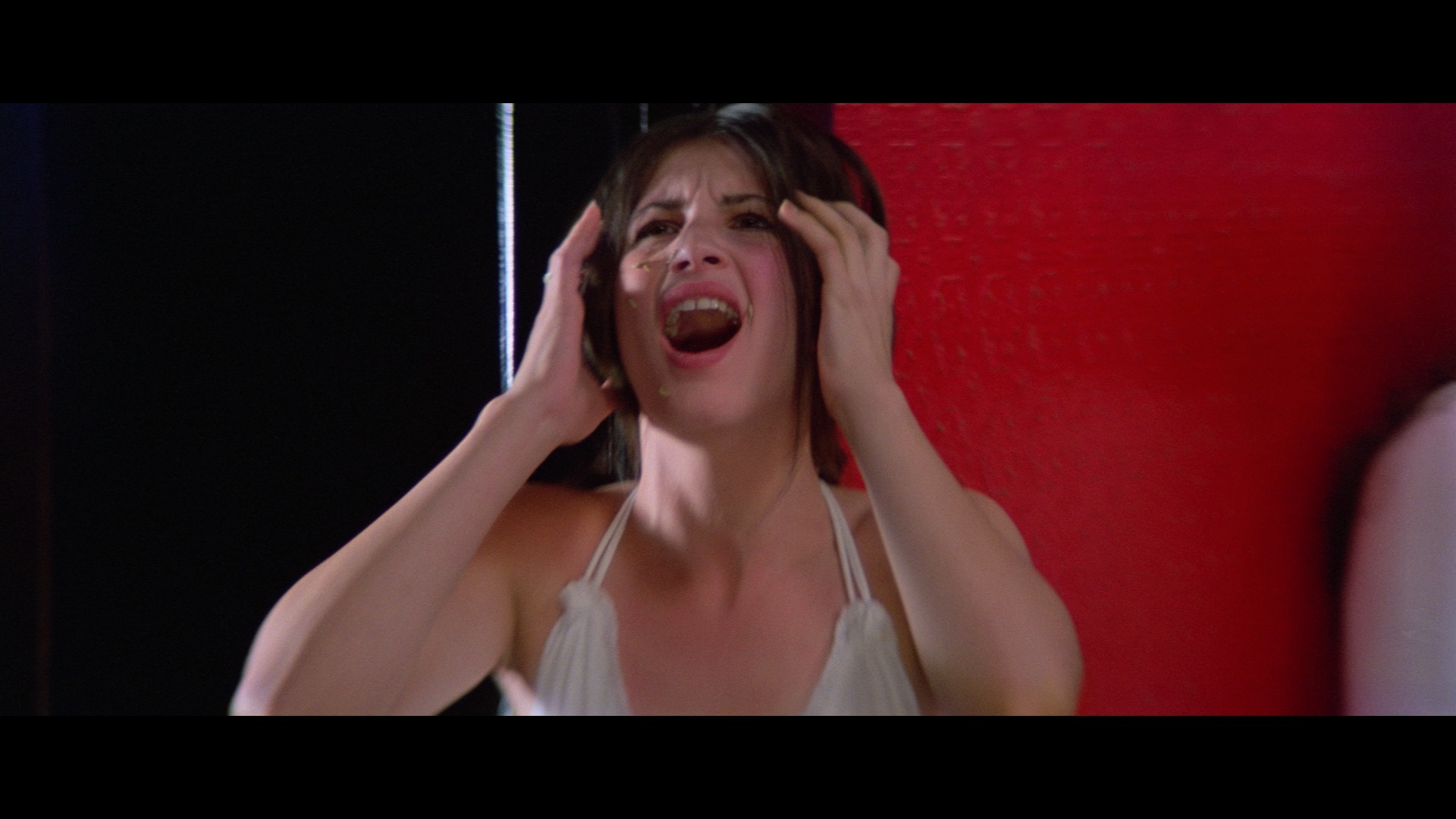 less).
 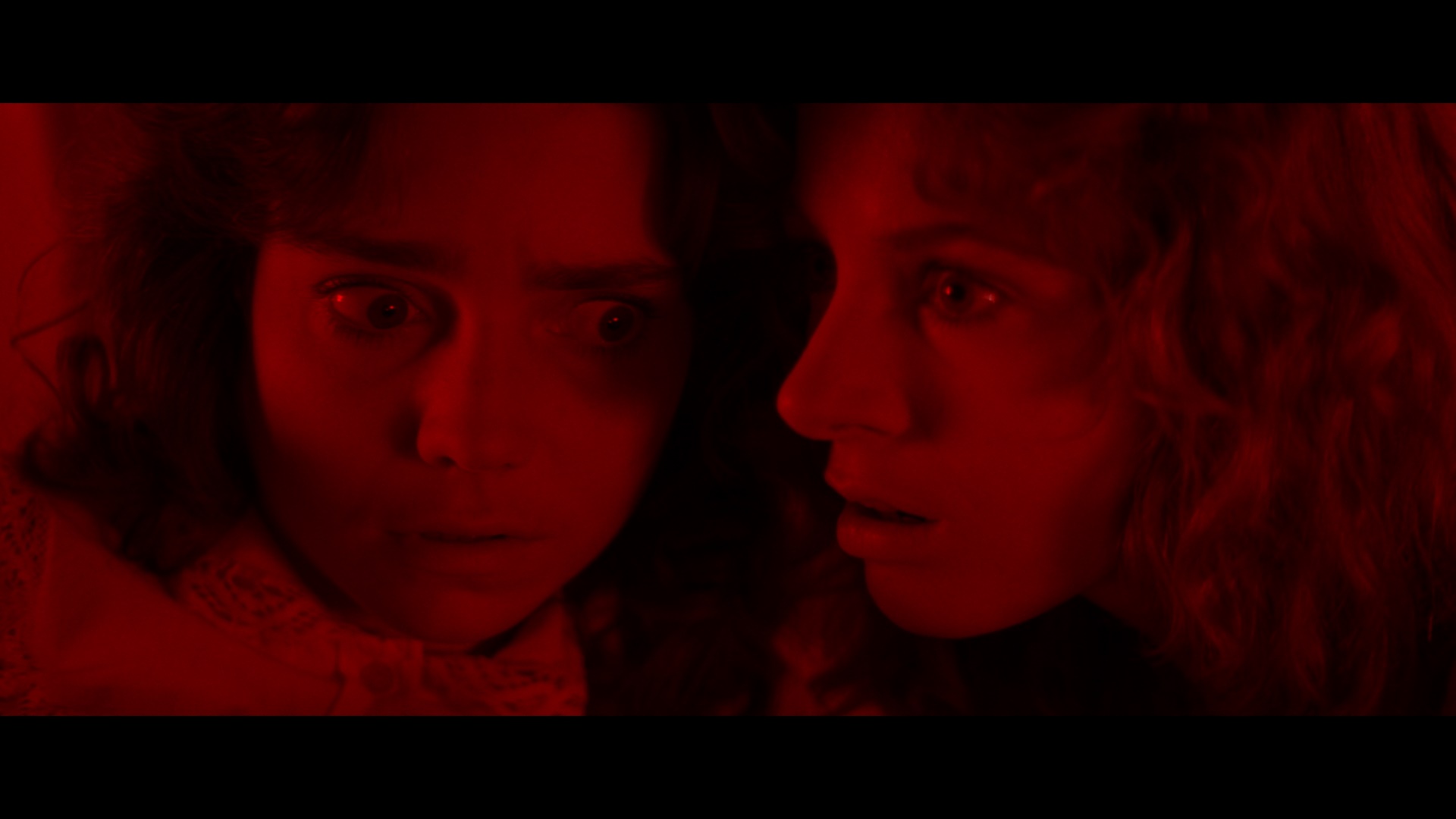 considerably longer here (100m39s) due to a lengthy opening statement about the restoration process. A crowd-sourced 4K UHD and Blu-ray metal box was also released in 2018 and sold out fairly quickly, featuring identical color timing to the earlier Blu-ray. Additional extras on that one include an "Into Suspiria" conversation (43m8s) with Argento, Casini, and Alan Jones, "All the Colours of the Blood" (26m26s) with makeup artist Pier Antonio Mecacci on working with Argento after Elio Petri and coming up with fake blood, "Through the Lens" (21m3s) with still photographer Franco Bellomo talking about the complexity of shooting maggots and swimming pools, "Ladies of Fear" (27m50s) with Kat Ellinger discussing the variety of female bonds in the film and the Thomas De Quincey influence, "The Sound of Fear" (21m8s) with foley artist Massimo Anzellotti covering the creation of even the most minute sounds in the film including those crazy marbles, "Death Valzer" (15m59s) with Simonetti at a screening panel on Goblin's second outing with Argento and their wild musical experimentation process, and a U.K. 2018 intro by Jones (5m4s) and conversation with him and Argento (37m35s).
 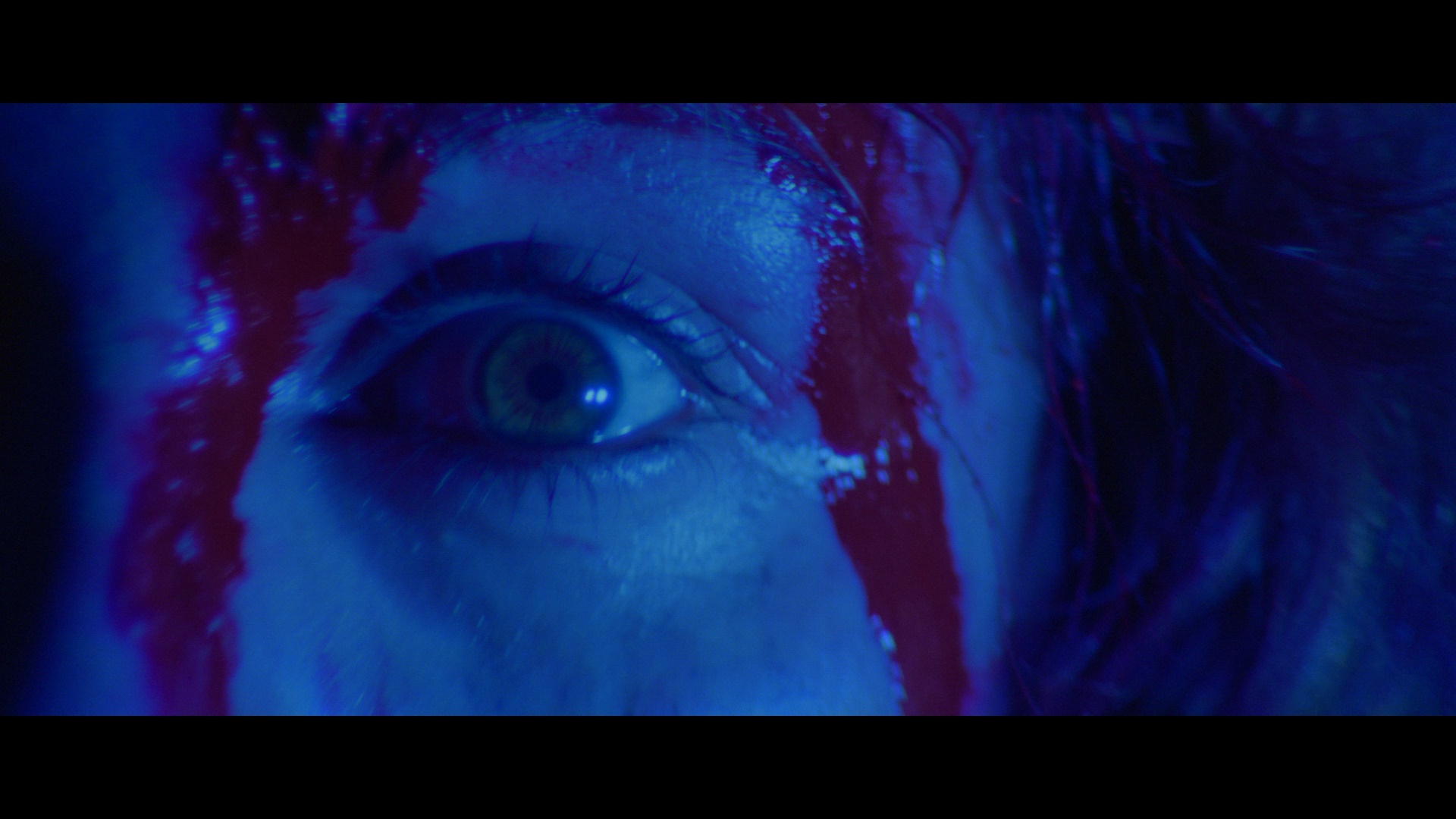 presentation of the original, legendary English 4.0 mix (DTS-HD -- in high-resolution 96kHz/24-bit audio to boot), which has never been heard on home video before (or even in a theater for the past few decades, as circulating prints are standard stereo or even mono). It's an absolute monster of a track with layers of sounds that will startle even those who have seen the film dozens of times, and the music really packs a punch now with so much presence it feels like a primary character in the film. Optional English SDH subtitles are included for the English track or English subtitles for the Italian audio (presented here in DTS-HD MA 5.1); the latter subs make a few tweaks for that track (Suzy's last name being "Banner," for example) but mostly function as dubtitles rather than a true translation, though the differences are relatively minor. The Italian version is also vastly inferior to the English one, with Harper in particular given a thin, reedy voice that doesn't suit her character well at all. (At least Valli voices herself in both, and quite well.) On a related note, the film can be played with either the Italian or International opening and closing credits.
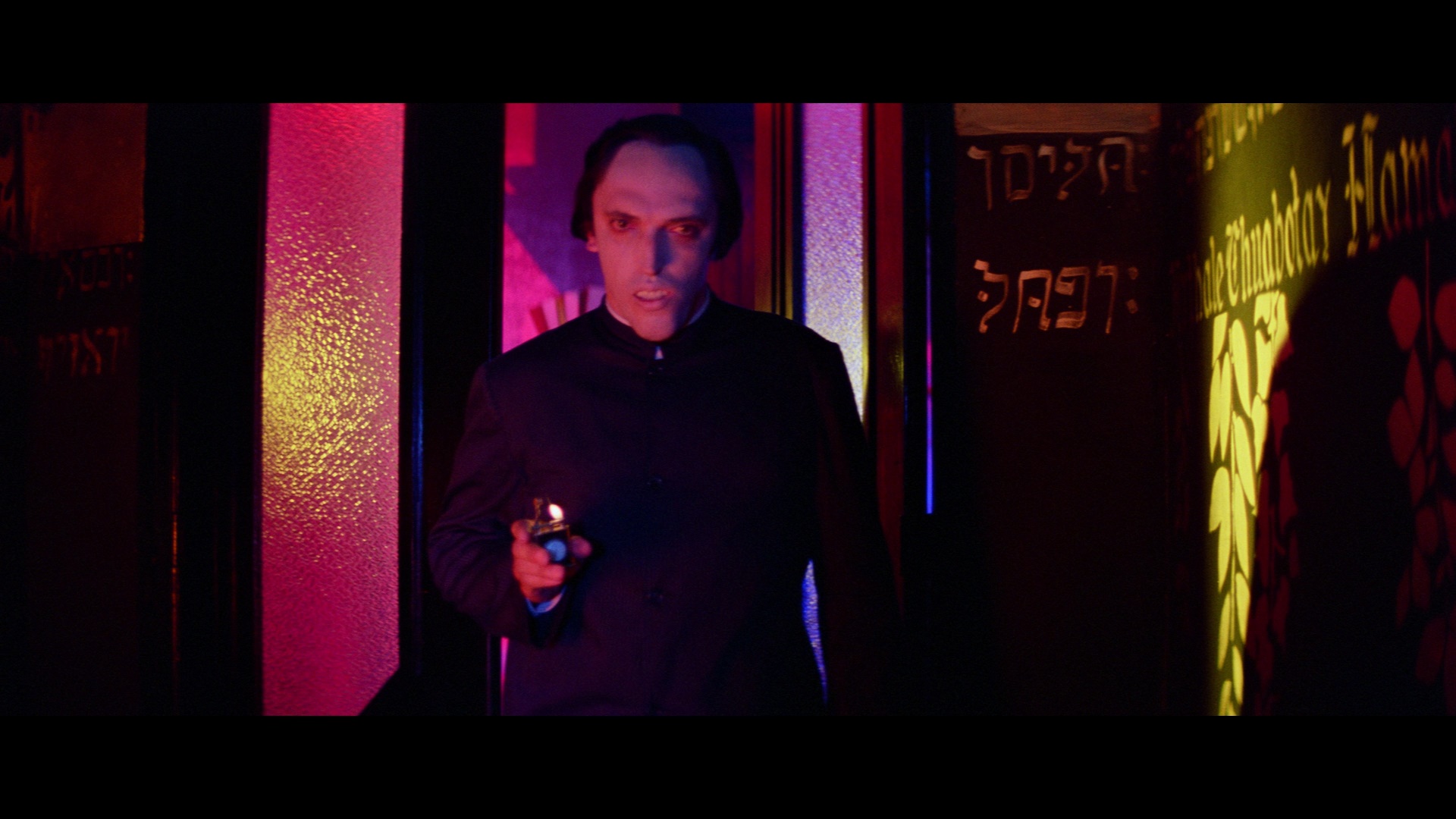 from the U.S. International Classics release (also used in all of the promotional material), a pair of U.S. trailers and the international one, a trio of TV spots, and five really fun U.S. radio spots.
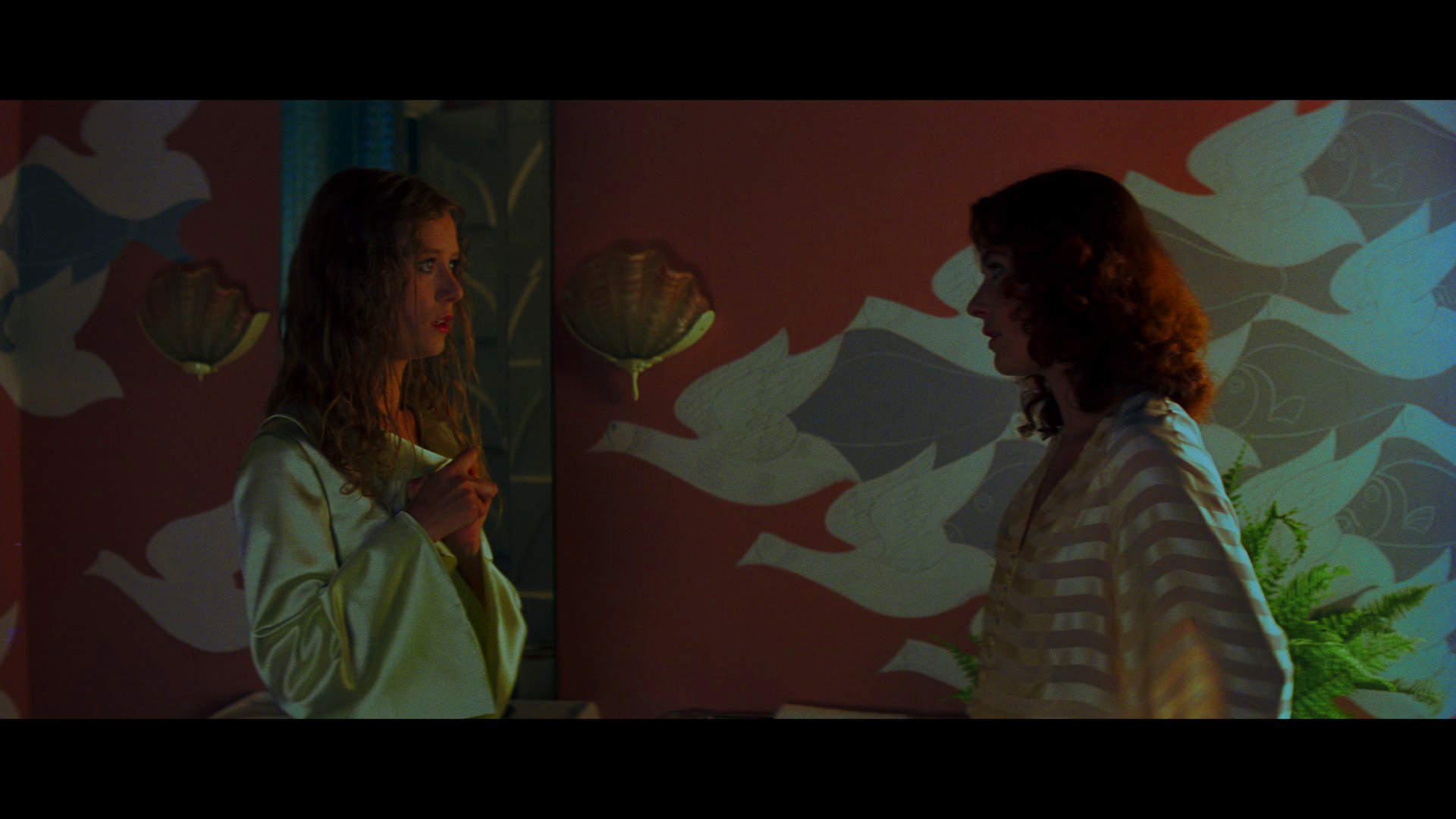
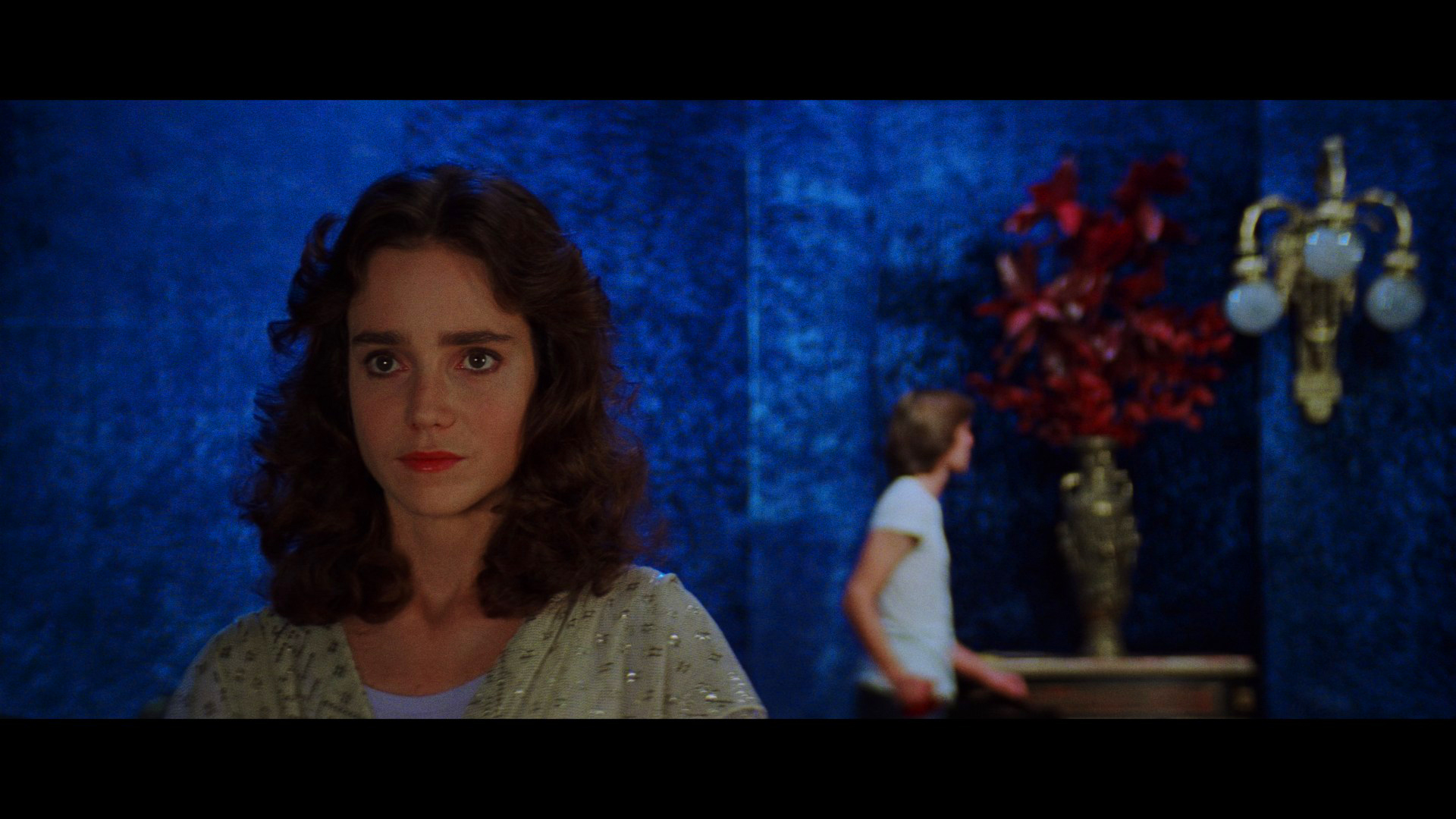
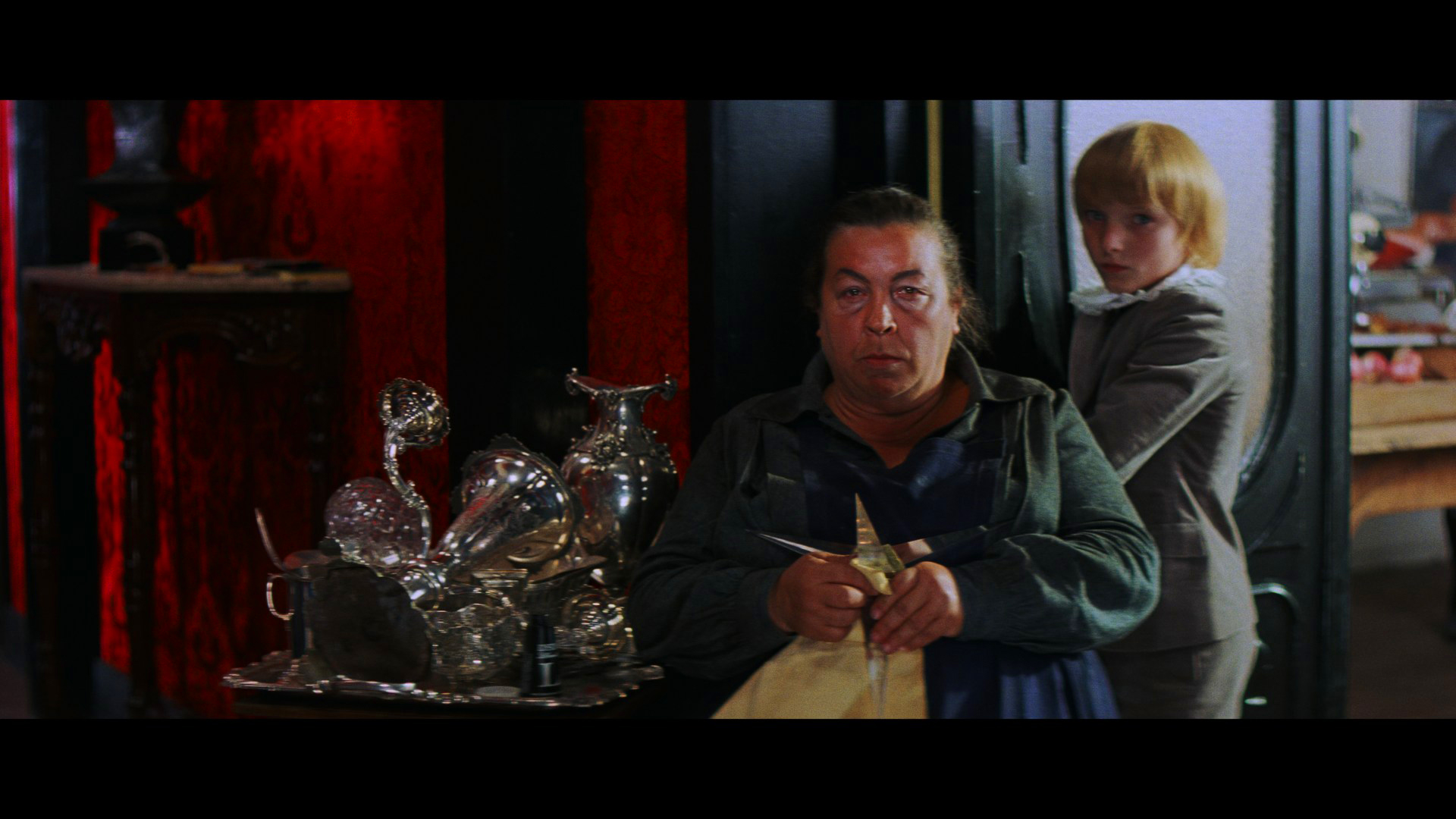
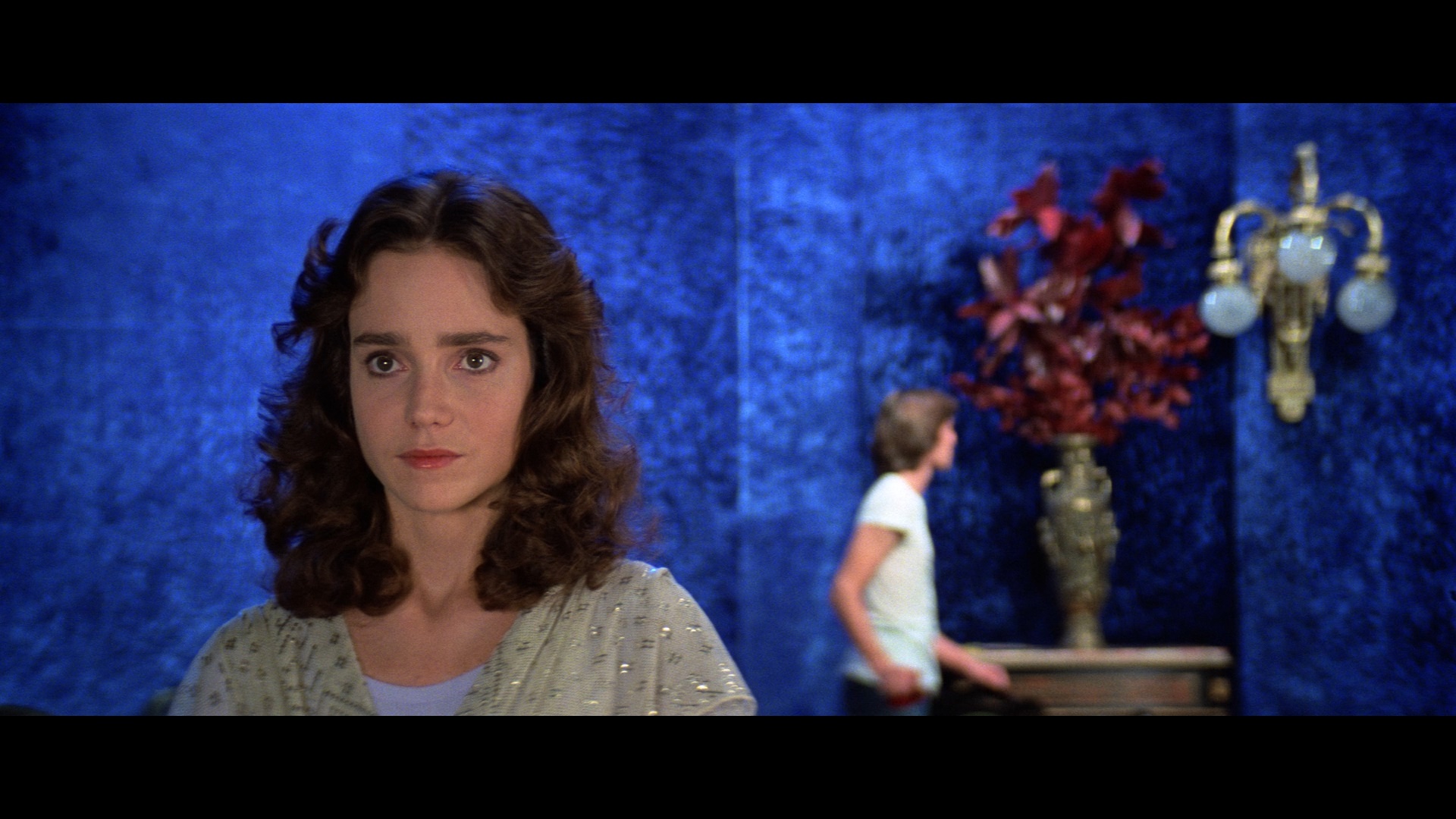
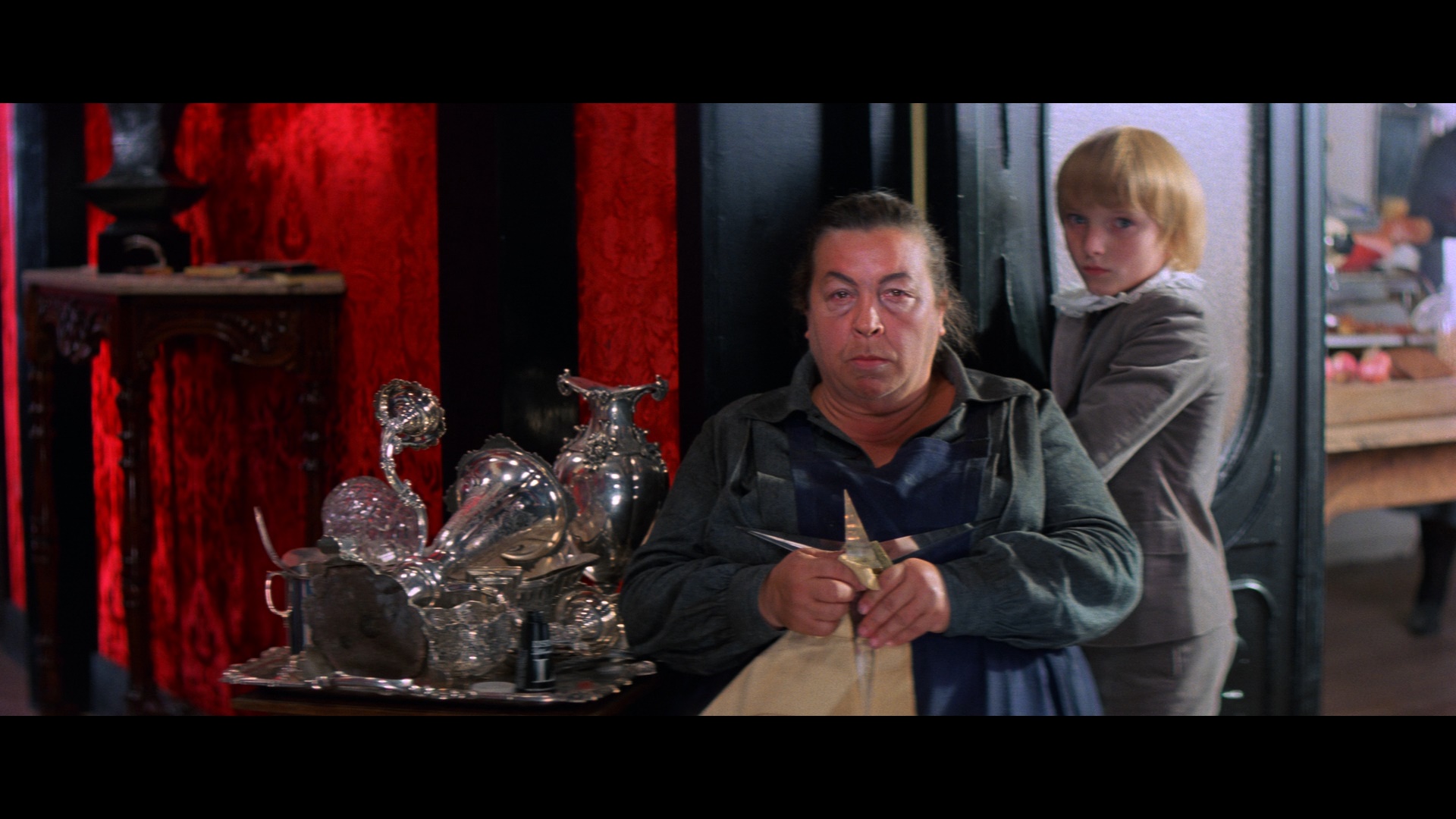
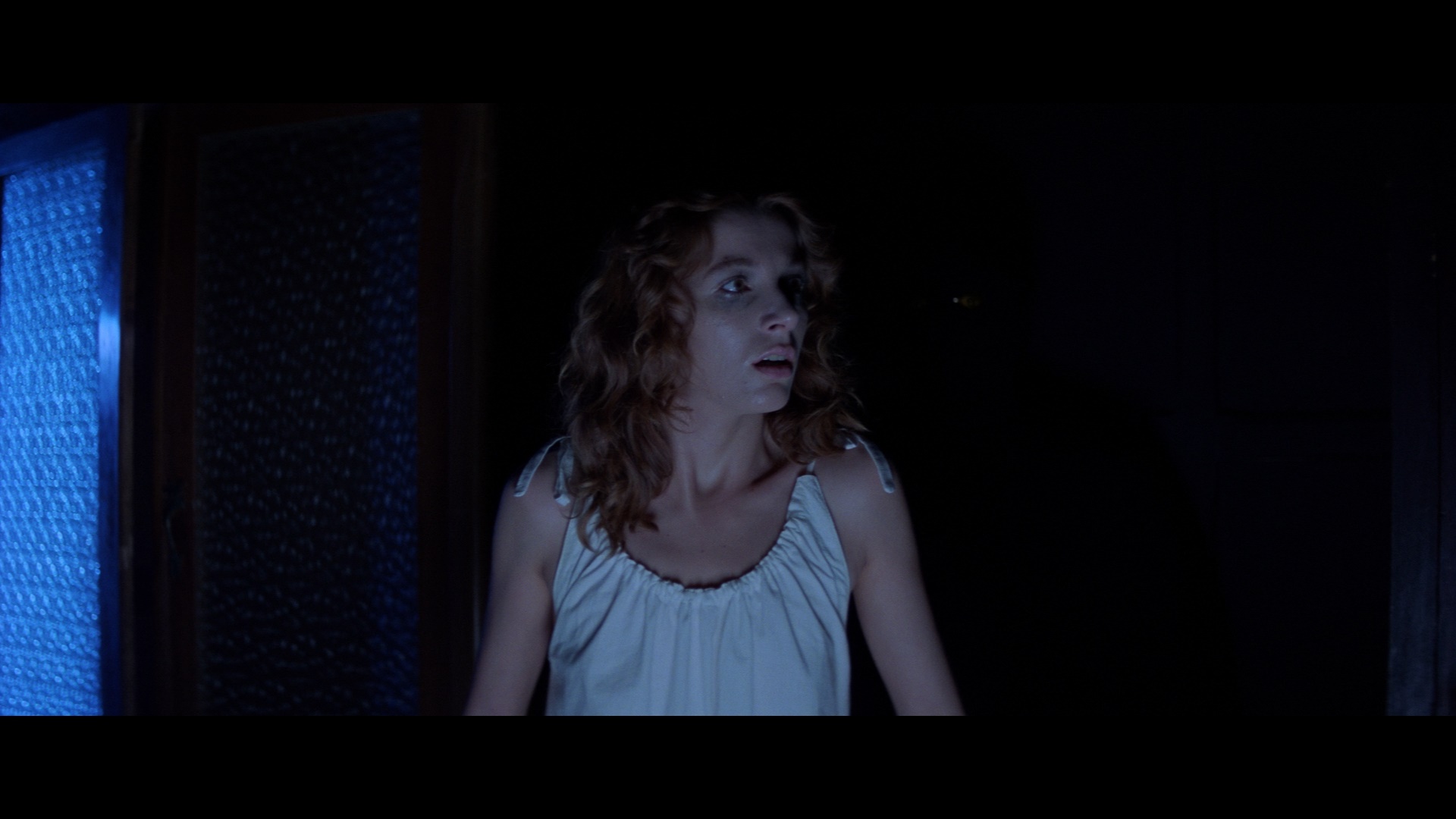
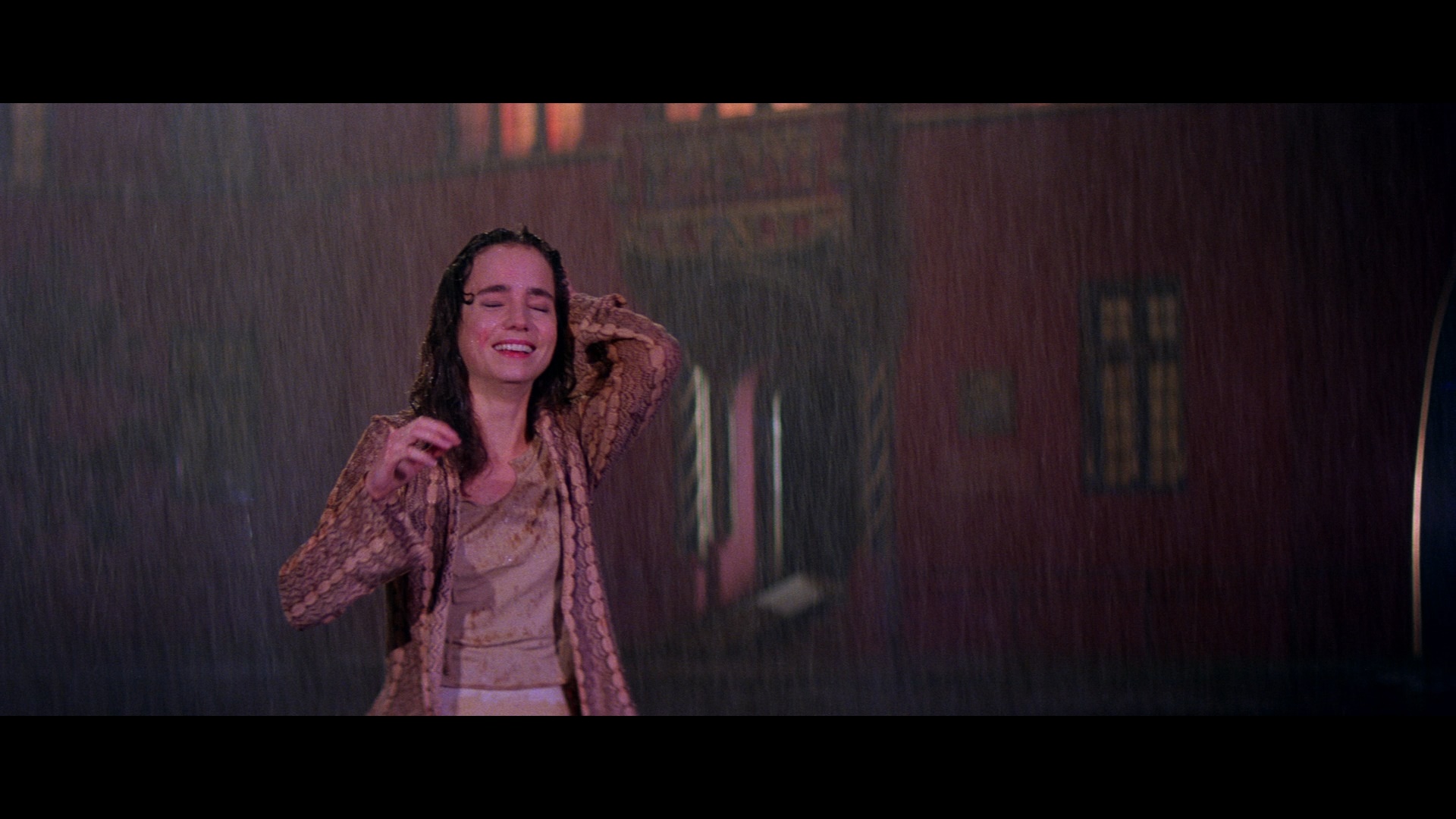
 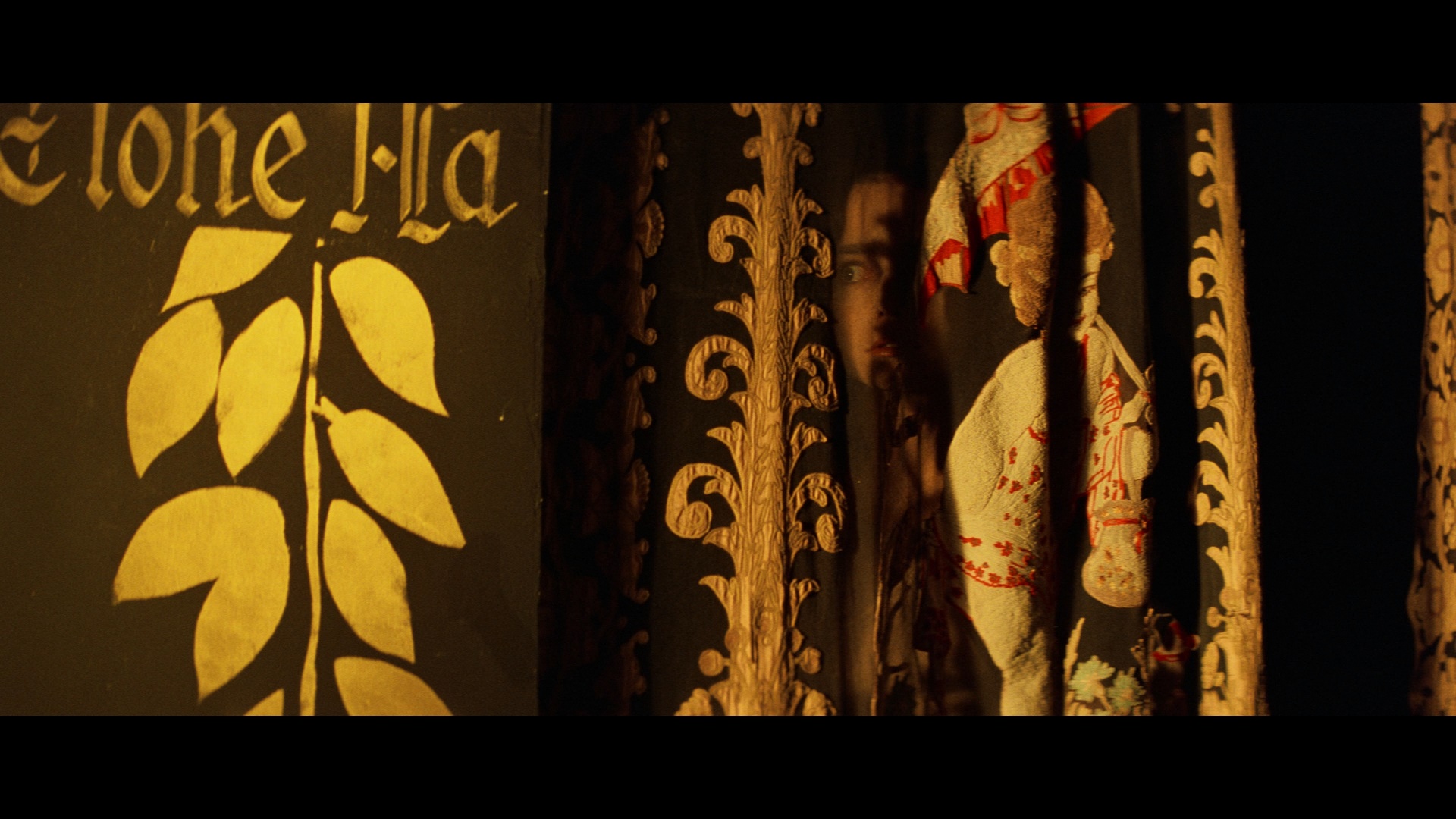 why Synapse didn't jump into the UHD fray right away had that question answered in late 2019 with the release of a 4K UHD disc packaged with a second Blu-ray replicating the earlier second disc described above. The UHD disc features the film in insanely vibrant 4K, looking even punchier and more refined than the DCP that circulated and featuring some additional clean-up work on some very minor film-related issues due to the insane level of clarity. HDR helps the colors have a higher degree of variation and gradation as well with the darker scenes boasting a nicely handled presentation of deep blacks as well. Again the film can be played with either the Italian or English opening and closing titles (the former looking visibly better), and both commentaries have been ported over along with the spectacular DTS-HD 4.0 English mix and the Italian 5.1 track with English subtitles; however, you also get a truly wild new Dolby Atmos mix that goes nuts with the channel separation effects. You get to hear the Goblin score spread all over the place here (including over your head in some subtle but effective ways) and some scenes are now far more aurally aggressive than before, such as the makeshift dormitory scene that pushes the music and sighing through the roof in the rear channels. Some subtle corrections have been made to the track as well to some sync issues baked into the original mix (keep an eye on Casini's line readings), so think of this as a fun party mix option to throw on compared to the traditional 4.0 option we've all come to know and love.
Cult Films (2026 UK UHD)
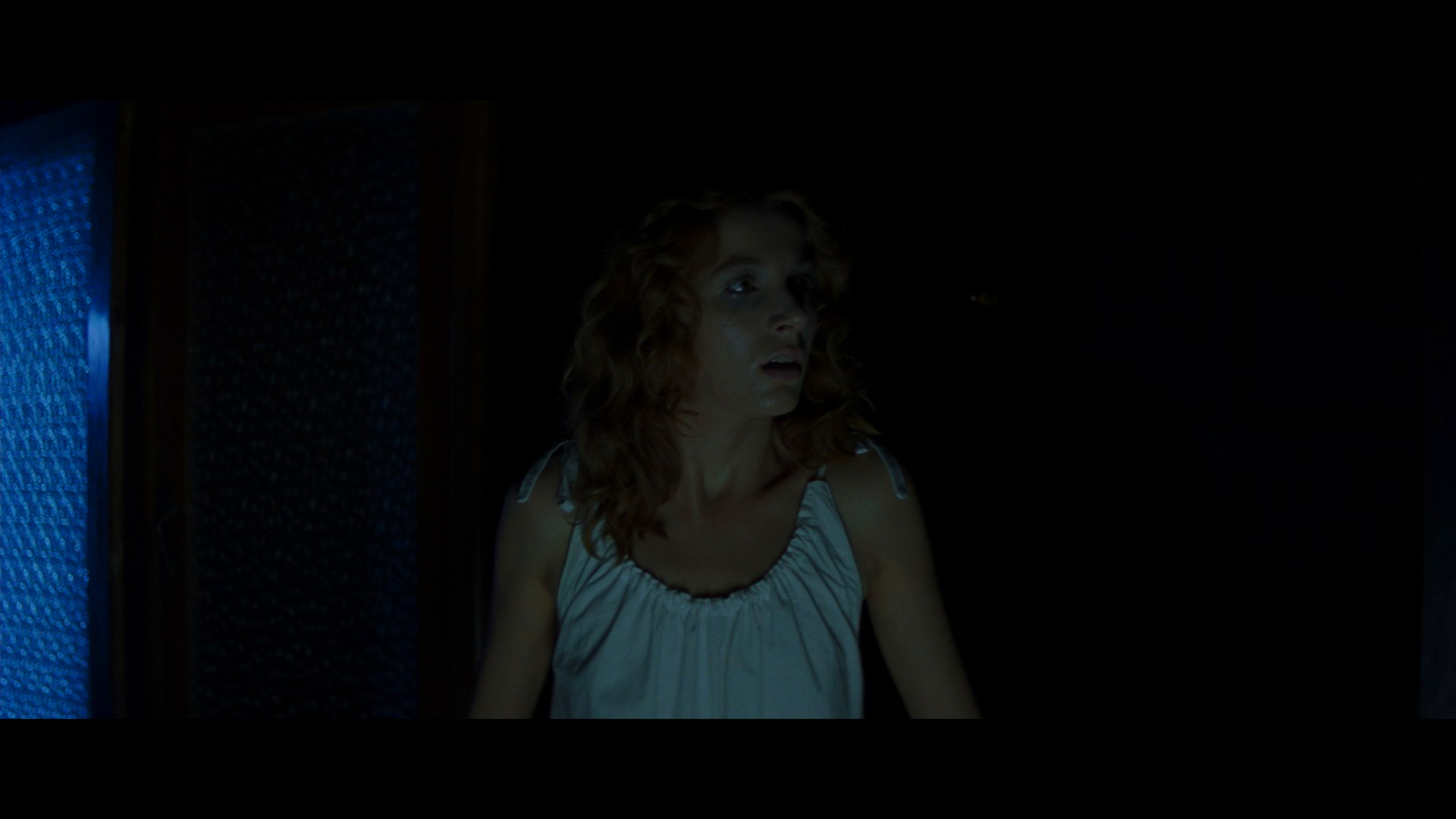
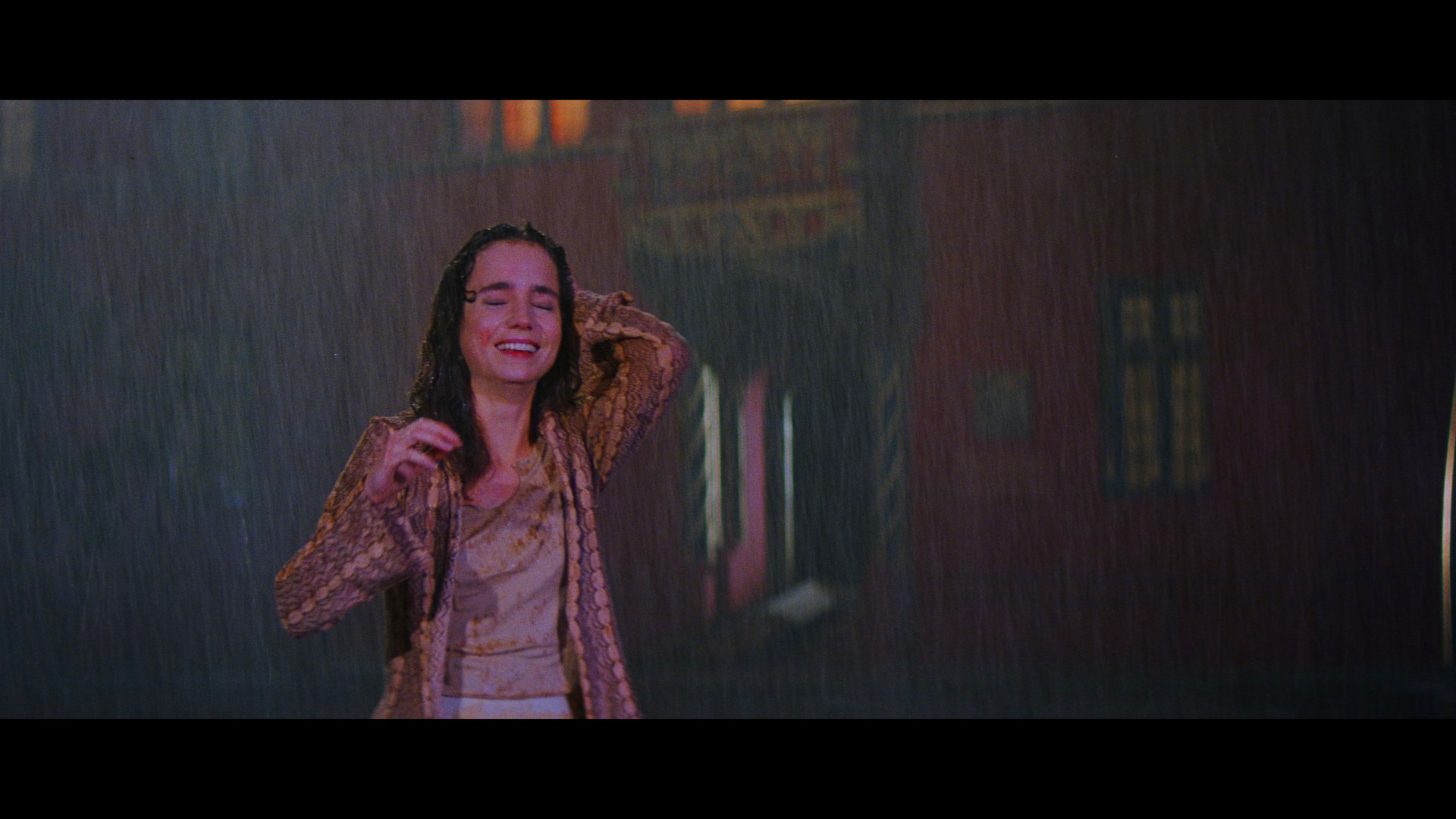
Synapse Films (US UHD)
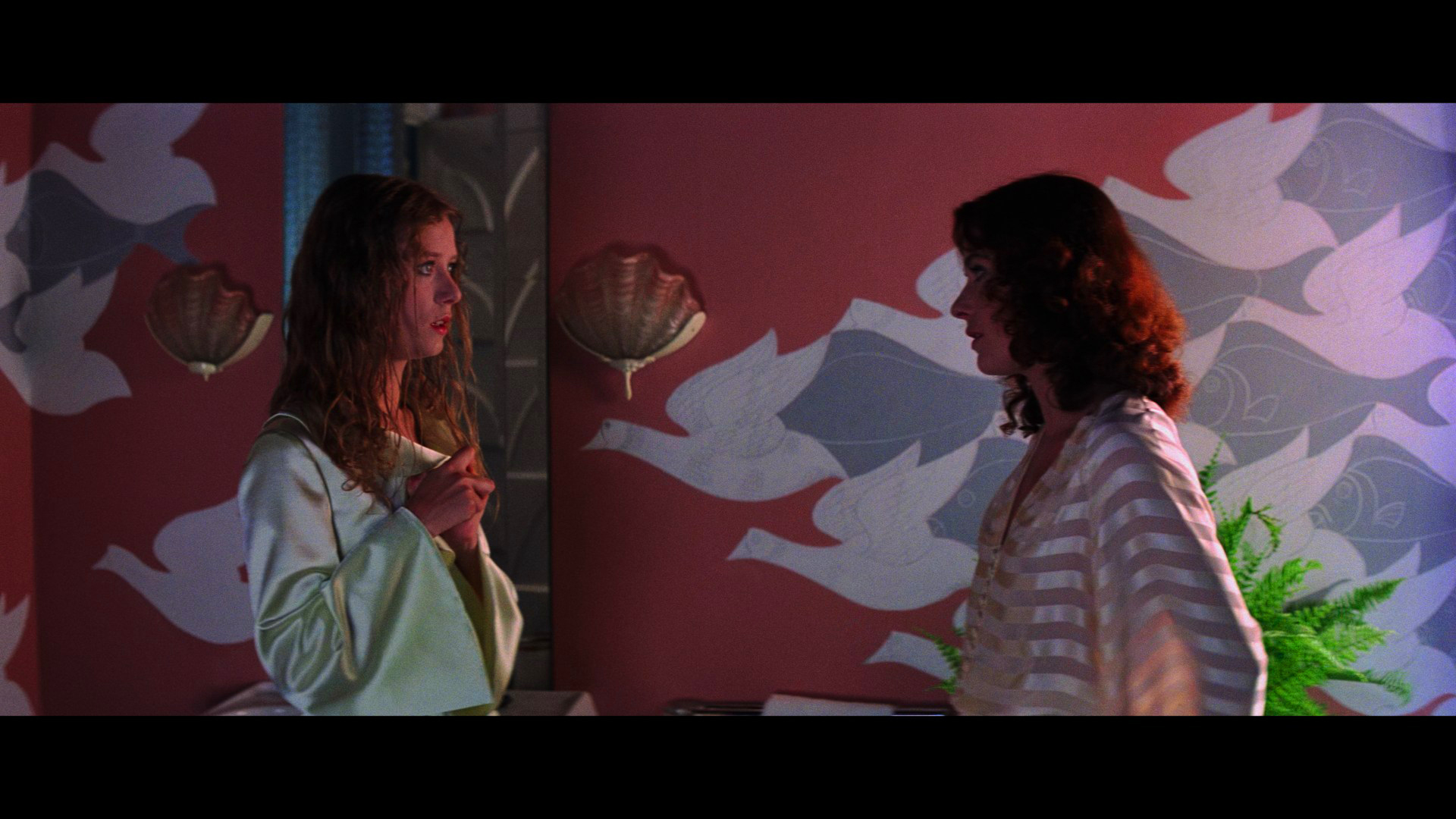
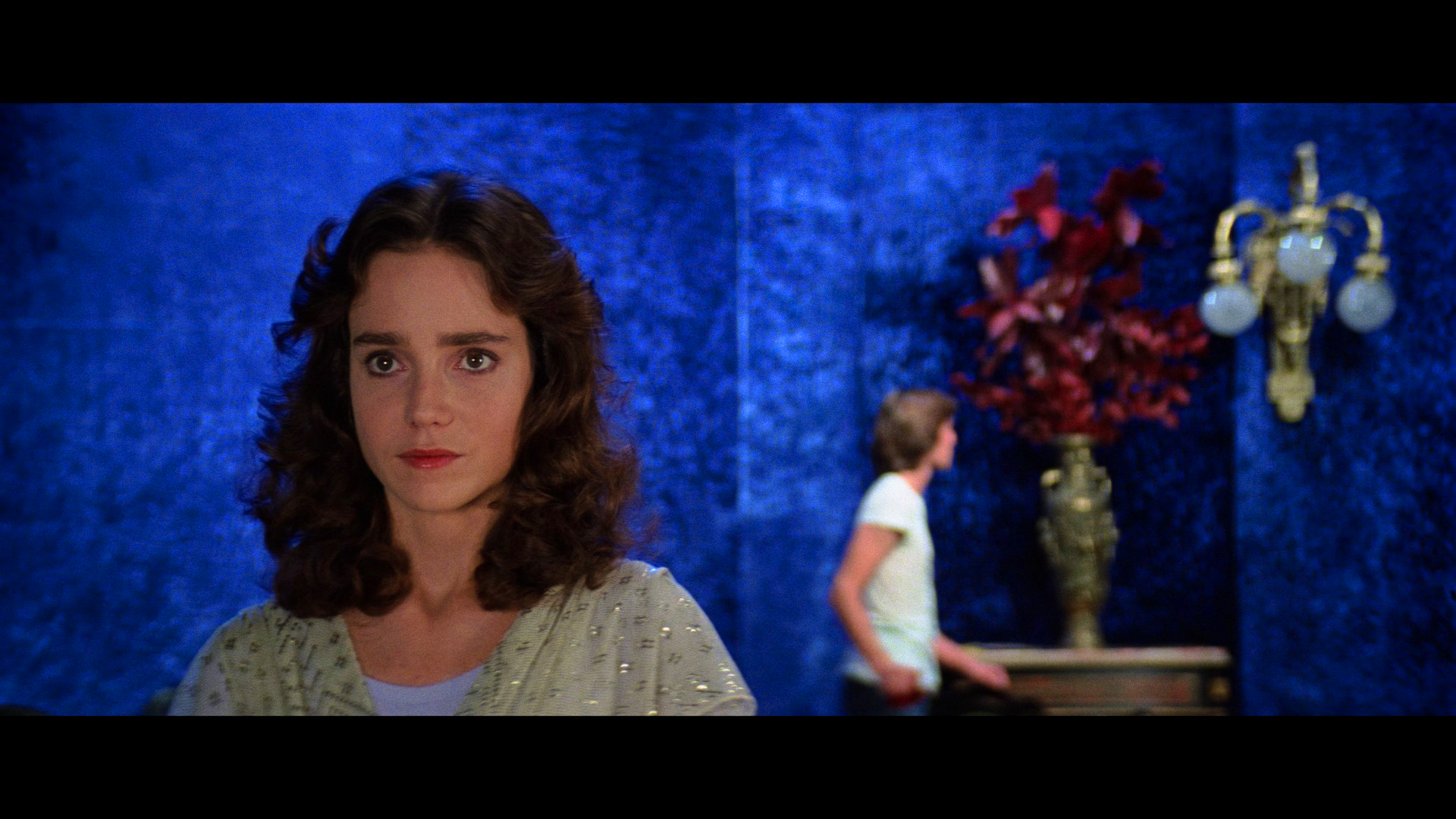
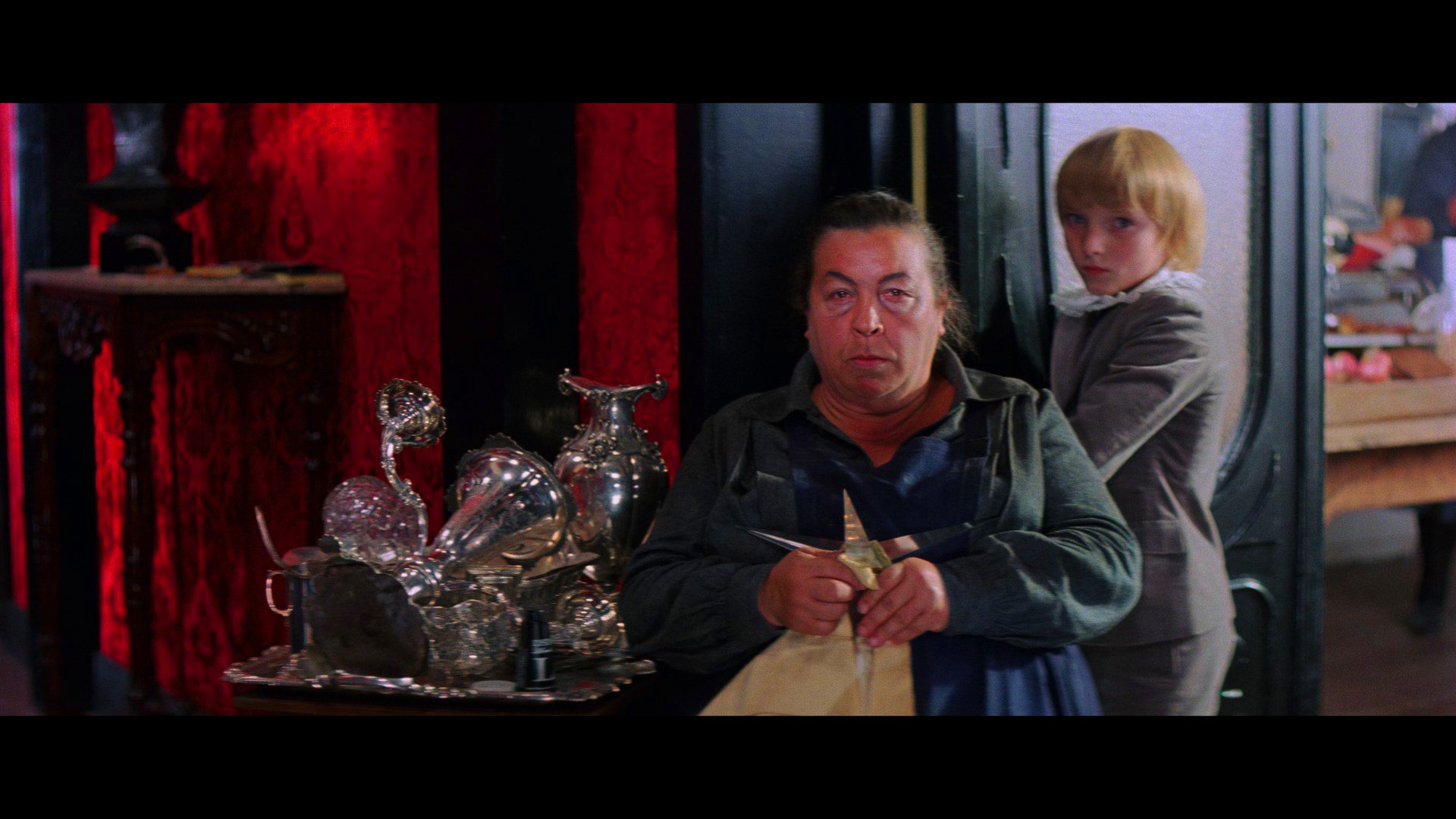
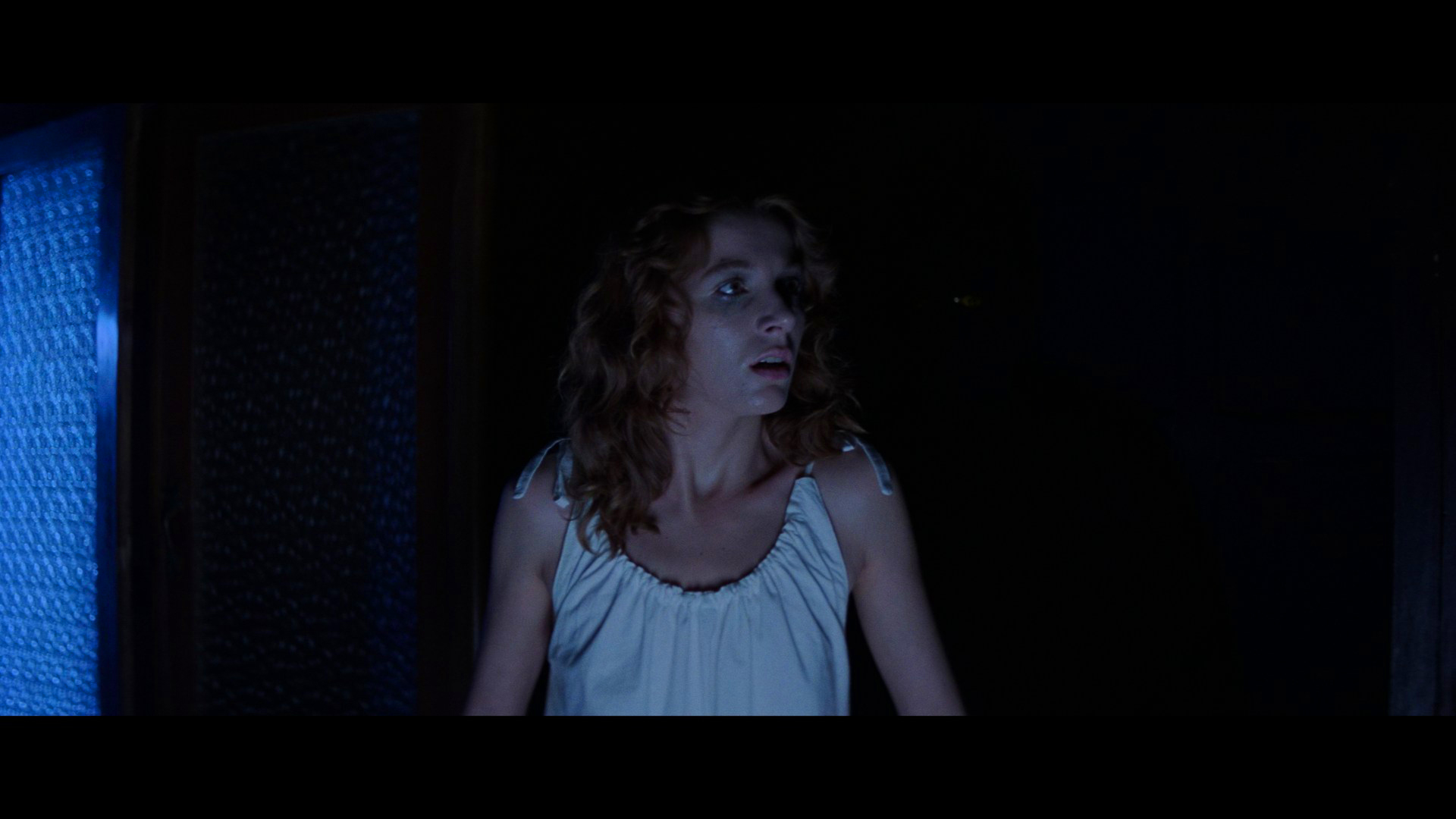
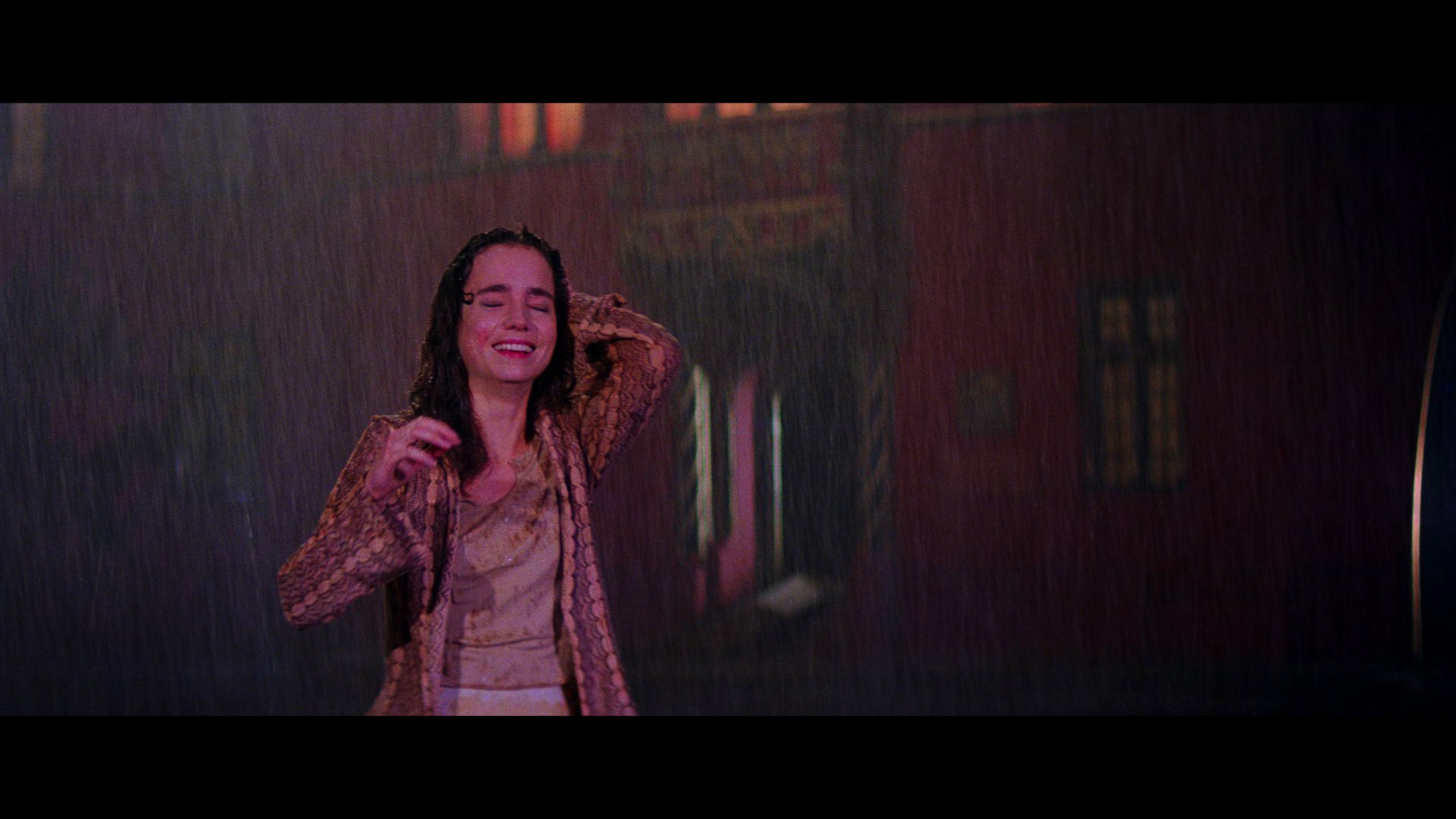
Synapse Films (US Blu-ray)
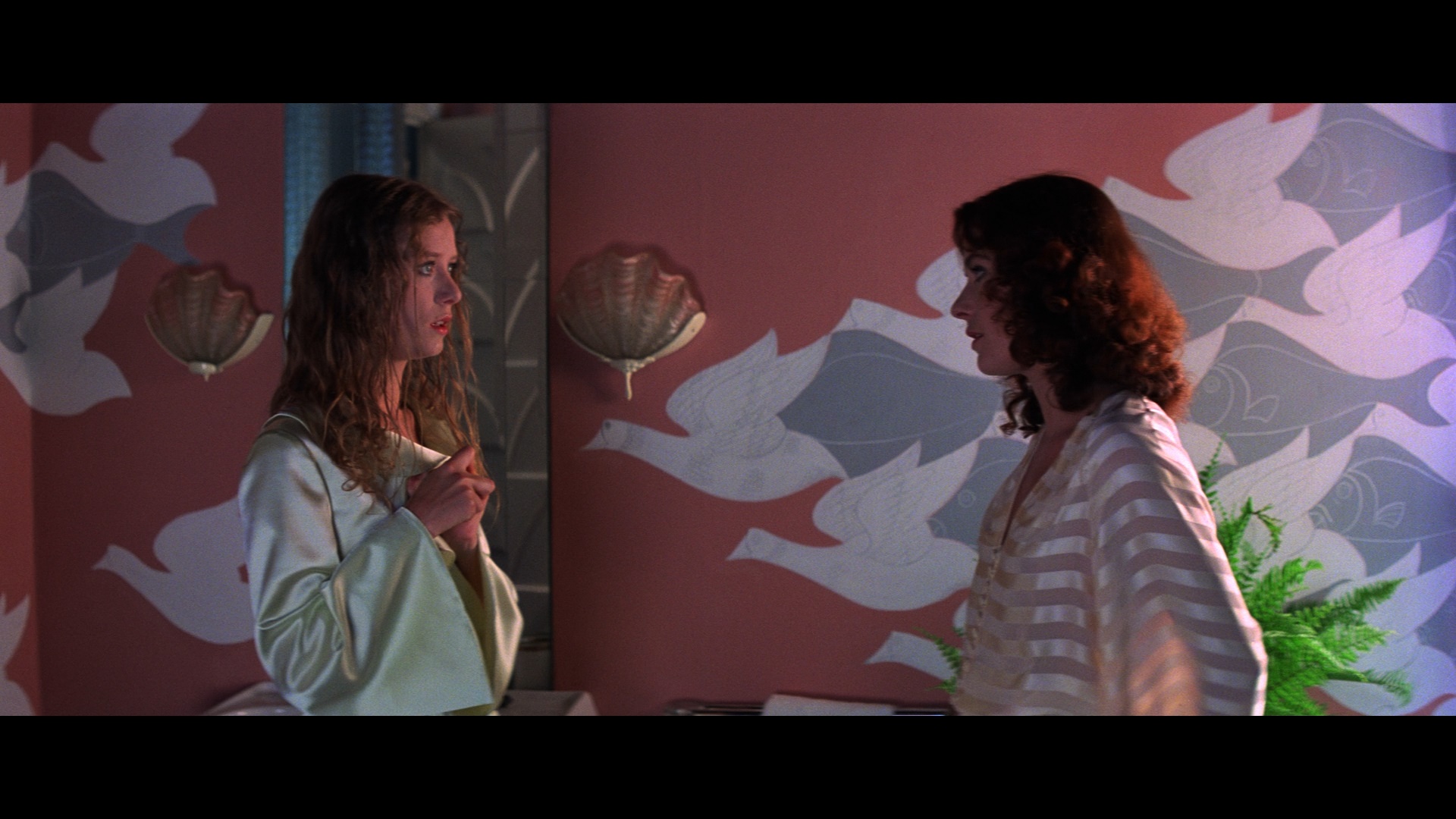
Cult Films (2017 UK UHD)
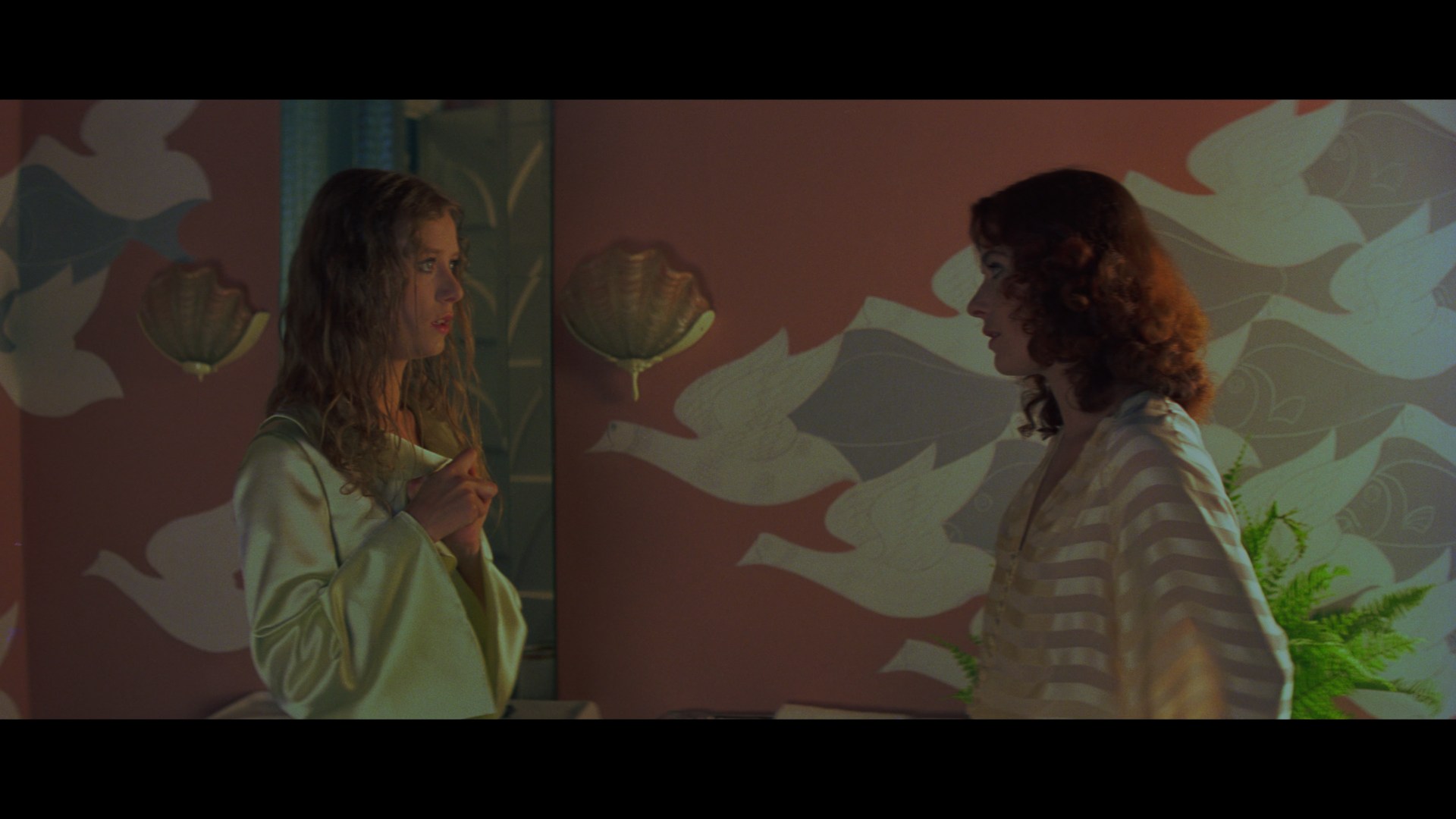
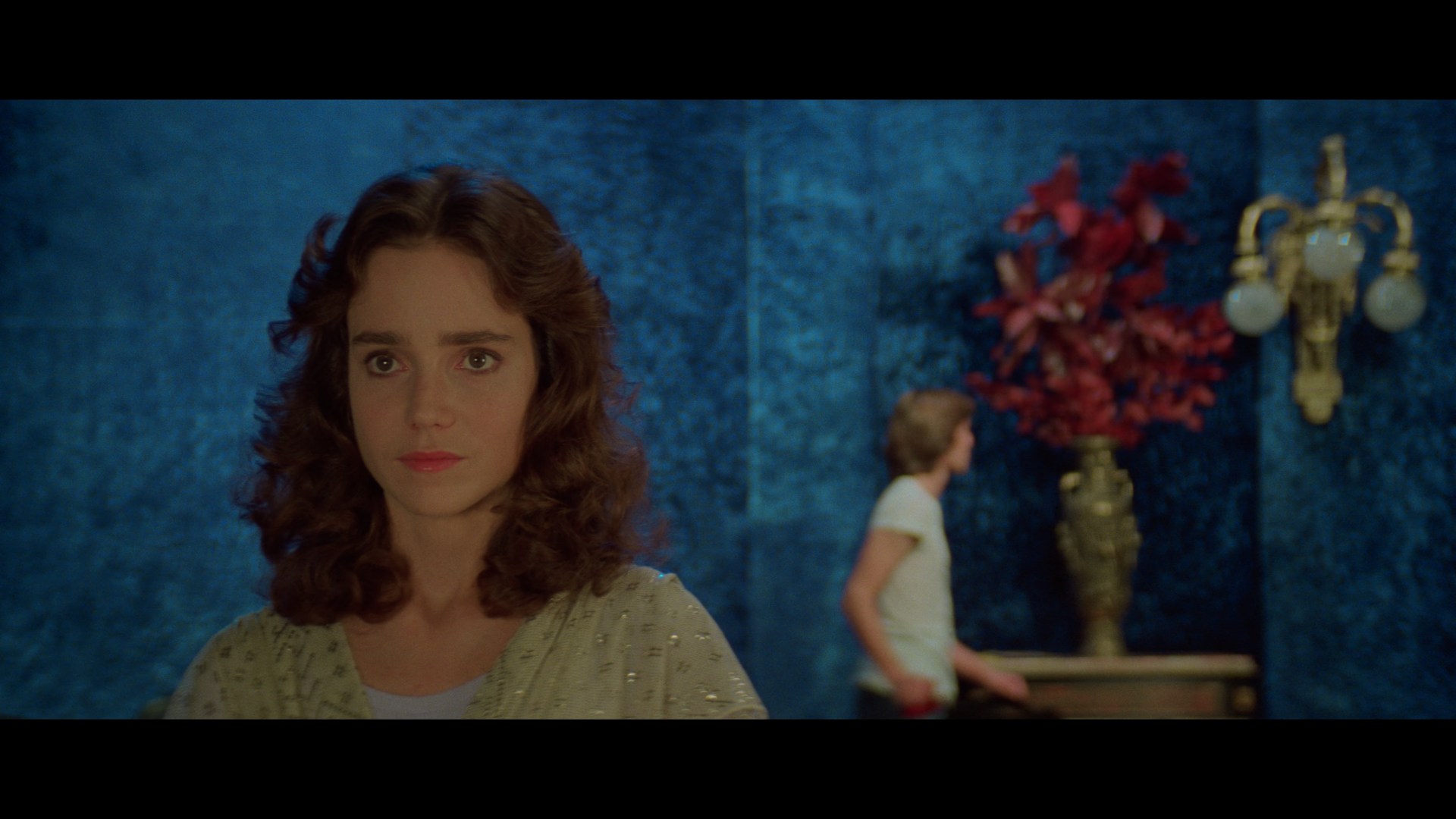

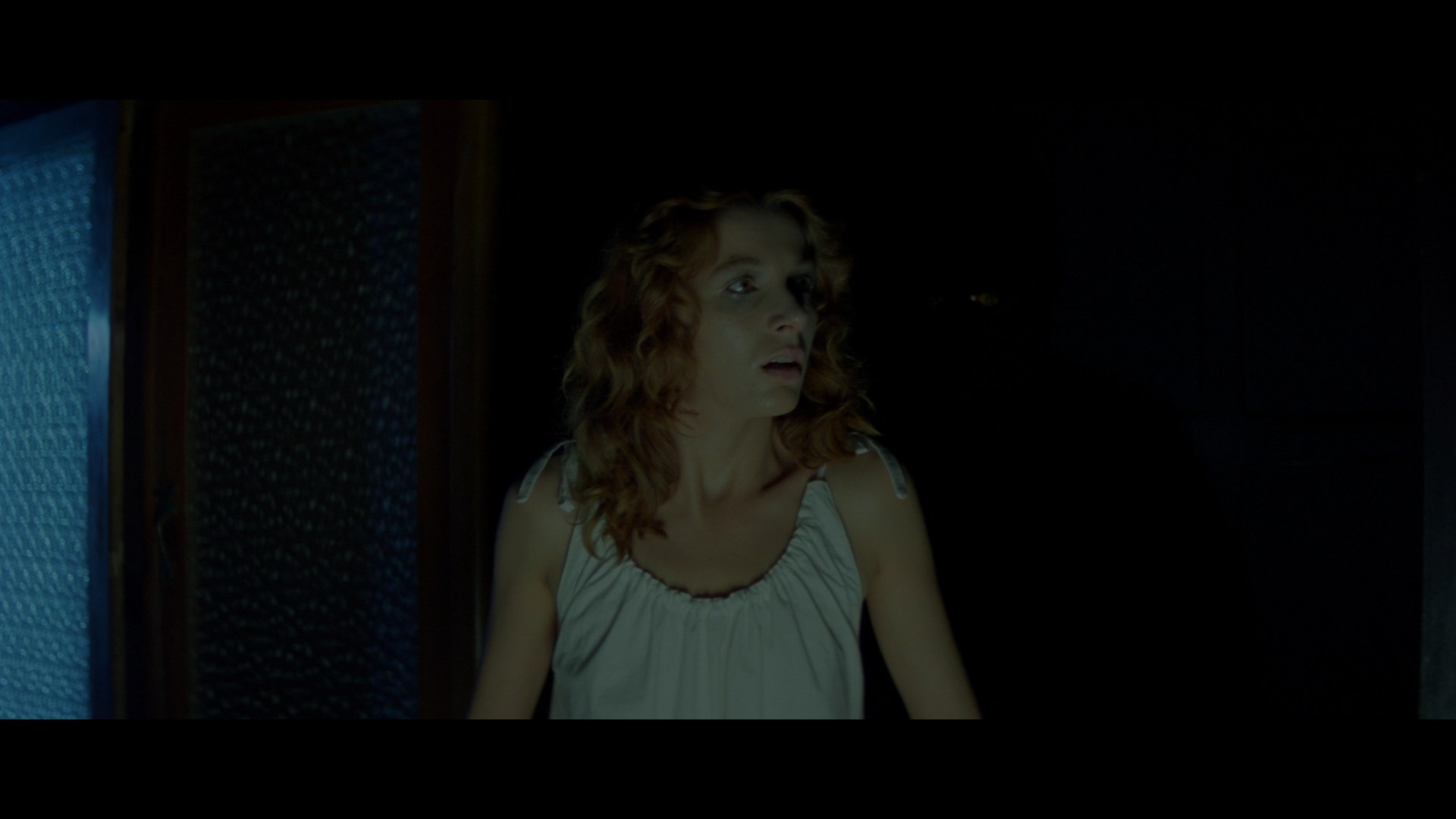
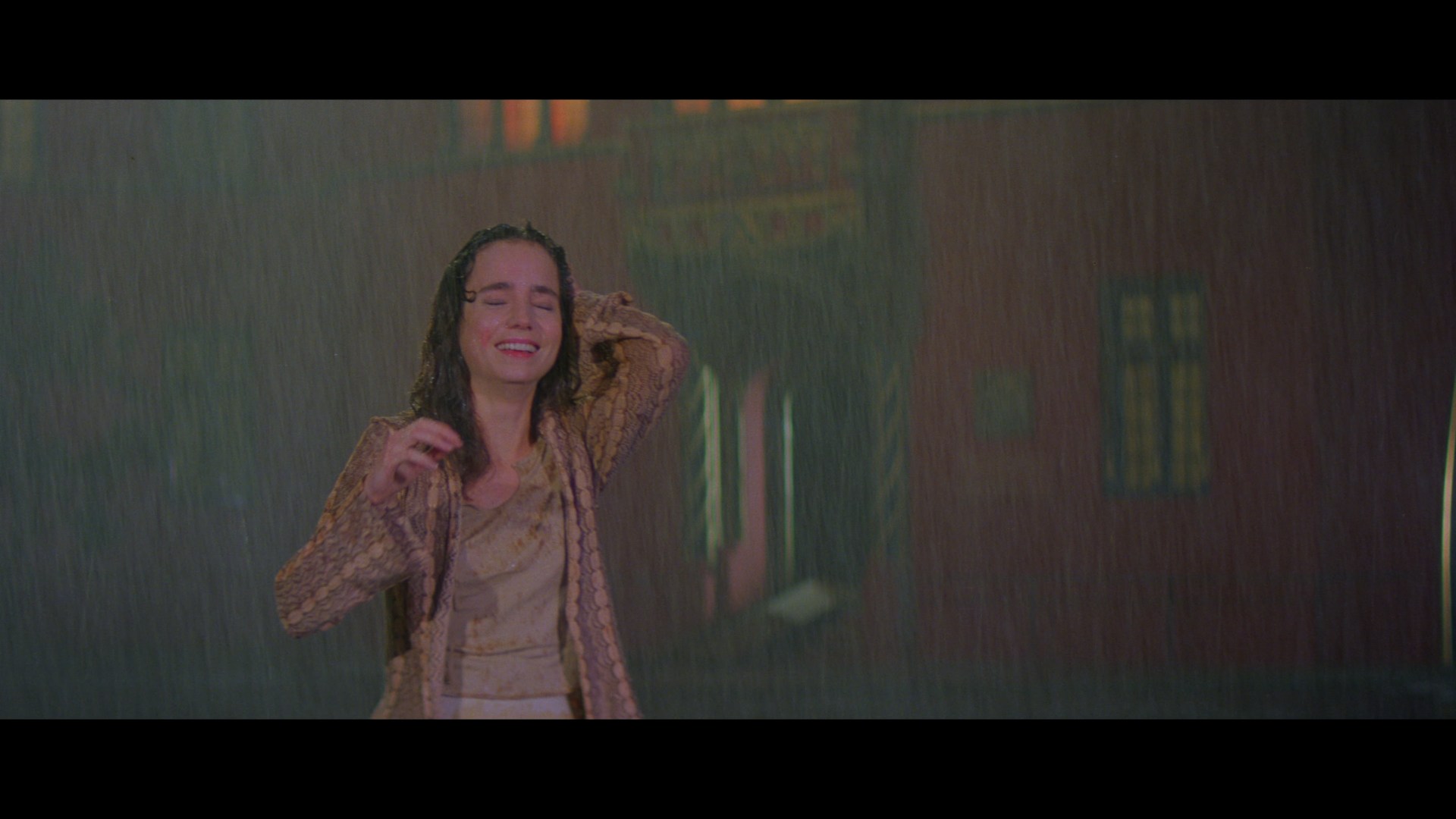
Cult Films (UK Blu-ray)
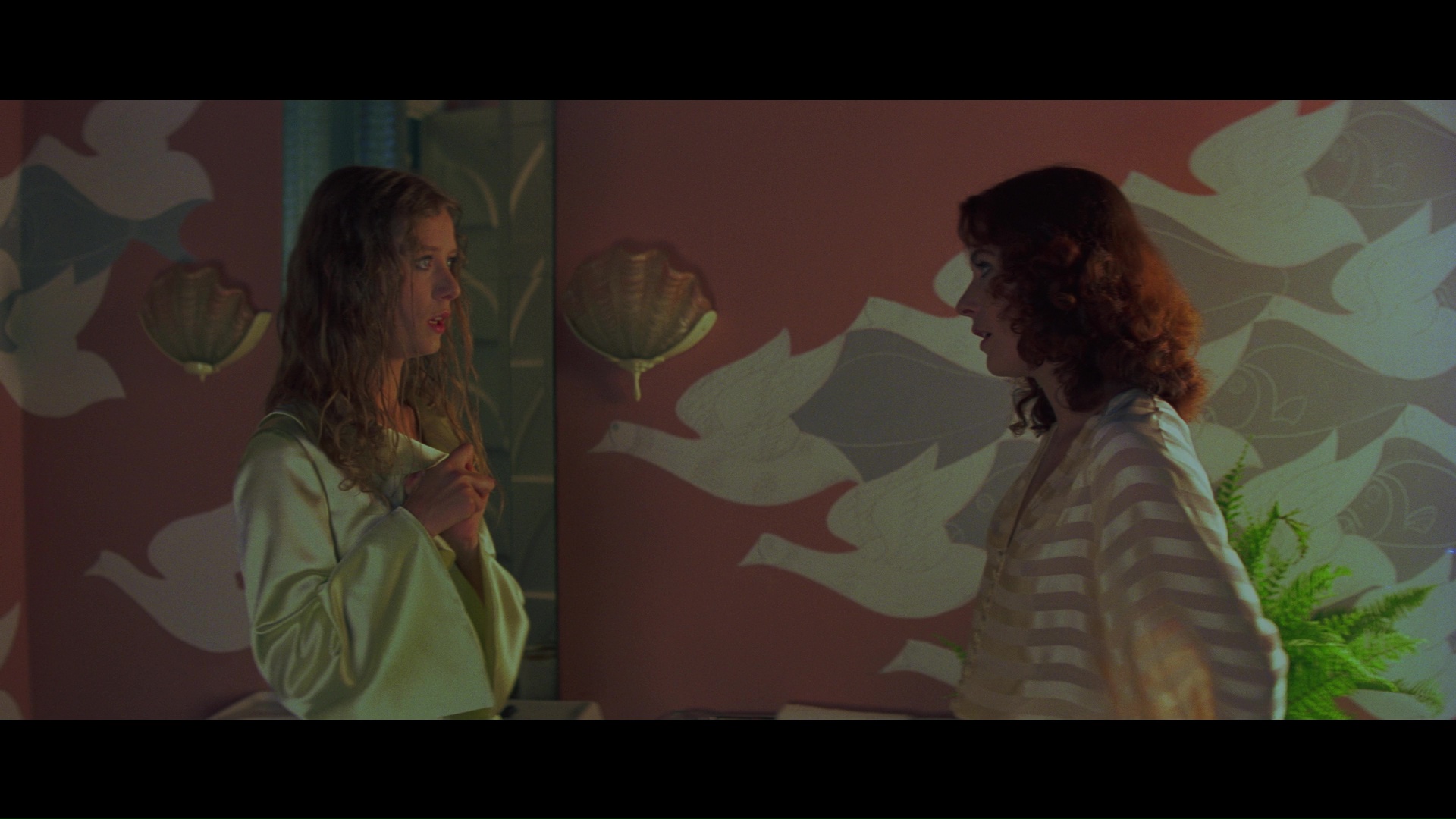
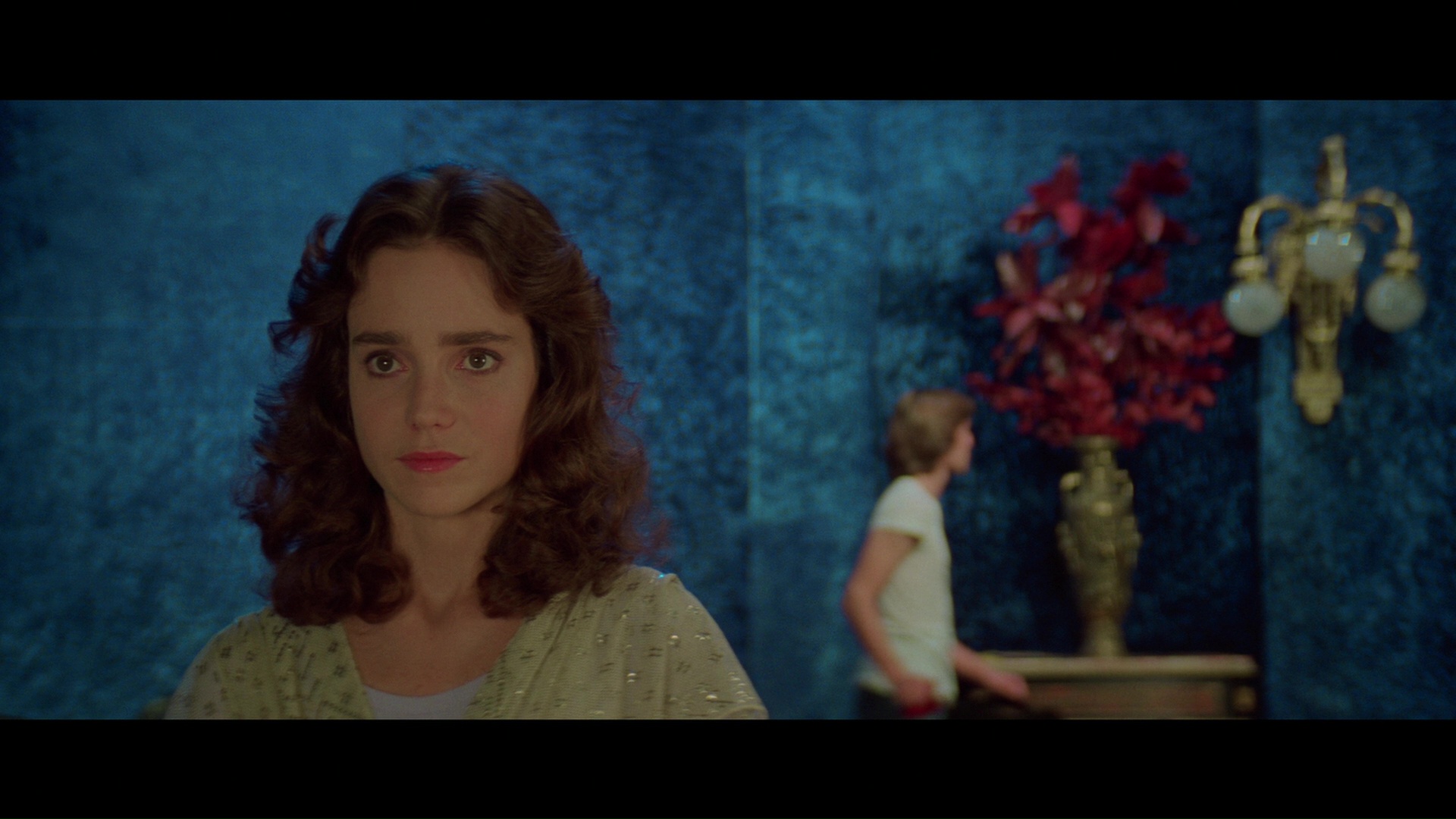
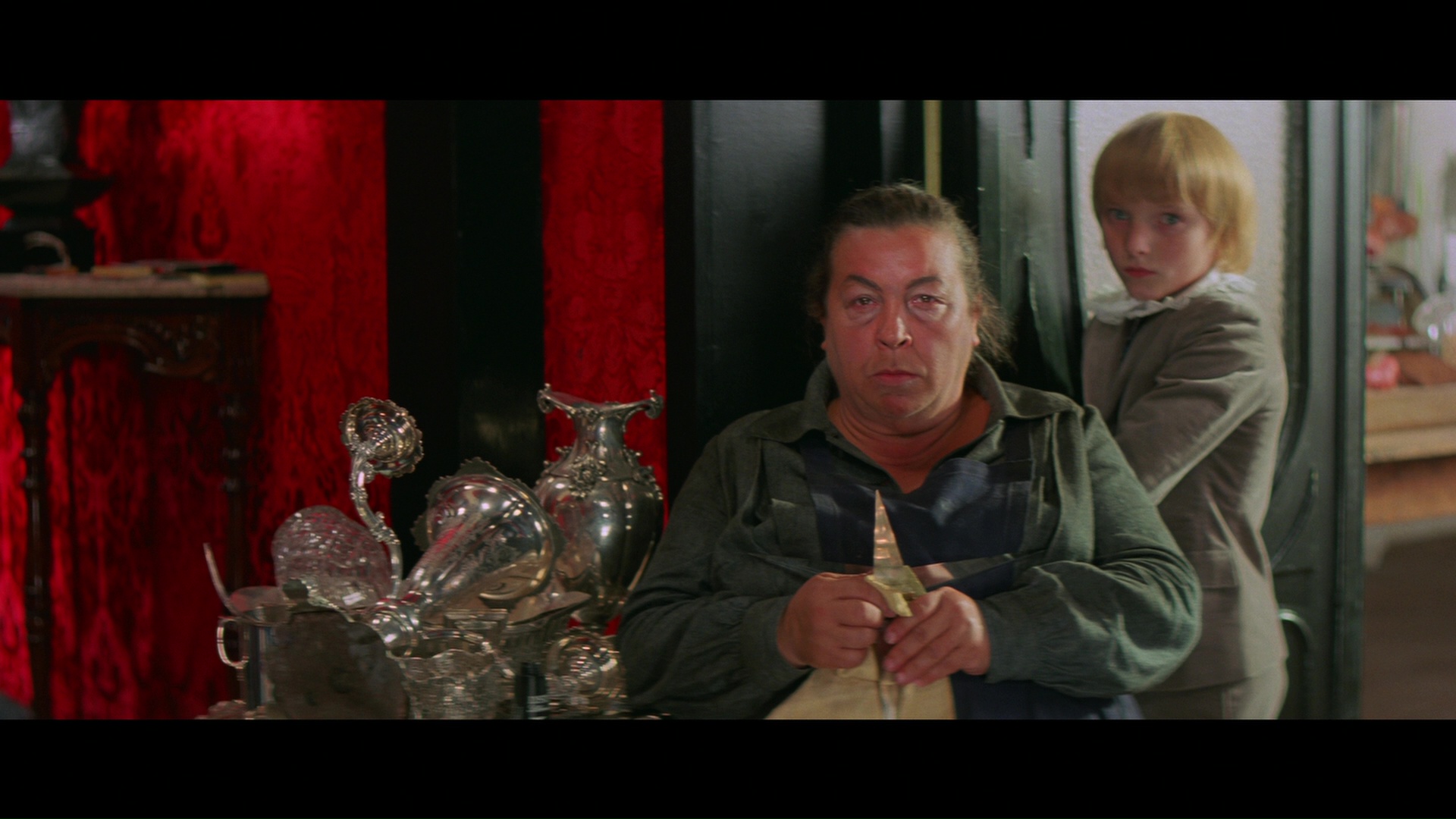
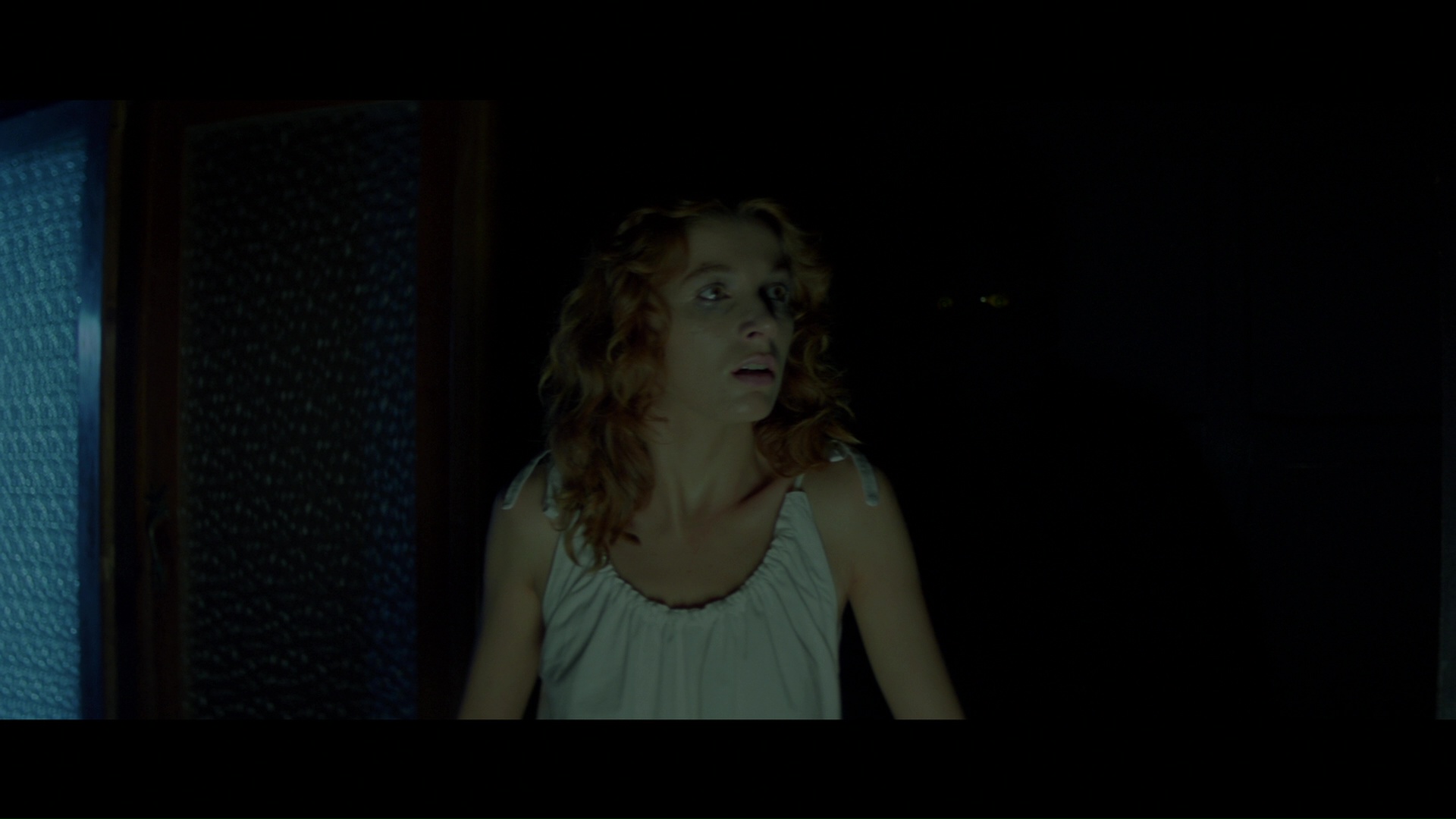
Umbrella (Australia Blu-ray)
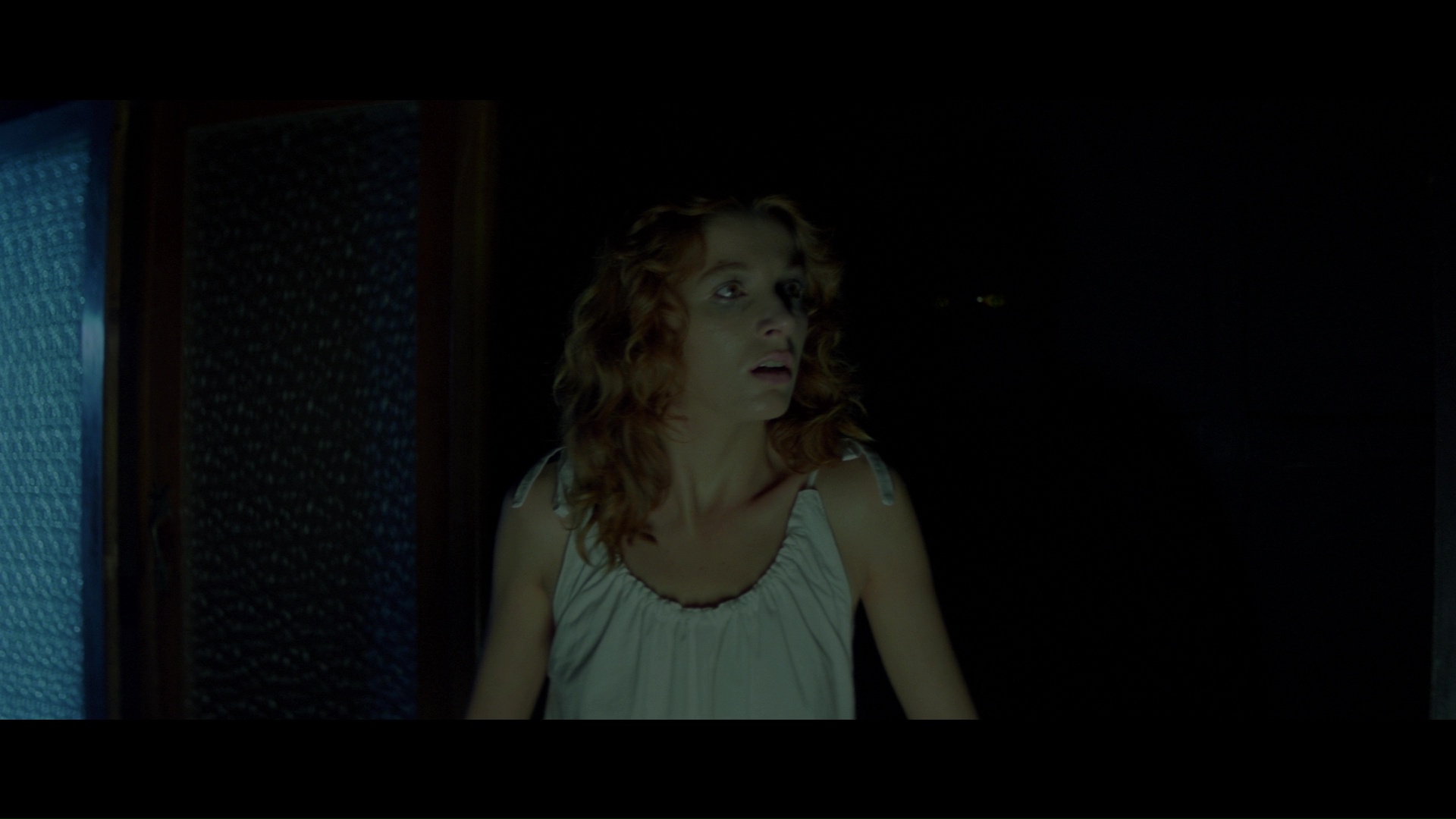
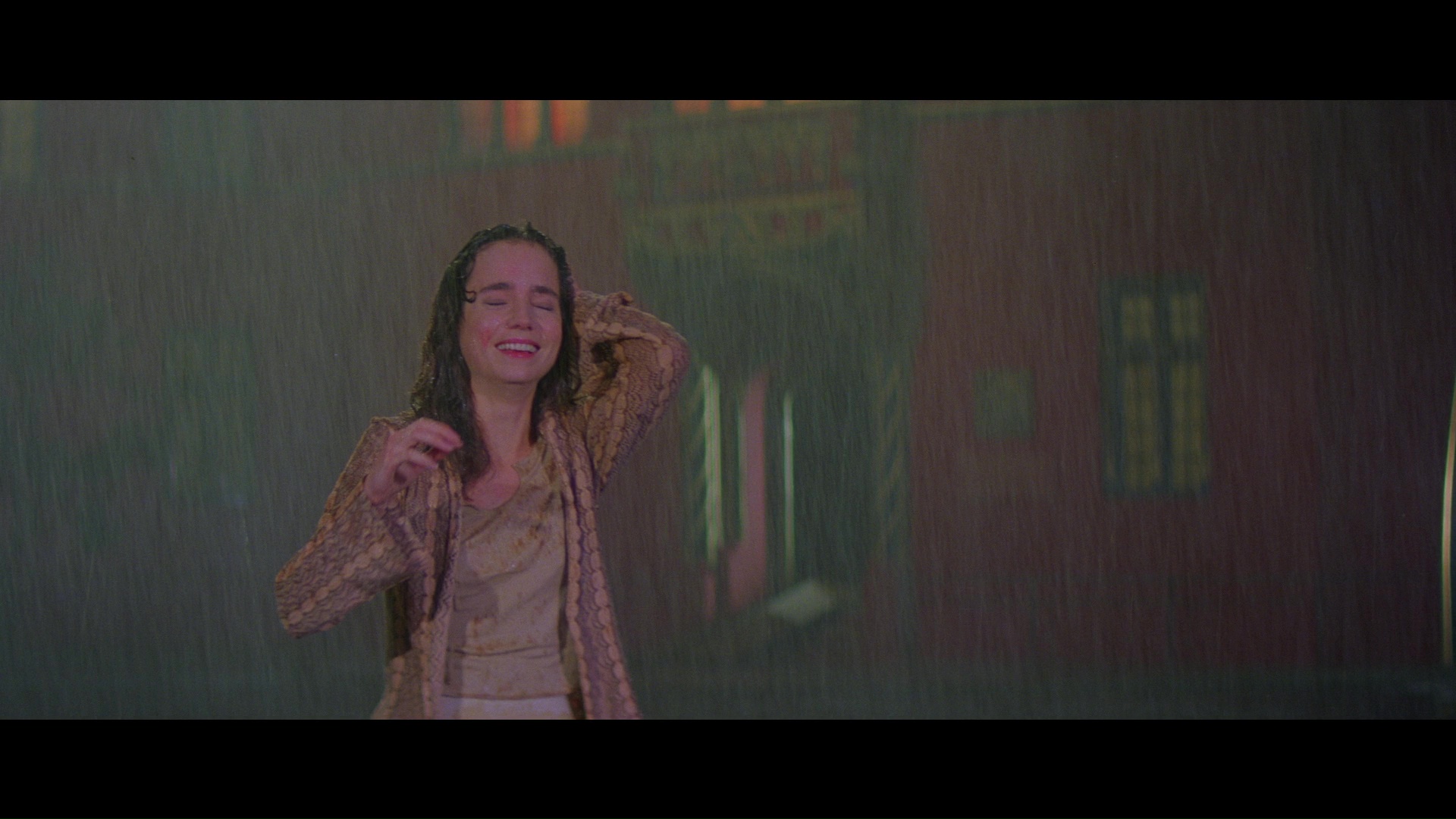
Nouveaux (UK Blu-ray) / Wild Side (France Blu-ray)
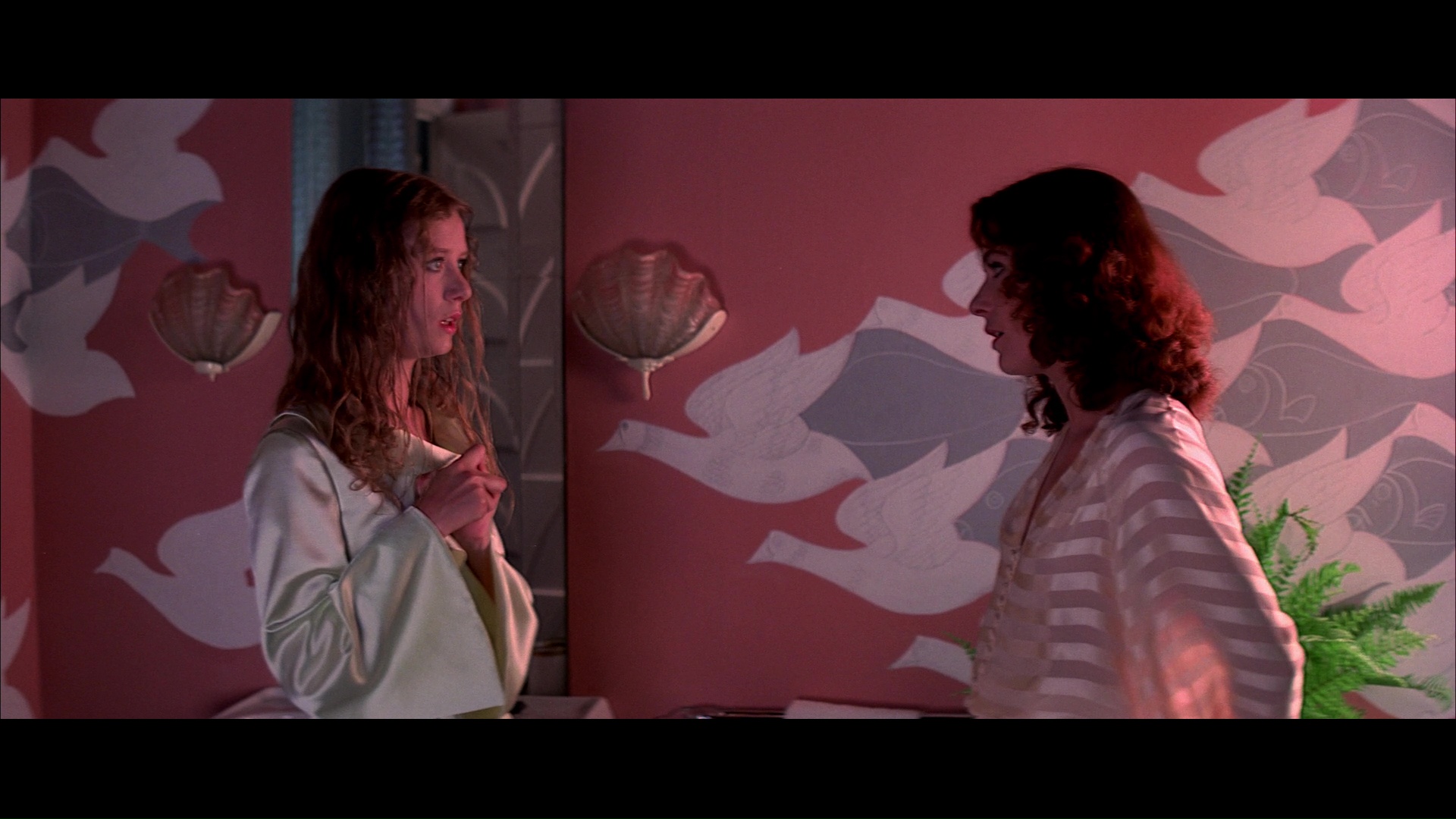
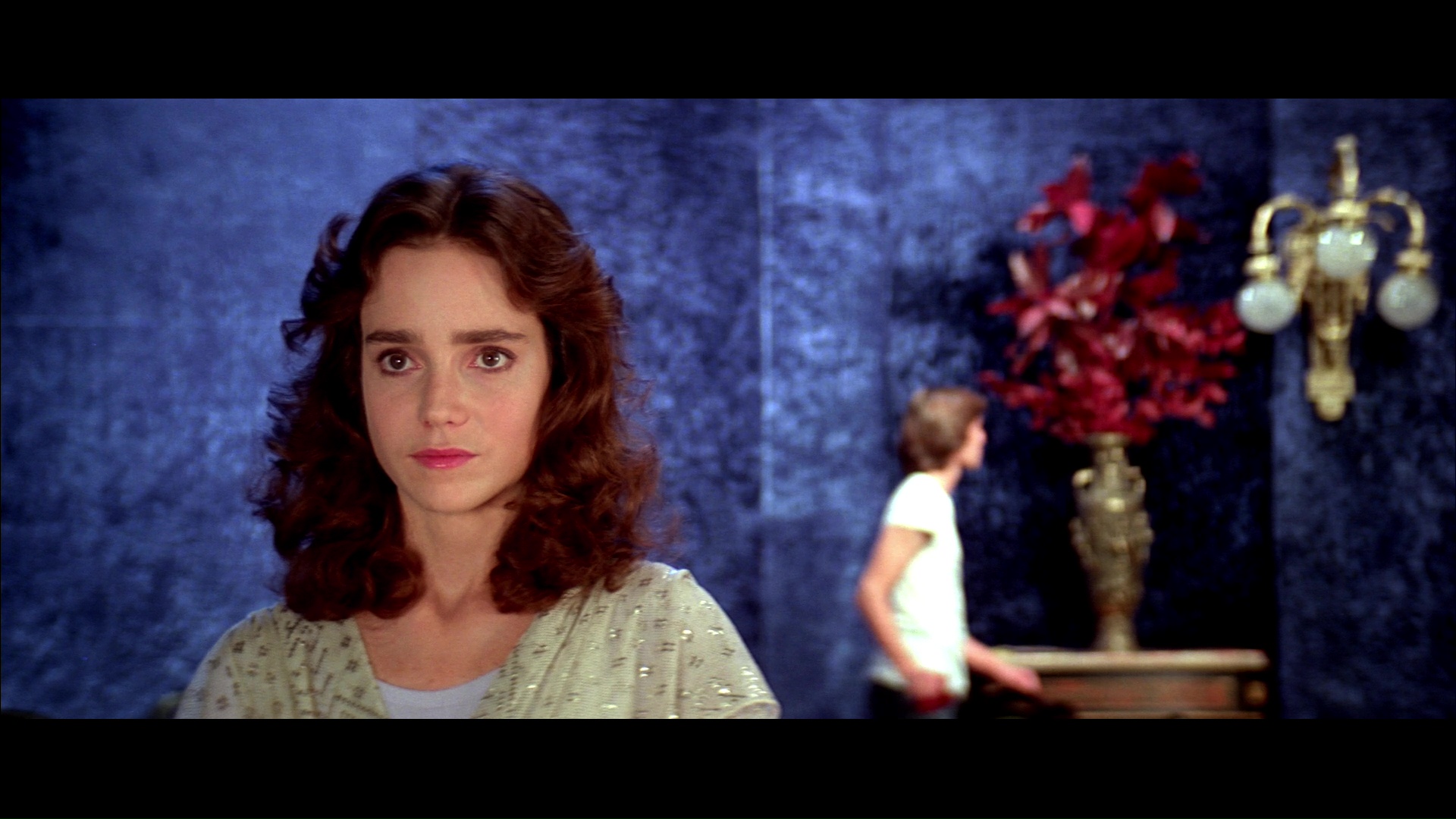
Anchor Bay / Blue Underground (US DVD)