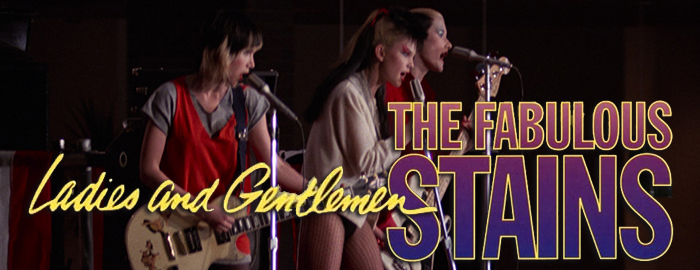
 made before its time, the all-female rock band cult classic Ladies and Gentlemen... The Fabulous Stains was initially shot in
  1980 just as the music video format was taking hold on American cable TV and would eventually explode into the pop culture phenomenon that was MTV in the summer of the following year. The film remained stuck in limbo and reportedly had issues over its ending and disagreements between its director, music producer Lou Adler (who was largely responsible for making The Rocky Horror Picture Show a midnight sensation and had directed Up in Smoke) and screenwriter Nancy Dowd (Slap Shot, Coming Home), whose name was eventually taken off and credited to "Rob Morton" (the first of four times this happened including the far more troubled Swing Shift). By the time the film was eventually completed but not given a real theatrical release in 1982, it seemed dead in the water-- but as it turned out, the movie itself was actually great, with an enthusiastic audience awaiting when it went into frequent TV rotation on Night Flight. Occasional theatrical appearances starting around 1985 cemented its reputation, and demand for the film's release on home video was ignored completely until it finally emerged on DVD in 2008 from Rhino in a special edition. Since then it's been enshrined as a major pop culture cinematic work from the early '80s along with other previously dismissed titles like Times Square and Breaking Glass and a pioneering portrayal of feminist punk.
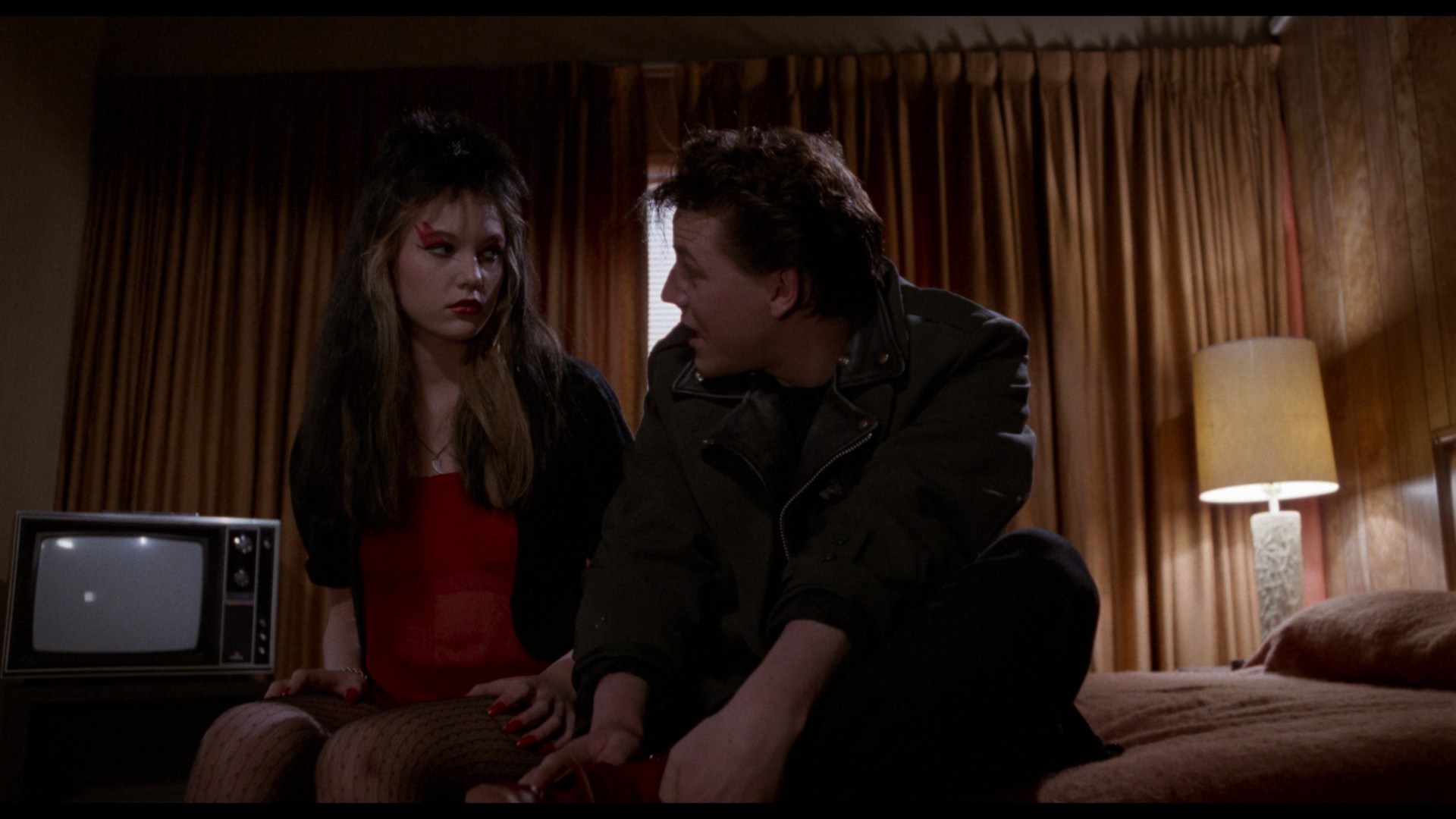
 teenager Corinne (Lane) is frustrated with life following the death of her mother and the general malaise afflicting the culture
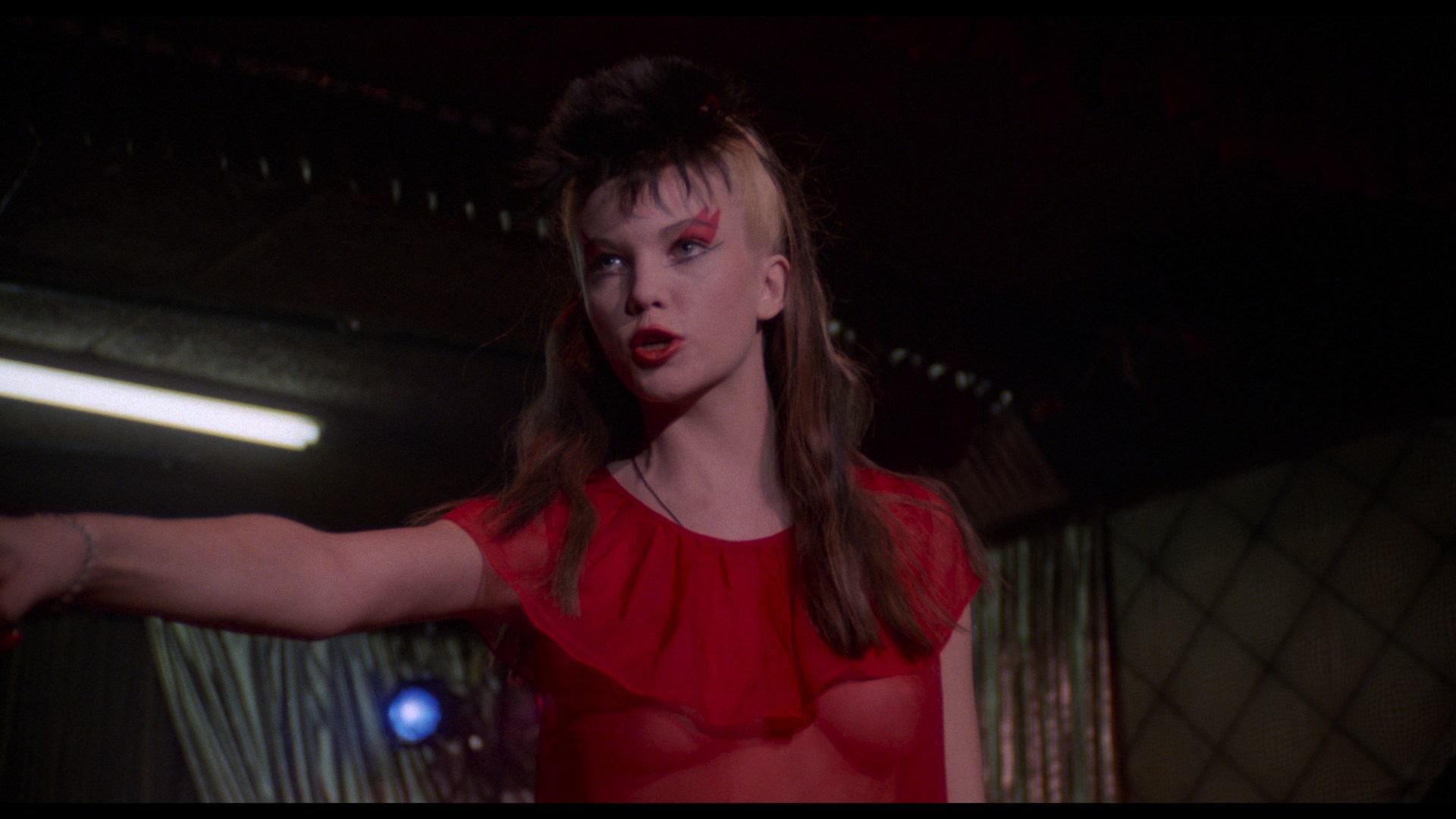
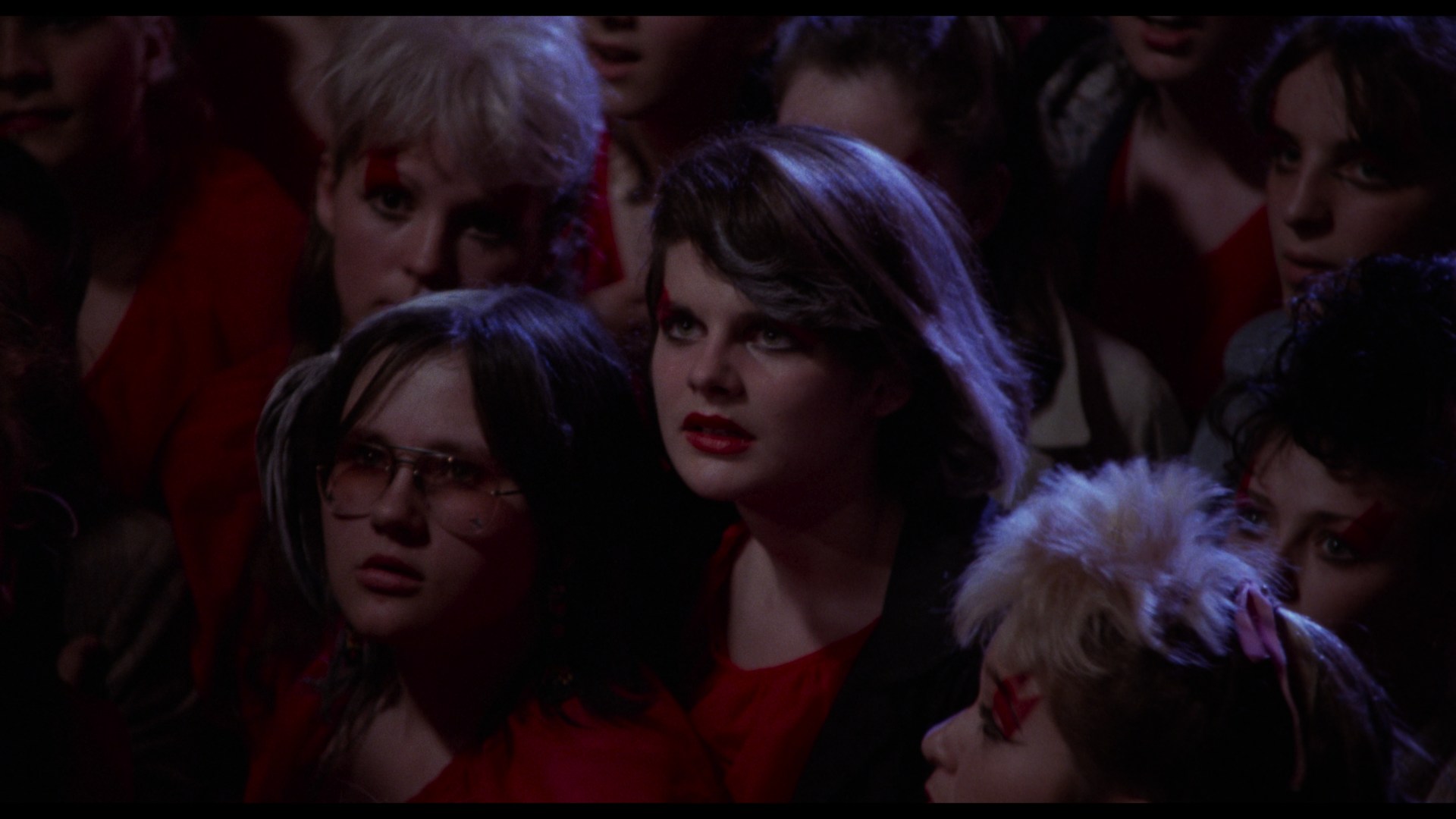
  at large. After becoming a local sensation when she goes on an angry tirade on TV, she seizes the opportunity to book her fledgling garage band, The Stains, at a local venue with her fellow members, sister Tracy (Kanter) and cousin Jessica (Dern). Despite having no performance experience, their lucky timing has them supporting a band called The Looters fronted by Billy (Winstone) even after their own headliner, The Metal Corpses, falls apart. Despite resistance from their promoter, Lawnboy (Ford), the Stains become wildly popular among female concertgoers-- especially when Corinne and then her fellow members adopt what they call a skunk look. However, the music business proves to be a very tough road with everyone having to deal with the possible cost of success.
 her starring roles in The Outsiders
  and Rumble Fish just around the corner. Winstone had appeared in Quadrophenia but wasn't yet a major name, while Christine Lahti who plays the disapproving Aunt Linda (another one destined for Swing Shift) was a new face primarily known for ...And Justice for All. Toss in some very quick bits for a young Brent Spiner (in the opening moments), Debbie Rochon, and E.G. Daily, and you have an amazing snapshot of acting and music talent at a major cultural crossroads. It seems oddly appropriate that the film started shooting in late '80s as a jaded, ultimately downbeat snapshot of the music business but ended up with a celebratory (albeit superficial and presumably compromised) music video finale instead, a harbinger of many '80s movies to come.
 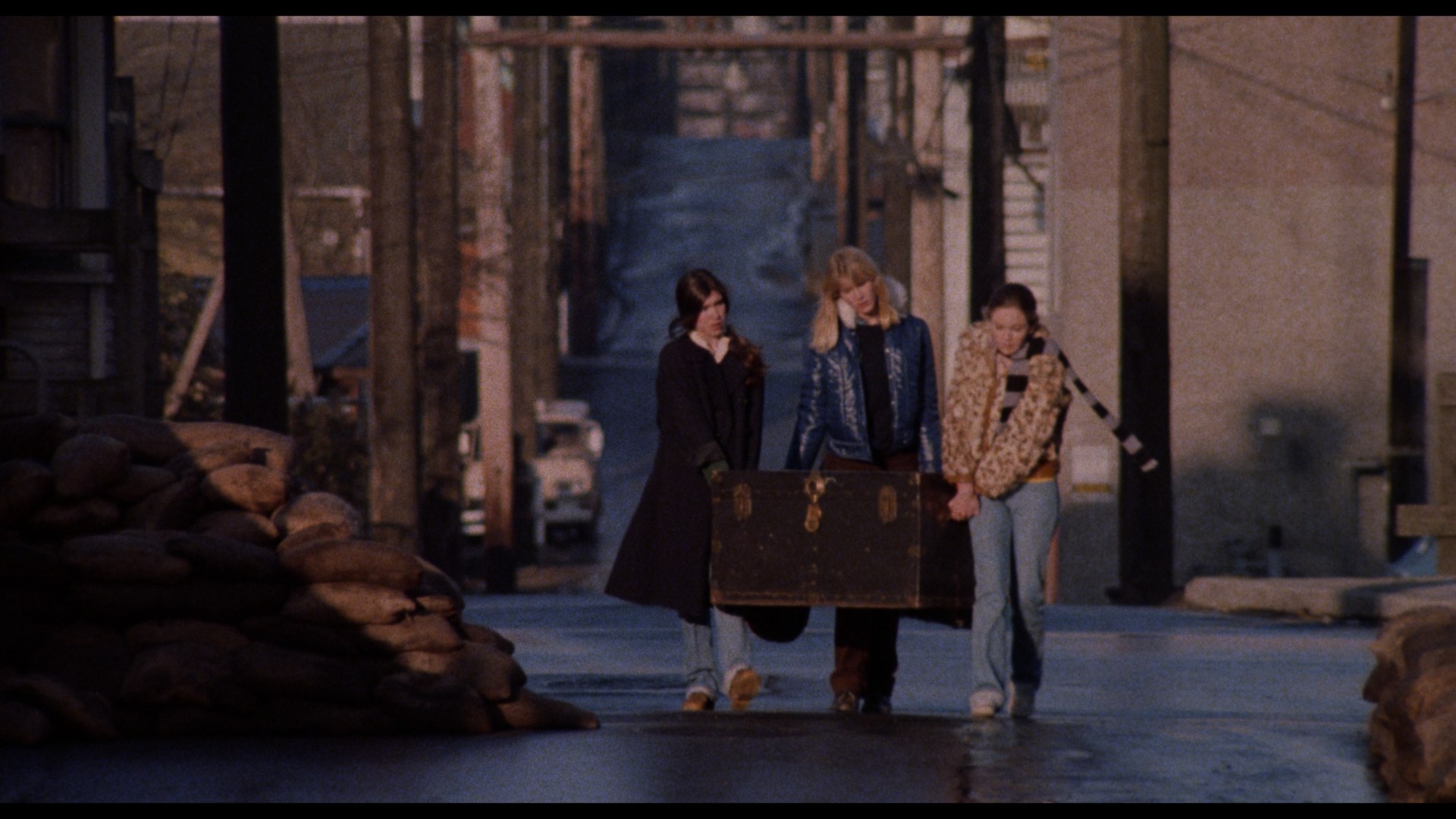 gallery.
 from Grand Royal Magazine and a replica of the original, studio-issued “handbook of production information," plus a sticker sheet and a double-sided fold-out poster. The new scan from the original camera negative looks immaculate with those candy-colored reds in particular really benefiting, and the detail is impressive in the many landscape shots of the destitute environment for much of the running time. The DTS-HD MA 5.1 and 2.0 English audio options both sound solid especially in the music numbers, with English SDH subtitles provided. The Adler and Lane-Dern audio commentaries are ported over here, but you also get a new solo commentary by Heuck largely following the script from his prior track but rerecorded here and considerably revised and updated. Given that he's likely the world's number one expert on the film, prepare to be schooled in pretty much every detail about the film you could possibly imagine including inspirations on the script, the location ties to Slap Shot, the backgrounds of every significant actor, the lengthy process from completion (initially under the title All Washed Up) to release, the film's legacy, and tons more. A second new track features Heuck and Jake Fogelnest delivering a much looser but entertaining appraisal of the film, more about Dowd and contributor Caroline Coon, additional notes on the various music names in the film, their own involvement in stumping for the film for decades, the elusive nature of the soundtrack release, and much more.