 second novel, Stephen King delivered what may still be the scariest with 1975's 'Salem's Lot, a sprawling vampire epic set in his
 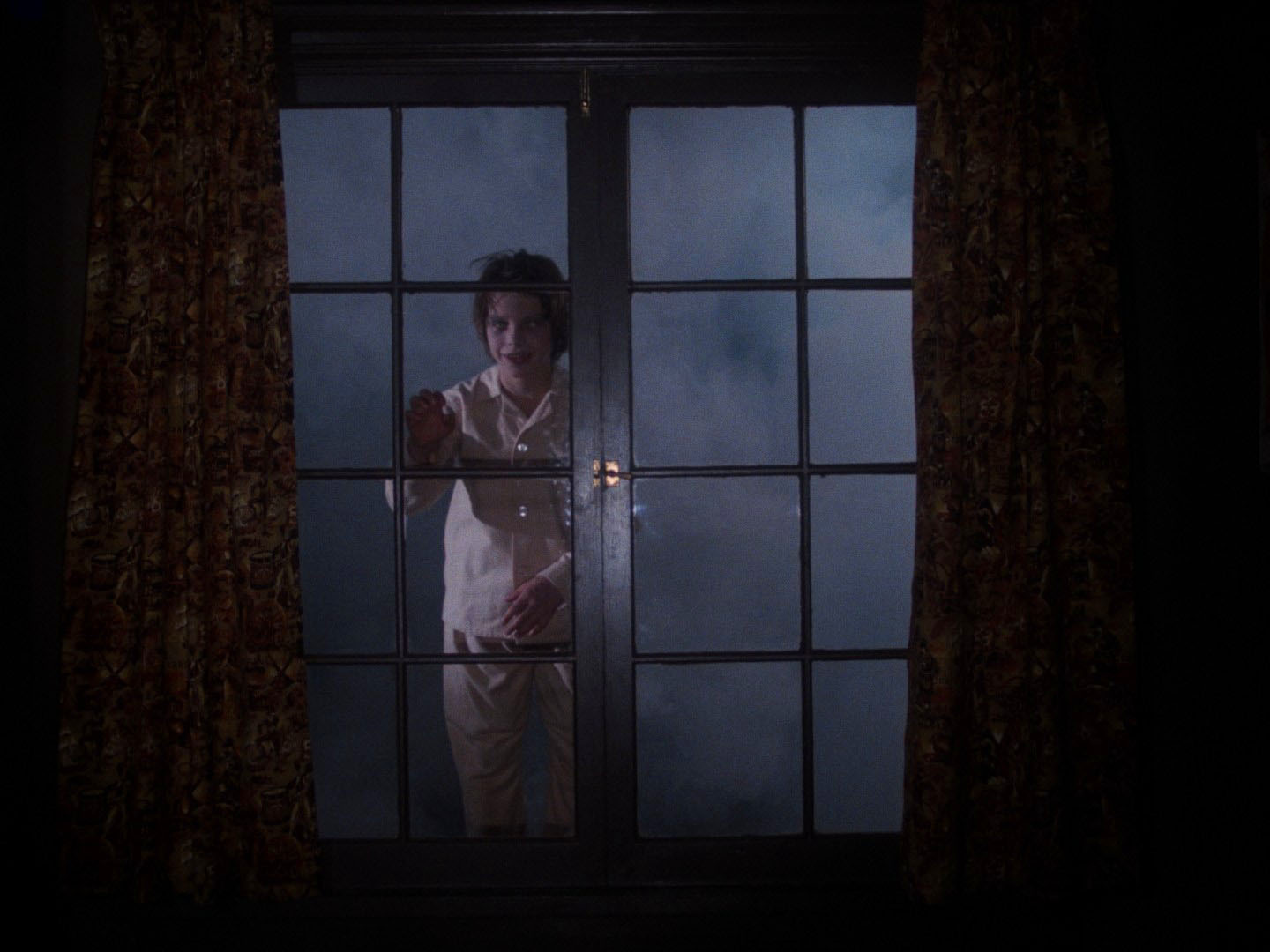 usual stomping grounds of a small town in Maine. Following the theatrical success of Brian De Palma's Carrie, the book was slated for adaptation as a two-night, four-hour TV miniseries with a stronger 112-minute cut created for some international markets. The miniseries aired in 1979 while Stanley Kubrick's divisive but masterful loose adaptation of King's third book, The Shining, was in production and set for release the following year. The author himself wasn't really gushing with praise at the time for any of these now-classic translations of his work and reserved his harshest comments for Kubrick's, and all of them have since been remade in various capacities over the years.
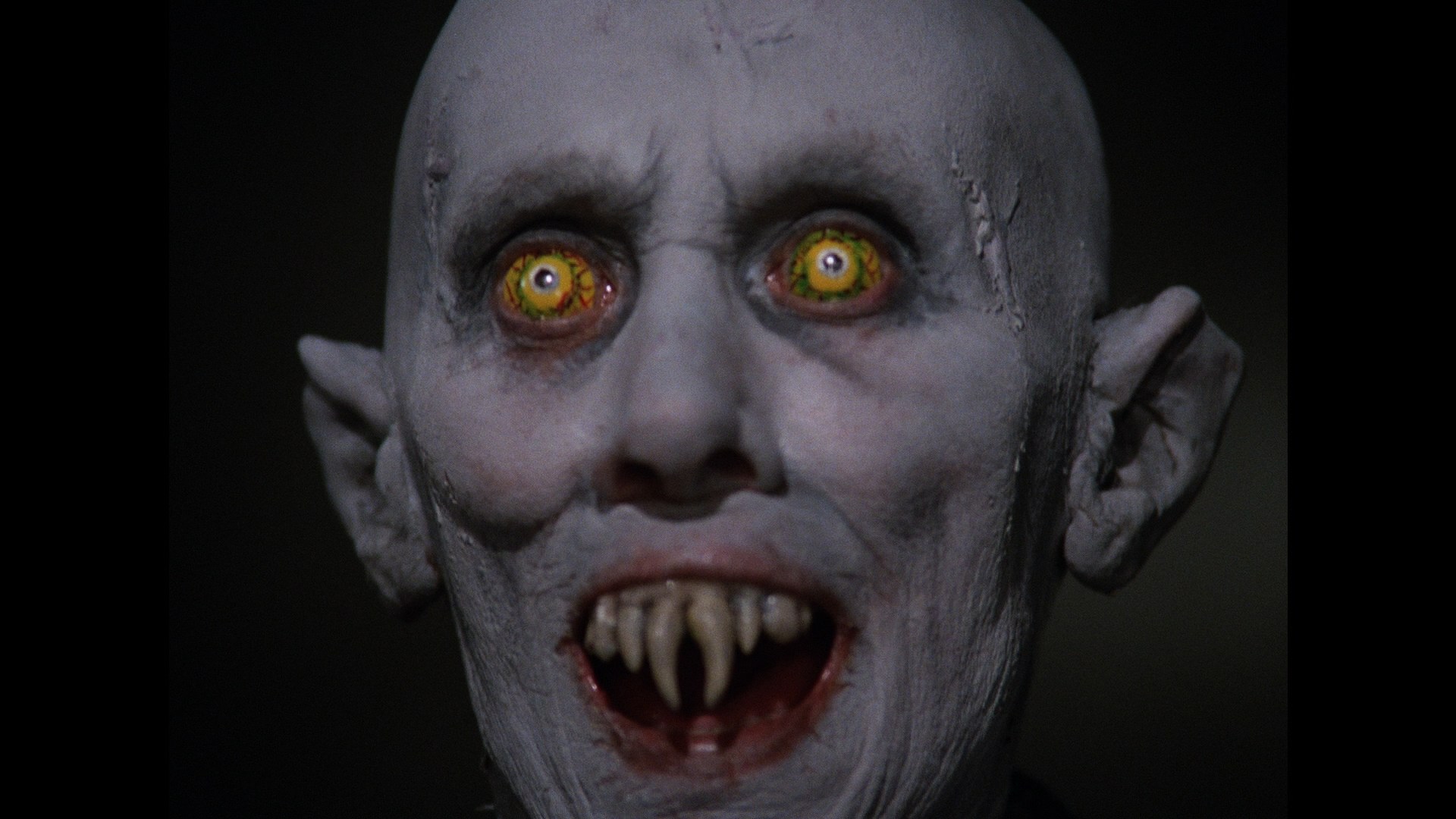
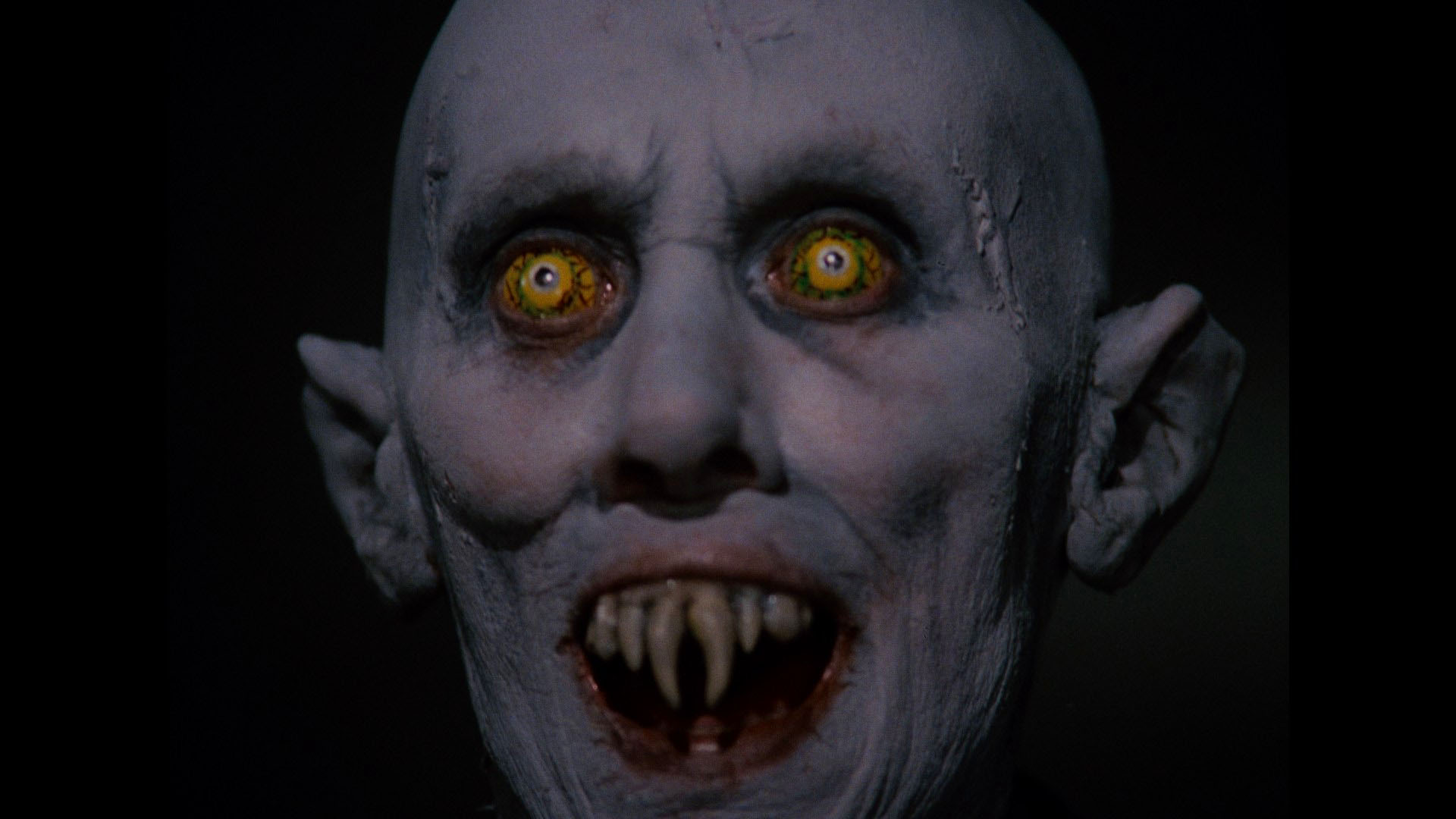
 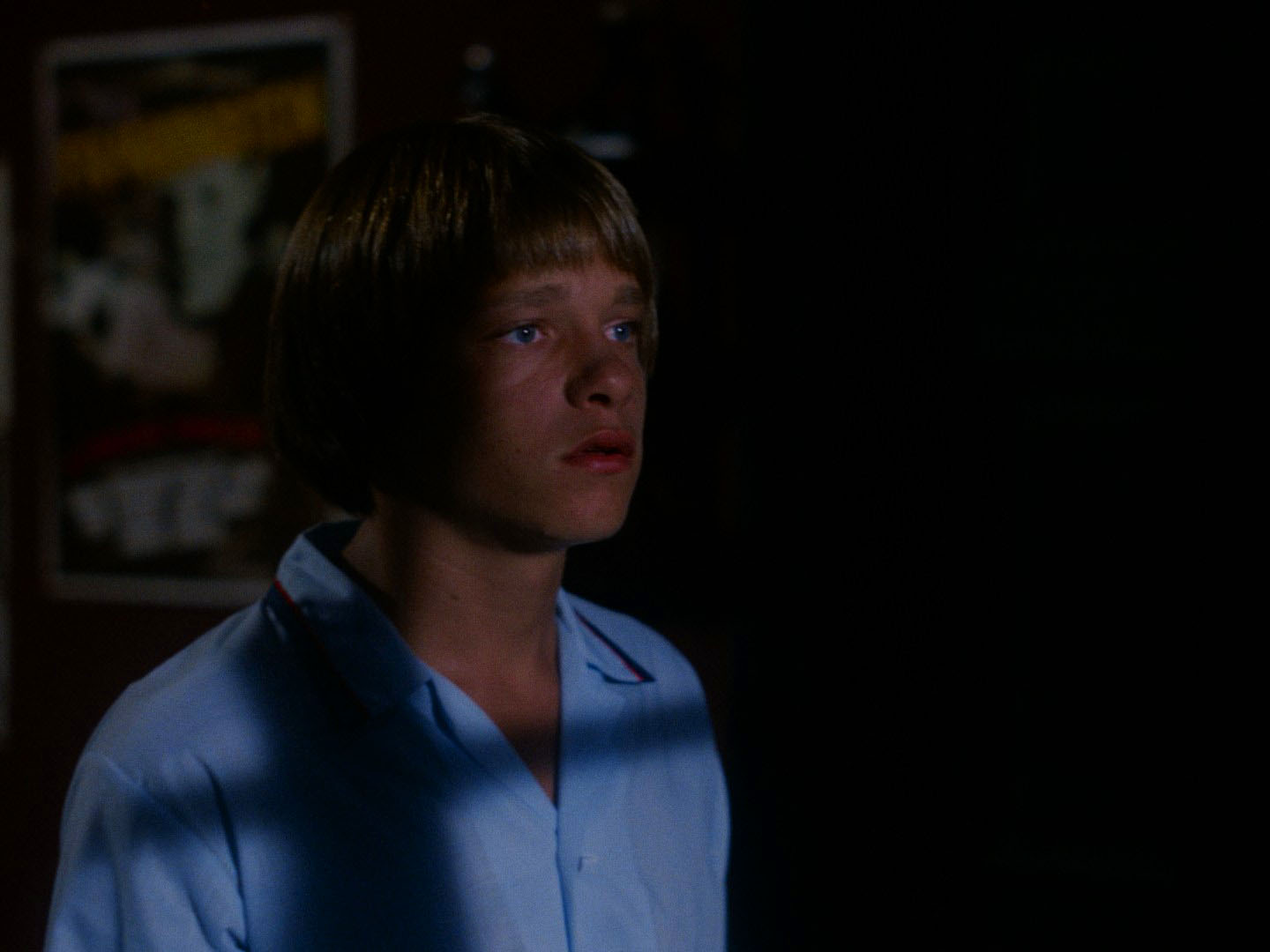 may have something to do with the arrival of Mr. Barlow, a mysterious
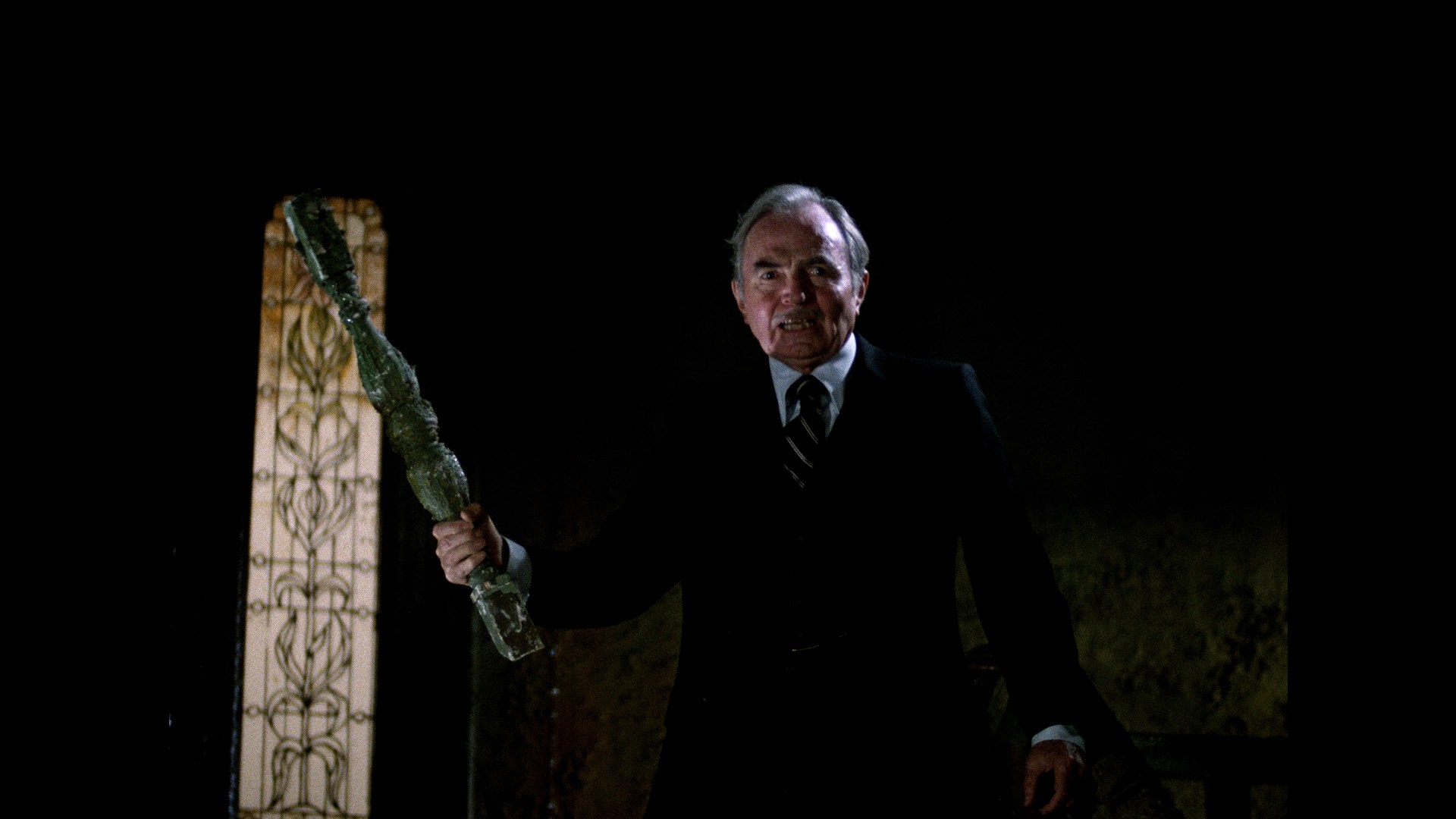
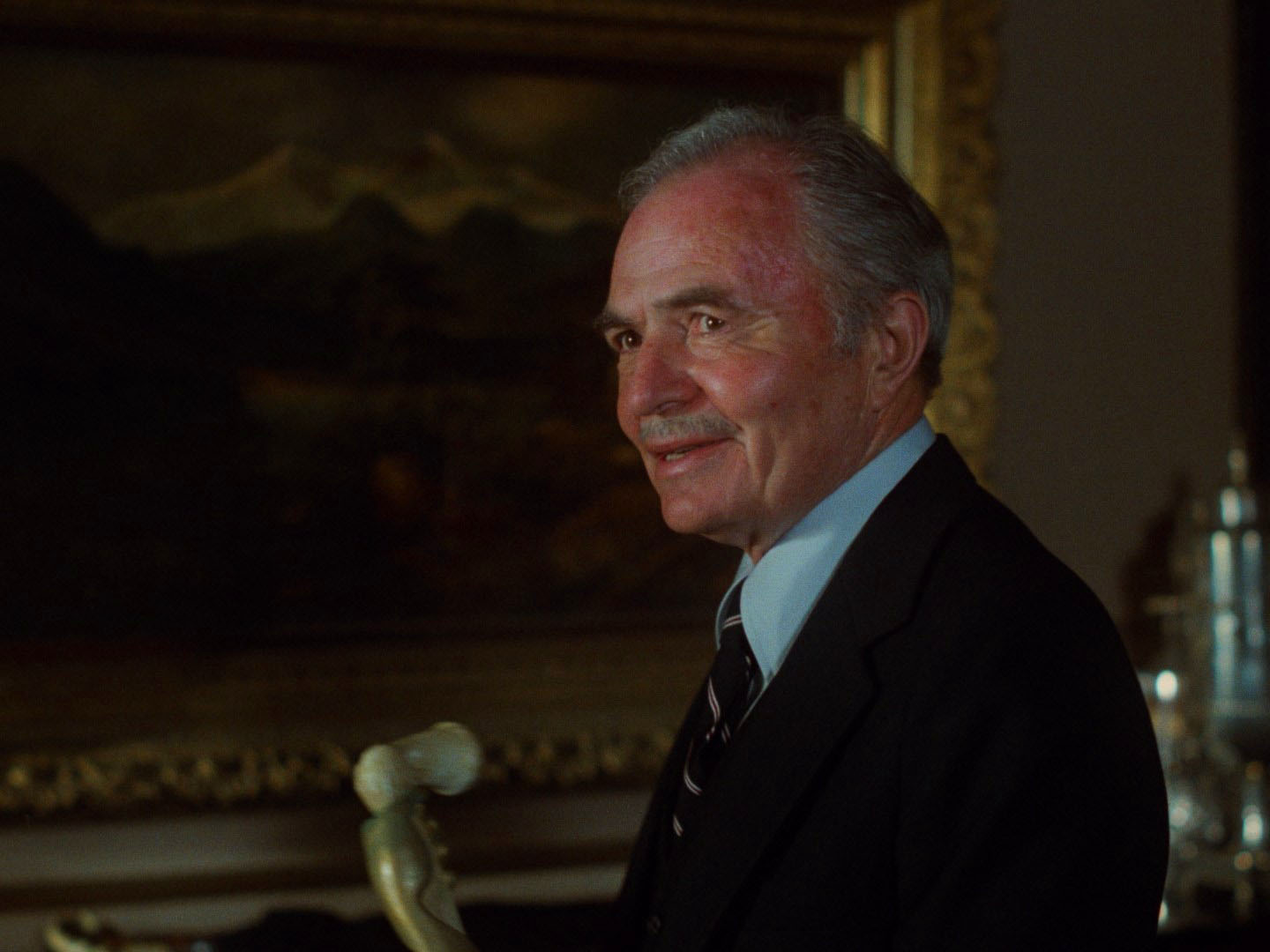
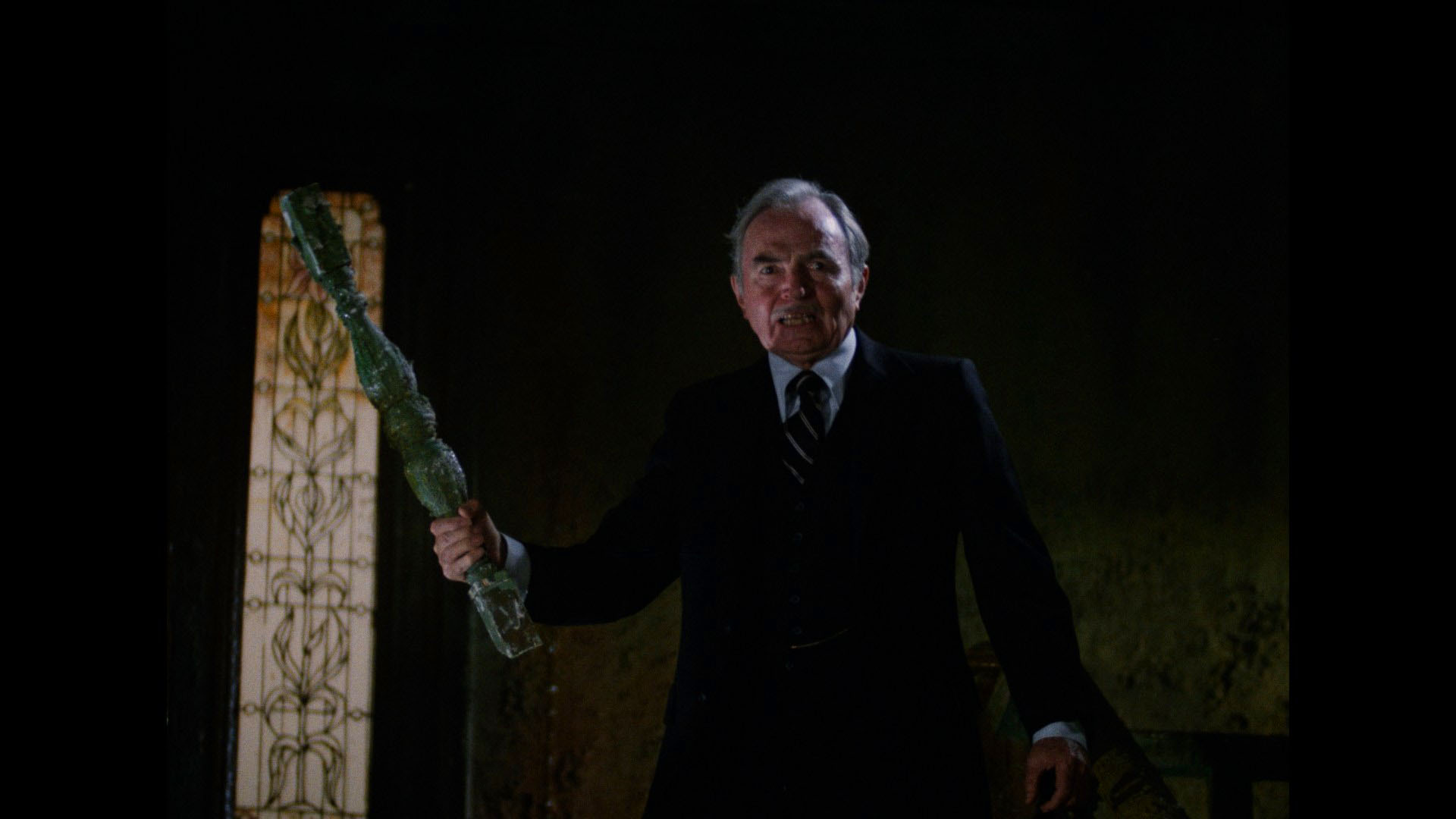
 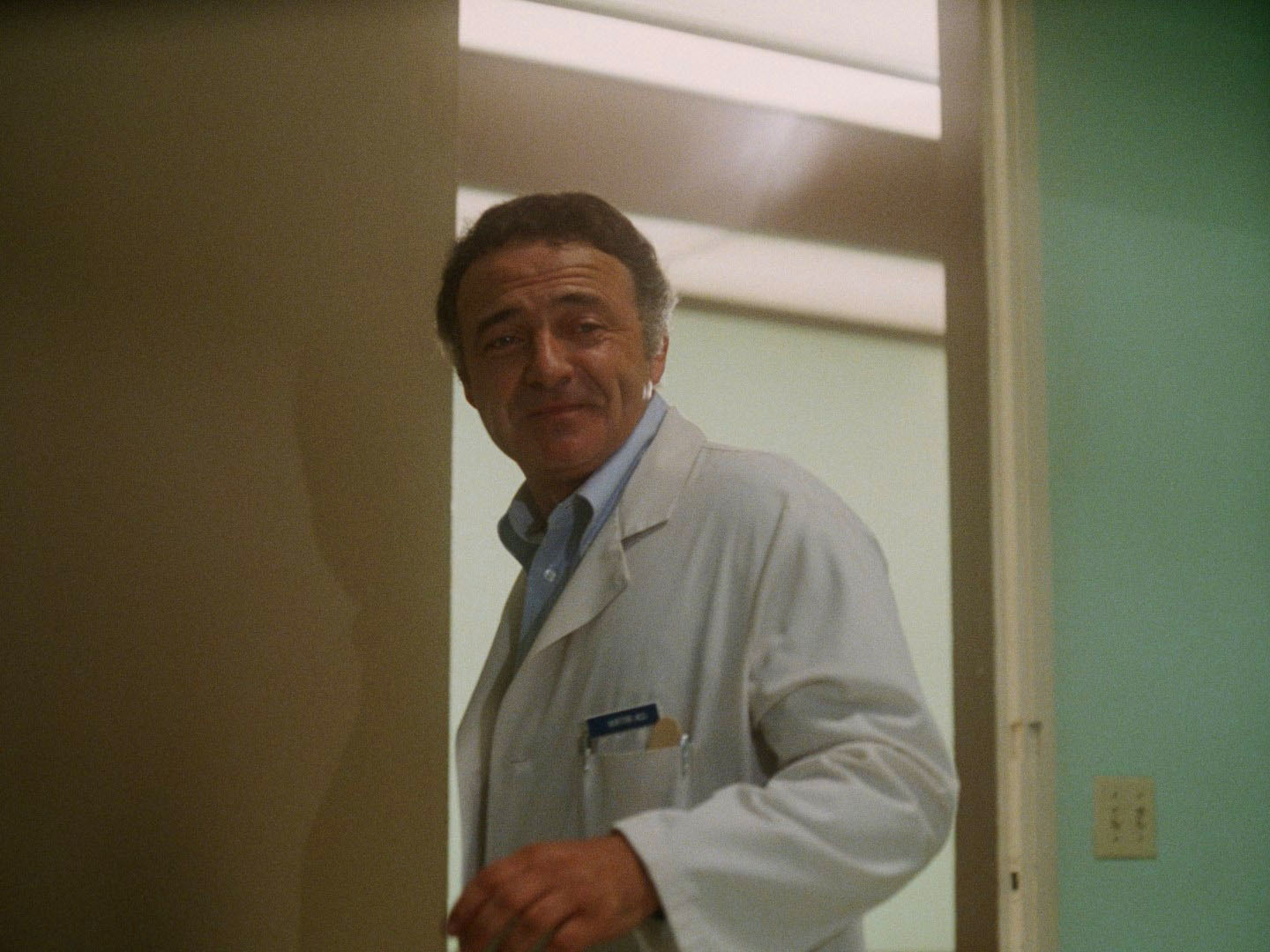 antique dealer living in the spooky old Marsden house? And what about Straker (James Mason), Barlow's suave but menacing business partner?
 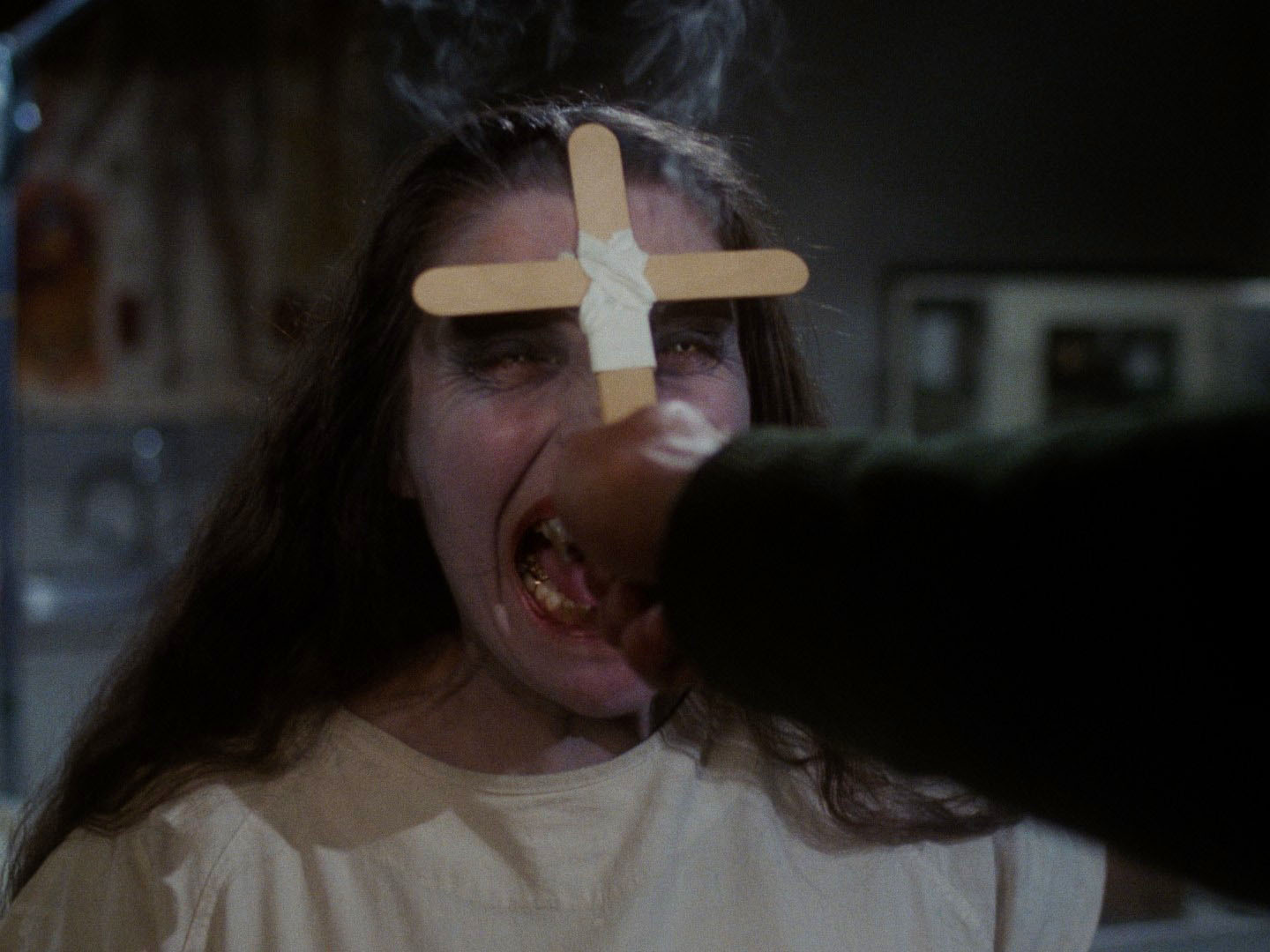 cardboard option at the end of the '80s. The miniseries version, sort of, was released on VHS in
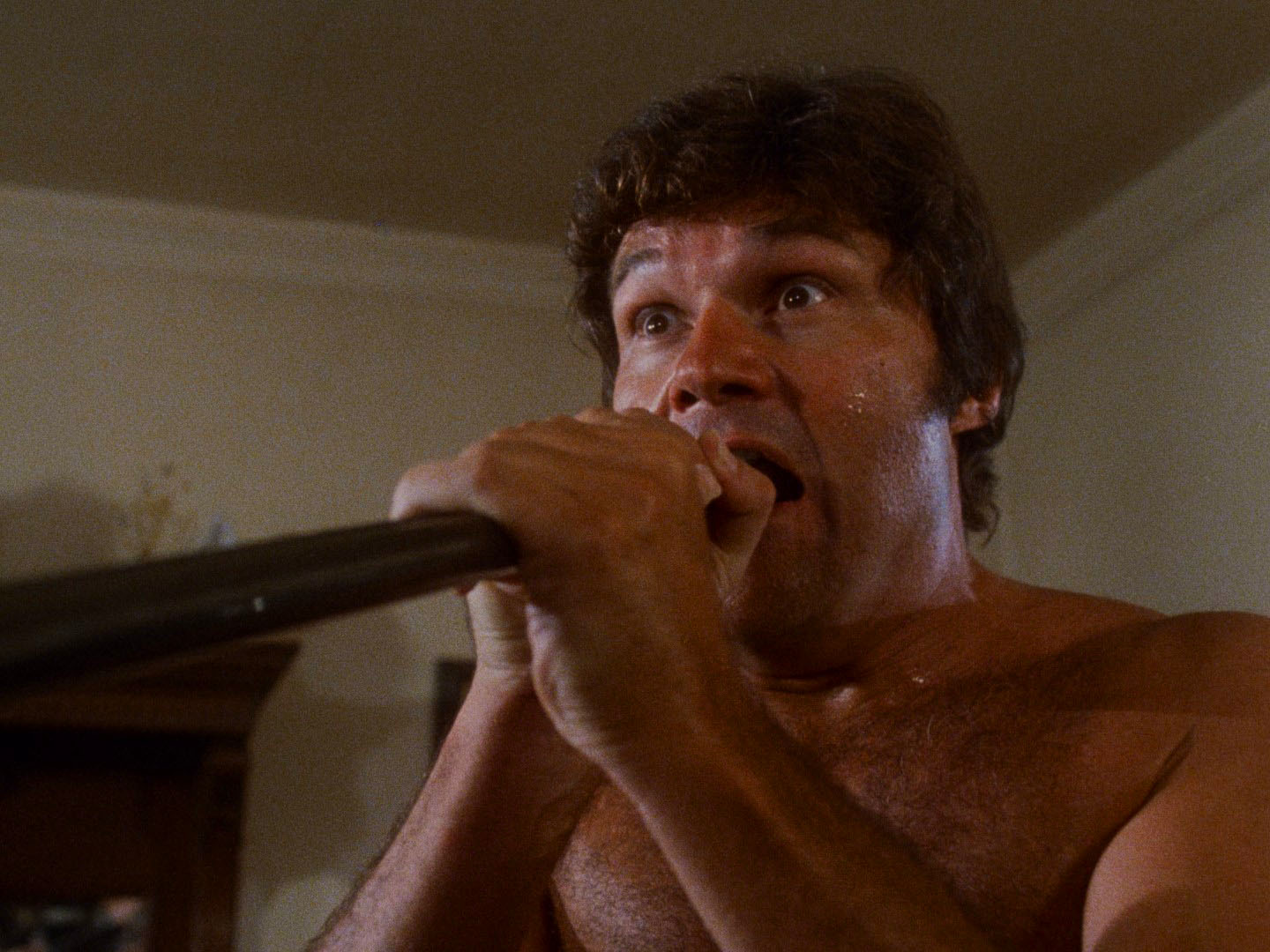
 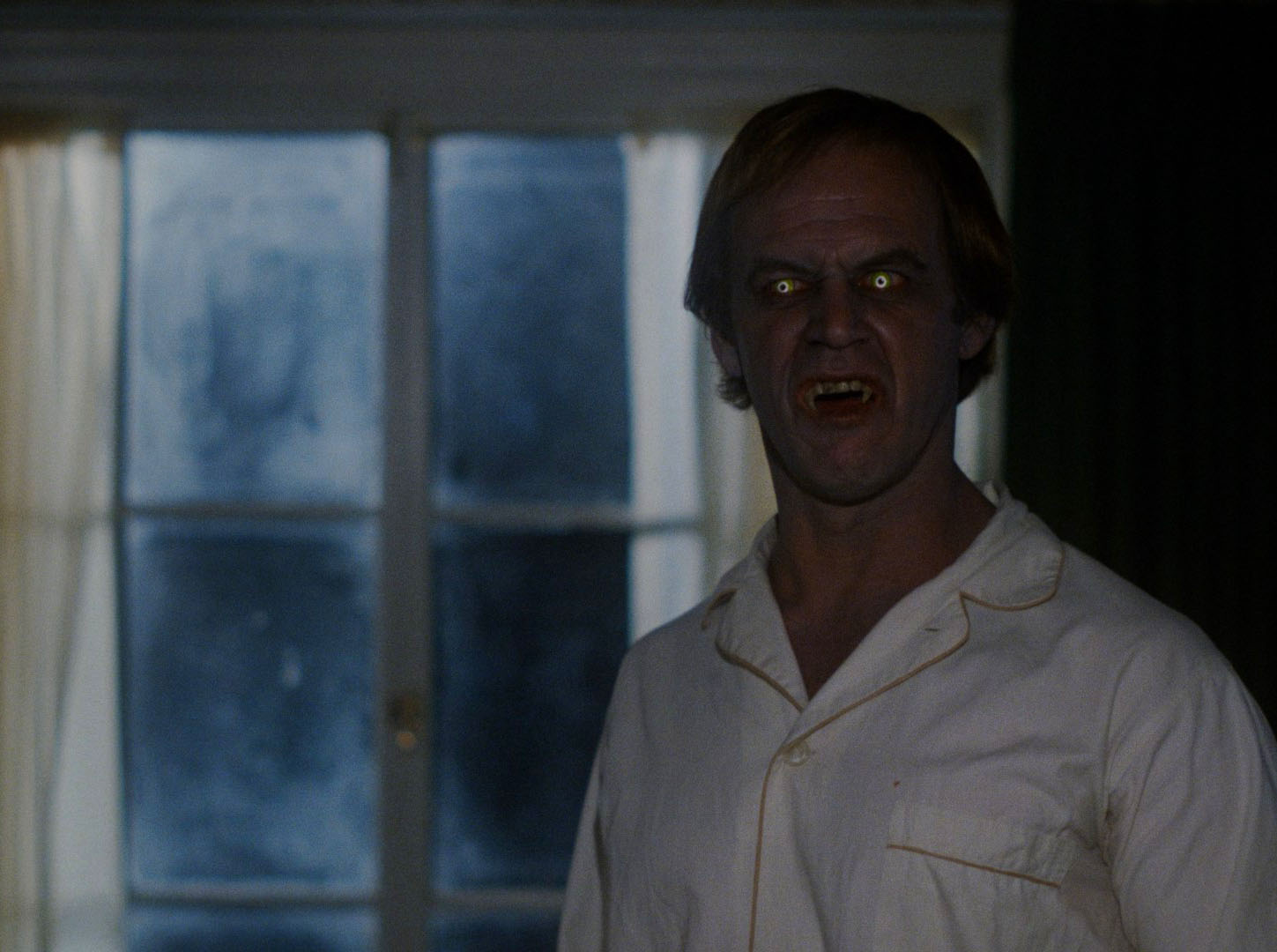 1995 followed by a DVD in 2006; it's the full running time, though the more gruesome fate of one character near the end impaled on some antlers has been slugged in from the theatrical cut. It's also worth noting that from this point on, the stronger theatrical version of the confrontation between George Dzundza and Fred Willard (with the latter forced to put a rifle barrel in his mouth, in keeping with the source novel) was out of circulation for decades. A Blu-ray of that mostly-miniseries cut was released by Warner Bros. in 2016 featuring an audio commentary by Tobe Hooper (who passed away a year later), delivering a thorough and engaging account of the making of the film that fills up the entire running time. A trailer for the theatrical release is also included.
 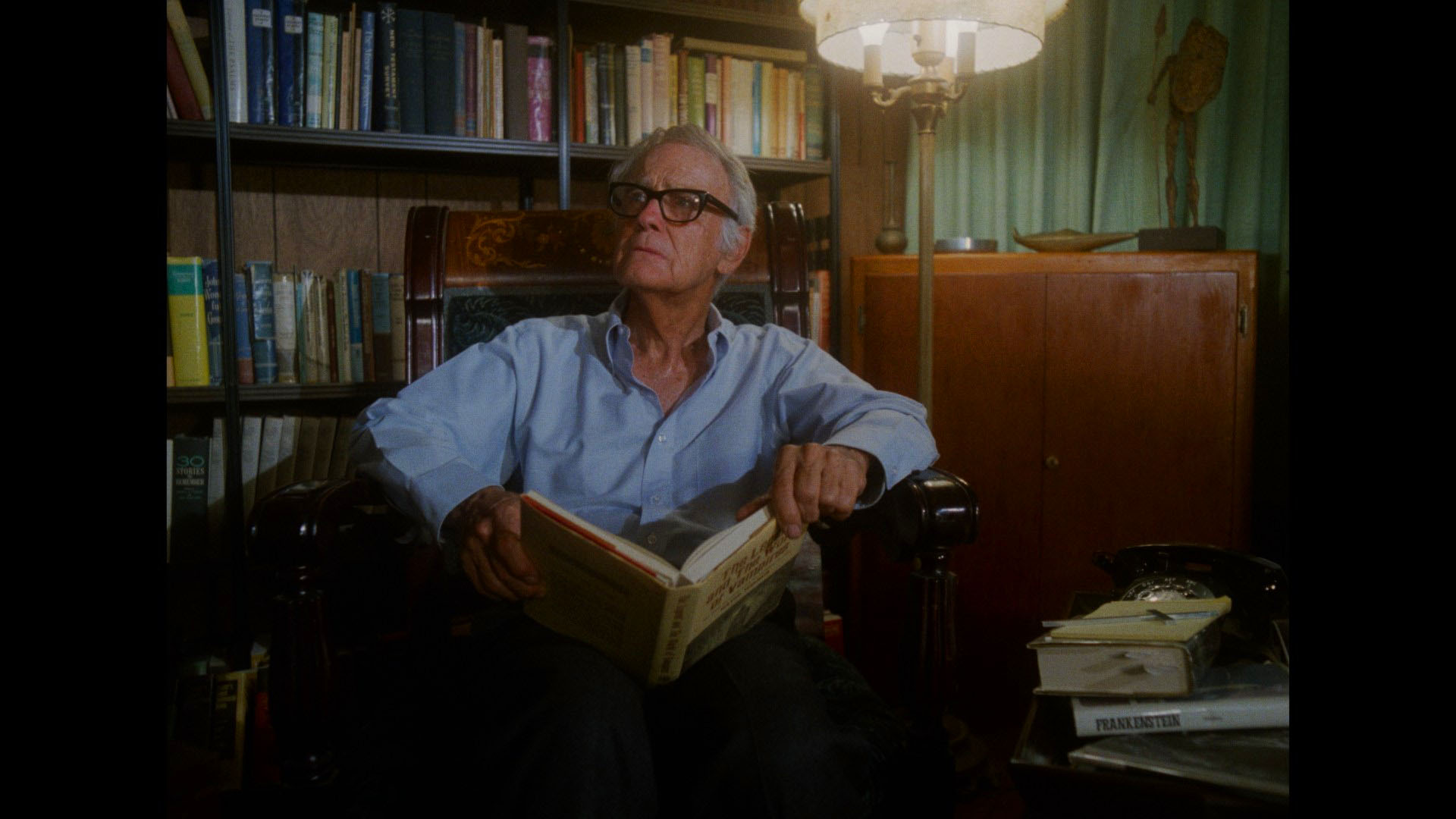 some post-production zooms
 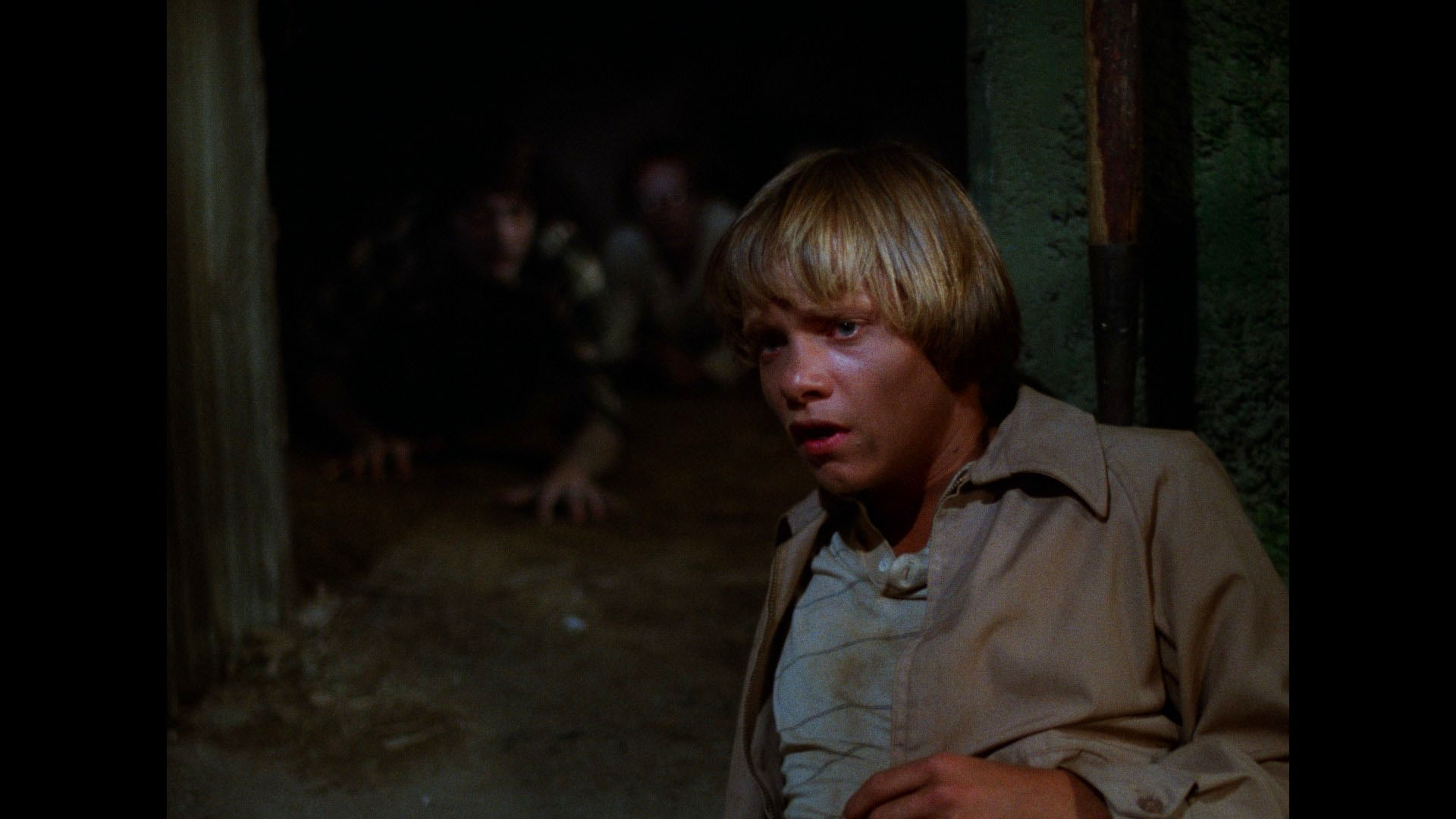 added to shock moments just before a commercial break. The DTS-HD MA 1.0 mono audio sounds excellent with the dramatic music by Harry Sukman sounding robust, and optional English SDH subtitles are provided. In addition to the Hooper track, the miniseries version (which can be played as one full movie or as a two-parter with a five-minute recap and additional credits added to the front of the second half and end credits for the first. In addition to the Hooper track, the miniseries comes with a new audio commentary by Bill Ackerman and Amanda Reyes, one of the best teams out there who deliver another exceptional audio companion here. They start off with a suitable salute to the late Lee Gambin and then plunge into three hours of rich material about King, producer Richard Kobritz and screenwriter Paul Monash, Hooper of course including some unrealized projects around the time, connections to other TV vampires, the cast's backgrounds, and tons more. Also on the first disc is a 16s selection of commercial bumpers and the abbreviated antler death scene if you really need it, plus a 197-image shooting script gallery with a few minor differences from the final result.
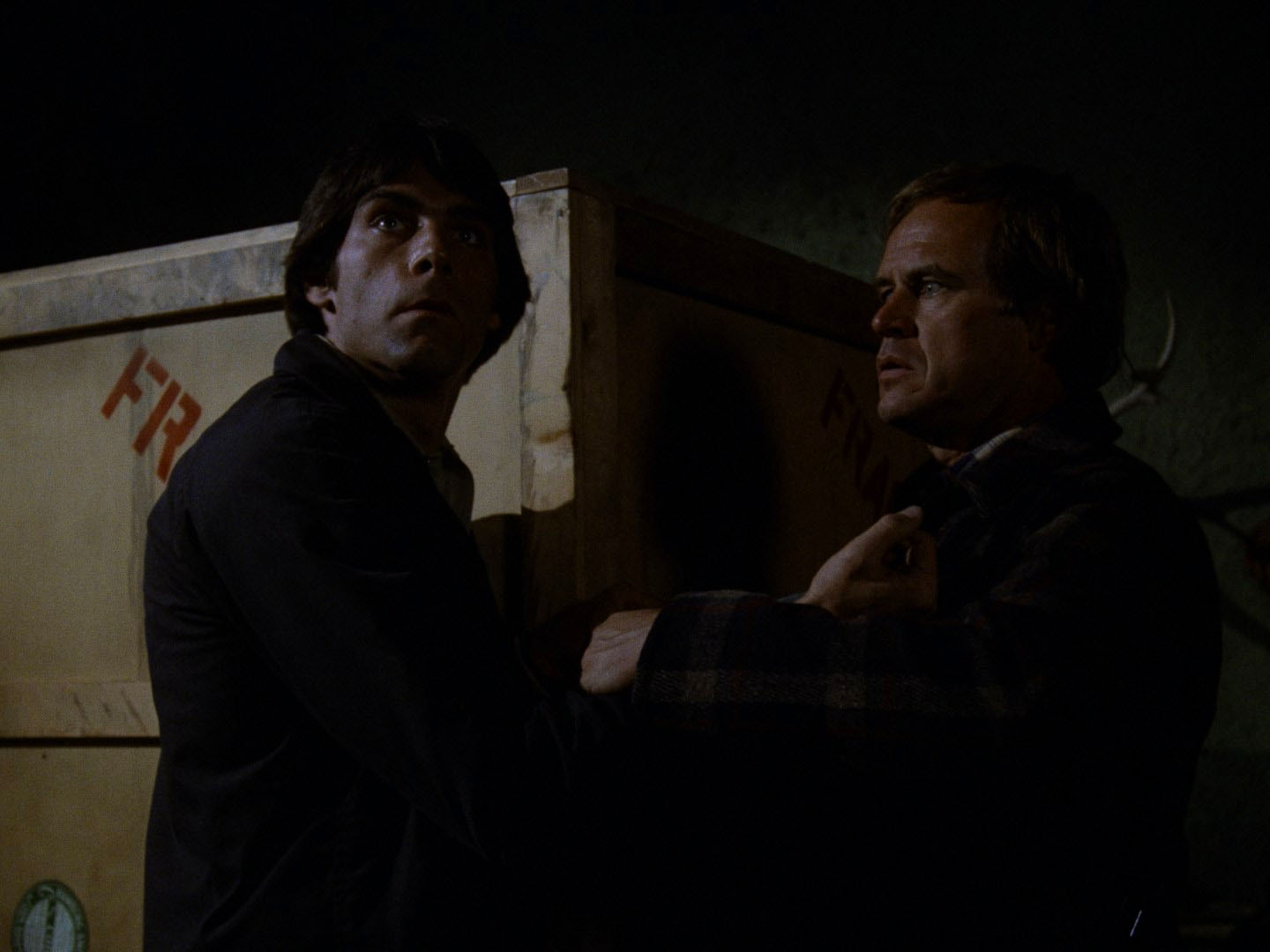 an energetic new audio commentary comparing the versions, with the
  new video extras here kicking off with "King of the Vampires" (21m9s) with writer-critic Douglas E. Winter talking about the author's writing process, the obvious autobiographical elements here especially in the Ben character, his own first exposure to King's work, the socio-political commentary coming after several recent historical traumas, and the book's importance early on in the writer's career and within the horror genre as a whole. In "Second Coming" (26m), Grady Hendrix -- whose King coverage is fantastic reading -- gives a terrific and very funny overview of the book's place in the horror blockbuster literary bonanza, King's pop culture significance, the revival of vampires with this book and Interview with the Vampire the same year, the prevalence of pissed-off characters in all these early novels, and the brilliant paperback marketing that put King over the top with working class readers. In "New England Nosferatu" (13m8s), frequent King adapter Mick Garris chats about his own relationship to the novels including this one as well as his long friendship with Hooper whom he brought on for the series Masters of Horror. In "Fear Lives Here" (6m56s), Elijah Drenner takes a tour of the filming locations in Ferndale, California, where its two main intersections provided almost everything you see in the film and have largely stayed the same decades later as we can see from some fine detective work here. In "We Can All Be Heroes" (9m19s), critic Heather Wixson appraises her favorite elements of the film, and in "A Gold Standard for Small Screen Screams" (19m50s), Horror Queers co-hosts Joe Lipsett and Trace Thurman give a thumbnail history of the miniseries' creation including Hooper's career at that point and the challenges of making the book palatable for the small screen. Trailers are also included for this version, the sequel, and the 2024 version, and a 90-image photo gallery. The limited edition package comes with a Salem's Lot town sticker, a double-sided foldout poster, and a booklet with essays by Sean Abley, Sorcha Ni Fhlainn, and Richard Kadrey plus archival interviews with Hooper, Kerwin and Julie Cobb.
Arrow Video (UHD)
Warner Bros. (Blu-ray)