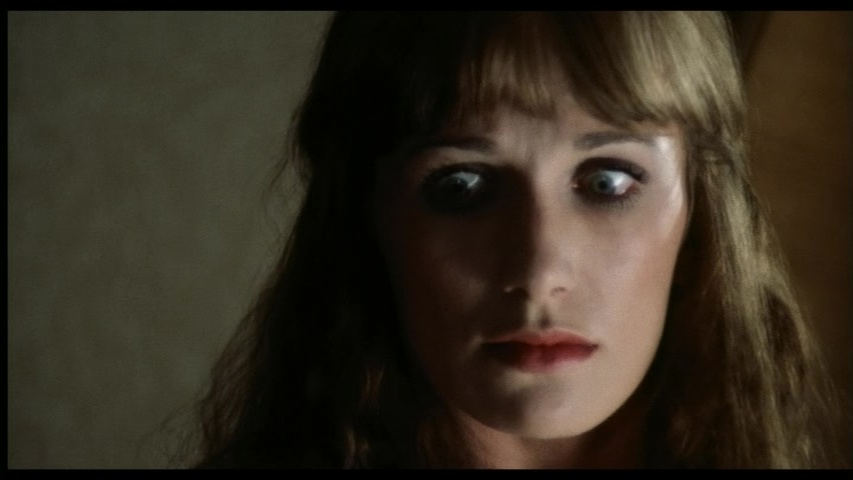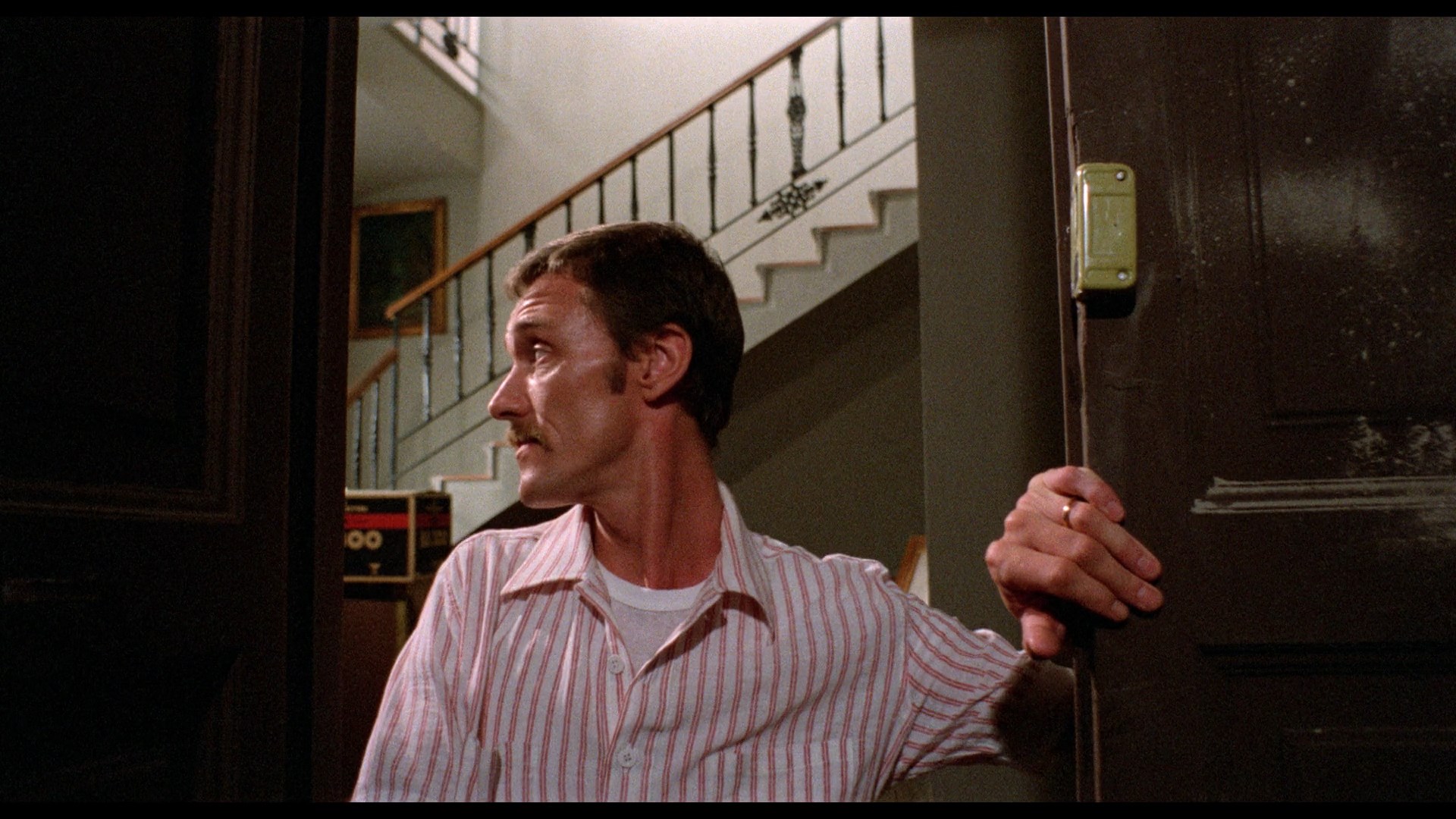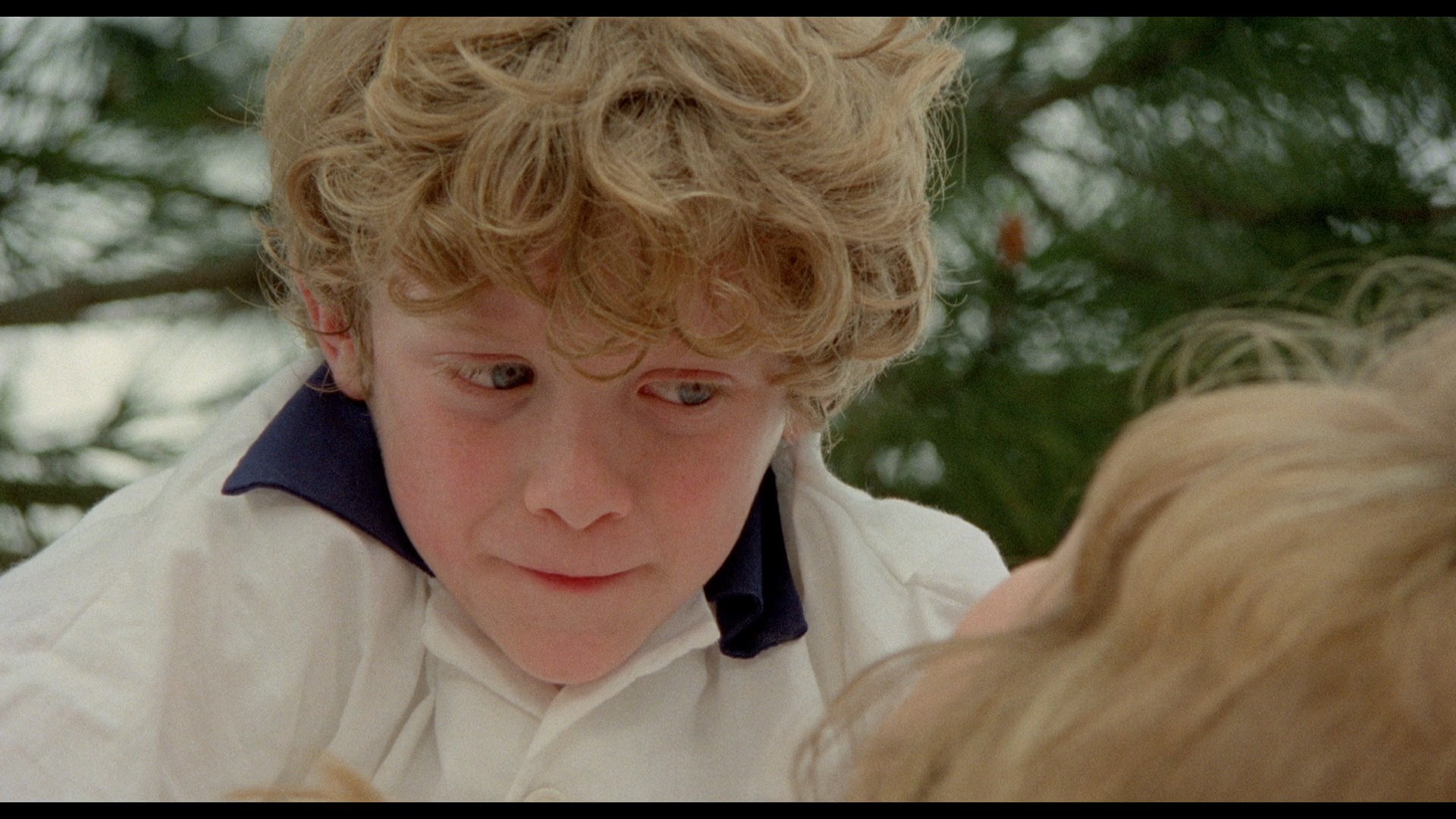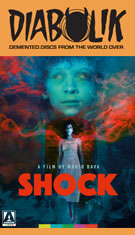
Color, 1969, 83 mins. Directed by Mario Bava
Starring Stephen Forsyth, Laura Betti, Dagmar Lassander, Femi Benussi, Jesus Puente, Luciano Pignozzi / Produced by Manuel Caņo / Music by Sante Maria Romitelli / Cinematography by Mario Bava
Format: DVD - Image (MSRP $24.98)
Letterboxed (1.66:1) / Dolby Digital Mono
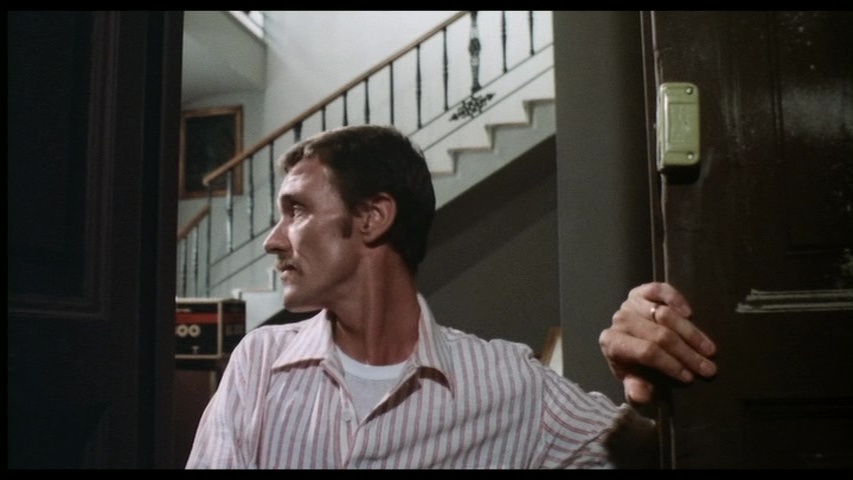
Returning once again to the colorful fashion salon setting of his classic Blood and Black Lace, Bava introduces us in the opening to his handsome killer, John Harrington (Stephen Forsyth, who
Originally released in Italy as The Red Sign of Madness (Il Rosso Sengo della Folia), A Hatchet for the Honeymoon is as visually impressive and technically accomplished as one would expect from a Bava thriller. The fractured narrative allows him to experiment with a number of different
Since Hatchet largely avoids onscreen gore and violence in the first place, the film has experienced few censorship problems over the years. In fact, its U.S. release received a PG rating (or GP as it was called at the time), with the MPAA card still present at the begnning of this DVD edition. Various video labels have taken a crack at this title over the years, largely with unimpressive results, so the Image DVD is, relatively speaking, the best so far. The print's colors and detail are miles ahead of previous video transfers, and the letterboxed framing looks dead on. However, the source material is not pristine, with scratches and speckles evident at several points and some hefty soundtrack distortion evident whenever the music swells up for an emotional moment. Casual viewers probably won't be bothered, and bear in mind it's great to have this film in decent condition on DVD at all. The disc also includes some lengthy and very informative liner notes by Video Watchdog's Tim Lucas and the usual helping of Bava bio/filmography facts.
Color, 1977, 94 mins. Directed by Mario Bava Starring Daria Nicolodi, John Steiner, David Colin, Jr., Ivan Rassimov / Produced by Turi Vasile / Music by I Libra / Cinematography by Alberto Spagnoli Format: DVD - Anchor Bay (MSRP $29.98) Letterboxed (1.85:1) (16x9 enhanced) / Dolby Digital Mono
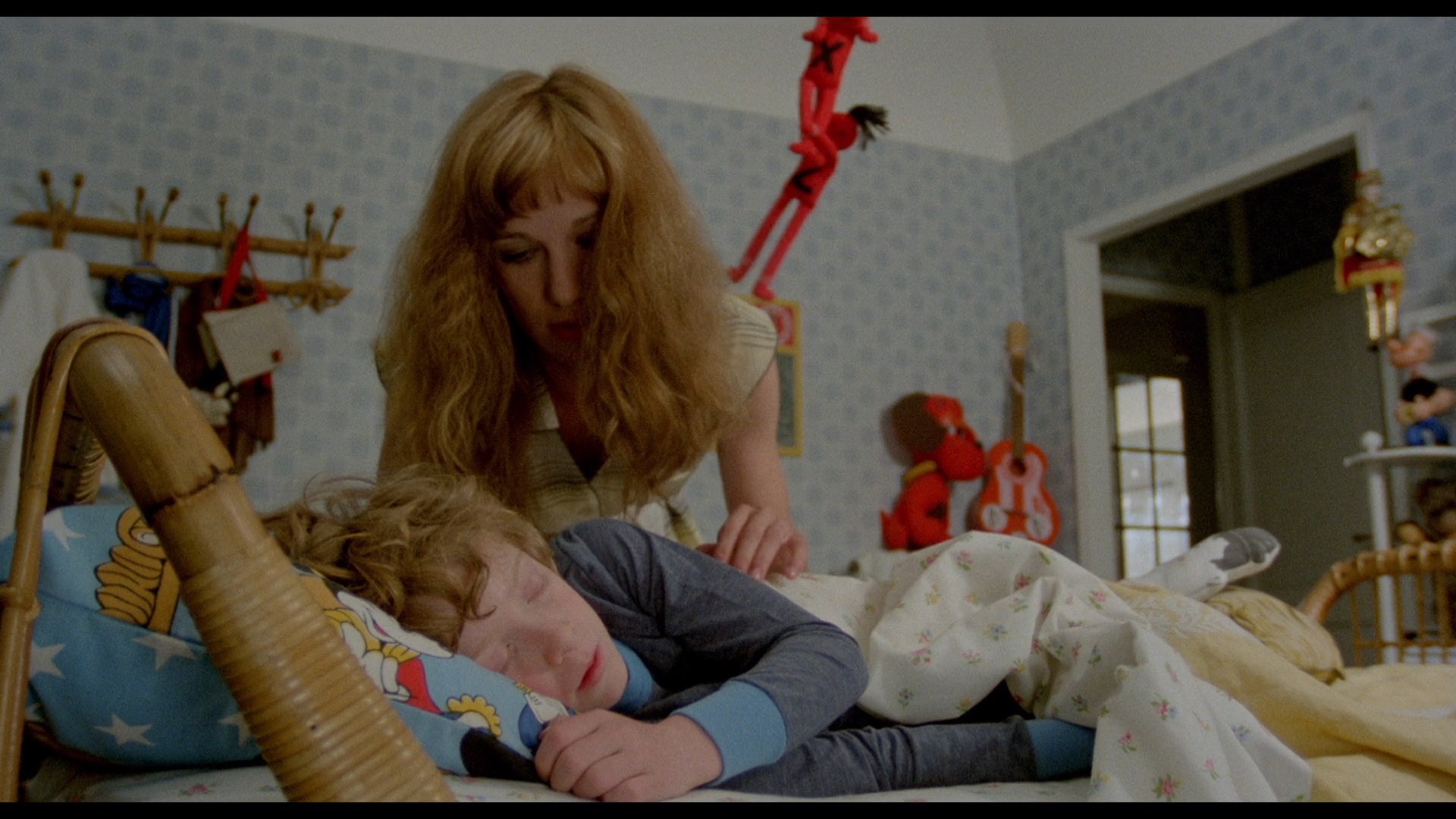
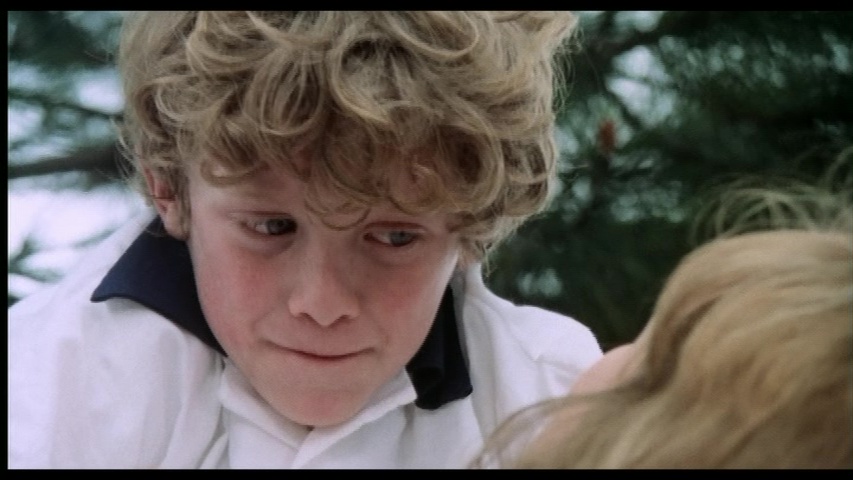
Dora (Daria Nicolodi) and her new husband, Bruno (John Steiner), move into a new house along with Marco (David Colin, Jr.), Dora's son from a previous marriage. Strange events immediately plague the household, with cute little Marco prone to such homilies as "I'm going to have to kill you, mommy." Bruno's job as an airline pilot forces him to stay away from home for extended periods, leaving Dora to cope with
Originally released to U.S. theaters and home video as Beyond the Door II, this film has nothing to do with Beyond the Door apart from the vague possession theme and the presence of Colin, Jr. Argento's former muse, Nicolodi delivers the best performance of her career, beginning as a sweet and maternal figure but gradually shattering into a completely hysterical wreck. Interestingly, she would later reteam with Steiner for Argento's equally nihilistic Tenebre. Shock is rarely cited as a prime example of Bava's style, but he pulls off so many magnificent little flourishes that the most demanding Eurofanatics should be quite happy. This film also marked an increased collaboration with his son, Lamberto (Demons), who was allowed to take over the reins in several scenes. Together they orchestrated some of the most effective jolts in either director's career, particularly a brilliant sequence near the end (the hallway bit) that has scarred more than a few late night TV viewers. The free form
The previous American video release of Shock from Media bore the Beyond the Door II title and was missing a few minor bits of footage, mostly involving child psychologist Ivan Rassimov. Anchor Bay's presentation is the full European print, though most viewers probably won't notice anything different. The film was originally lensed with a soft, brownish visual texture which emphasizes the film's atmosphere of decay and delirium, and this presentation captures that appearance quite well. It's also a considerable improvement compared to the letterboxed but overbright edition (as Shock) on Japanese video which has floated through the bootleg market over the years. The disc also includes an 8 minute interview with Lamberto Bava, who discusses the extent of his own involvement in the film's shooting and his collaboration with screenwriter Dardano Sacchetti; not surprisingly, with this film they were aiming for an approach similar to Stephen King novels. Two U.S. TV spots (one paired up with The Dark) pale in comparison to the long, surreal Italian trailer; be warned that all of these extras blow some crucial moments in the story, so be sure to watch the film first.
Color, 1972, 98 mins. Directed by Mario Bava Starring Elke Sommer, Telly Savalas, Alida Valli, Sylva Koscina, Alessio Orano, Gabriele Tinti, Eduardo Fajardo / Produced by Alfredo Leone / Music by Carlo Savina / Cinematography by Cecilio Paniagua Format: DVD - Image (MSRP $24.98 - movie only; double bill with House of Exorcism - $39.98) Letterboxed (1.85:1) / Dolby Digital Mono
In 1972, director Mario Bava was still riding a successful wave in Italy as the director of profitable and beautifully filmed exploitation films like Twitch of the Death Nerve. After the international success of Baron Blood for producer Alfredo Leone, Bava was allowed to shoot any personal project of his choice. The result was Lisa and the Devil, a heartfelt and defiantly anti-commercial story of death, erotic frustration, and spiritual longing in which the living and the dead merge to the point of being indistinguishable. However, despite a warm reception at Cannes, the film languished without a distributor. Desperate to recoup some of the costs, Leone arranged for Bava to shoot several new framing scenes in which the star, Elke Sommer, would be possessed by... well, something nasty, though it doesn't seem to be Satan. Robert
The original version of Lisa and the Devil follows the experiences of a beautiful young tourist, Lisa Reiner (Sommer). After viewing a fresco of the devil in a local village, she loses her way and catches a ride with the wealthy Lehar couple (Sylva Koscina and Eduardo Fajardo) and their chauffeur, George (Black Emanuelle regular Gabriele Tinti). The car breaks down, forcing the troupe to spend the night in a decaying villa inhabited by a blind Contessa (Alida Valli), her bizarre son Max (Alessio Orano), and sardonic butler Leandro (Telly Savalas), whom Lisa had seen earlier in the village. As the night wears on, Lisa realizes that she bears a striking resemblance to Elena, a woman loved both by Max and his dead father, Carlo. Unfortunately, a series of murders begins to decimate
Beautifully filmed and exquisitely scored by Carlo Savina, who executes several tasteful variations on Rodrigo's "Concierto per Aranjuez," Lisa and the Devil is as much a dreamy art film as it is a European horror opus. Many of the images rank among Bava's best: Lisa's doe-like eyes staring through a macabre music box, the shimmering of spilled wine on the dining room floor, the gothic and satirical mock up of "The Last Supper" during the climax, and so much more. The elliptical narrative raises more questions than it answers, with a strange and haunting finale that offers several levels of interpretation. On the other hand, House of Exorcism is a completely disjointed and incoherent mess, endearing only through its sheer lunacy and willingness to go sailing far past the barriers of good taste. Sommer's profane tirades are among the silliest ever put on film and offer more quotable lines than The Exorcist, while the footage from Lisa is intercut so randomly that drive-in viewers must have been clutching their heads in agony. A fun curio of its time, to be sure, but it should never be confused with the Bava original.
For over a decade after its release, the original cut of Lisa and the Devil remained one of the great "lost films" of European cinema, at least until it turned up without fanfare in TV syndication and on the bootleg video market. However, House of Exorcism has always been very, very easy to find. Lisa finally surfaced on legitimate video, first from Redemption in the U.K. and then on laserdisc and VHS from Elite in America. The same transfer has been used for the Image DVD; it's quite good for what it is, though the graininess and somewhat pallid flesh tones date the source material a bit. In an ironic twist of fate, House of Exorcism actually looks quite stunning; apart from the battered opening credits, the image quality is stunningly rich and colorful throughout. The Elite disc contained two longer, alternate scenes from Lisa which were included in House, namely a necrophilic love scene and a brutal murder by poker. However, these scenes are not included separately on the DVD, for obvious reasons. The disc instead segregates the one bit of footage which appears in neither version, a hilariously explicit and inappropriate series of shots of Koscina (or more likely her body double) ravaging Tinti in bed. Other extras include the unfinished European trailer for Lisa (with more nudity than anything in the actual film) and two slightly different trailers for House of Exorcism. The latter film also includes a revealing and enjoyable audio commentary which edits together comments by Leone and Sommer; time may have eroded their memory of some pertinent details, but the whole story is basically here. How much did Bava really shoot? What was it like working on the set? Listen to the commentary and find out!
B&W, 1960, 86 mins. Directed by Mario Bava Starring Barbara Steele, John Richardson, Andrea Checchi, Arturo Dominici, Ivo Garrani / Produced by Massimo De Rita / Music by Roberto Nicolosi / Cinematography by Mario Bava and Ubaldo Terzano Format: DVD - Image (MSRP $24.99) Letterboxed (1.85:1) (16x9 enhanced) / Dolby Digital Mono In the infamous prologue, the wicked Princess Asa (Barbara Steele) is condemned by her brother to be burned at the stake. Before her death, she proclaims a curse upon the house of Vajda, for which she promptly receives a spiked demon mask hammered into her face. Asa's faithful sidekick, Perhaps because of its reliance on established gothic traditions to tell an accessible, linear narrative, Black Sunday has been regarded as the Italian horror film for people who don't really like horror films. Though gory at times, it still feels rooted in classic monster tradition with the more subversive aspects (necrophilia, avenging sexuality, religious sadism, and so on) largely left to the viewer's imagination. Unfortunately, critics usually cite Black Sunday as Bava's only "good" film and the benchmark against which all other Italian horror should be measured. At least a dozen of Bava's other films are easily as accomplished and impressive, perhaps even more so, though there's no denying that the alchemy of contrasting elements works here amazingly well. Many of Bava's trademark themes have already become lodged firmly in place: the nest of vipers seething within the confines of the family home; the ability of the dead to exert an inescapable power over the living and confuse such constants as identity and time (see Lisa and the Devil for the logical conclusion); and the morbid intermingling of sensuality and death. In her first horror role, Steele makes a dynamic, fascinating central figure which understandably became one of horror's A rare Bava film to receive high profile distribution and enduring popularity, the film was initially released in Italy under the title La Maschera del Demonio. A translation of this title, Mask of Satan, appeared on circulating European prints, but AIP picked it up for U.S. release and retitled it Black Sunday. Not surprisingly, some of the gorier images were trimmed down: a few extra seconds of blood and branding during the mask-pounding, a shot of a spike piercing a corpse's eye, and a much longer sequence of a character's face roasting in a fireplace. In addition, a romantic chat between Katia and Andrej wound up on the cutting room floor, and AIP inserted a new, brash music score by Les Baxter onto the soundtrack. (In all honesty, Roberto Nicolosi's more suggestive score is serviceable but hardly the most accomplished work of his career.) Even in diluted form, Black Sunday remained very strong stuff, meriting a word of warning at the beginning of the U.S. prints and an outright ban in the United Kingdom until 1968. The most complete version available on Japanese laserdisc remained out of reach for most Italian horror fans, while many domestic public domain companies offered a slightly trimmed down version of the European cut or the U.K. video release from Redemption. The Image DVD, bearing the original Mask of Satan title, is the long awaited answer to many a horror fan's prayers. The print itself is in excellent condition, with only the opening credits sequence displaying any distracting signs of wear. The crisp black and white visuals, enhanced for widescreen televisions, look much better than the prior Image/HBO laserdisc release of the U.S. cut (paired up with AIP's Black Sabbath). While completists may want to hang on to the laser for nostalgia reasons, this version should now be considered definitive. The original dubbing, music, and extra footage are all intact, and the most famous visuals now look better than ever: the slow motion carriage ride, the spine-tingling shots of Asa staring up from her crypt, and the gorgeous, Cocteau-like image of Asa's disciples stepping out of the smoking Vajda firepalce, to name but a few. The disc also includes the original Mask of Satan European trailer, which emphasizes the action aspects of the film (and misspells Steele's name, just like the film itself). A handy collection Color, 1972, 97 mins. Directed by Mario Bava Starring Joseph Cotten, Elke Sommer, Antonio Cantafora, Massimo Girotti, Rada Rassimov, Umberto Raho, Luciano Pigozzi, Nicoletta Elmi / Produced by Alfredo Leone / Music by Stelvio Cipriani / Written by Vincent Fotre Format: DVD - Image (MSRP $24.99) Letterboxed (1.85:1) / Dolby Digital Mono In a small Austrian town, naive young Peter Kleist (Antonio Cantafora) arrives to research his family background, which involves the bloodthirsty Baron Otto von Kleist and his foreboding castle. Peter and the beautiful young Eva (Elke Sommer) decide to investigate the castle, and just for kicks, they decide to read aloud an incantation Peter has discovered on a rare parchment in America. It seems this incantation can bring the Baron back to life, and sure enough, a mysterious form starts shuffling outside the door. The parchment accidentally burns (a nice nod to Jacques Tourneur's Curse of the Demon), leaving Peter and Eva helpless as the Baron begins to ravage the countryside. First the Baron, who has not aged well over the centuries, seeks the aid of a doctor who winds up on the wrong end of his scalpel. Eva has a menacing encounter with the cloaked menace in the fog-shrouded streets at night, and then the local handymen begin turning up dead and impaled at the top of the castle (a nice tourist idea). Thanks to the testimony of a spooky little red-haired girl named Gretchen (Deep Red's Nicoletta Elmi), our protagonists deduce that the Baron has returned to his old stomping grounds and is gradually regenerating with each passing day. Peter and Eva seek the aid of Christina Hoffman (Rada Rassimov), who invokes the spirit of the Baron's archrival, Elizabeth Holly, and reveals the only means by which he can be destroyed. Meanwhile, a new owner for the castle shows up-- the wheelchair-bound Alfred Becker (Joseph Cotten). Like many Bava films, Baron Blood runs more on visual style and psychological manipulation than linear storytelling or character development. Bava's painterly visual sense manages to wring every drop of tension out of the threadbare storyline, which simply serves as a catalyst for one macabre setpiece after another. Filled with nods to his previous films (the resurrected marauder from Black Sunday and the fog-shrouded village from Kill Baby, Kill!, for example), Baron Blood marks Bava's nostalgic farewell to the '60s Gothic tradition. Thanks to the oft-mentioned Coke machine in the castle and the deliberately gimmicky trappings of modern Austria, Bava wittily offers a dissertation on the transformative powers of horror from one decade to the next. Interesting, his subsequent film for producer Alfredo Leone, Lisa and the Devil, grapples with many of the same concepts, albeit in a more lyrical, eroticized context. While Baron Blood attempts to drag the past (represented by the Baron and Elizabeth) kicking and screaming into the present, Lisa reverses the tide and somberly draws its characters from the present into the past. For years most American viewers only saw Baron Blood in the shortened AIP print, which clocked in at just over 90 minutes. Featuring a much more overtly spooky score by Les Baxter (who also rescored Black Sunday, Black Sabbath, and The Evil Eye), this version featured an alternate, bloodless take of the doctor's murder and deleted several minor dialogue and travelogue passages. The HBO/Image laserdisc (paired with Circus of Horrors) preserves this edition for those who want to keep the Baxter score (one of his best efforts, actually), but purists will most likely opt for Image's DVD edition, which contains the full strength version with Cipriani's original, highly diverse music. The image quality is comparable to the earlier Elite Entertainment laserdisc and PAL VHS release from Redemption: clear, colorful, but obviously a product of its time. Like many early '70s European film, some grittiness can be spotted over a few of the darker scenes, but this is vastly superior to the U.S. version and, thankfully, is accurately letterboxed. The muddy fleshtones which plagued the Elite version look a bit more robust here, and the sound is consistently clear and distortion-free. Though the DVD and laserdisc share the same murky-looking television trailer, the DVD also contains far more extras (and much better packaging!), thanks to a diverting and revealing gallery of production and promotional photographs from this film and Bava's career in general, accessible from the amusing menu design. A solid package all around, Baron Blood ultimately manages to kick off Image's long anticipated line of Bava titles with great style and should make Italian horror buffs chuckle with blood-sated glee.

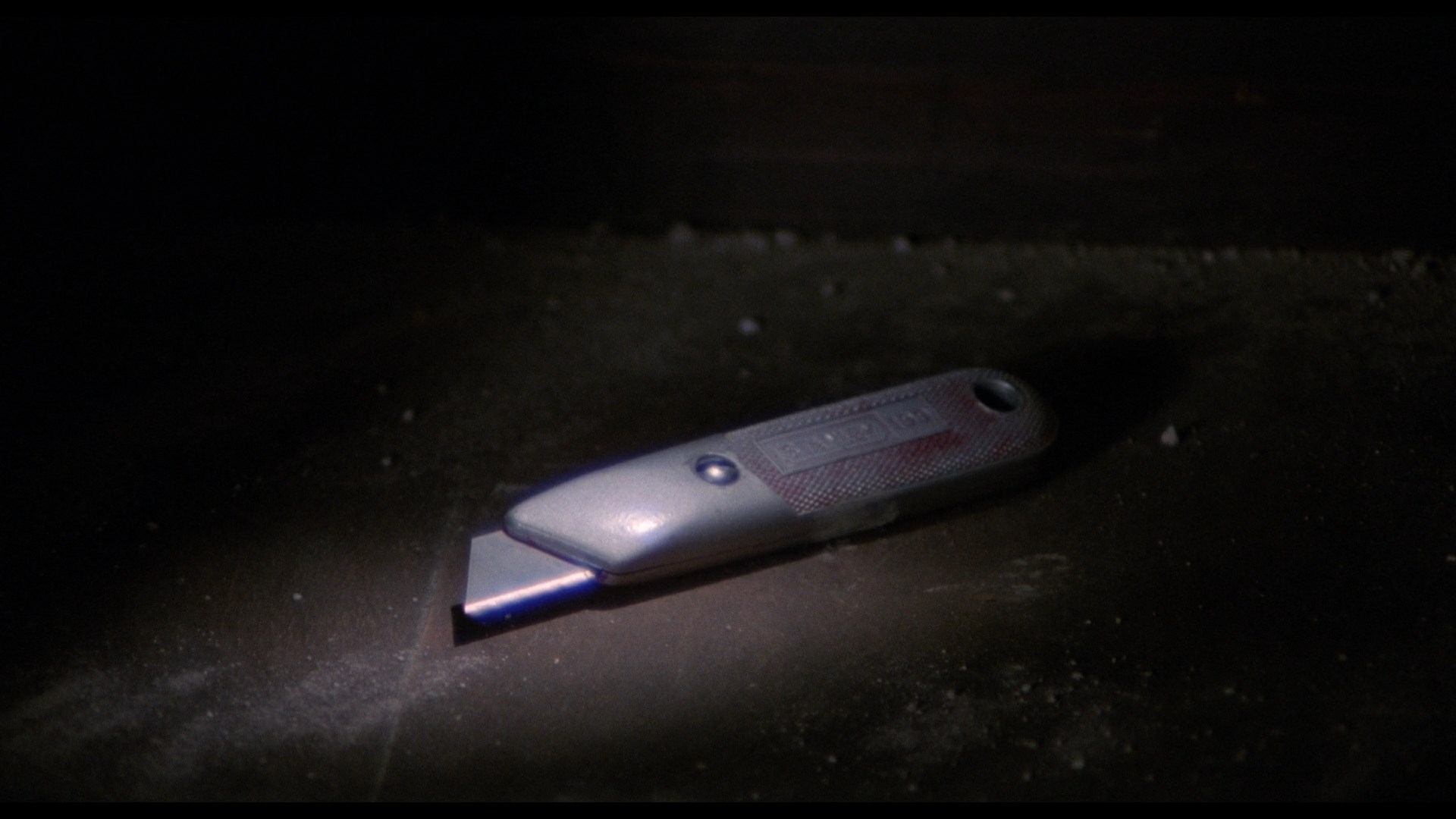
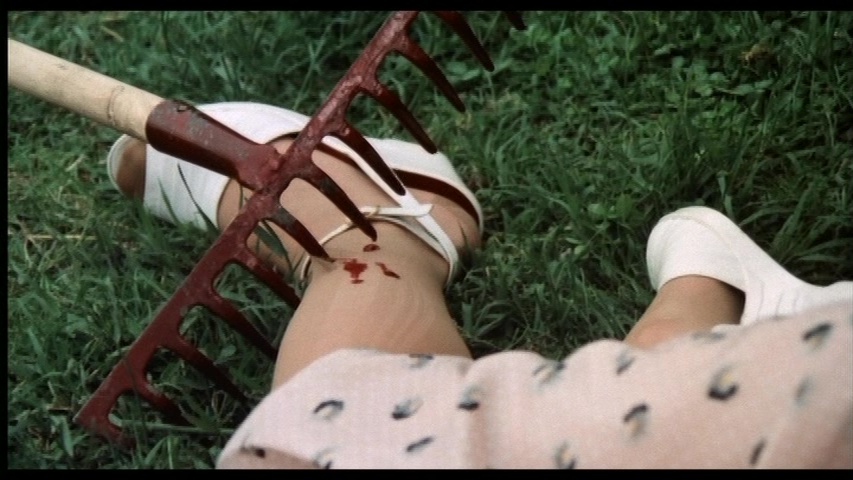
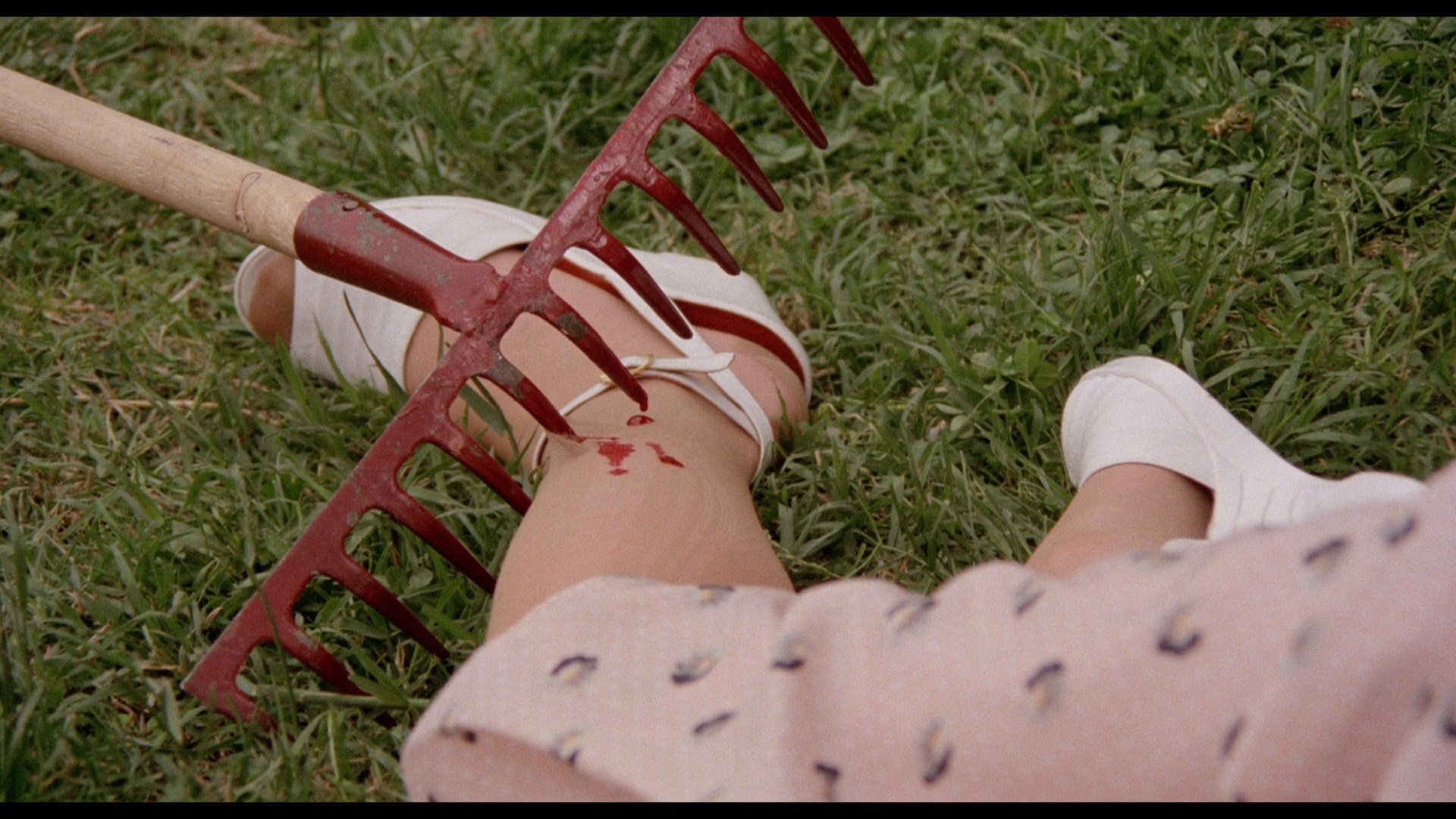
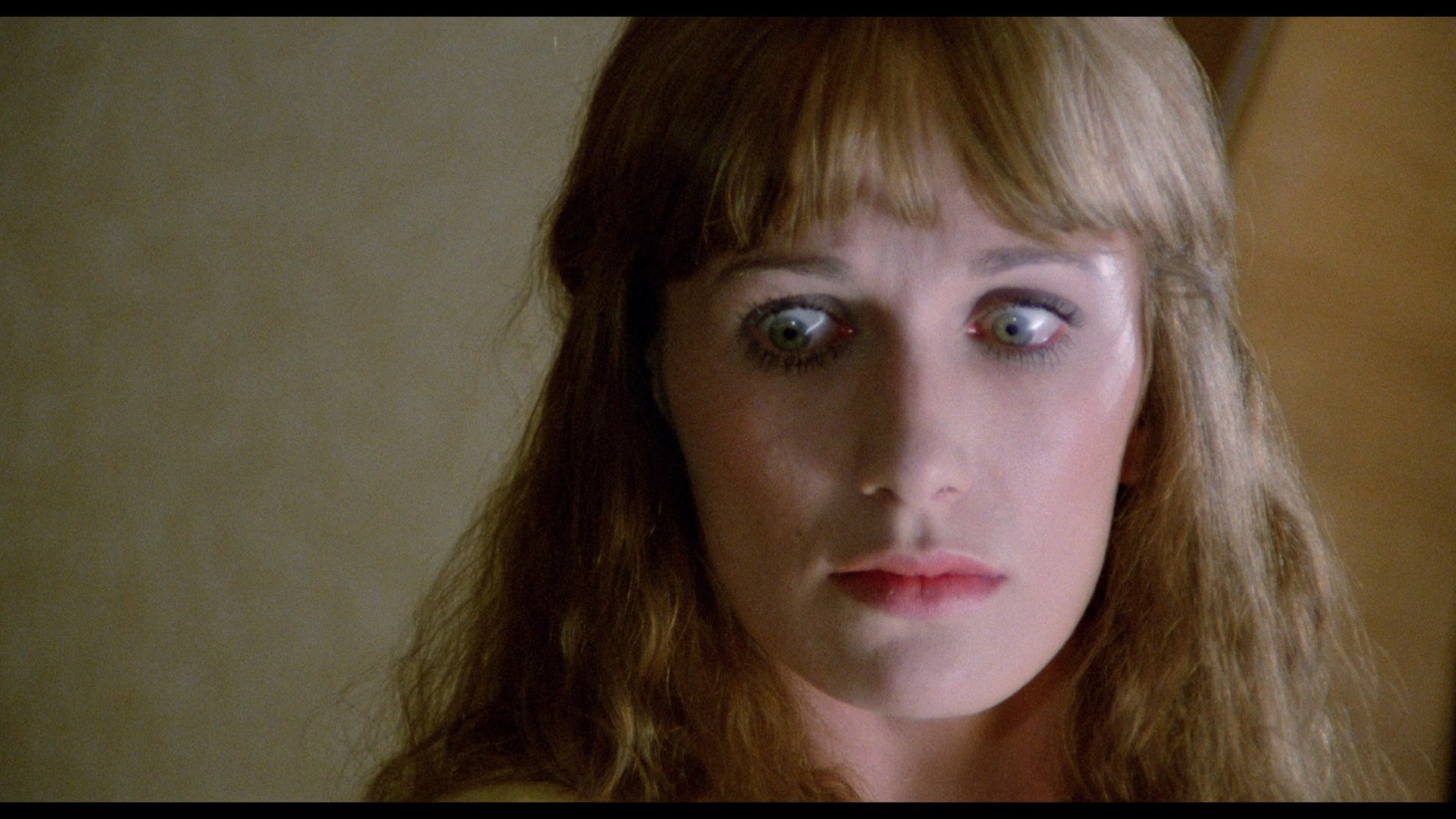
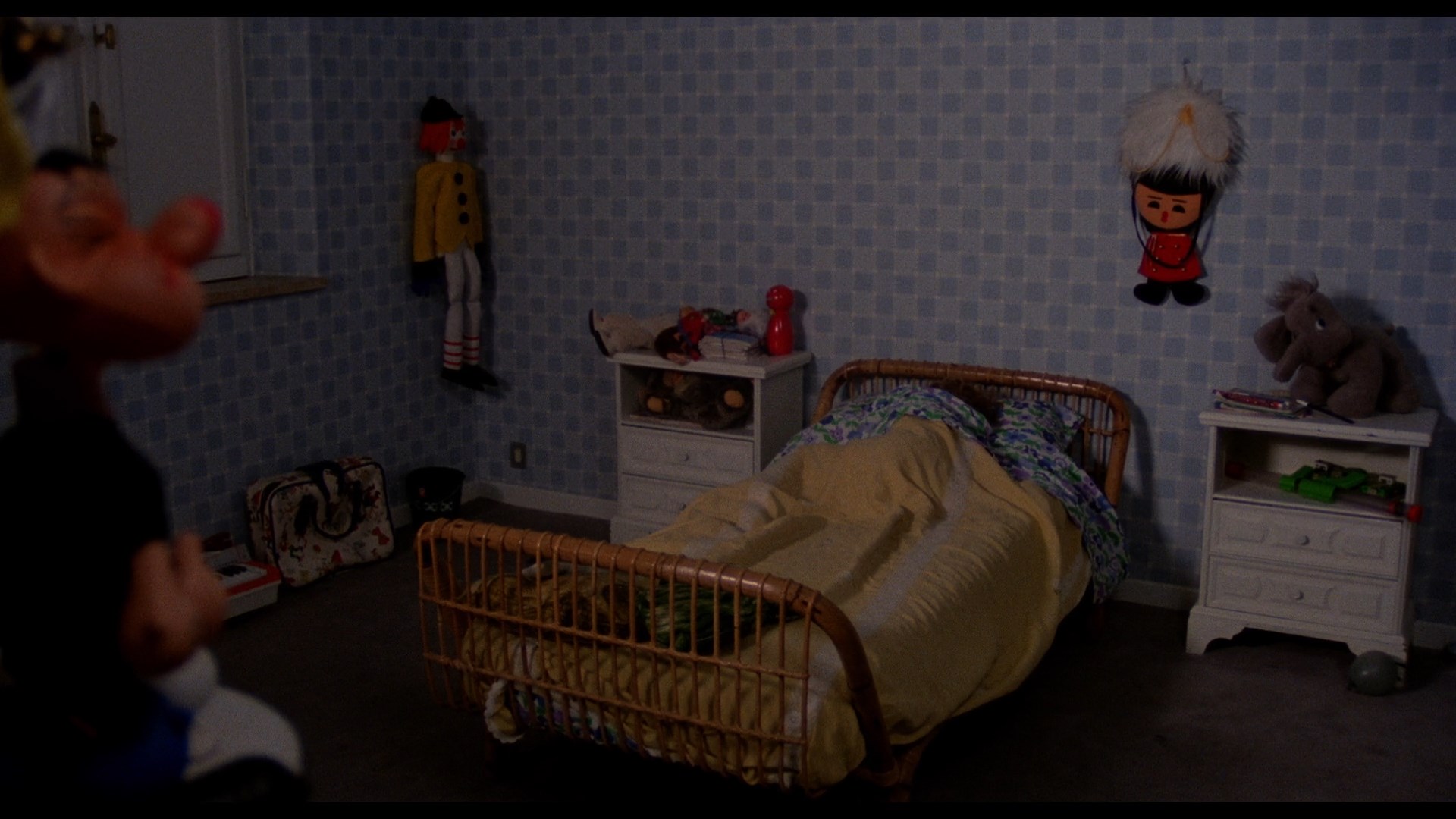
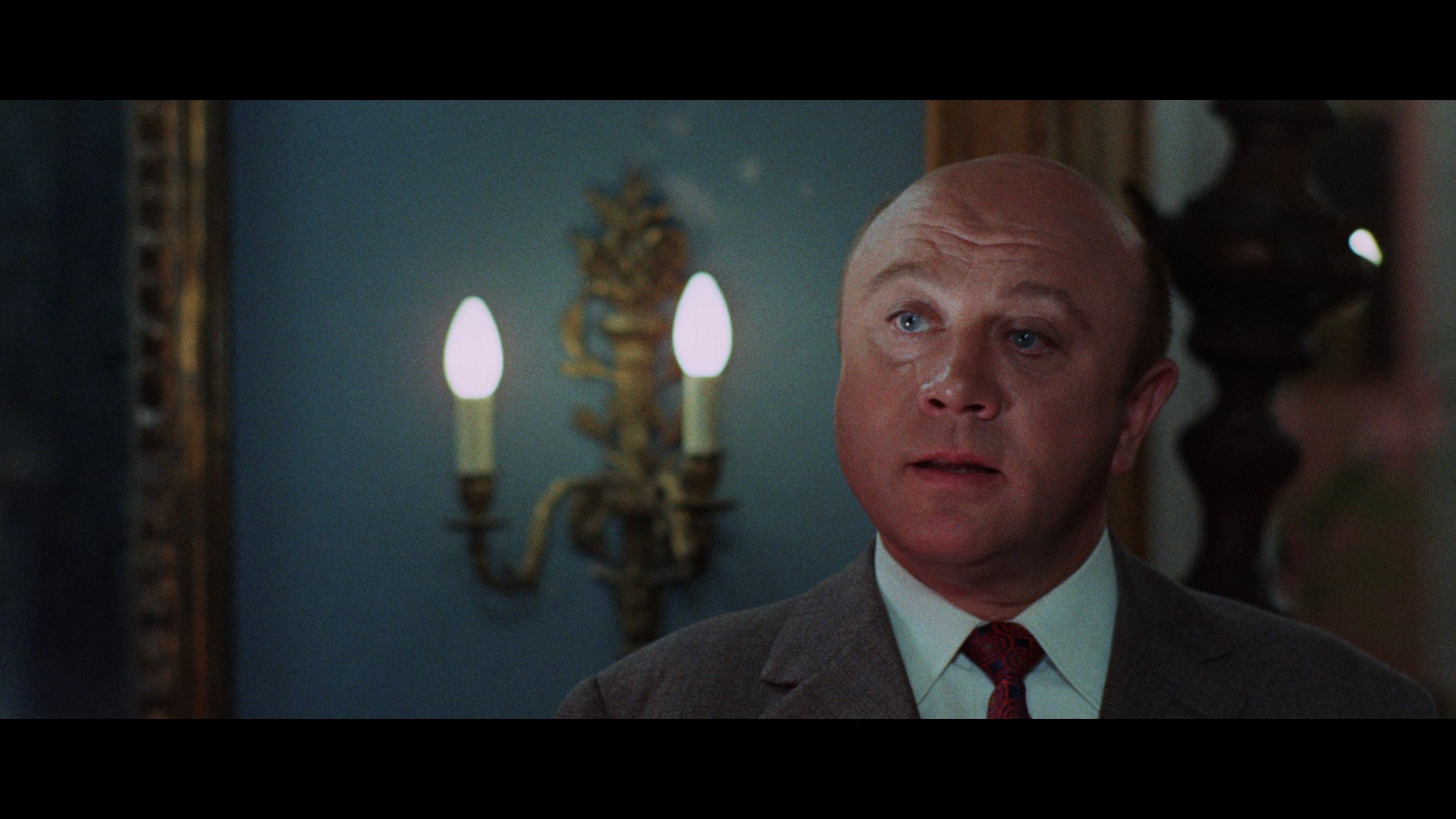
Lurid title aside, A Hatchet for the Honyemoon is one of Mario Bava's lightest and most playful thrillers, a demented black comedy that pokes fun at the murderous psychos which were littering the European cinema screens during the late '60s. This approach may be jarring for anyone expecting a standard stalk and slash marathon; instead, willing Euro film fans will be rewarded with a beautifully filmed drawing room murder tale which unexpectedly leaps midstream into a bizarre and wholly original ghost story.
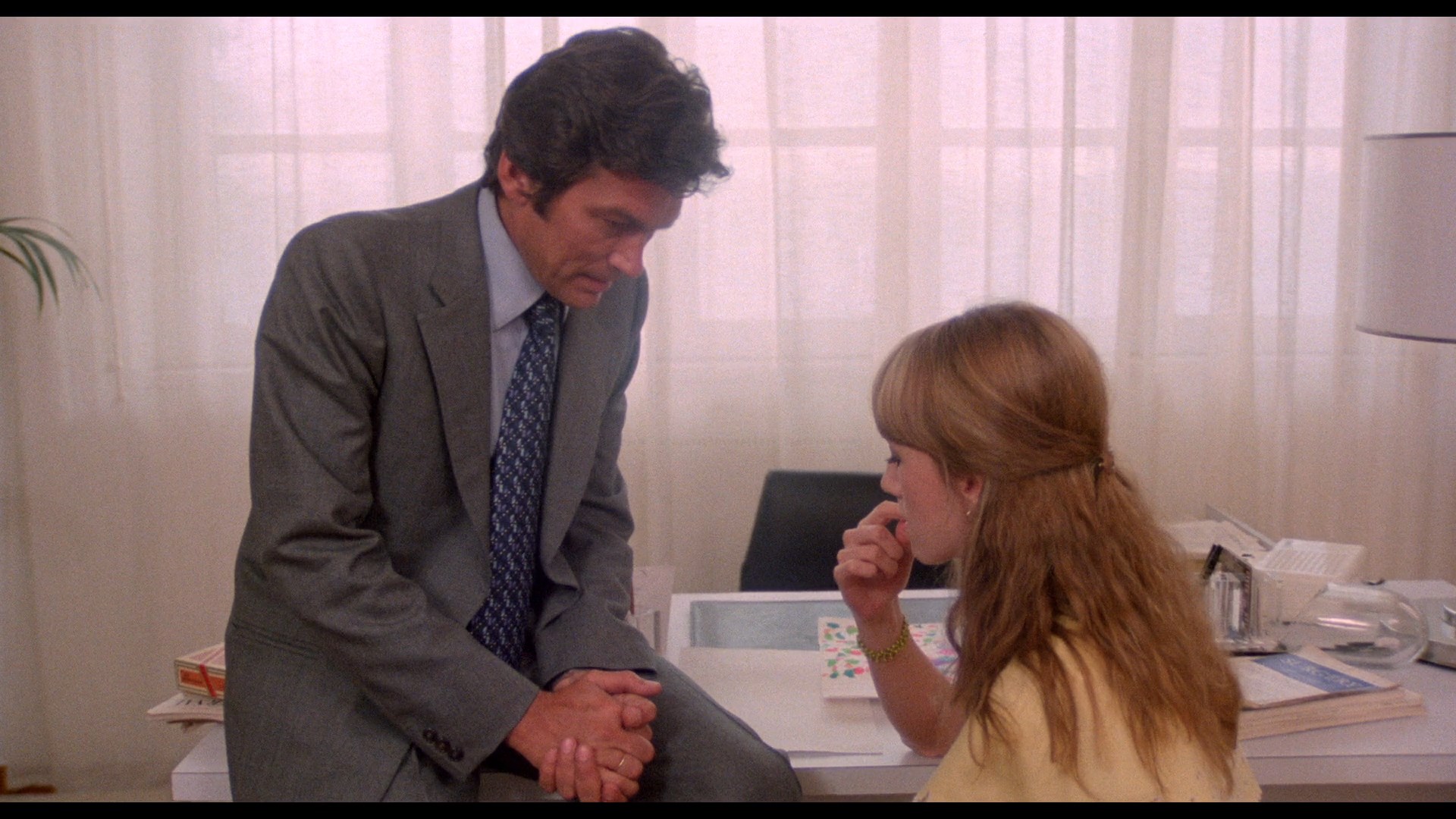
bears an eerie resemblance to John Phillip Law in Bava's previous film, Diabolik). John devotes most of his time to running the fashion business begun by his late mother, while his shrewish wife, Mildred (Laura Betti), sits around all day and berates him for not being a real man. John's fashion specialty is wedding dresses, and he becomes unnaturally attached to his female models - so much so that he hacks them up and disposes of their remains in the nearby hot house whenever they intend to get married and leave their jobs. The police naturally become suspicious after a few women disappear but are helpless without any solid evidence. Finally fed up with Mildred, he bumps her off with his cleaver and buries her body, but unfortunately, this particular victim has no intention of resting in piece.
styles, such as the hallucinatory flashbacks John experiences every time he kills; as the pieces involving his past fall into place, the flashbacks become less delirious. The fetishistic wedding imagery also makes for some striking set pieces, such as John's impressive
murderous waltz among bridal mannequins with Italian starlet Femi Benussi. While Forsyth does fine as the charming lunatic (an interesting precursor to Christian Bale's American Psycho), the great Laura Betti walks off with the film as the vengeful Mildred. It's no wonder Bava was willing to bring her back two years later for Twitch of the Death Nerve. Other notable aspects include an early appearance by the gorgeous Dagmar Lassander, who had a thriving Italian film career through the '70s and '80s, and stunning music by Sante Maria Romitelli (his first and best score). Bava fans should be especially amused by a cameo clip from the "Wurdulak" segment of his Black Sabbath, which actually plays a role in the plot of this film!

Bay of Blood may be gorier, Black Sunday may be more influential, and Blood and Black Lace may be more beautiful, but Mario Bava never made a more purely frightening film than Shock. A claustrophobic gut punch that drags the viewer straight down into the mind of a woman going mad, the film features a few
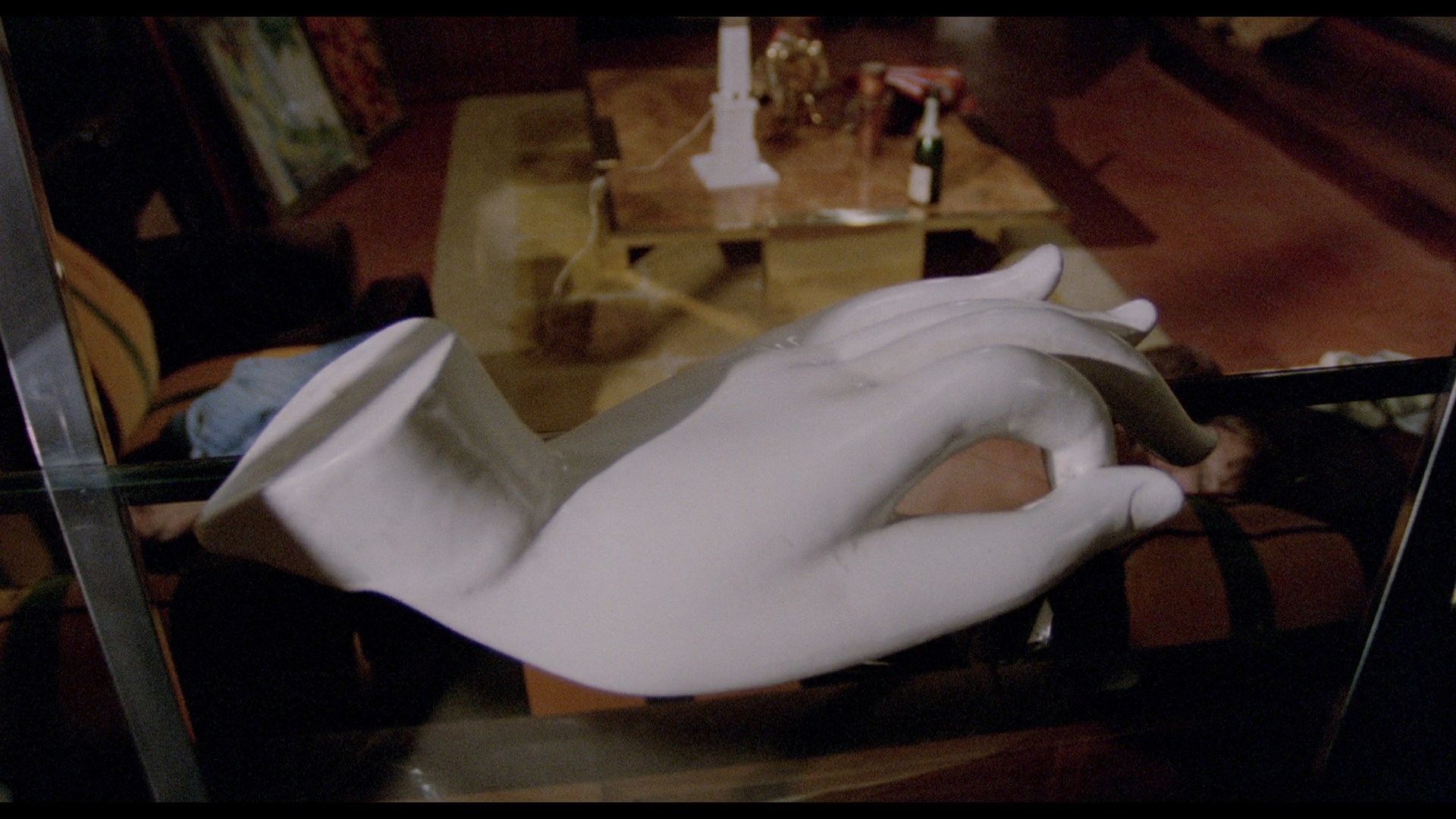
bloody concessions to the '70s horror market but also remains a beautifully crafted, psychologically devastating little chamber piece, not to mention a strangely appropriate final feature for the maestro.
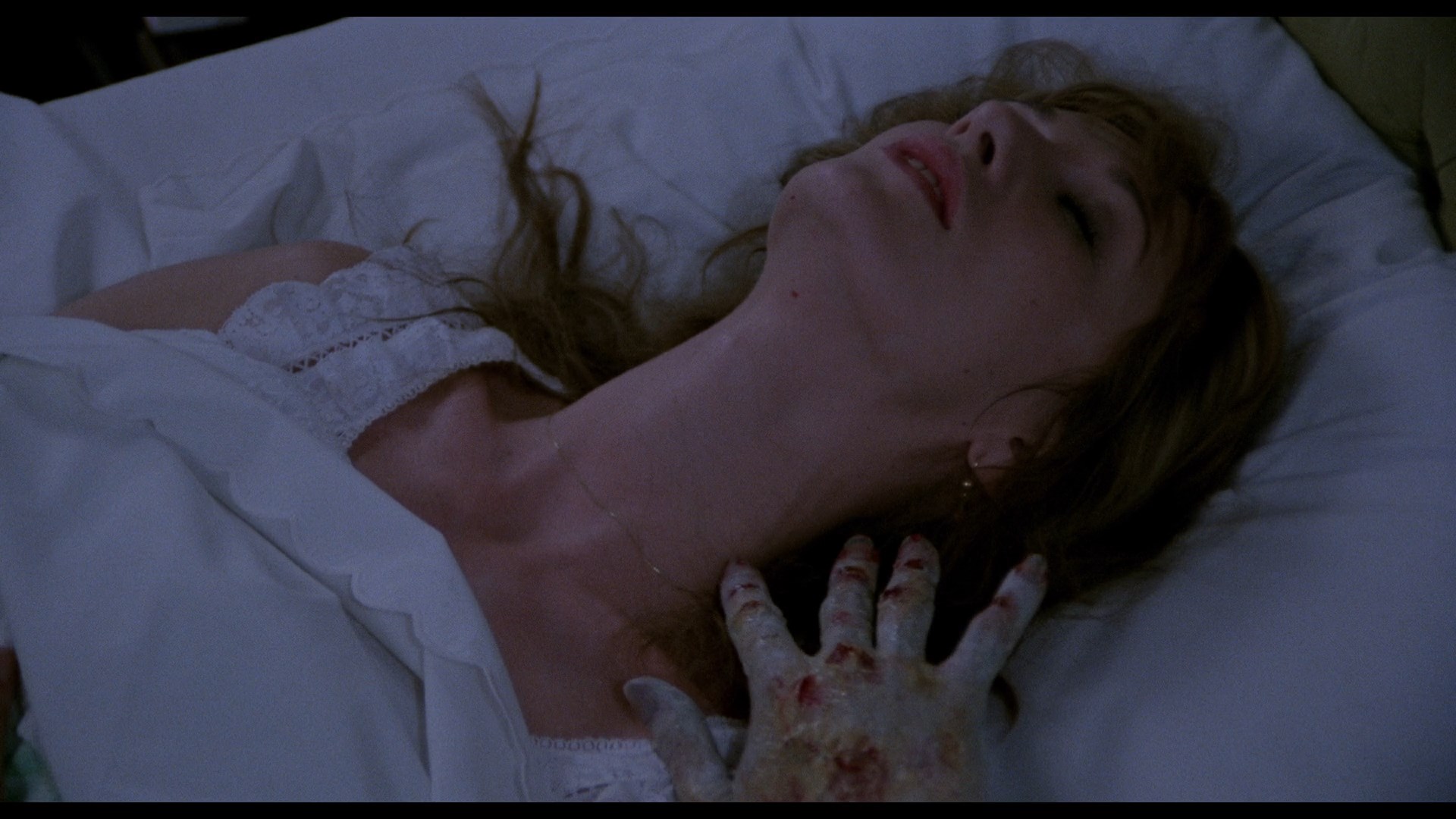
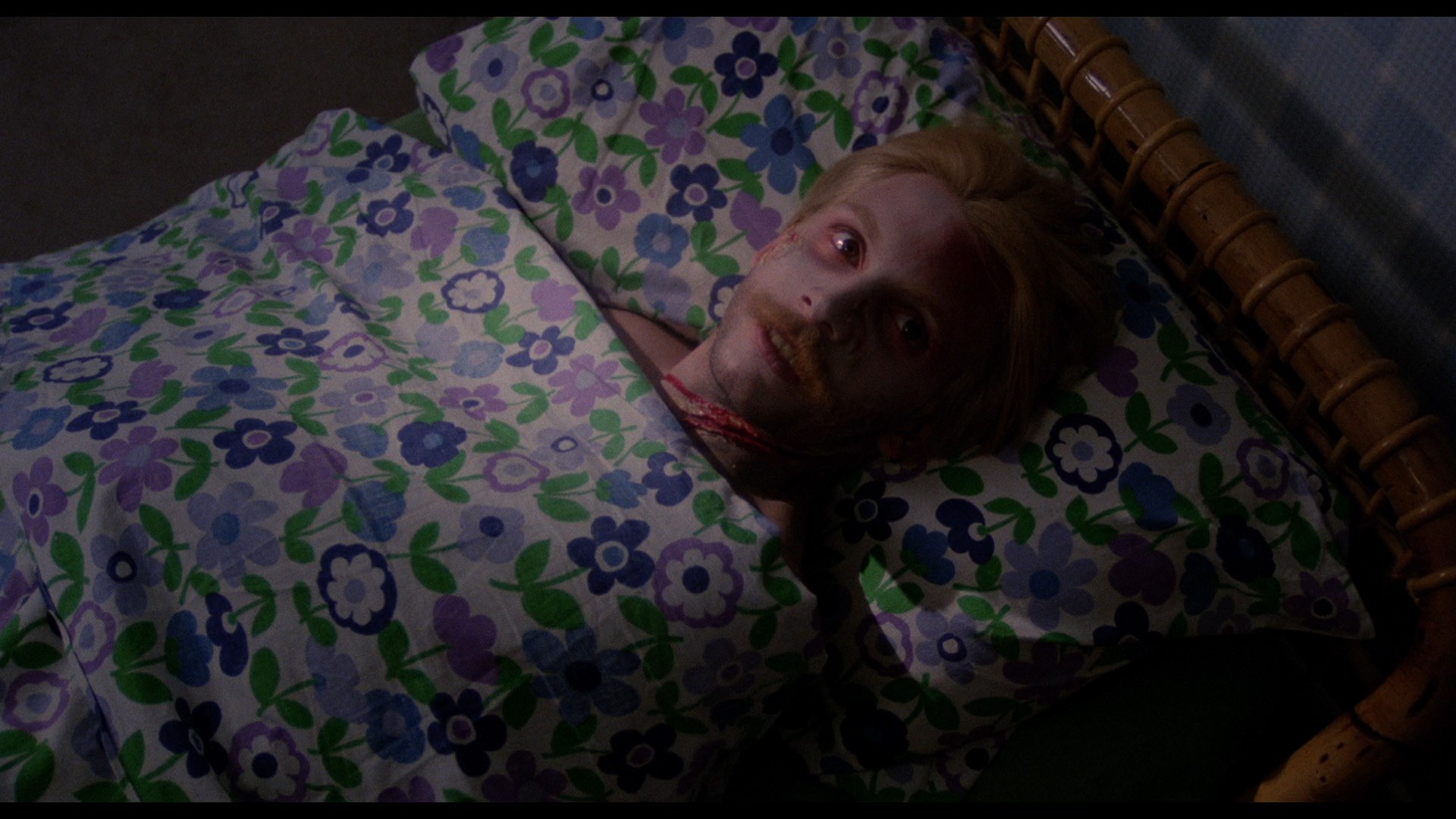
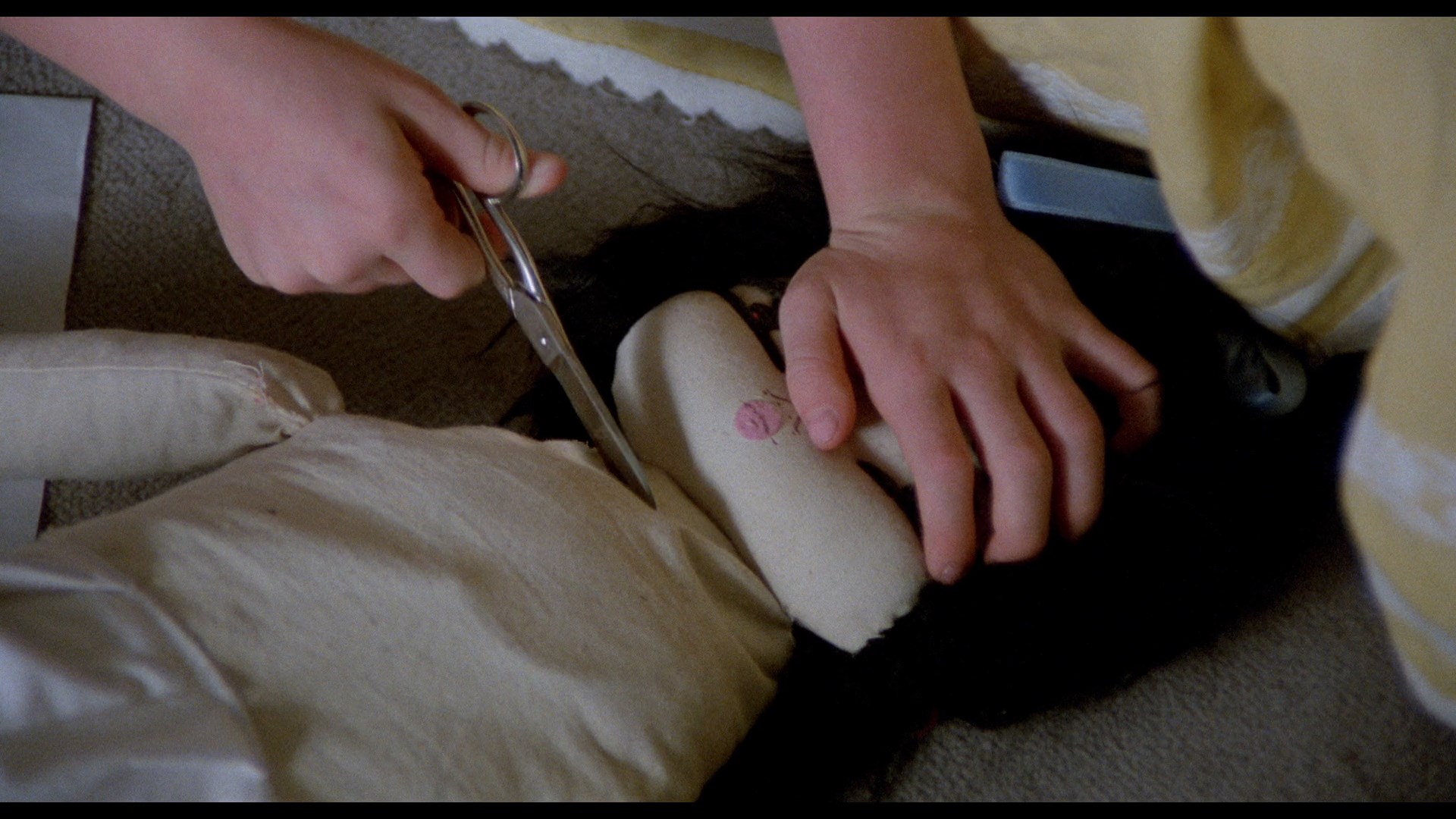
either her own onset of insanity or the realization that her son might be possessed by the ghost of husband number one, a sleazy drug addict. Soon Marco's slicing up his mother's underwear and doing nasty tricks with razor blades, while Dora experiences horrific visions of clutching hands from beyond the grave.
prog rock score by I Libra (consisting of two Goblin members but, contary to Anchor Bay's liner notes, not Goblin themselves) strikes just the right balance between lyricism and oppression; the Deep Red-style main theme alone is a musical tour de force.
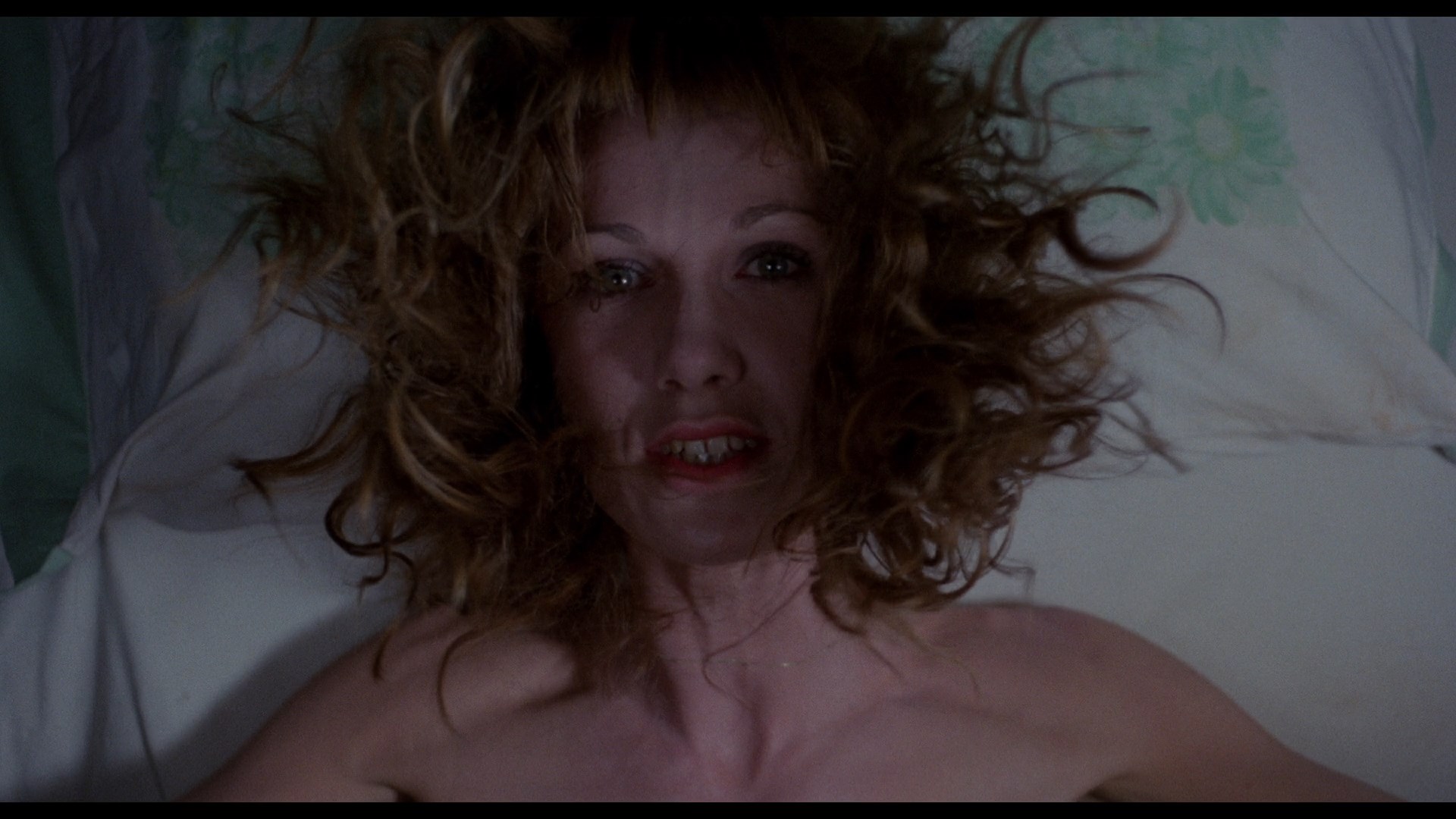
Alda appeared in the new footage as a bewildered priest, calmly surveying the obligatory possession antics involving green vomit and slimy toads. Naturally, only an hour of Lisa remained in this new version entitled House of Exorcism, which is ultimately a completely different movie.
the guest list, and the truth is actually far stranger than Lisa could have ever imagined.

Though technically not the first Italian horror film, Black Sunday remains the ultimate example of "spaghetti horror" for most worldwide critics and horror fans. Like other groundbreaking titles ranging from Frankenstein to Psycho, its elements have become so completely absorbed into the horror movie tradition that it doesn't seem as shocking or unique now as it did in 1960. Fortunately, Black Sunday thrives on much more than brutal violence and spooky, fog-enshrouded trees; for his first solo directorial effort, expert cinematographer Mario Bava used all of the cinematic tricks at his disposal to craft an entirely fantastic landscape on film. Using painterly black and white photography and clever camera placement, Bava loosely adapted Nikolai Gogol's short story, "The Vij," into a bewitching dream on film which continues to captivate thirty years later.
Javutich (Arturo Dominici), is executed as well for his troubles. Two hundred years later, young Dr. Andrej Gorobe (John Richardson), on the way to a medical conference, finds himself in the same village haunted by the malefic influence of Princess Asa. The beautiful young Katia (also Steele), a Vajda descendant, first appears to Andrej while walking two dogs in a graveyard (a great image) and eventually calls Andrej and his mentor, Professor Kruveian (Andrea Checci), into her home to aid her elderly father (Ivo Garrani). As it turns out, the mysterious graveyard is actually the resting place of Asa and Javutich; thanks to some spilled blood and a knocked-over cross during a bat attack on Kruveian, Asa rises from the grave and commands her loyal servant to do so as well. The evildoers proceed to cause havoc in the Vajda castle and wreak their bloodthirsty vengeance, with Asa determined to rule the household which once destroyed her.
most indelible icons. Under Bava's sure hand, she delivers something unearthly that can scarcely be described as a traditional performance.
of photos and international poster art features some eye-opening surprises, such as a daylight shot of Dominici with his unused vampire fangs and the film's rarely seen British reissue poster. Also, an interesting note about the original Italian print contains a translation of a scene between Katia and her father which was nixed from all English language prints. The greatest point of interest, though, is the running commentary by Video Watchdog's Tim Lucas; simply put, if there's anything you ever wanted to know about Black Sunday, it's probably in here. Basically a feature length audio version of a Watchdog article, Lucas' discussion deftly bounces between cinematic and literary antecedents, thumbnail sketches of all the major participants, and odd bits of trivia and personal observation. For example, the only two films he directly advises viewers to seek out are Bloody Pit of Horror and The Vij, which would make a highly unusual double feature. Lucas includes some startling proposals about directions the film may have taken during shooting, including conjecture about Katia being possessed much earlier by Asa in the film before creative alternate scripting and editing took over. Overall, the wild deluge of facts may be too much for Euro-novices to absorb in one sitting but should keep Watchdogs entertained and enlightened throughout, all the way to the last 90 seconds (in which several minutes' worth of closing thoughts are miraculously stampeded in before the closing titles). If this is any indication, next year's special edition of Kill Baby, Kill! should be cause for rejoicing indeed.
Following the apocalyptic black humor of his body count classic Bay of Blood, in 1972 Italian horror maestro Mario Bava found himself in the odd position of trying to cater to modern bloodthirsty audiences while adhering to his own need for artistic expression. Given the opportunity to shoot on a larger budget in an elaborate gothic castle, Bava agreed to tackle Baron Blood (Gli Orrori del Castello di Norimberga), which became a drive-in favorite thanks to AIP's typically hyperbolic sales job.
Becker seems pleasant enough at first, of course, but astute viewers shouldn't have much difficulty figuring out his true intentions. Before long, Eva and Peter get a much closer look at the Baron's infamous torture chamber than they ever expected.
In Baron, the plush airplane of the opening scene brings the audience forward (accompanied by Stelvio Cipriani's deliberately kitschy music), while Lisa concludes with the exact same plane completely abandoned and transformed into a vessel of death. While Baron Blood is obviously an enjoyable if slight film on its own terms, its sigificance becomes much more apparent in context with the rest of Bava's work.
For more Mario Bava, click here.