Color, 1978, 118m.
Directed by Brian De Palma
Starring Kirk Douglas, John Cassavetes, Amy Irving, Andrew Stevens, Carrie Snodgress, Fiona Lewis, Charles Durning
Arrow (Blu-ray) (UK RB HD), Twilight Time (Blu-ray) (US R0 HD), Fox (DVD) (US R1 NTSC, UK R2 PAL) / WS (1.85:1) (16:9)
 Returning to the telekinetic fireworks that turned his Stephen King adaptation Carrie into a breakout hit,
 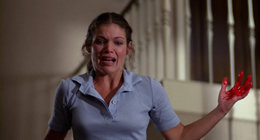 director Brian De Palma crafted a more ambitious epic on the subject of teenagers able to violently control their surroundings with their mind courtesy of a novel by horror writer John Farris. The result was The Fury, which adds dollops of timely political paranoia, chase scenes, and personal vendettas into the mix, an example of style and breathless pacing overcoming plot mechanics. The result confounded many critics at the time who were appalled by its bloody violence and intricate multiple storylines, but the film has risen steadily in popularity ever since and remains an example of De Palma at his most joyfully cinematic.
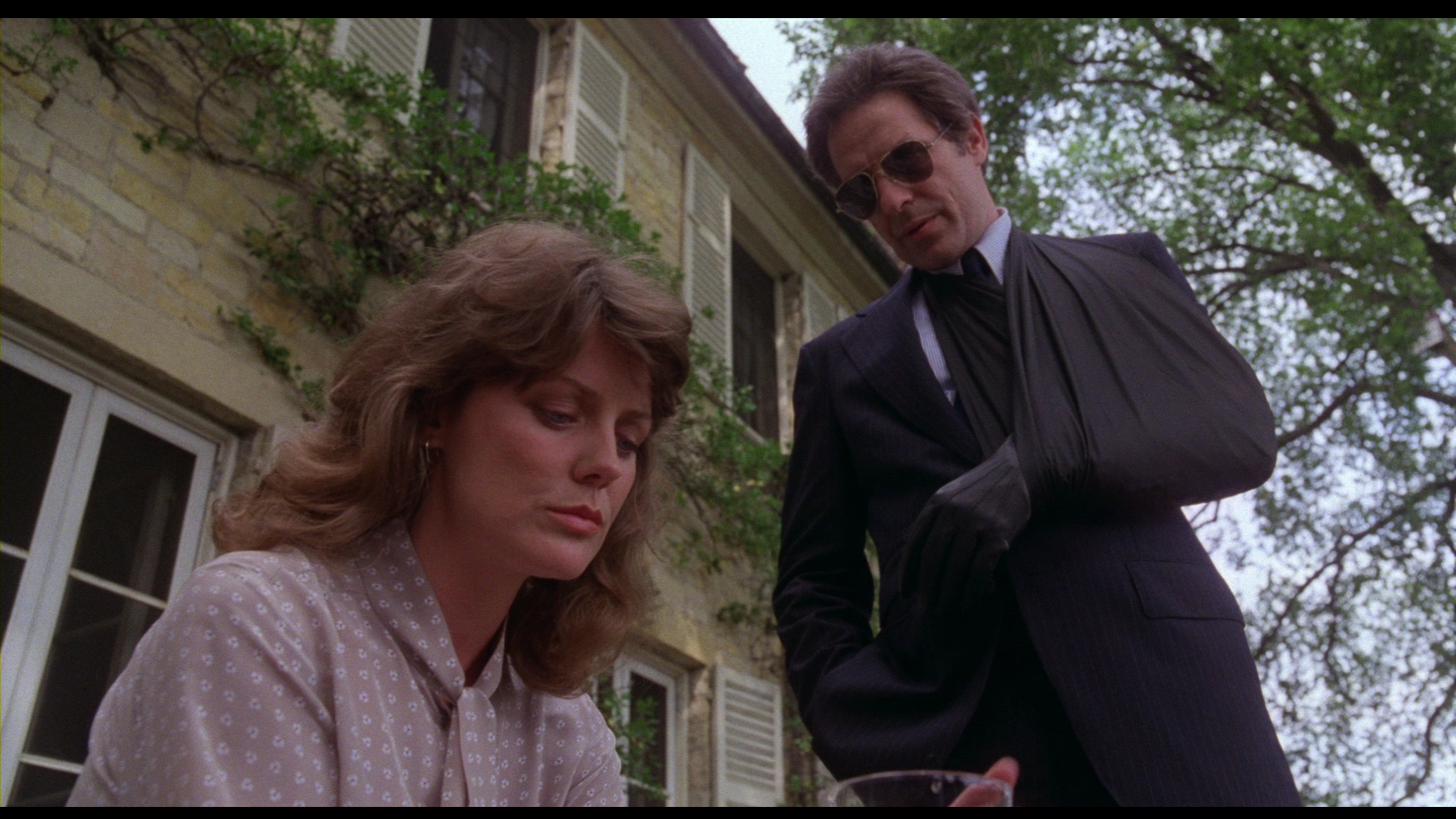
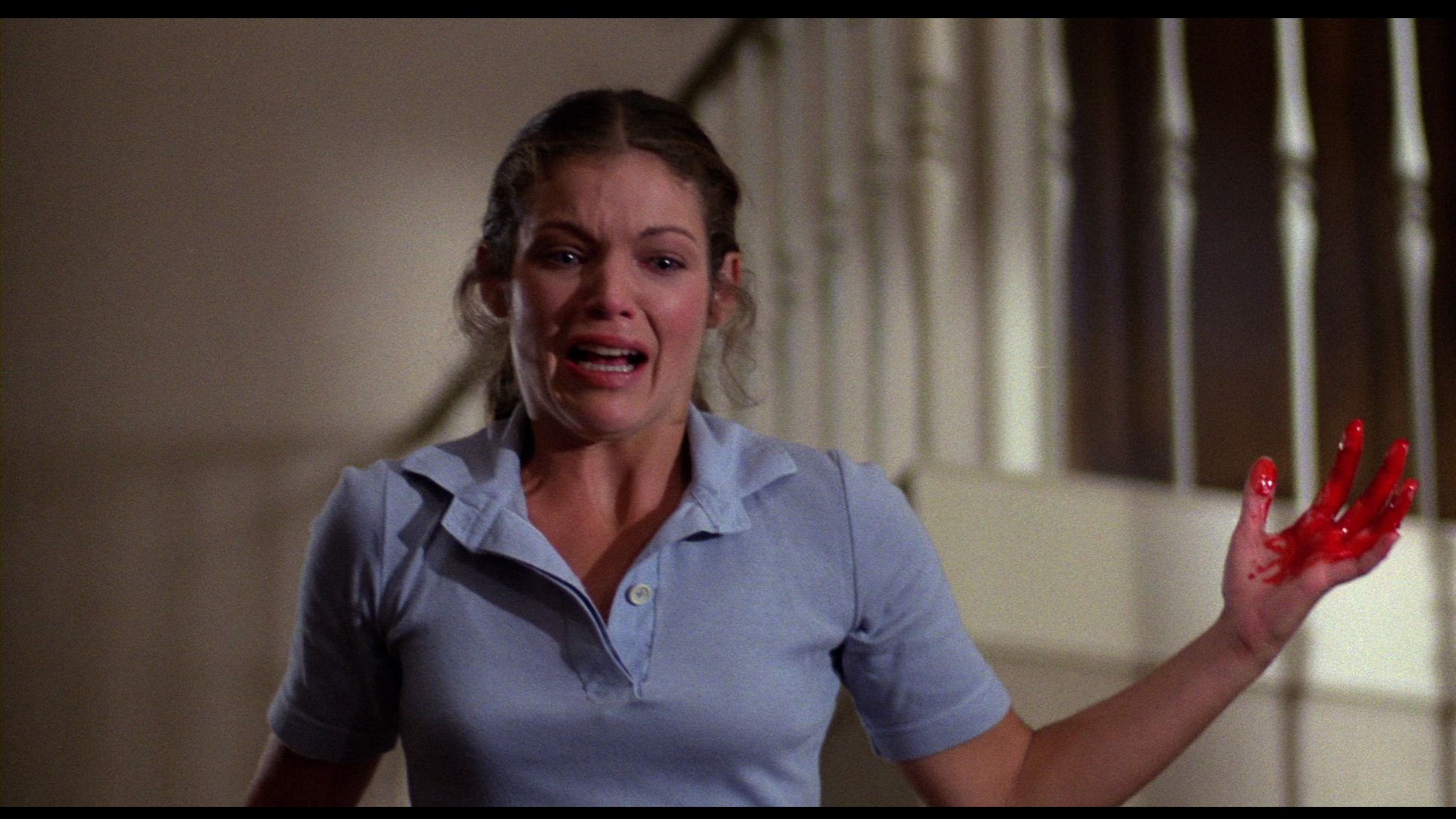
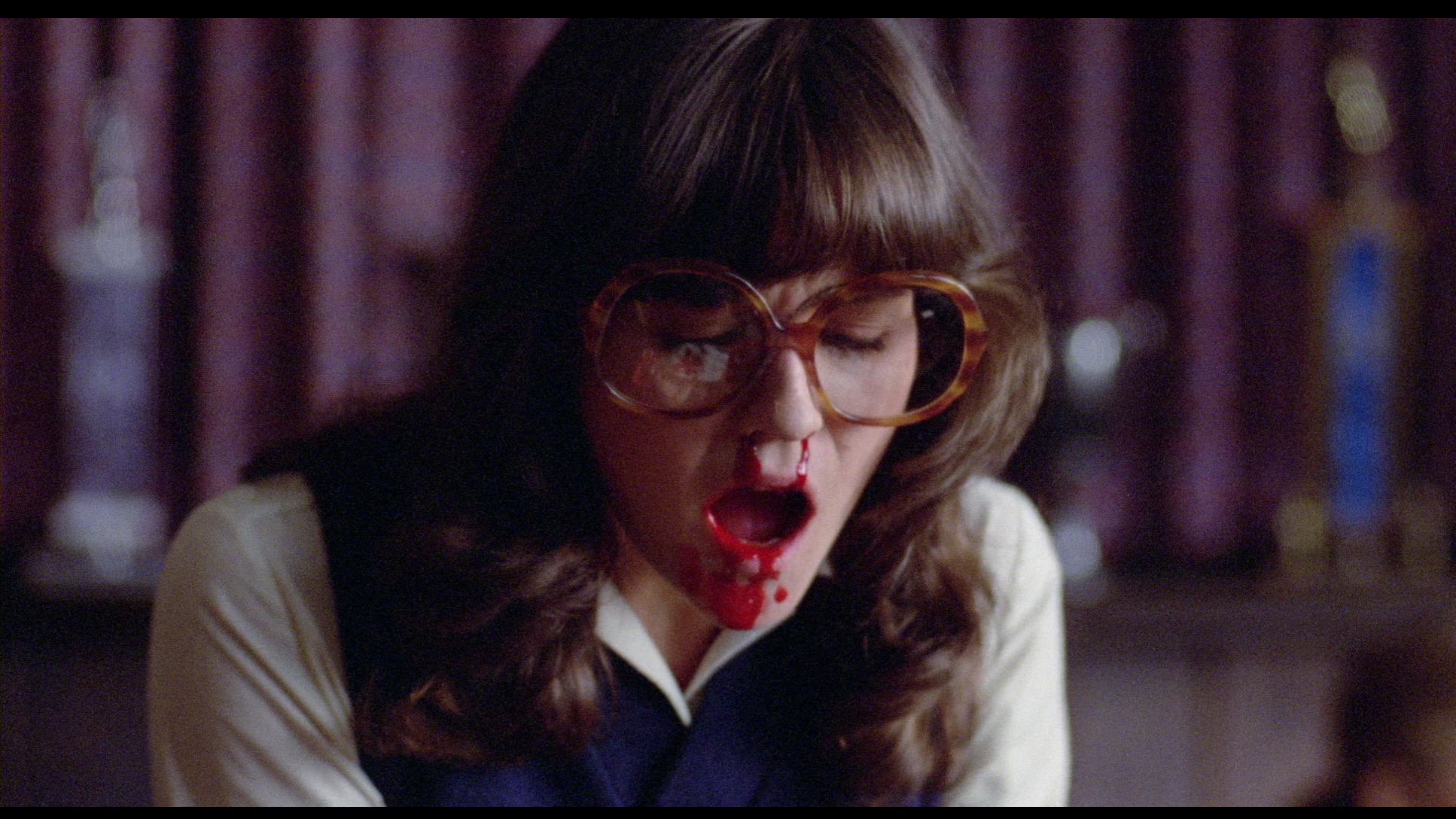
While taking time out on a beach in the Middle East, secret agents Peter Sandza (Douglas) and Childress (Cassavetes) clown around with Peter's teenage son, Robin (Stevens). Both men are members of a shadowy government organization "you've never heard of," and within moments there's a sudden machine gun attack by Arabs that sends Peter scurrying into the water -- only for him to see Childress spiriting Robin away for destinations unknown. Flash forward a year later to Chicago, where teenager Gillian (Irving) reluctantly becomes a guinea pig during a psychic demonstration at school and, as it turns out, is quite gifted indeed. Traumatized by her ability to make others bleed uncontrollably, Gillian becomes the ward of Hester (Snodgress) at an advanced institute for psychic research. As it turns out, Hester is also involved with Peter, who's (barely) in disguise looking for his son on the city streets and hoping to utilize Gillian's powers to track down Robin, who has similar abilities. Meanwhile Childress is using gorgeous minion Susan (Lewis) to control and harness Robin's powers, but as it turns out, the boy is an emotionally stunted time bomb just waiting to go off.
If that sounds convoluted, don't worry; The Fury speeds along so quickly you'll probably be too distracted by the cascade of operatic set pieces to wonder how it all holds together. Interestingly, De Palma ditches the split screen experimentation of his prior film in favor of elaborate split diopter shots, requiring special lenses to achieve deep focus between areas in the background and foreground. It's wildly effective here as a visual expression of the characters' heightened emotional states and split psychological conditions, and other devices like slow motion and extreme angles are 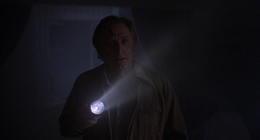 employed to give the film a dreamlike, otherworldly atmosphere. Also invaluable is the sweeping score by John Williams, one of his finest achievements at the time-- which is really something considering he wrote this in between Star Wars, Superman, Dracula,
 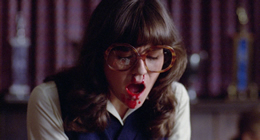 and 1941, among others.
The only real speed bumps with the film now lie in its narrative, which is odd since Farris himself wrote the screenplay. Much of the sexual perversity of the book was understandably toned down, while several characters were excised including a duplicitous elderly couple and a twisted cross dresser. The violent fates of two main characters are also changed significantly, one for the better (resulting in a now infamous, explosive curtain closer that nearly outdoes Carrie) and the other for the worse (a strangely indifferent suicide in the finished film). Though he openly took roles like this strictly to fund his own directorial projects, Cassavetes is perfect casting as the evil Childress, while the supporting cast including Lewis, Snodgress, Charles Durning, and even a sweaty cameo from the late William Finley (Phantom of the Paradise) all work perfectly. Irving and Stevens are fine considering what they're required to do (cry and emote a lot for her, look angry and scary for him), while Douglas has one of his weirdest leading man roles by donning old man make up, doing wacko comedy relief in a Chicago apartment, and partaking in a car chase with Dennis Franz in the first of many De Palma appearances. As for De Palma himself, he's clearly having a field day with his first really big budget, using everything from rear projection (most effectively during Irving's first vision at the institute) to stylized lighting effects during the nocturnal climax. Interestingly, detractors who enjoyed dragging out the old Hitchcock copycat accusations against De Palma had no real ammunition here apart from an outrageous twist on Strangers on a Train involving an out-of-control indoor amusement park ride.
Considering the importance of its visuals, home video has had a very uneven track record with The Fury over the years. Like Carrie, the film was composed for 1.85:1 projection but shot open matte, and the initial VHS and laserdisc editions were released unmasked at 1.33:1. That framing destroyed the focus of several significant shots, especially the spinning death of 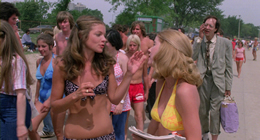 one character near the end, and the initial transfers suffered from oversaturated, orange skin tones and a generally murky, ugly look. Originally released in mono, The Fury was given something of an audio revamp for its DVD bow from Fox in 2001 for a 4.0 surround track. That largely means the sound effects and score get shoved over to the front speakers, though some ambient sound carries to the rear as well. The mix often sounds strained and artificial, but if you want the audio to fill more of speakers, it's a passable effort. That disc also includes a bombastic three minute theatrical trailer and a small gallery of photos, including a funny, oft-printed outtake shot of the final scene. Those extras were carried over the limited (3,000 unit) Blu-ray from Twilight Time in mid-2013, which includes an improved
 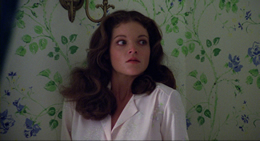 (though still imperfect) HD transfer that looks similar to a good 35mm print (but more on that in a moment). The lossless audio for both the 4.0 and mono options sounds very rich, and Williams' score is also included as an isolated track for good measure.
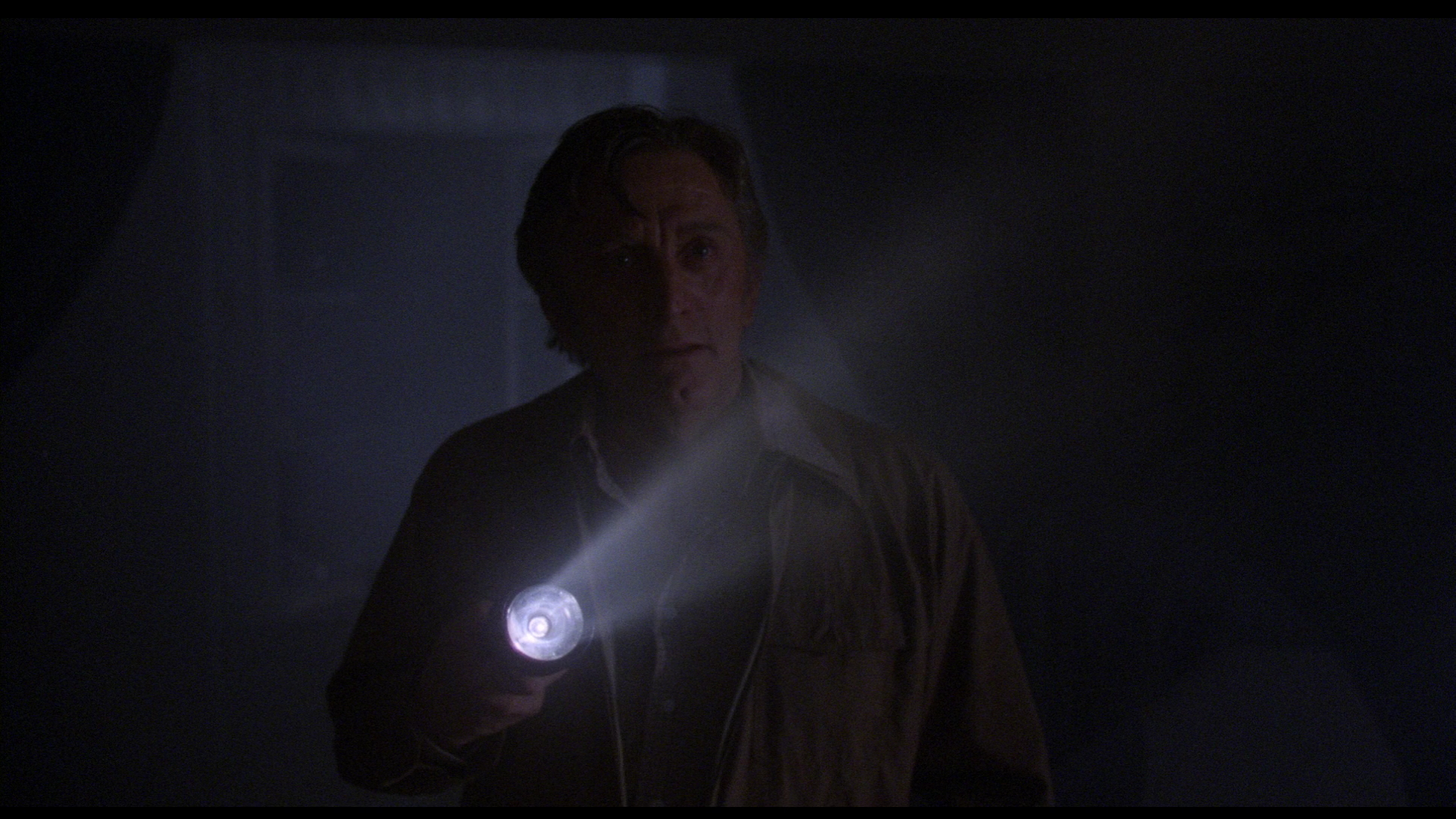
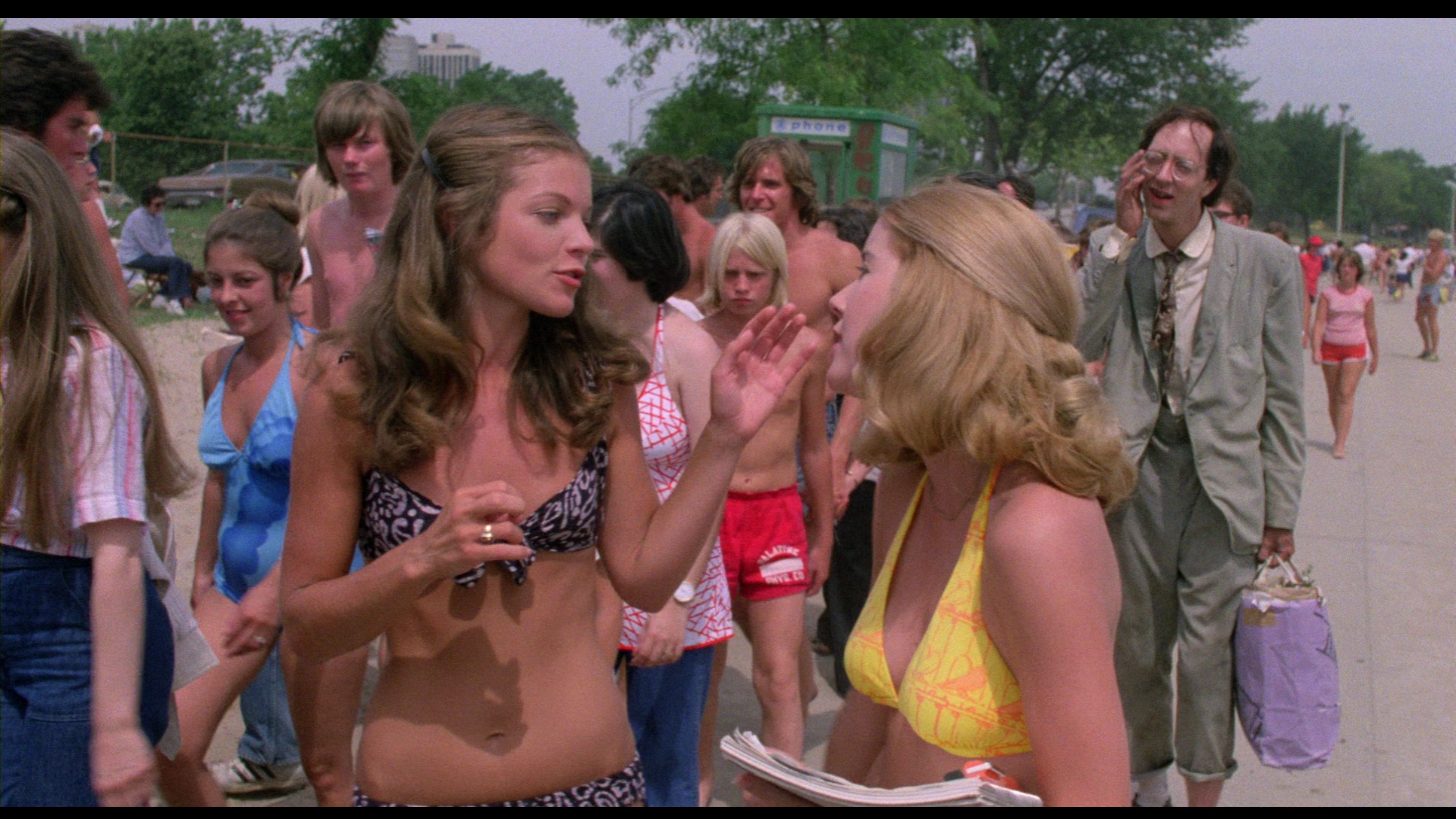
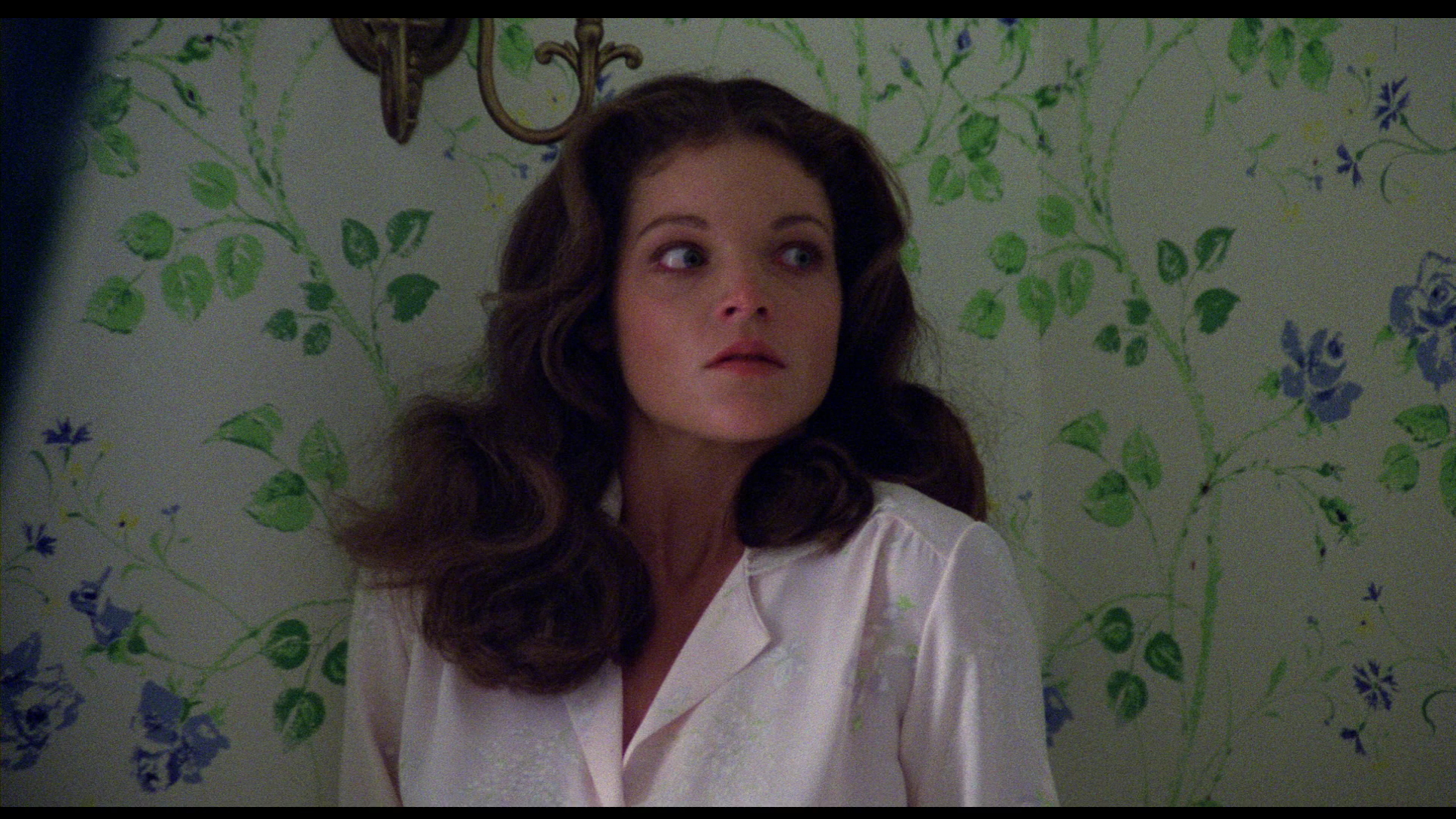
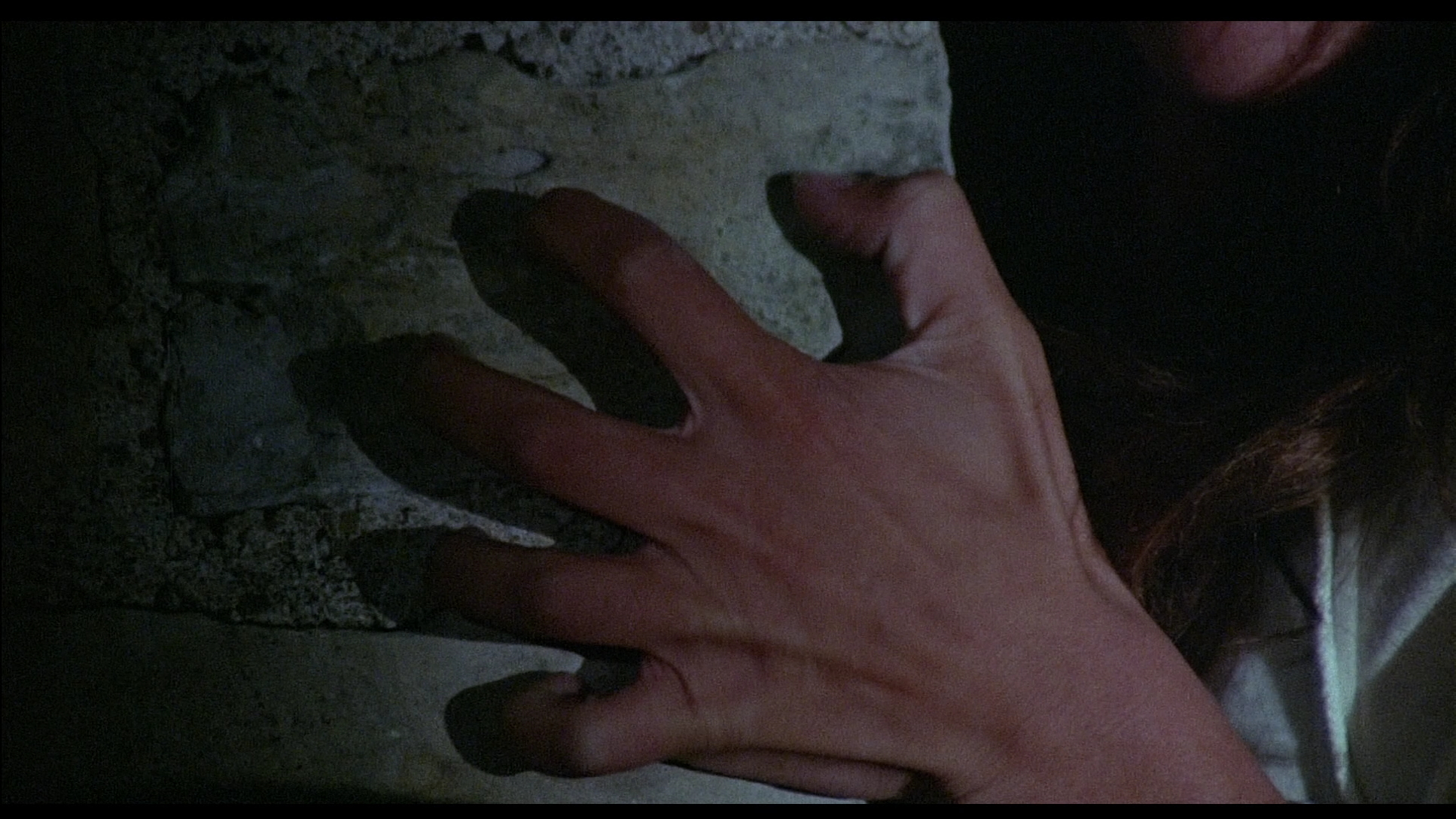
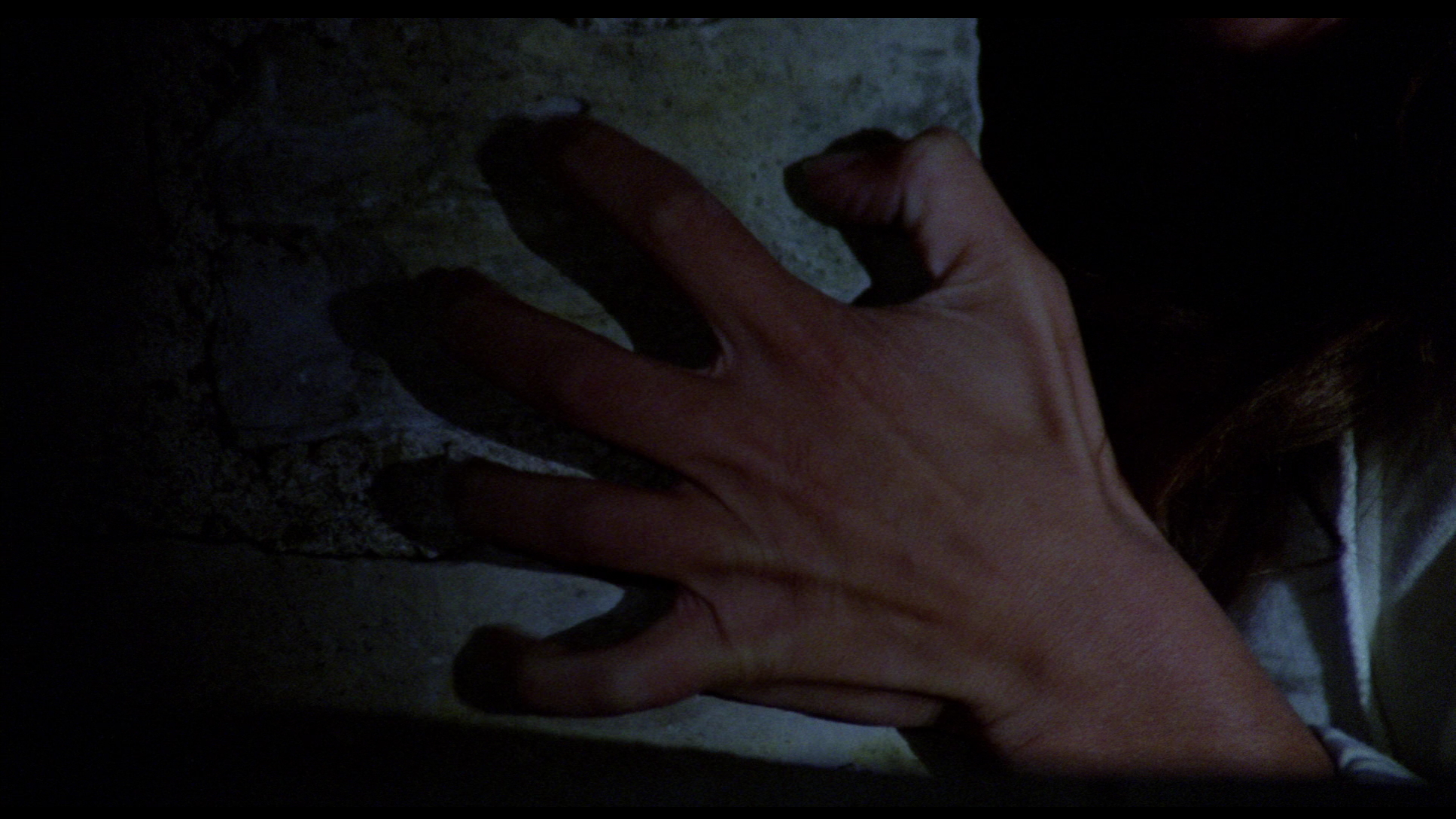
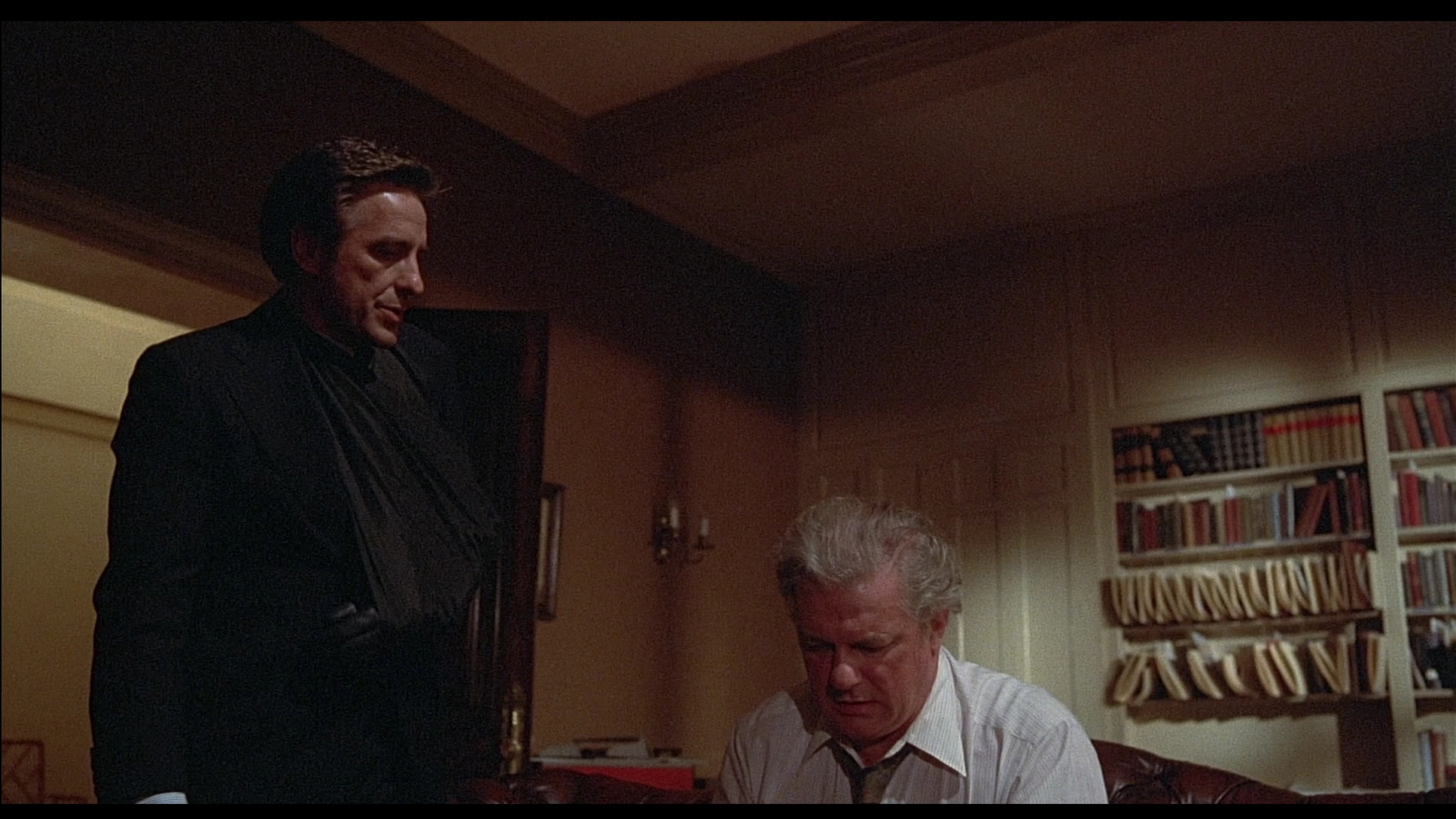
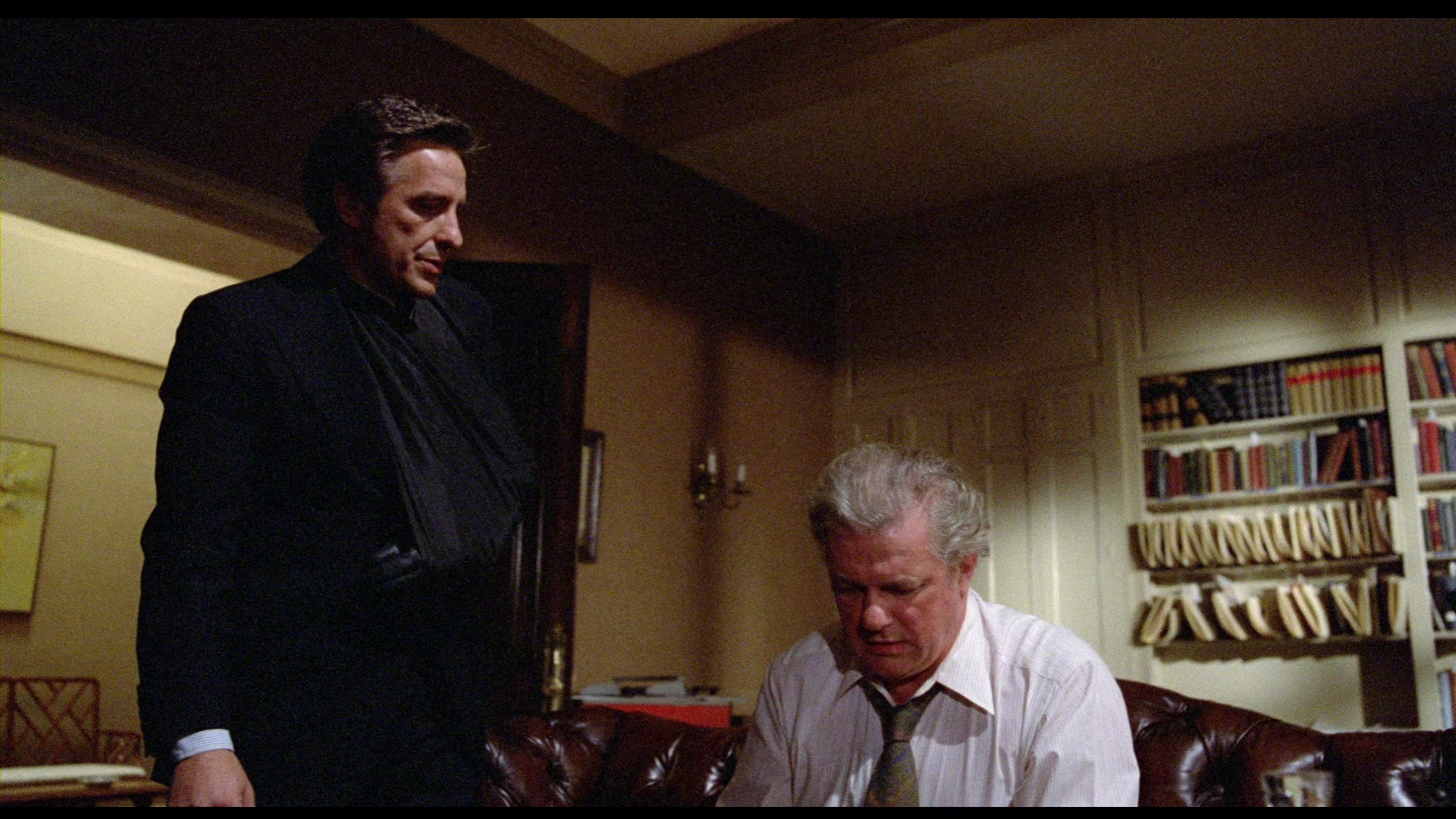
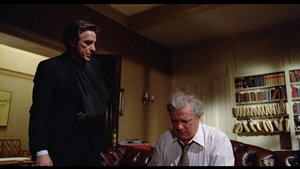
That brings us to the second Blu-ray release, a UK special edition from Arrow Video that marks their fourth De Palma release after Obsession, Dressed to Kill, and Blow Out. Interest was piqued immediately when the label announced their transfer was not the same one used for the Twilight Time release; instead they were commissioning a new one from the original camera negative, the first time ever for this title. Thankfully their efforts have more than paid off with a powerhouse video presentation that easily blows its predecessors to pieces, removing the veneer of grime, noise, and grit that was once thought to be a part of its basic aesthetic. The grungy skin tones of the most problematic scenes (Irving's intro scene and the fingernail scratching cross cutting in particular) look far more natural now, and the film as a whole is much easier to enjoy. Interestingly, the framing is also very different and better judged, dropping some extraneous headroom to expose more at the bottom (while adding a great deal to left and losing a marginal amount on the right), creating a slightly more centered composition for the film as a whole. Black levels are also much deeper and richer, which creates a far greater sense of depth and atmosphere. (All frame grabs in this review above are from the Arrow disc.) It's really much better to experience the difference by watching the separate transfers in motion than via frame grabs, but for the record, here are a couple of examples (click to see full size):
Twilight Time
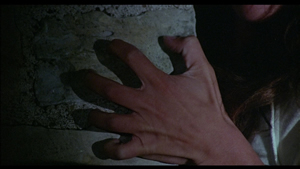
Arrow
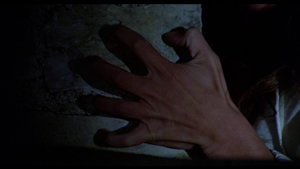
Twilight Time
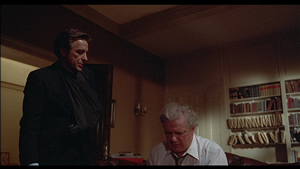
Arrow
The English audio is presented as usual in the same 4.0 and 2.0 mono DTS-HD mixes, with the isolated track included along with optional English subtitles. The trailer pops up again, of course, but the Arrow release really excels with the rest of the extras including some invaluable video featurettes that should make De Palma fans giddy. First up, ace cinematographer Richard H. Kline takes center stage for the 27-minute "Blood on the Lens," talking in detail about working with De Palma and advancing the split diopter photography he first introduced in The Andromeda Strain. He also talks about jumping onto this film while he was still in production on Karel Reisz's Who'll Stop the Rain, but the main focus here is on his sole collaboration with De Palma, which ranks among the best work either of them ever achieved.
Equally good is "Spinning Tales" (13 mins.), a chat with Fiona Lewis (a blonde!) about her overall career including a few highlights like The Fearless Vampire Killers, A Day at the Beach, Lisztomania, and Drum. (Dr. Phibes Rises Again fans will get gypped though.) It's fascinating to hear about her career, which really should have been bigger in the '80s, and her stories about making The Fury are fascinating (especially her initial reluctance to accept the role) and, in one instance, horrifying (as she describes a deleted attempted rape scene, during which she banged her head for real over and over again). Then brace yourself for the 49-minute "The Fury: A Location Journal," with De Palma acolyte Sam Irvin (now a director in his own right starting with Guilty as Charged) walking through his experience on the set for eight days, which he recounted for Cinefantastique magazine. Among the highlights are his memories of getting Irving to publicly admit her relationship with Steven Spielberg for the first time, the special effects work of Rick Baker and William Tuttle (with a little involvement from Dick Smith), the original casting choices for the old couple eventually dropped from the script, and the filming of an additional, nasty grace note for one character's death, which was cut from the film but would have actually been more satisfying (as well as closer to the source novel). You'll also find out about a quick cameo from producer Frank Yablans and a very funny technical gaffe in the cafeteria scene, specifically behind a young Daryl Hannah. He then recounts sitting in on the film's postproduction process and getting a gig on De Palma's next film, the hilarious film school experiment Home Movies. (And for the love of God, could someone please, please release a decent home video version of that one already?) Irvin's first short film, "Double Negative," is also included from what appears to be an older tape source; it's a fun little 17-minute De Palma homage (with William Finely again!) about a film student with a bit of a personality disorder. Next comes a quartet of 1978 video interviews with De Palma, Irving, Snodgress, and producer Frank Yablans, shot in Texas during the promotional tour for the film. De Palma mostly gets quizzed about the film's special effects, while the interviewer really gushes over Amy Irving (who has some nice anecdotes about her own dabbling in psychic phenomena). The audio for all of these is very touch and go given the age and condition of the source material, but it's great stuff all the same. A fun behind-the-scenes gallery runs just under a minute and features some fun candid shots, too. The disc also comes packaged with a liner notes booklet not included at the time of this writing, but for the record it contains an essay by Chris Dumas (author of the book Un-American Psycho: Brian De Palma and the Political Invisible), a vintage interview with the director, and a new interview with Farris. A knockout of a release all around.
Reviewed on October 22, 2013.