AGUIRRE, THE WRATH OF GOD STROSZEK HEART OF GLASS NOSFERATU THE VAMPYRE WOYZECK FITZCARRALDO BURDEN OF DREAMS COBRA VERDE EVEN DWARFS STARTED SMALL
Color, 1972, 87m.
Directed by Werner Herzog
Starring Klaus Kinski, Helena Rojo, Del Negro, Ruy Guerra, Cecilia Rivera
BFI (Blu-ray & DVD) (UK RB/R2 HD/PAL), Shout! Factory (Blu-ray & DVD) (US RA/R1 HD/NTSC), Studio Canal (DVD) (German R2 PAL), Anchor Bay (DVD) (US R1 NTSC), Stonevision (DVD) (UK R2 PAL)
THE ENIGMA OF KASPAR HAUSER
Color, 1974, 110m.
Directed by Werner Herzog
Starring Bruno S., Walter Ladengast, Brigitte Mira, Willy Semmelrogge
BFI (Blu-ray & DVD) (UK RB/R2 HD/PAL), Shout! Factory (Blu-ray & DVD) (US RA/R1 HD/NTSC), Anchor Bay (DVD) (US R1 NTSC) / WS (1.66:1) (16:9)
Color, 1976, 107m.
Directed by Werner Herzog
Starring Bruno S., Eva Mattes, Clemens Scheitz
BFI (Blu-ray & DVD) (UK RB/R2 HD/PAL), Shout! Factory (Blu-ray & DVD) (US RA/R1 HD/NTSC), Anchor Bay (DVD) (US R1 NTSC) / WS (1.66:1) (16:9)
Color, 1976, 94m.
Directed by Werner Herzog
Starring Josef Bierbichler, Stefan Güttler, Clemens Scheitz, Sonja Skiba
BFI (Blu-ray & DVD) (UK RB/R2 HD/PAL), Shout! Factory (Blu-ray & DVD) (US RA/R1 HD/NTSC), Anchor Bay (DVD) (US R1 NTSC) / WS (1.85:1) (16:9)
Color, 1979, 107m.
Directed by Werner Herzog
Starring Klaus Kinski, Isabelle Adjani, Roland Topor
BFI (Blu-ray & DVD) (UK RB/R2 HD/PAL), Shout! Factory (Blu-ray & DVD) (US RA/R1 HD/NTSC), Gaumont (Blu-ray & DVD) (France R0 HD/PAL), Arthaus (Blu-ray & DVD) (Germany RB/R2 HD/PAL), Anchor Bay (DVD) (US R1 NTSC) / WS (1.85:1) (16:9)
Color, 1979, 80m.
Directed by Werner Herzog
Starring Klaus Kinski, Eva Mattes
BFI (Blu-ray & DVD) (UK RB/R2 HD/PAL), Shout! Factory (Blu-ray & DVD) (US RA/R1 HD/NTSC), Studio Canal (DVD) (German R2 PAL), Anchor Bay (DVD) (US R1 NTSC) / WS (1.66 :1) (16:9)
Color, 1982, 157m.
Directed by Werner Herzog
Starring Klaus Kinski, Claudia Cardinale, José Lewgoy, Miguel Ángel Fuentes, Paul Hittscher
BFI (Blu-ray & DVD) (UK RB/R2 HD/PAL), Shout! Factory (Blu-ray & DVD) (US RA/R1 HD/NTSC), Studio Canal (DVD) (German R2 PAL), Anchor Bay (DVD) (US R1 NTSC) / WS (1.85:1) (16:9)
Color, 1982, 95m.
Directed by Les Blank
BFI (Blu-ray & DVD) (UK RB/R2 HD/PAL), Criterion (DVD) (US R1 NTSC)
Color, 1987, 111m.
Directed by Werner Herzog
Starring Werner Herzog, King Ampaw
Anchor Bay (US R1 NTSC) / WS (1.78:1) (16:9)
BFI (Blu-ray & DVD) (UK RB/R2 HD/PAL), Shout! Factory (Blu-ray & DVD) (US RA/R1 HD/NTSC), Anchor Bay (DVD) (US R1 NTSC) / WS (1.85:1) (16:9)
B&W, 1971, 96m.
Directed by Werner Herzog
Starring Helmut Döring, Gerd Gickel, Paul Glauer, Erna Gschwendtner, Gisela Hertwig
Shout Factory (Blu-ray & DVD) (US RA/R1 HD/NTSC), Anchor Bay (US R1 NTSC)
 It's safe to say there's no filmmaker on earth like Werner Herzog,
 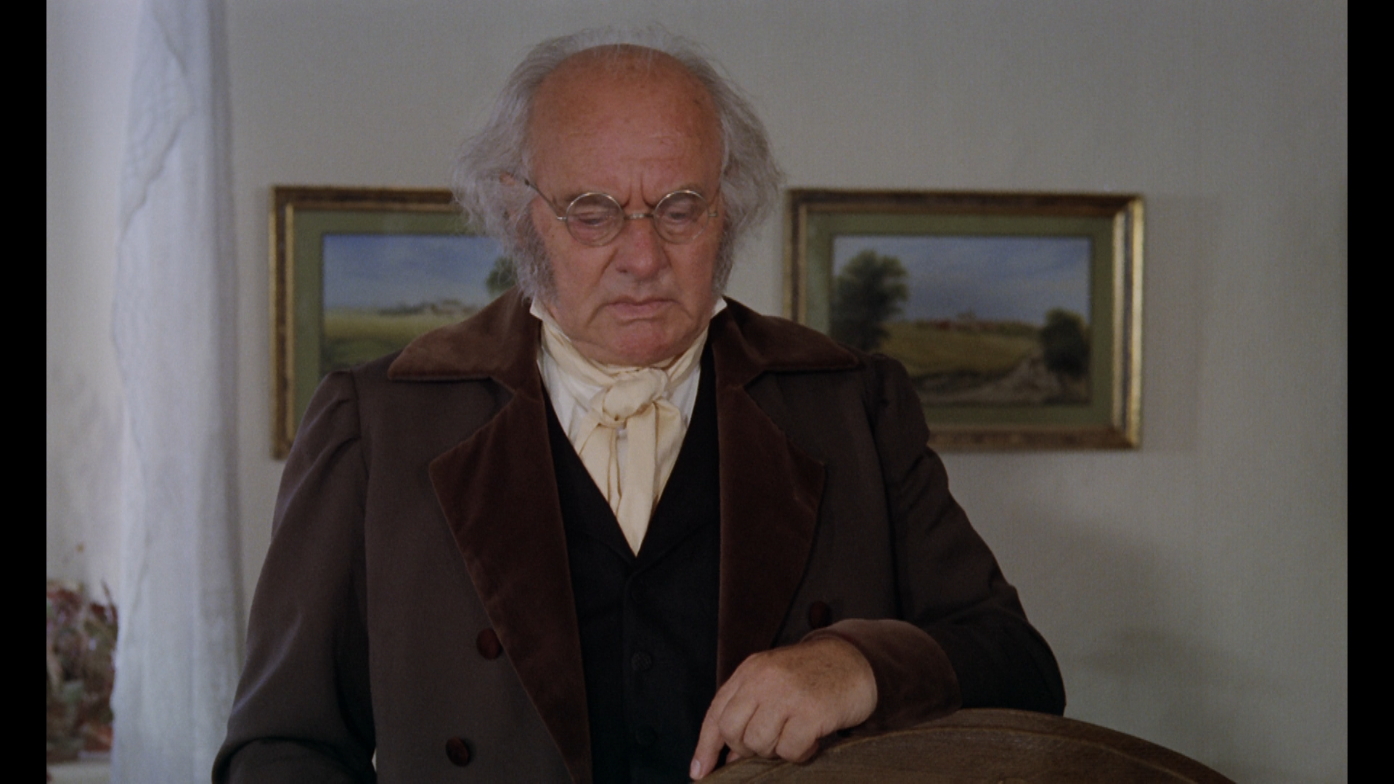 and odds are there never will be again. International audiences were stunned by his depiction of a world where man coexists uneasily with the forces of nature, with global settings depicted with an intensity and scale rarely captured on film. His major features through 1987 (as well as some shorter works made later) have been assembled in appropriately sprawling box sets in both the U.K. and the U.S., with enough variations between the two to make them both easy to recommend.
Herzog's worldwide breakthrough came in 1972 with his second narrative feature, Aguirre, the Wrath of God, which is included in both sets and can be read about in more detail here. That film marked his first turbulent collaboration with actor Klaus Kinski as well as his first excursion into formidable foreign lands to tell a story of ambition and madness, themes he would return to later.
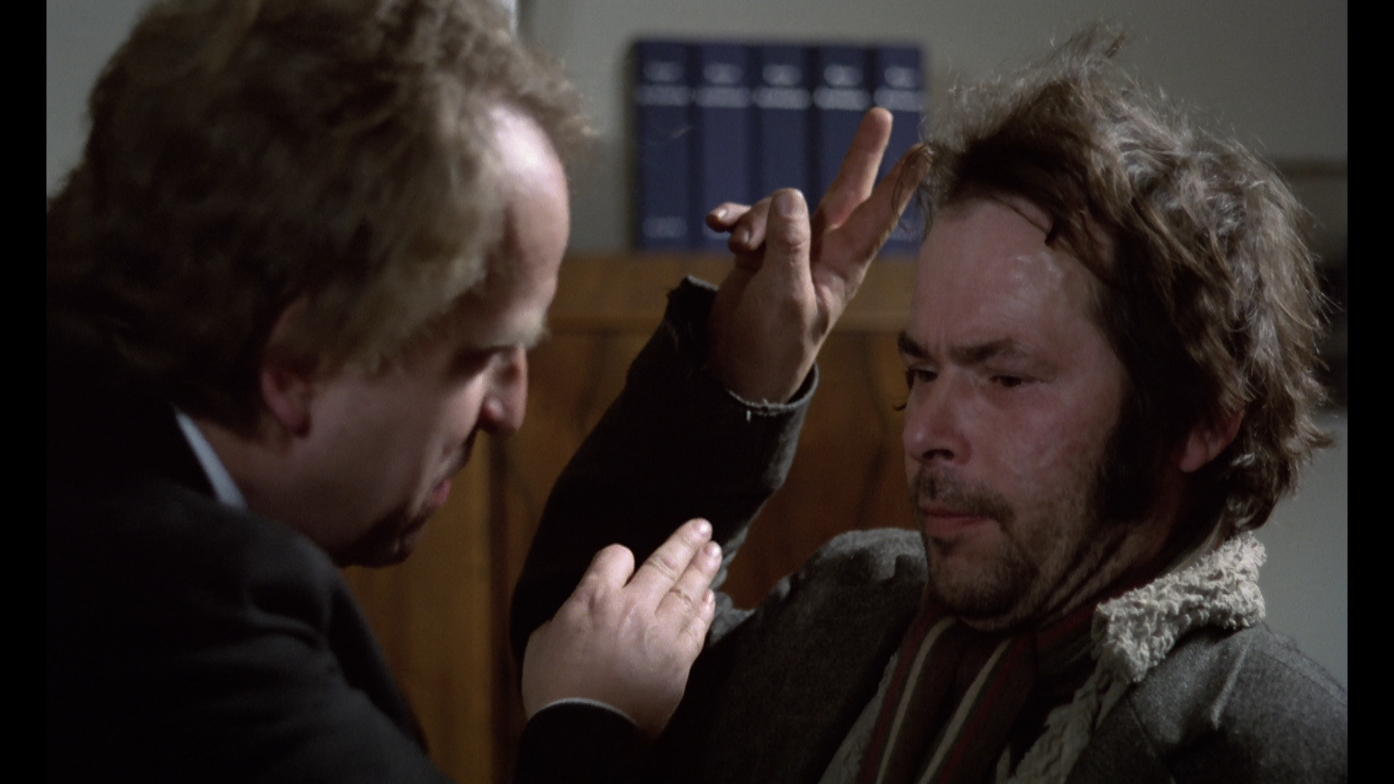
Herzog's follow-up film, 1974's The Enigma of Kaspar Hauser, scaled things back considerably in terms of visuals while establishing the conflicted introspection that would also become hallmarks of his work. Released on VHS under the more literal translation of its German title as Every Man for Himself and God Against All, the film tells the fact-based story of the title character (Bruno S., a real-life artist and musician with a highly traumatic past), a socially undeveloped man who appears in the town of Nuremberg in the 19th century. Raised by a 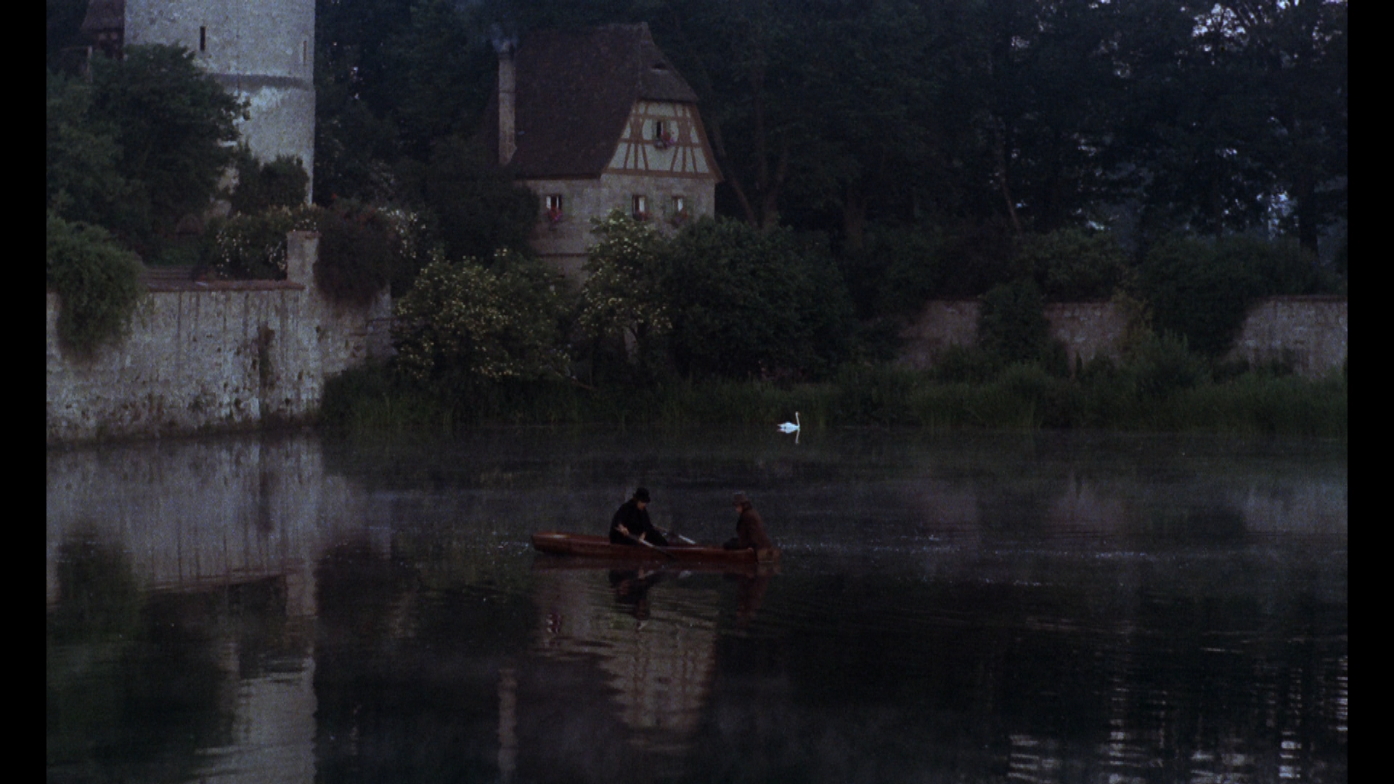 nameless captor in a cellar, he has been inexplicably freed and has to adjust to the conventions of society thanks to the aid of a kindly professor (Ladengast). In the interim he has to deal with a stint in a circus and some of humanity's less savory aspects, all while dreaming of fantasy lands that perhaps exist only in his imagination.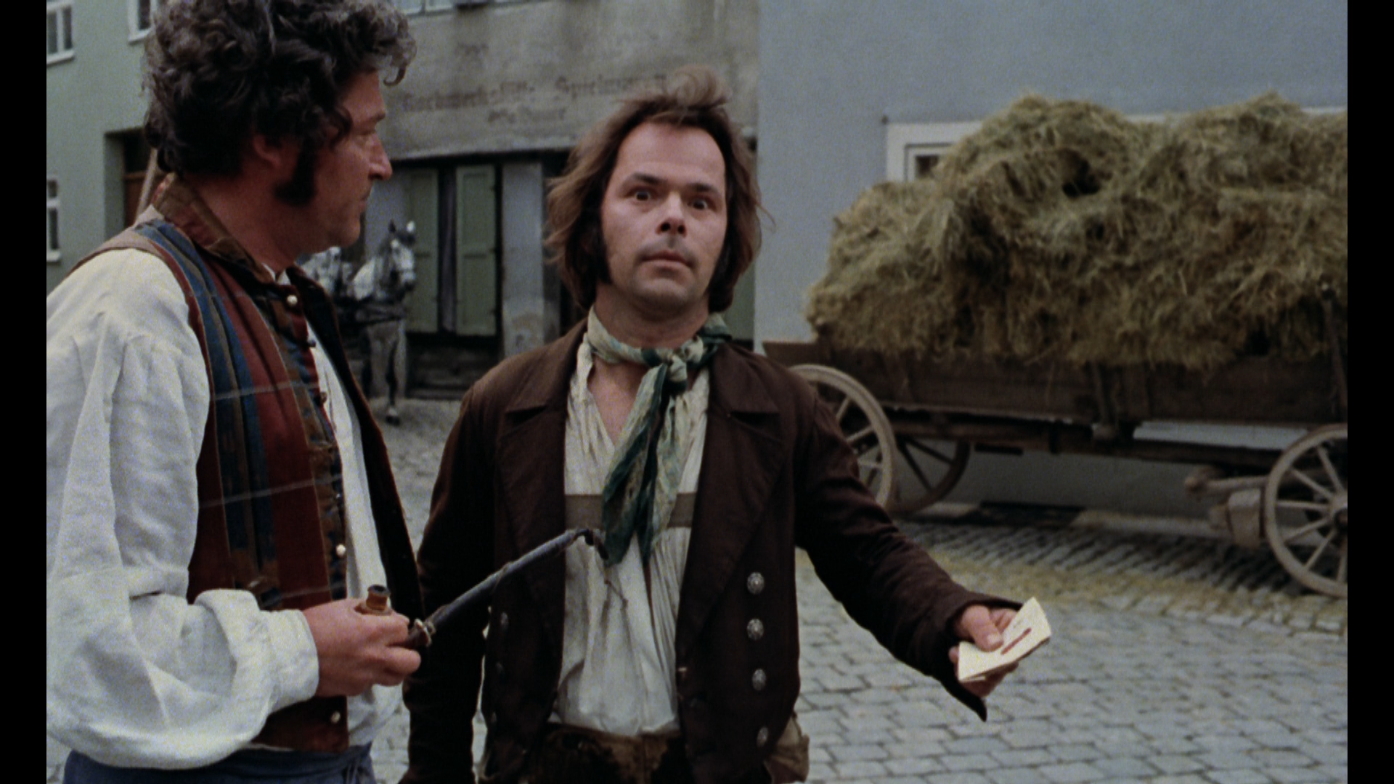
The idea of a naive primitive learning the ways of society was already well-worn territory ranging from Tarzan to The Wild Child, but Herzog's film takes a different approach by framing the story within beautifully shot German landscapes (including some well-chosen stock footage) and internalized vistas of the rest of the world. The end result feels both haunting and universal, taking a slightly askew look at the human experience and calling into question how and why we construct the rules that govern our lives. Though notoriously difficult to work with, Bruno S. delivers a fascinating performance that became the template for several future Herzog protagonists; it's still a major work as well as a good starting point for newcomers.
Originally released on DVD by Anchor Bay, the film comes to both Herzog sets with the same excellent audio commentary with Herzog and Norman Hill (who moderates the rest of the chats for most of the other films, too). The stories about the lead actor are plentiful, of course, coupled with anecdotes about dealing with local townspeople, combing through film archives, and other peculiar little tangents. Also included on the BFI disc is Land of Silence and Darkness, Herzog's 84-minute documentary about the experience of the deaf and blind as experienced by elderly activist Fini Straubinger; it's both uplifting and disturbingly powerful, still one of his best docs from his German and international periods. Also on the disc is the much lighter "How Much Wood Would a Woodchuck Chuck," a 46-minute documentary about the jaw-dropping verbal skills of cattle auctioneers in 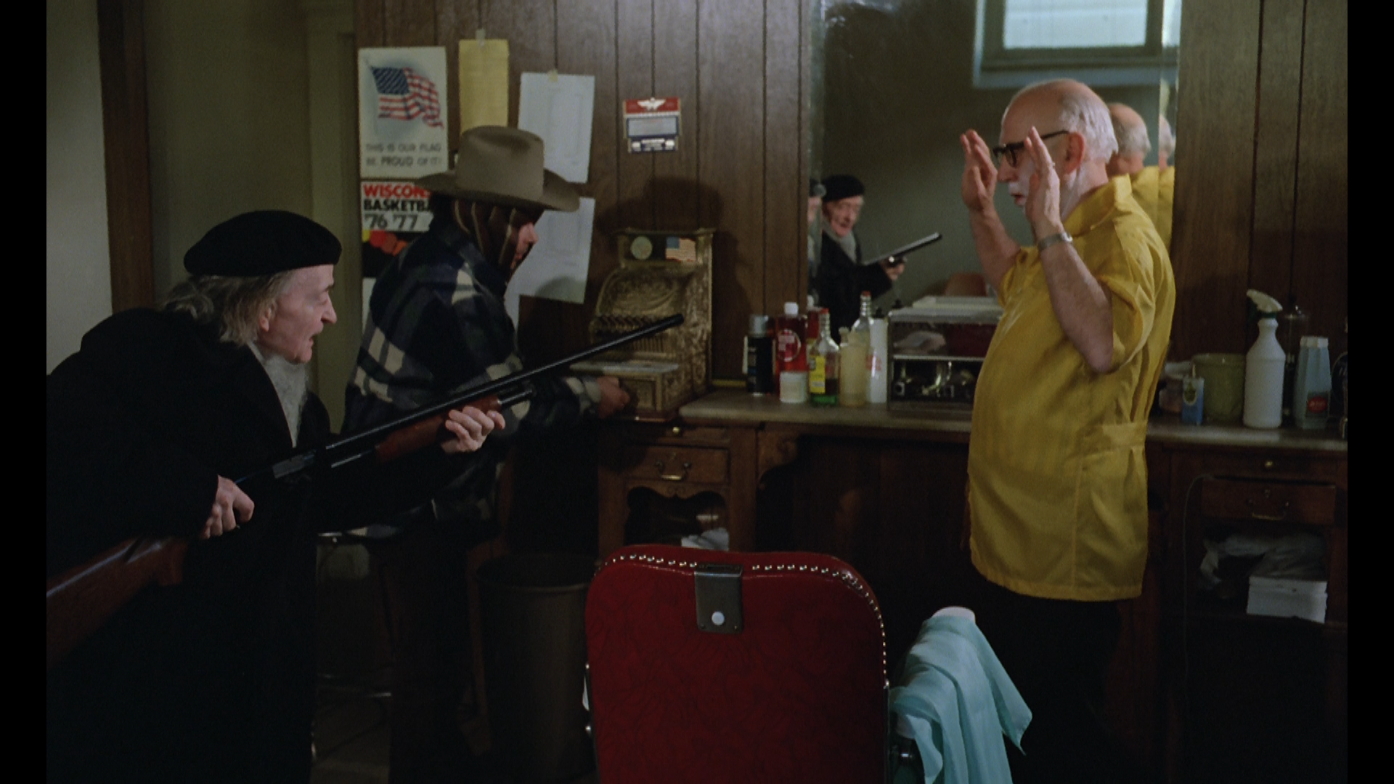 an
an 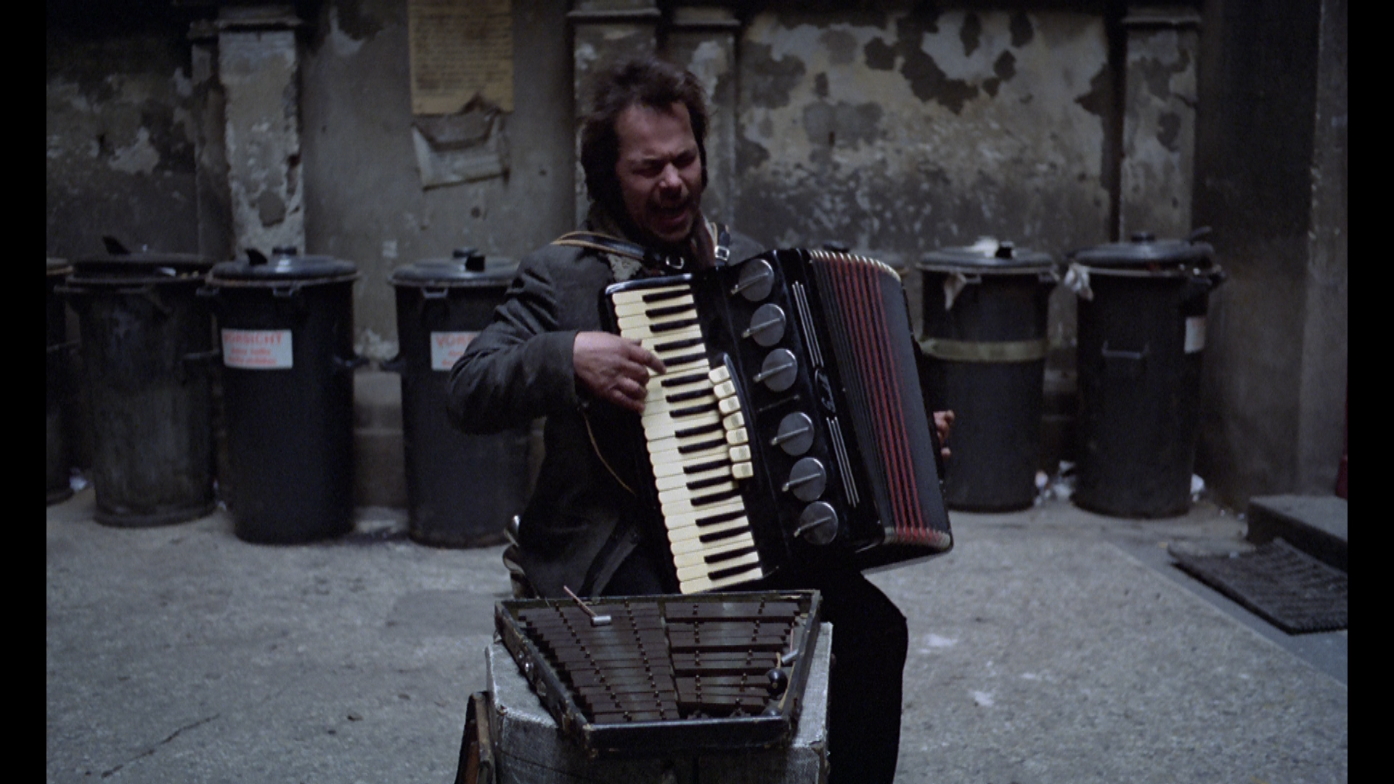 Amish community; you'll never approach a tongue twister the same way again after watching this one. It's presented in both its German-narrated and English-language versions, with the latter being much easier viewing since you can more fully appreciate the linguistic gymnastics on display. The transfers for all of them look authentically rich and crisp, with the 1.66:1 framing on the main feature appearing accurate with plenty of nice cinematic detail (apart from some understandable grittiness during those 8mm snippets at the beginning).
Two years later, Herzog made two back-to-back masterpieces with entirely different styles (and collected together on one disc in the BFI set). Stroszek brings back Bruno S. as the title character, a German convict whose return to society inspires him to seek a more satisfying life in the American heartland. Teaming up with Eva (Mattes), an over-the-hill prostitute, and a senior citizen (Scheitz), he relocates to Wisconsin (after a tour through New York) to find a job and live in a trailer. When the debtors come calling, the trio resorts to unorthodox means of survival and finds that separation is inevitable, thus paving the way for an unforgettably surreal ending ranking high on the pantheon of great Herzog moments. Despite the subject matter, this is one of the daffiest of Herzog's German narrative features with a particularly wry perspective on both Europe and America. Once again Bruno S. delivers a remarkable performance and carries the majority of the film on his shoulders, often using his riveting eyes to pull the viewer into scenes that might have otherwise gone off the rails. 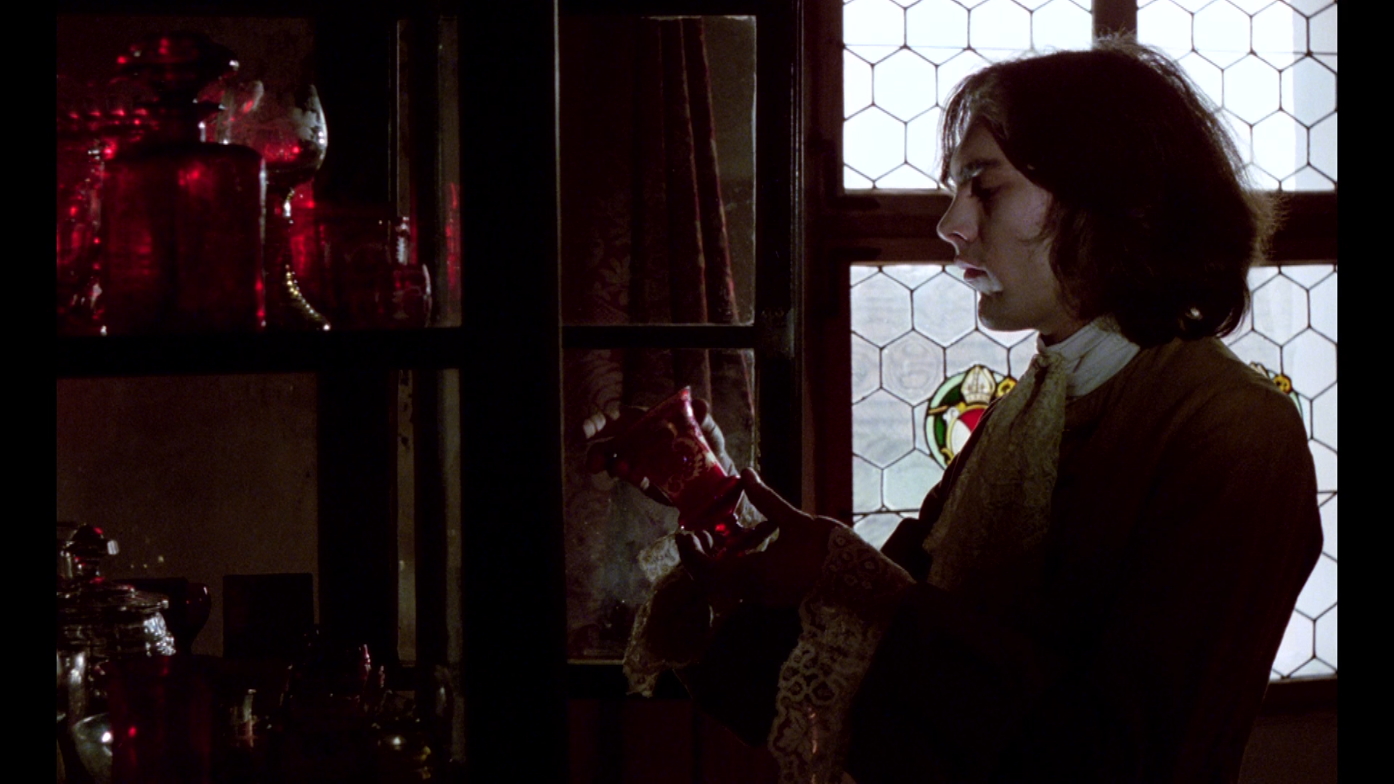
Sharing space on that BFI disc is Heart of Glass, which is most famous as the production on which Herzog had most of the cast hypnotized (in turn the inspiration for a great book by Alan Greenberg, Every Night the Trees Disappear: Werner Herzog and the Making of Heart of Glass). The wisp of a plot involves the subdued but palpable hysteria generated in a remote 18th-century Bavarian village when its most significant creative force, a glass maker renowned for his ruby red creations, passes away without leaving behind the secret of his craft. Meanwhile a prophecy about an impending fire adds to the local disquiet, with the natural surroundings of the village carrying on day to day impervious to their plight.
Viewers are still trying to piece together all of the potential meanings of this film, often cited by die-hard fans as a personal favorite. The evocative score by Popol Vuh (the second of their five Herzog feature collaborations) is both dreamy and invigorating, as good as their more familiar and acclaimed work elsewhere. Of course, it's impossible to really evaluate the performances when they're so deliberately stylized and sometimes confounding (with many improvised actions kept in the film), but it all adds up to one of the great puzzle art films of the decade. Both films were released separately on DVD from Anchor Bay but benefit considerably from their jump to Blu-ray, 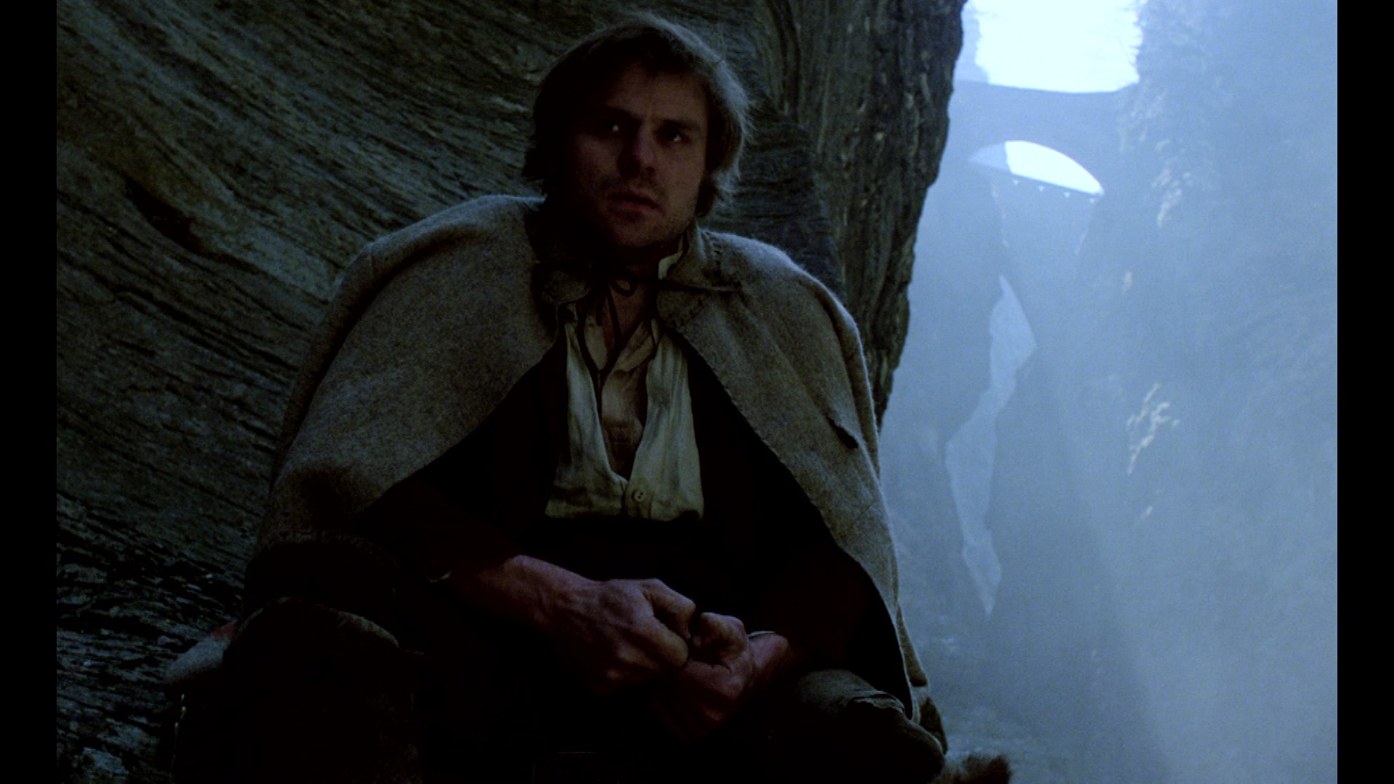 with the HD transfers wringing out far more detail all around. Heart in particular fares better due to the greater delicacy of its shadowy photography, with many interior scenes featuring rich chiaroscuro lighting that turned to mud in standard def. Of course, those sparsely-placed but significant splashes of red look excellent, too. The Herzog/ Hill commentaries have been retained here along with the theatrical trailers and stills galleries; the commentary for Heart is a particular keeper as the pair go through the highly unusual production process and reveal how the town was chosen for the film.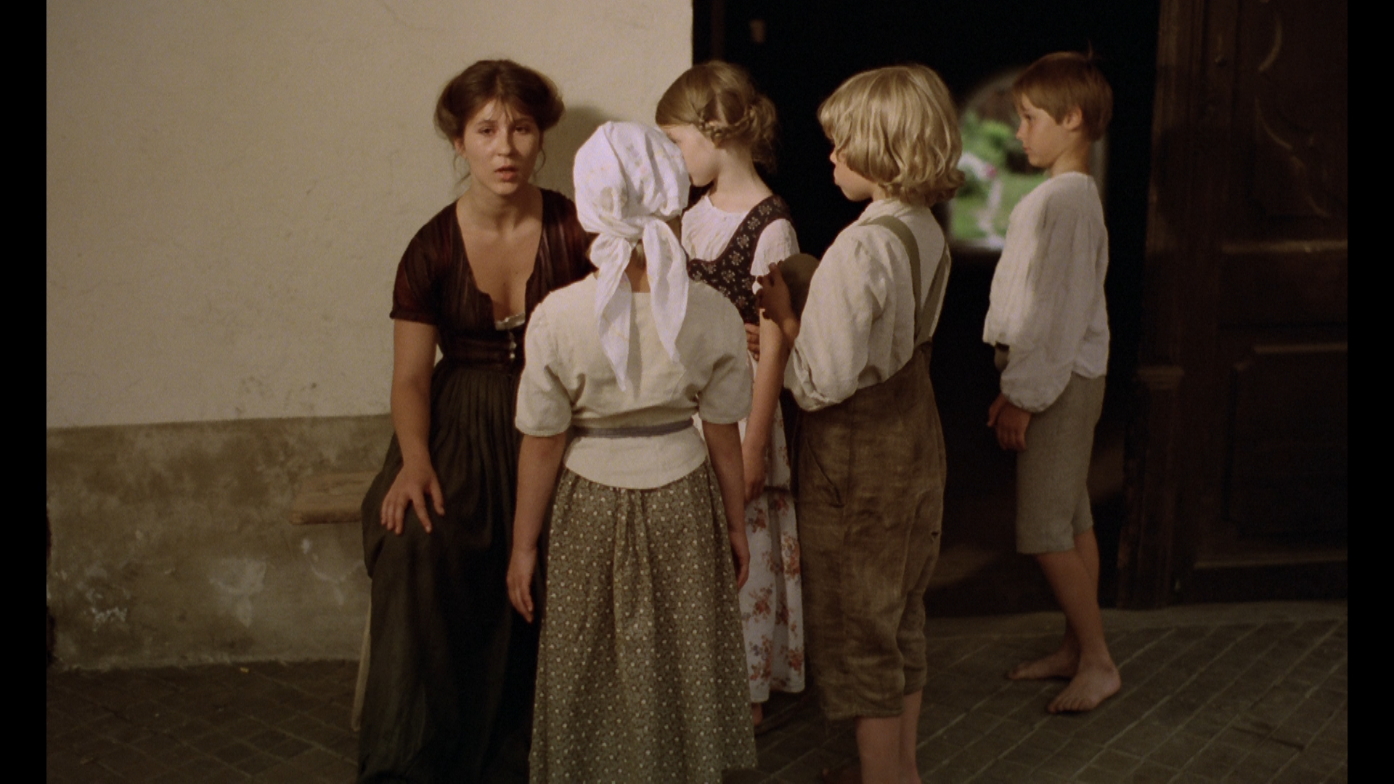
Two years later in 1979, Herzog broke through on a much broader international scale with Nosferatu the Vampyre, his much-touted remake of the F.W. Murnau silent horror classic; this proved to be a rare revisit that stands on its own as an artistic achievement and is highly recommended viewing for both Herzog and horror fans. The film is included in both Blu-ray sets, albeit with very significantly different transfers; you can read a more complete breakdown of the presentation and extras here.
Following the positive reception to Nosferatu remake, Herzog turned again to the classics, albeit on a much smaller scale. His intimate rendition of Georg Büchner's harrowing play, Woyzeck, tackles its narrative in a style very similar to the stage adaptations of Robert Altman, such as Streamers. Static medium shots, oppressive interiors, a brief running time, and a limited number of characters make this a tasking experience, but not one without its own rewards for the patient. Poor military officer Franz Woyzeck (Kinski, of course) can't seem to have a moment's peace. His commanding officer forces him to perform an endless array of demeaning tasks (most notably shaving his superior's face with a straight razor), and Woyzeck's wife Marie (Mattes) offers no support and seems to be cheating on him. The local doctors fail to alleviate his misery, and the onslaught of mental and physical anguish begins to take its toll on his rapidly deteriorating mind. How long can Woyzeck hold on before he finally snaps?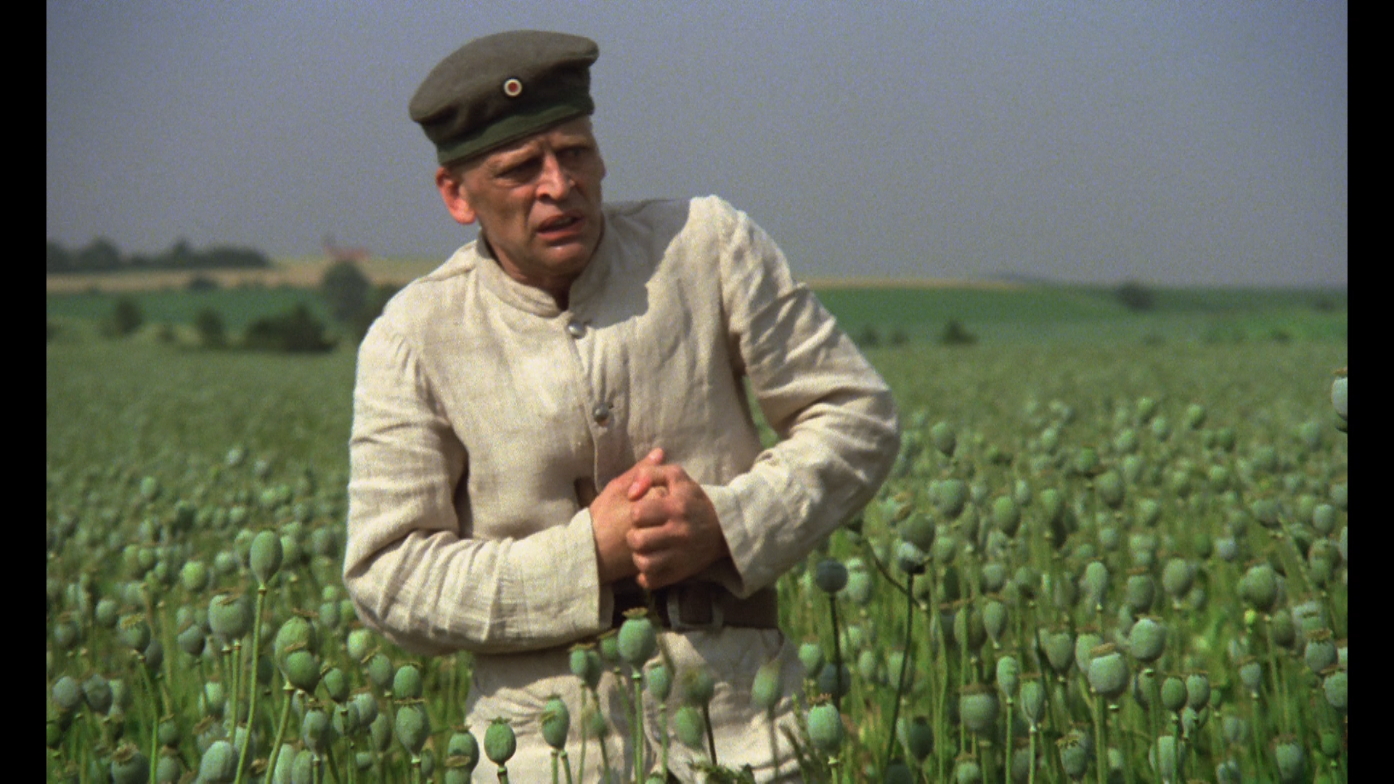
A compact chamber piece by Herzog standards, Woyzeck is often overlooked but still contains the director's favorite theme of mankind struggling against challenging obstacles, with fellow human beings replacing the daunting elements of nature in this case. Kinski's amazing, edgy performance adds much needed depth to the storyline, a straightforward account of one man's descent straight into hell. After over an hour of Herzog's detached camera calmly observing Woyzeck's disintegration, the violent final ten minutes pack a vicious punch. 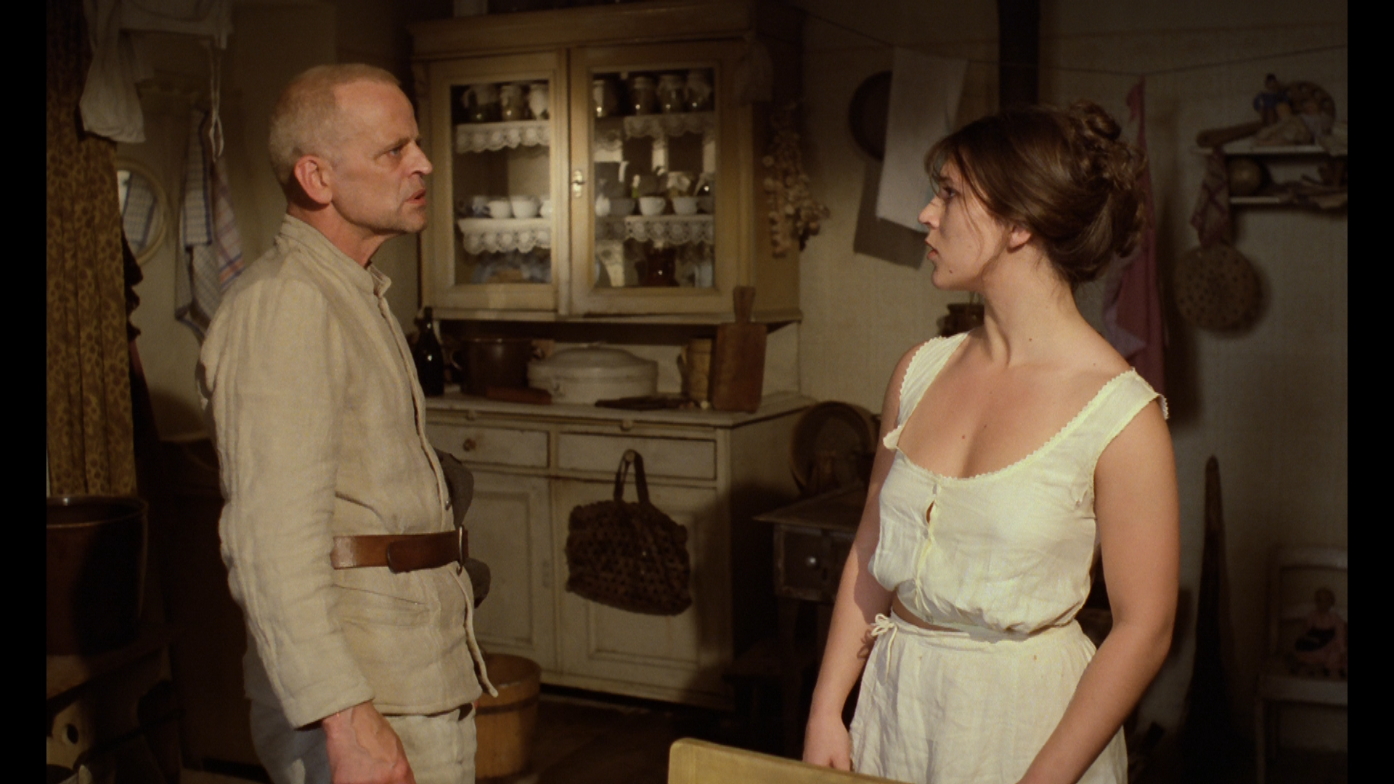 (Too bad many home video cover designs completely spoil one of the key moments.) Though it may not be the best place to start for Herzog newcomers, Woyzeck represents both the filmmaker and his depraved muse, Mr. Kinski, at the height of their powers.
First released in the US on VHS by New Yorker (like Aguirre), Woyzeck bowed on DVD from Anchor Bay with an impressive transfer at the time showing off its striking use of gold and brown tones. Apart from the original German trailer and the usual cast/crew bios, that disc was a straightforward, no frills presentation. That's hardly surprising, though, given that even Herzog would be hard pressed to dissect the film for 80 minutes. The BFI disc beefs things up considerably, staring with 1975's "The Great Ecstasy of Woodcarver Steiner," a 45-minute short about the title subject, a carver and ski champion. The snowy locales, slo-mo photography, and quirky surprises (like dozens of birds released from hutches into the mountains) put this squarely in prime Herzog territory; well worth seeing. 1970's "Handicapped Future" runs 44 minutes and takes a look at disabled children adjusting to their surroundings, often with astonishing results. The much later "Huie's Sermon" from 1980 clocks in at 42 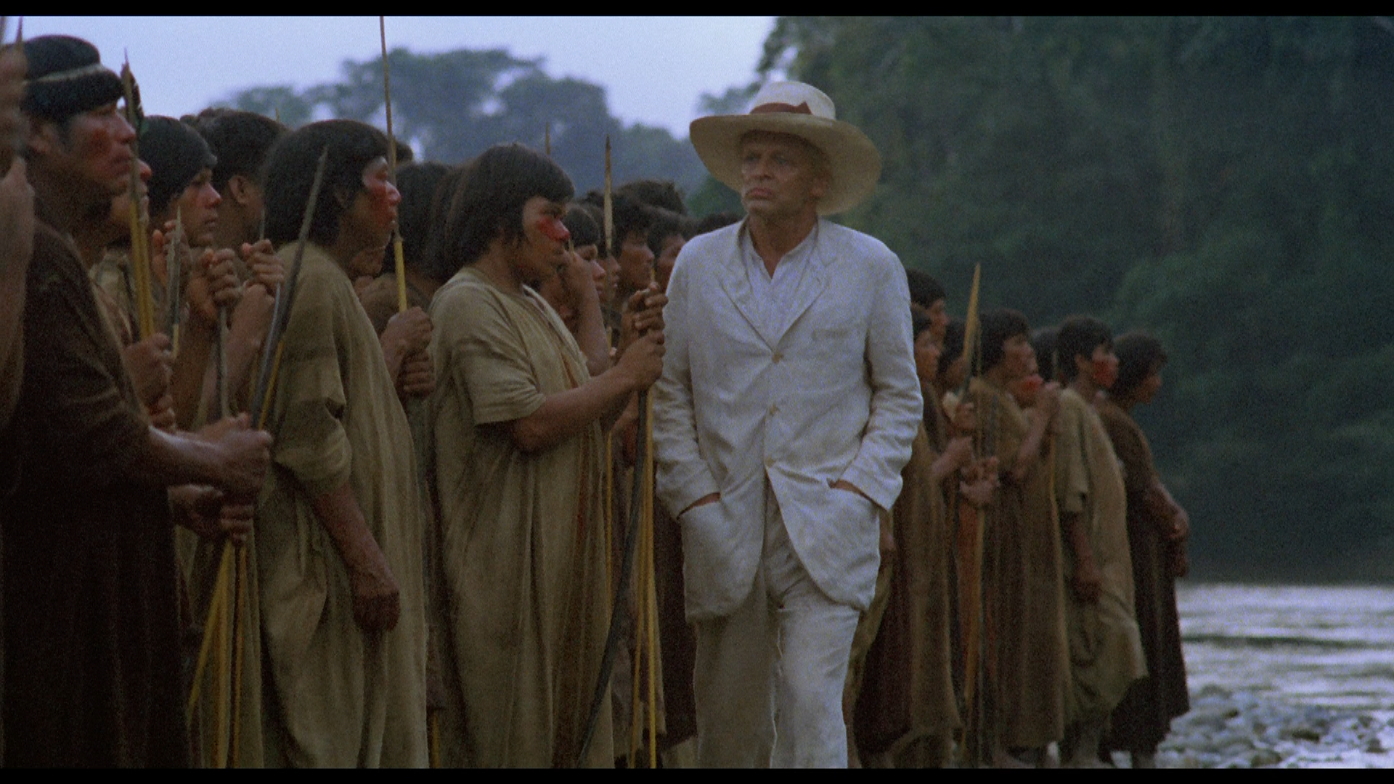 minutes and captures a snapshot of life at the Greater Bible Way Temple, an African-American church in Brooklyn where the title character prepares to give a rousing sermon. The musical performances here are a definitely highlight, reminiscent of the great Say Amen, Somebody released soon after this made-for-TV short. In contrast, the Shout Factory disc features the trailer, a 58-minute conversation between Herzog and Lauren Straub, and a 29-minute vintage "Portrait" doc about the director.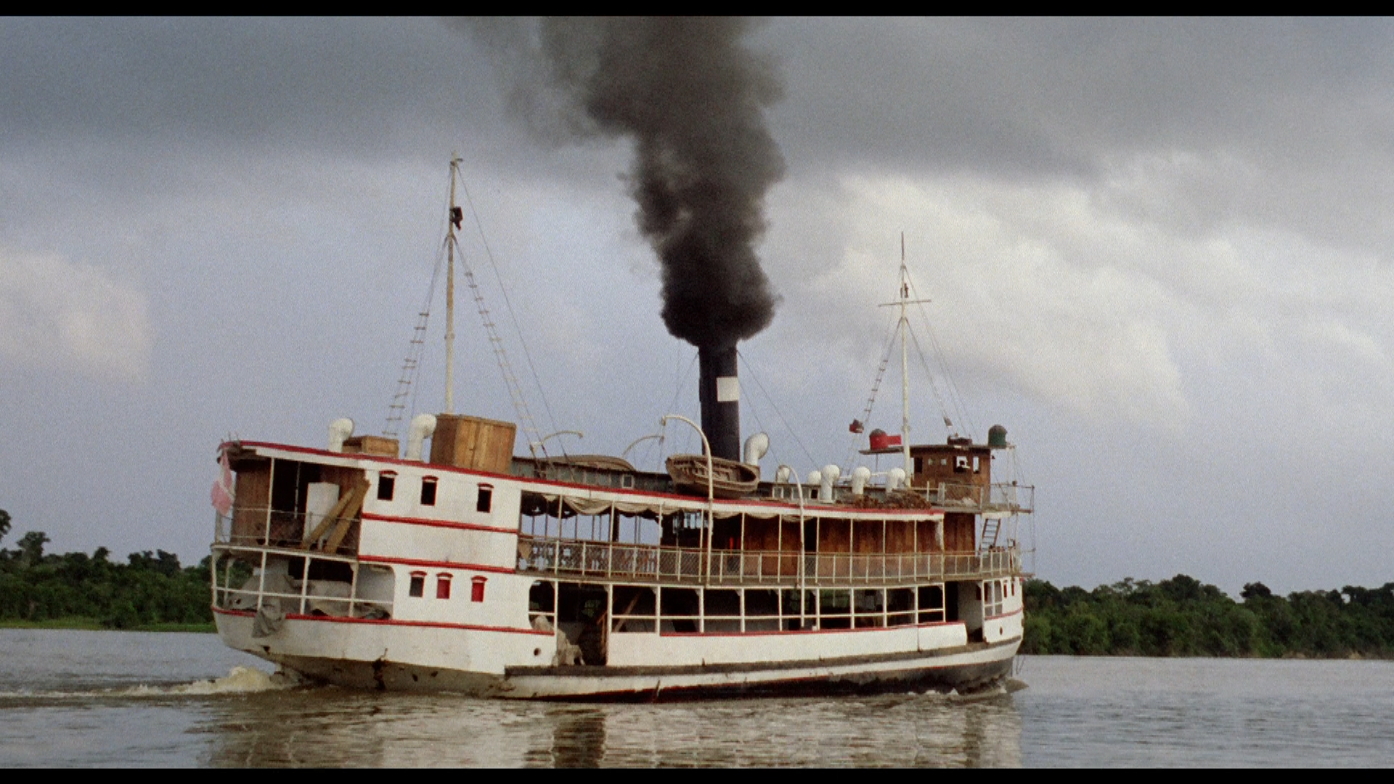
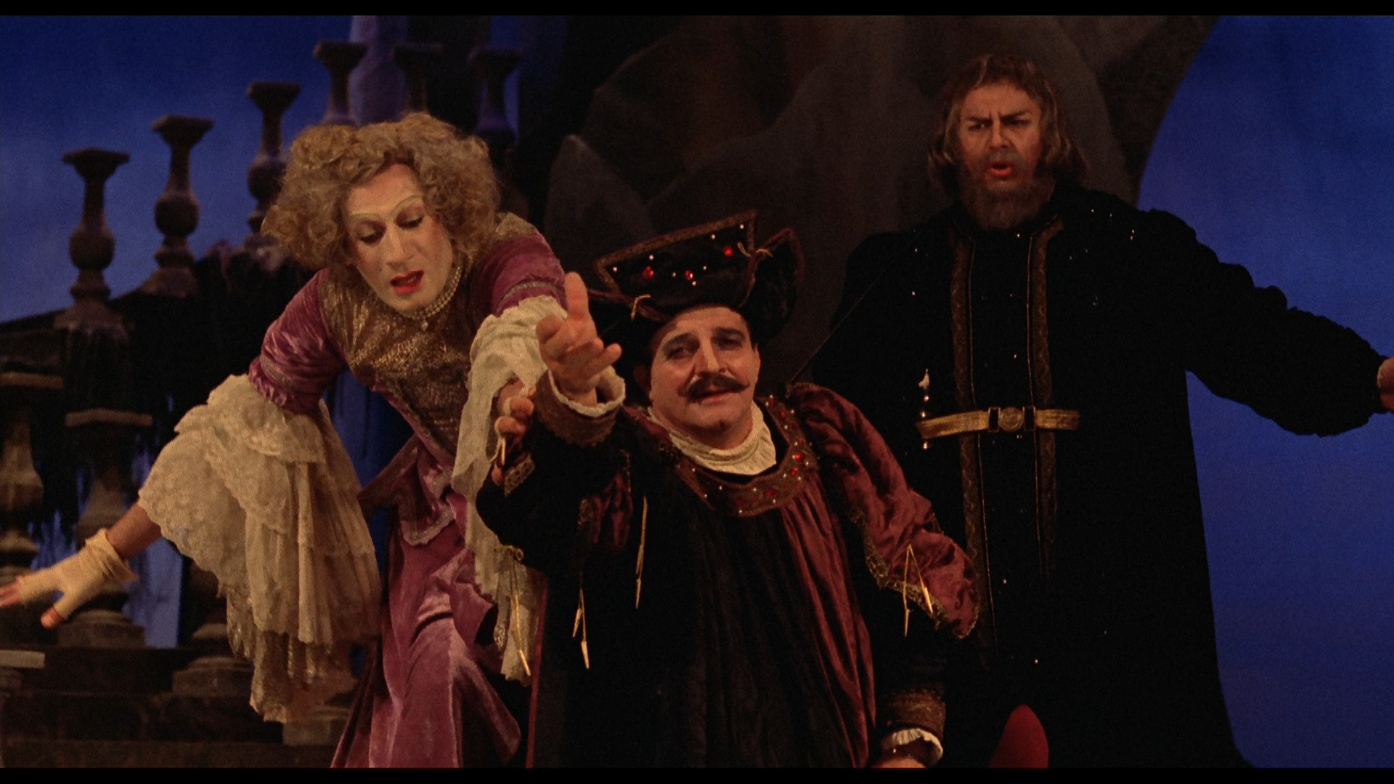
In a career filled with unforgettable, potentially destructive performances, none can compete with the sight of Klaus Kinski in Fitzcarraldo. Here the volatile performer stars as Fitzgerald, a strong-willed and possibly insane opera devotee and rubber baron. Thanks to his powers of persuasion, his lover, Molly (Claudia Cardinale), agrees to front the money from her "respectable" prostitution career for a large steamer. Fitz plans to drag this ship through a South American jungle to establish himself in a previously isolated territory near Iquitos, Peru. Unfortunately, his task involves hauling the gargantuan steamer up a huge mountain, a seemingly impossible feat he accomplishes through the local natives (who dub him "Fitzcarraldo"). From the opening scenes, Kinski manages a difficult balancing act which conveys his insane passion for opera (his impassioned plea outside the opera house when he and Molly arrive late to see Enrico Caruso) and the ultimately tender motivations behind his lunatic venture.
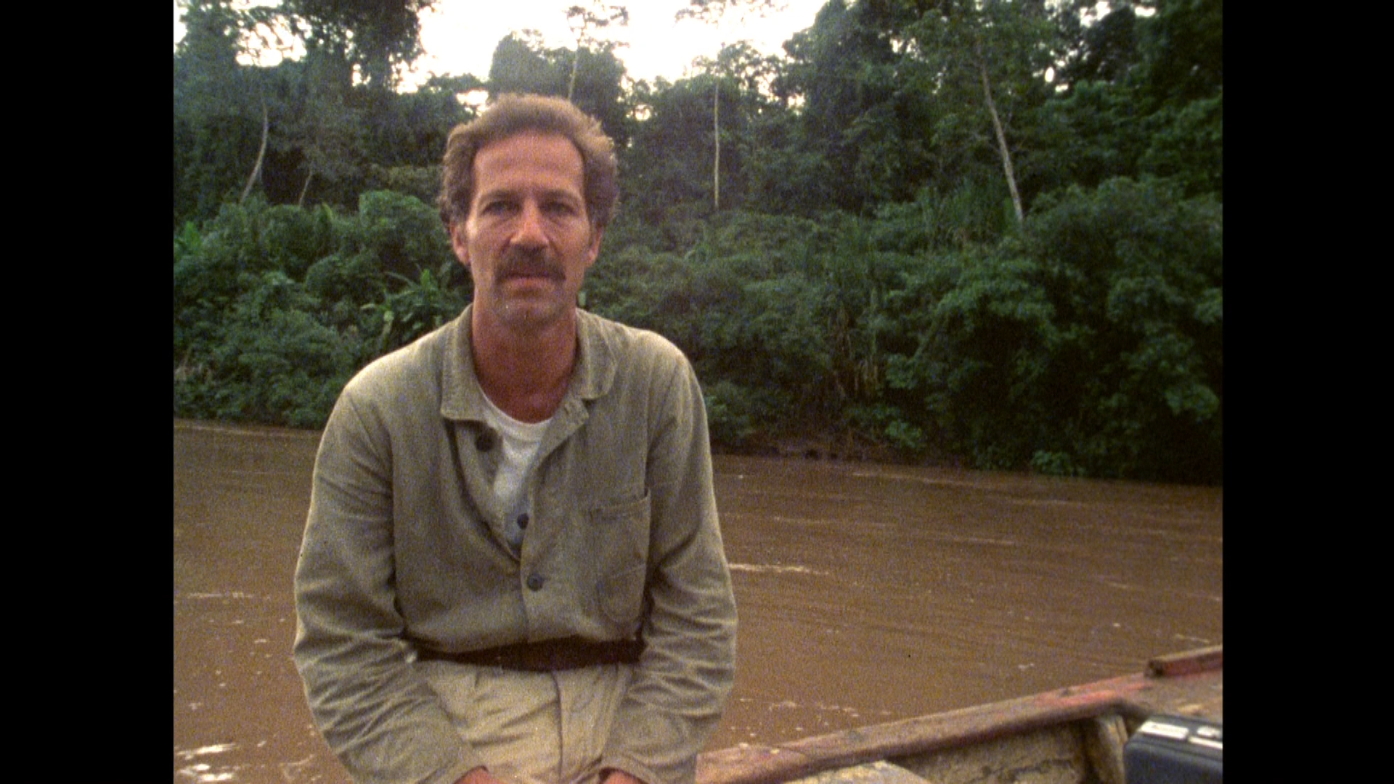
 As with his other Herzog titles, much of this mania was reportedly genuine as the director and star clashed on this production even more than the infamous Aguirre. Various stories abound regarding the injuries and deaths of many participants in the film, with Herzog and Kinski supposedly even squaring off and plotting to do away with each other before the film's completion. Much of this turmoil was documented in the astonishing Burden of Dreams, Les Blank's shattering documentary following the production of the film (whose original stars included
 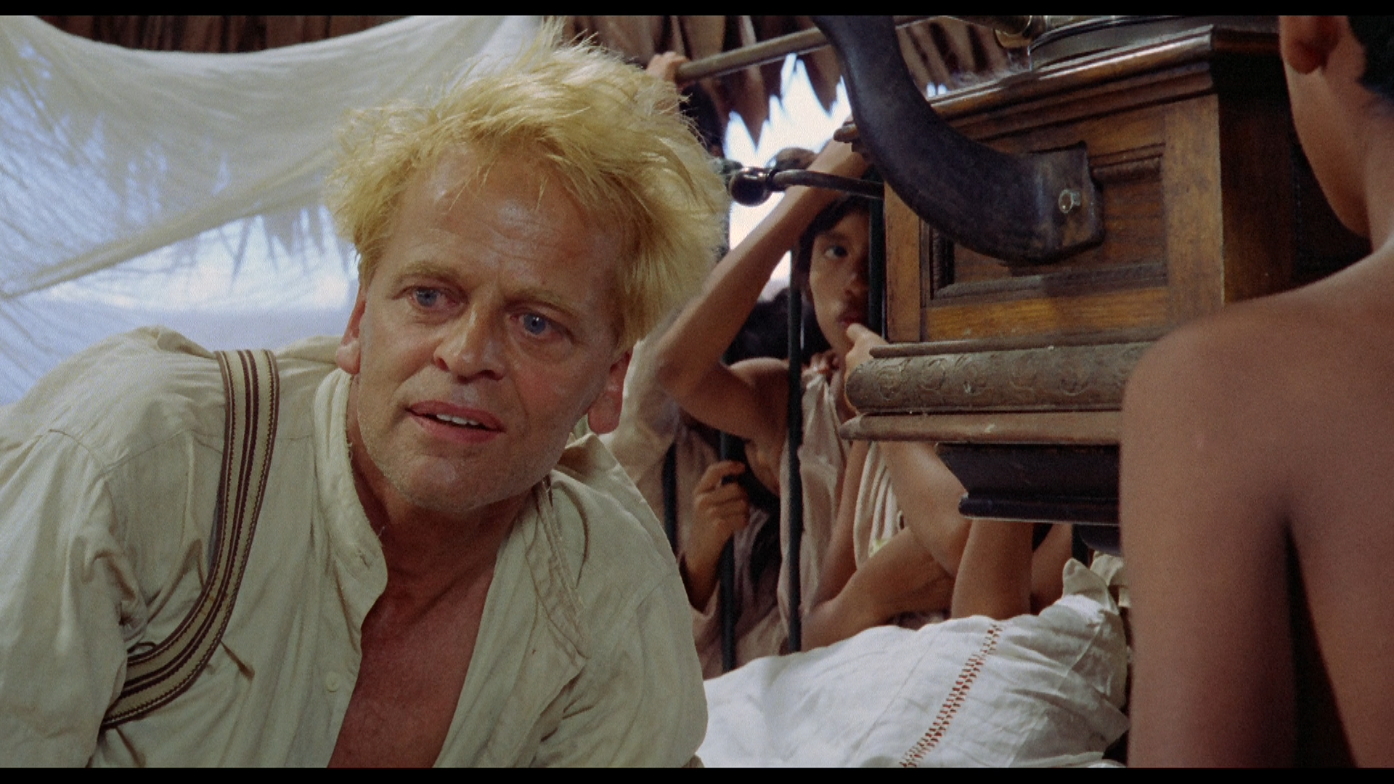 Jason Robards and Mick Jagger!). That essential work is also included as a standalone Blu-ray and DVD in the BFI set (and it looks fantastic), though for rights issues it's missing in the Shout Factory set and has been released separately by Criterion on DVD only in the U.S.
Herzog obviously came back down to earth quite a bit in the following years, and for the Anchor Bay DVD release he recorded a rational, ingratiating commentary which sidesteps some of the more outrageous behind-the-scenes tales. (His producer, Lucki Stipetic, joins on the track as well.) As with all Herzog titles, Fitzcarraldo abounds with stunning, slowly paced imagery which will either captivate audiences or drive them insane, depending upon one's personal tastes. For the patient, the film offers a number of rich rewards, culminating in the unforgettable dual climaxes (one physical, the other emotional) which rank as some of Herzog's finest filmmaking ever. Popol Vuh provides yet another hypnotic, unforgettable score, laced as usual with opera and classical selections, and the entire cast ranging from professionals to memorable amateurs seems entirely convincing throughout. The Blu-ray edition from the BFI is easily the most visually impressive option, injecting new life into a sometimes problematic film with a wide range of textures or light levels; the film grain looks 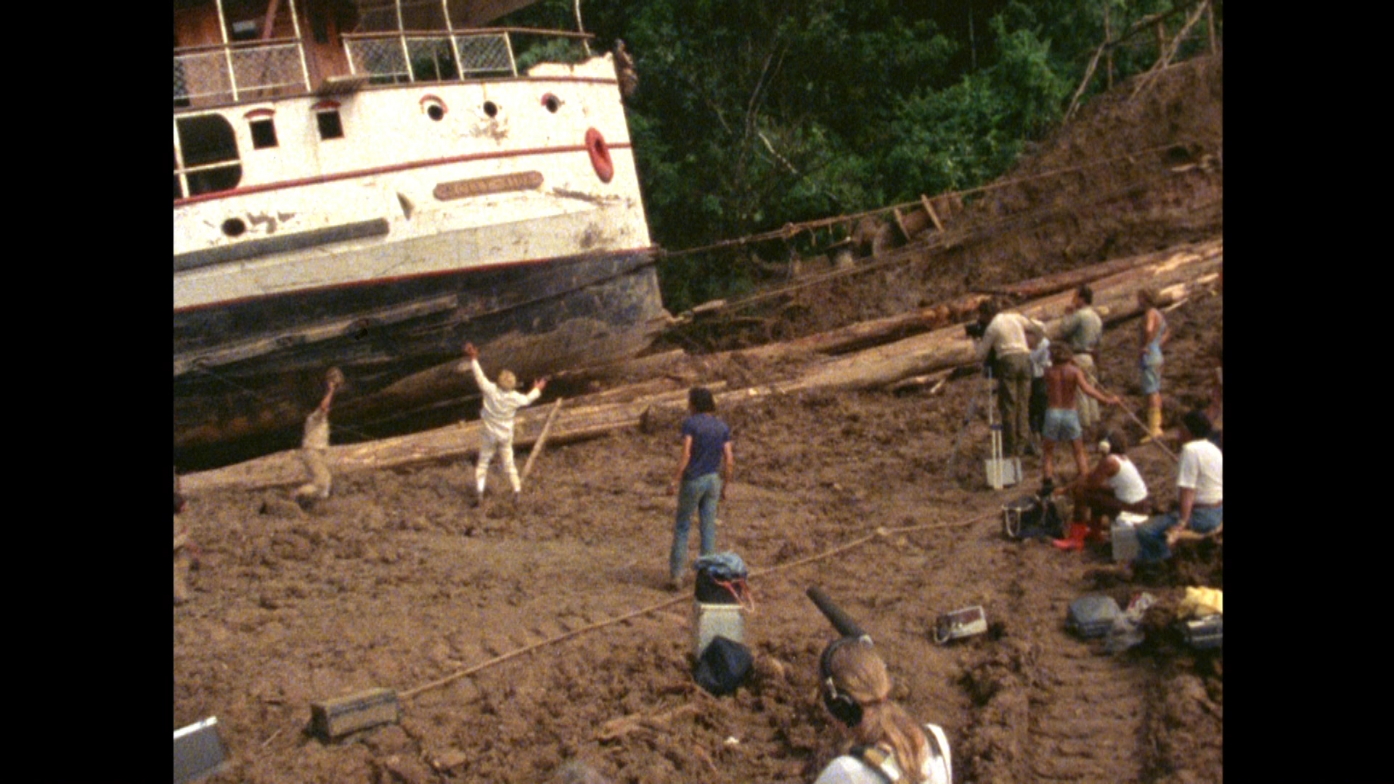 natural, colors are highly impressive, and the audio options include 5.1 and mono DTS-HD options for the German and English audio tracks with optional English subs. The English version is actually more satisfying as it conforms to both Kinski and Cardinale's voice performances, but either one is workable. The commentary and trailer appear on both Blu-rays, but the Shout Factory one is hobbled by the same problematic, overzealous noise reduction found on their versions of Aguirre and Nosferatu, presumably due to the masters they were given. However, it also adds a
  Herzog commentary in German with Laurens Straub (with subtitles), a nice touch.
As mentioned above, Burden of Dreams is also a standalone disc in the BFI set, and for extra fun the Blu-ray also includes an HD rendering of Les Blank's famous 20-minute "Werner Herzog Eats His Shoe." It's exactly what it describes: a live event in conjunction with a distributor-courting screening of Errol Morris's Gates of Heaven, for which the filmmaker boiled and consumed his footwear. In between he expounds upon his views about media and the world around him, plus a few cooking tips. Also included are two theatrical trailers for Burden of Dreams and a 55-minute episode of the South Bank Show with Herzog visiting the U.K. and discussing his creative process.
The alarming decline in American arthouse cinema after the '70s is unmistakable when one considers that latter day projects by Fellini, Kurosawa, Antonioni, and other masters remained either unreleased or thrown away in minor showings many years later outside their native countries. Most incredibly, the final Werner Herzog film starring Klaus Kinski, Cobra Verde, never saw the light of American projectors outside of a few isolated film festivals, leaving film fans the only option of seeking out bootleg videotapes to satisfy their curiosity. 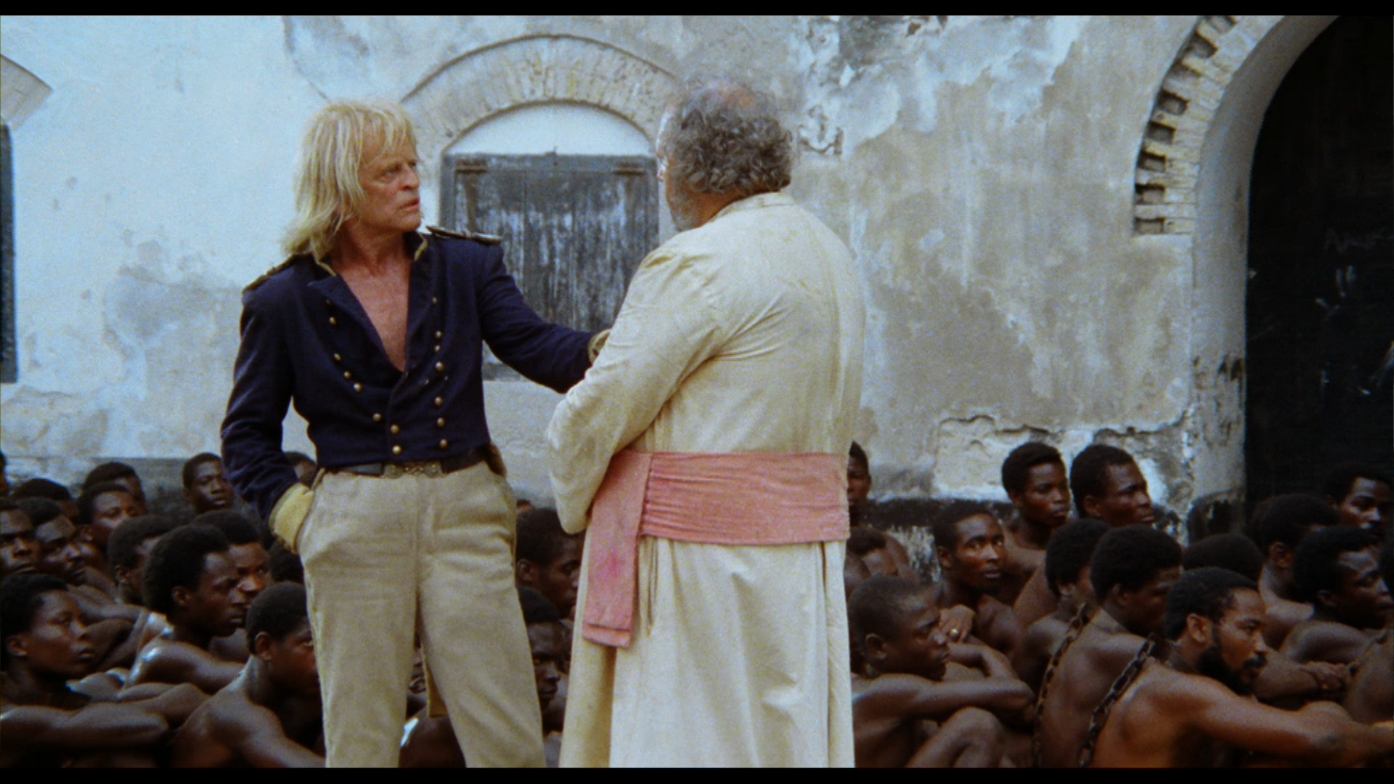 Fortunately the film eventually resurfaced on home video, and while it isn't quite the delirious accomplishment of Aguirre or Fitzcarraldo (how could it be?), this one comes very close at times and serves as a fitting coda to one of the cinema's more unusual partnerships. Francisco Manoel da Silva, an infamous bandit and rebel known as Cobra Verde (or "greensnake"), finds a profitable stint as the slave overseer for a Brazilian plantation owner. Naturally Francisco impregnates his boss' daughters - never a smart career move - and is sent off to the desolate western coast of Africa on a seemingly deadly mission to reopen the slave trade in that area from the treacherous King of Dahomey. Naturally things don't go as planned, with our antihero winning the loyalty of a huge tribe of female warriors in an uprising against the King in what can only be termed a topless version of Zulu. As expected, Francisco winds up
 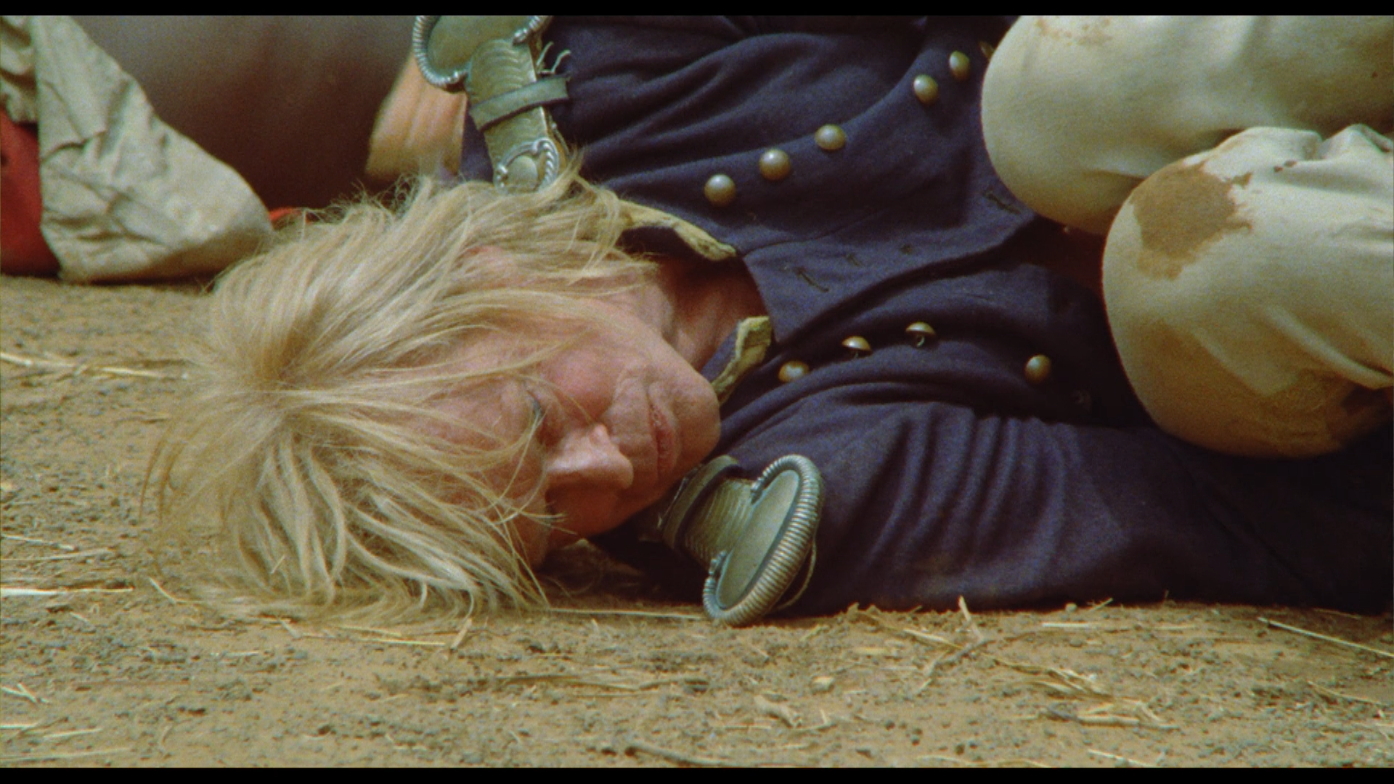 confronting nature itself and his own internal demons in the unforgettable final act.
A lengthy opening conversation lit only by a single flickering candle is just one of the many carefully lit scenes that recall some of Herzog's past achievements, and the HD upgrade goes it justice along with the more overtly impressive scenes involving bright sunlight blazing across scores of native extras. Herzog once again returns for a lively commentary track in which he discusses his final cinematic hour with Kinski, who was becoming quite impossible by this point and was evidently not up for another round with the demanding director. Unlike Fitzcarraldo, this was actually filmed in German; the Anchor Bay disc lavished a 5.1 treatment only on the German track, but the DTS-HD German and English options in stereo are authentic to the original source and work better. The score by Popul Vuh has rarely been heard but is extremely effective in creating an otherworldly sense of space and time, benefiting the most from the two-channel separation. Incidentally, the English dub track is generally a mess with the native sequences presented with subtitles and Kinski's dialogue sequences sloppily dubbed. The BFI disc also includes "God's Angry Man," a 46-minute short from 1980 about TV preacher Dr. Gene Scott, a silver-maned, ostentatious personality whose public access rants try to badger more money out of viewers and built sentiment against the FCC. Oddly, it's in English with a German (subtitled) voiceover covering much of the action, rendering everything even 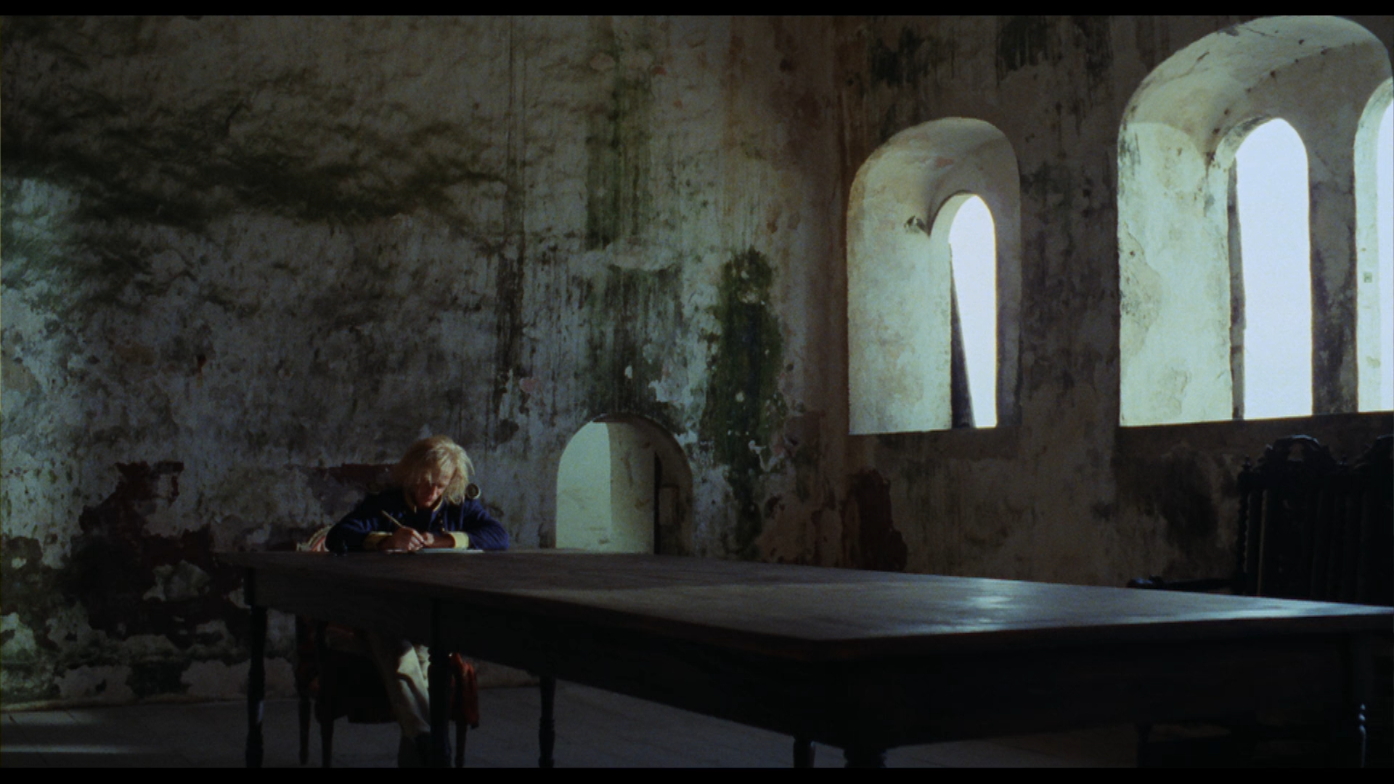 more surreal than usual. On the other hand, the Shout Factory version has another Herzog/Straub conversation (just under an hour) and a 45-minute vintage doc about the shoot in Africa; both have the same commentary and trailer.
So in total, the BFI set has nine feature films and a batch of shorter features not included elsewhere: "The Unprecedented Defence of the Fortress Deutschkreuz," "Last Words," and "Precautions Against Fanatics" (more on those in the Aguirre review linked above), "Handicapped Future," "The Great Ecstasy of Woodcarver Steiner," "How Much Wood Would a Woodchuck Chuck," "Huie's Sermon" and "God's Angry Man." There's also an illustrated booklet that deviates from the usual BFI format by instead including one essay by Laurie Johnson covering the entire scope of the films in one piece, helpfully breaking down some continuing themes and motifs.
The Shout Factory set has some exclusive features, two of them holdovers from the Anchor Bay days. Herzog's first feature, Even Dwarfs Started Small, is the very definition of a weird movie right to its core. Sporting a cast consisting entirely of little people (think Terror of Tiny Town via Godard), the film posits a world populated entirely by dwarfs and midgets where all of society's rules begin to break down in favor of a new world order. A linear plotline would be impossible to describe, but it focuses primarily on an institution where the dwarfs and midgets have begun a war between each other. The escalating insanity consumes their supervising wardens and the animals surrounding the institute. Chickens are tossed through windows, the dwarfs mount a huge dead pig, a monkey is crucified to boards (an image memorably duplicated by Nine Inch Nails), cars are decimated and torched, and in the unforgettable final scene, Hombre, the happiest of midgets, chortles hysterically for several minutes on end as he waits for a camel to relieve itself. Fans of Jodorowsky should eat this one up. Shot in grainy black and white and presented in its original full frame aspect ratio, the film looks similar to other semi-comical monochromatic nightmares as Begotten, Eraserhead, and Tetsuo the Iron Man. There's also a commentary track by Herzog with Hill and actor Crispin Glover (who also contributed the Anchor Bay liner notes when it hit DVD). Obviously a labor of love, the commentary is more edgy and nostalgic than Herzog's other discussions as he recalls the outlandish circumstances surrounding the making of the film. The infamous cactus patch episode is well covered, but there are plenty of other surprises lurking inside, too.
Also in the Shout set is My Best Fiend, Herzog's candid and wildly entertaining 1999 documentary about working with Kinski, the creative partner with whom he will be most often associated for eternity. Many famous directors have that one special actor with whom they become linked: John Ford and John Wayne, Federico Fellini and Marcello Mastroianni, John Waters and Divine. Of course, at least as far as we know, John Wayne and John Ford never pulled guns on each other during a shoot, nor did they haul a steamship over a mountain in a rainforest. The end result here is an oddly tranquil attempt to make sense of his relationship with Kinski, a sort of cathartic, nostalgic piece of therapy on film. It's entirely subjective and possibly unreliable, but this documentary offers the most fascinating and piercing look into the infamous lunacy of this partnership to date. My Best Fiend begins with a creepy excerpt of Kinski's early "Jesus Tour" in which he spastically insults his audience. Apparently believing himself to be a genius, a modern day Christ, and Paganini at different points in his life, Kinski was notoriously difficult to manage during filming but displayed a softer side as well to his female co-stars, at least according to recent interviews with the likes of Cardinale. The bulk of the film consists of Herzog popping in at historically significant places in Germany and revisiting the locations of their films, particularly Aguirre. Along the way he offers jaw-dropping anecdotes about their five films together, from sleeping in huts stuffed with guinea pigs being bred for food to dealing with natives who hated Kinski so much they offered to conveniently kill him before the shoot ended. As reprehensible as he may have been as a human being, Kinski doesn't come off as all bad; Herzog relates their tender moments of friendship together, and the film closes with a beautiful, haunting sequence involving a butterfly that lingers in the mind long after the end credits. Naturally Kinski is no longer with us to offer his side of the story, but for the benefit of mankind, perhaps that's just as well. Also exclusive to the Shout set are the 46-minute TV doc Ballad of the Little Soldier, the same year's excellent Australian doc Where the Green Ants Dream, the disturbing mini-feature Lessons of Darkness (originally out on DVD paired up with Fata Morgana), and Herzog's 1997 "comeback" documentary , Little Dieter Needs to Fly, which he later remade with Christian Bale as Rescue Dawn. In their own way, both sets are absolutely essential and highly recommended for any fan of world cinema.
