
Color, 1975, 89m.
Directed by D'Urville Martin
Starring Rudy Ray Moore, D'Urville Martin, Jerry Jones, Lady Reed, Brenda DeLong
Vinegar Syndrome (Blu-ray & DVD) (US R0 HD/NTSC) / WS (1.78:1) (16:9), Xenon (DVD) (US R0 NTSC)
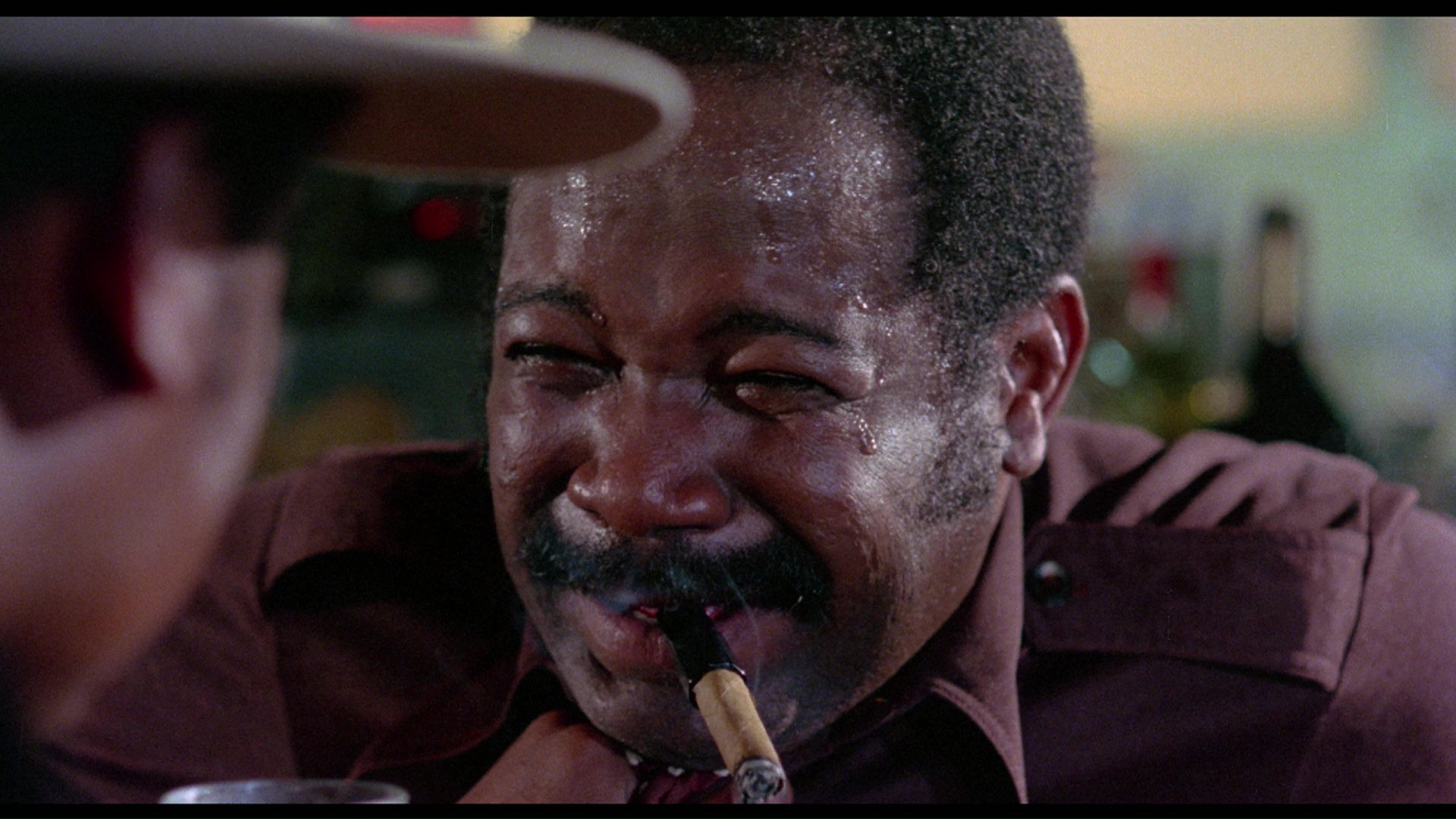
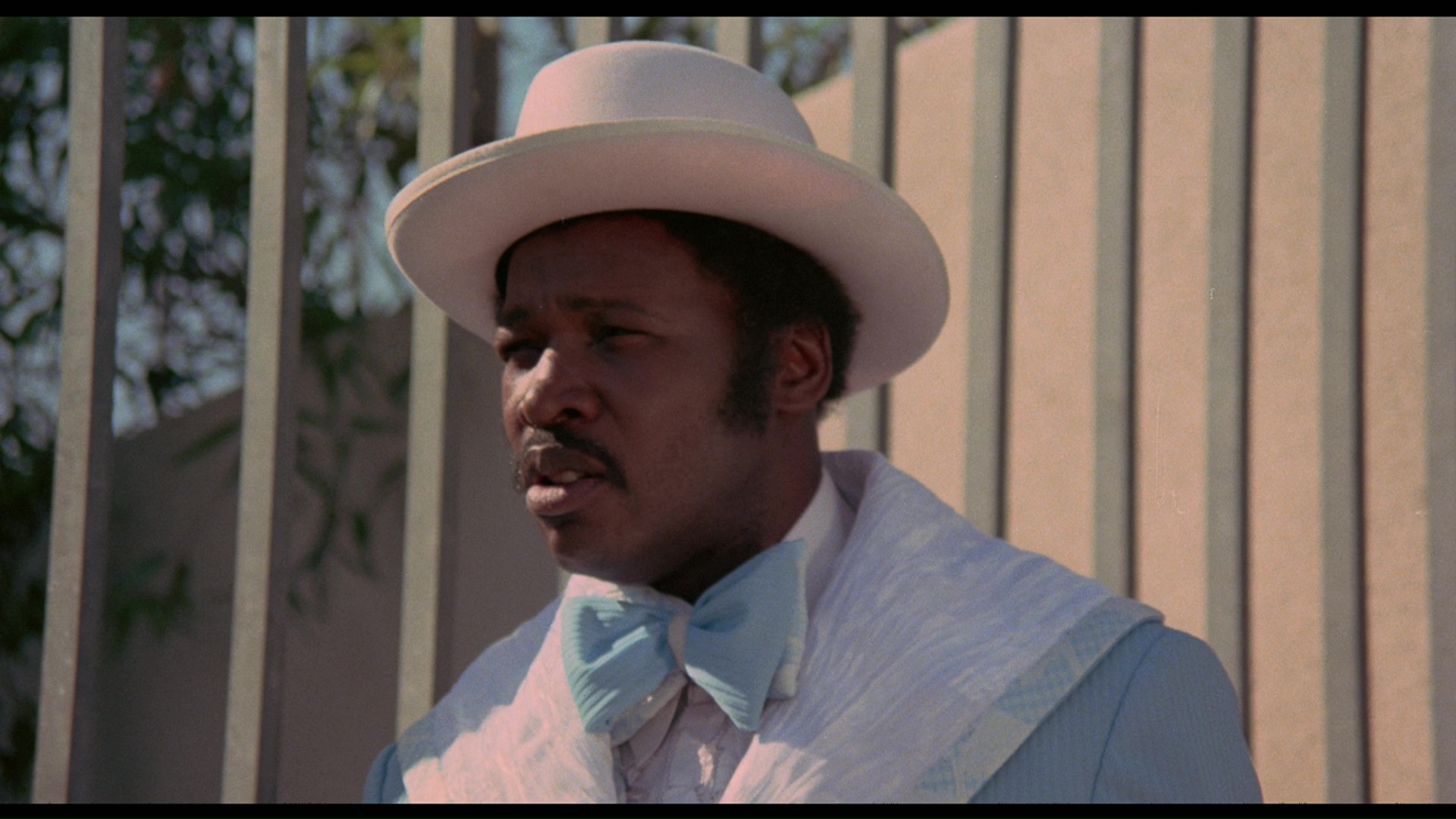 Nothing else in the annals of blaxploitation can really be compared to the films of Rudy Ray Moore, and the one that will always keep his legend alive is Dolemite, a hilarious, fast-paced action film based on a character already established in Moore's bestselling comedy albums. Moore created the "mack" character of Dolemite, a crafty, foul-mouthed crime boss stud who raps stories to the masses and kicks serious butt whenever he gets the urge.
 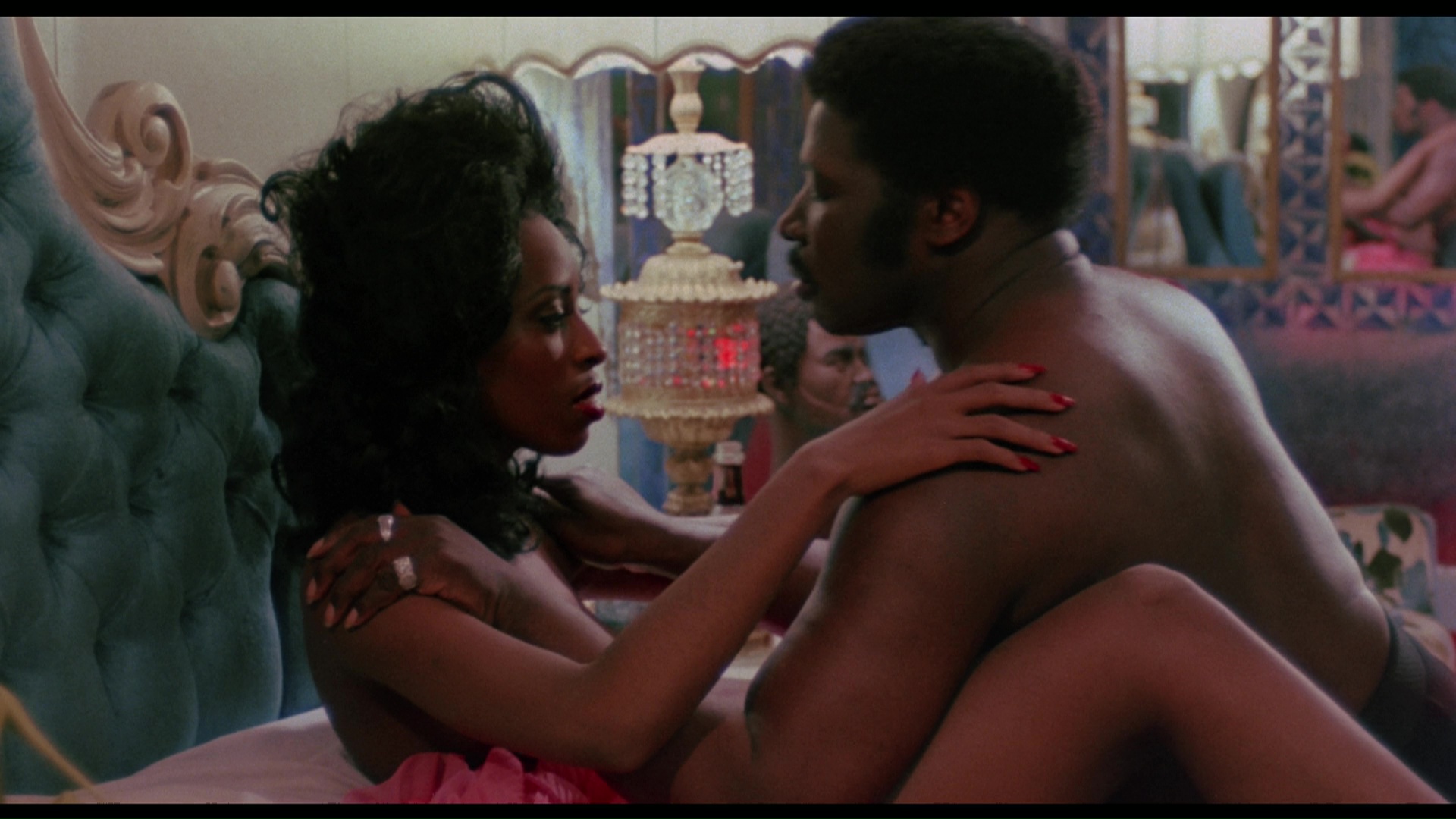 With no previous acting experience, Moore seems to be reading cue cards throughout and usually throws his punches and kicks several feet away without
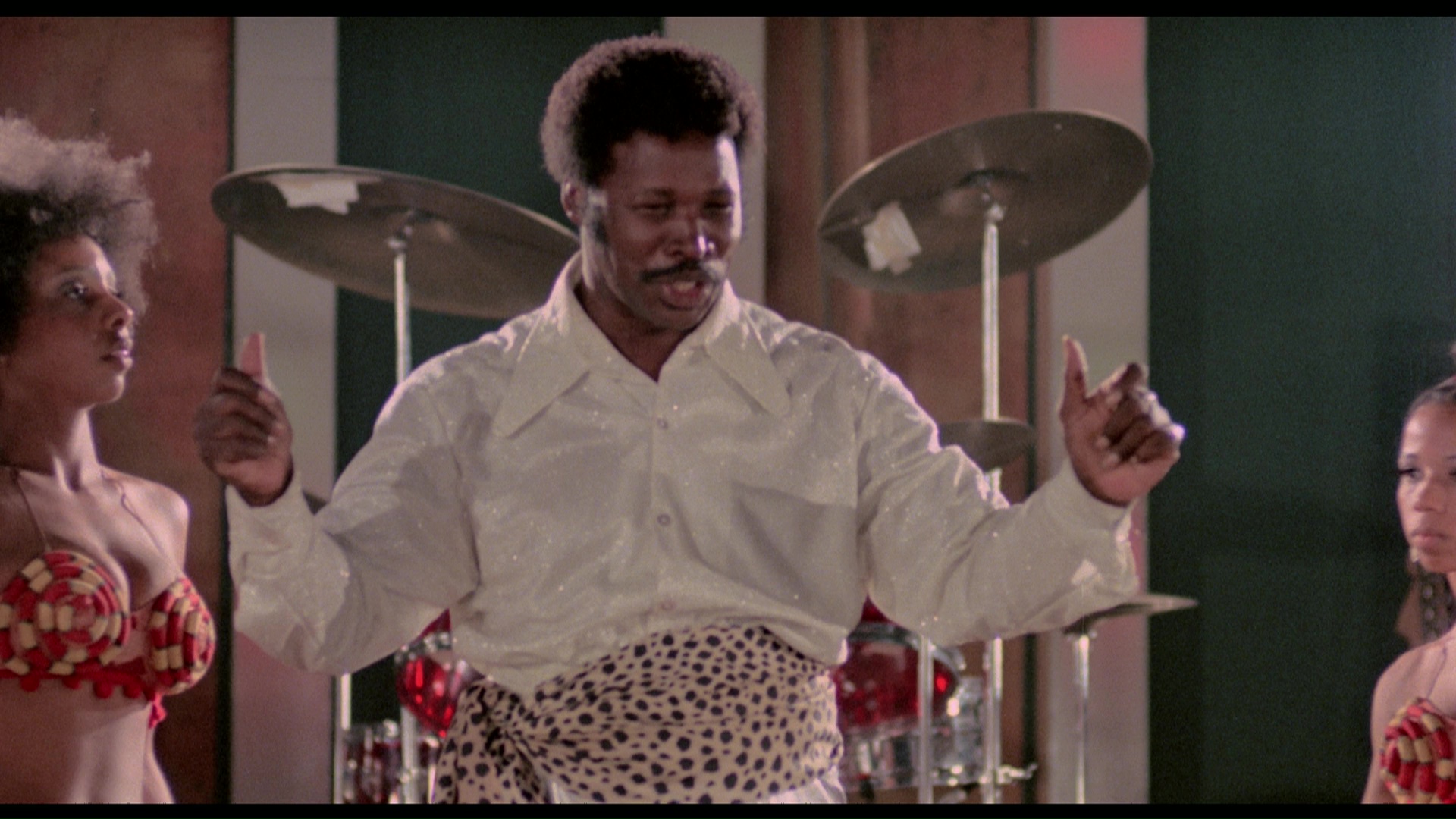
 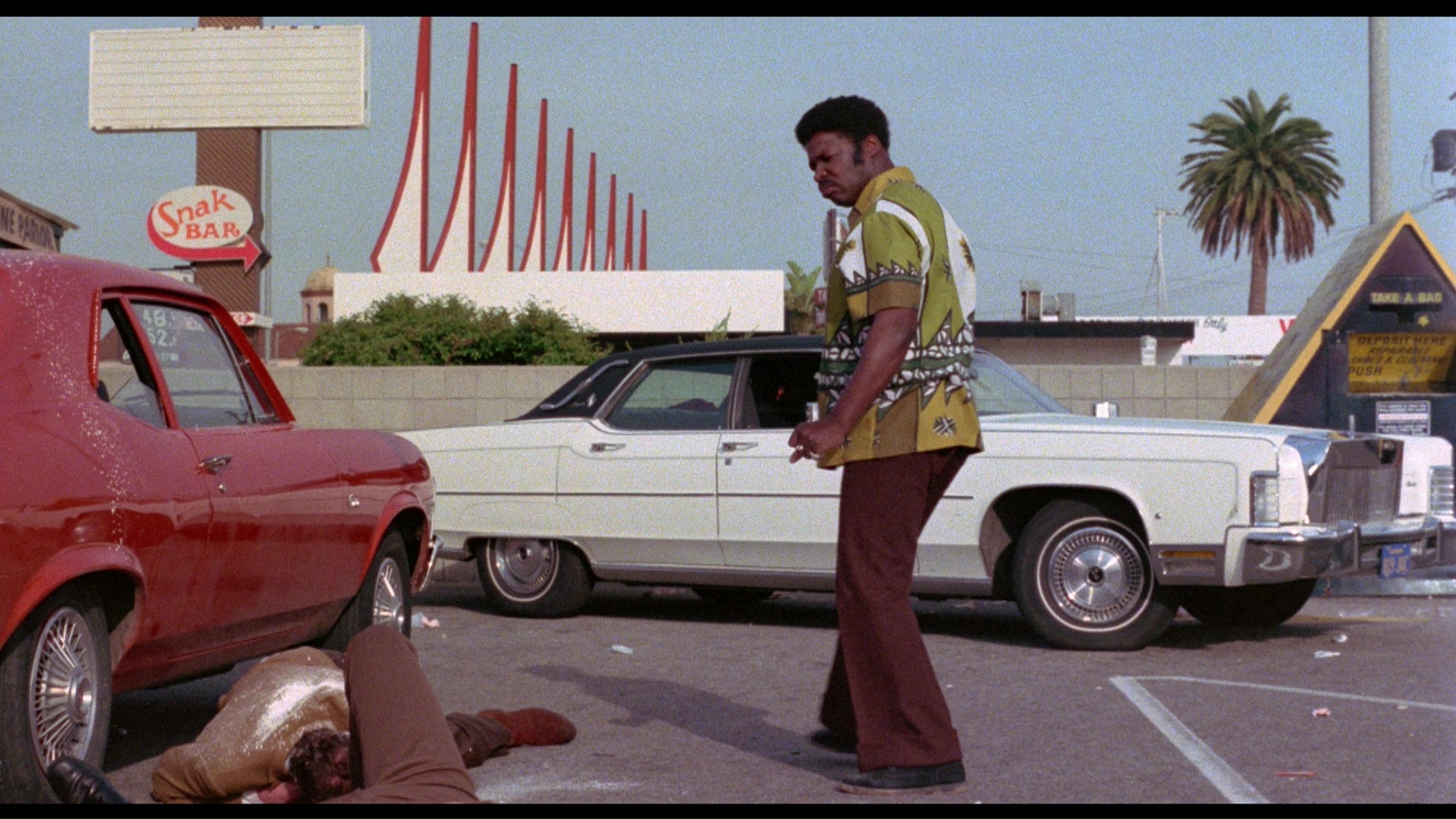 ever connecting with his opponents. Put simply, this is one great party movie: Moore's nasty rap numbers, his nonsensical and profane put downs, and heavy doses of comical sex and violence make for one seriously fun and highly bizarre ride. On top of that you get a great roster of supporting actors, many of whom would pop up in his later '70s films (all of which are essential).
  Vinegar Syndrome's
 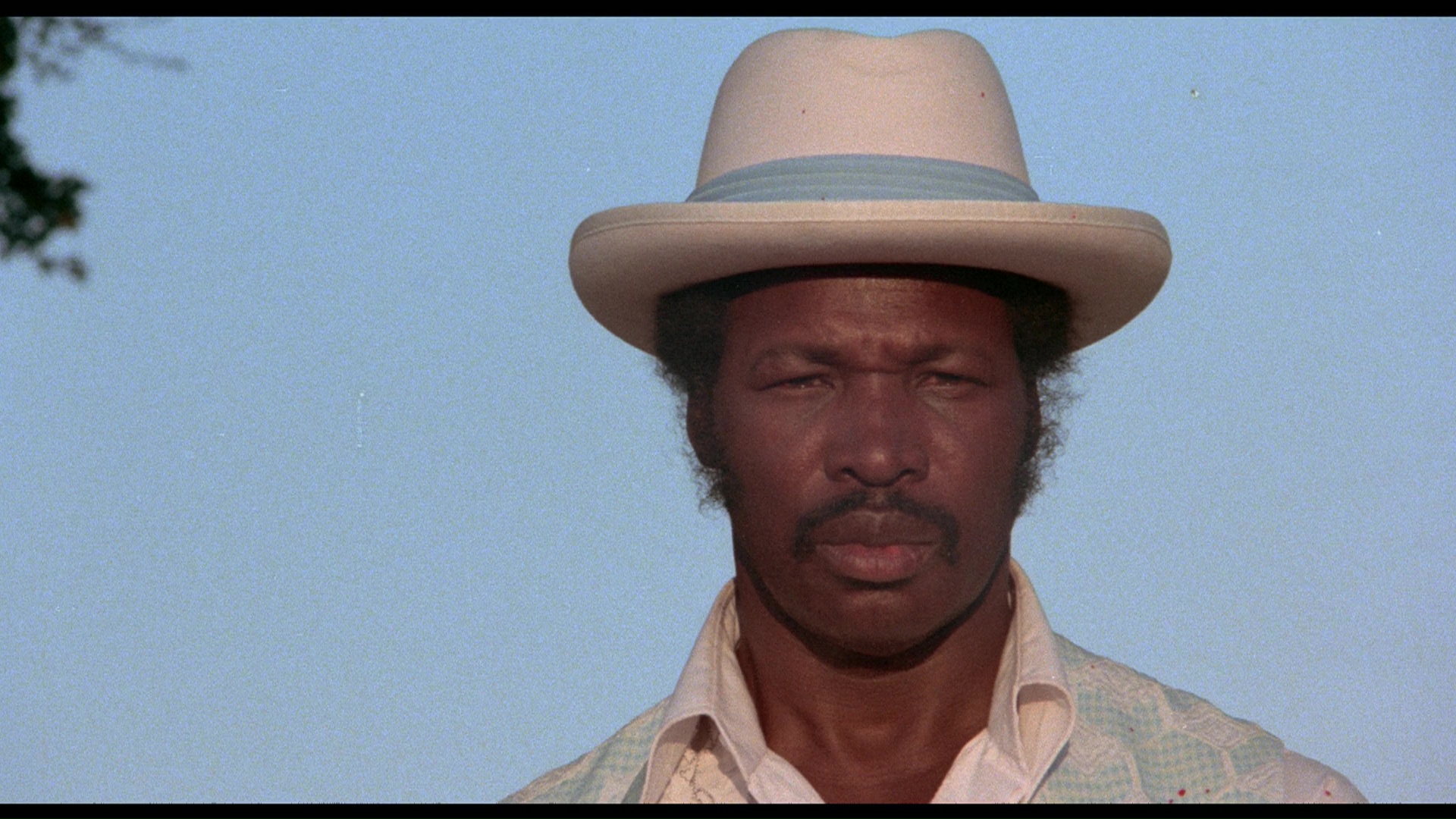 Blu-ray/DVD combo, which gives the film a much-needed HD overhaul that catapults beyond anything we've had before. Scanned in 2K from the original negative, it looks great with the correct theatrical framing giving it a more professional polish (as well as matting out all those "goofs" that drew unintentional laughter in past transfers). However, for the sake of completeness the open matte version is included from the same scan as well so you can still see that boom mic in all its glory. (Here's a sample shot.) A "historical commentary" is also provided by Moore's biographer, Mark Jason Murray, who talks quite a bit about his own history with Moore over the years up to his death and rattles off a dizzying array of facts about how the film evolved out of his stage act. The 24-minute "I, Dolemite" covers the genesis of Moore's career using excerpts from at least three interview sessions with the late legend, plus appearances by Murray, cinematographer Nicholas Von Sternberg, actor John Kerry, Lady Reed, and friend and co-star Jerry Jones, covering everything from Moore's early days in radio and music business through his disappointment with Martin's directing of this film, which Moore financed with all of his album profits, before it went on to become a major box office hit. A separate interview with Lady Reed shot on a camcorder is also included, running 23 minutes as she discusses her start working as a comedian with Moore, her comedy records (both her and Moore's adorn the background), and the success they found through grassroots marketing of their routines. A very brief (less than two minutes) location featurette compares their appearance in the film to their current state in Los Angeles, and the theatrical trailers for this film (one of the greatest ever created) and The Human Tornado are also included. An astonishing start to Vinegar Syndrome's revival of Moore's '70s work, this should leave you clamoring for the next three films as fast as possible.