 '50s shockers like Village of the Damned and The Bad Seed with a more explicit
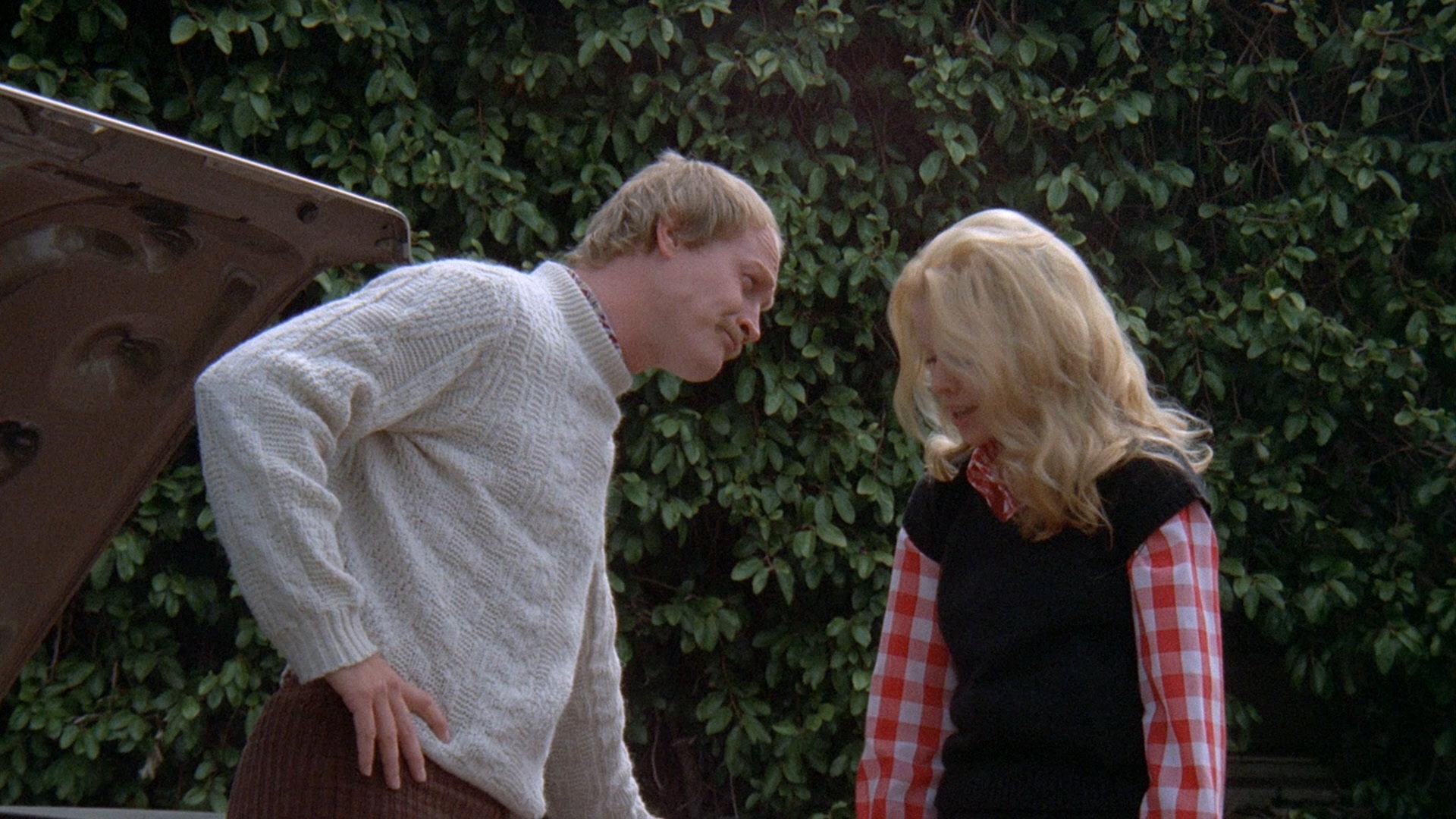
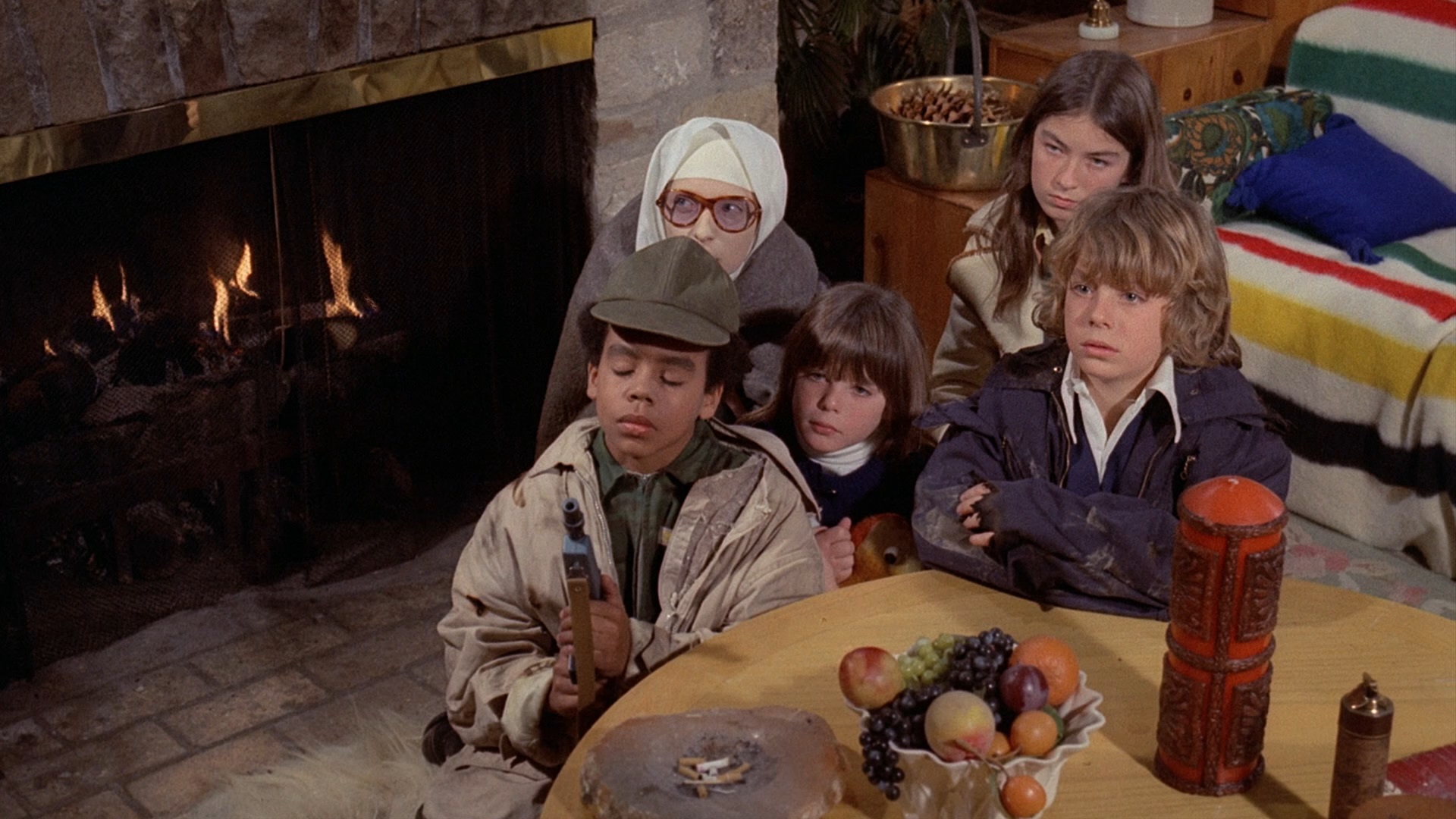
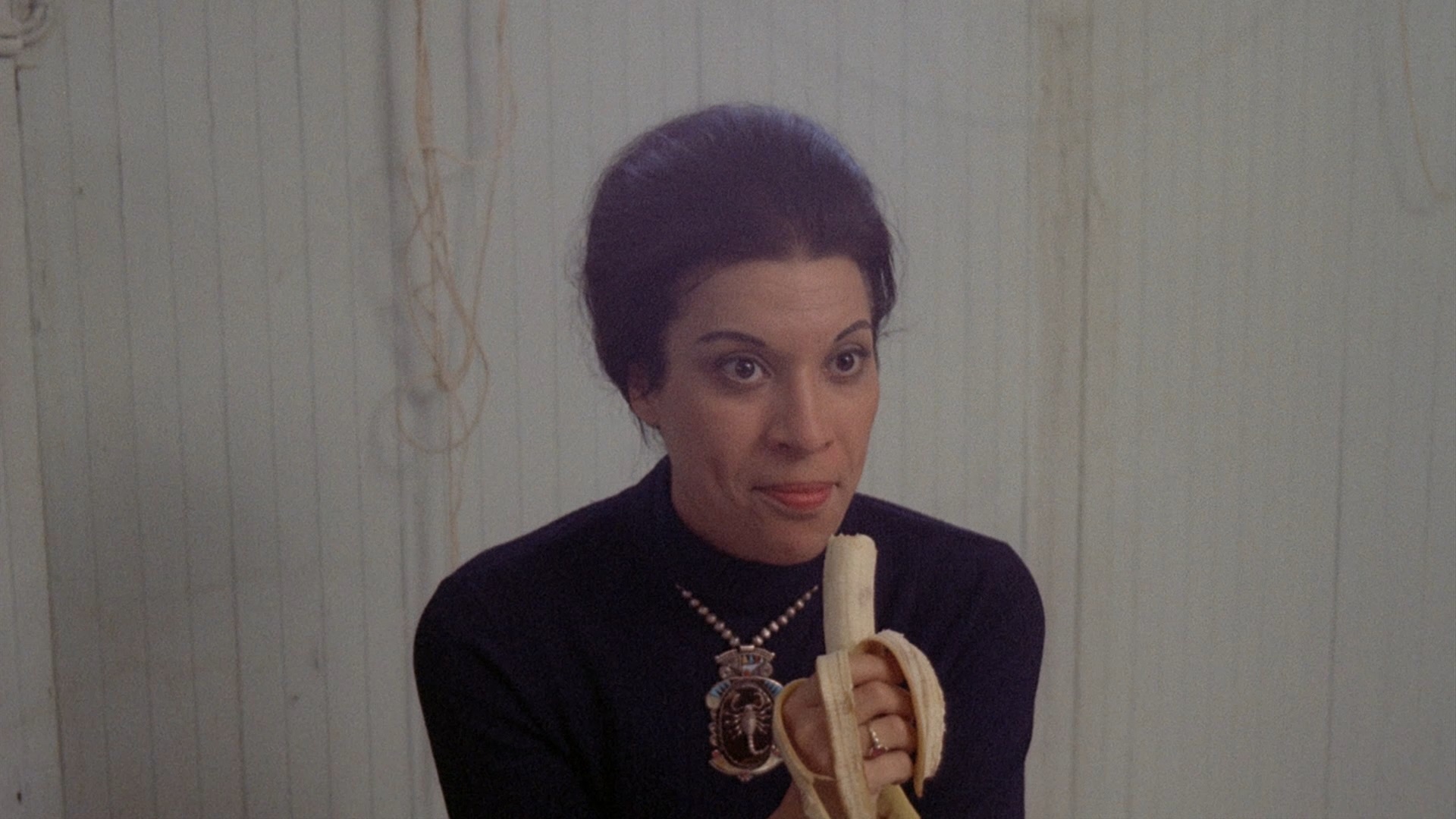
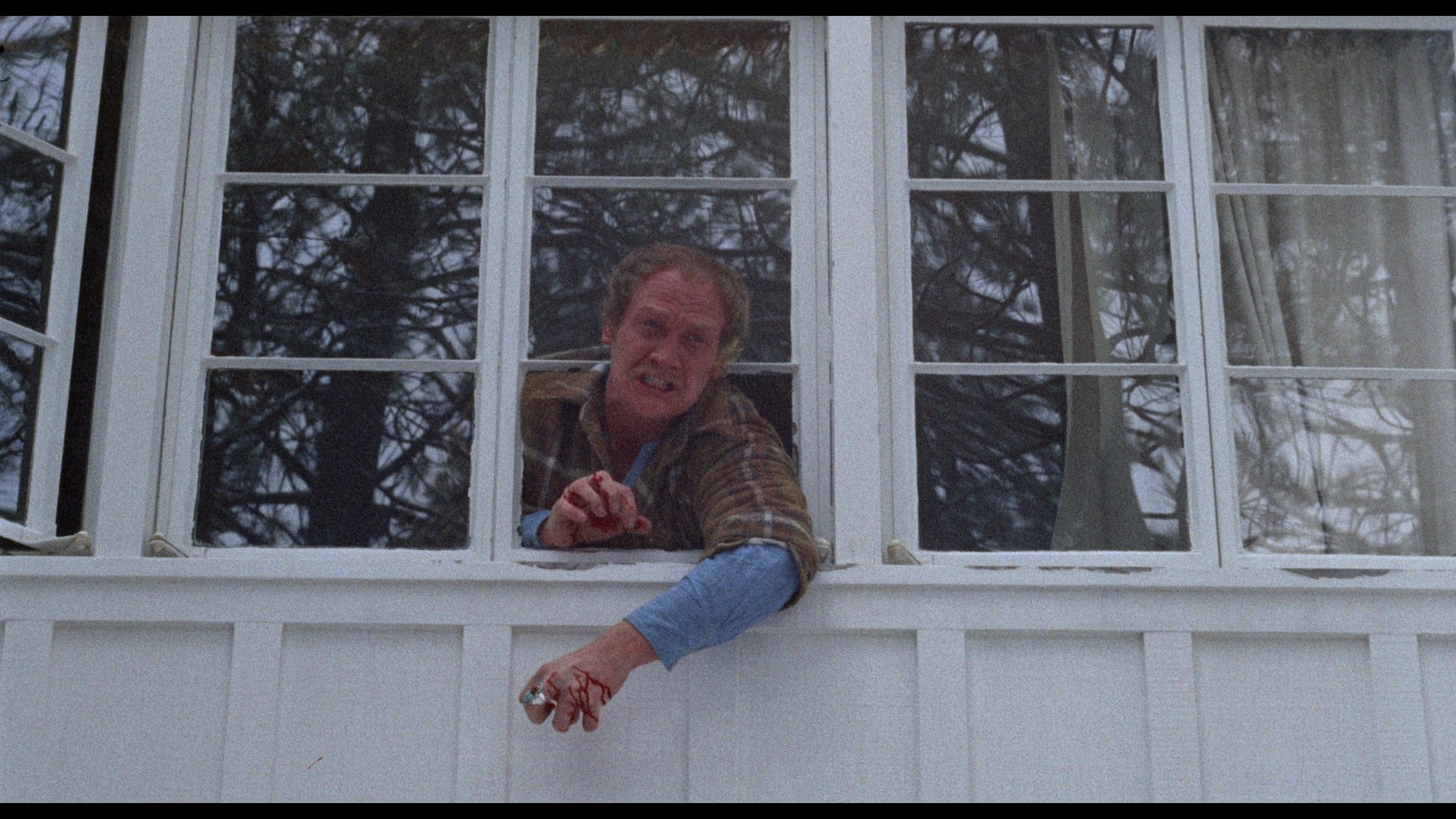
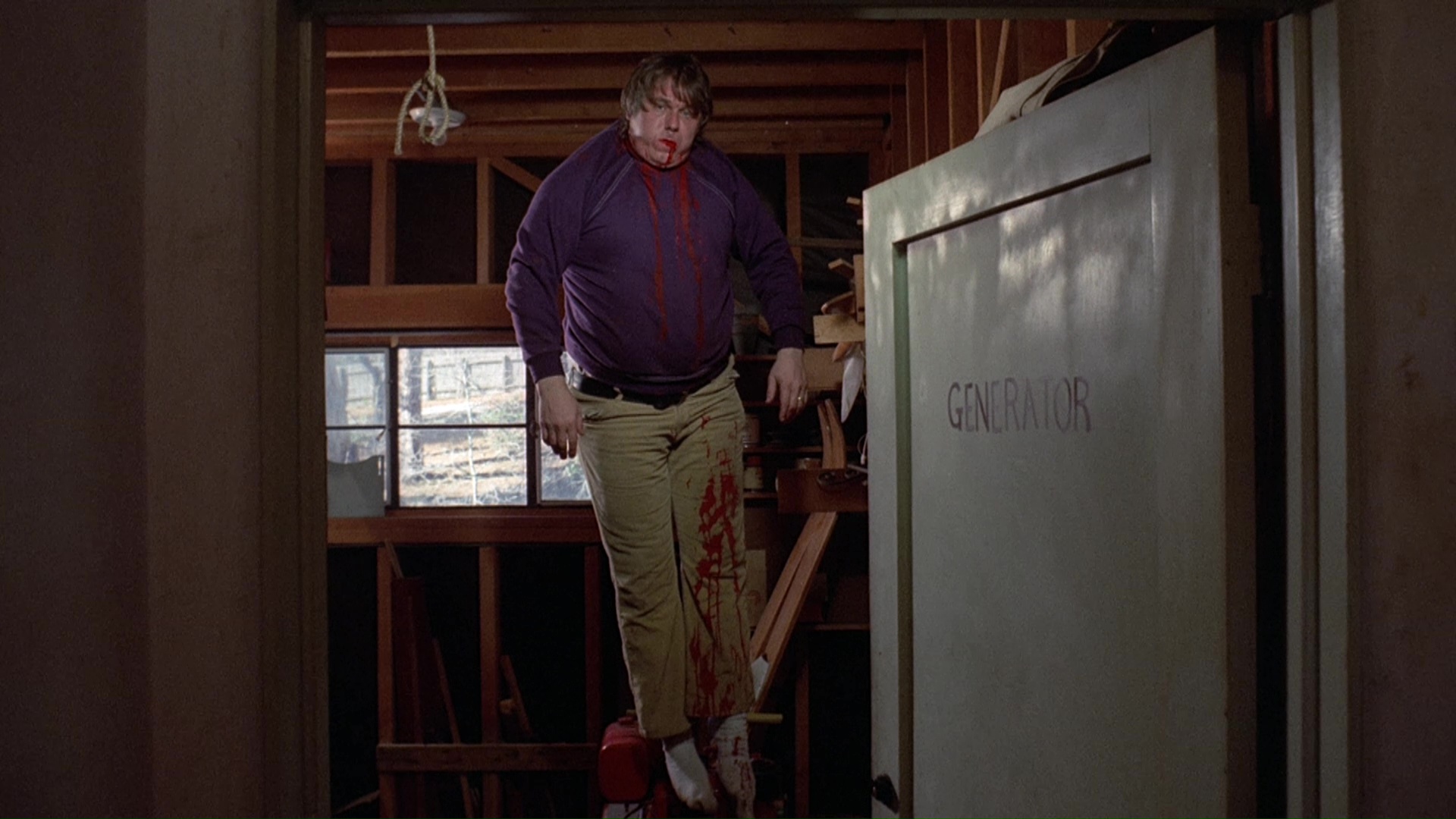
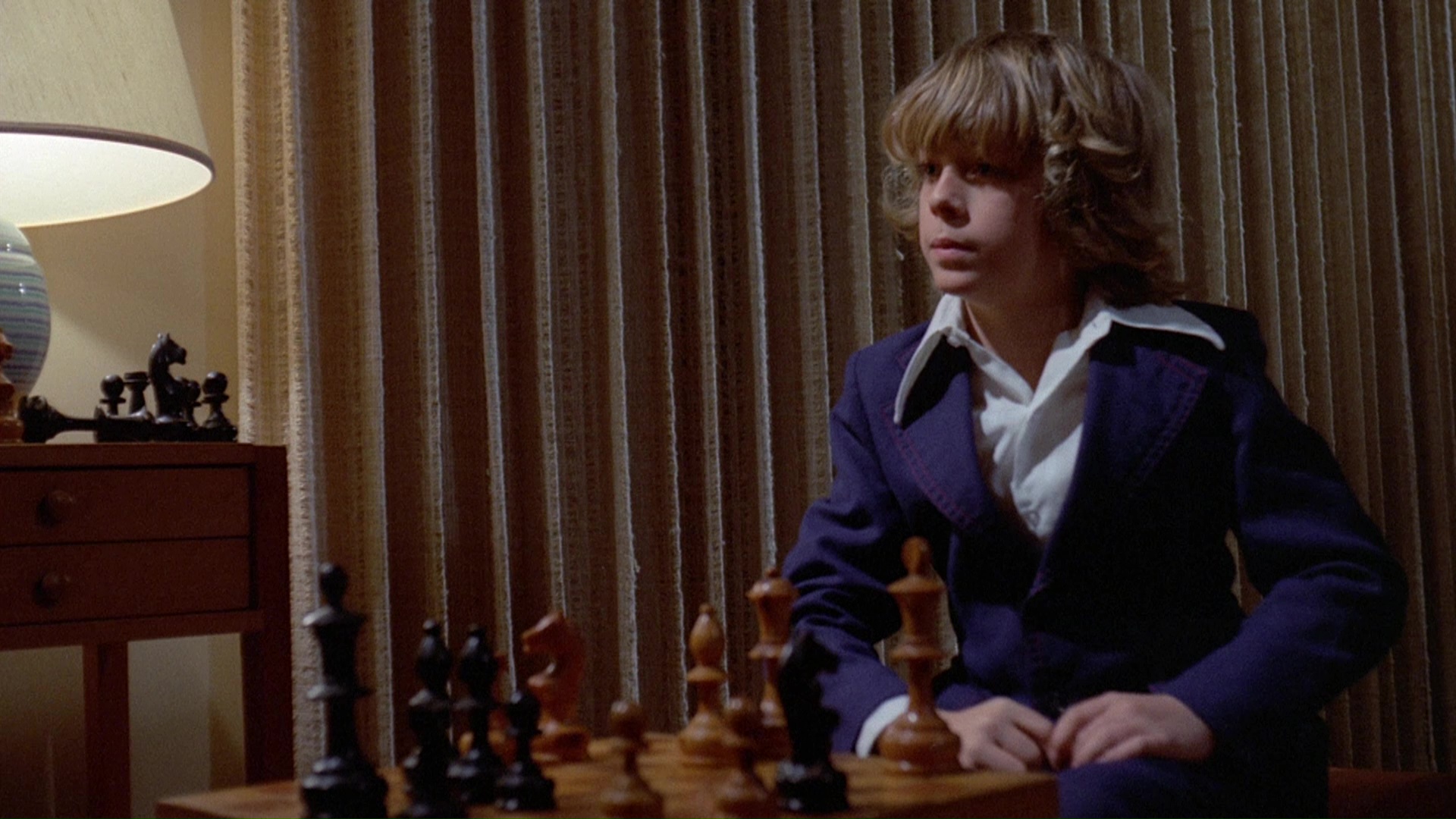
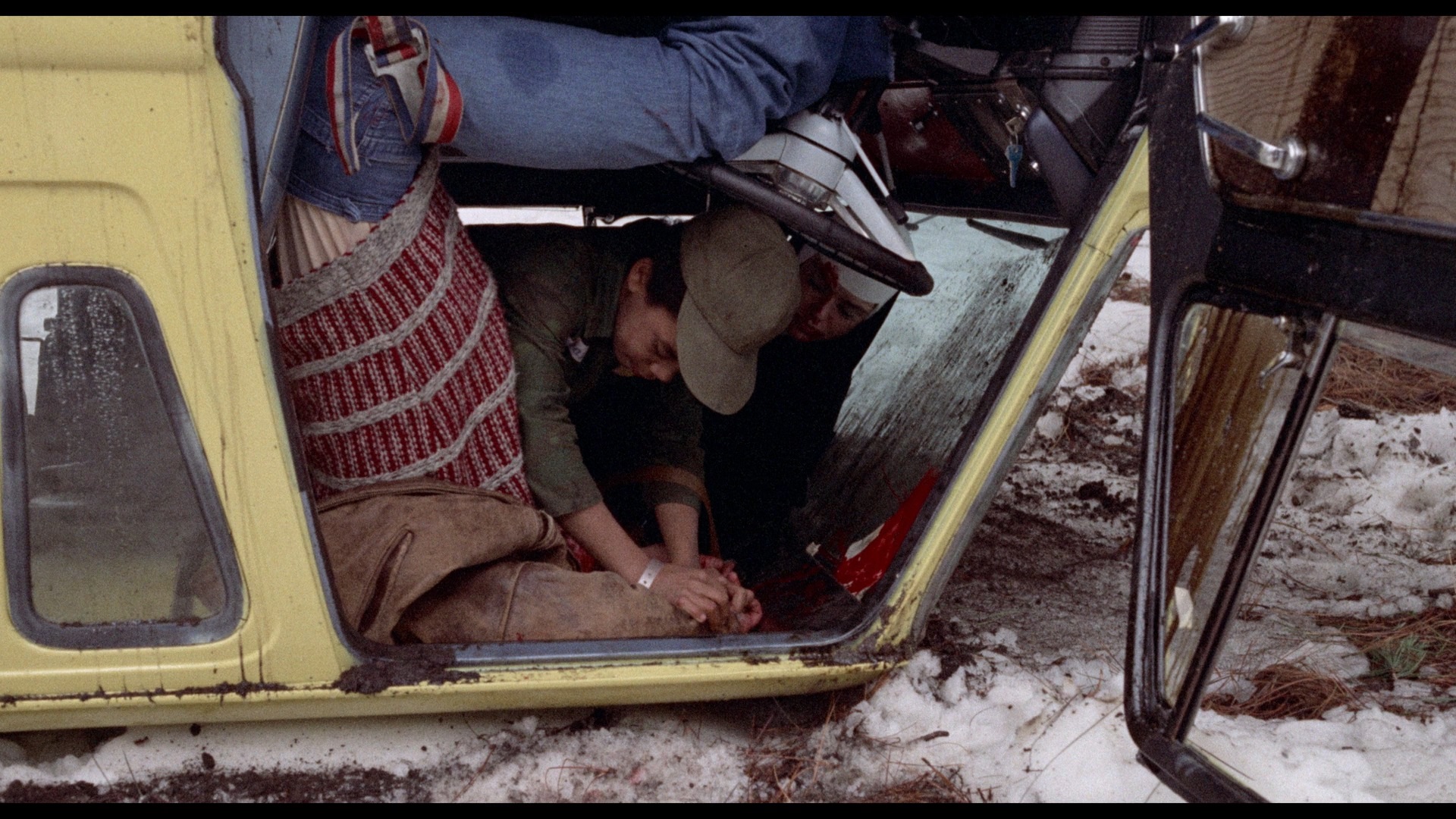
 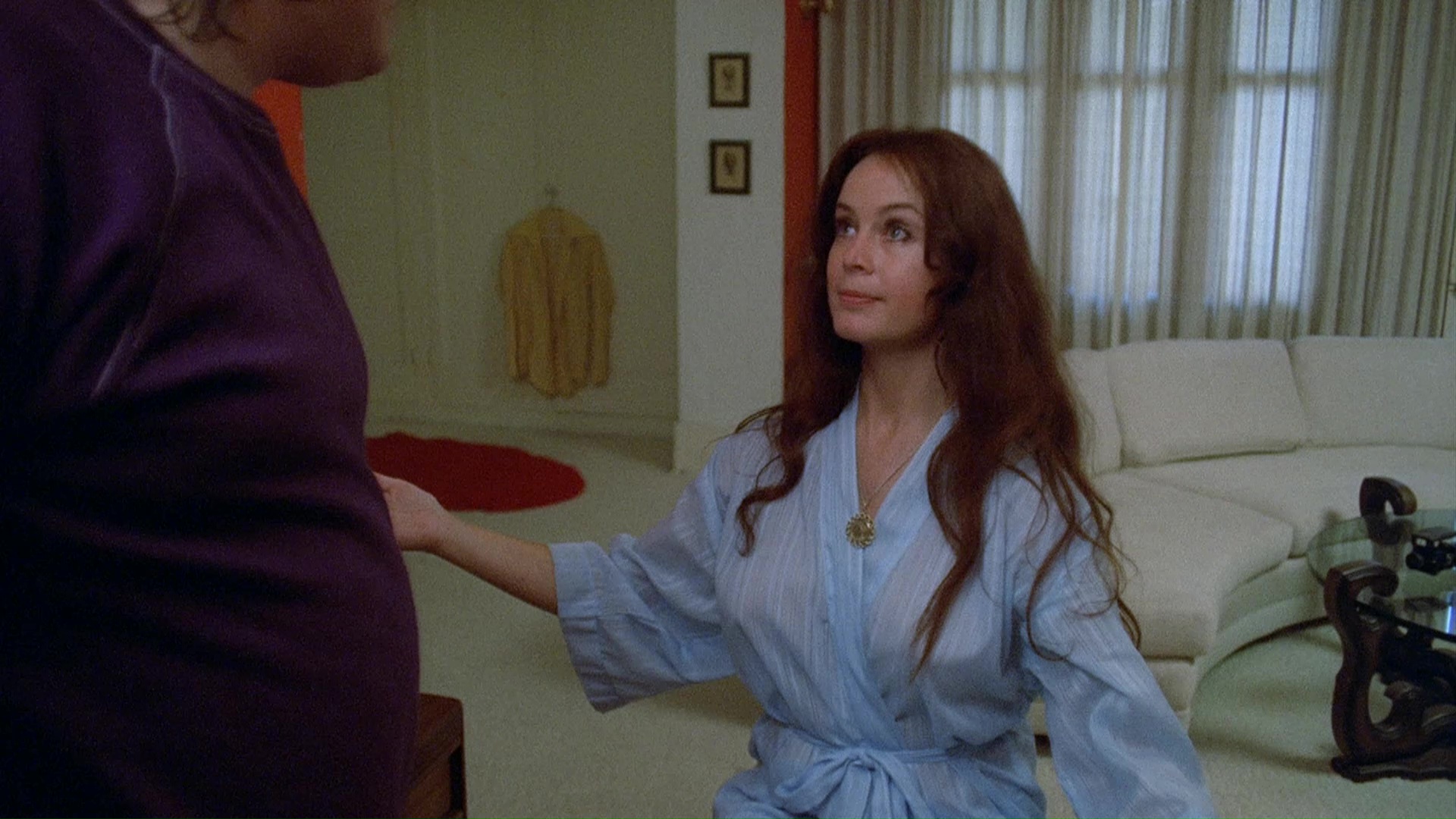 '70s twist, the cult video favorite Devil Times Five charts the havoc unleashed when a small bus load of psychologically unbalanced children en route to an institution crashes in the snow, leaving the twisted tots free to roam the countryside at will. Accompanied by a slightly older psycho in nun drag, Hannah (Smale), they find refuge at a nearby cabin where some twisted adults are busy getting drunk and acting out psychosexual parlor games of their own. Soon the kids -- including wannabe child actor David (future singer and tabloid fodder Garrett) and firebug Susan (Thompson) -- have wormed their way into the grown ups' confidence and can murder at will with any tools they find handy, never raising suspicion until it seems too late.
 set at times given some of the
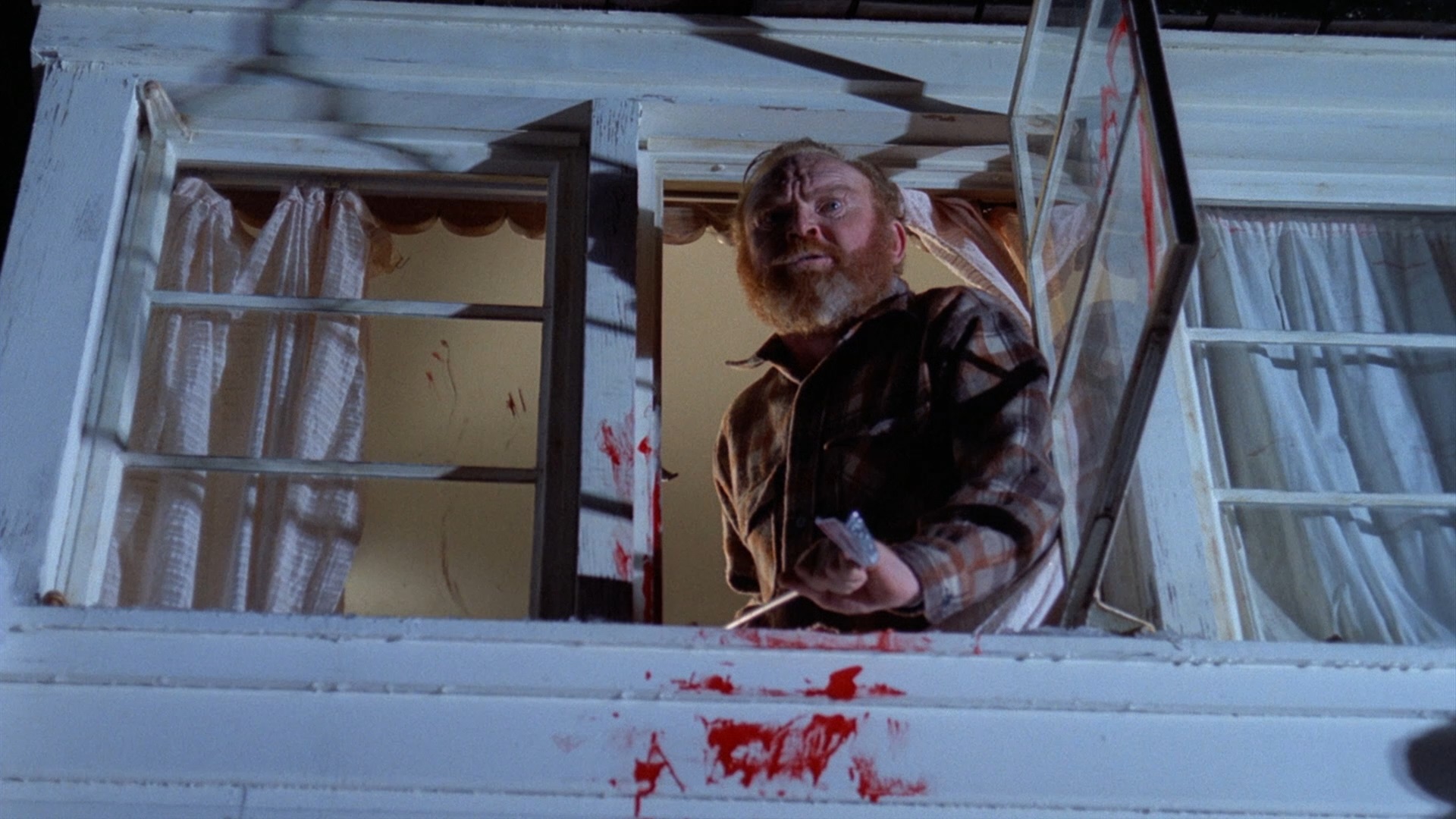
  sleazier moments in the script. The murder scenes are quite brutal and protracted, but more startling is the heavy dose of sex and equal opportunity nudity, which is more uncomfortable than titillating. Perhaps most startling, though, is the film's odd connection to Spanish director Narciso Ibáñez Serrador, whose The House that Screamed gets a nod here with a slow-motion murder sequence similar to that 1969 film; Serrador must have noticed, since his unsettling cult classic, Who Can Kill a Child?, was made two years later and acknowledges this film from its basic premise to the very similar ending. While the killer-kids theme is still potent (obviously), one aspect that really makes this film stick in viewers' memories is the isolated, snowy setting, which is effectively used and offers a legitimate excuse for keeping the potential victims from simply running next door to call the police.
 Blowitz, and both men cover the strenuous production history on their audio commentary with moderator Darren Gross, who as usual does a solid job of keeping the conversation fact-
 filled and quickly paced. Lyn also joins in and offers her own perspective as a child performer drawn in to a most unusual project. All three are joined by Tierre Turner for the other big extra, a 22-minute featurette that offers even more stories about the shoestring filming in a less-than-optimum setting with enough continuity problems to fuel months of nightmares. Other extras include the theatrical trailer, some additional Easter eggs involving the interviewees, an alternate opening title sequence, a promotional gallery, and vintage trailers for other Code Red releases.
 reel; no hunting around required this time.
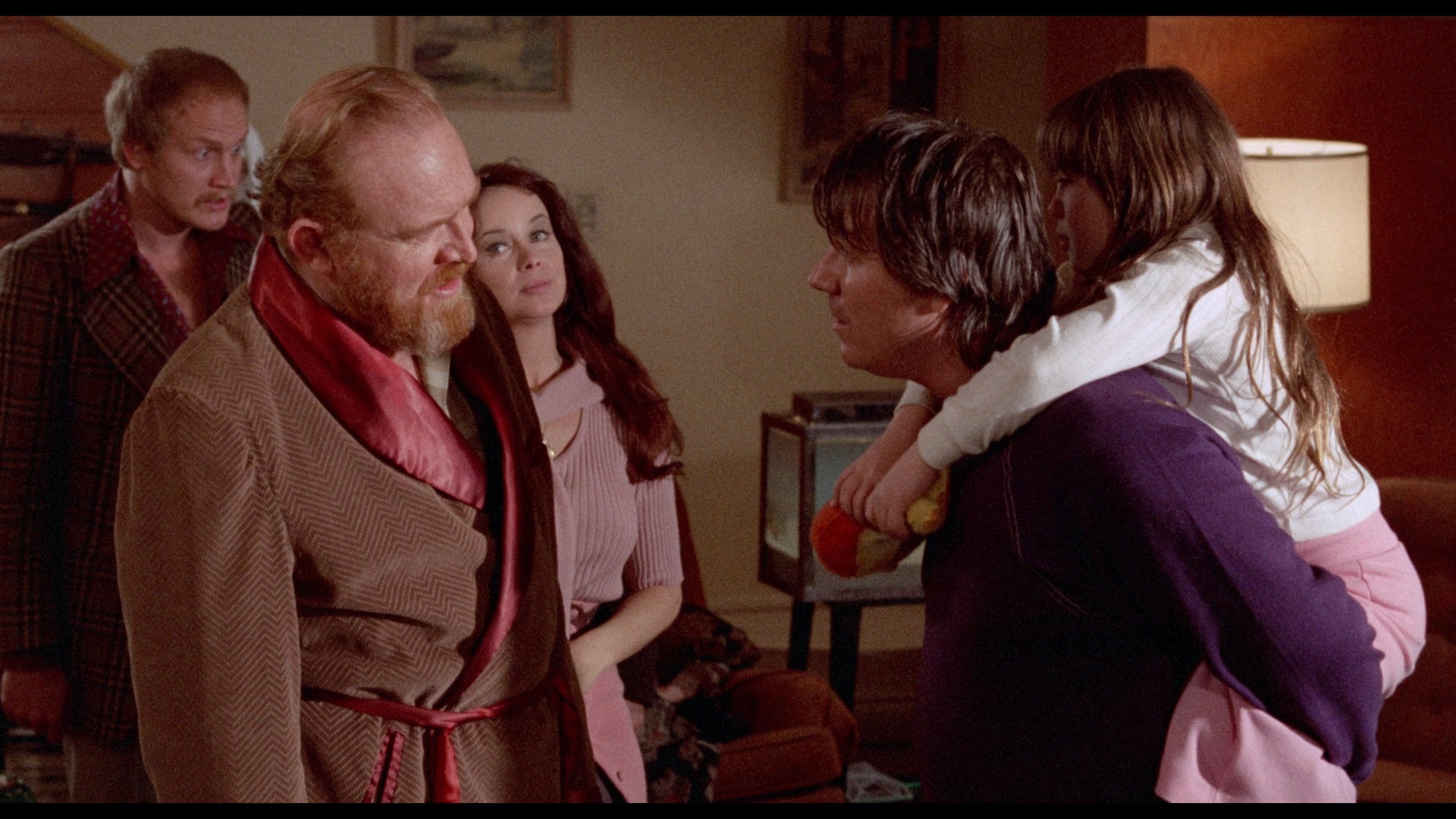 from the 35mm camera negative, it improves on the already excellent prior Blu-ray with better grain structure and more image info in the frame; the UHD also has a rich and frequently eye-popping range of colors thanks to HDR. Again this bears the Horrible House title on the source, not surprisingly. The DTS-HD MA 2.0 English mono track sounds pristine and features optional English SDH, and the prior commentary has been ported over here. You also get a brand new commentary by the great slasherholics from The Hysteria Continues!, who put this in context with other '70s and '80s killer kid movies and cover its odd theatrical and home video release history as well as background on all the principals. The previous featurette turns up here as well along with the trailer, bonus interview snippets, and alternate Devil Times Five title card. The three new featurettes here kick off with "Puppeteering" (20m11s) with second assistant director Walter Dominguez about some of the films he worked on before this (like The Andromeda Strain), meeting his future wife on this film, and the various backstage chaos that almost made him walk. In "Daddy’s Home" (8m49s), Bruce Wank, son of executive producer Jordan M. Wank, starts with a Tarantino plug for the film and looks back at his dad's career in Hollywood starting as an entertainment attorney and doing an earlier film with MacGregor that led to this turbulent one. Finally in "Holiday from Hell" (26m16s), regional horror expert extraordinaire Stephen Thrower provides plenty of detail about MacGregor's background (some of it very dubious and including some bit parts in Hollywood movies), including his work on Brotherhood of Satan and the path leading to this film and some of its more amusing continuity curiosities.
 Vinegar Syndrome Blu-ray
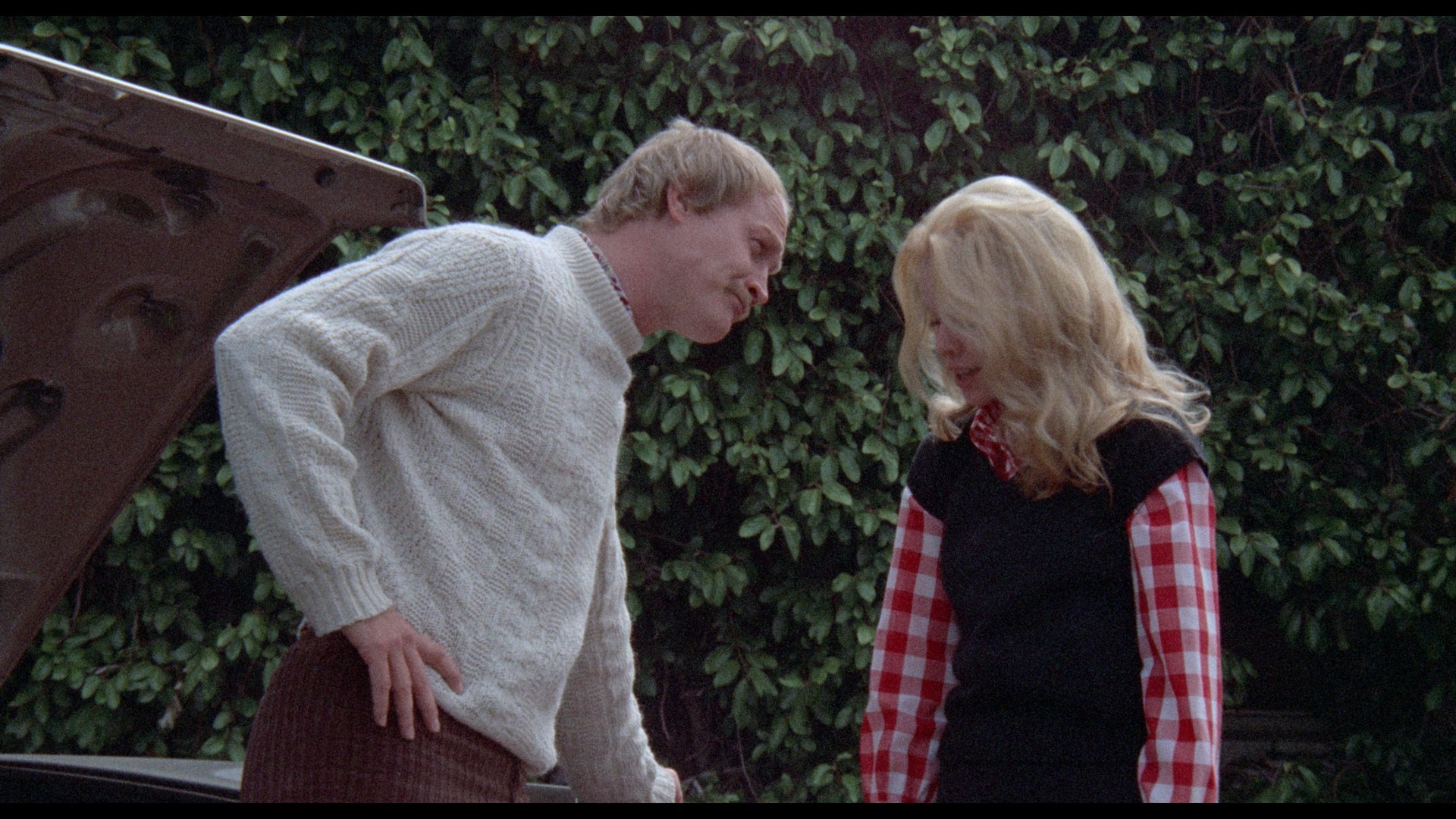
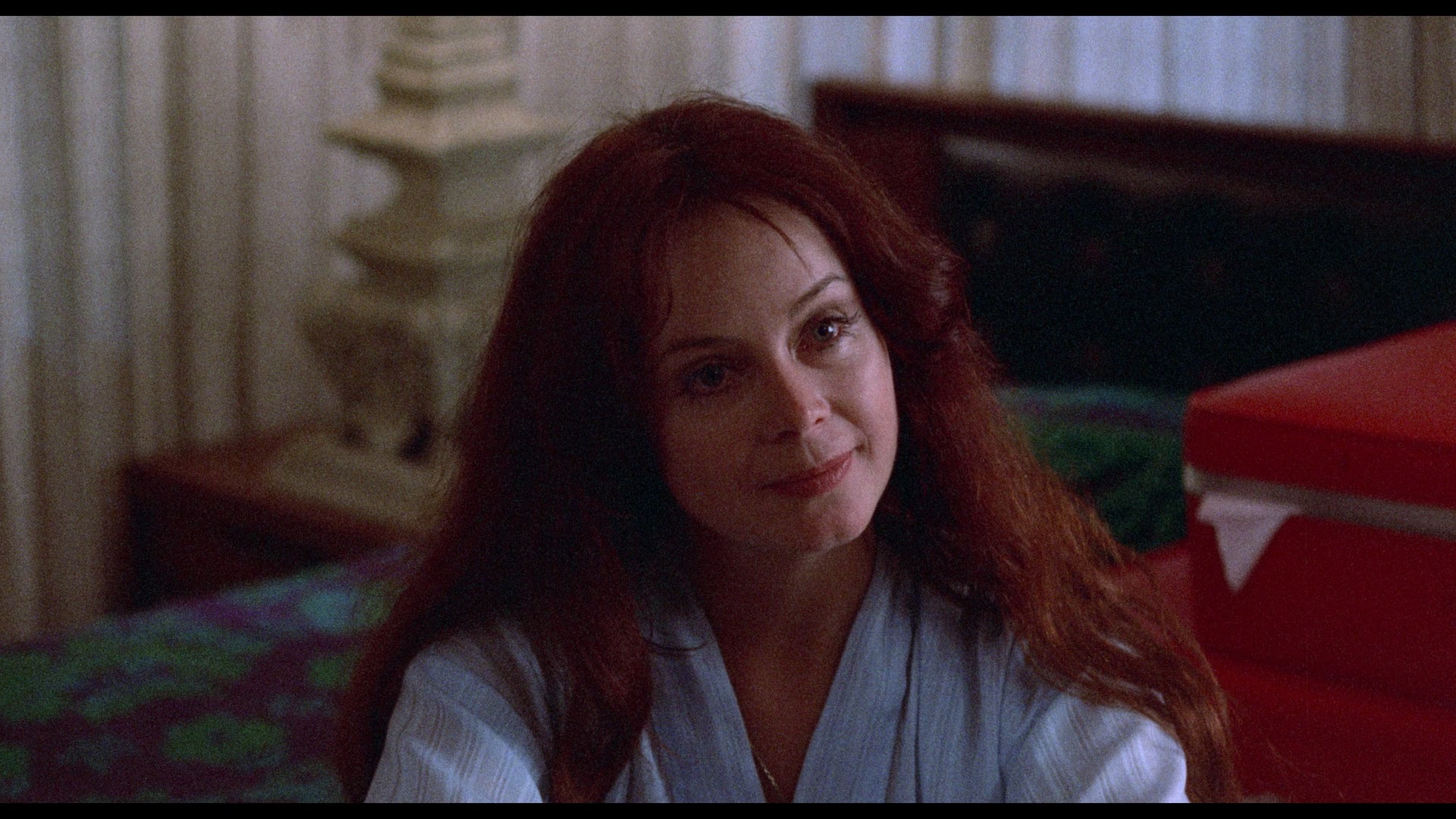
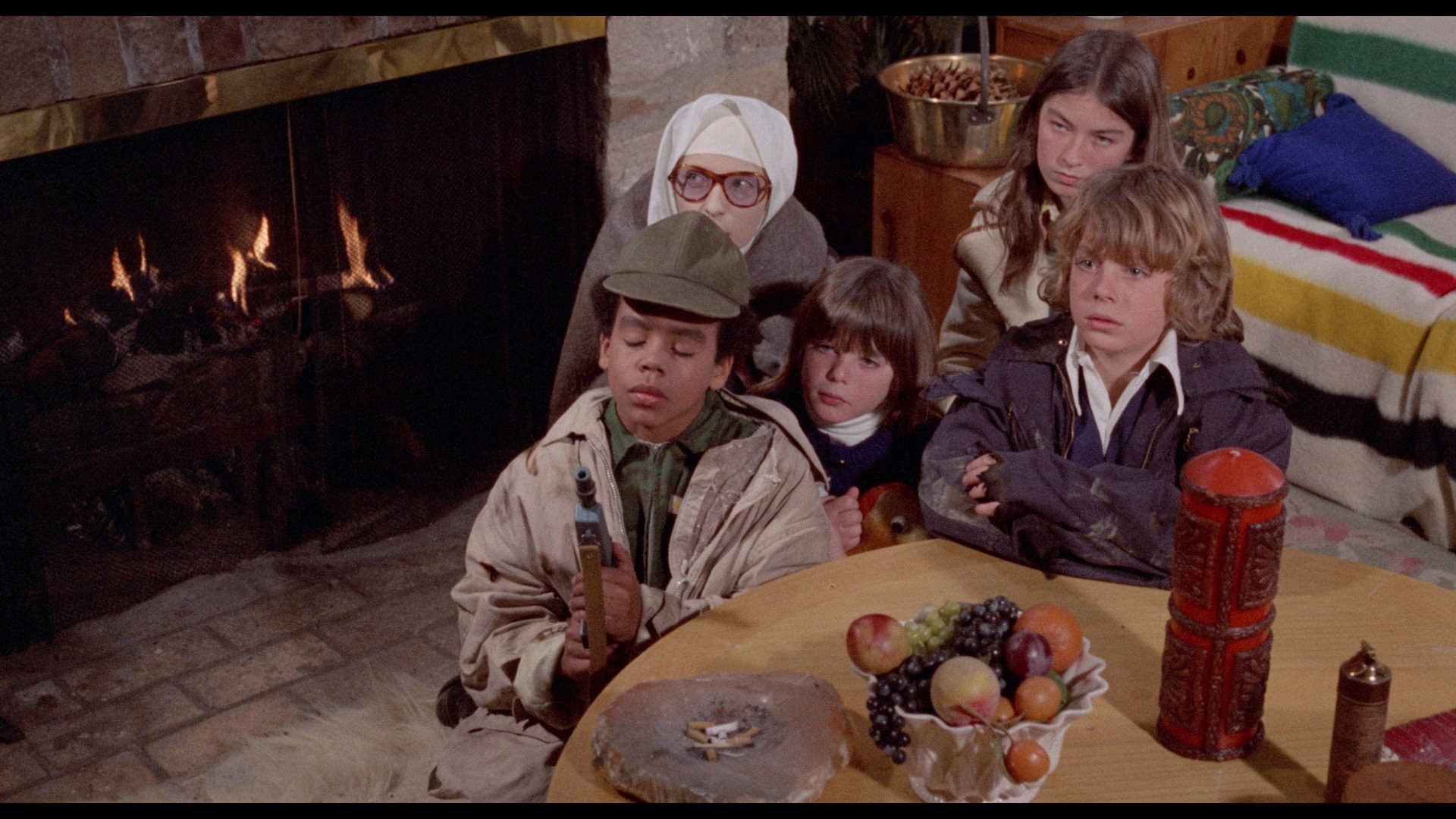
Code Red Blu-ray